Winter Running Clothing


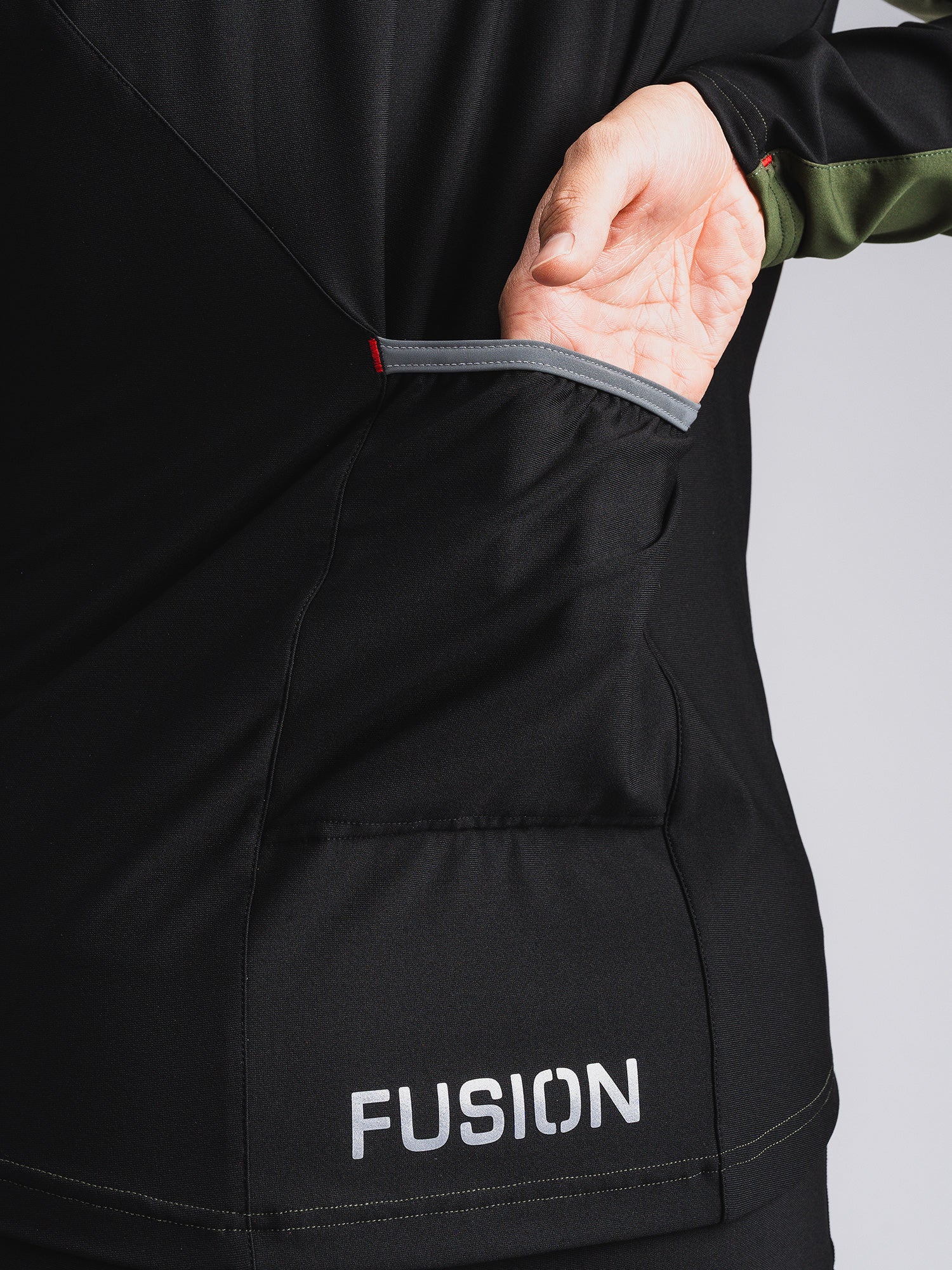

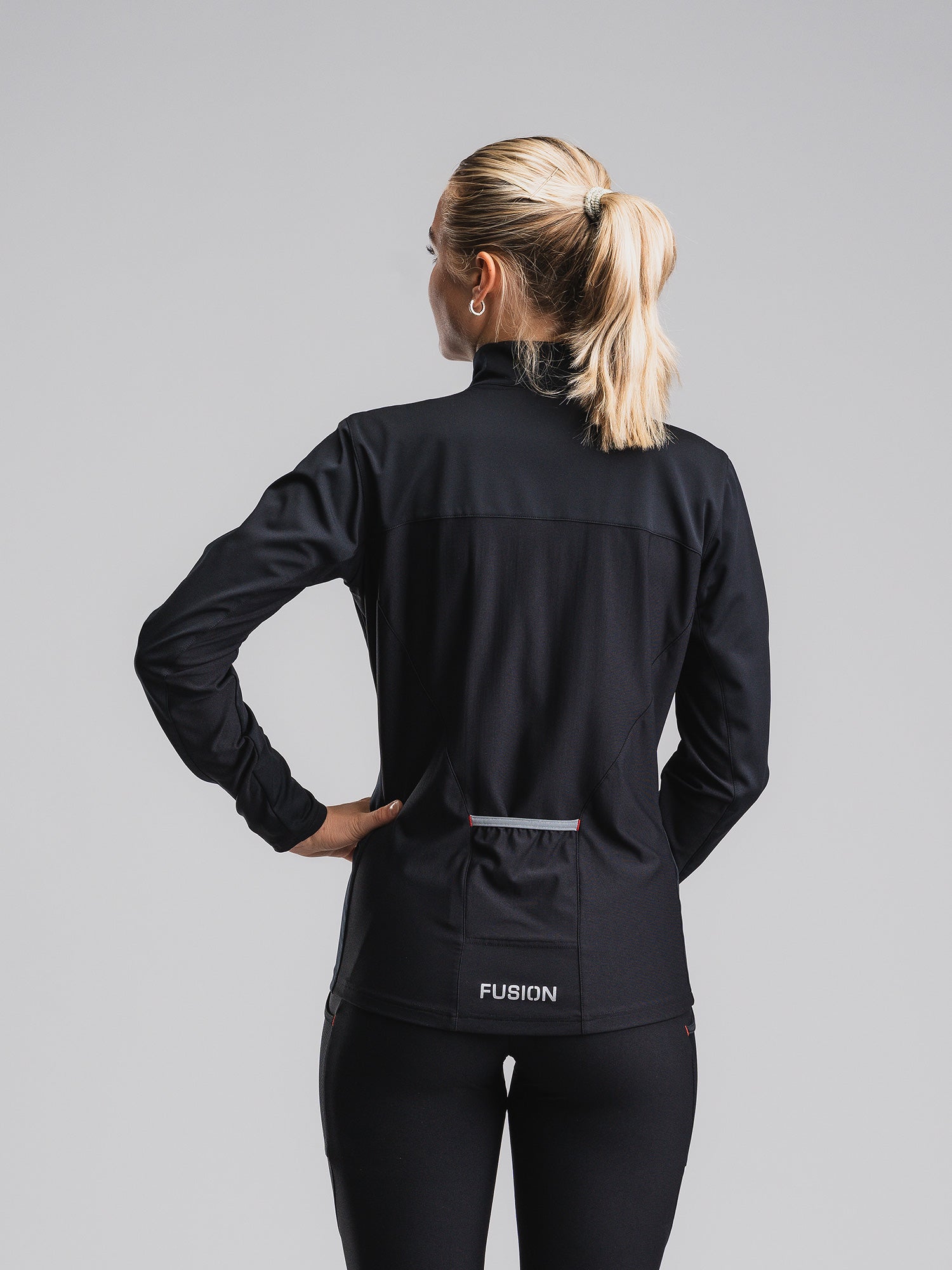

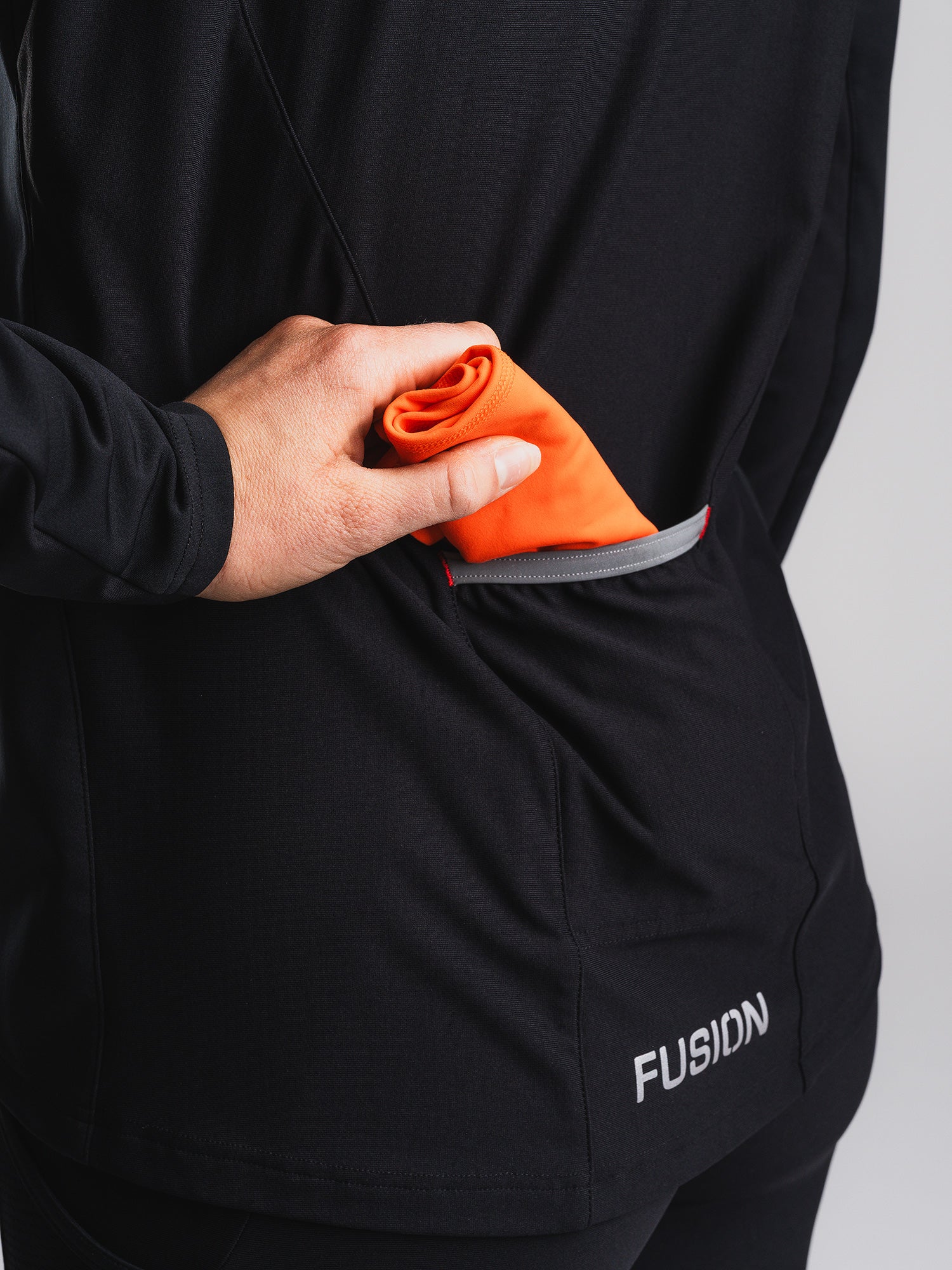
Next generation of technical protection for running in unstable weather and low temperatures.
3.050 kr

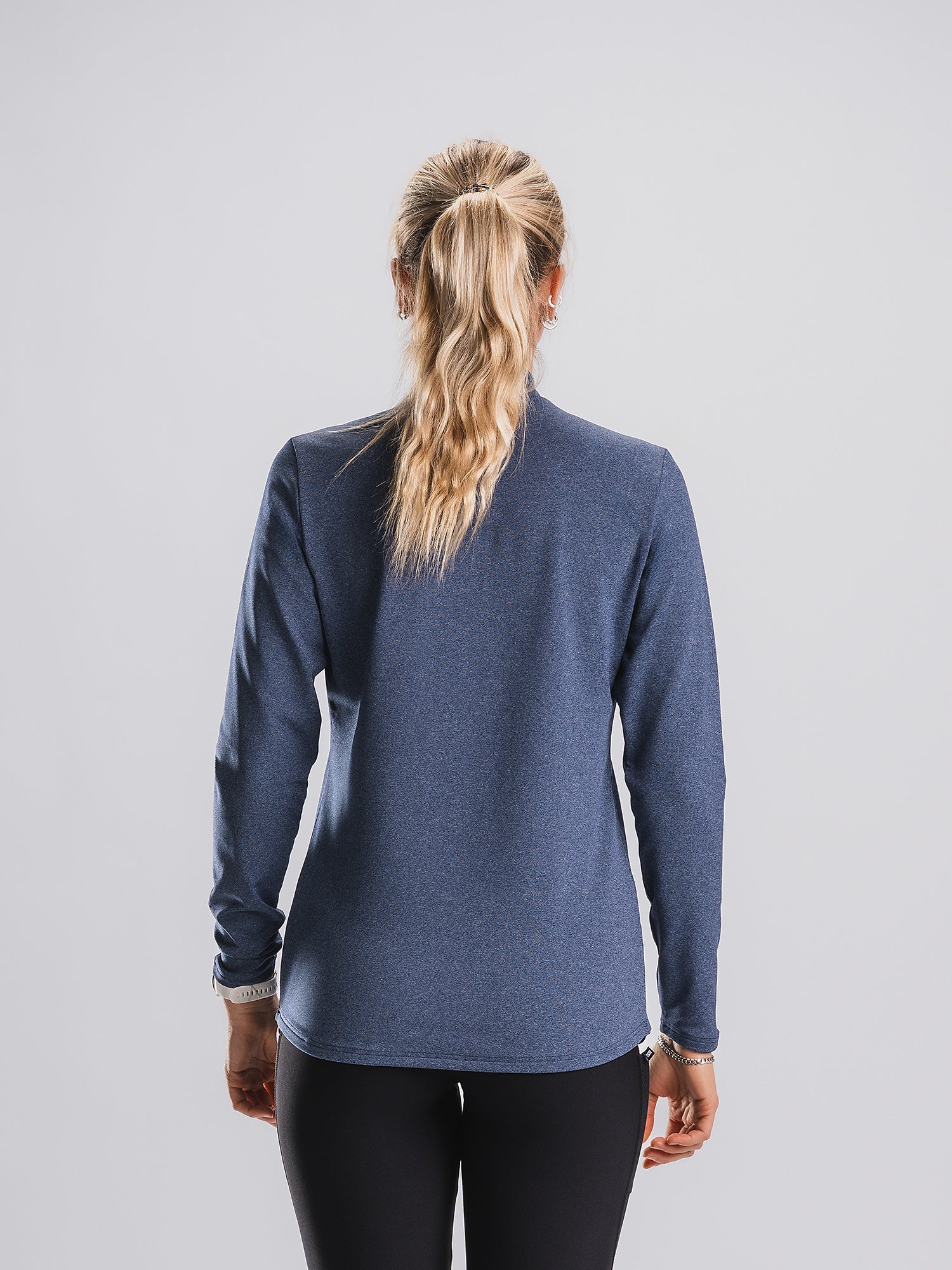
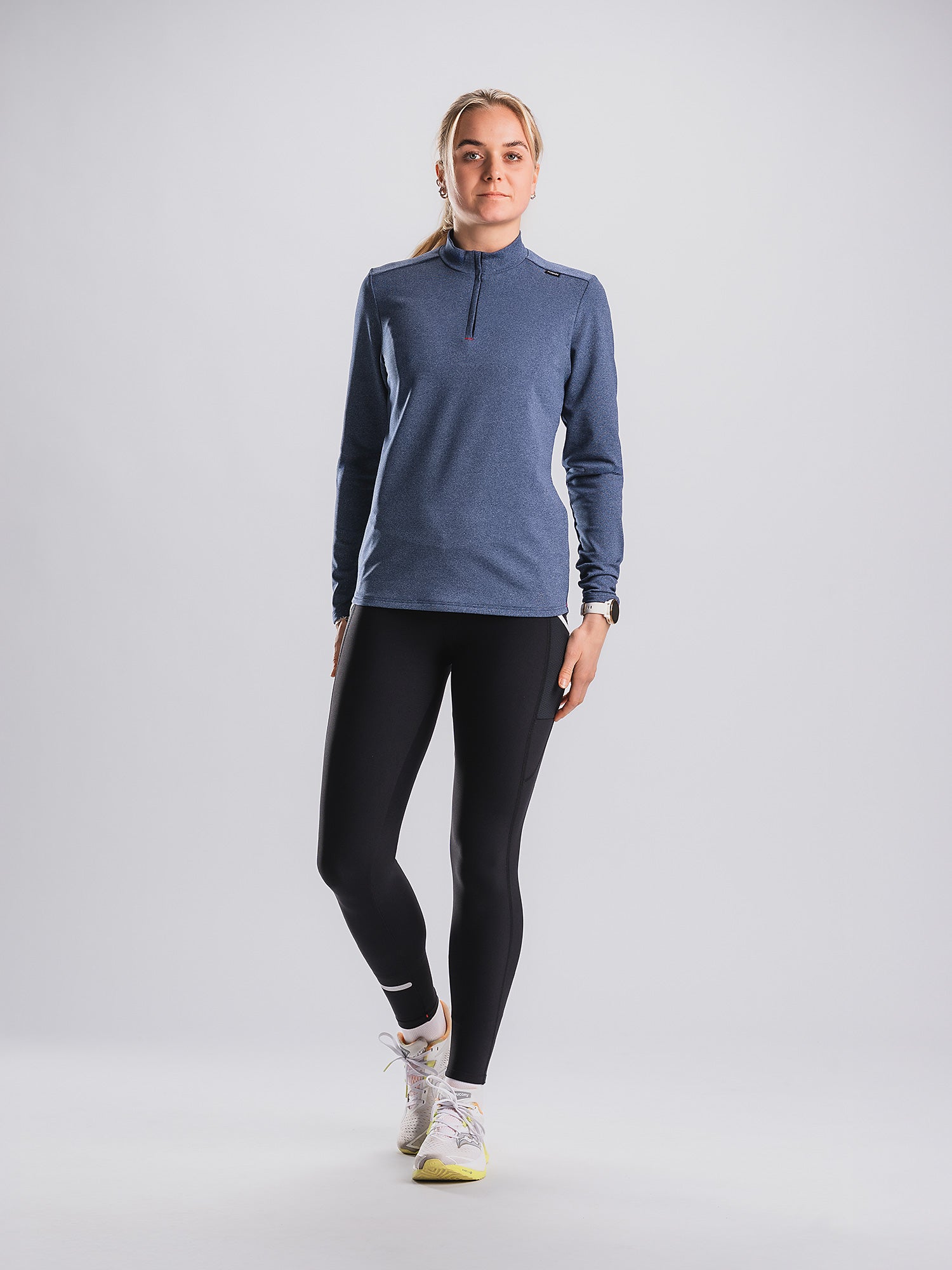
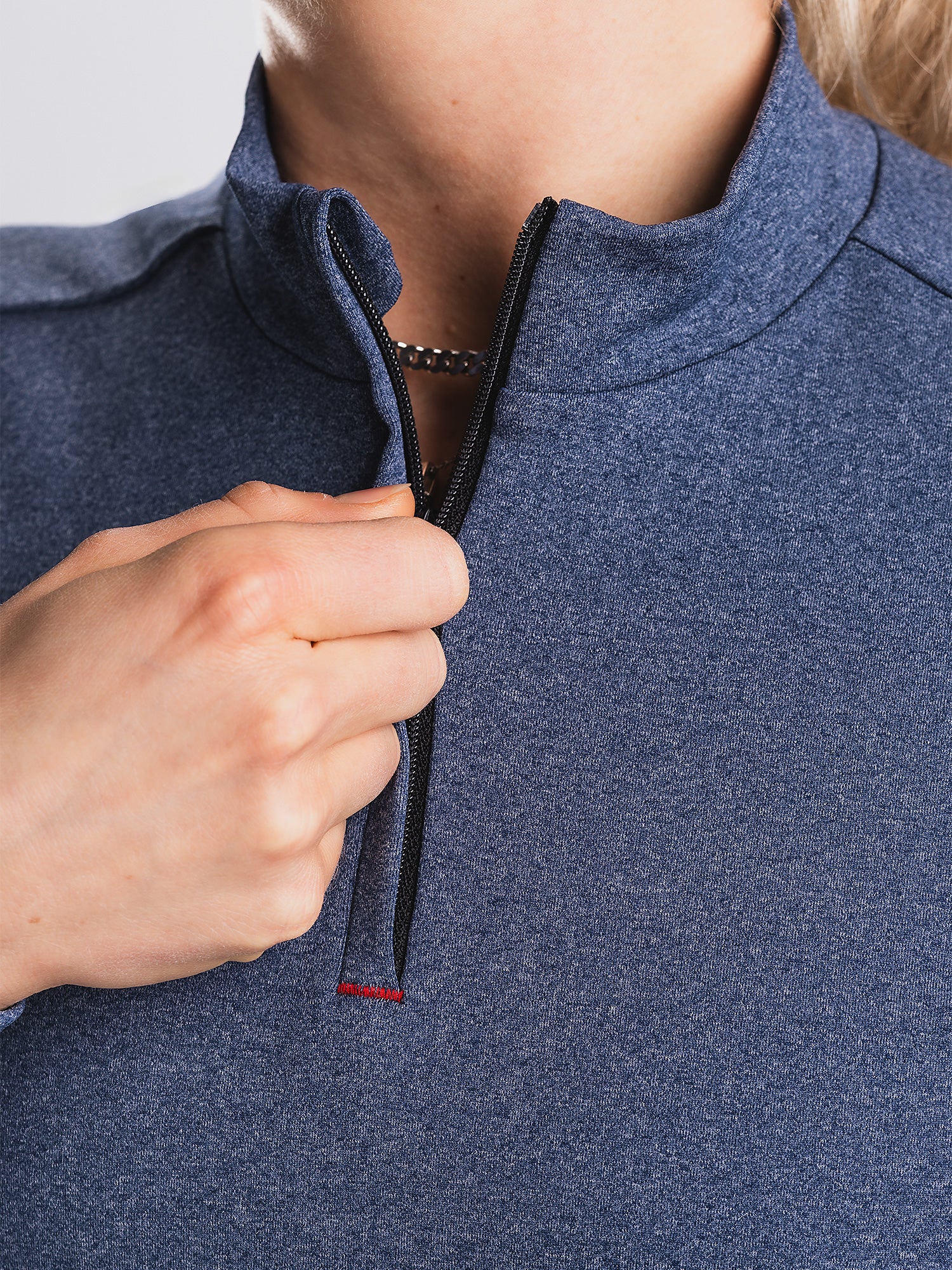
5–15 °C – 2-sided technical fabric with moisture-wicking inner and insulating outer
1.425 kr




5–15 °C – 2-sided technical fabric with moisture-wicking inner and insulating outer
1.325 kr


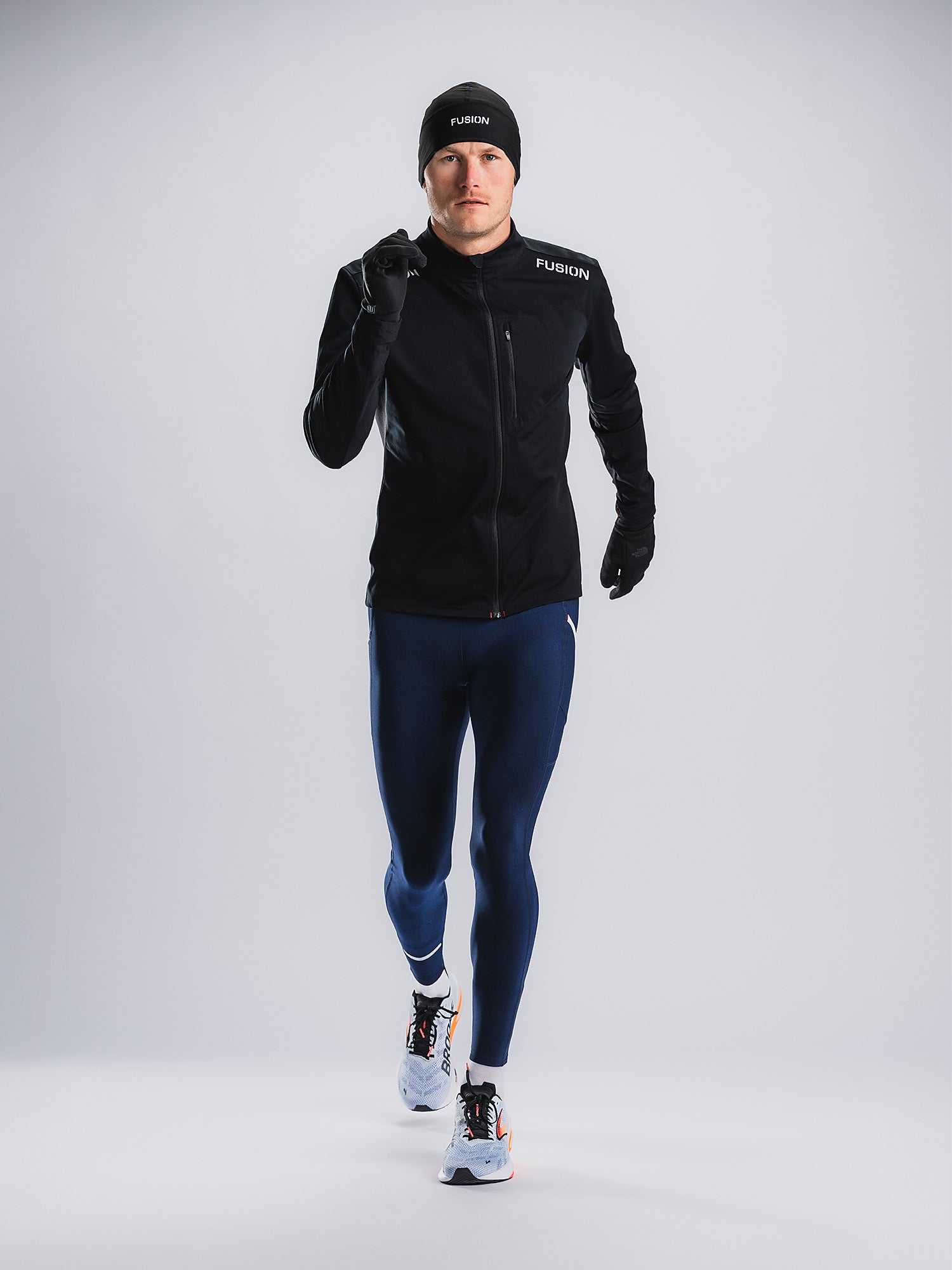
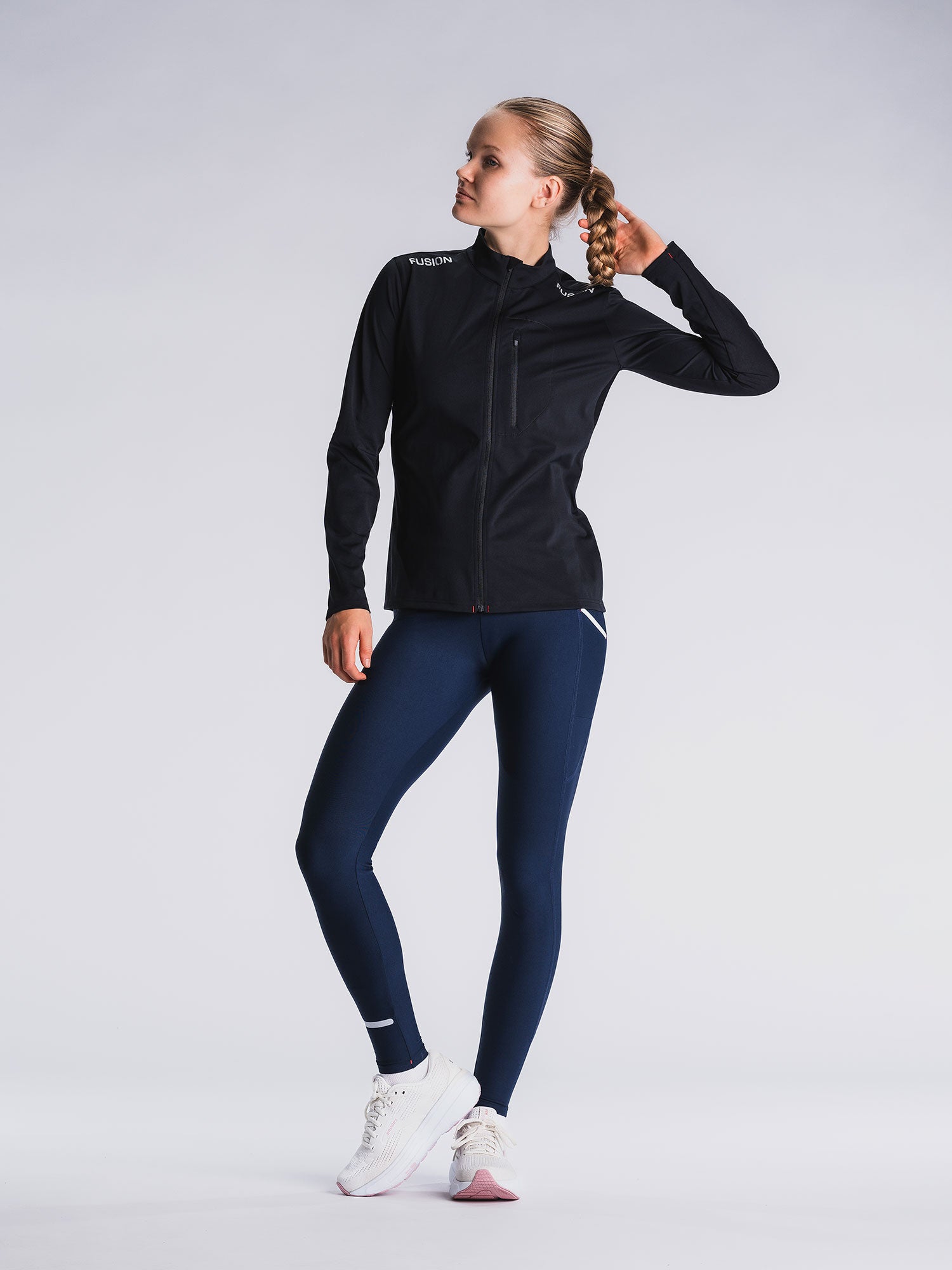



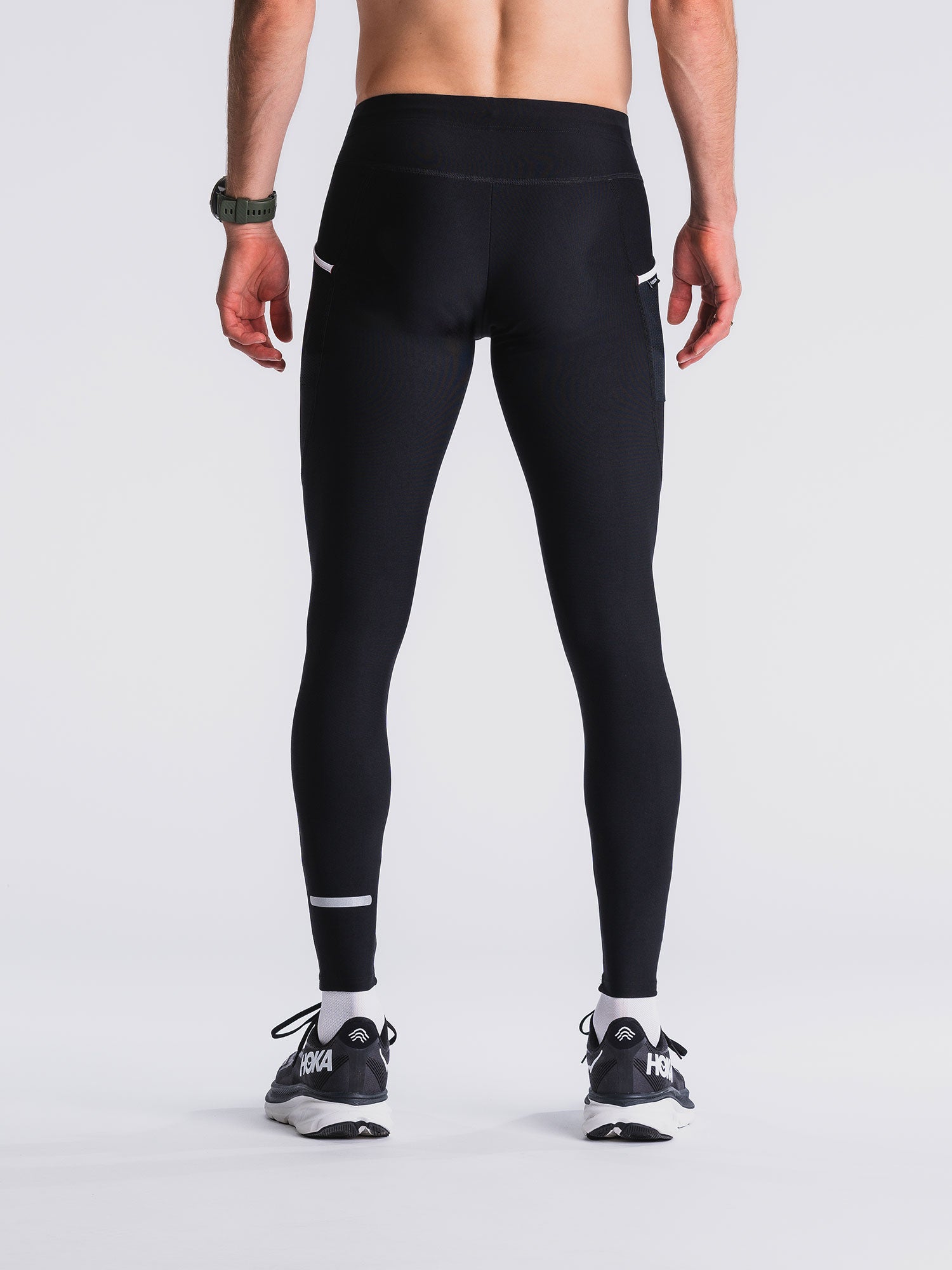


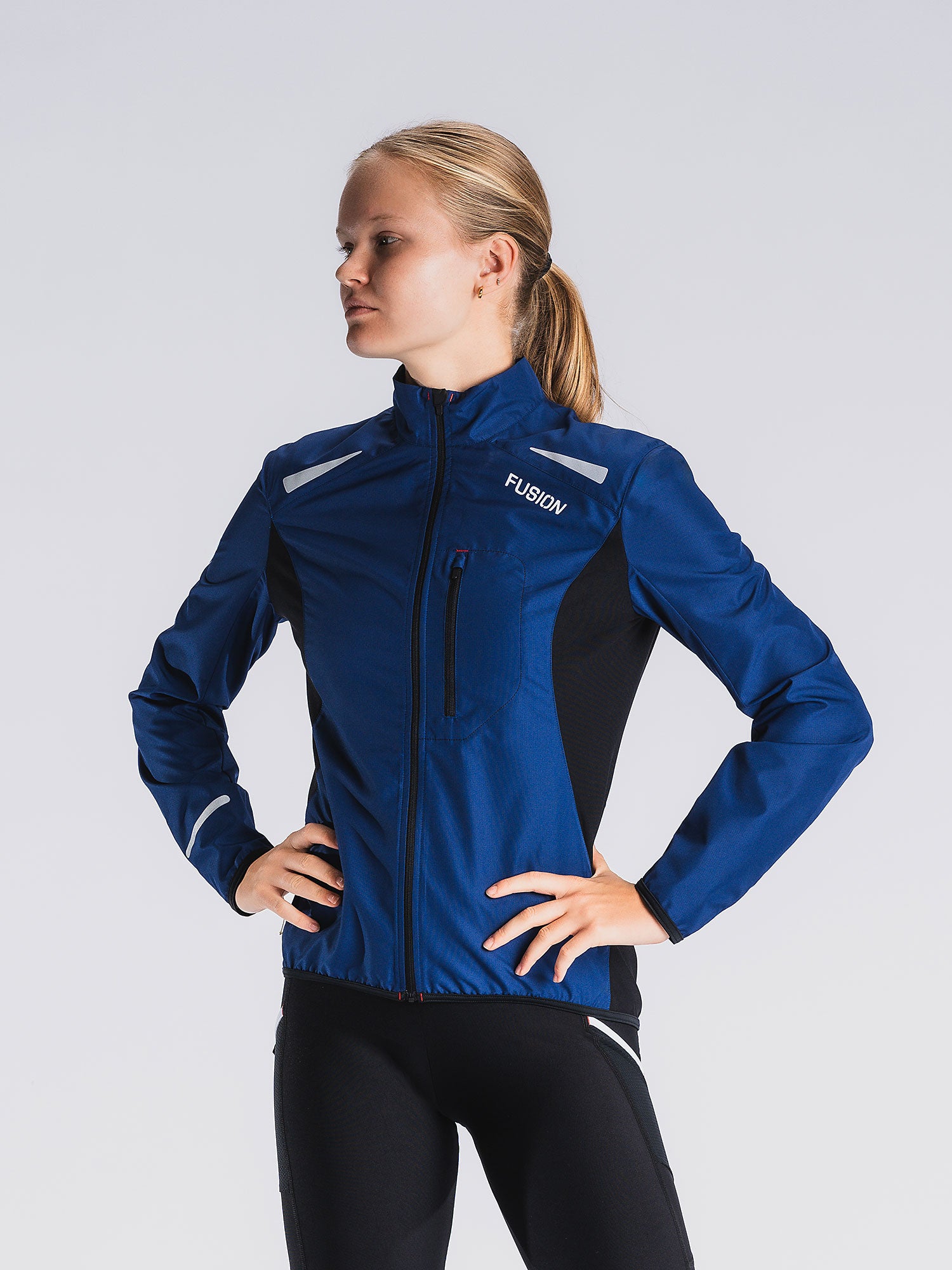
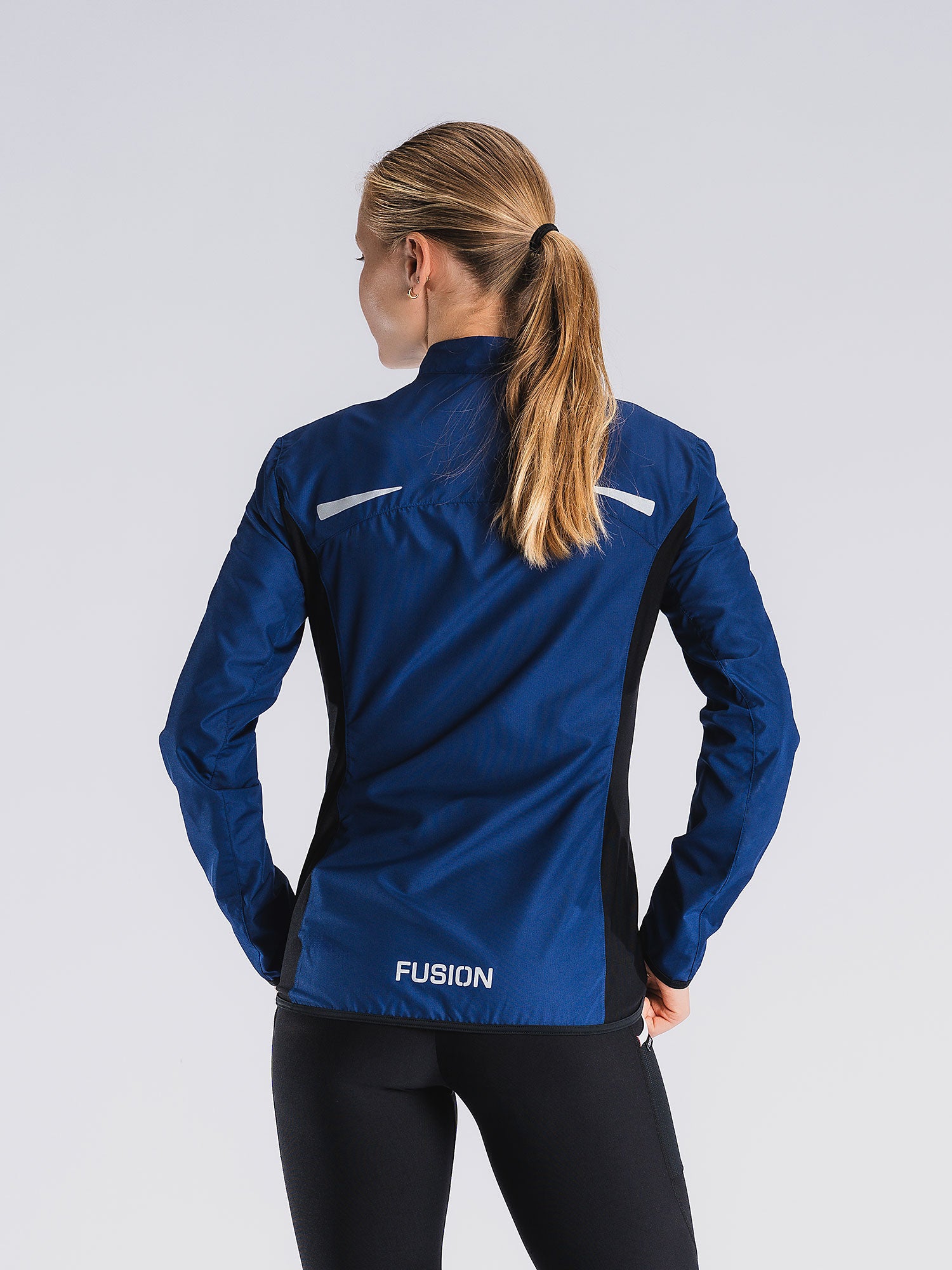


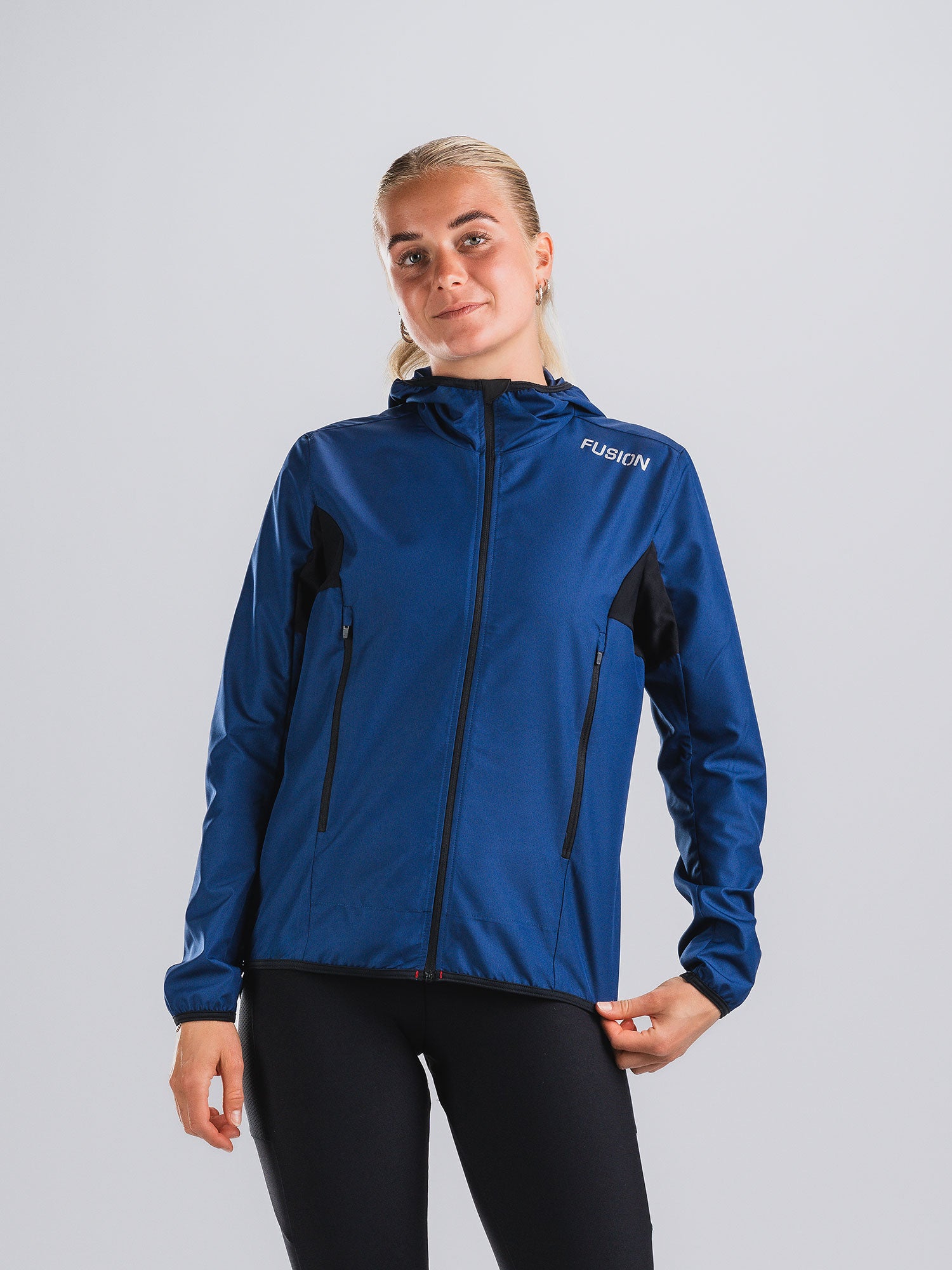
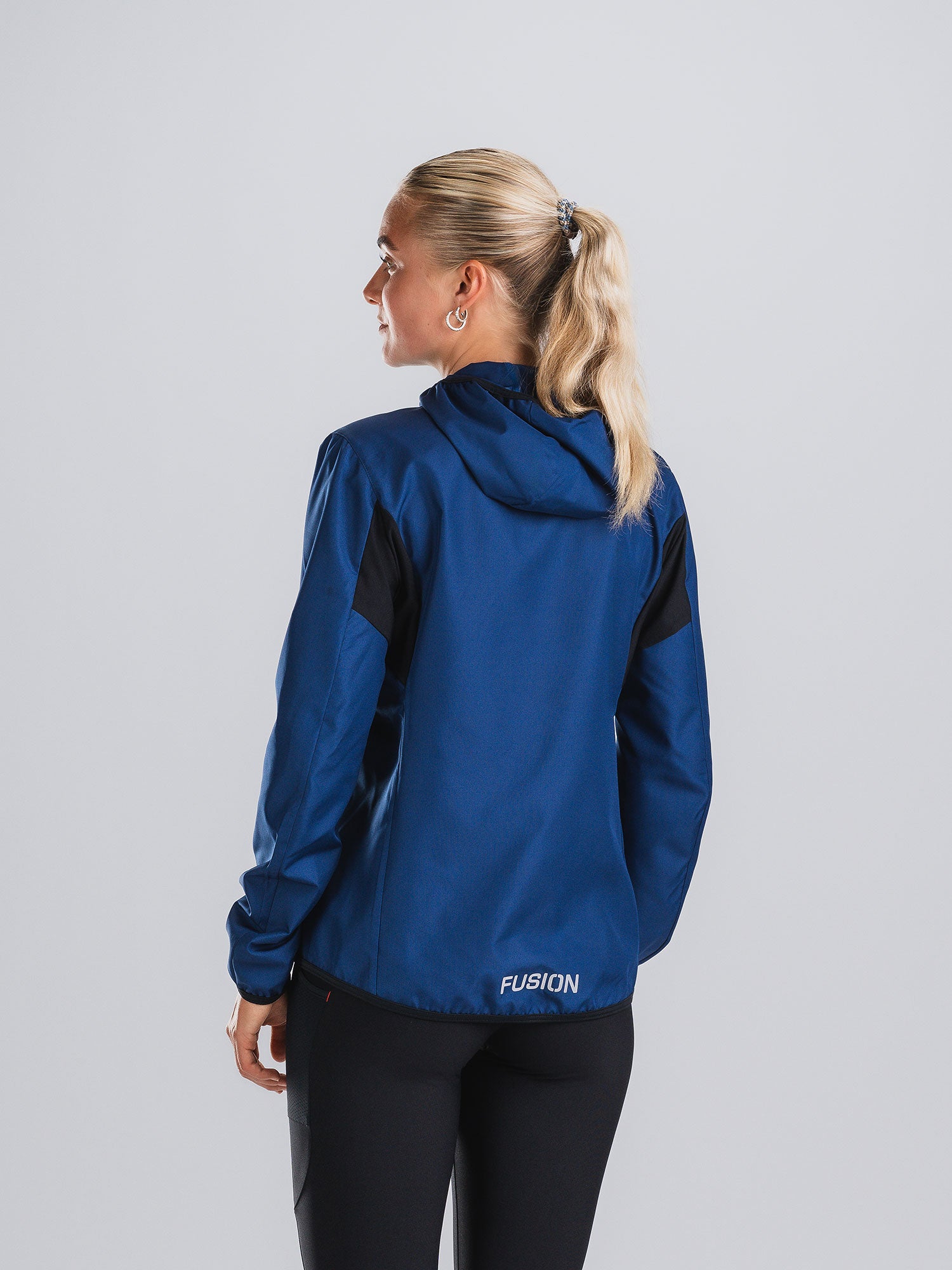
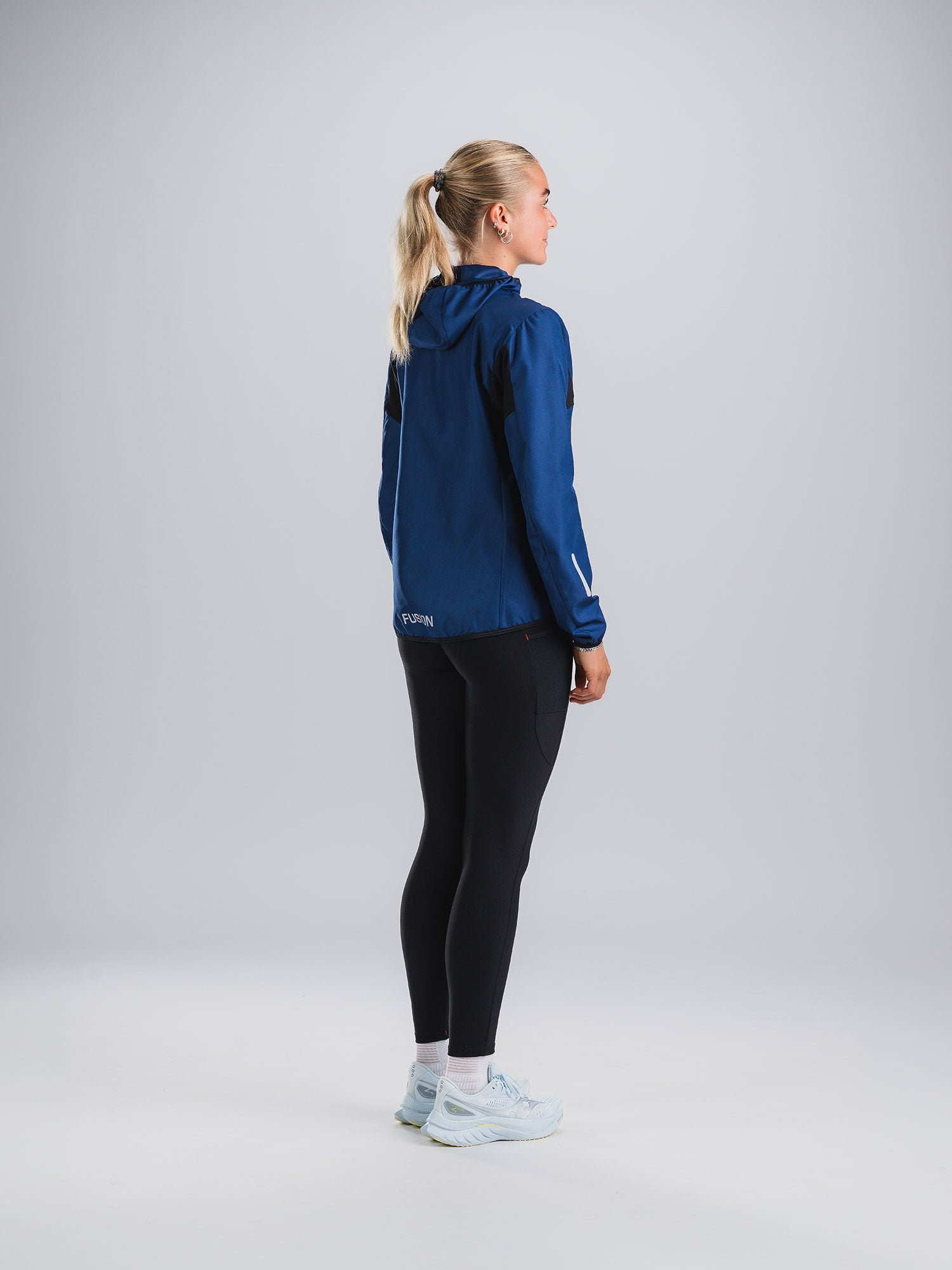
Wind- and water-resistant with ventilating side panels, designed for changing weather.
1.600 kr
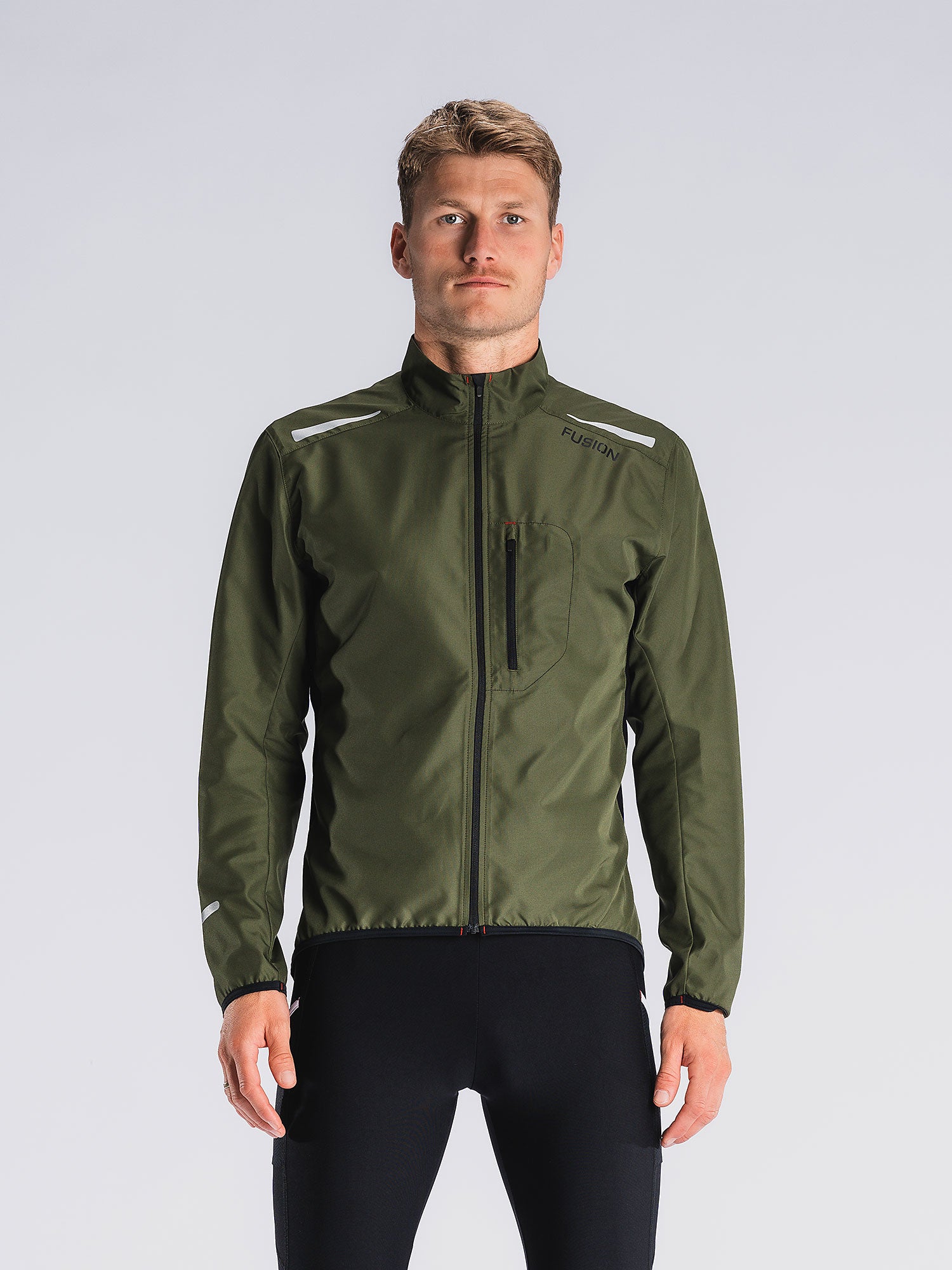

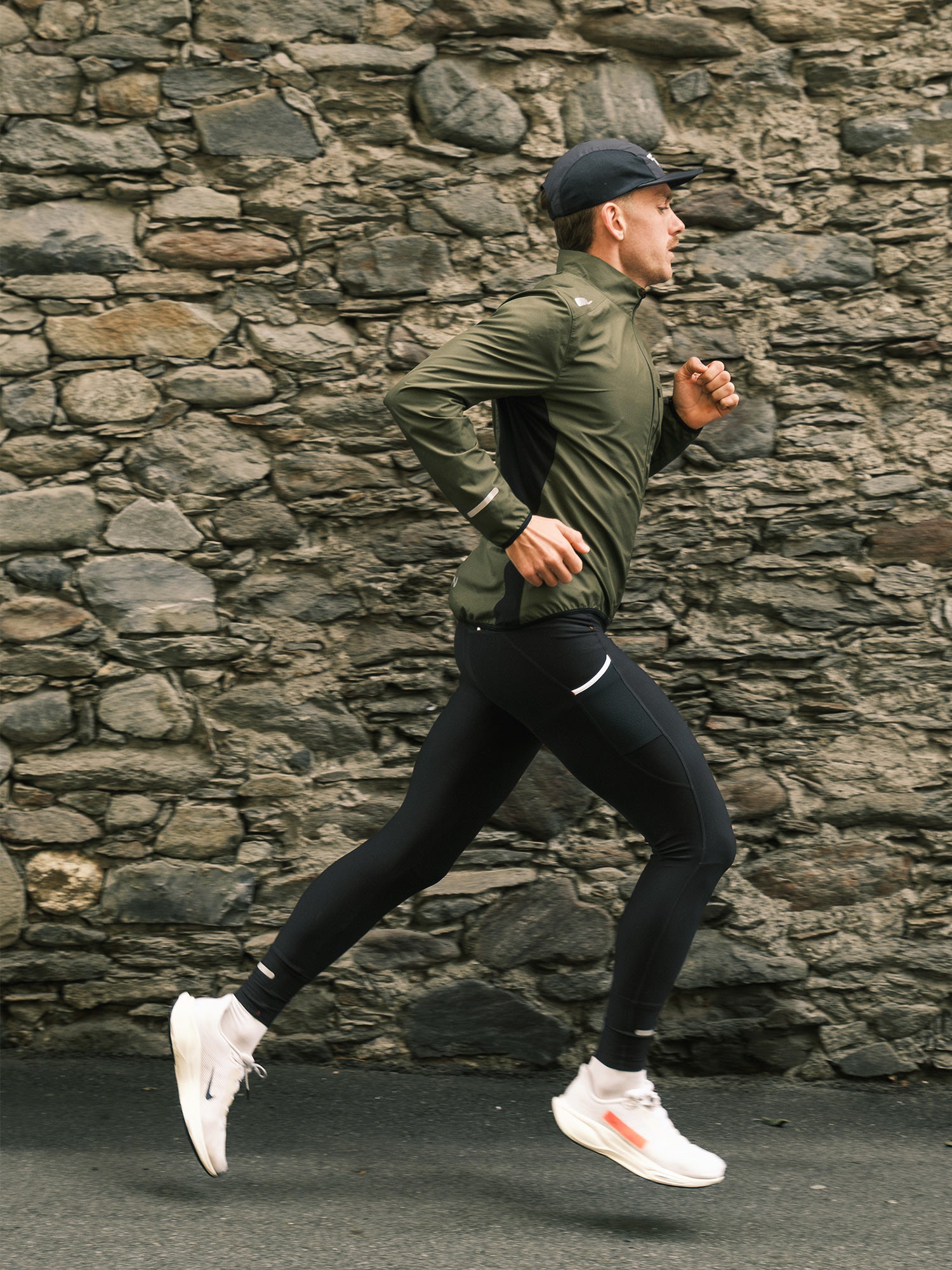
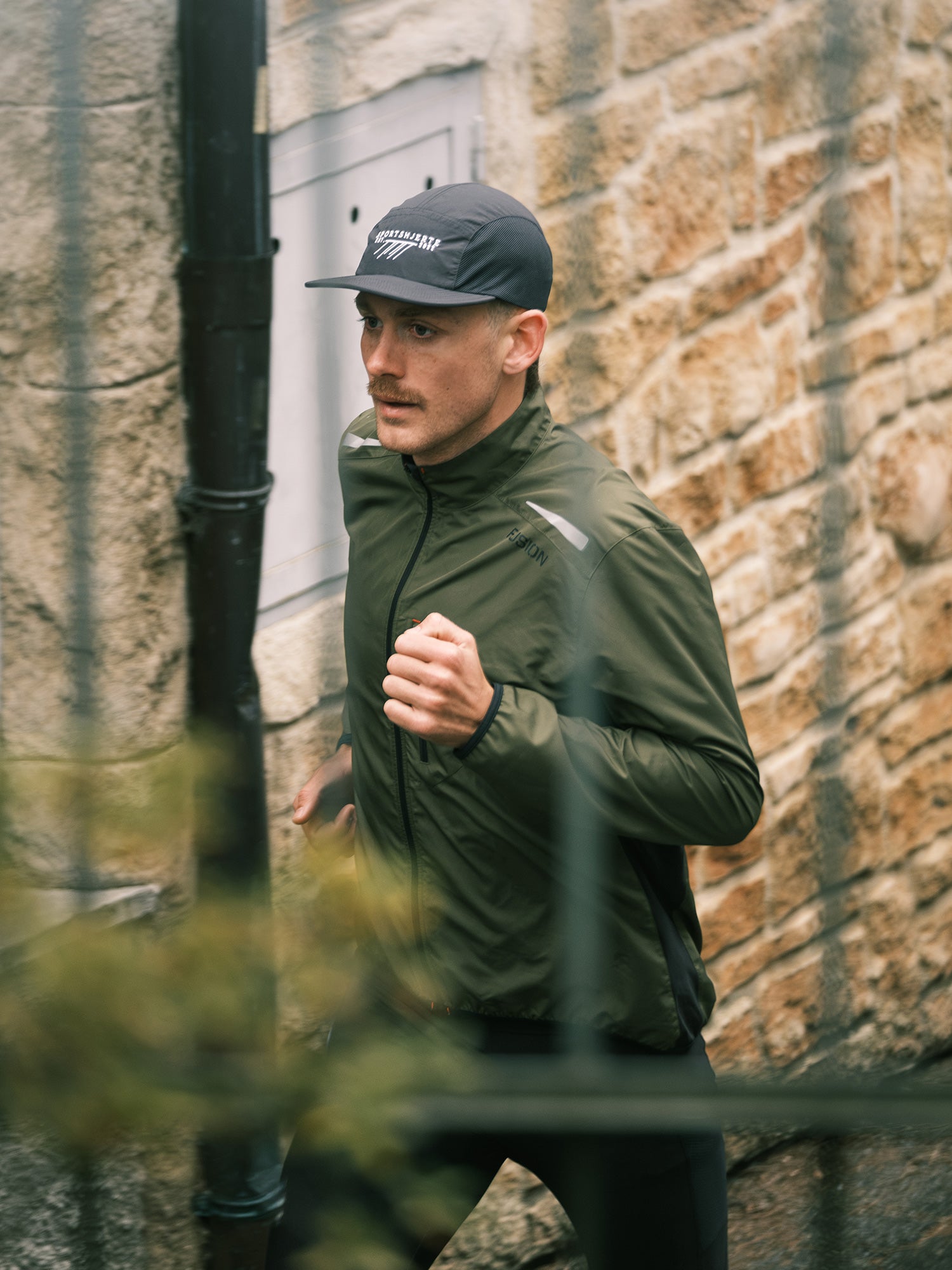
Wind- and water-resistant with ventilating side panels, designed for changing weather.
1.600 kr
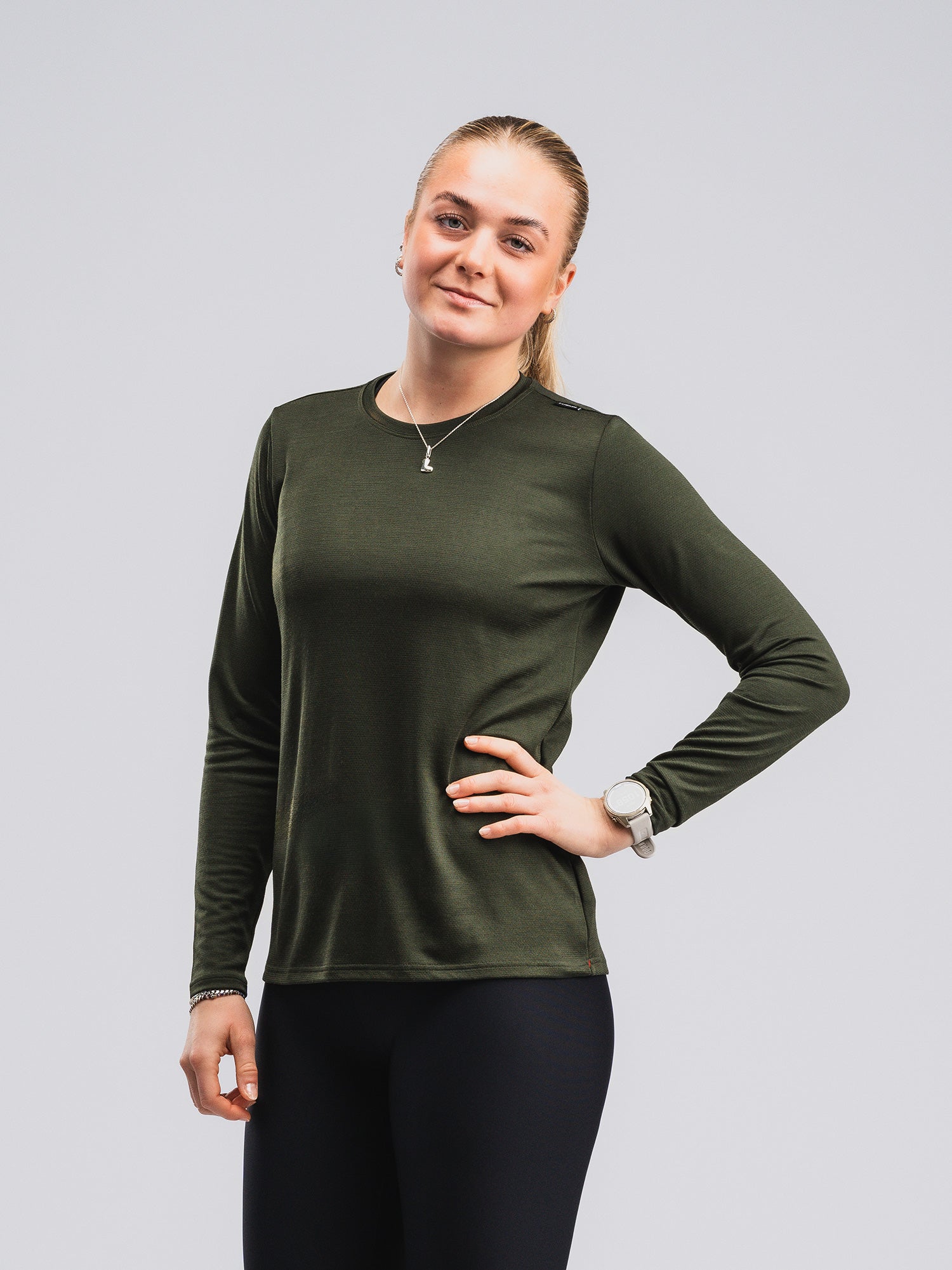
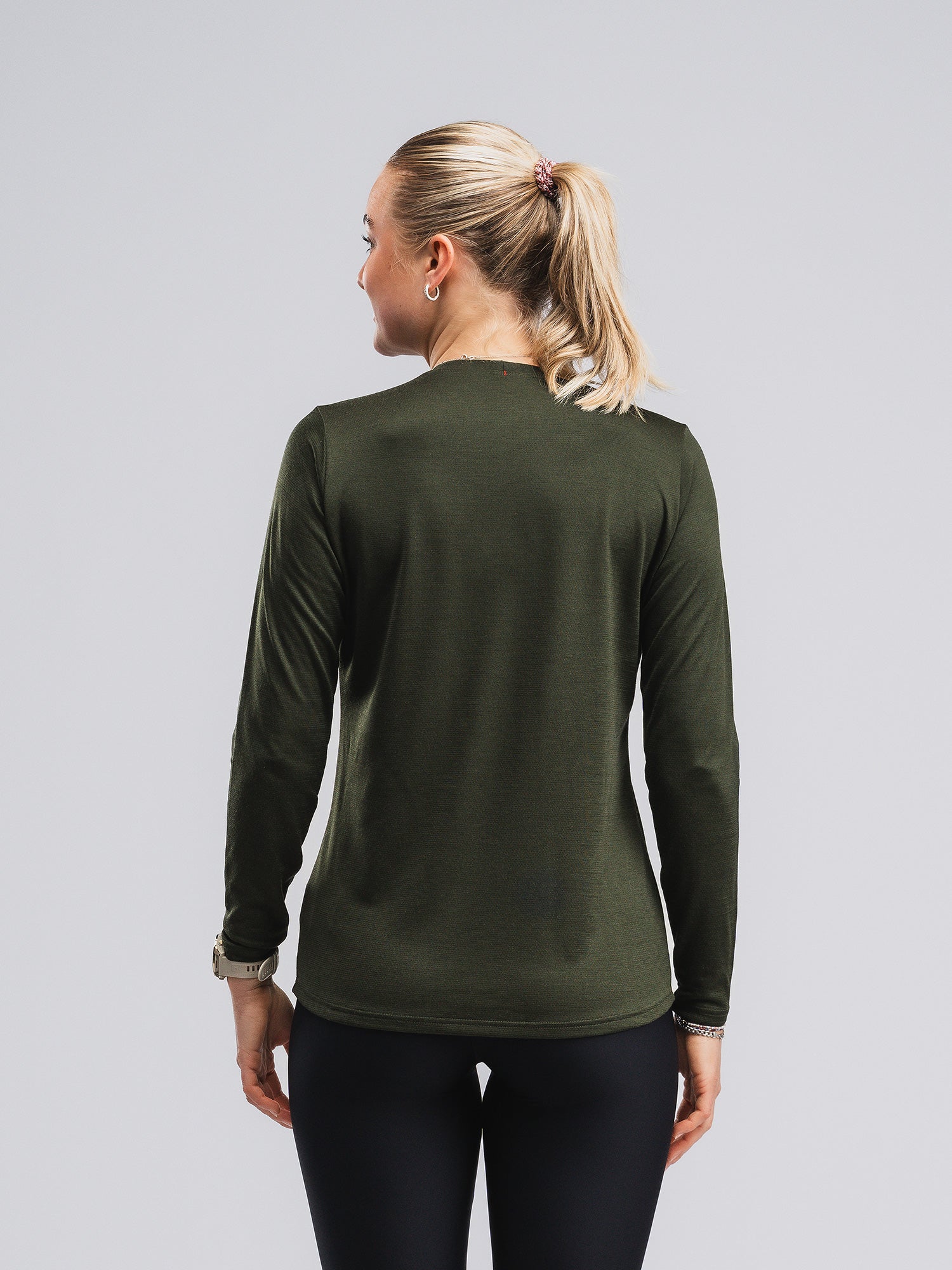
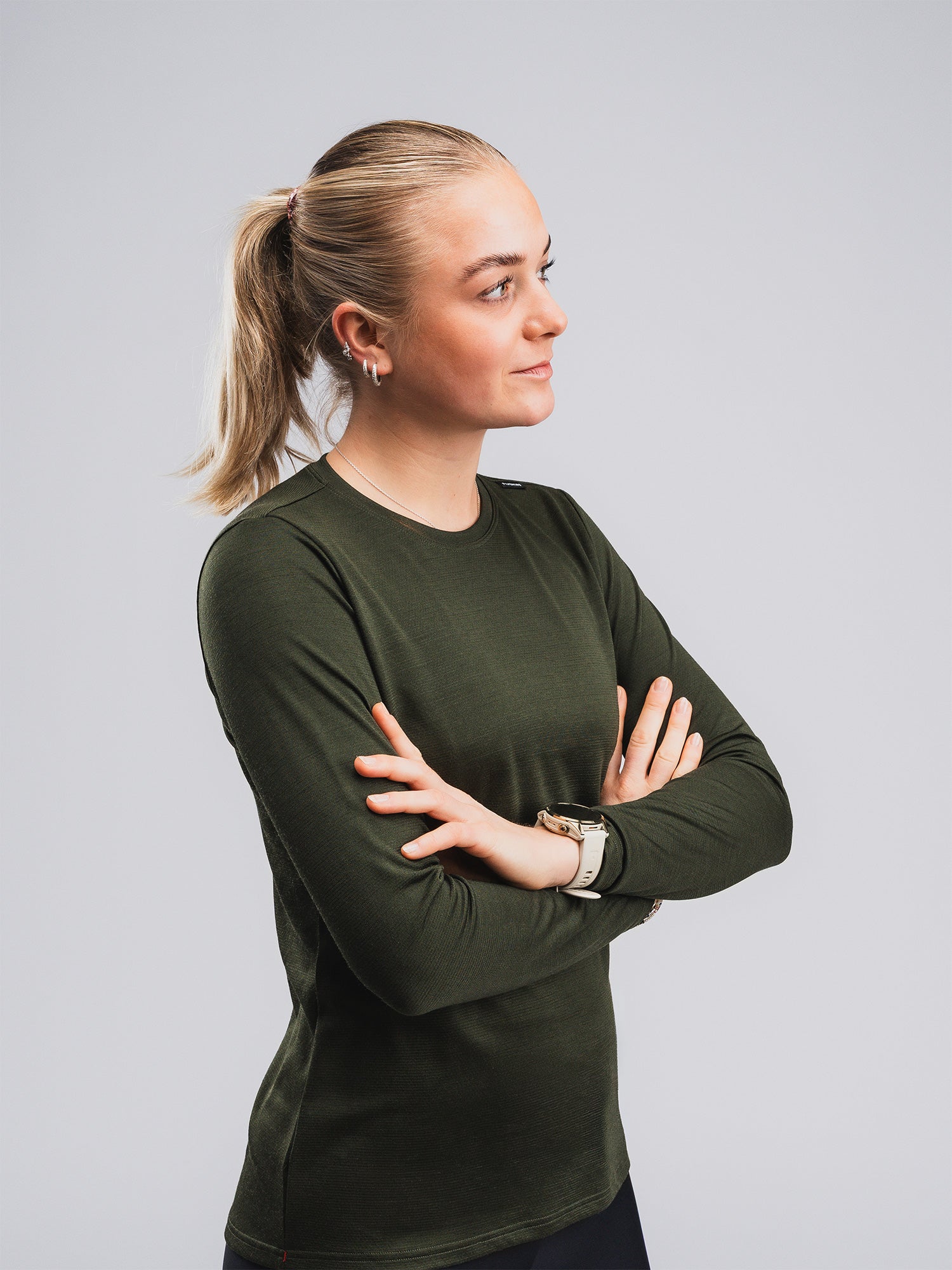
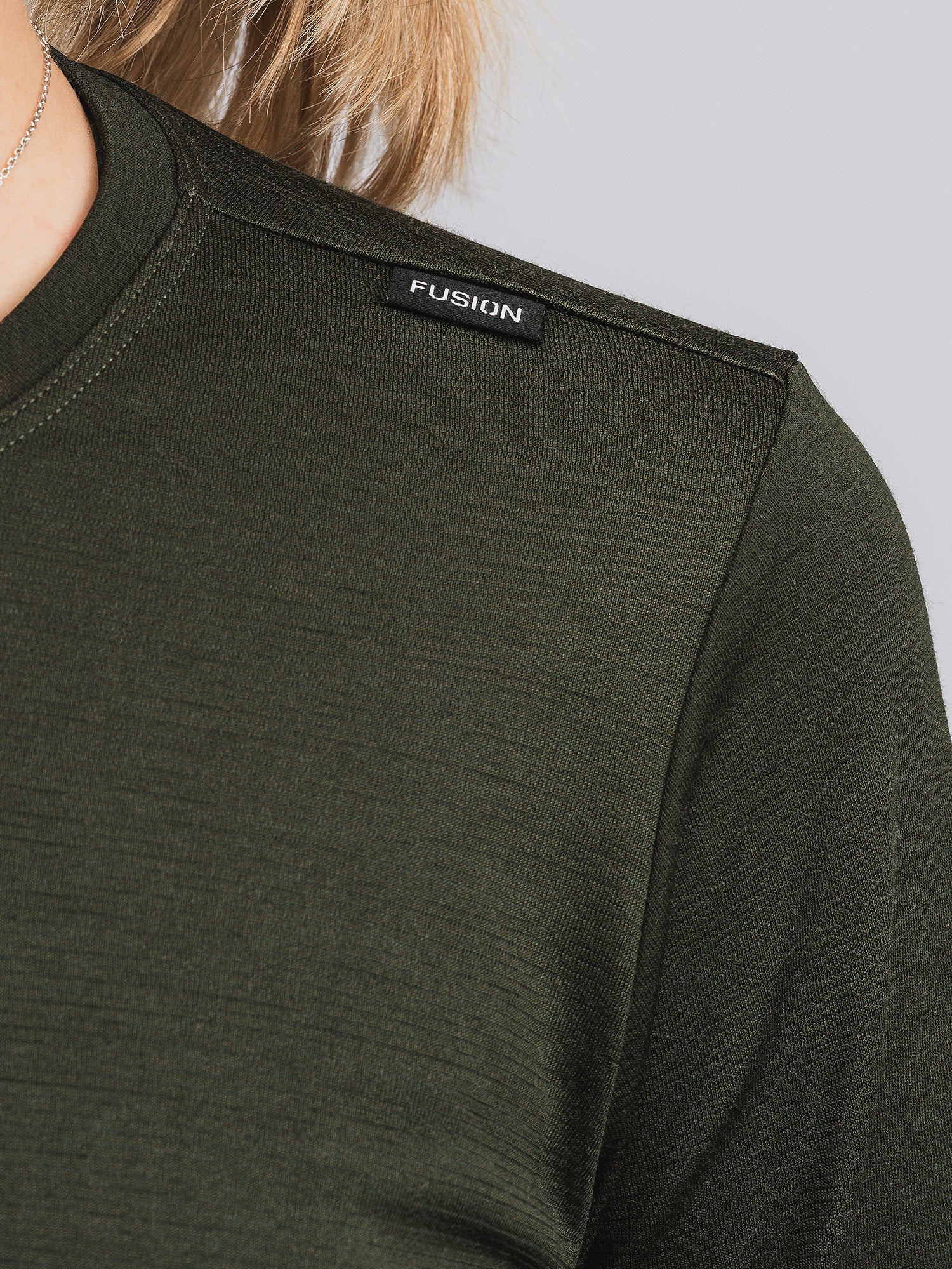
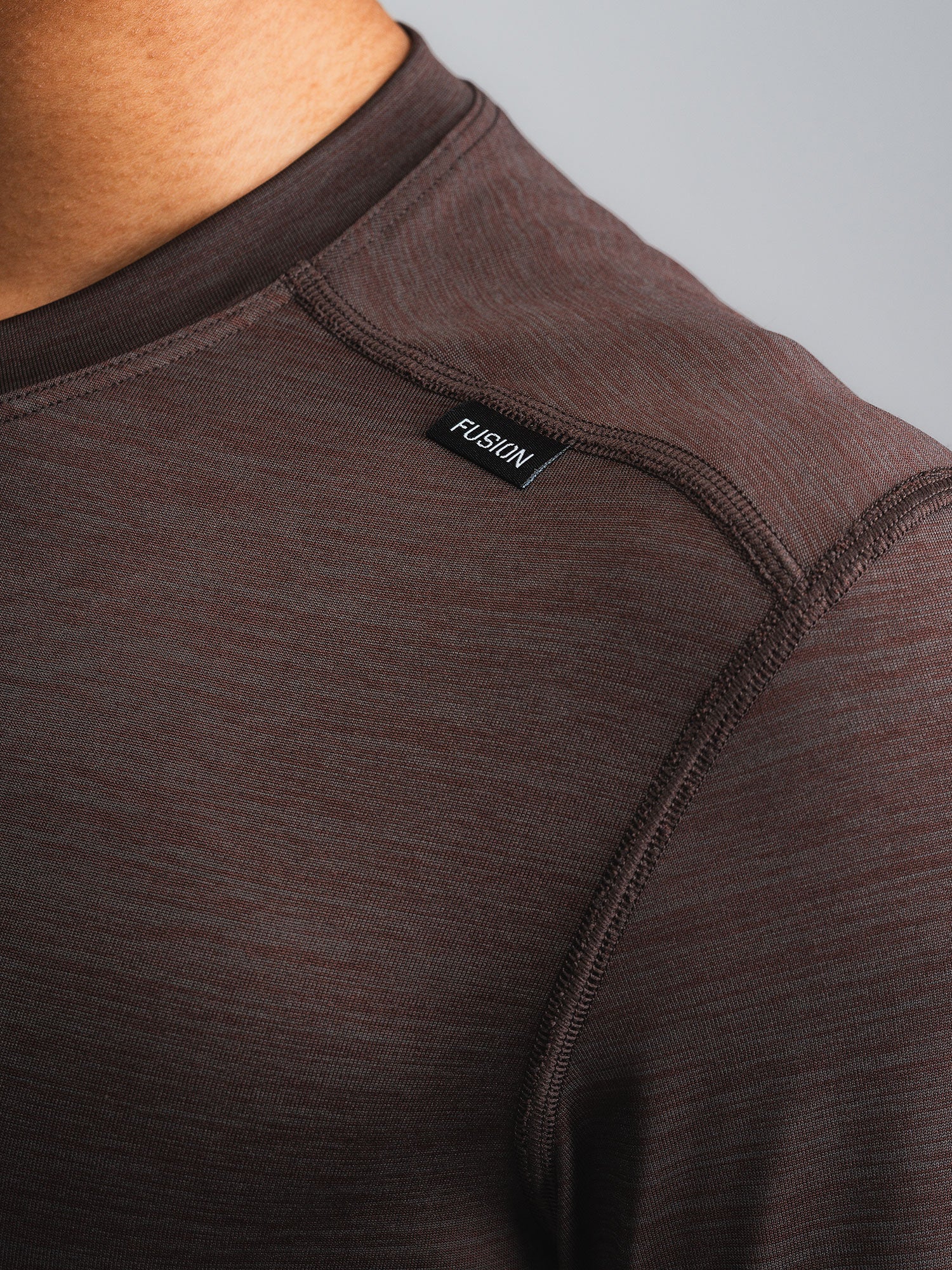
Blended merino-polyester top designed for round-the-clock comfort
1.150 kr
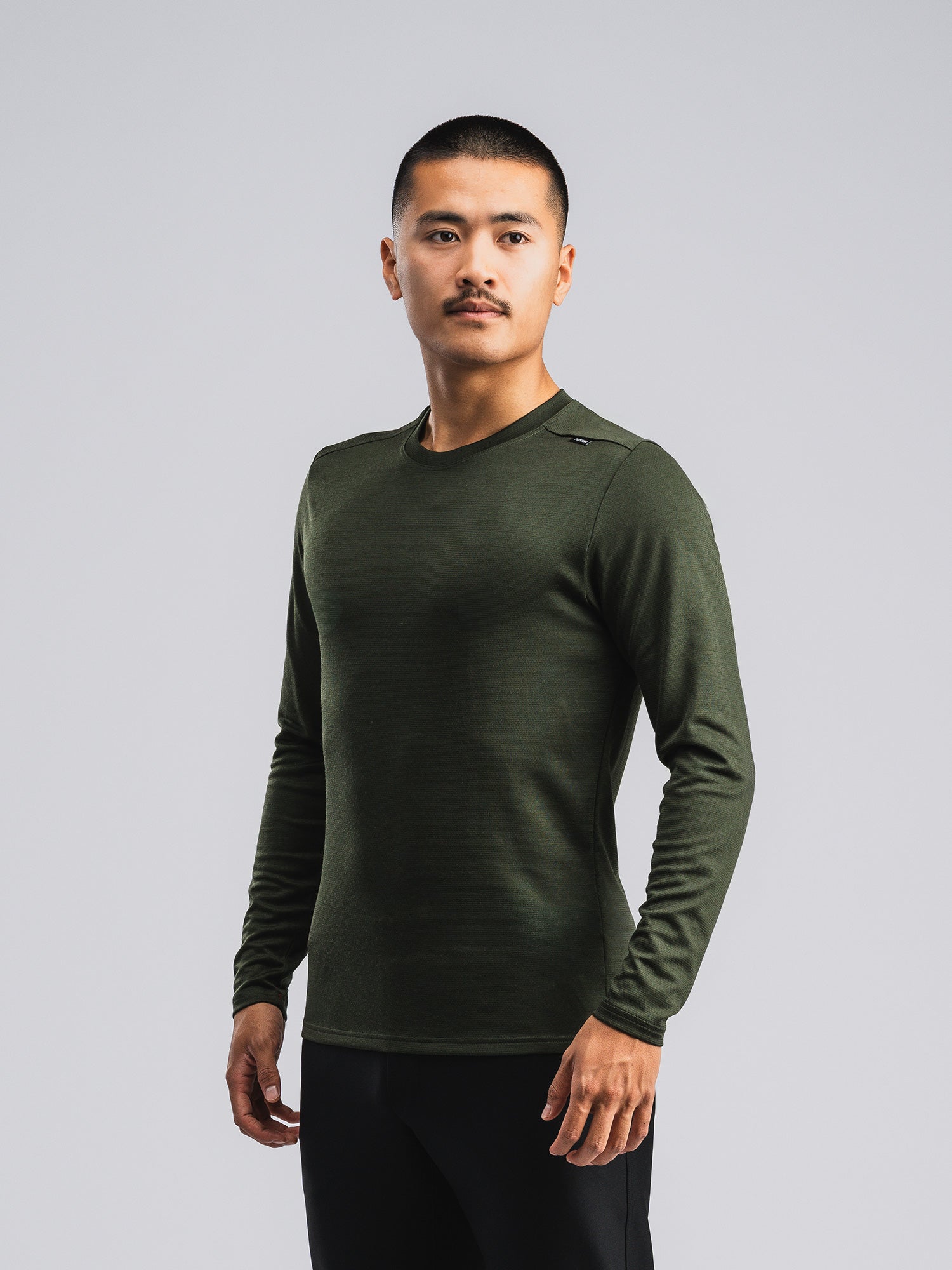
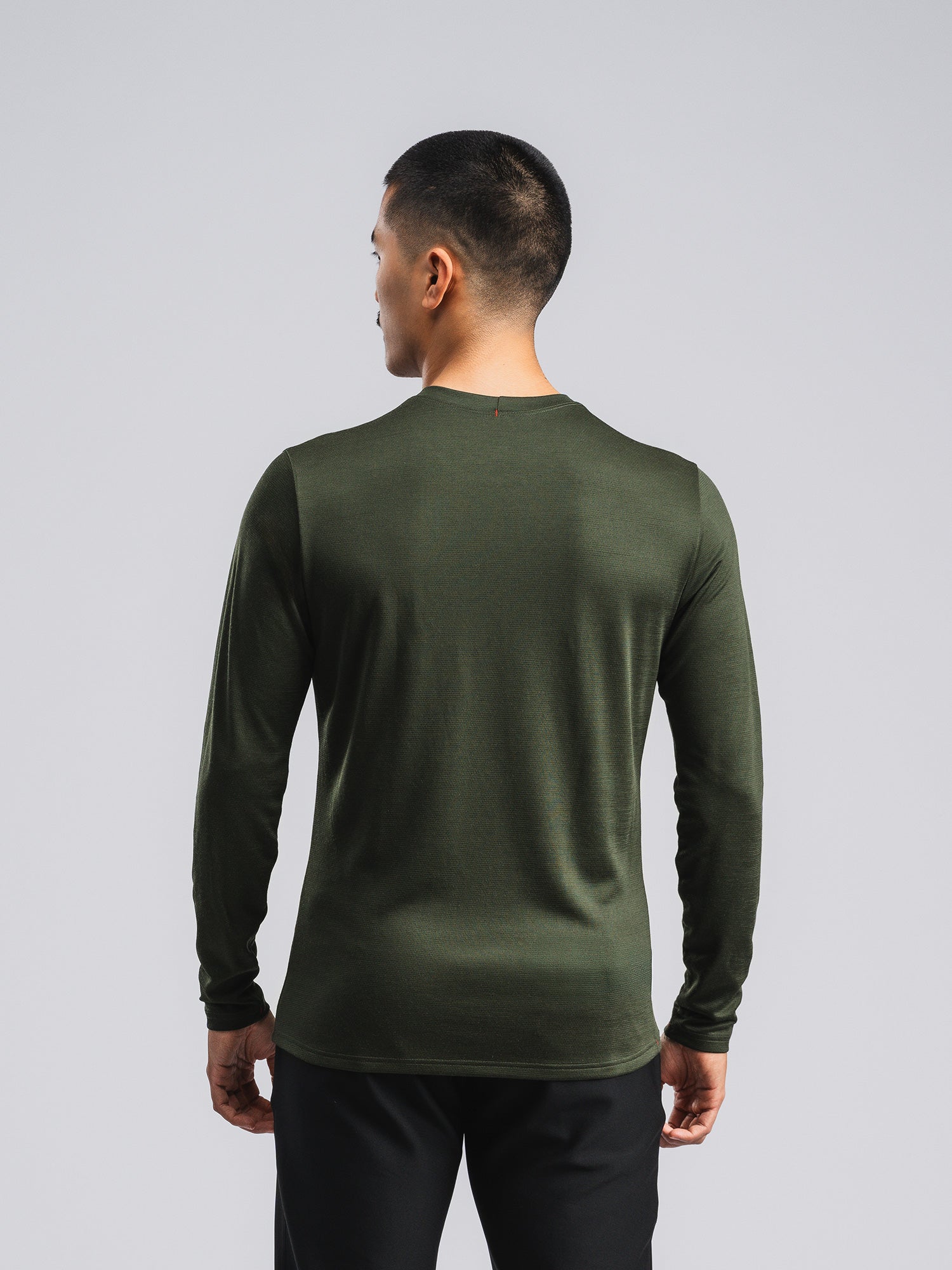
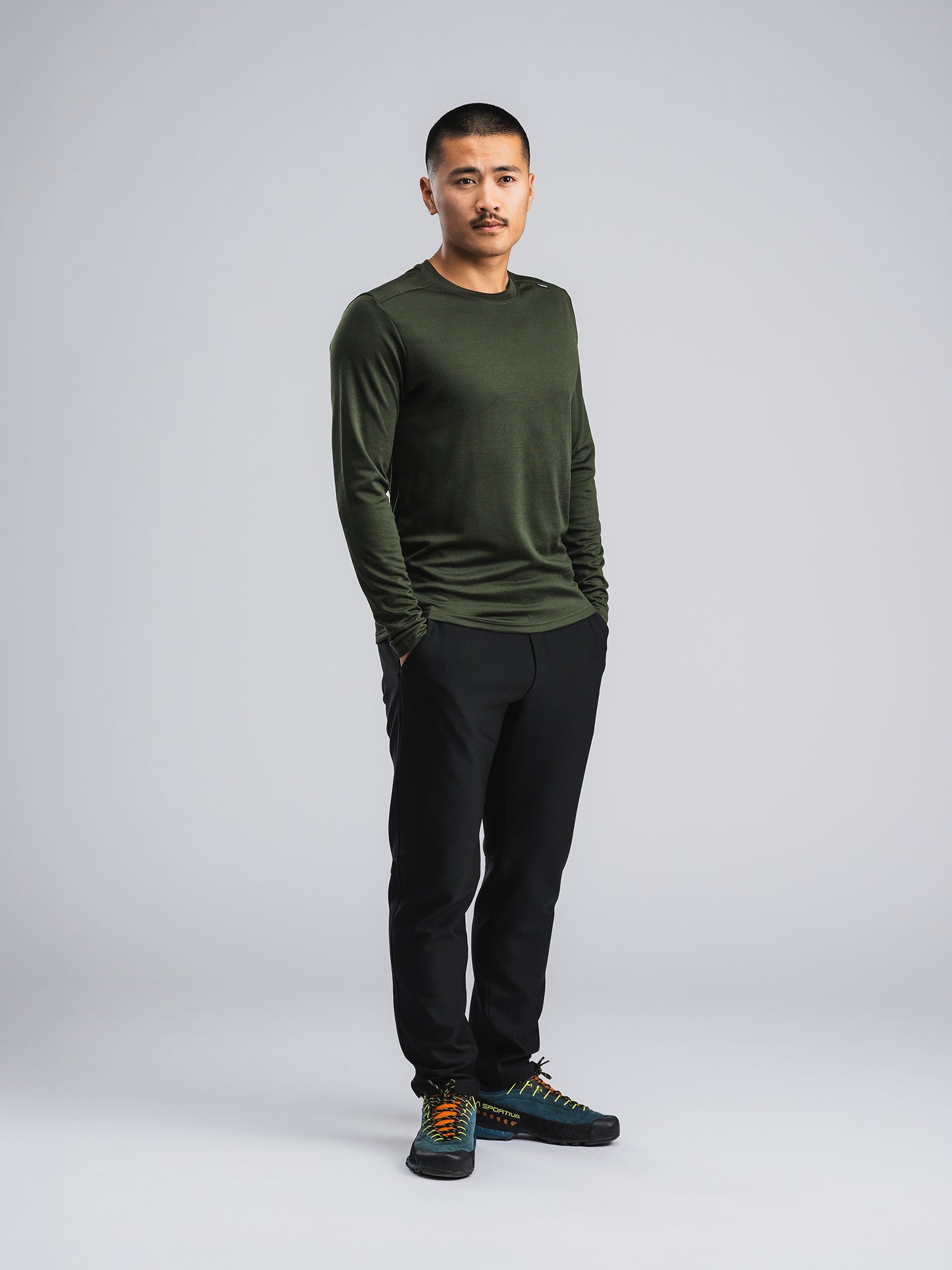
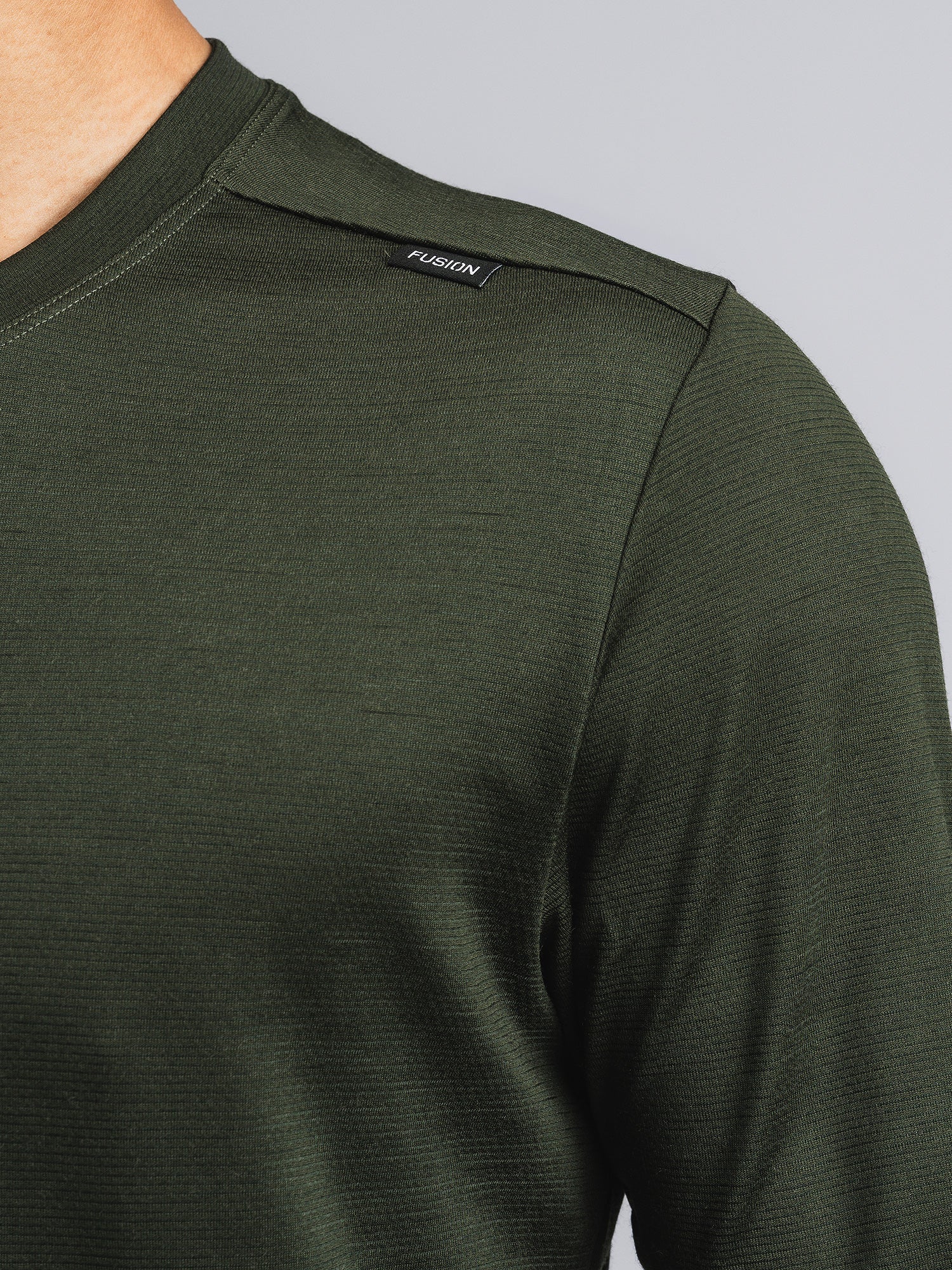
Blended merino-polyester top designed for round-the-clock comfort
1.150 kr
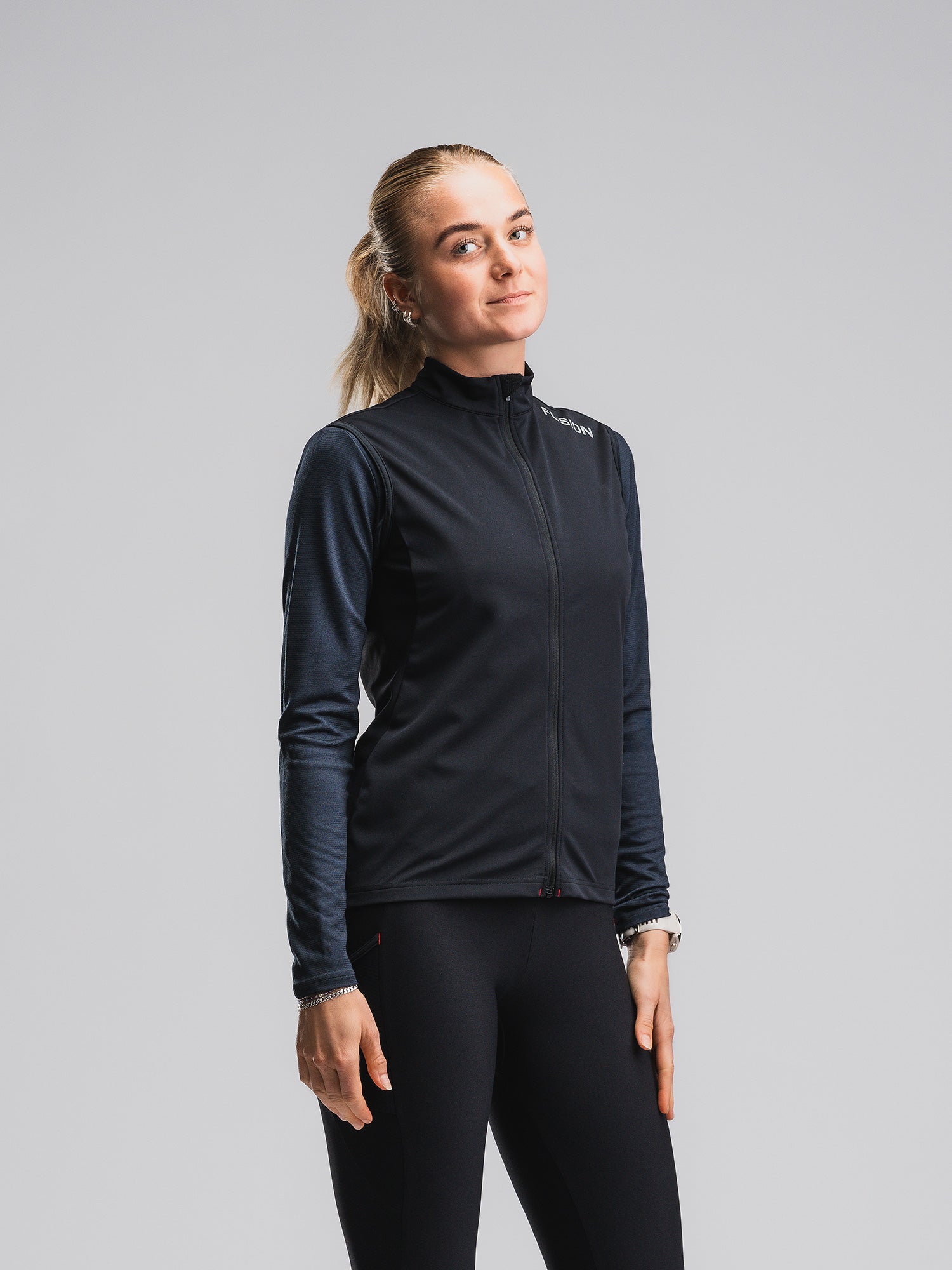

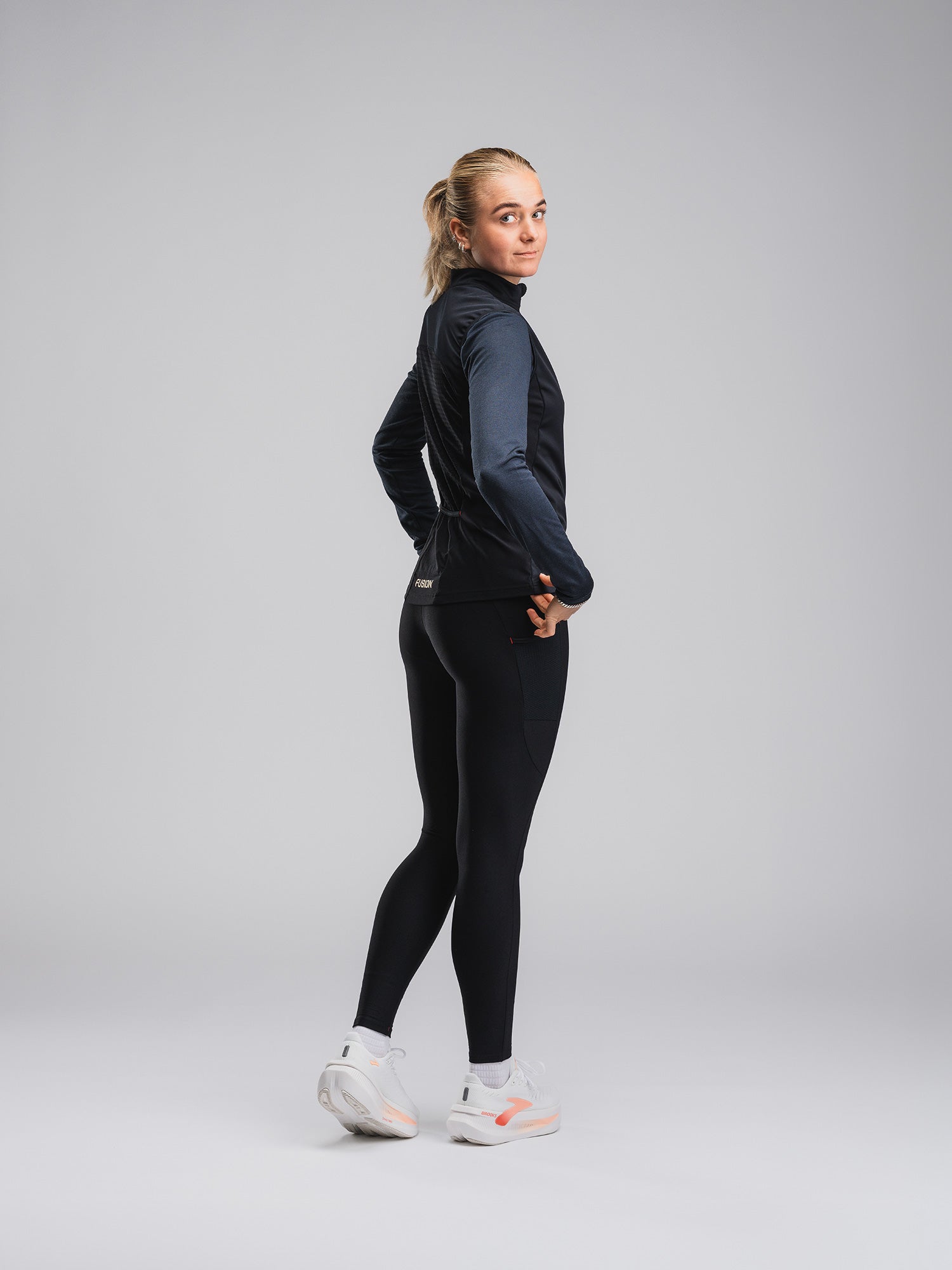
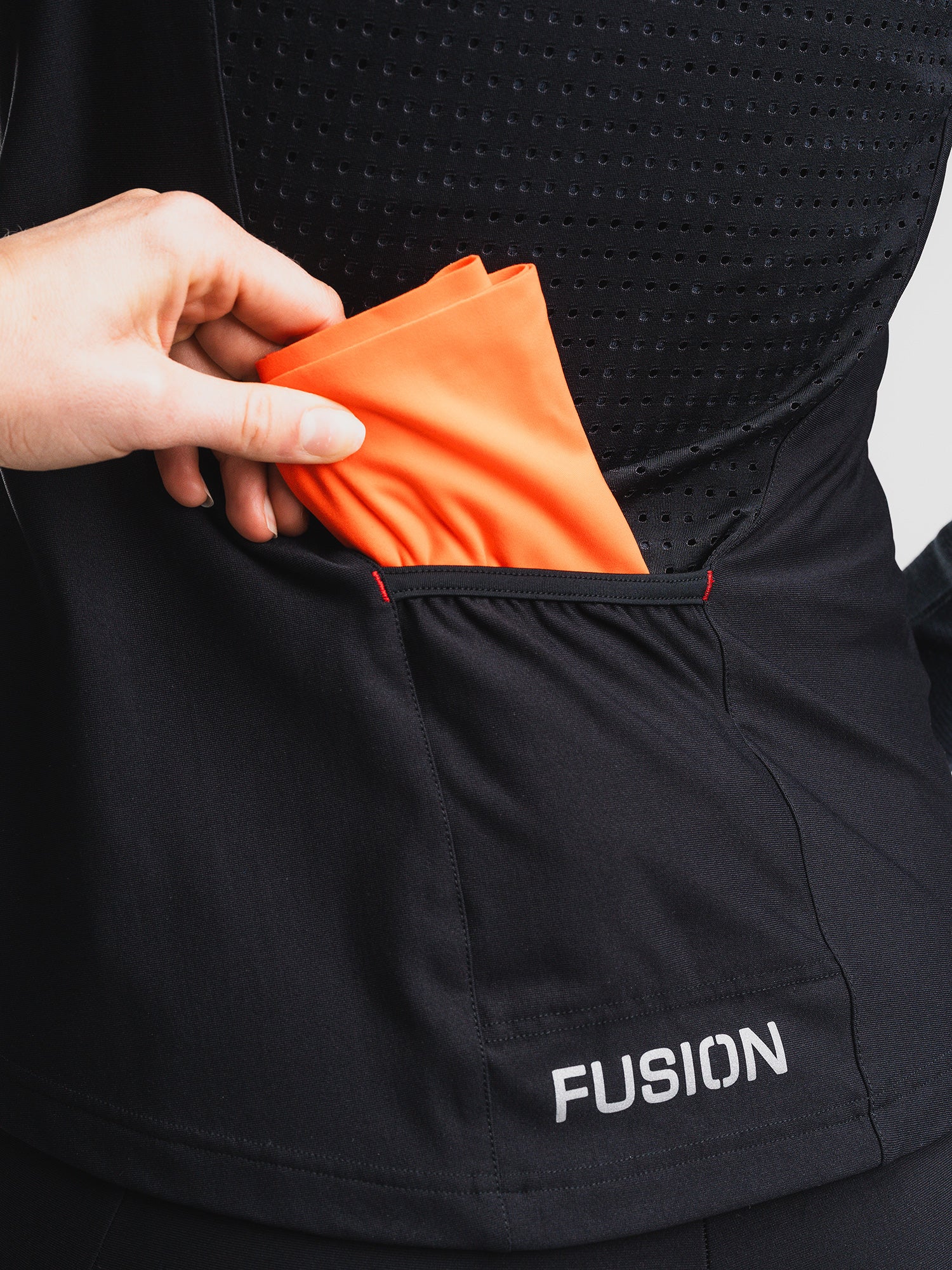
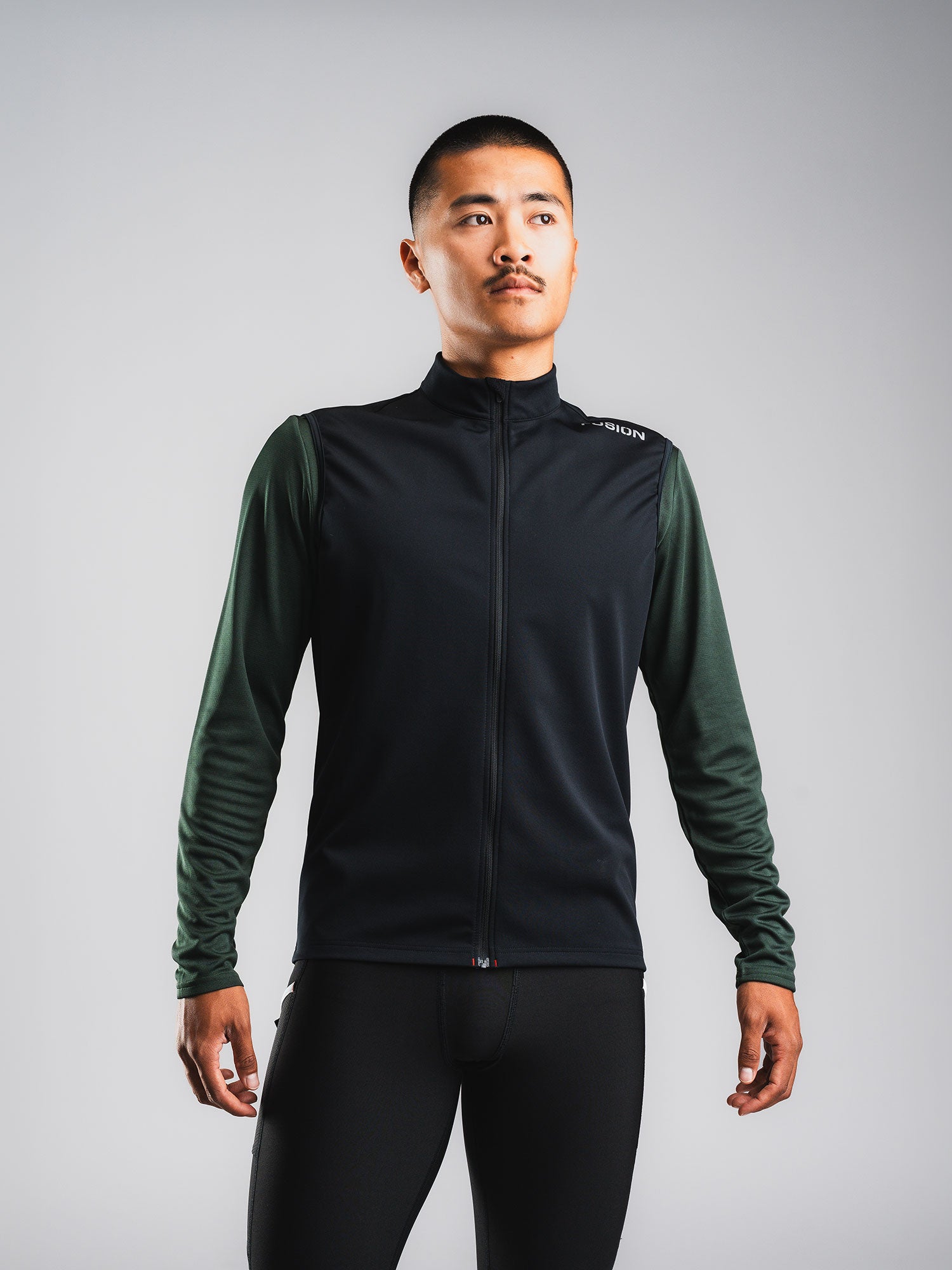
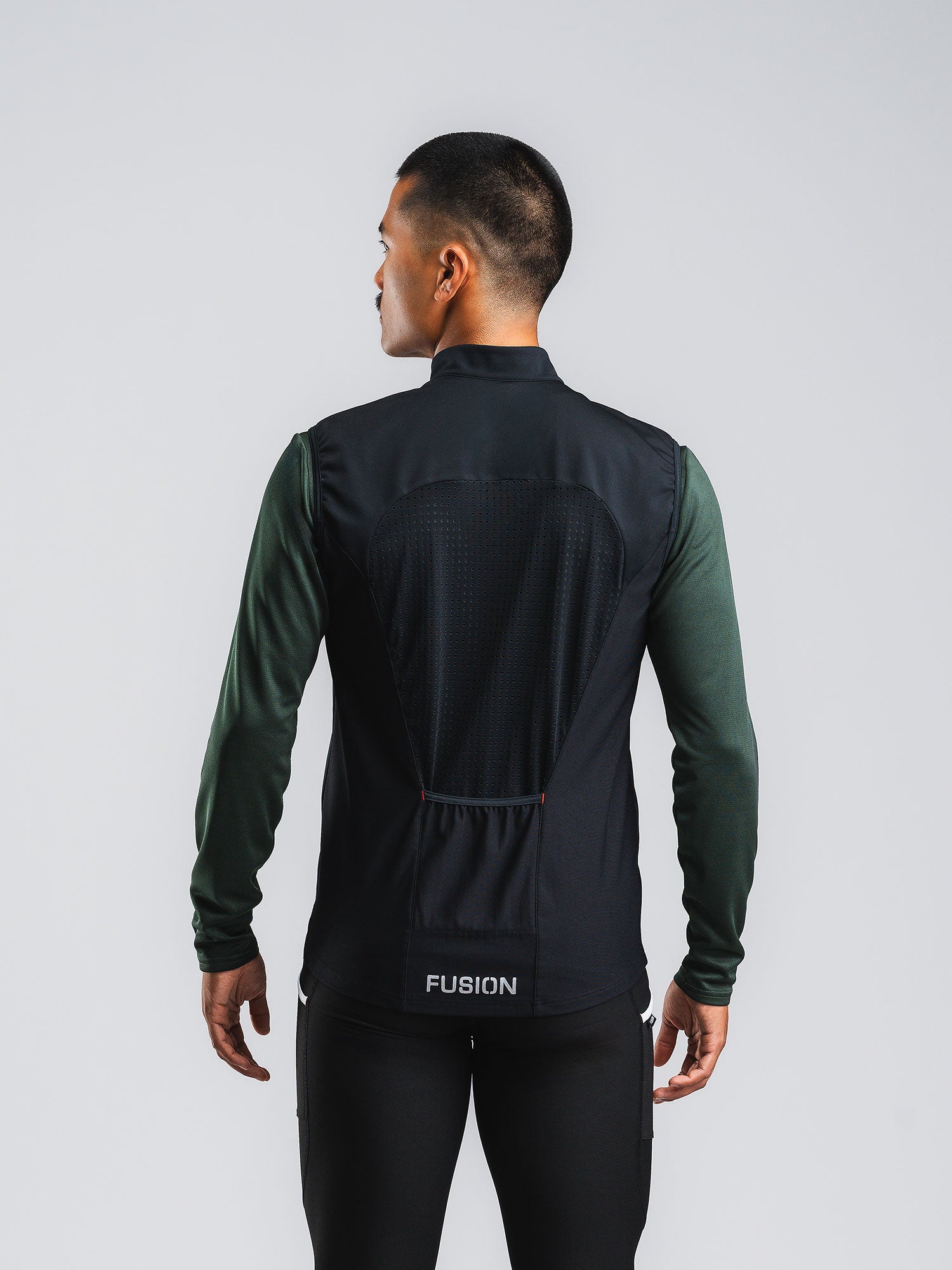


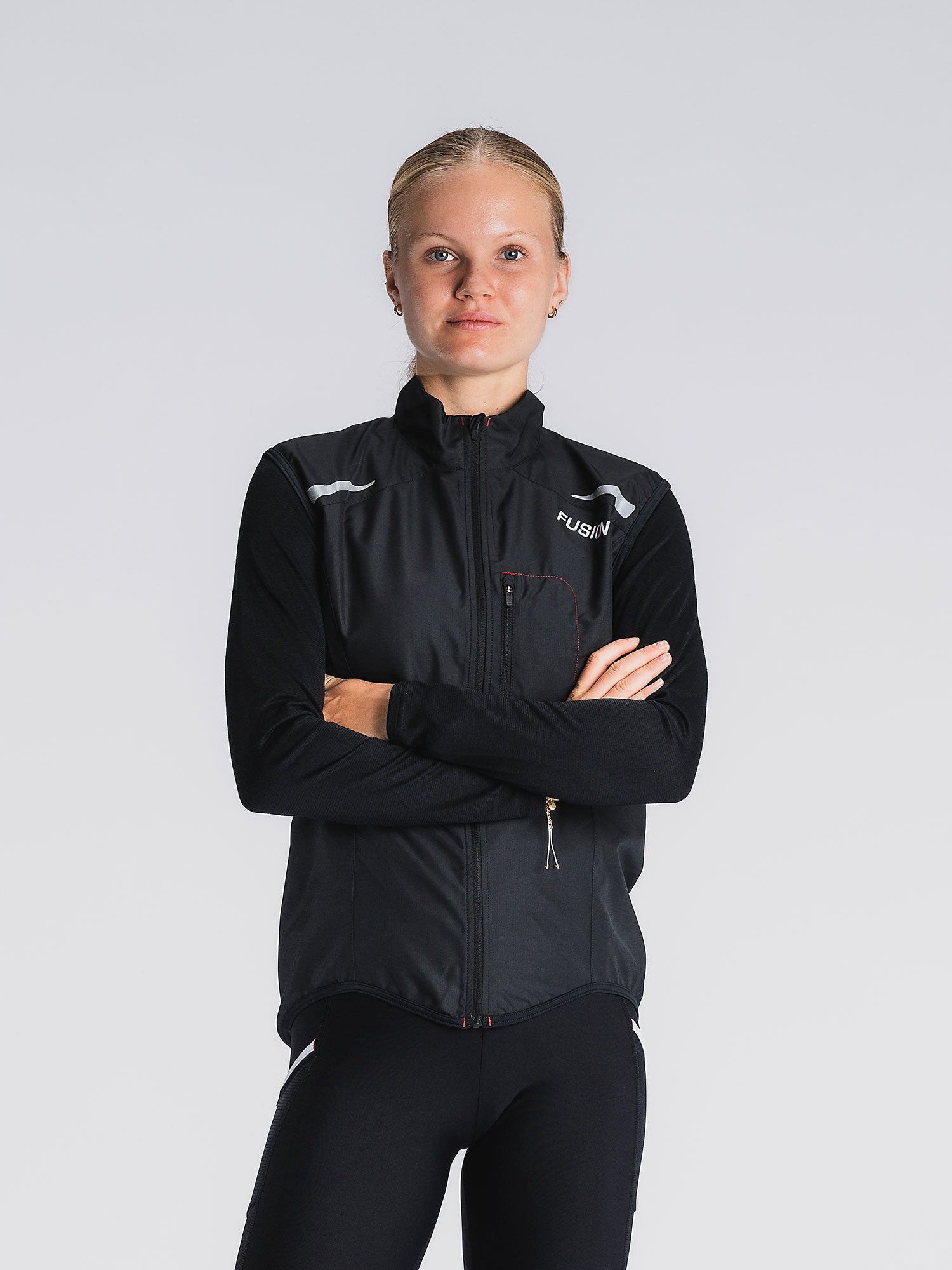

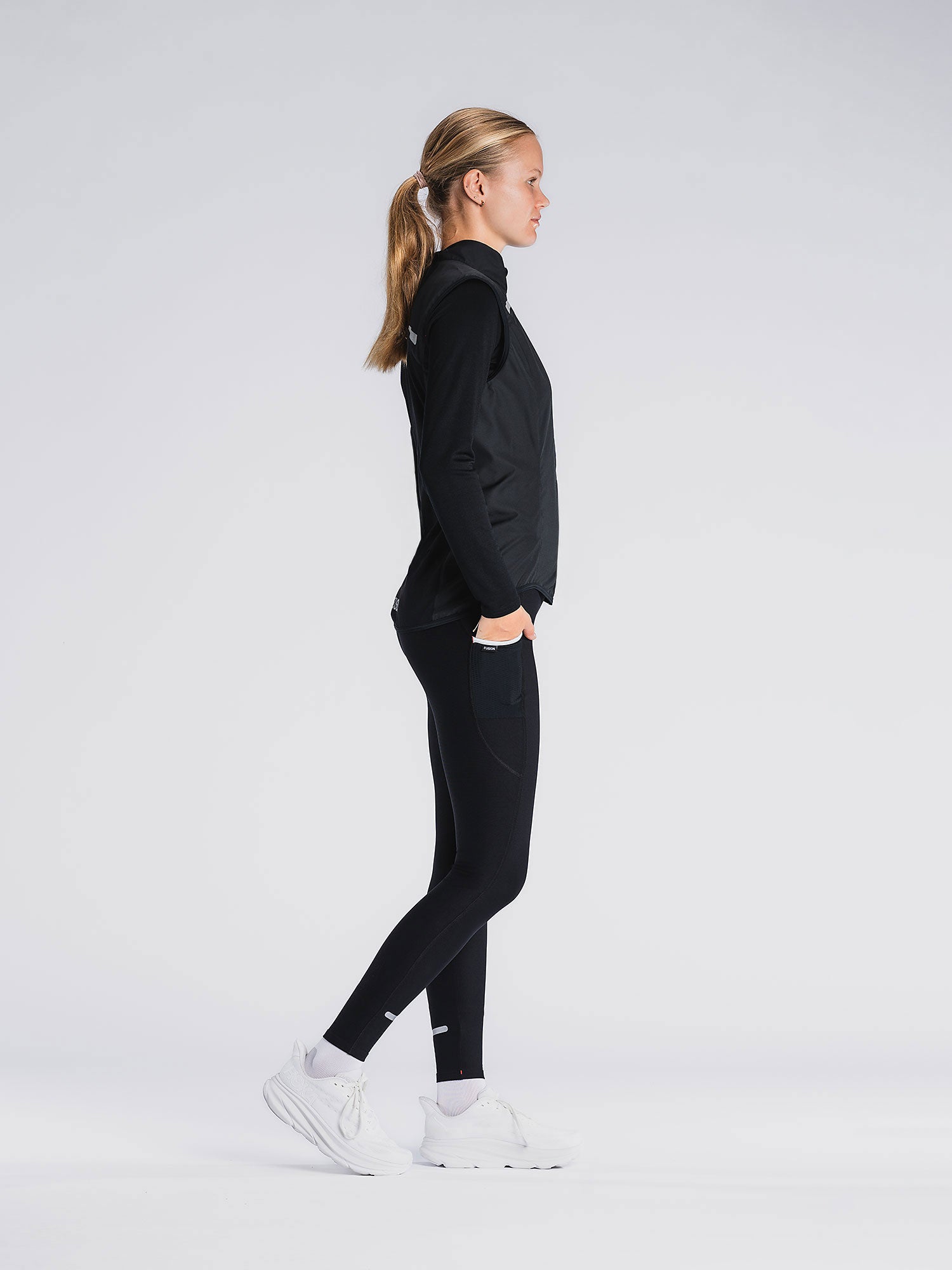

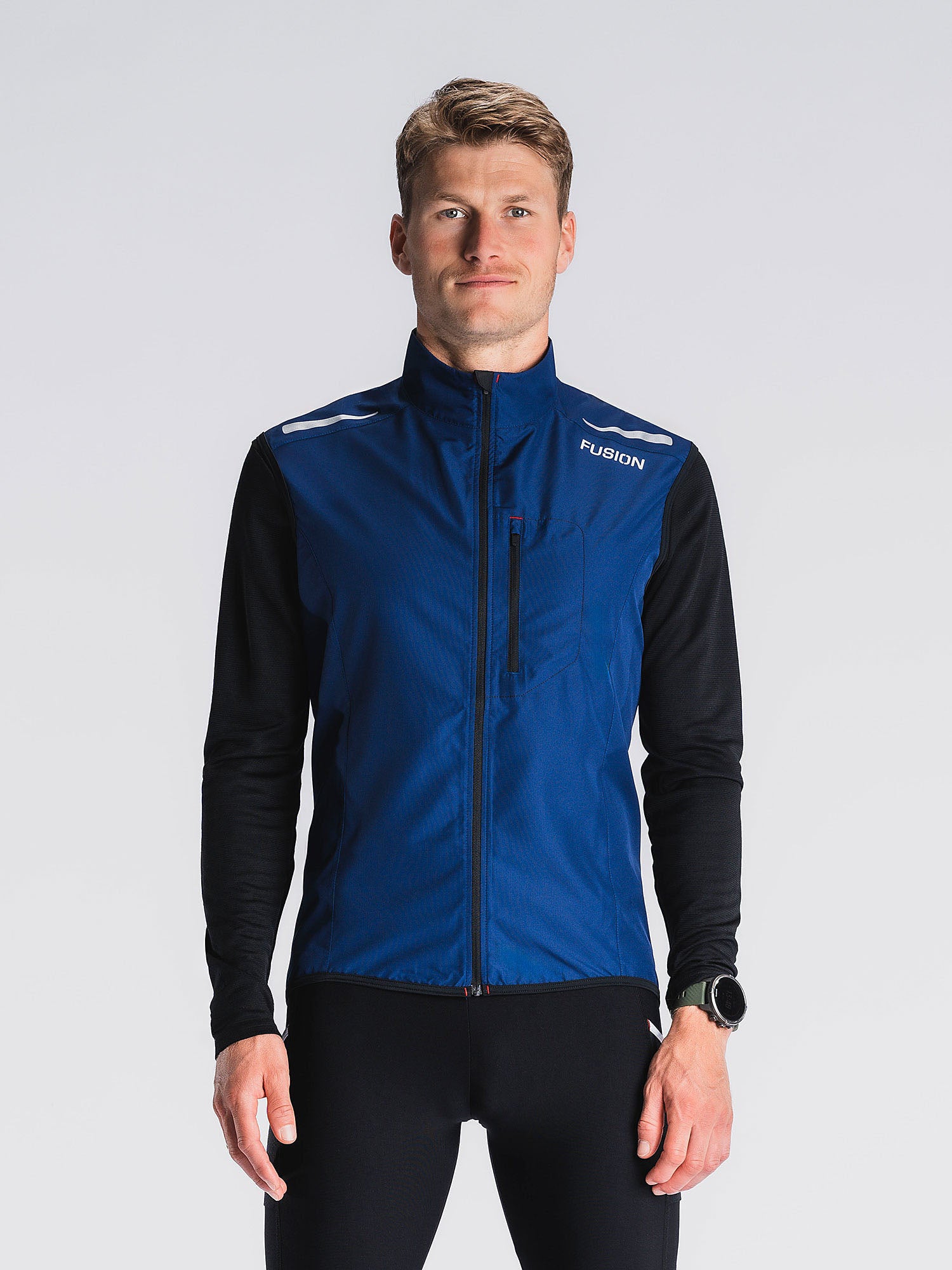
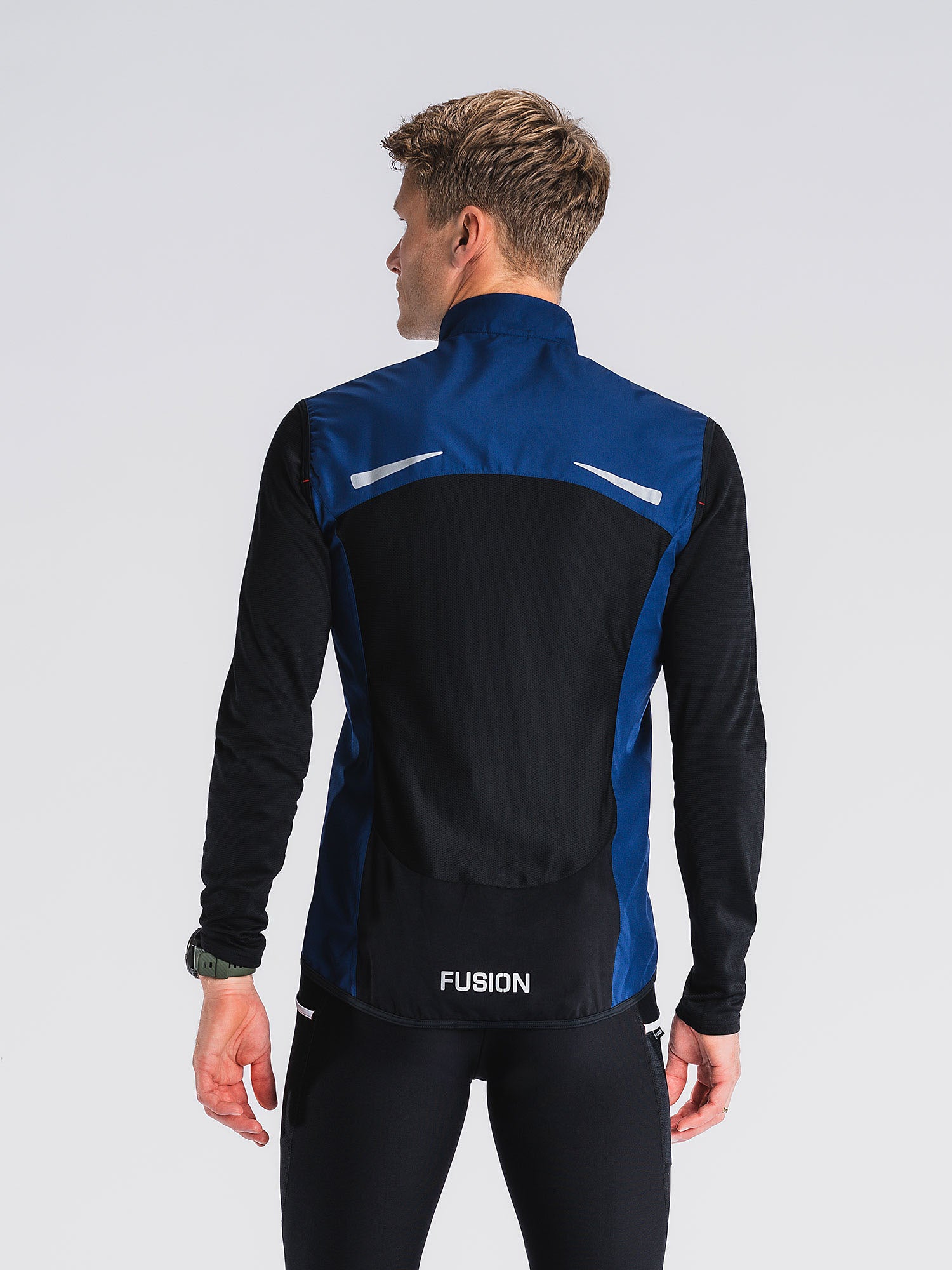
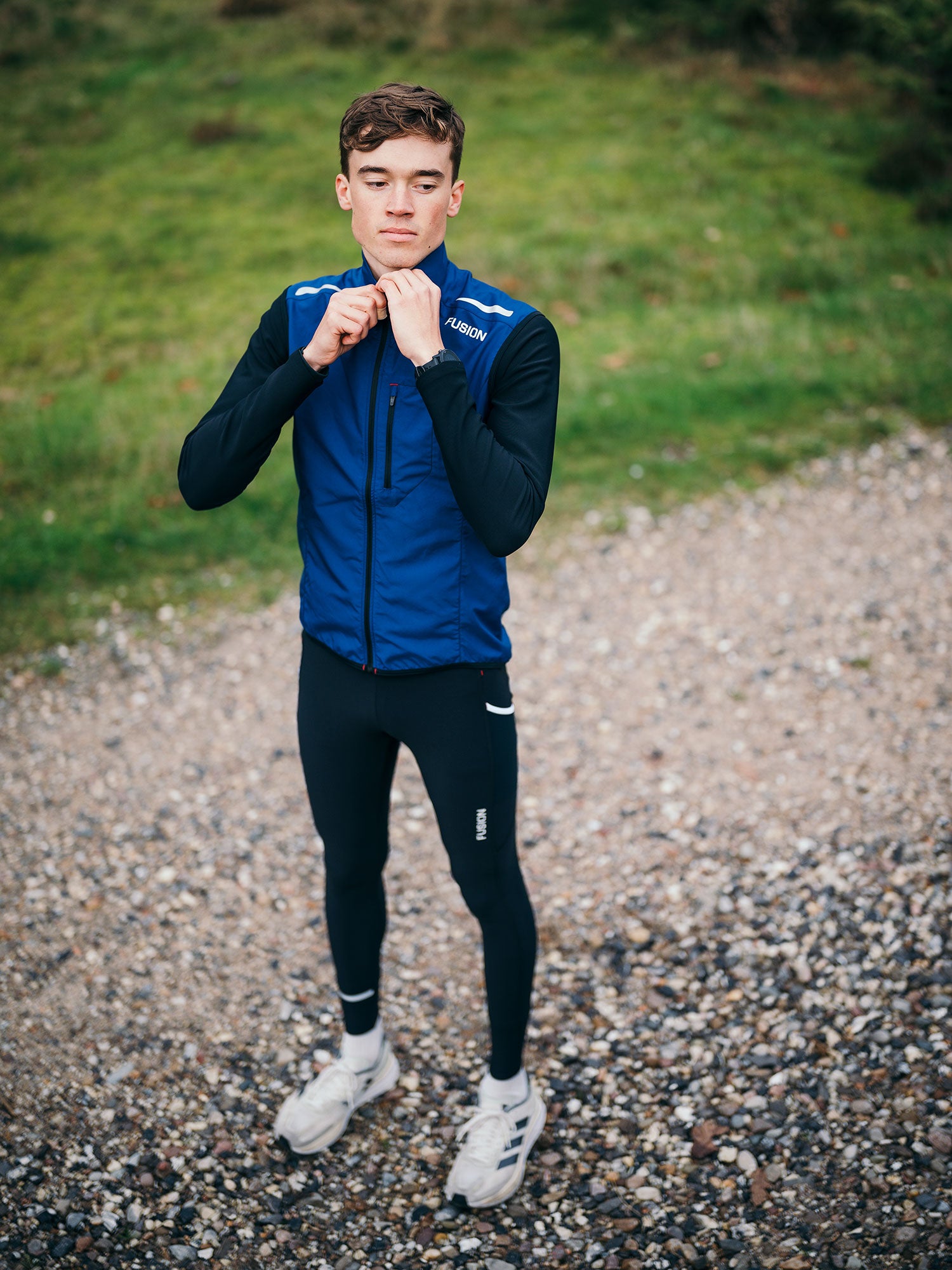


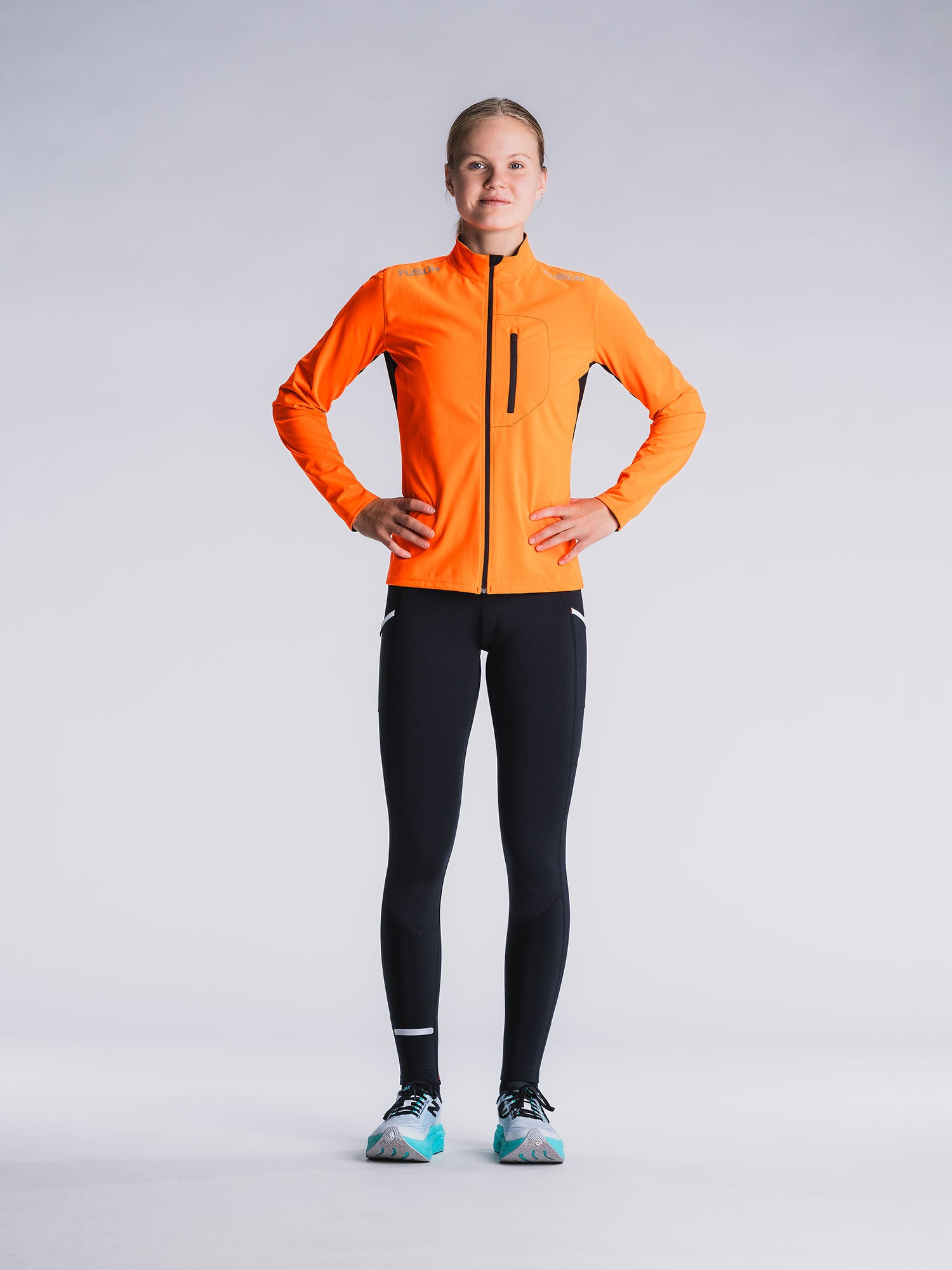




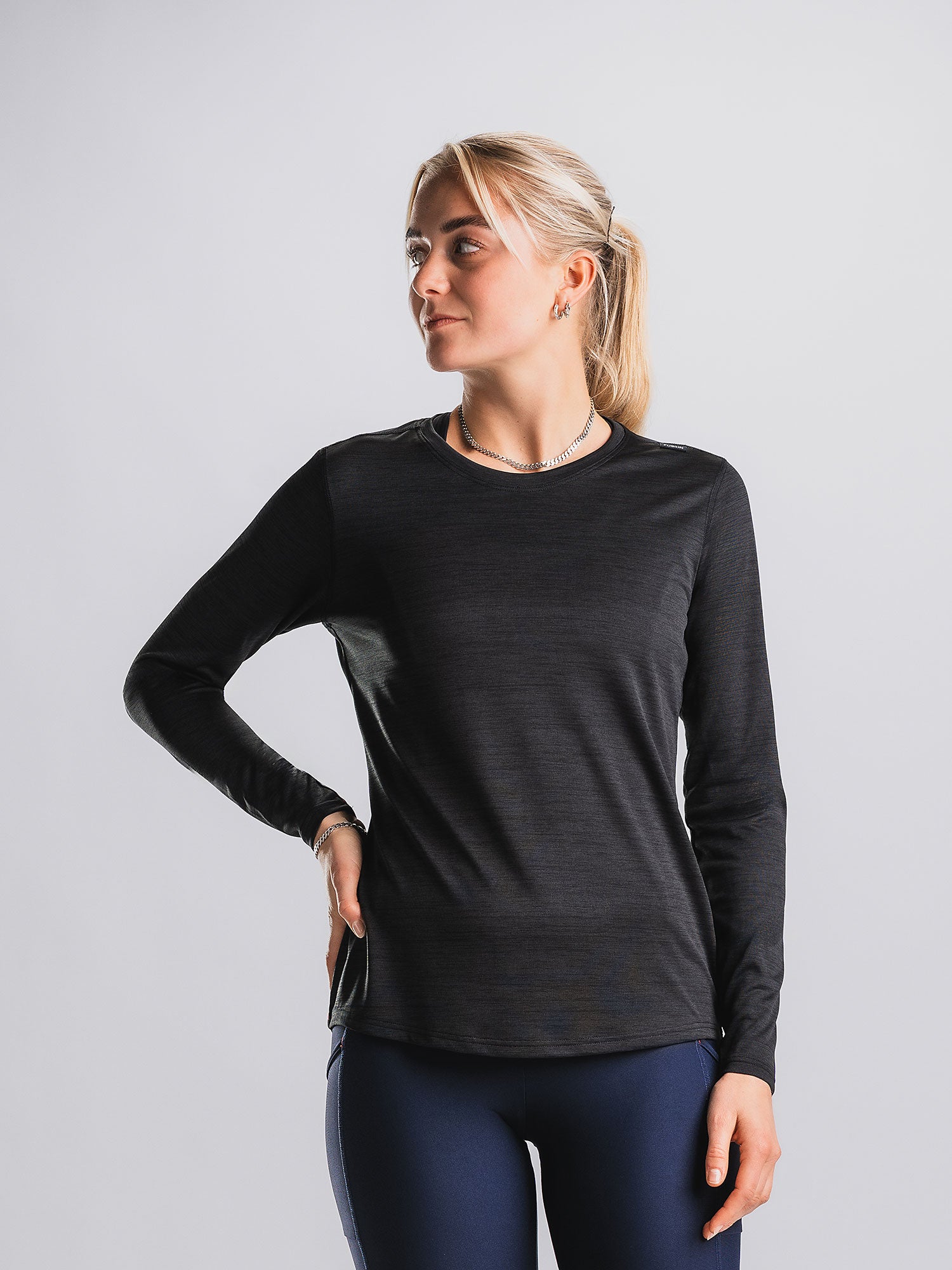

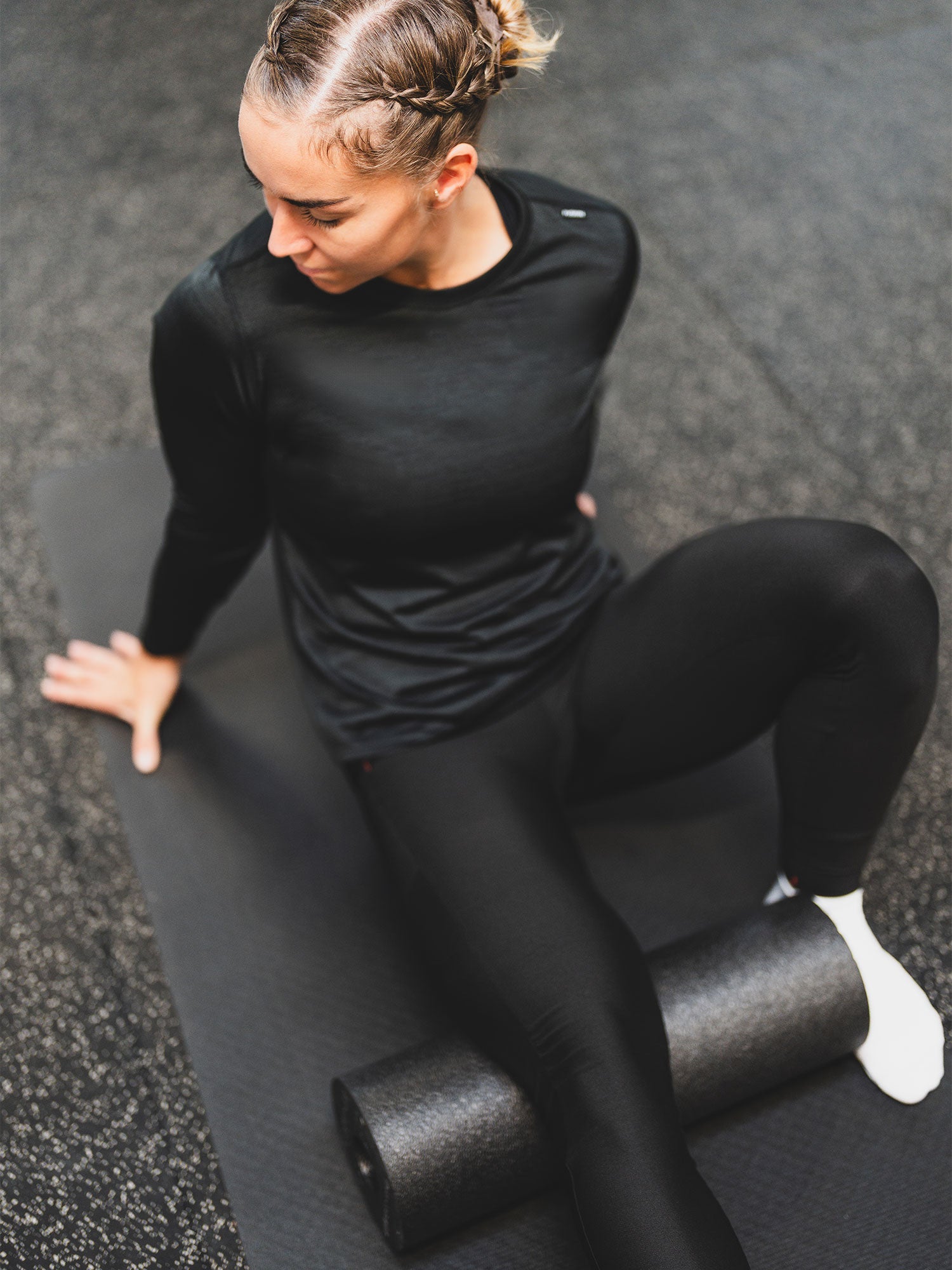

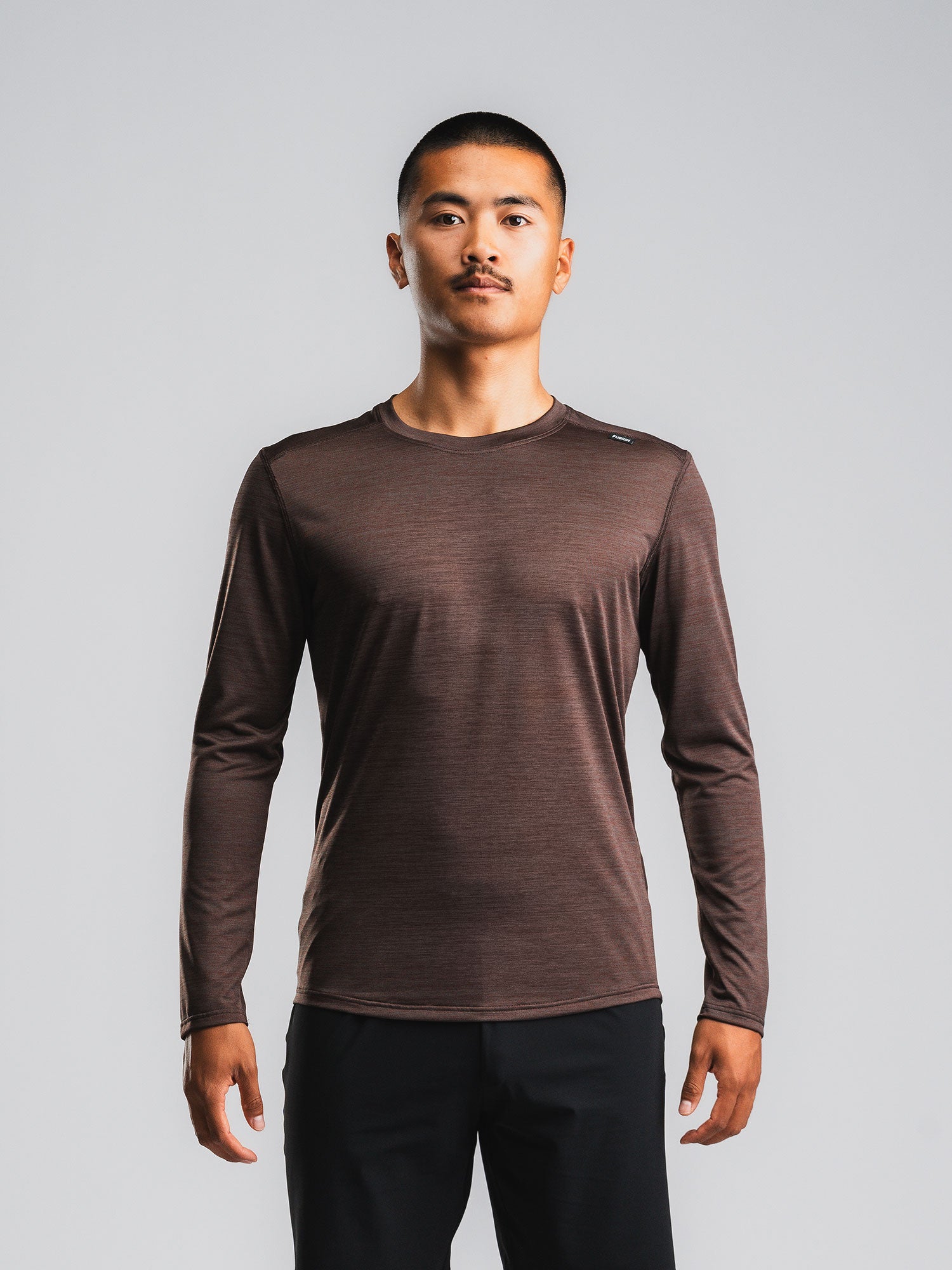

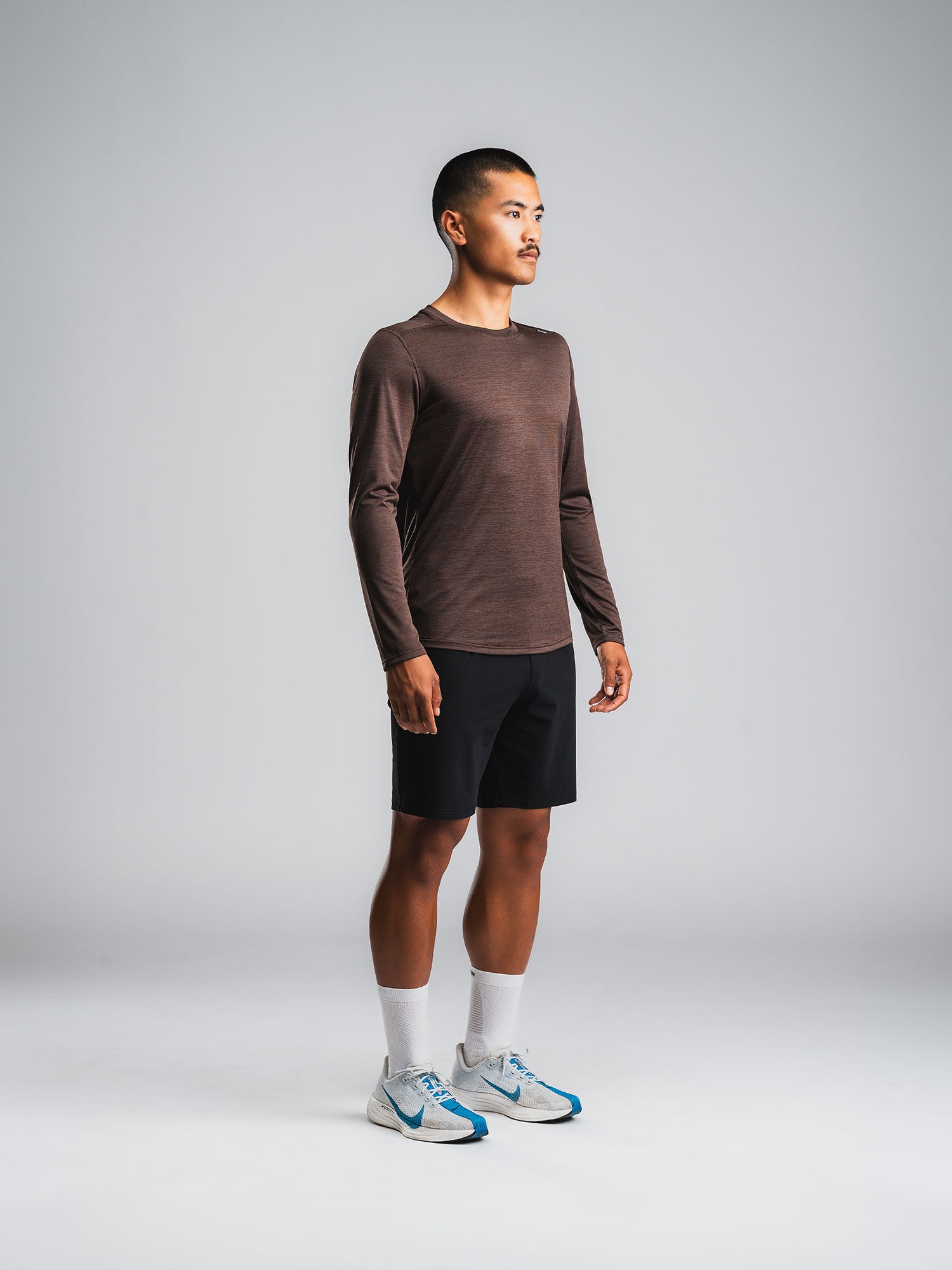






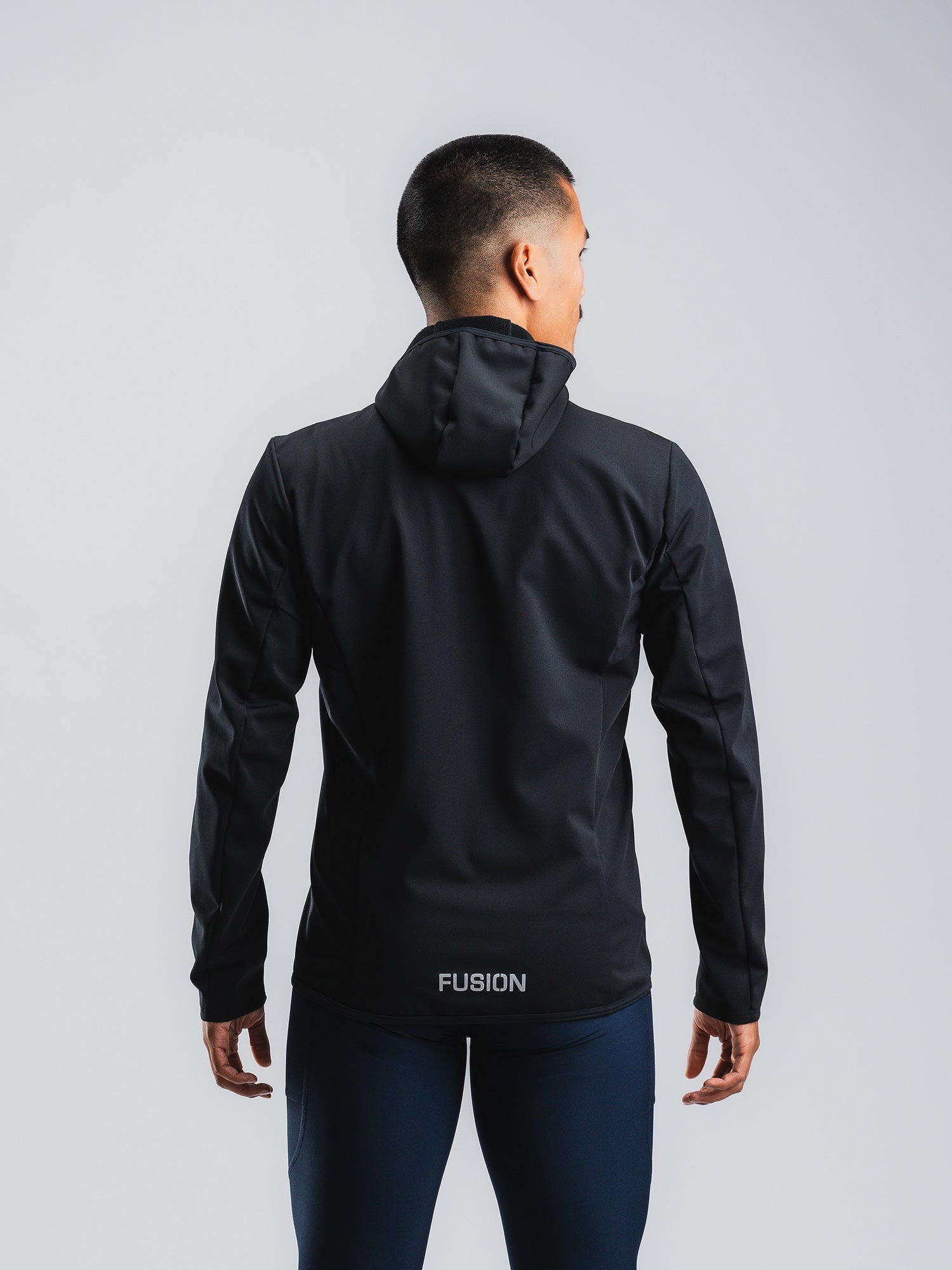

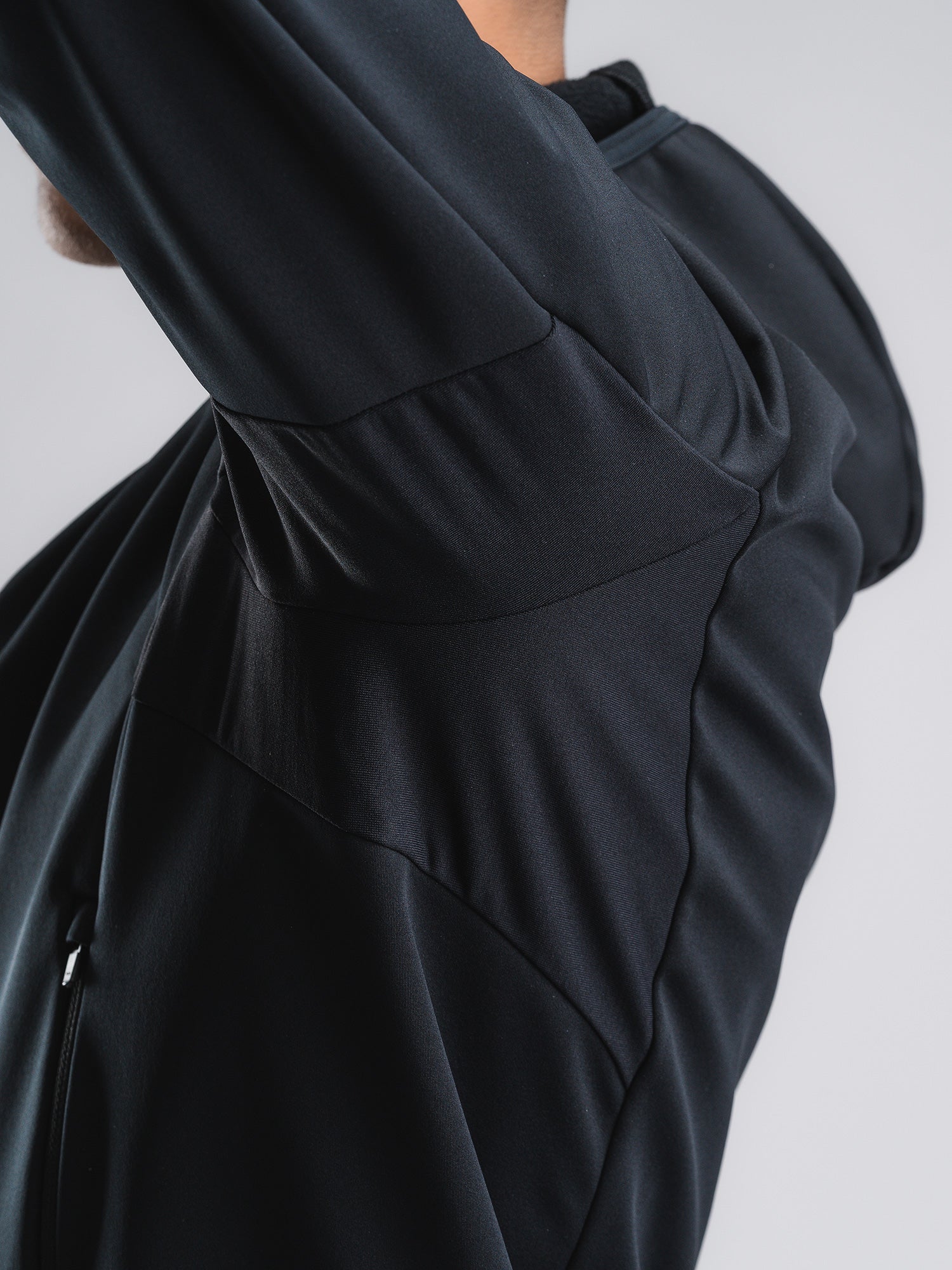
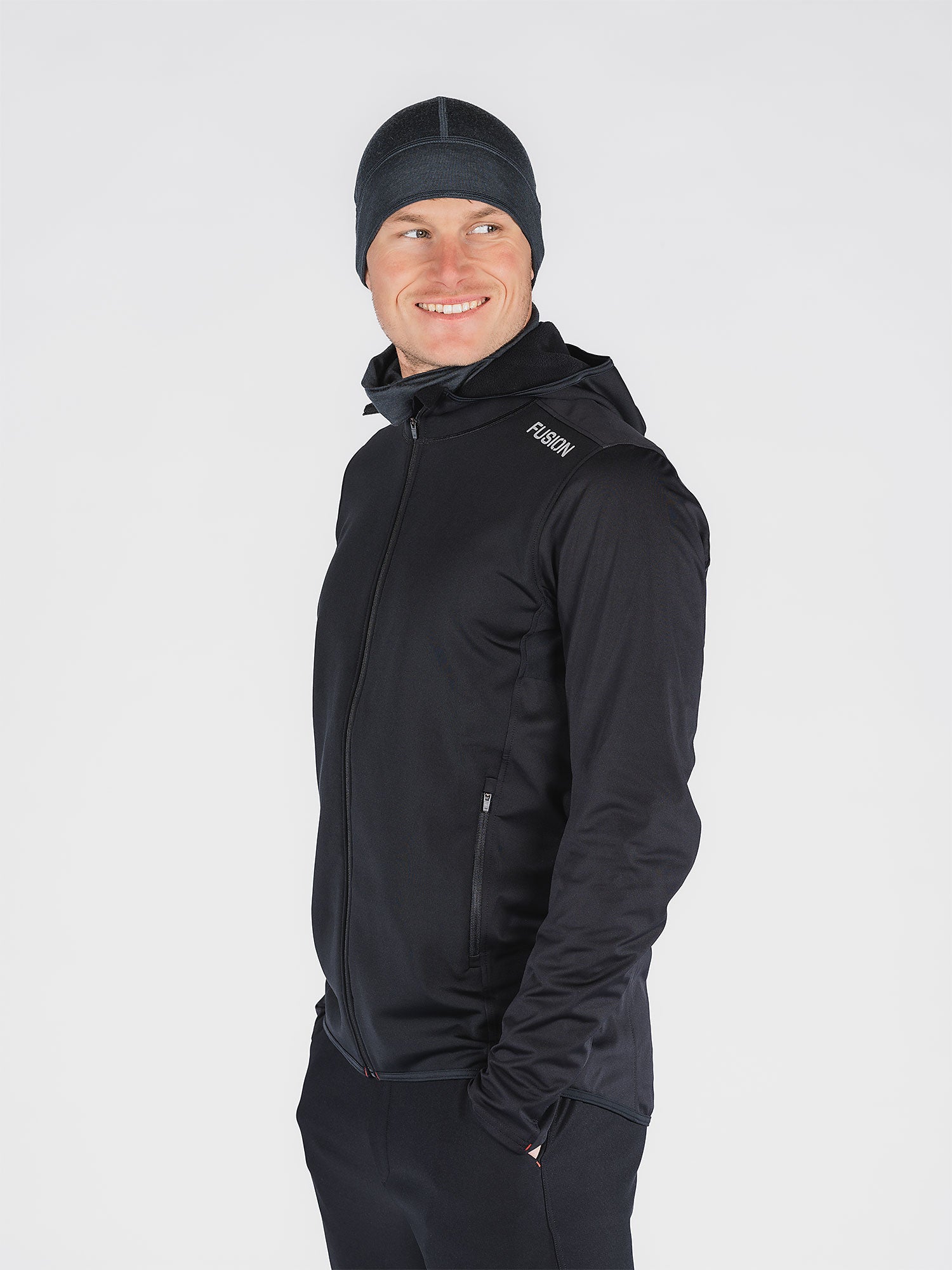
Technical winter running jacket with targeted insulation and wind protection
3.425 kr

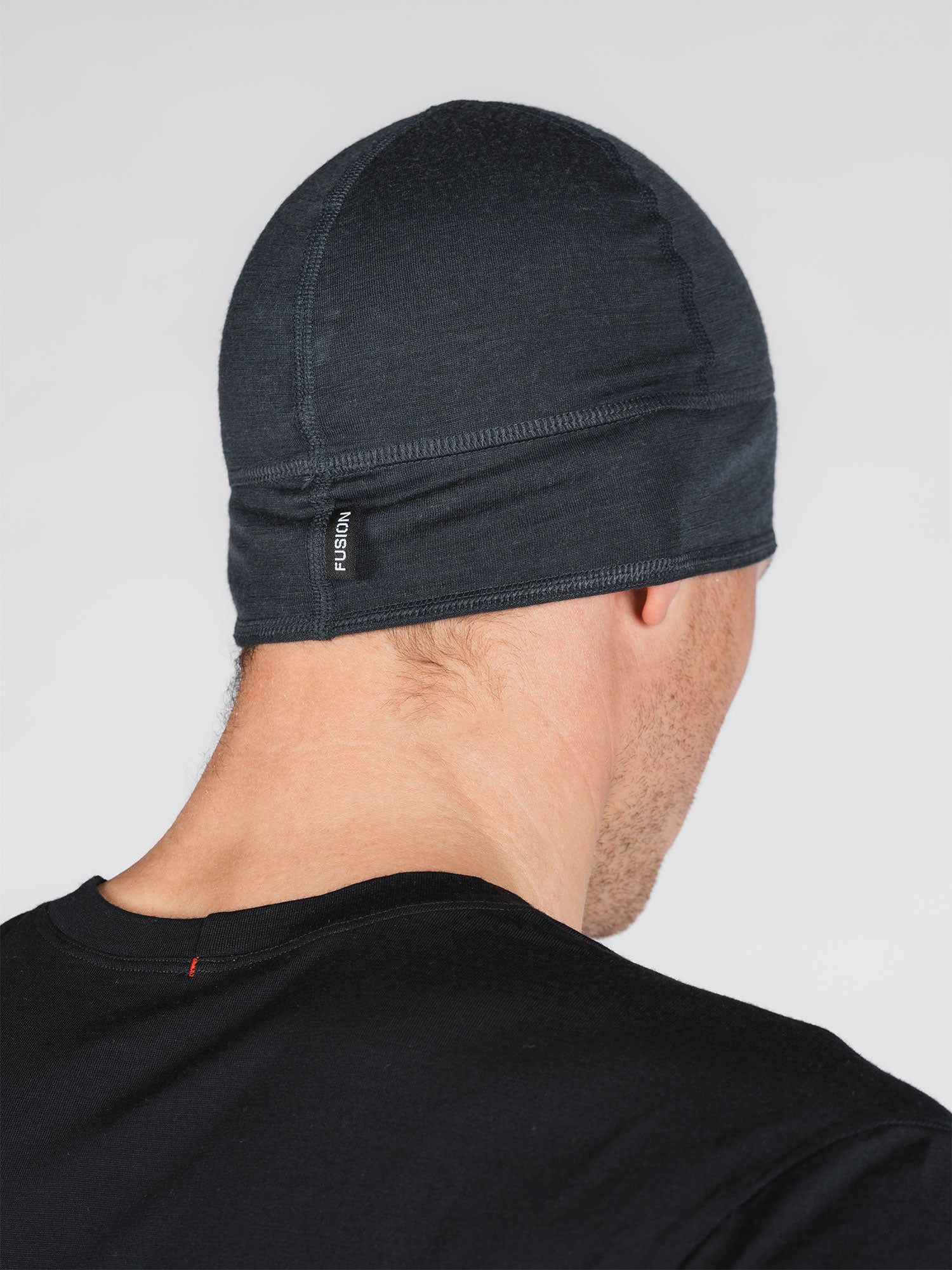
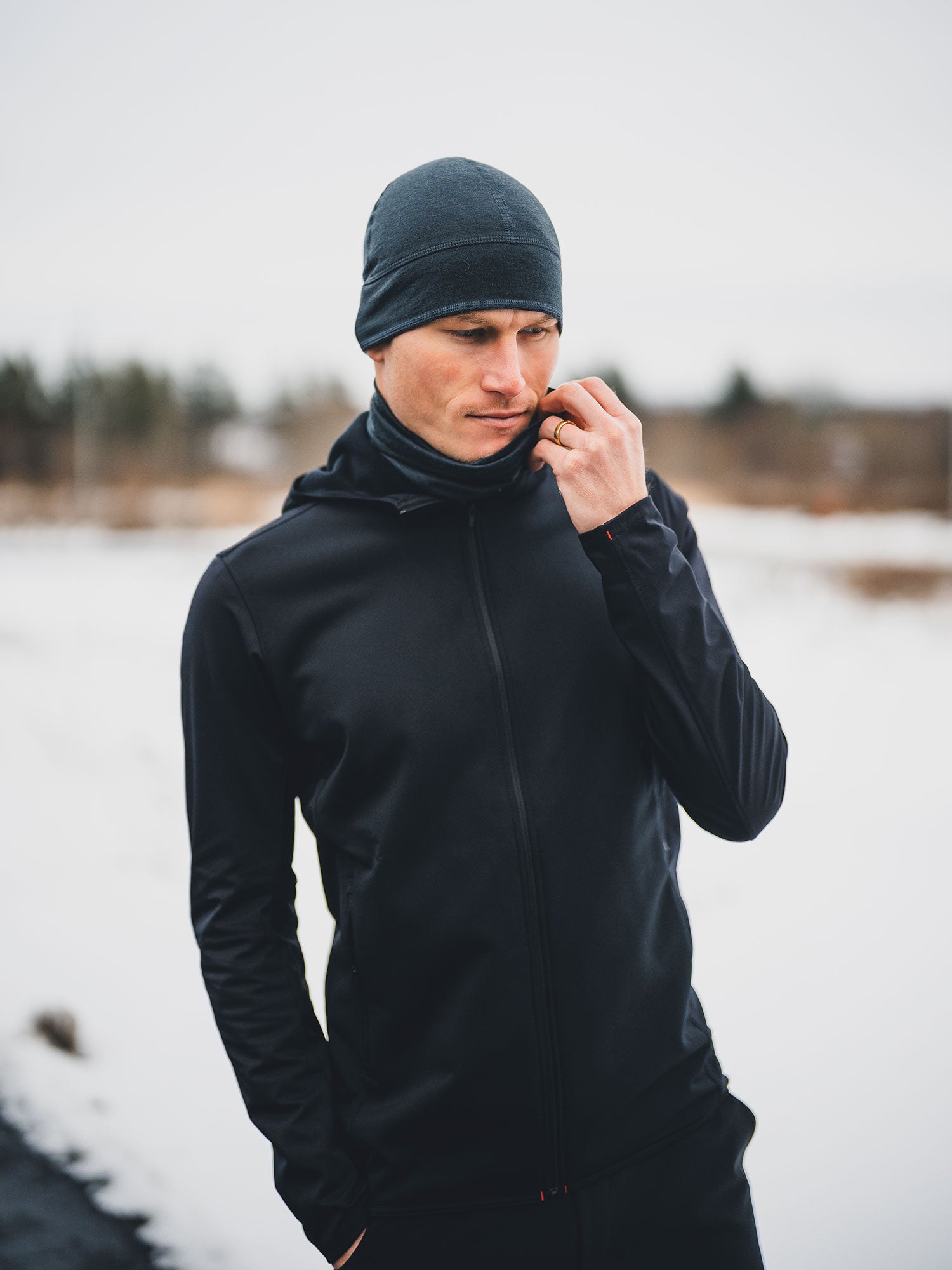
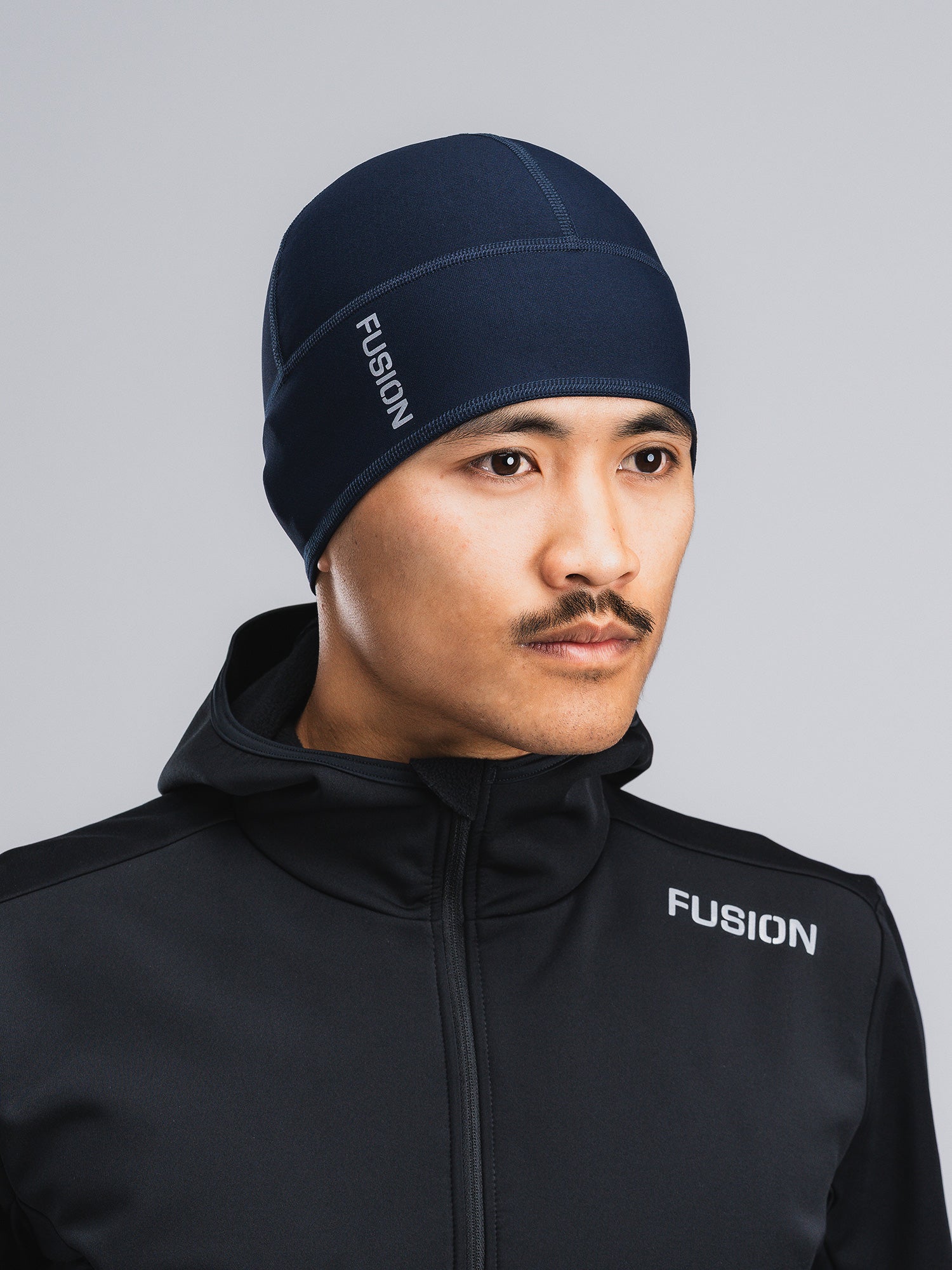
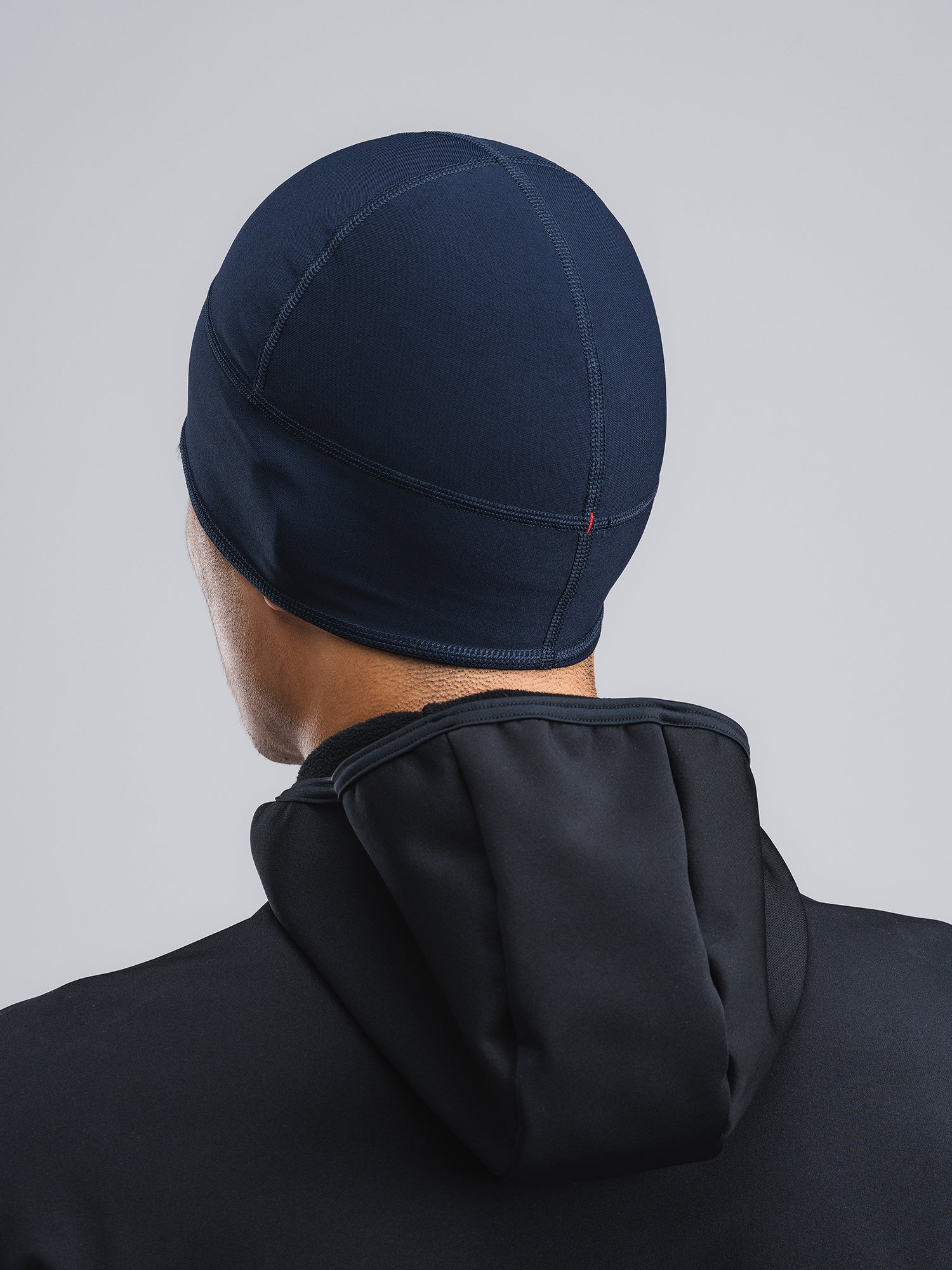
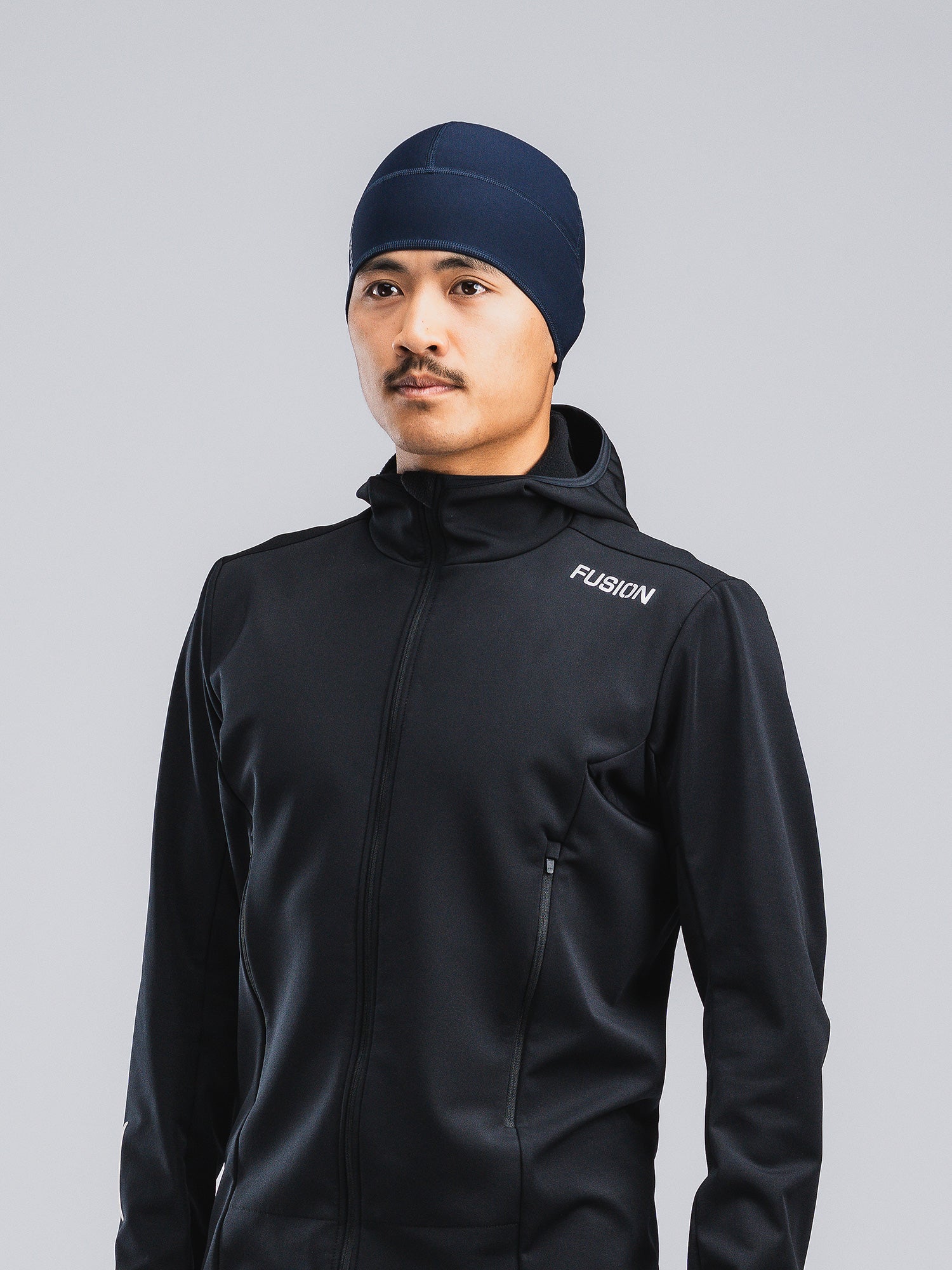
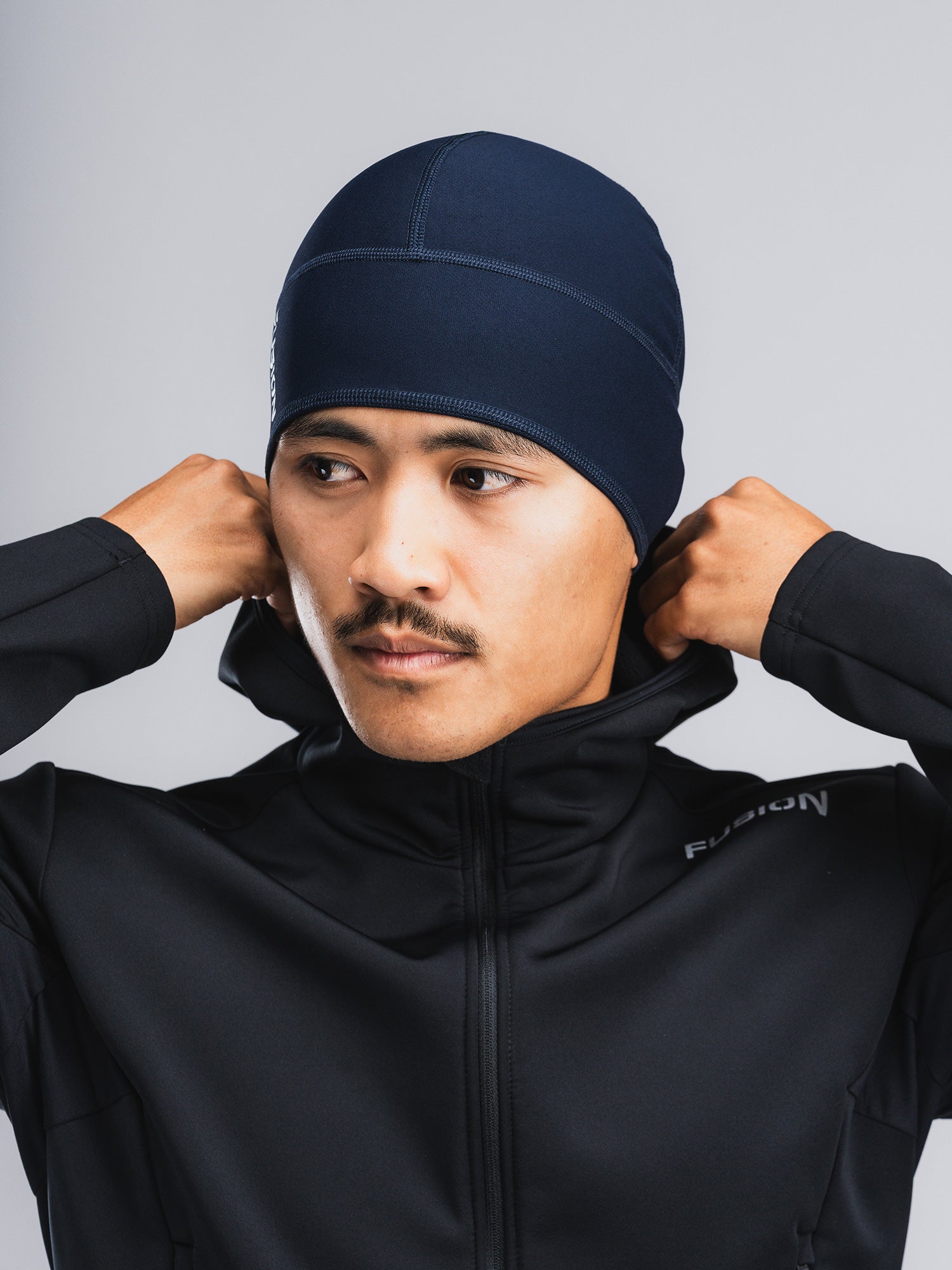
Temperature-regulating beanie in a blend of merino wool and polyester
500 kr











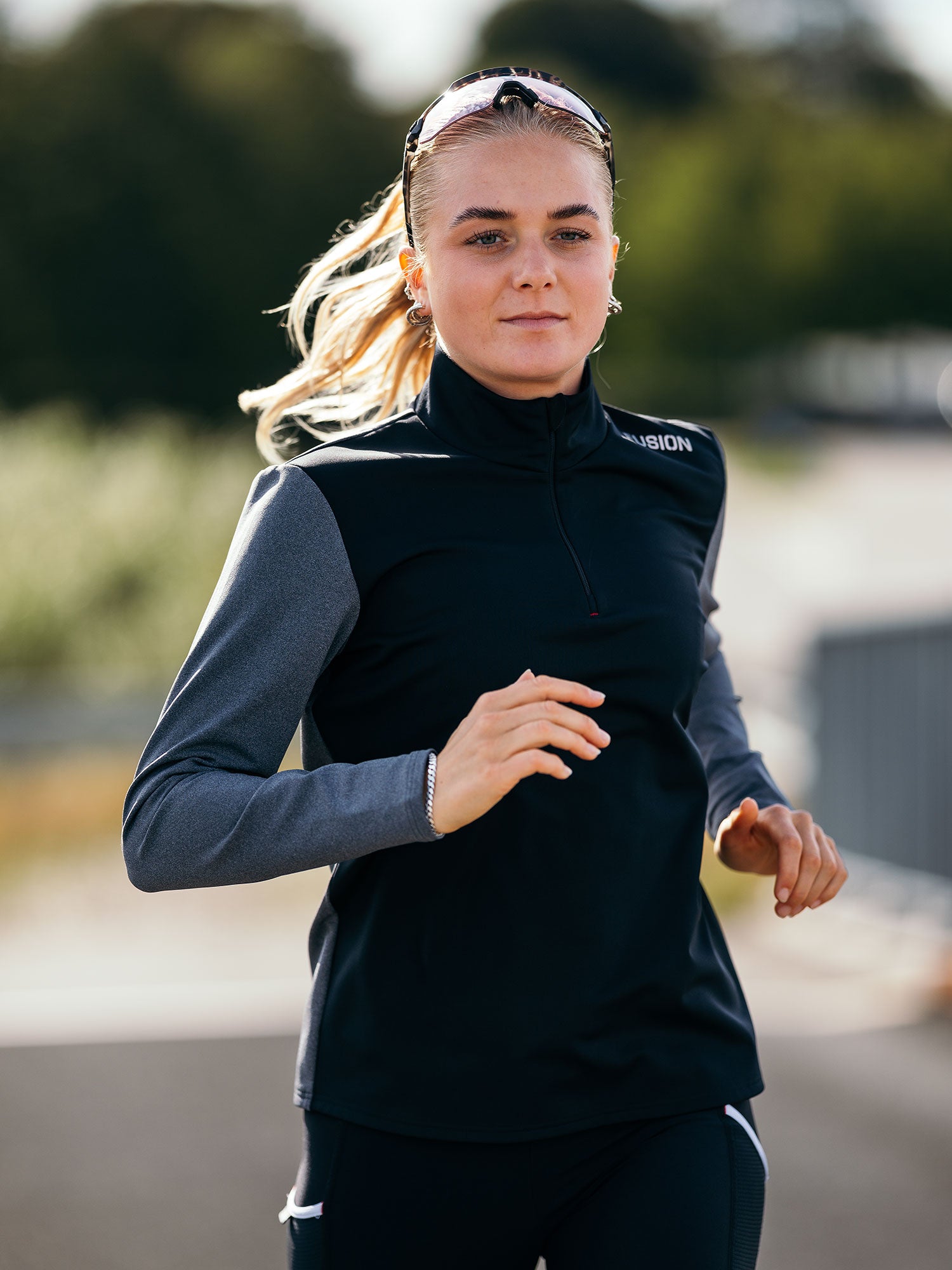

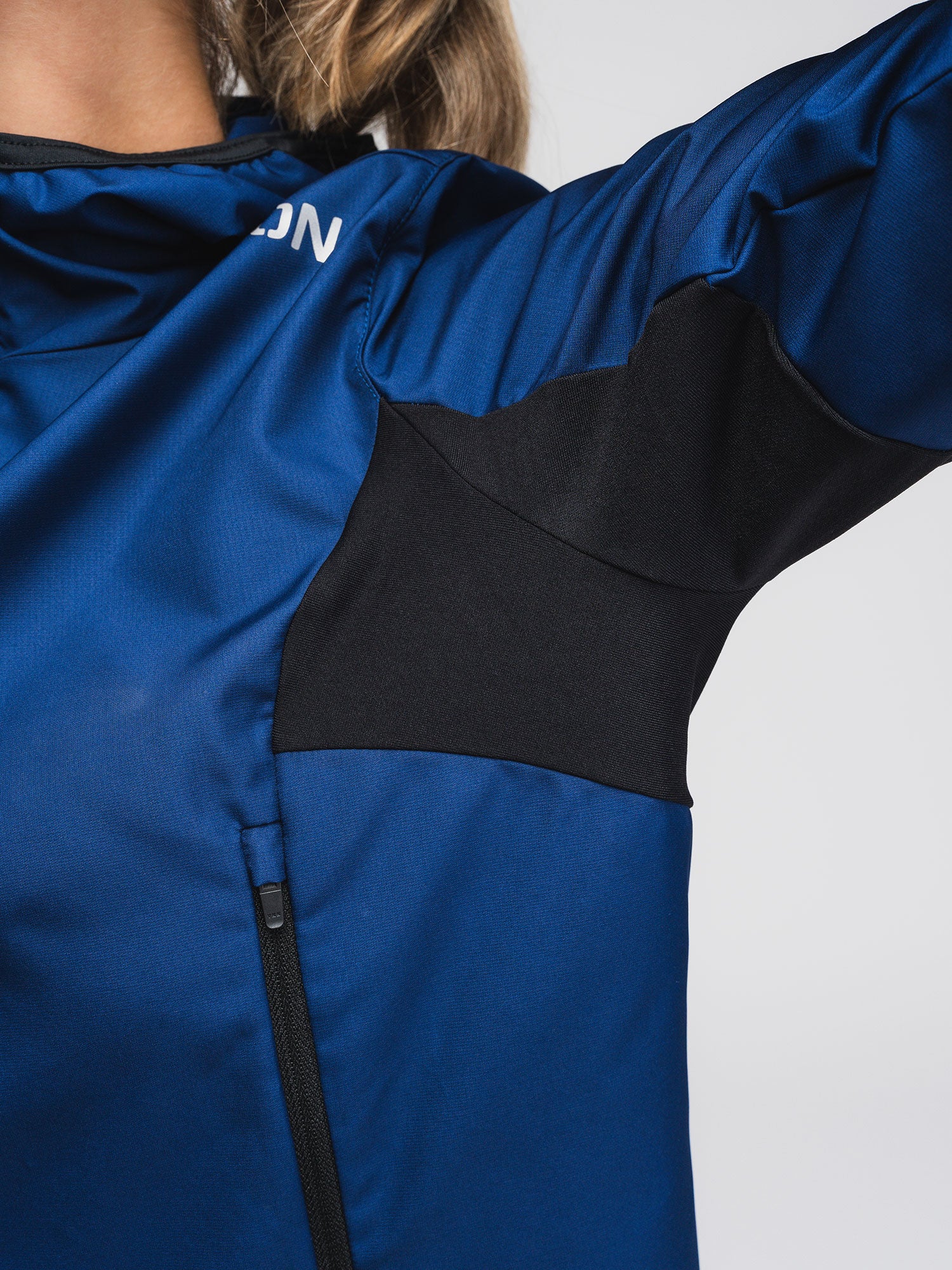
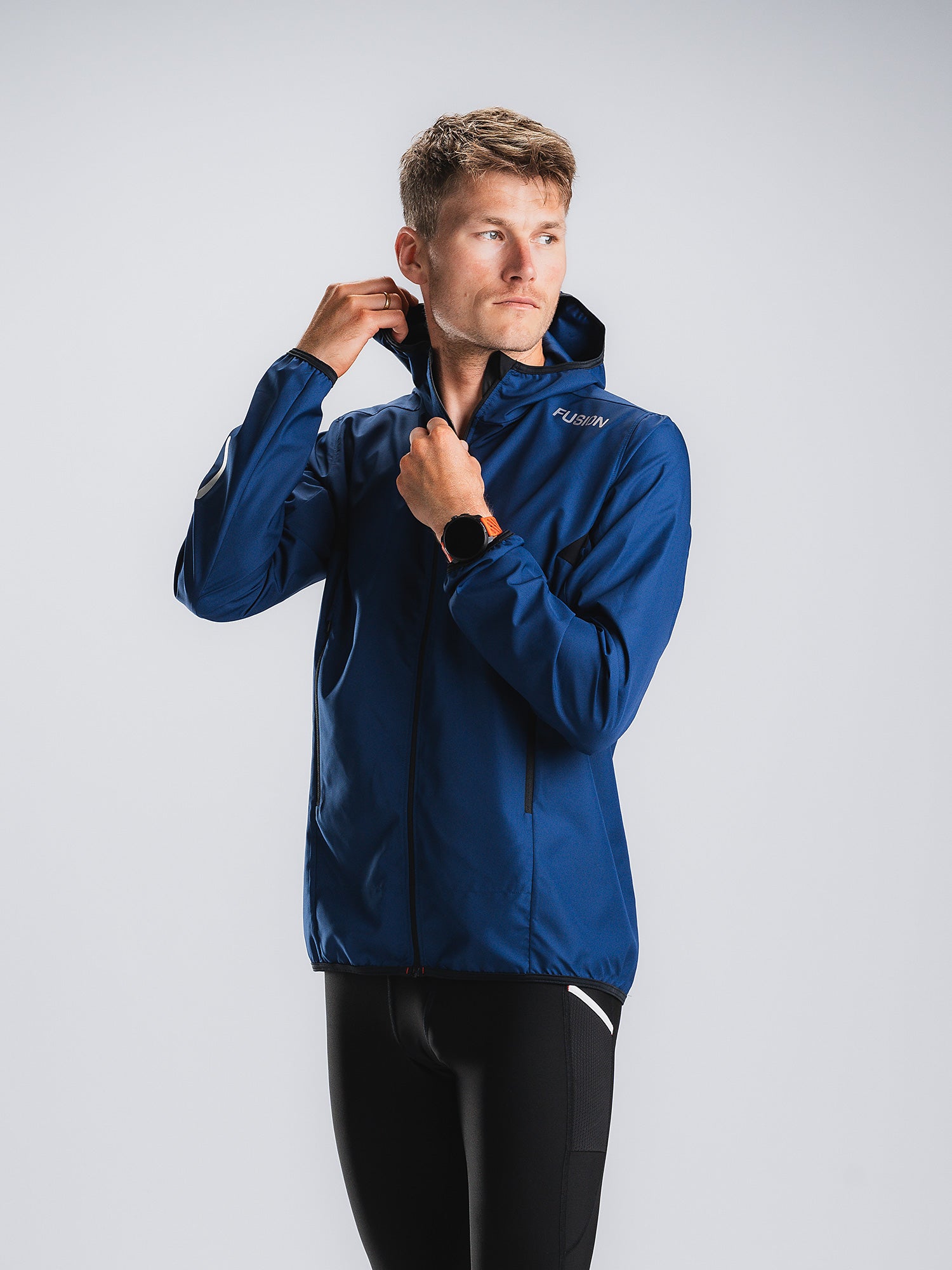
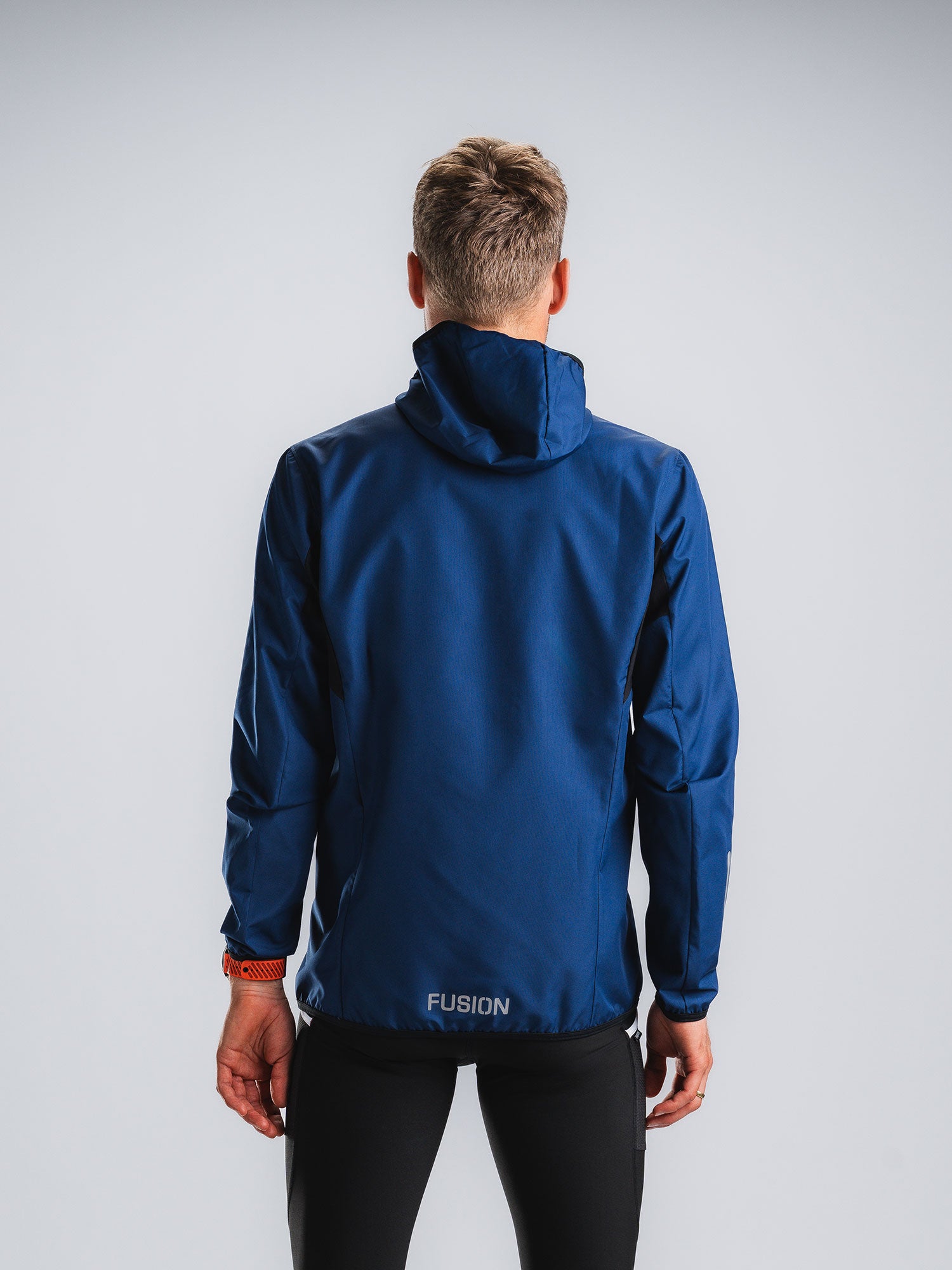
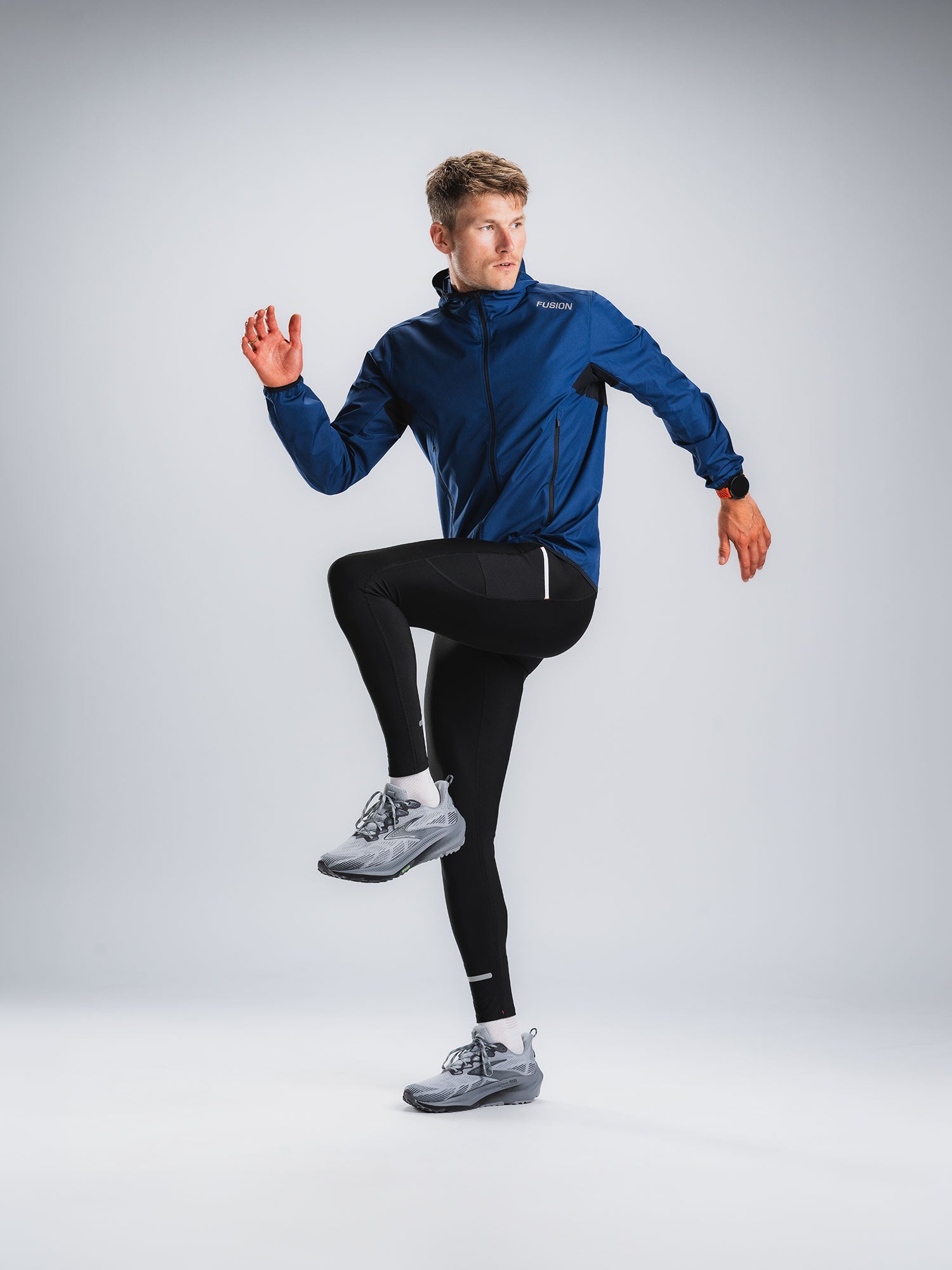
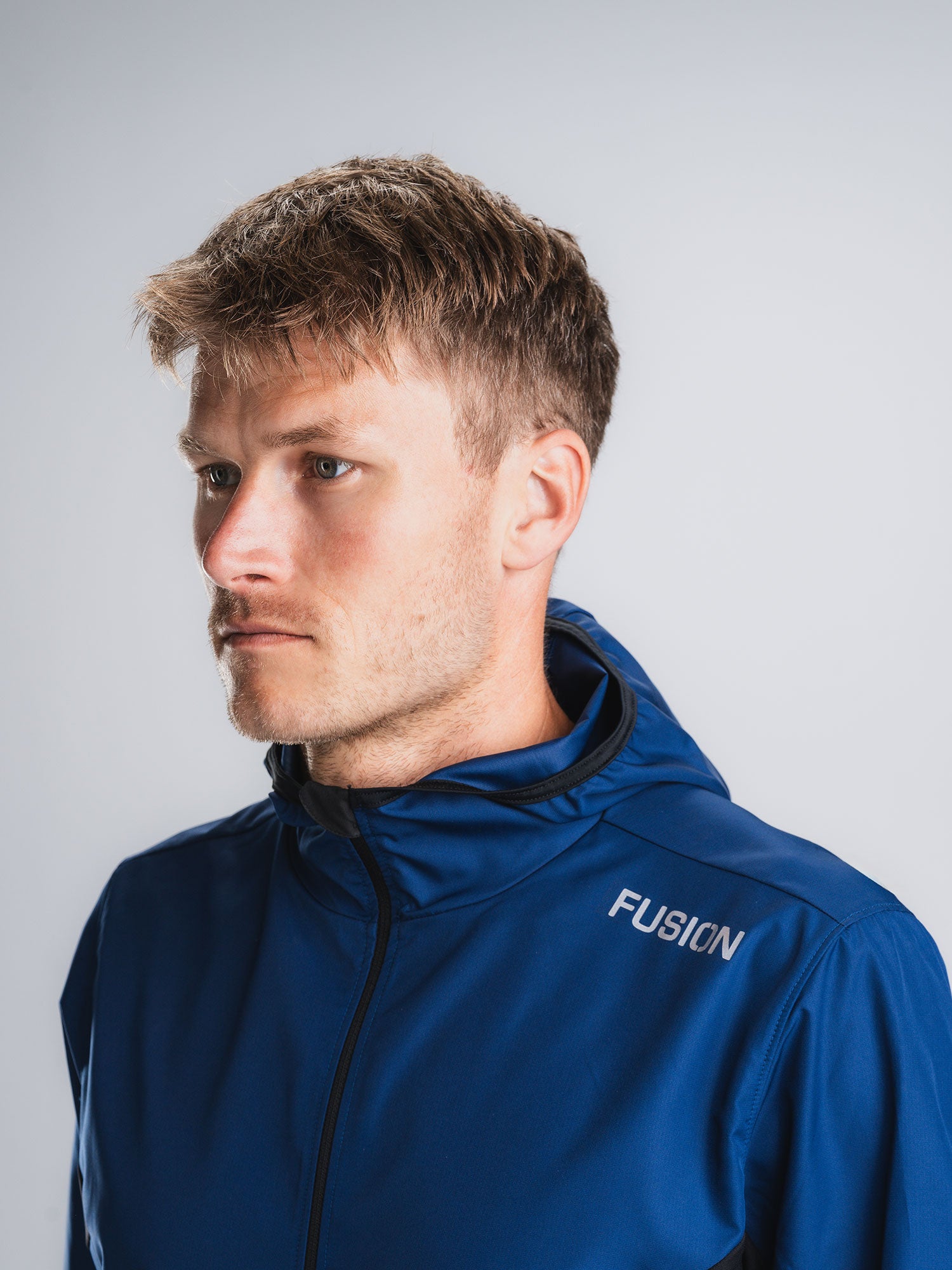
Winter Running Clothing: Finding the Right Balance Between Warmth and Breathability
The first kilometre often feels colder than the fifth.
You leave the house on a winter morning. The wind finds its way through your clothing, your hands are still cold, and another layer seems like a good idea. But as your pace settles and your body begins producing more heat, the balance changes. Moisture builds beneath your jacket, and the extra insulation that felt necessary at the start can suddenly become too much.
This is what makes dressing for winter running more complicated than simply choosing warmer clothing.
During exercise, your body produces heat. How much depends on your intensity, while temperature, wind and precipitation affect how quickly that heat escapes. Your clothing needs to help manage both.
Insulating fabrics reduce heat loss. Wind-resistant outer layers protect against moving cold air. Moisture-managing materials help transport perspiration away from the skin.
Each serves a different purpose, and the right combination depends on the conditions and the type of run.
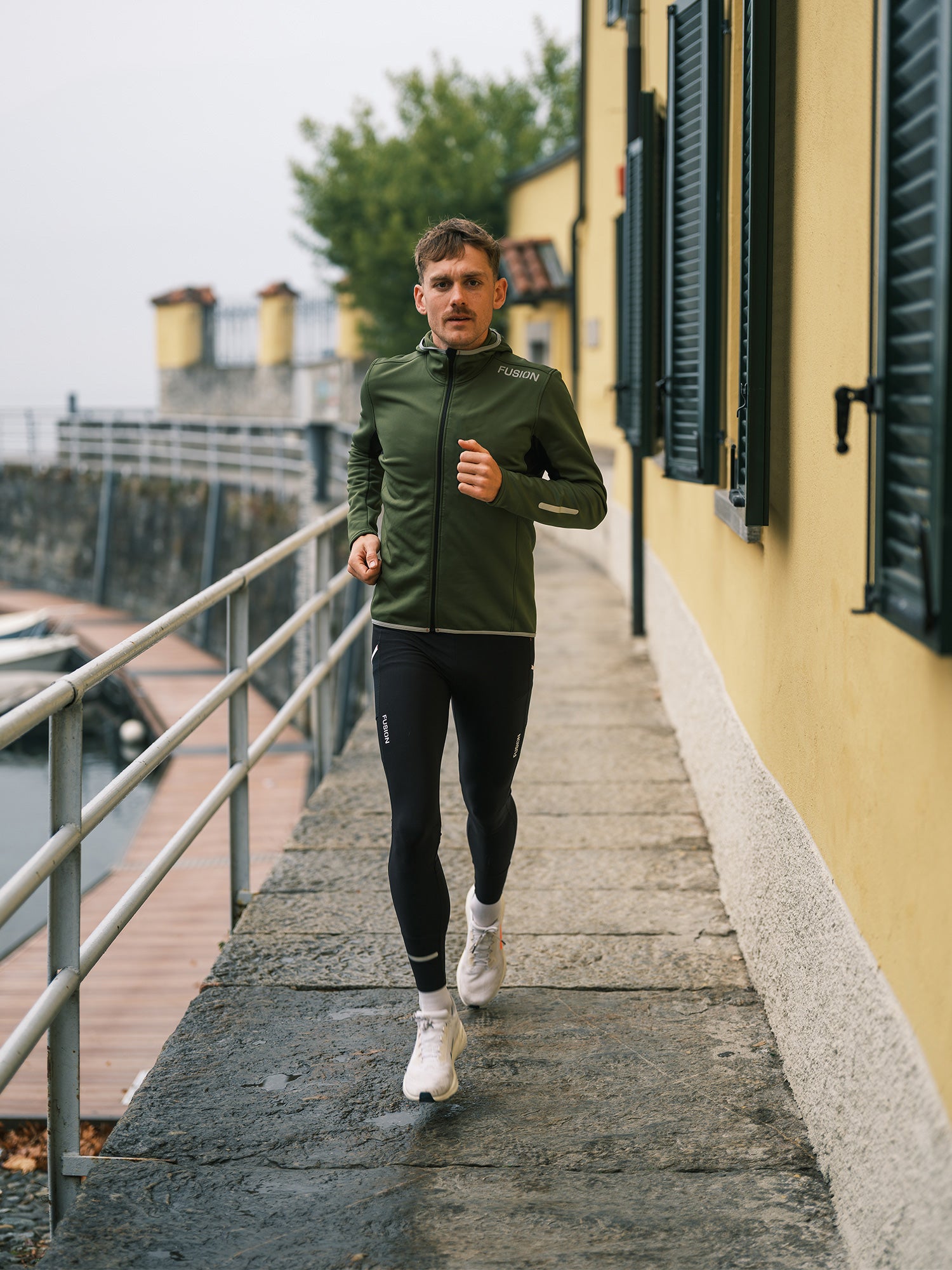
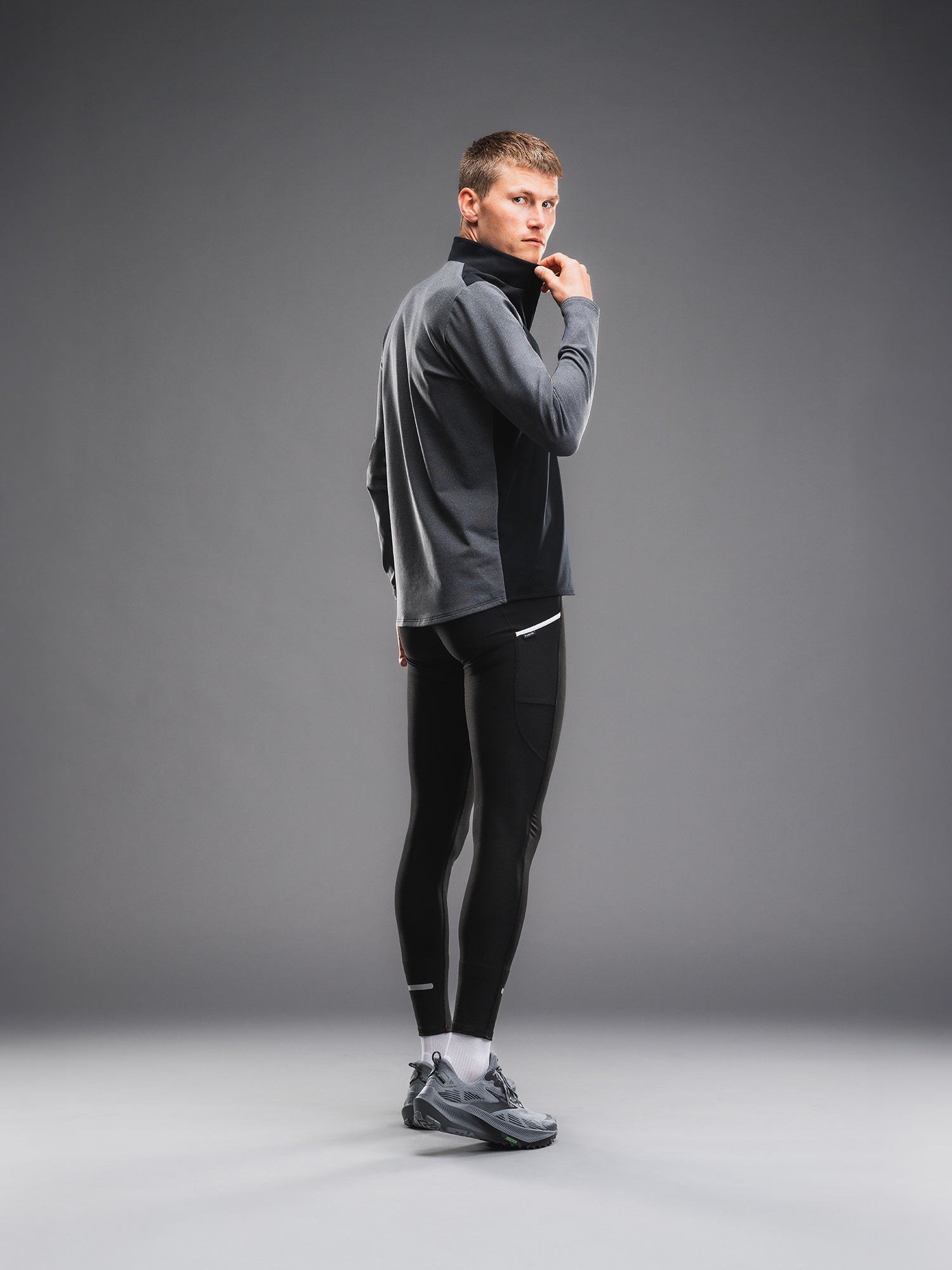
FUSION's winter running collection brings together technical running jackets, warm tights, base layers, long-sleeved shirts and accessories. Different fabric constructions and functional details allow you to build your outfit around your training rather than the season alone.
What to Wear Running in Winter
There is no single winter running outfit that works equally well for every runner.
A relaxed long run on a freezing morning places different demands on your clothing than a high-intensity interval session at the same temperature. Wind exposure, precipitation and your individual sensitivity to cold also influence how many layers you need.
The following temperature guide provides a practical starting point.
Running in 5–10°C: Light Protection and Moisture Management
At milder winter temperatures, the challenge is often managing wind exposure without wearing too much insulation.
A technical long-sleeved running shirt may be sufficient for many runners, particularly during higher-intensity training. When wind or light precipitation makes conditions feel colder, a lightweight protective jacket or vest can provide an additional outer layer.
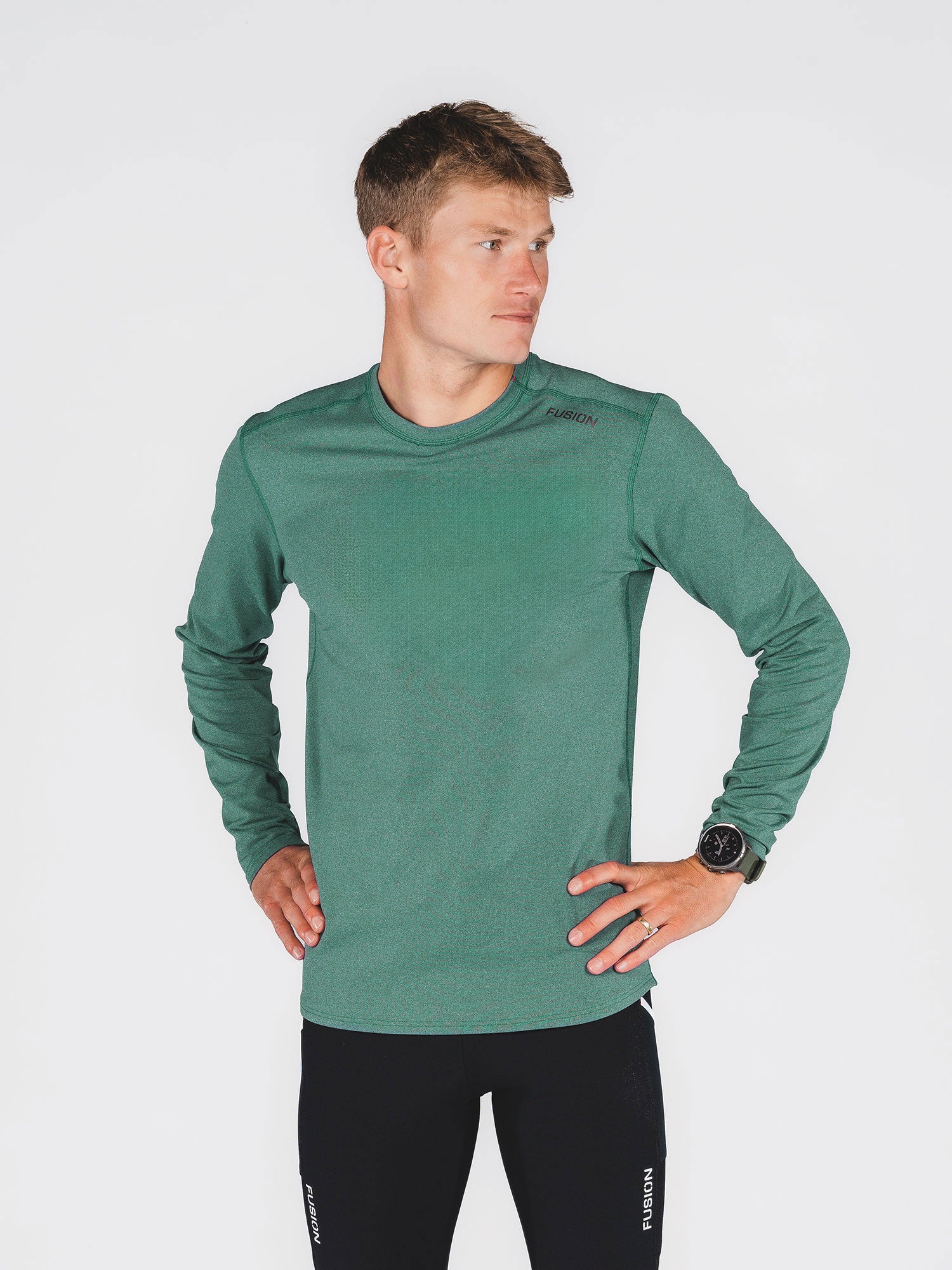
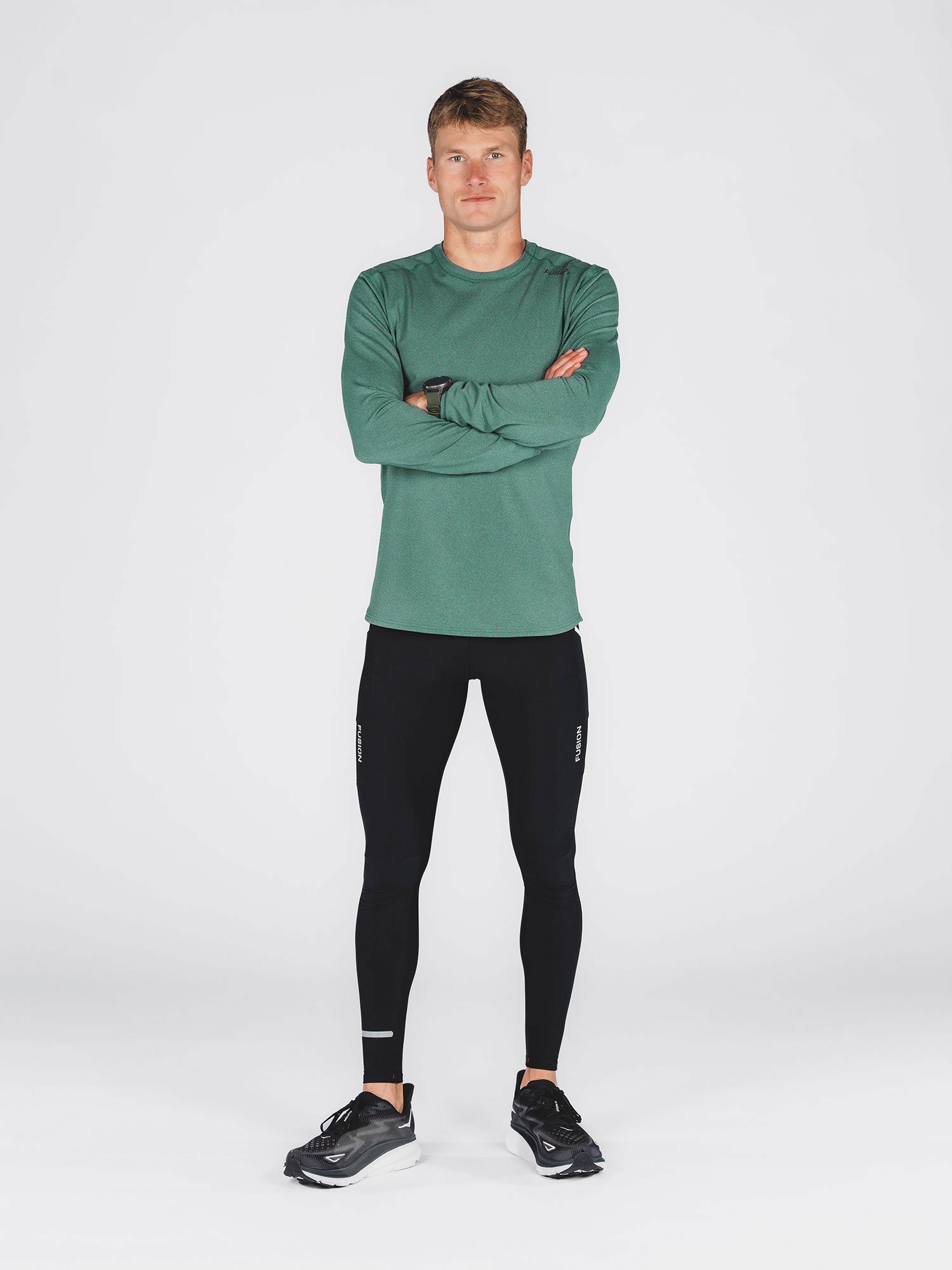
The C3 LS Shirt provides a technical long-sleeved option, while the C3 Zip Neck offers a practical way to adjust coverage around the neck.
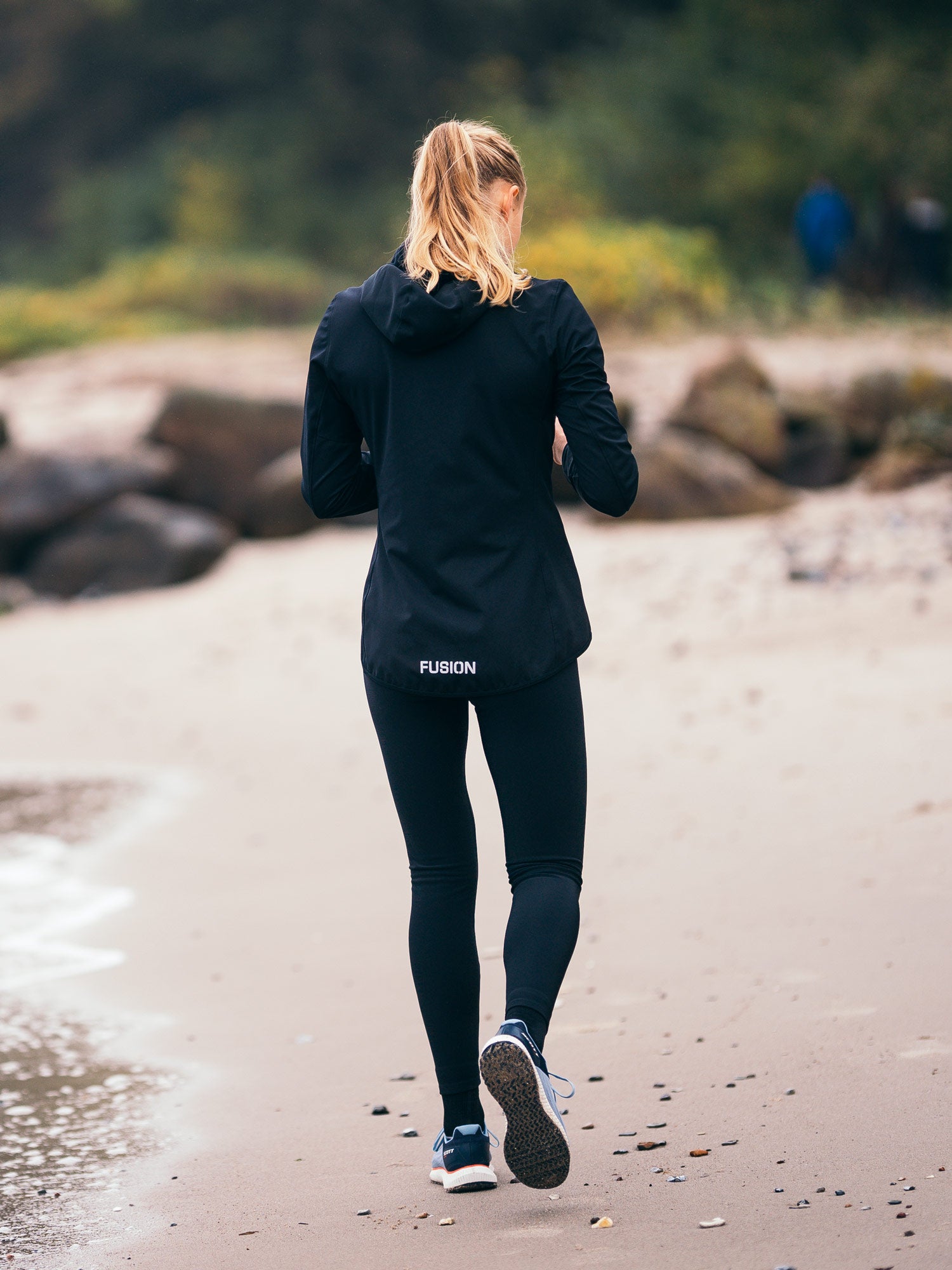
For additional wind protection, the S1 Run Jacket provides a lightweight outer layer with ventilating side panels.
Recommended combination: Technical long-sleeved shirt, full-length running tights and lightweight wind protection when needed.
Running in 0–5°C: Balancing Insulation and Ventilation
As temperatures approach freezing, protection against cold wind becomes increasingly important.
A technical base layer or long-sleeved shirt helps manage moisture next to your skin, while a protective running jacket reduces exposure to the conditions outside.
Warmer running tights with a brushed inner surface can provide additional insulation, particularly during longer or lower-intensity runs.
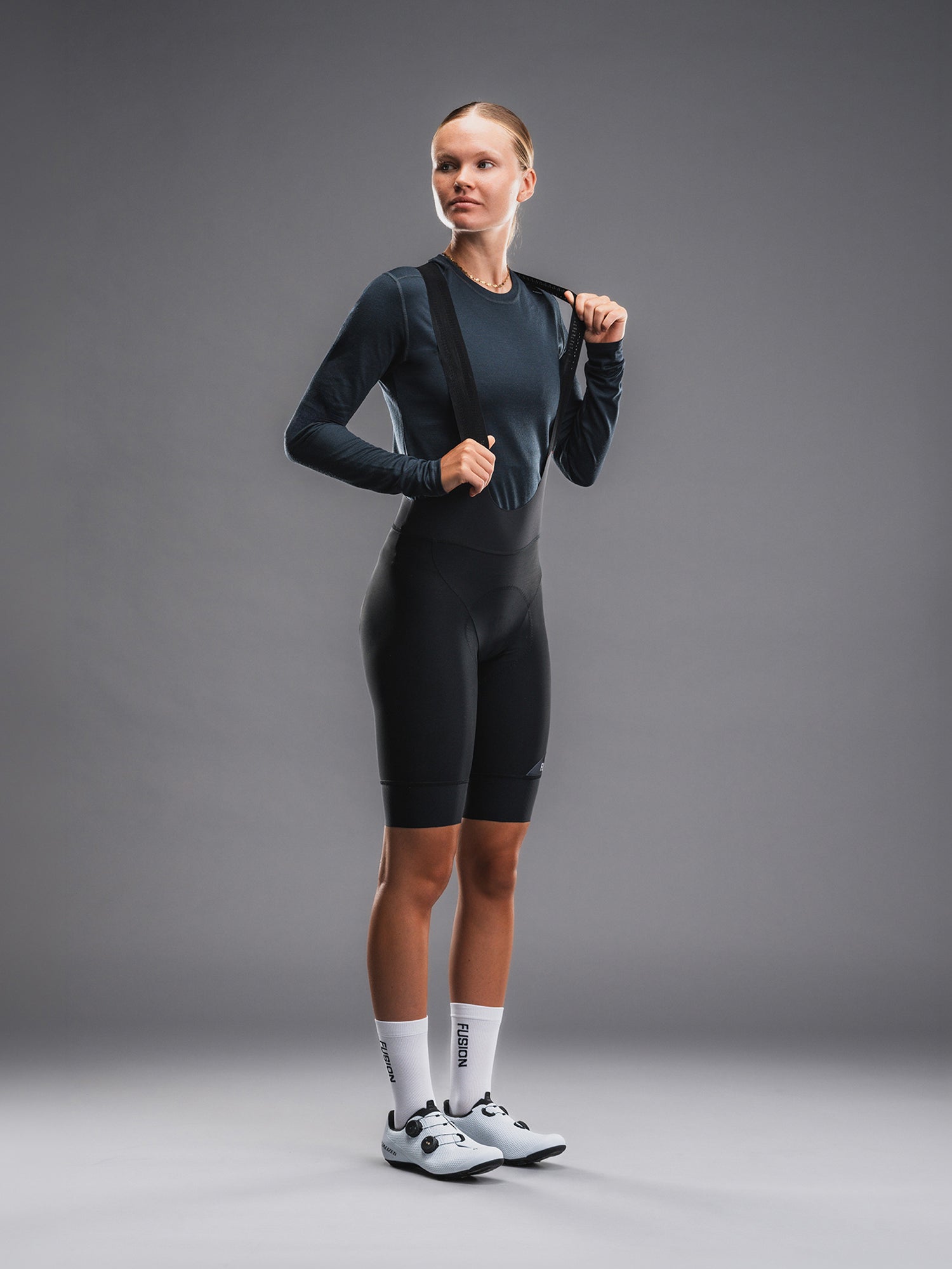
The Technical Merino 150 LS combines merino wool and polyester in a fabric made in Denmark. The S2 Run Jacket is developed for active running in colder and changeable conditions, while Hot Long Tights provide additional warmth through their brushed interior.
Recommended combination: Technical base layer or long-sleeved top, protective running jacket and warm running tights.
Running Below 0°C: Additional Insulation for Freezing Conditions
When temperatures fall below freezing, maintaining warmth becomes more demanding, especially during long runs, lower-intensity sessions or strong winds.
Begin with a moisture-managing base layer. Add an insulating midlayer when necessary and choose an outer layer appropriate for your pace and the weather.
The C3 Midlayer can provide additional insulation, while S3 Long Tights are designed for particularly cold conditions.
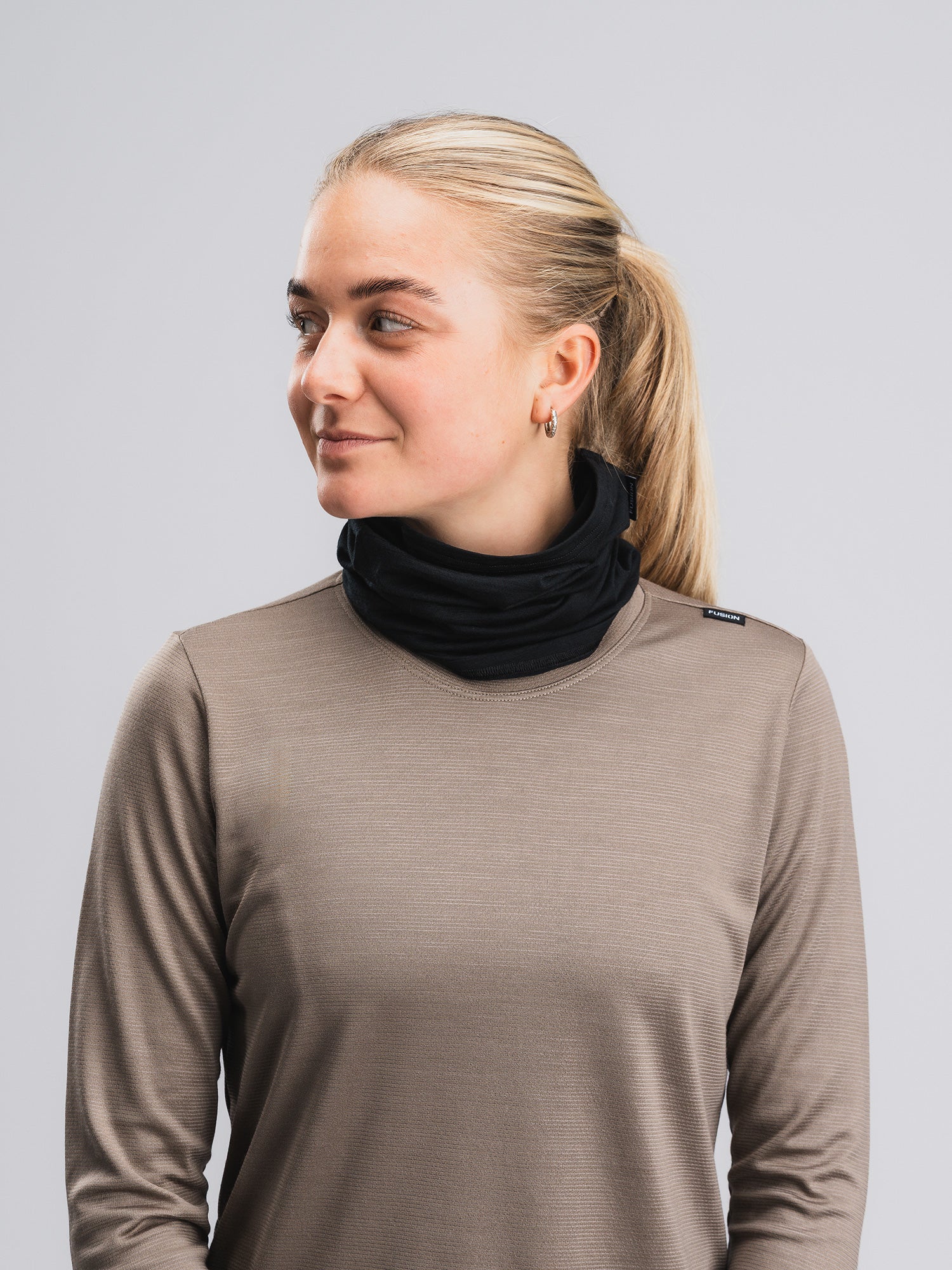
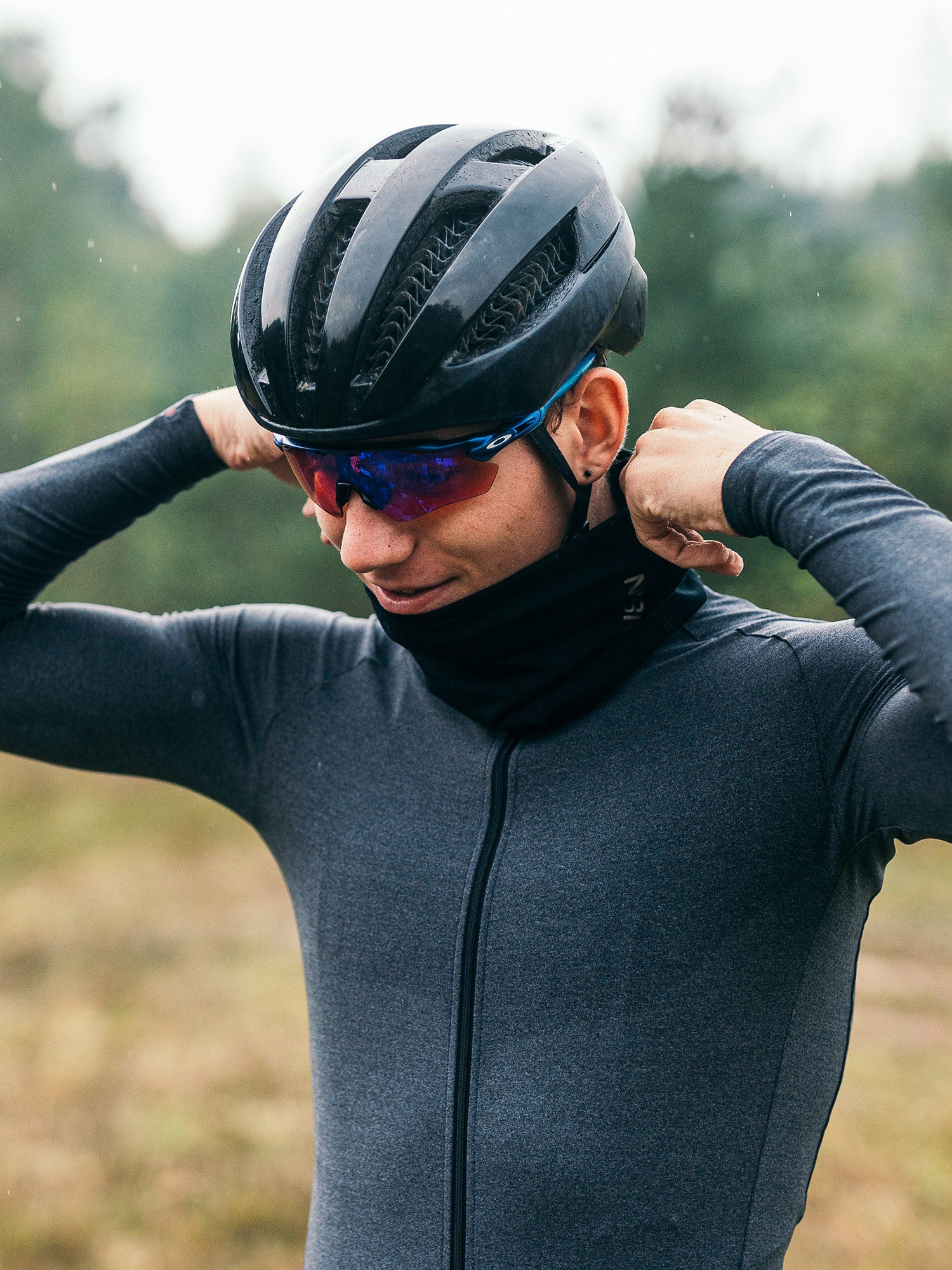
A beanie, gloves and neck gaiter can help protect exposed areas without requiring heavier clothing across your entire body.
Recommended combination: Moisture-managing base layer, insulating midlayer when needed, suitable running jacket and insulated tights.
These temperature ranges are guidelines rather than fixed rules. Your running intensity, wind exposure and individual comfort should always determine the final combination.
Which Winter Running Jacket Should You Choose?
A running jacket is more than a barrier against the weather.
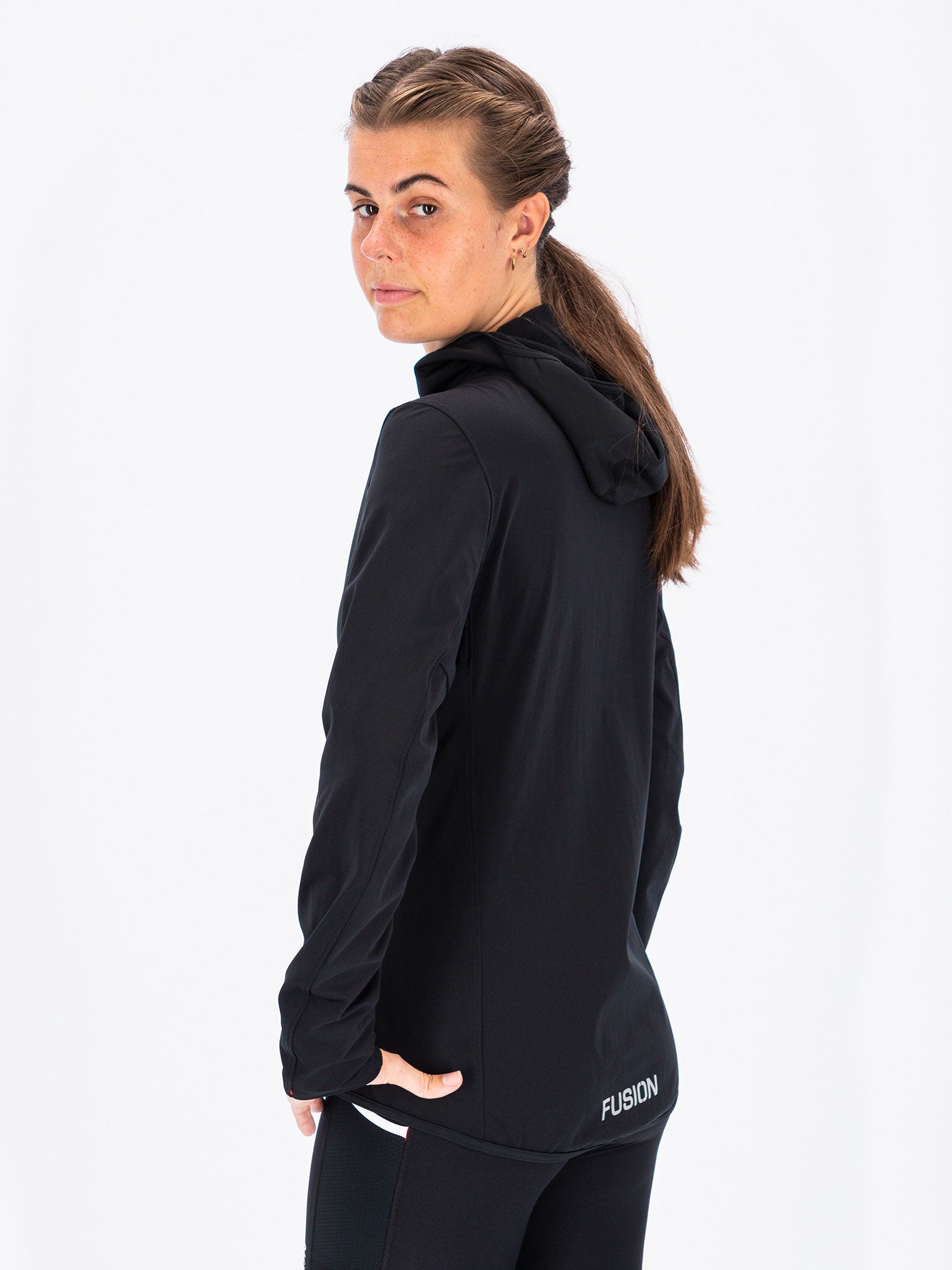
Its construction determines how it balances wind protection, moisture management, ventilation and insulation. A lightweight jacket designed for active running in mild conditions serves a different purpose from a more substantial softshell jacket intended to provide additional warmth.
FUSION's S1, S2 and S3 Run Jackets address different requirements within the running jacket collection.
S1 Run Jacket – Lightweight Wind Protection
When the weather is relatively mild but wind makes a long-sleeved shirt feel insufficient, a lightweight outer layer can make a significant difference.
The S1 Run Jacket combines wind- and water-resistant protection with ventilating side panels. Its lightweight construction makes it relevant for changeable conditions and active running where unnecessary insulation would be undesirable.
Choose S1 when: You primarily need light protection against wind and changing weather, while keeping weight and insulation to a minimum.
S2 Run Jacket – Protection for Active Running in Cold Weather
As temperatures fall, the demands on your outer layer change.
You need sufficient protection against cold air and unstable weather, while still allowing your body to manage the heat generated during running.
The S2 Run Jacket is developed for active running at lower temperatures and in changeable conditions. It provides a more protective option for runners who continue training when the weather becomes colder and less predictable.
Choose S2 when: You want a jacket developed specifically for active running in colder conditions, where protection and the ability to regulate body heat both matter.
S3 Run Jacket – Protective Softshell with Added Insulation
The S3 Run Jacket takes a different approach to weather protection.
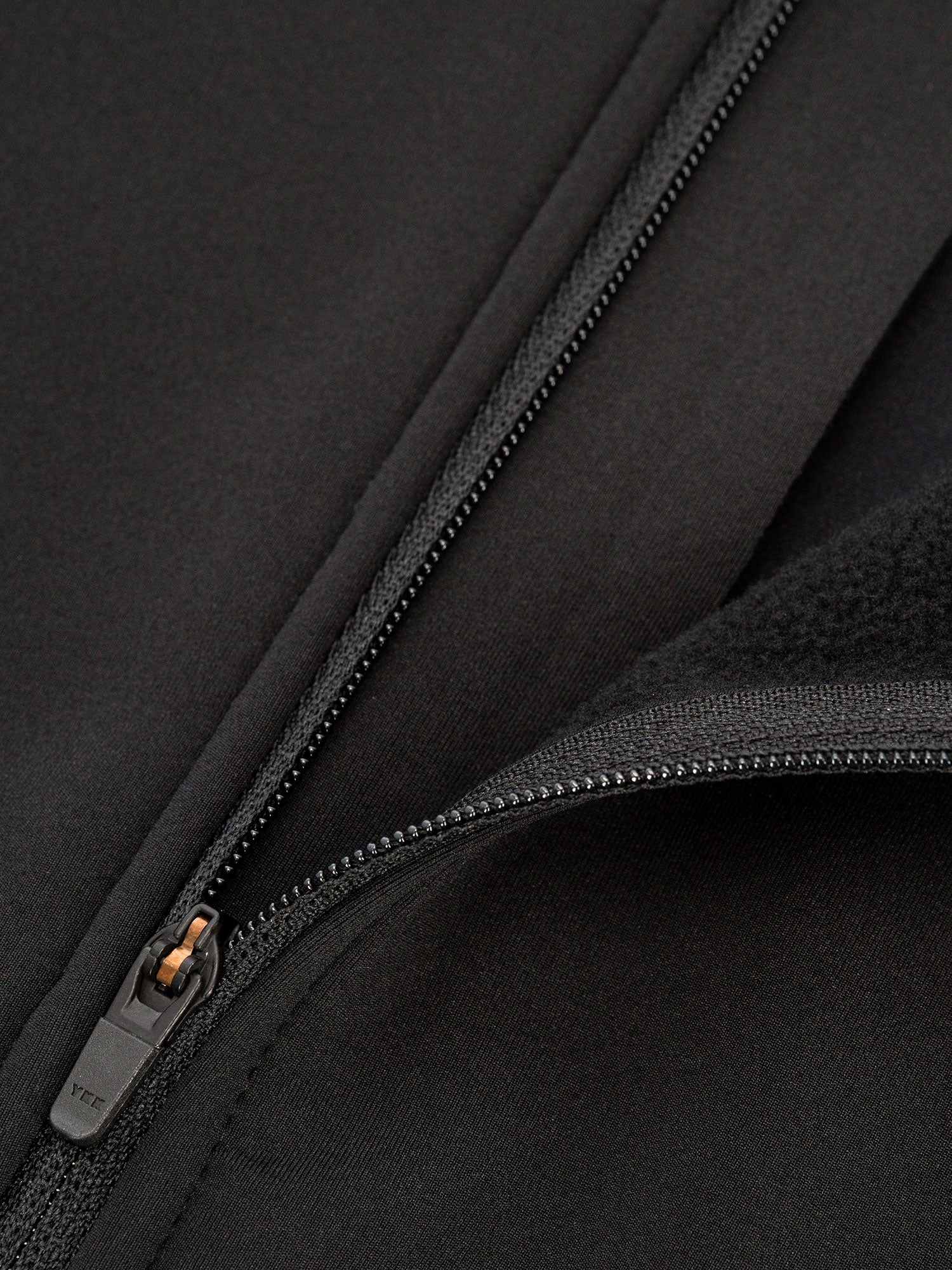
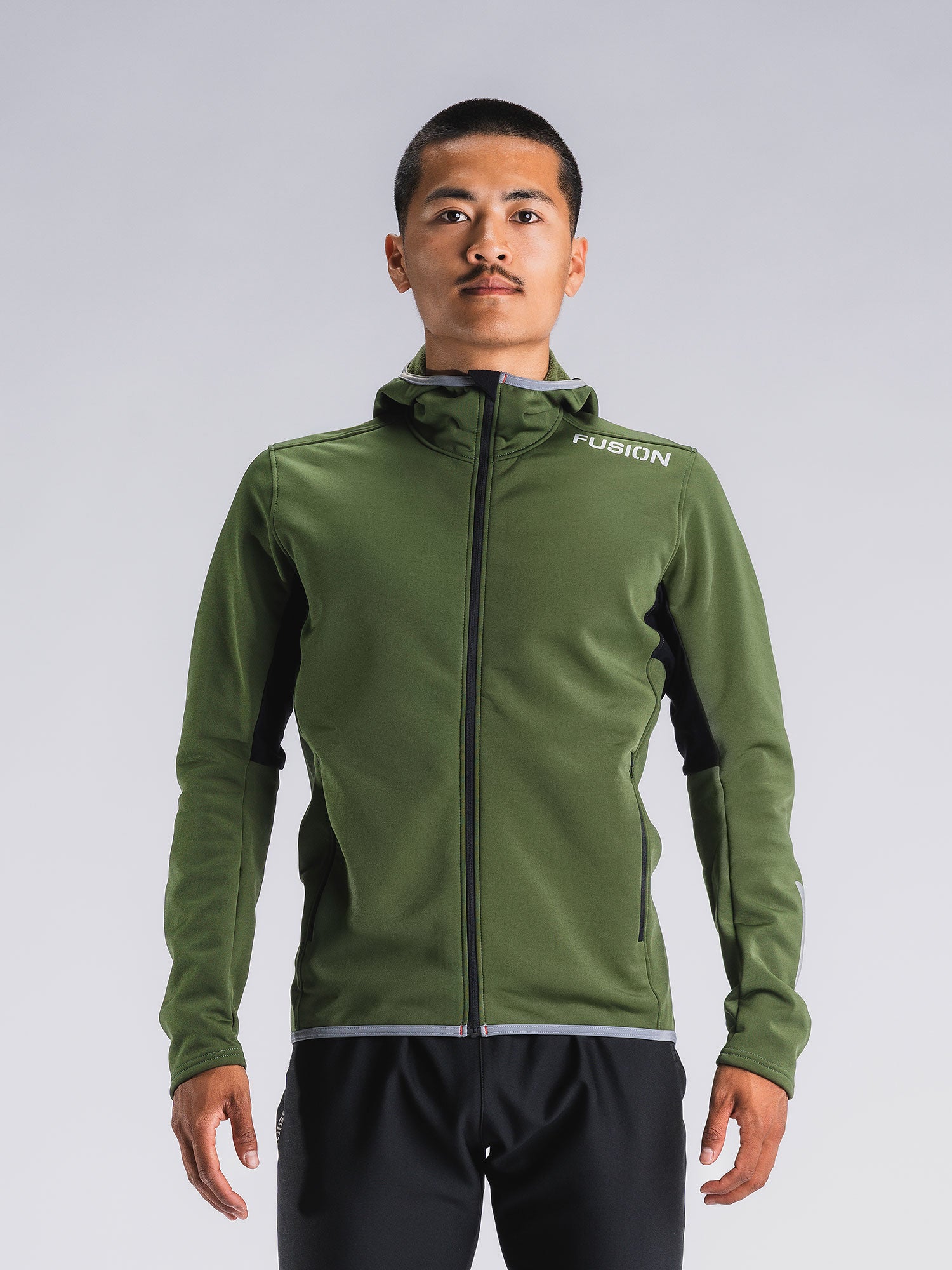
Its construction combines three-layer softshell membrane materials with ventilating areas and an insulating fleece section on the inside of the front.
The front and hood use a more substantial protective material, while lighter material on the back and sleeves helps adapt the construction to different areas of the body. Flexible panels beneath the arms provide additional freedom of movement and ventilation.
This makes S3 relevant when insulation and weather protection take priority over minimum weight, including lower-intensity activities, warm-ups and time spent outdoors before or after training.
Choose S3 when: You need more substantial insulation and protection, particularly when your activity produces less body heat.
Three Jackets, Different Priorities
The right jacket isn't necessarily the warmest or most substantial one.
S1 prioritises lightweight protection. S2 is developed around active running in colder conditions. S3 offers a more substantial, insulated softshell construction.
Understanding those differences makes it easier to select the right jacket for your training rather than relying on temperature alone.
Explore the complete FUSION running jackets and vests collection.
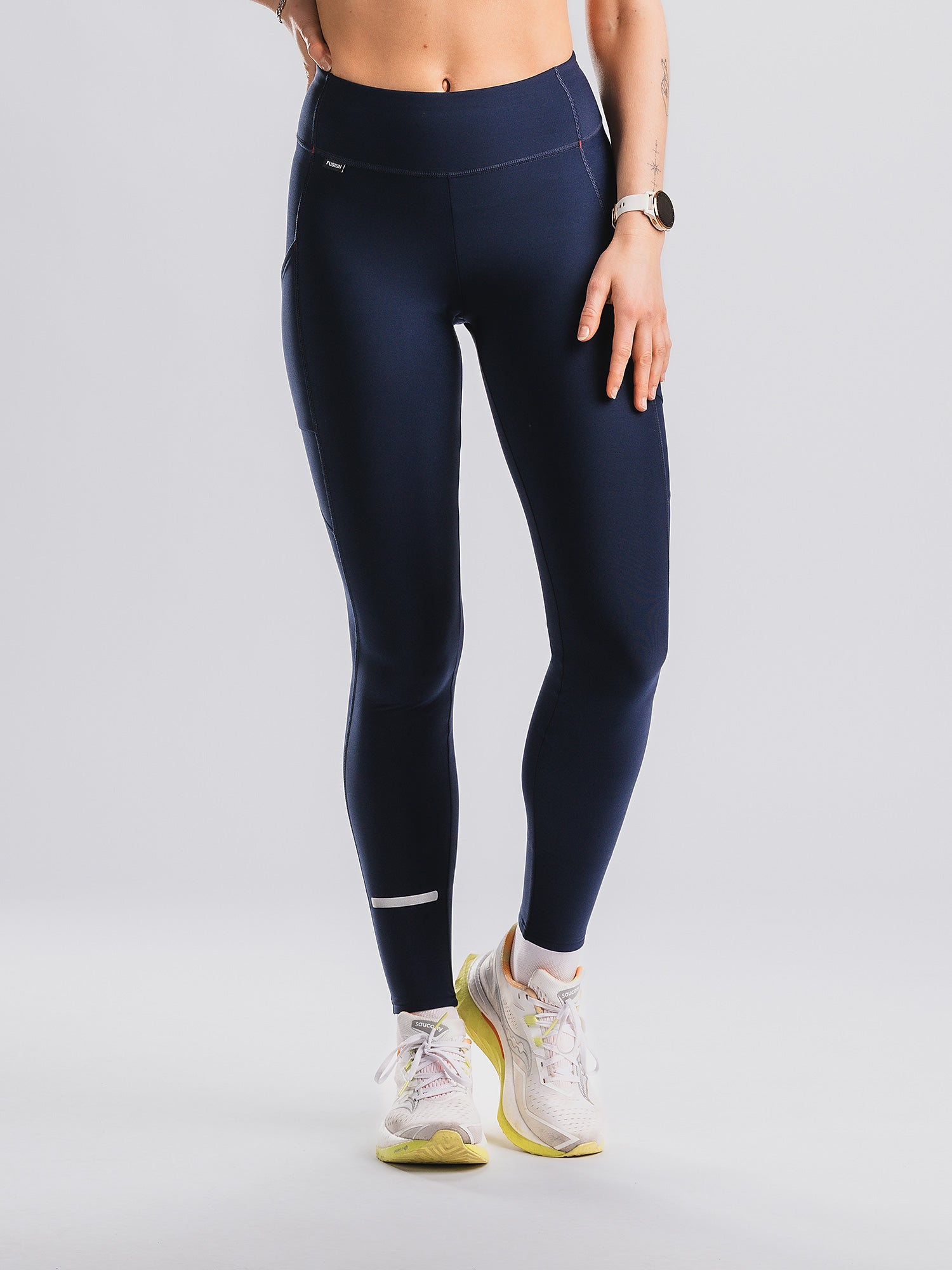
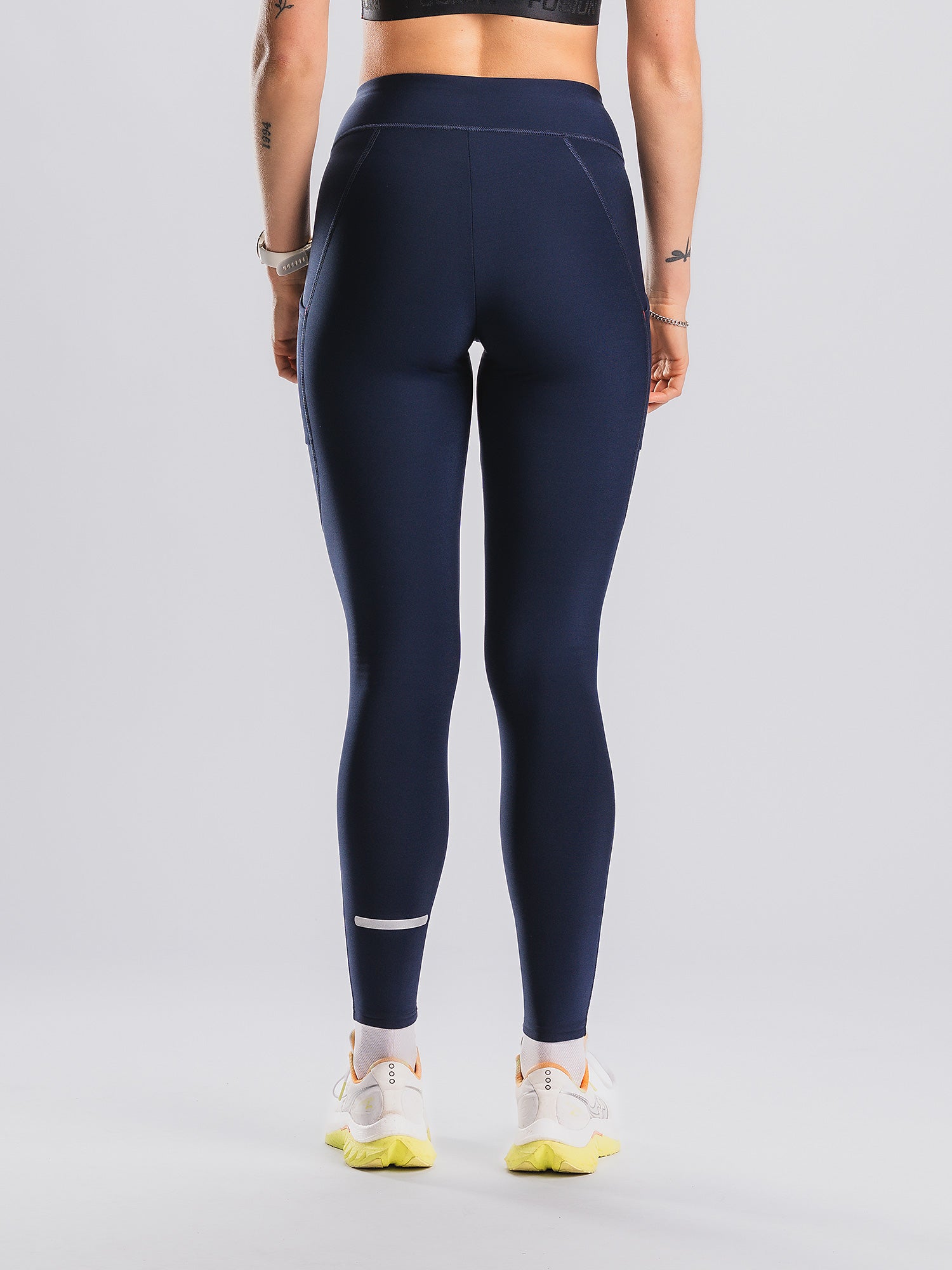
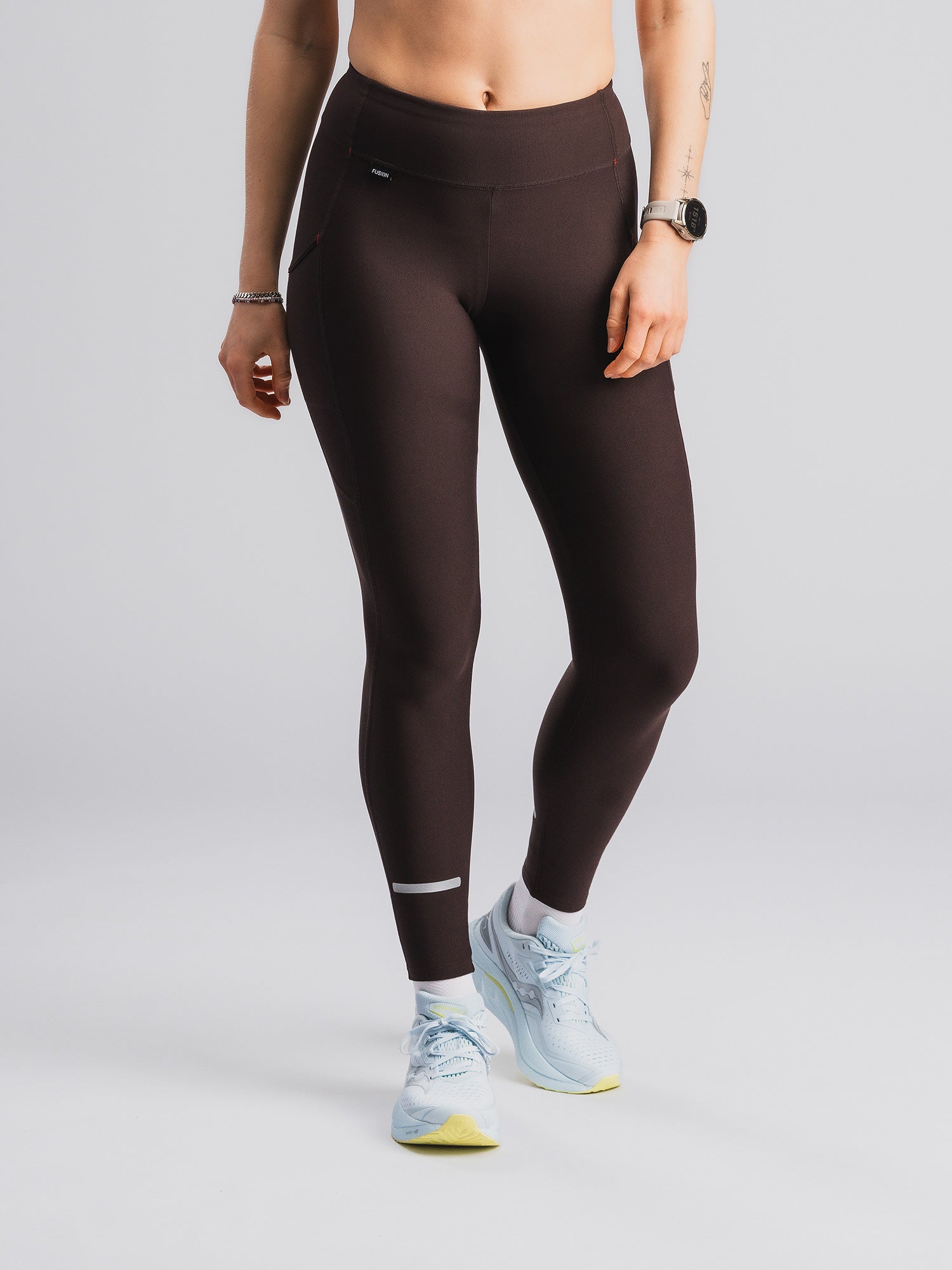
Warm Running Tights: Choosing the Right Insulation
Running tights play an important role in winter comfort. While your upper body can be adjusted with multiple layers, your legs are usually covered by a single garment.
That makes fabric construction especially relevant.
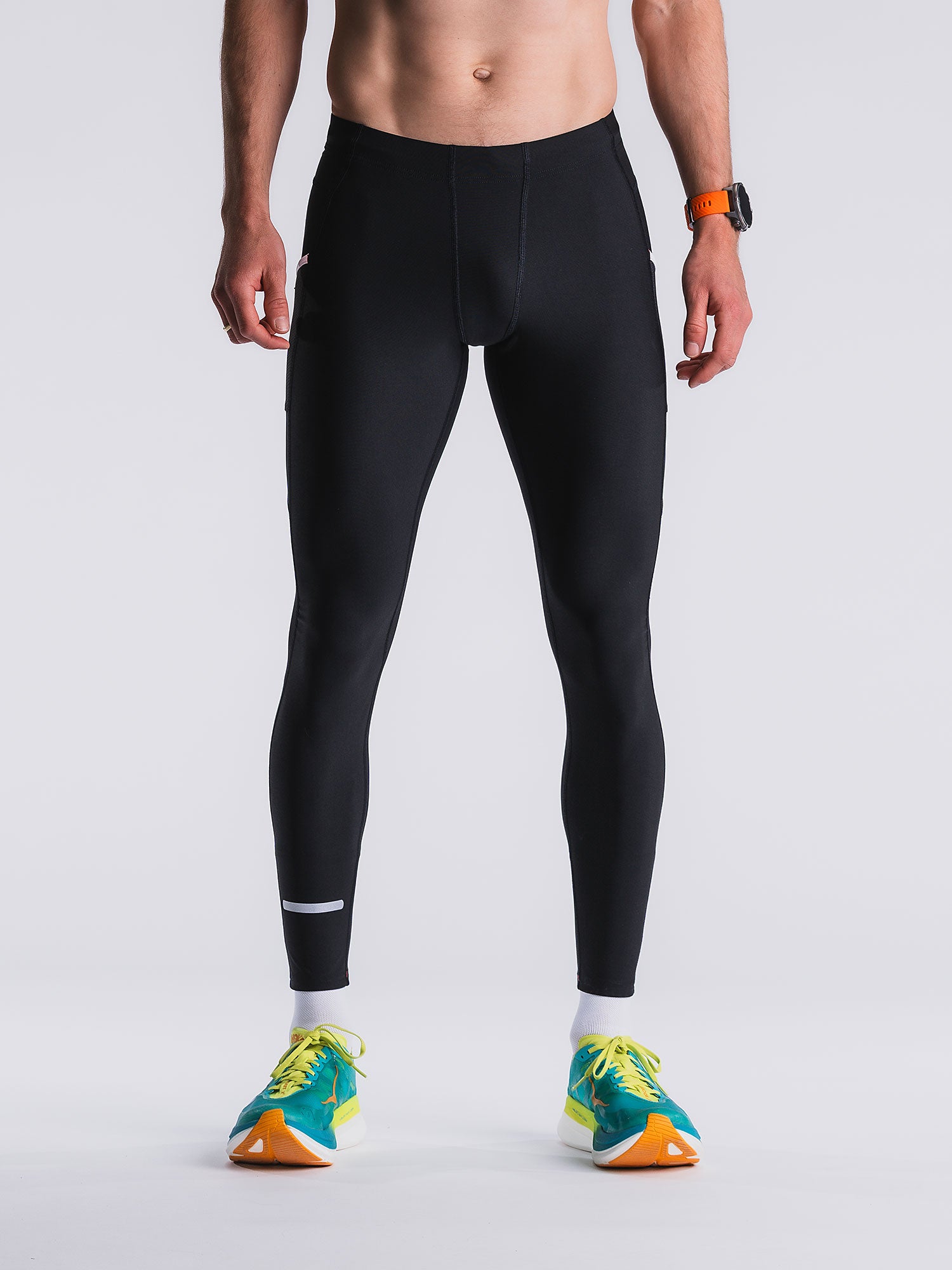
Standard full-length running tights may provide sufficient coverage in milder temperatures or during high-intensity training. In colder conditions, tights with a brushed interior can provide additional insulation.
Hot Long Tights – Warmth for Everyday Winter Training
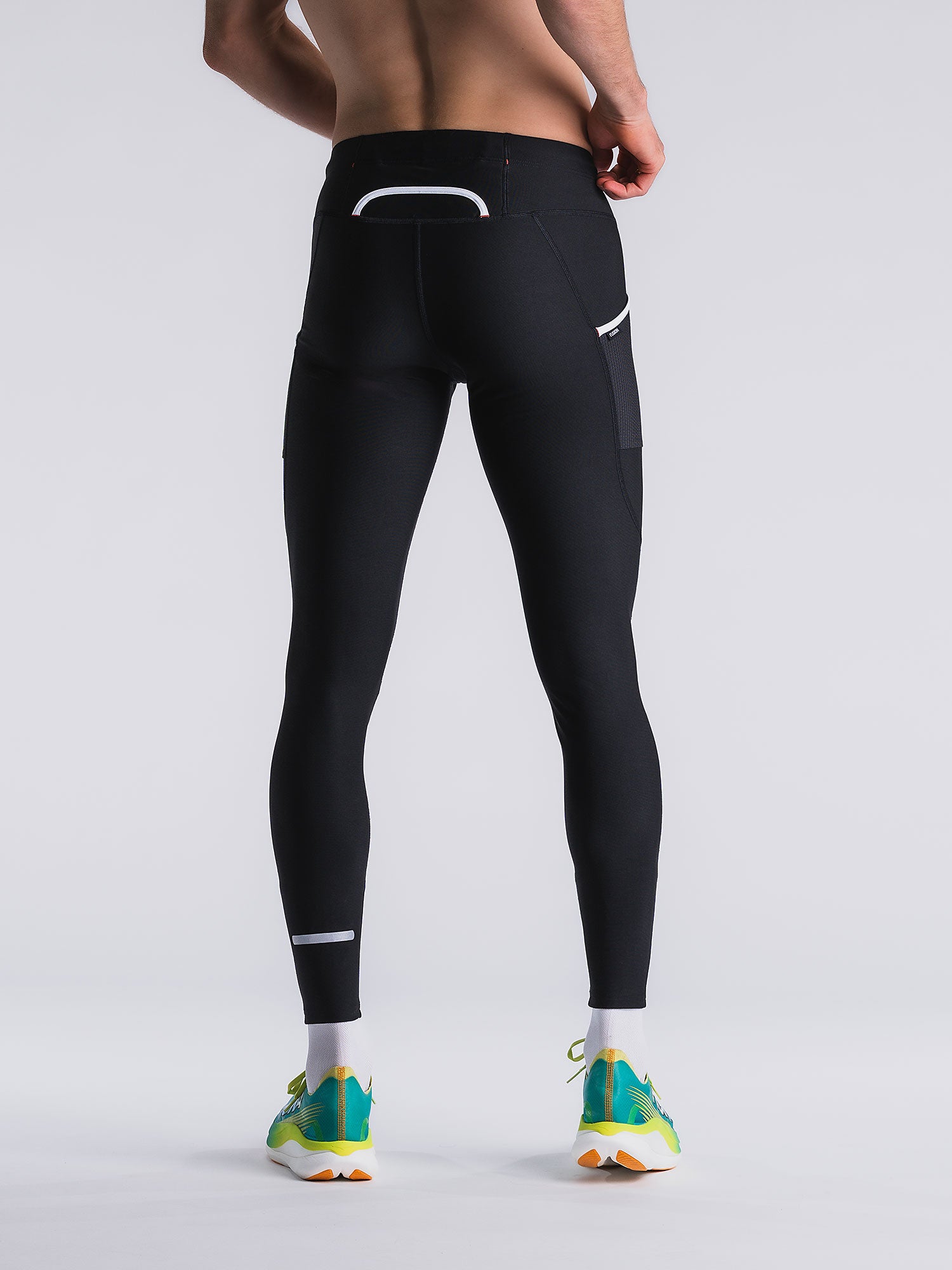
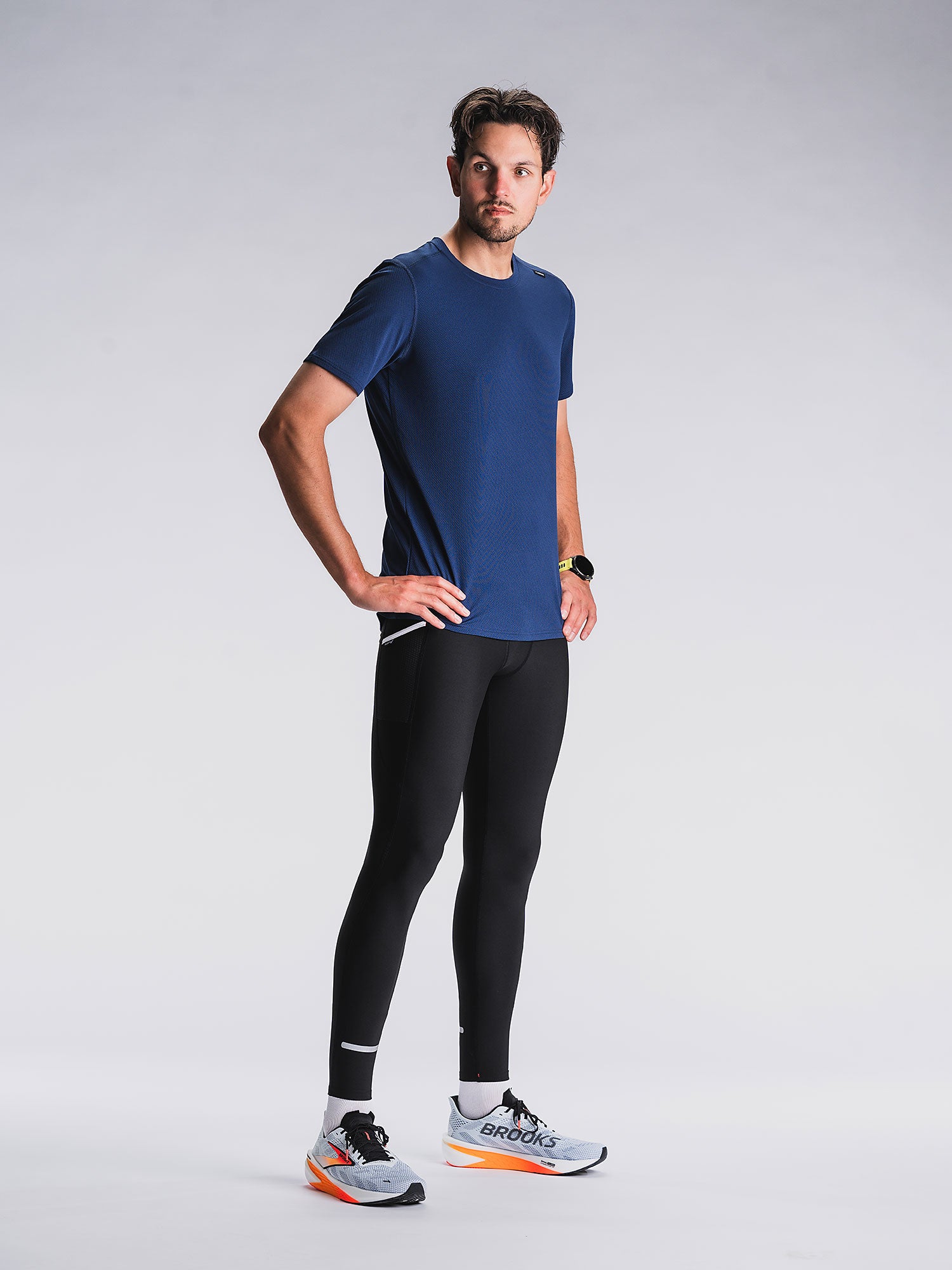
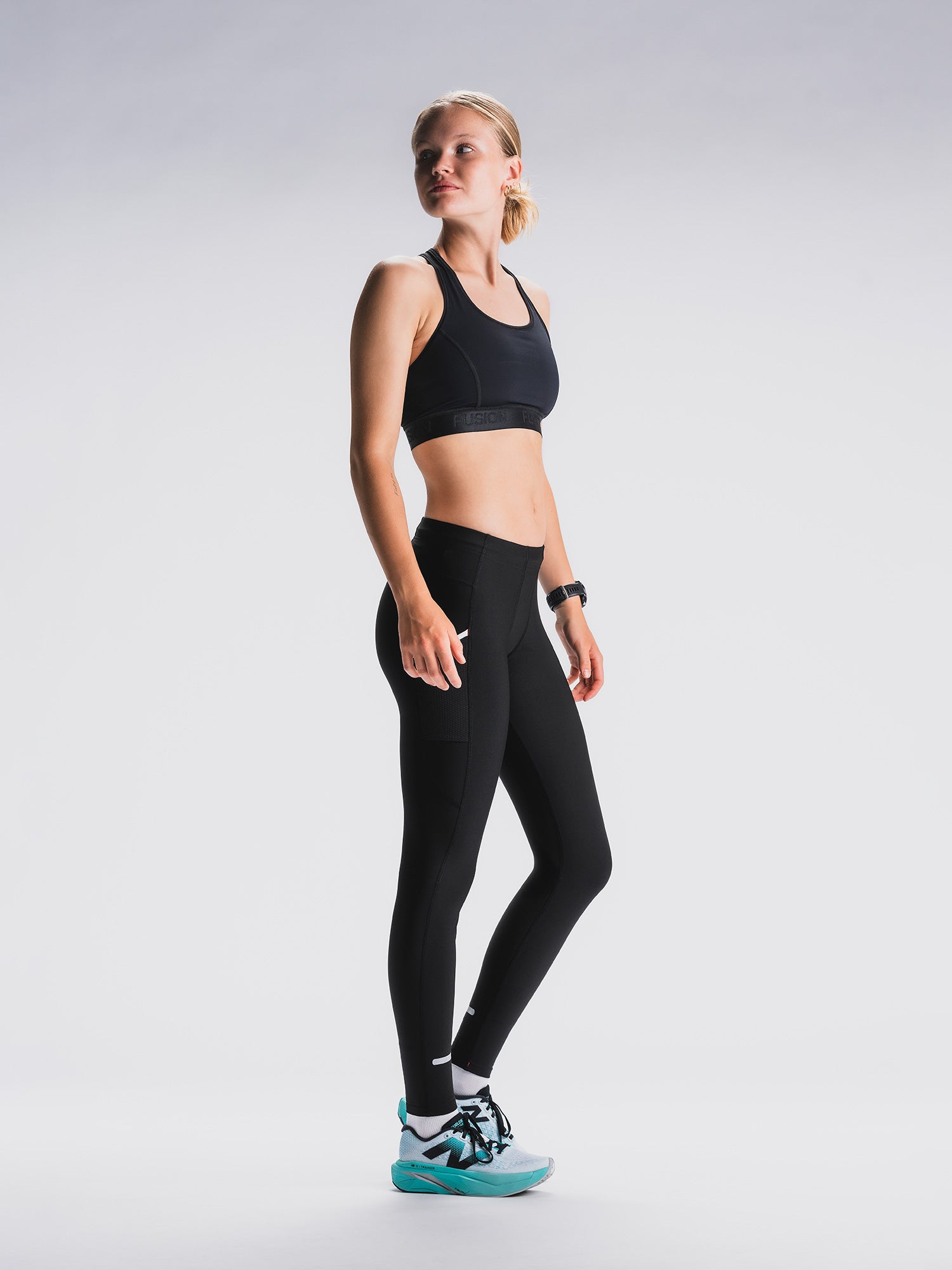
Hot Long Tights feature a warm, brushed inner surface that helps retain warmth during cold-weather runs.
Their elastic construction allows the fabric to move with the body, making them a versatile option for regular winter training.
The collection also includes women's versions with a fit developed specifically for women.
S3 Long Tights – Insulation for Particularly Cold Conditions
S3 Long Tights are designed for particularly cold conditions, using fleece insulation to provide additional warmth.
They are relevant for runners who need more insulation during freezing temperatures or lower-intensity sessions.
Details That Matter During Winter Runs
Beyond insulation, practical construction details can influence your experience.
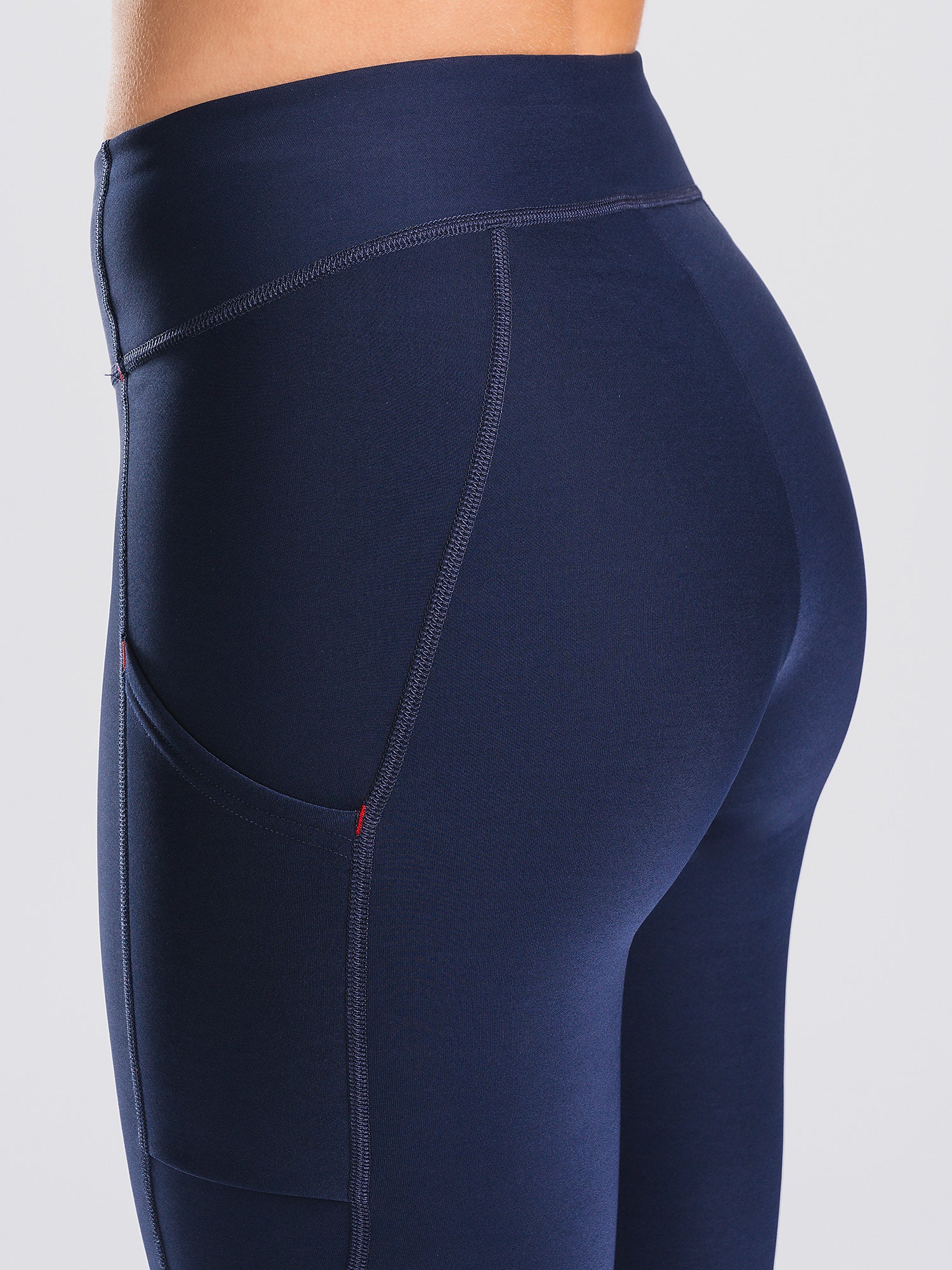
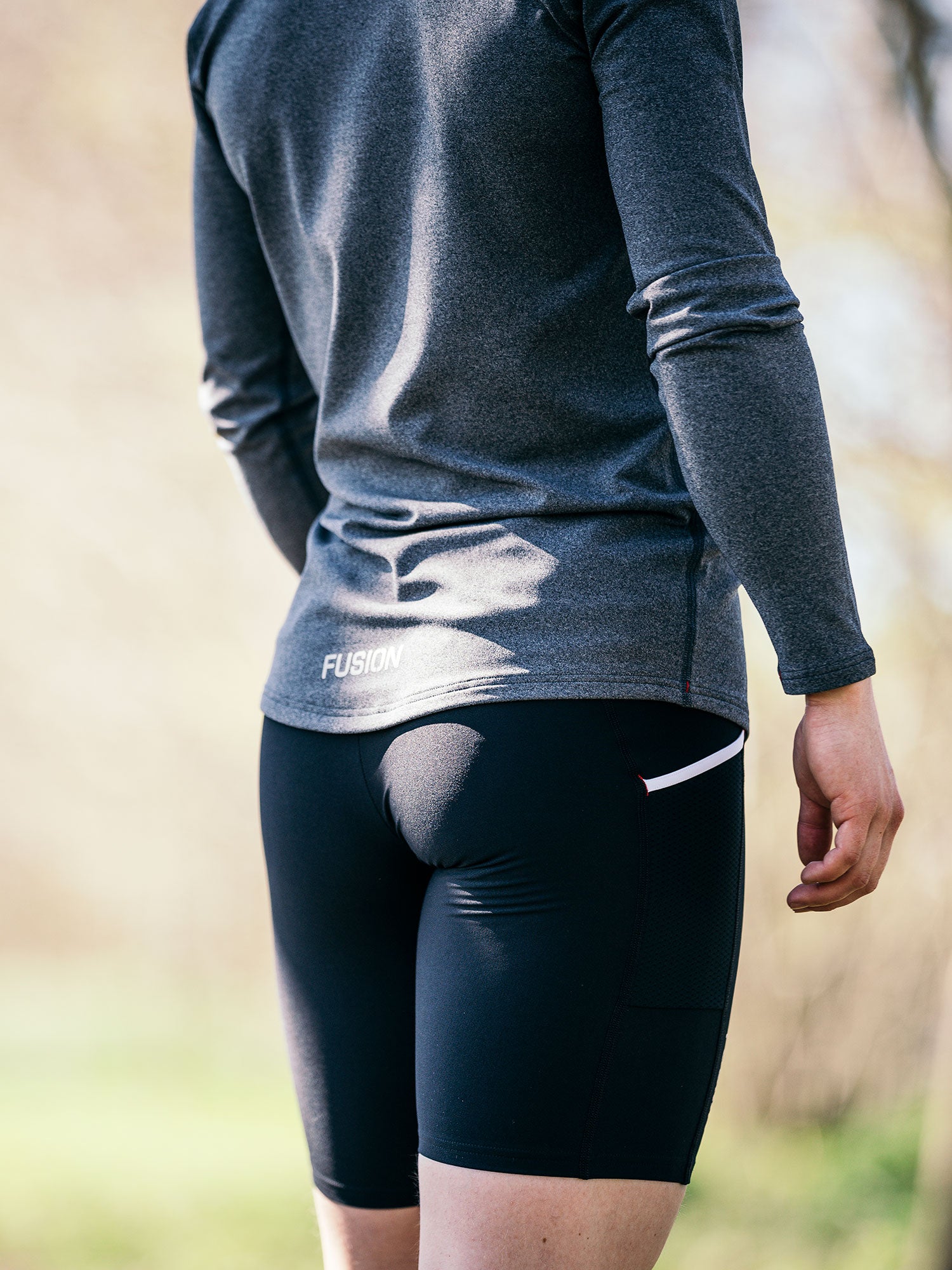
Flat seams can help reduce friction against the skin. Reflective elements improve visibility to others in low-light conditions when appropriately positioned and illuminated. Pockets provide space for smaller essentials such as keys or energy gels.
The exact features vary between models, so consider both the fabric construction and the details relevant to your training when choosing your tights.
The Layering Principle: How to Dress for Winter Running
Layering allows you to adjust your running clothing to the conditions without relying on a single heavy garment.
The principle is straightforward: different layers perform different functions, and the combination determines how your outfit manages warmth and moisture.
Base Layer – Managing Moisture Next to the Skin
The layer closest to your skin has an important role in moving perspiration away from the body.
A technical base layer helps manage moisture as your activity level changes, supporting comfort both during intense efforts and when you slow down.
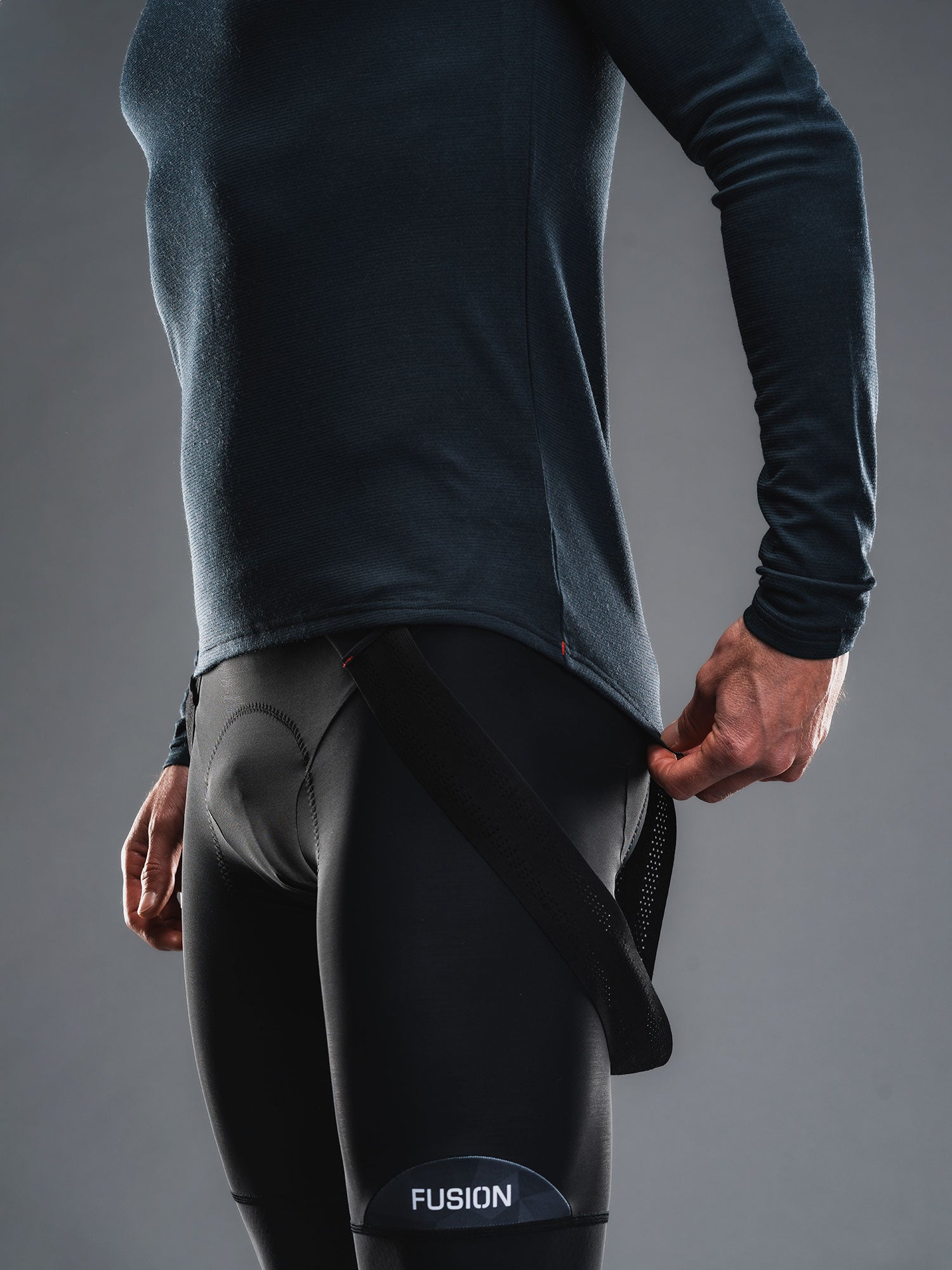
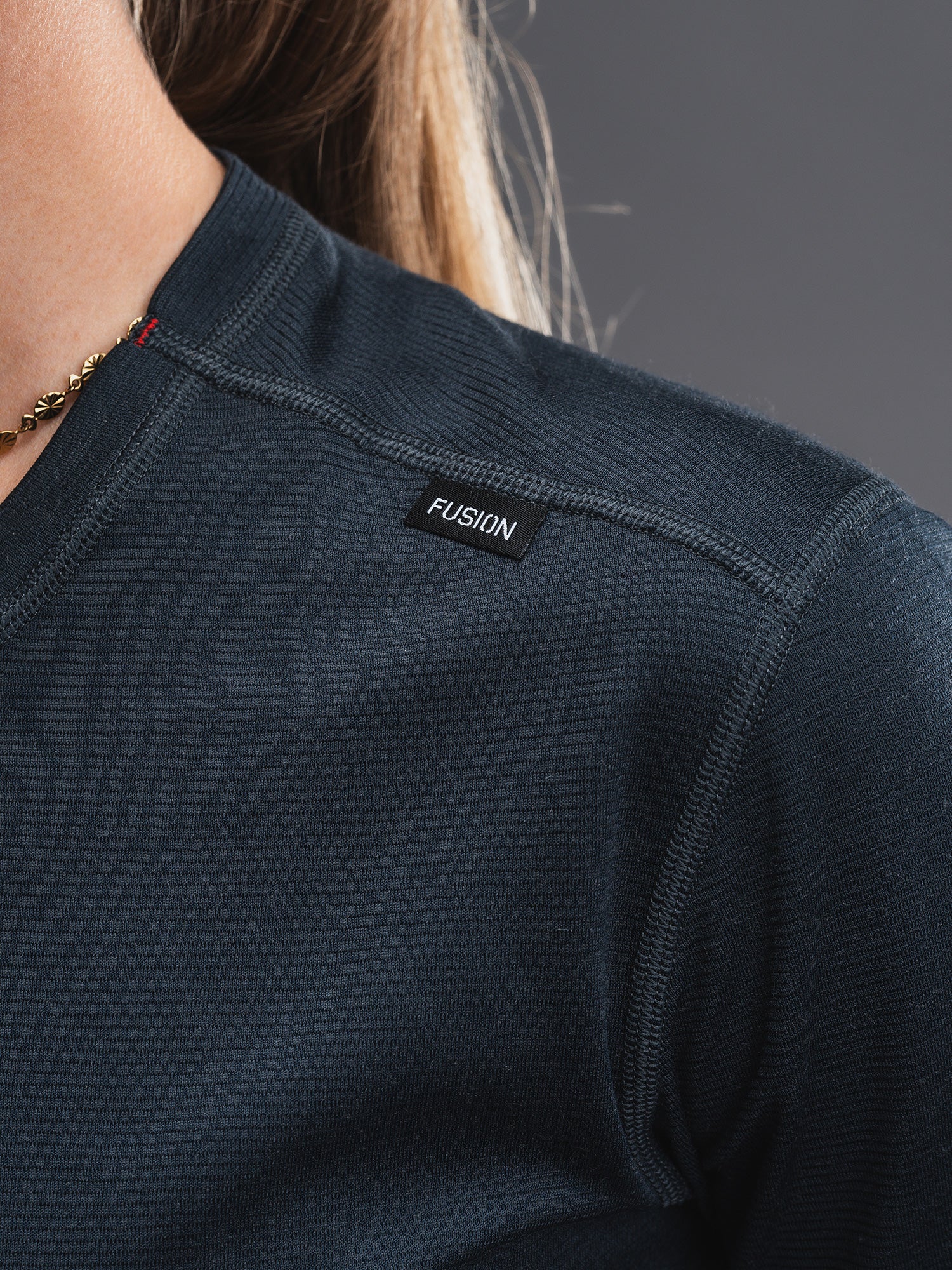
FUSION's Technical Merino 150 LS uses a blend of merino wool and polyester. The fabric is made in Denmark and combines the properties of both fibres in a technical construction.
The C3 LS Shirt, made using fabric knitted and dyed in Denmark, offers another technical long-sleeved option for running.
Midlayer – Adding Insulation When Needed
A midlayer provides additional warmth between your base layer and outer jacket.
The amount of insulation required depends on your training intensity. A steady, lower-intensity run in freezing conditions may call for more insulation than a demanding interval session at the same temperature.
The C3 Midlayer and C3 Zip Neck provide different options for adjusting your upper-body coverage.
Outer Layer – Protection Against Wind and Weather
The outer layer determines how much protection your outfit provides against external conditions.
A lightweight wind-resistant jacket can be sufficient in mild, breezy weather. Colder conditions may call for a more protective construction, while lower-intensity activities can increase the need for insulation.
Explore FUSION's running jackets and vests to find the combination that matches your needs.
Do You Always Need Three Layers?
No.
A long-sleeved technical shirt and lightweight jacket may be enough for a mild winter run. During high-intensity sessions, even fewer layers may be more comfortable.
The purpose of layering is to make your clothing adaptable rather than adding as many layers as possible.
Running Shirts for Cold Weather
A technical running shirt can function as a standalone outer layer on mild days, a base layer beneath a jacket or part of a more substantial winter outfit.
The right choice depends on the warmth, moisture management and coverage you need.
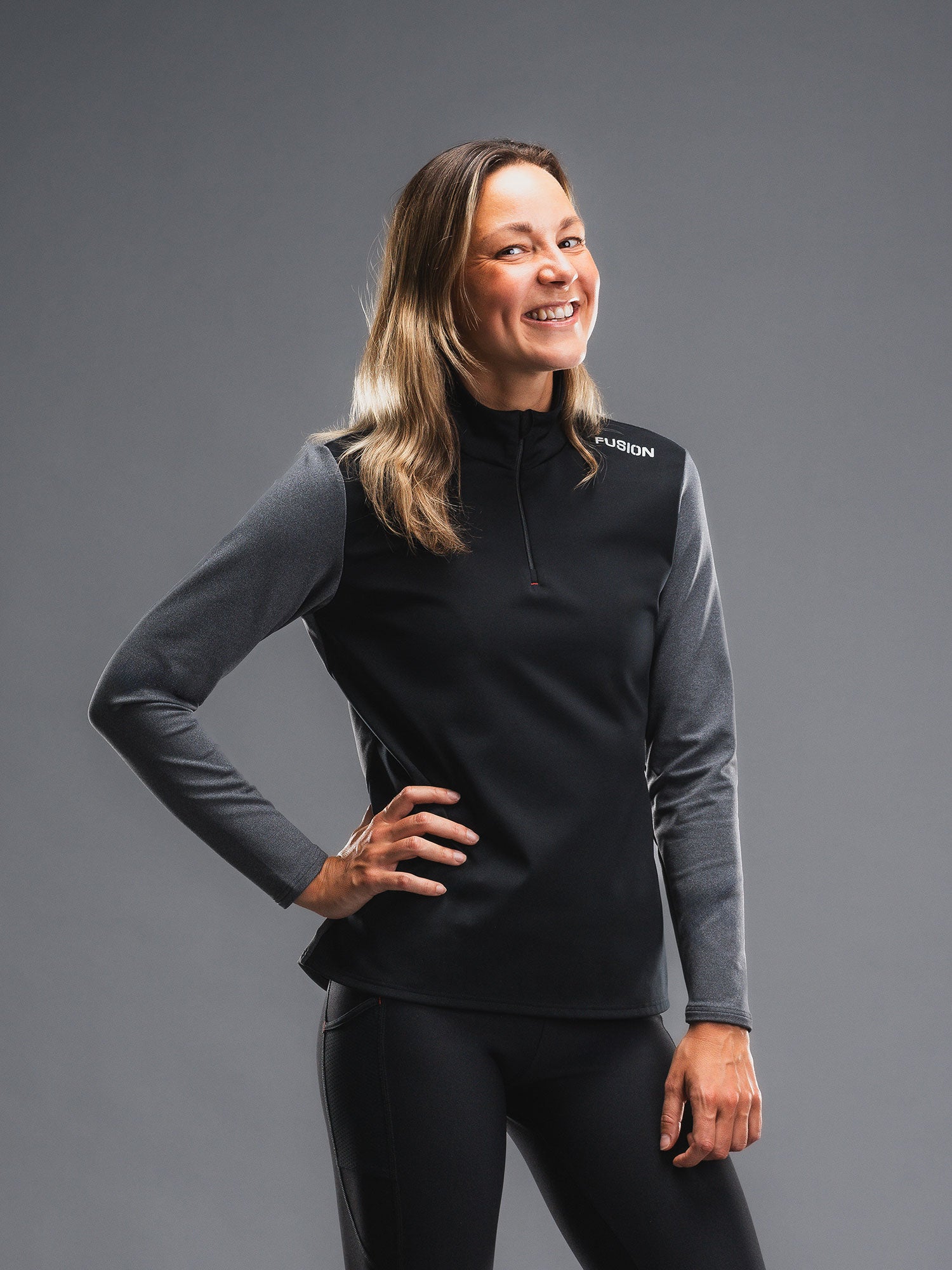
Long-sleeved running shirts help protect exposed skin, while zip-neck designs allow you to adjust ventilation around the upper chest and neck without removing a layer.
Technical fabrics are particularly useful during winter training because they help manage perspiration as your body temperature changes.
For many runners, a versatile long-sleeved shirt becomes one of the most frequently used pieces of clothing throughout autumn, winter and early spring.
Explore FUSION's long-sleeved running shirts.
Winter Running Accessories: Small Details That Make a Difference
Keeping your body comfortable in winter isn't only about jackets and tights.
Your hands, ears and neck are directly exposed to the conditions. Cold wind can make these areas uncomfortable even when the rest of your outfit provides sufficient warmth.
A lightweight beanie or headband adds coverage around the head and ears. A neck gaiter provides adjustable protection around the neck and lower face.
Accessories also offer flexibility. You can often remove gloves or a headband as your body warms up without changing the rest of your outfit.
During darker winter months, consider visibility alongside insulation. Reflective clothing details can help other road users notice you when illuminated, but they do not replace appropriate lighting where required.
Explore FUSION's running accessories.
Designed in Denmark. Made in Europe.
The performance of technical running clothing begins with the choices made in its construction.
Different areas of the body experience different demands during exercise. Materials, panel placement, stretch, insulation and ventilation all influence how a garment performs in use.
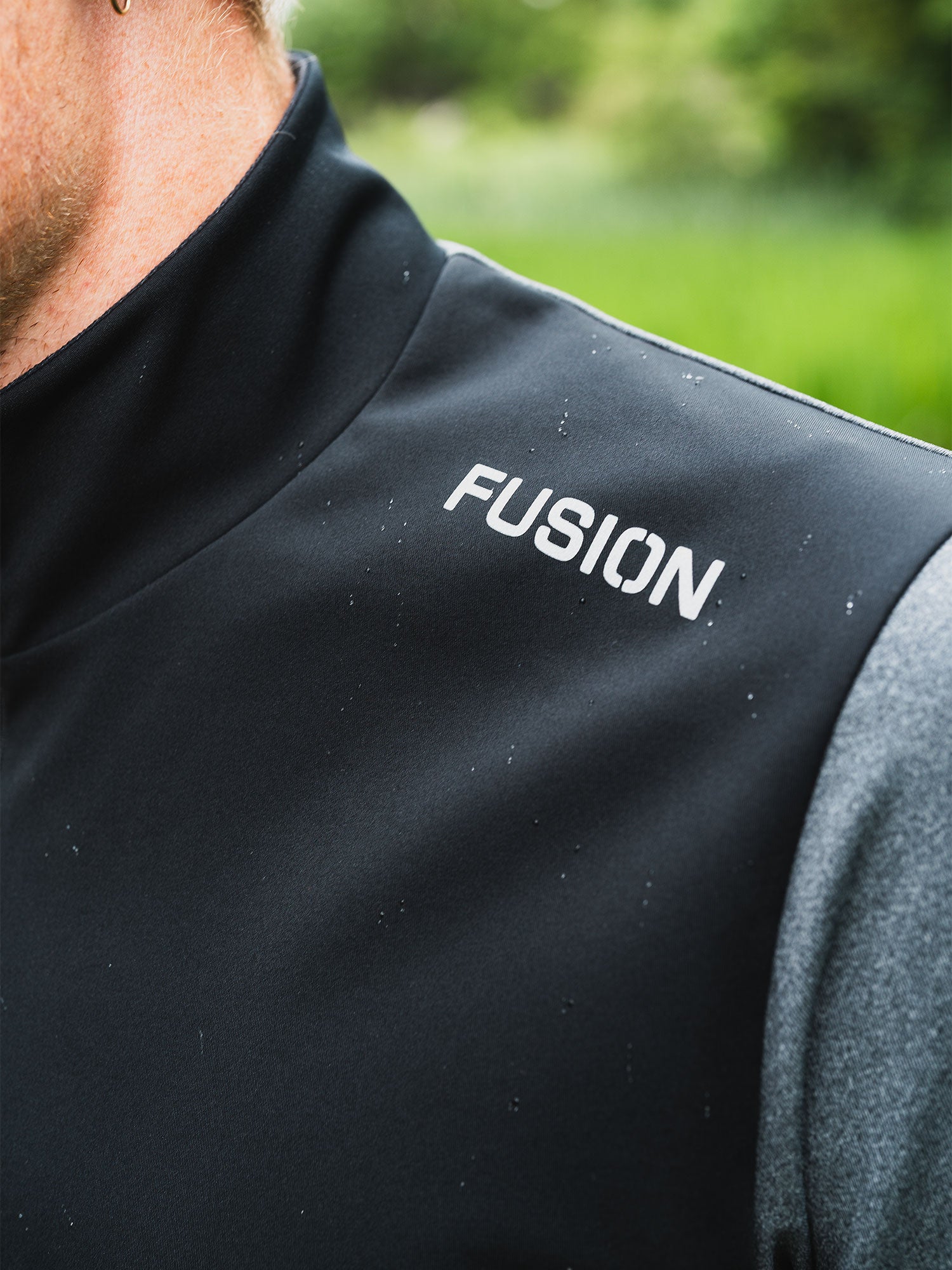
FUSION develops running apparel with attention to these functional details, combining technical materials with designs intended to support movement and long-term use.
Selected fabrics are knitted and dyed in Denmark, while FUSION's clothing is manufactured in Europe.
This approach allows material properties and garment construction to remain central to the product, whether the goal is lightweight protection, warmth or freedom of movement.
The result is a collection of running clothing built around the demands of training across changing conditions.
Frequently Asked Questions About Winter Running Clothing
What should I wear for running in winter?
Start with technical clothing that helps manage moisture, full-length running tights and appropriate wind protection. Add insulation according to temperature, wind exposure and training intensity. A flexible layering system allows you to adjust your outfit to different conditions.
What should I wear running at 0°C?
A technical long-sleeved top, warm running tights and a protective running jacket are a useful starting point. Add gloves or a beanie if needed. The right combination depends on wind, precipitation, your pace and how easily you feel cold.
Which running jacket is best for winter?
The best choice depends on how you intend to use it. S1 Run Jacket offers lightweight wind protection, S2 Run Jacket is developed for active running in colder and changeable conditions, and S3 Run Jacket provides a more substantial softshell construction with added insulation.
Are thermal running tights necessary in winter?
Not always. Standard running tights may be sufficient during milder weather or higher-intensity sessions. Thermal tights become more relevant when temperatures fall, wind exposure increases or you prefer additional insulation.
What's the difference between Hot Long Tights and S3 Long Tights?
Hot Long Tights feature a warm, brushed interior suited to regular winter training. S3 Long Tights use fleece insulation and are designed for particularly cold conditions. The right choice depends on your preferred level of warmth and the conditions you run in.
Do I need a waterproof running jacket for winter?
Not necessarily. Wind protection and moisture management can be more important during dry, cold conditions. For prolonged or heavy rainfall, choose a jacket with documented waterproof performance. Water resistance alone does not mean a garment is fully waterproof.
How many layers should I wear for winter running?
The number of layers depends on temperature and intensity. A technical long-sleeved shirt and jacket may be sufficient in milder conditions. During colder or lower-intensity sessions, a base layer, insulating midlayer and protective outer layer can provide greater flexibility.
Should I dress differently for interval training and long runs?
Yes. Higher-intensity running generates more body heat, so you may need less insulation during intervals. A slower long run can call for additional warmth, especially in windy or freezing conditions. Consider your expected effort when choosing layers rather than dressing for temperature alone.