Running Apparel


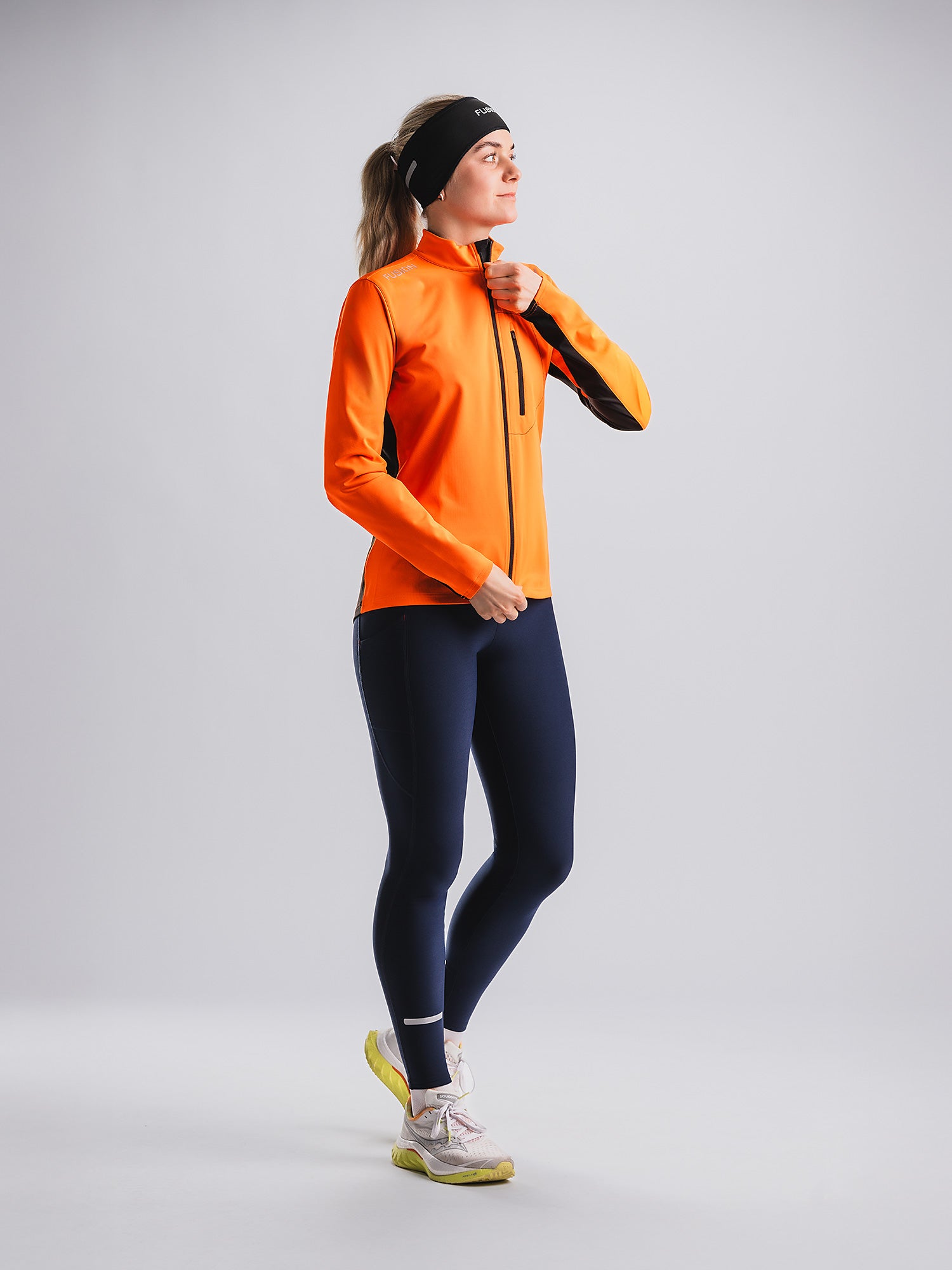




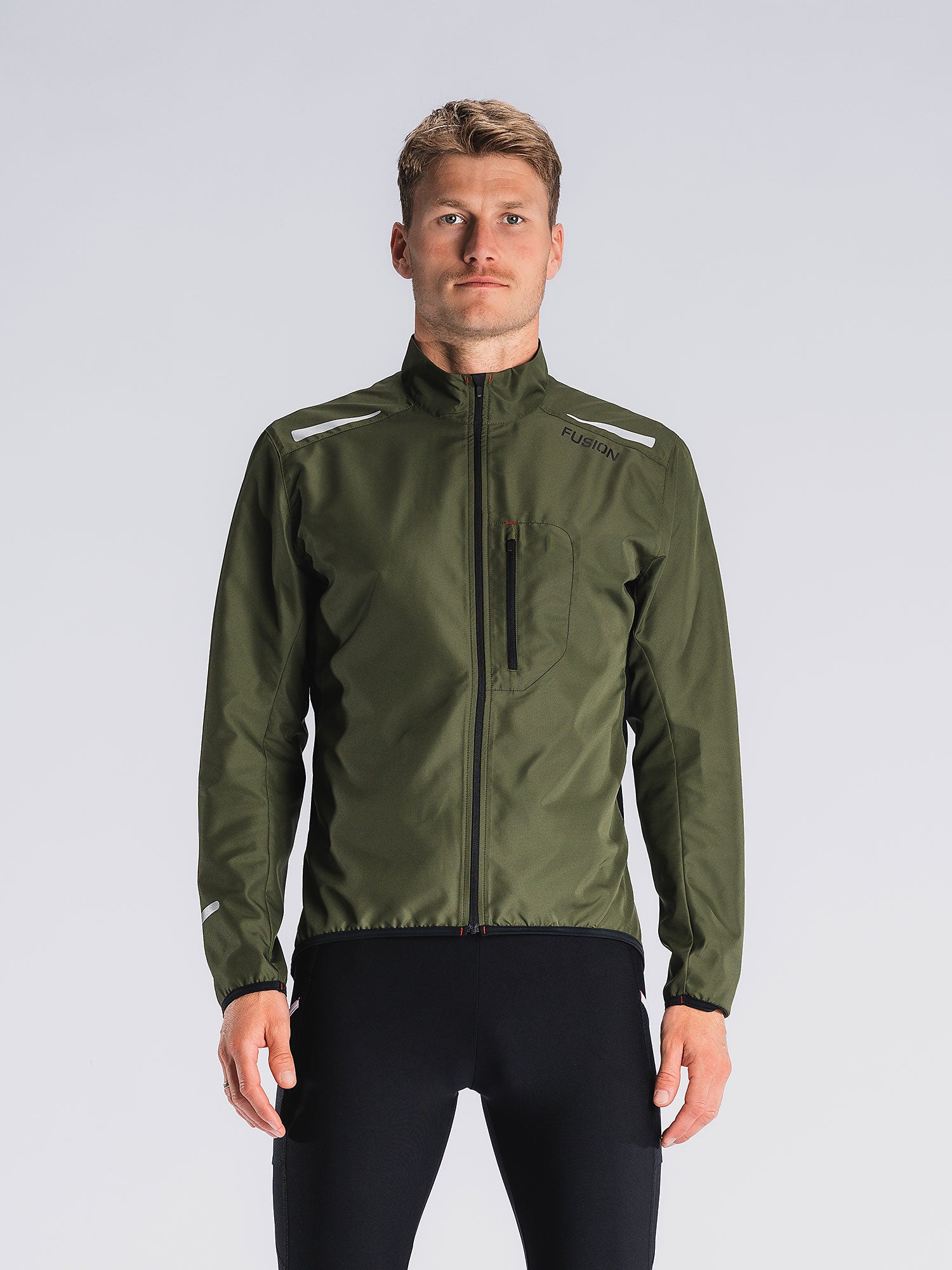
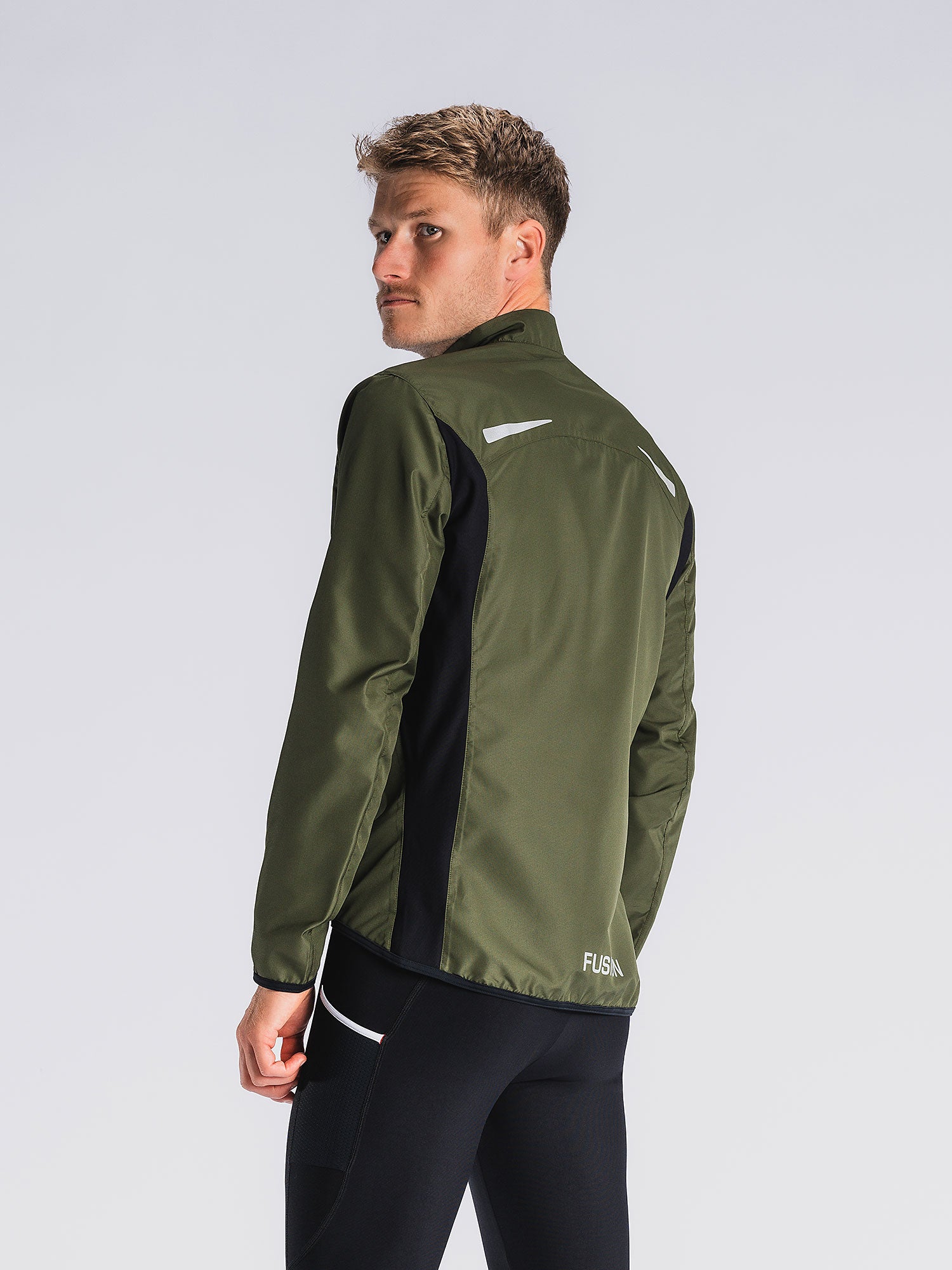
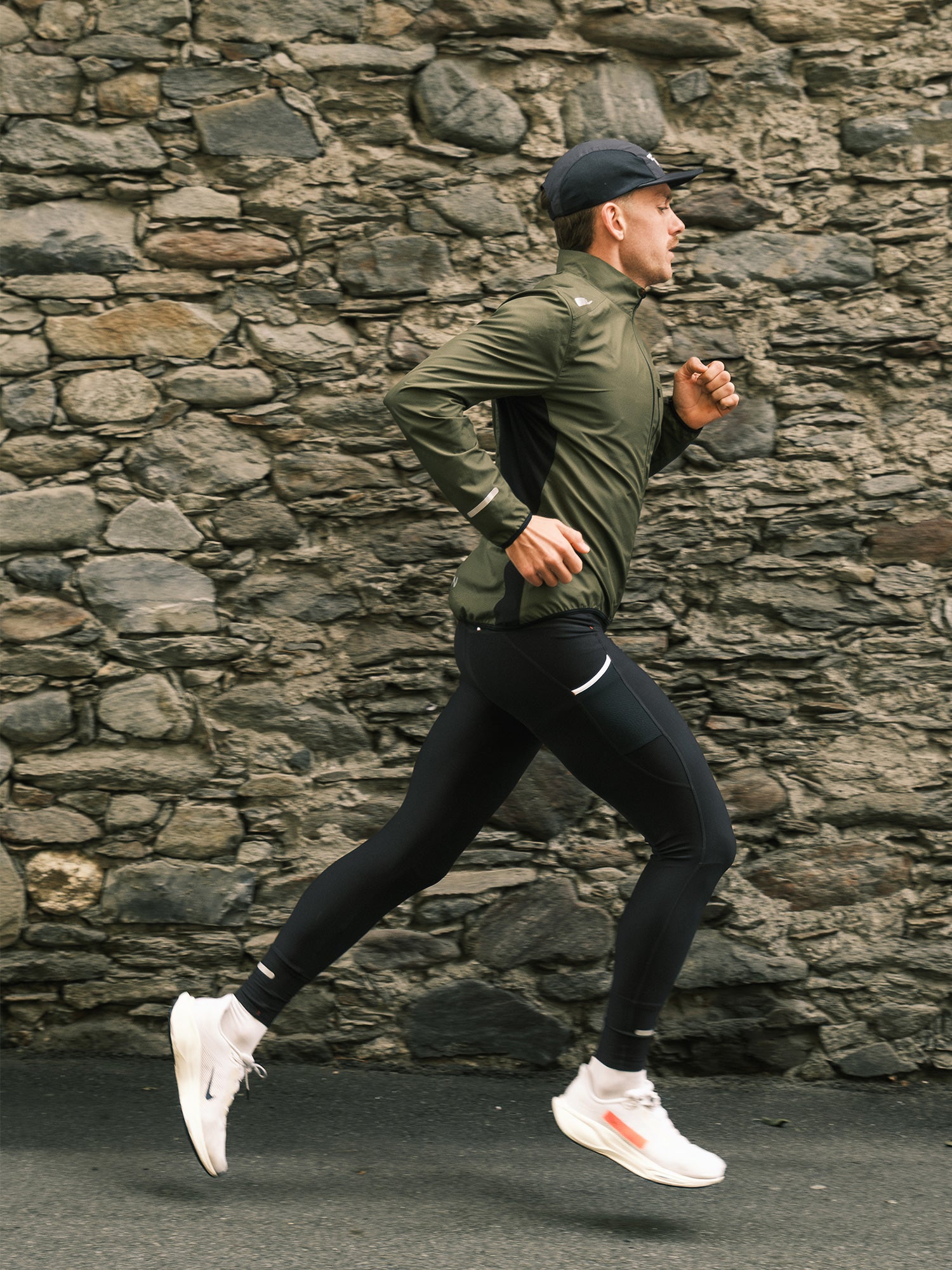
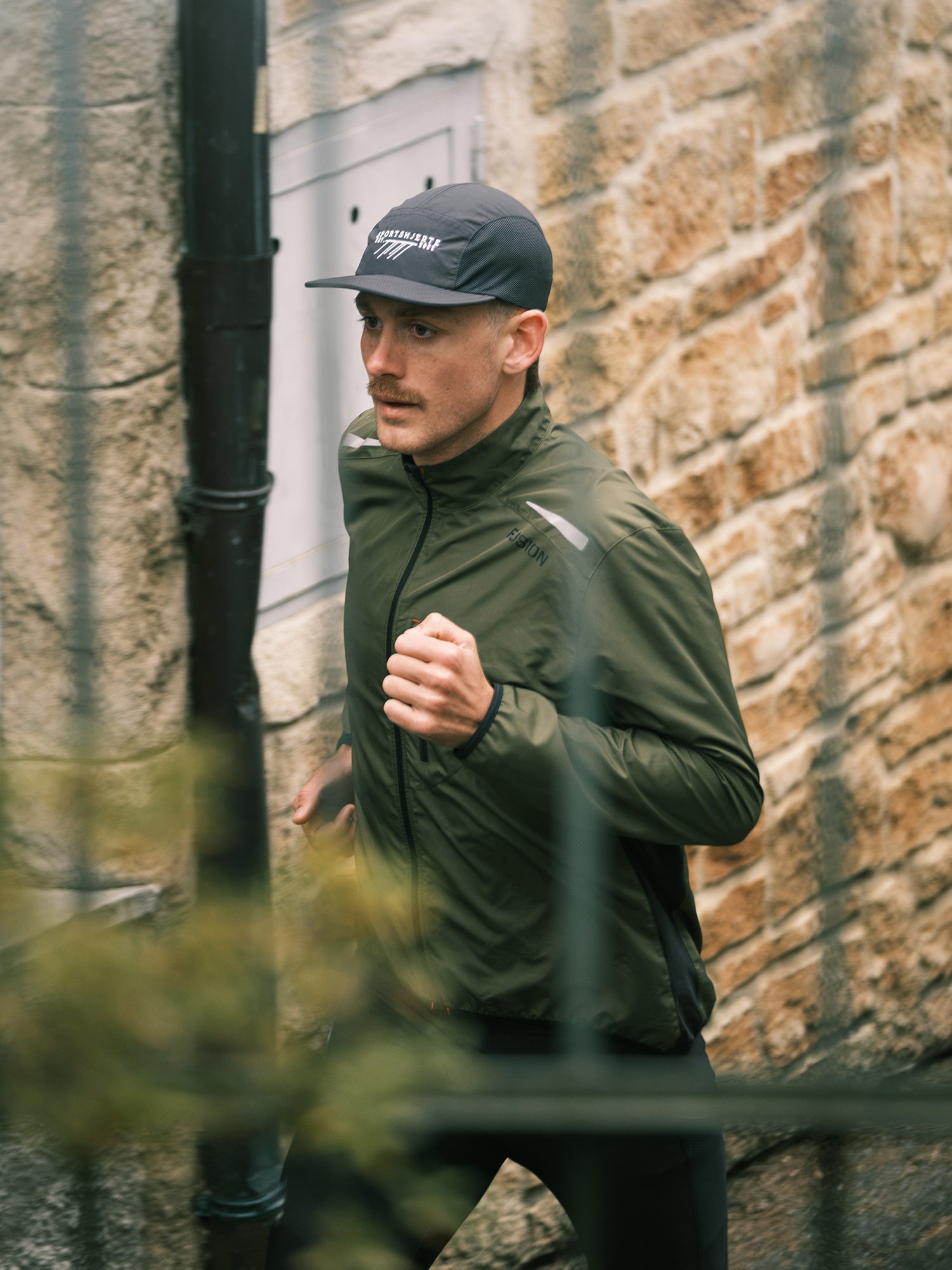
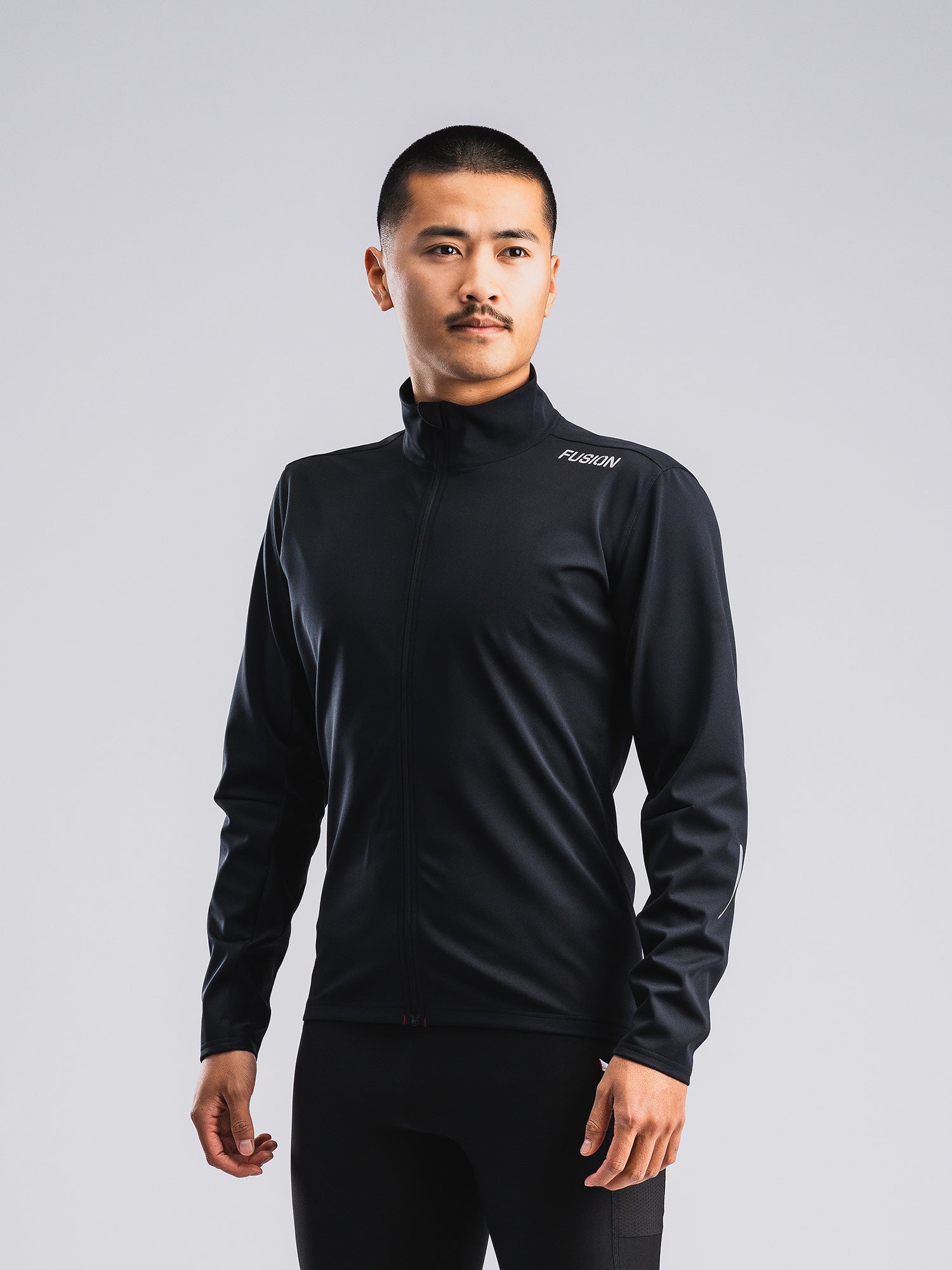
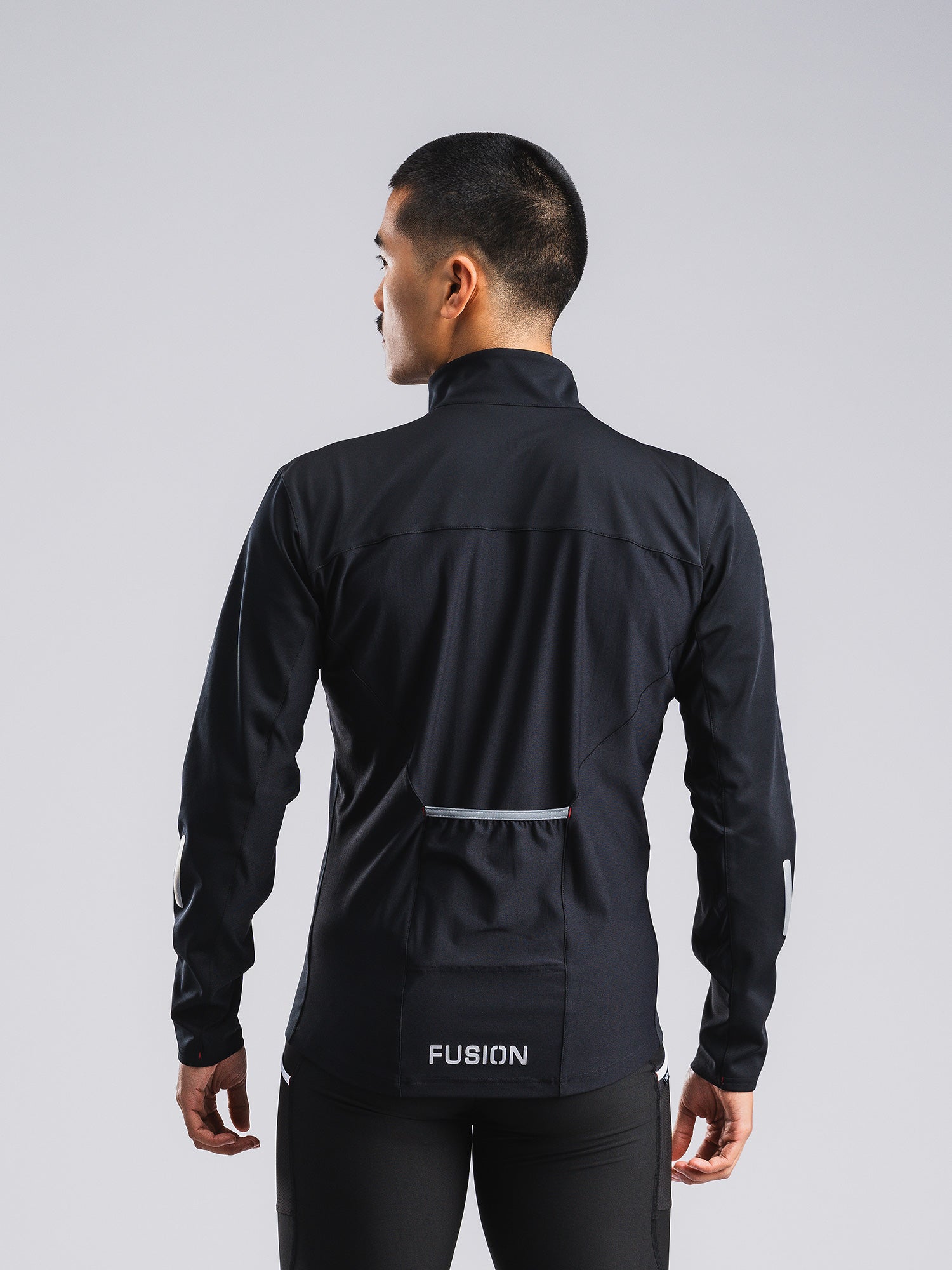
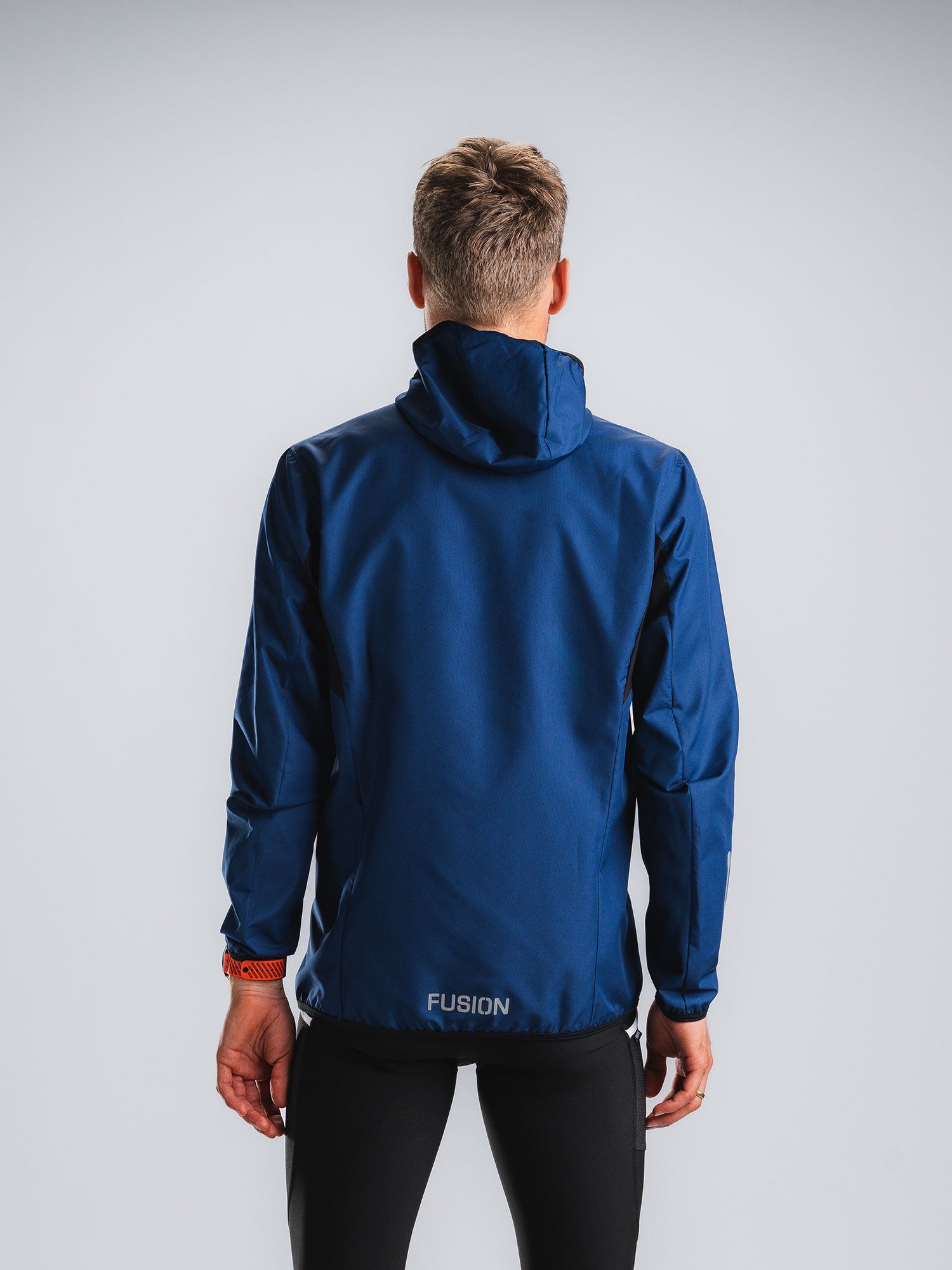
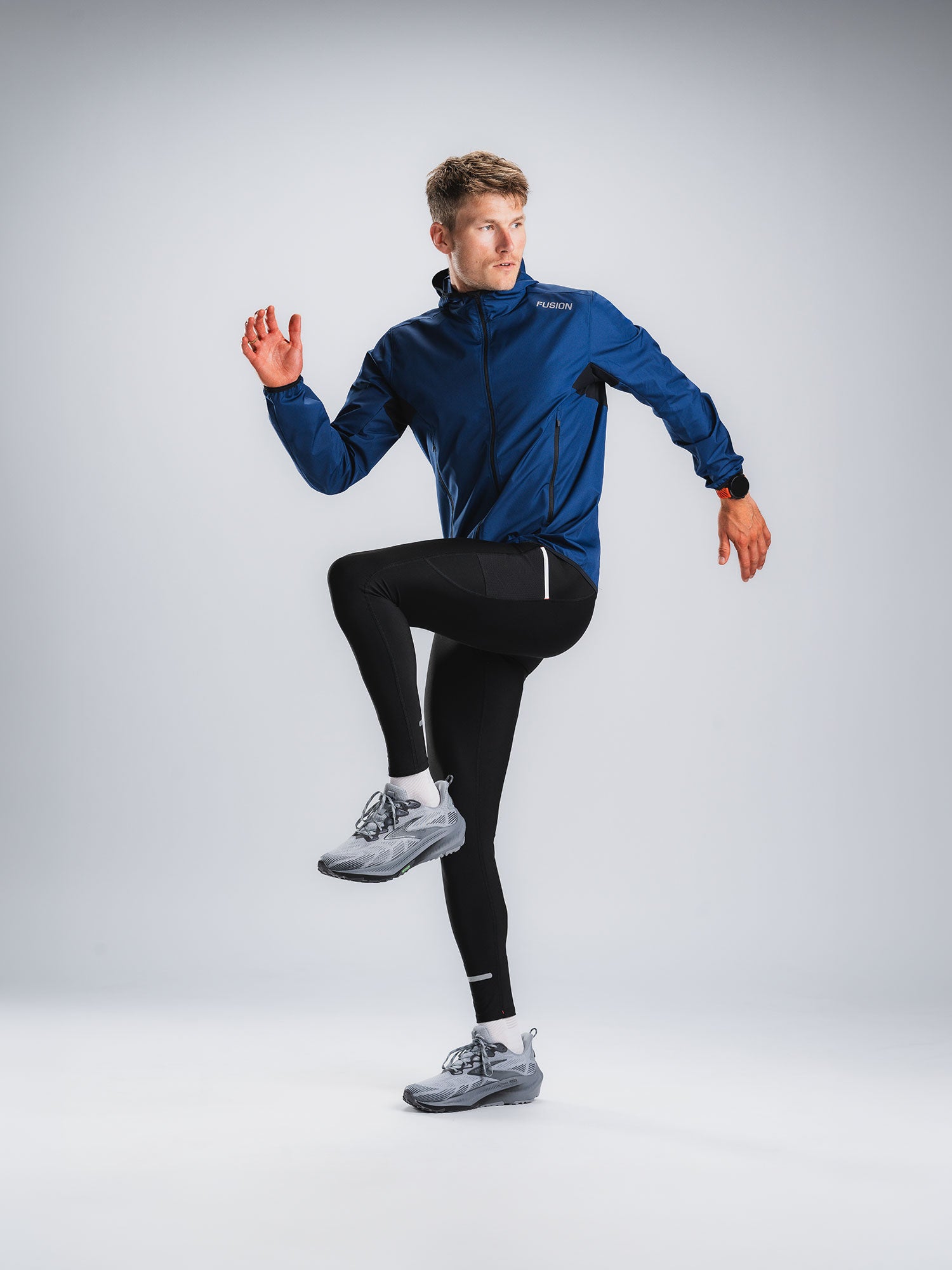
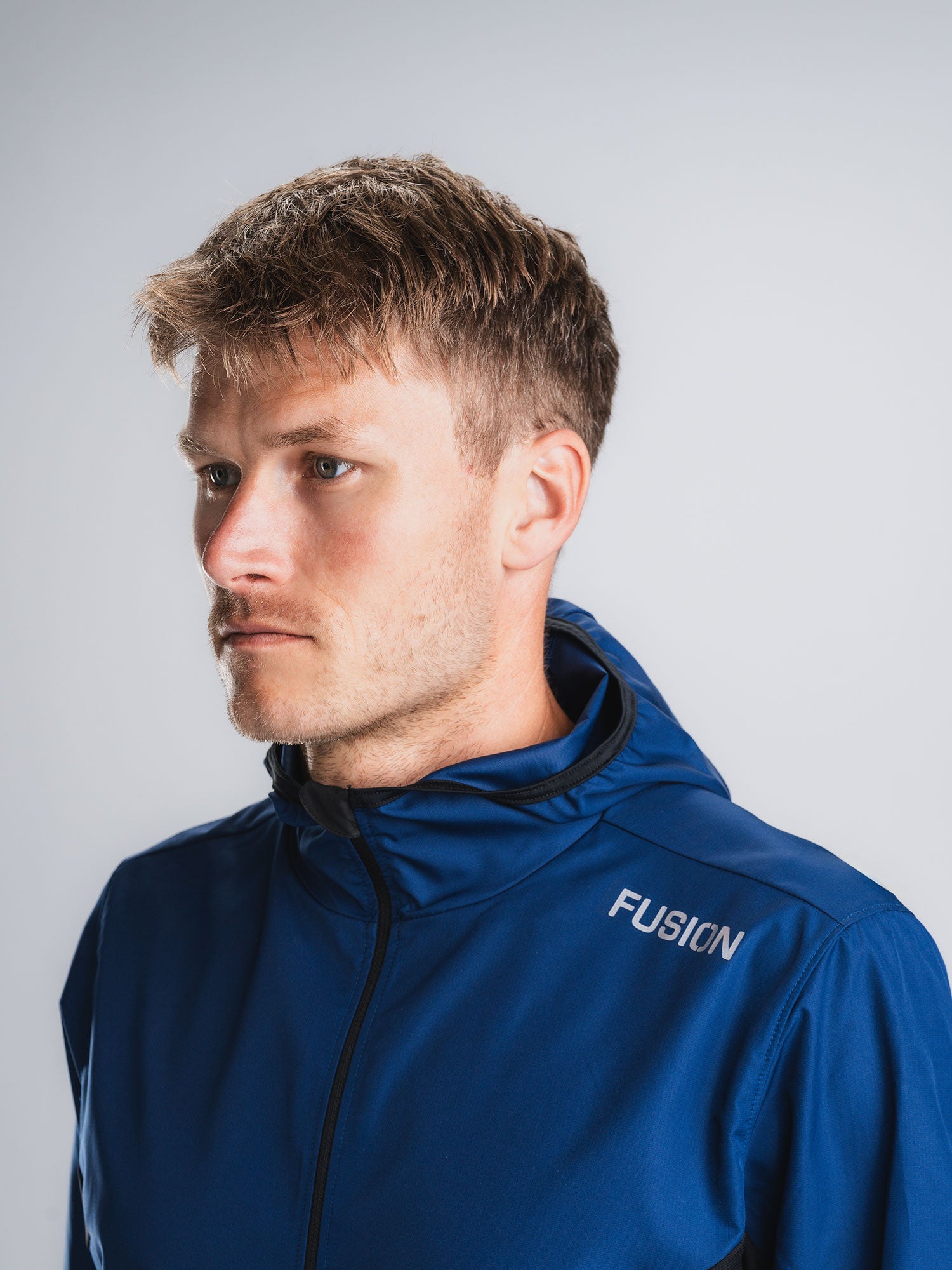
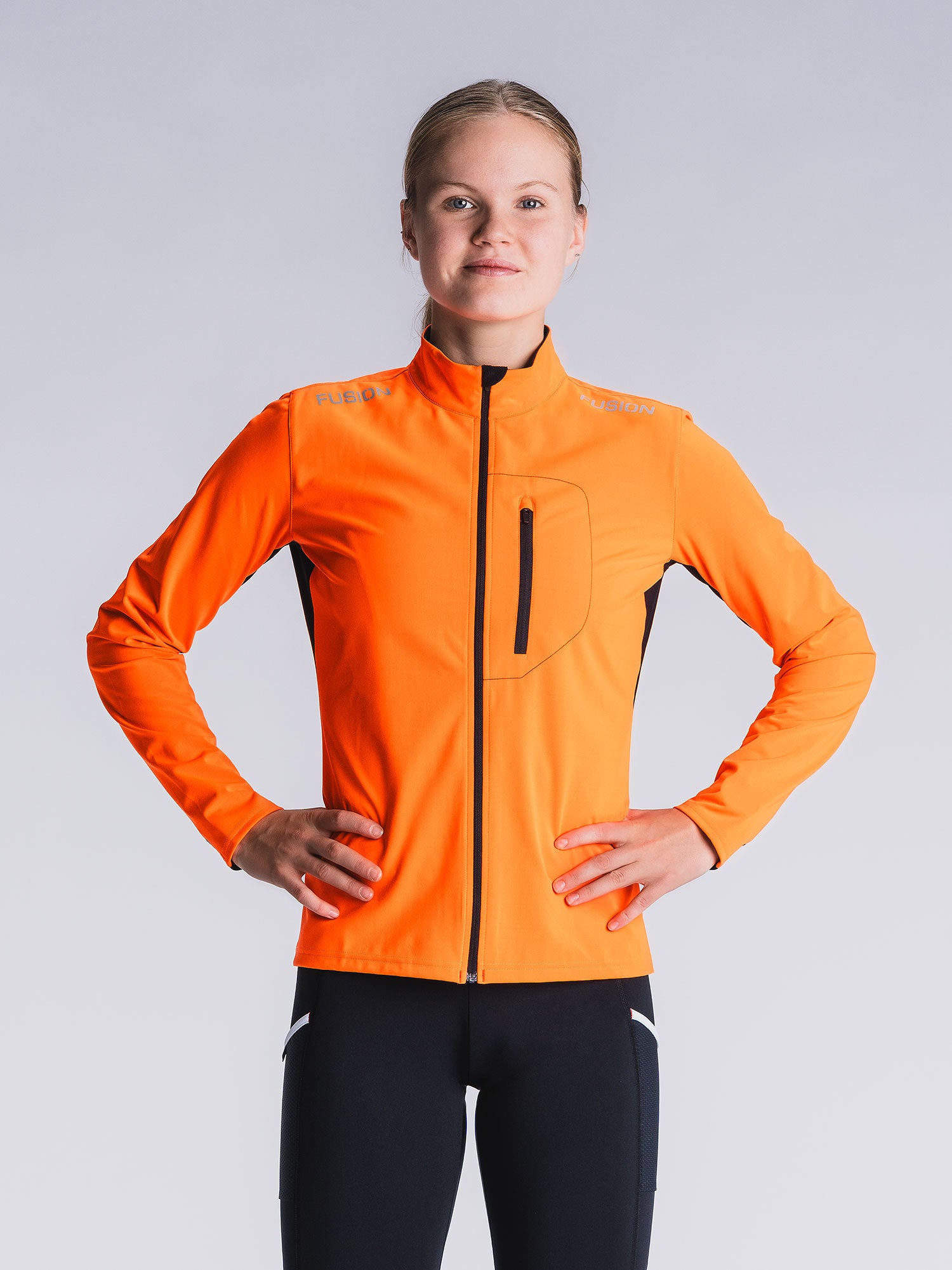
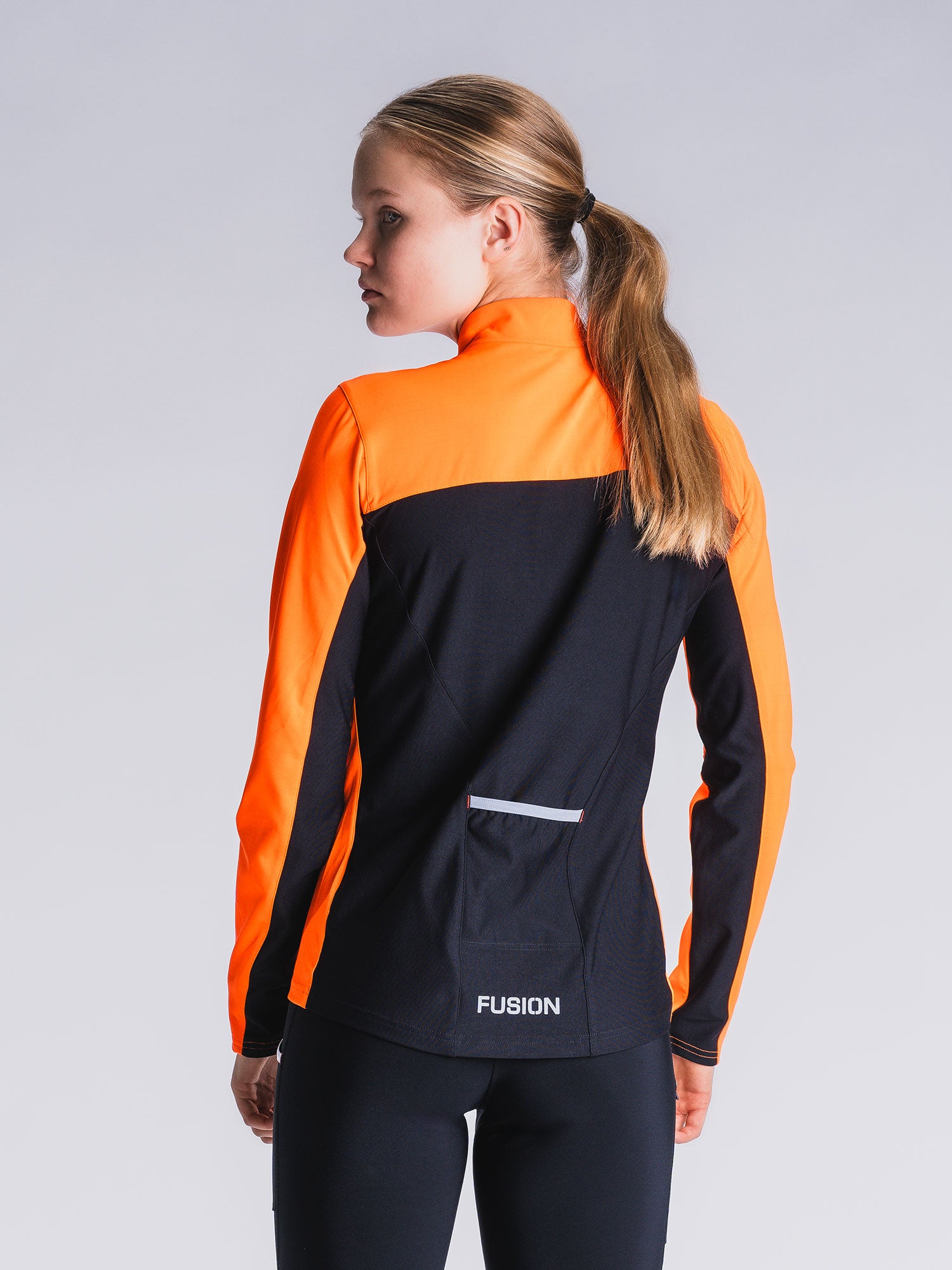
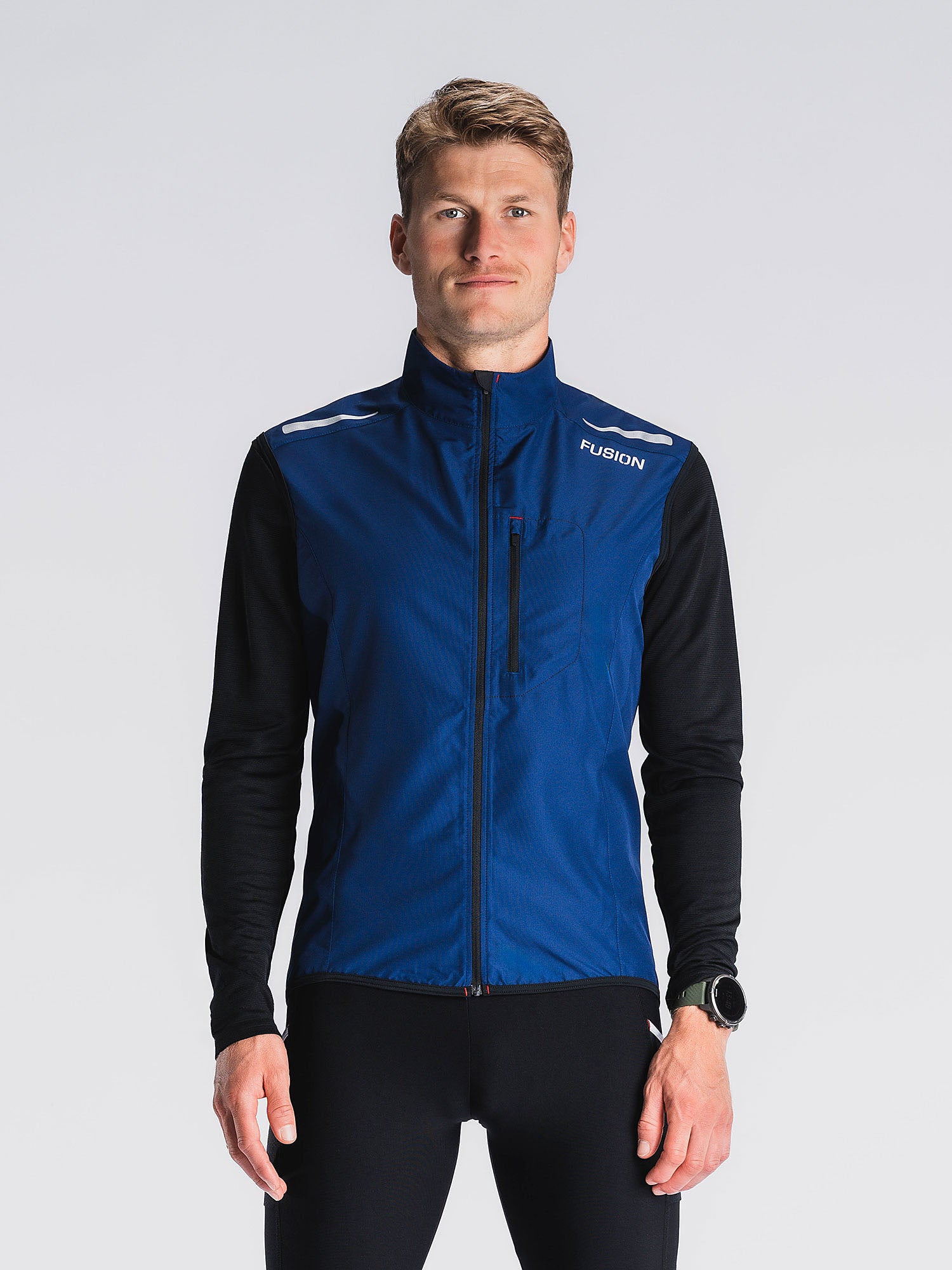
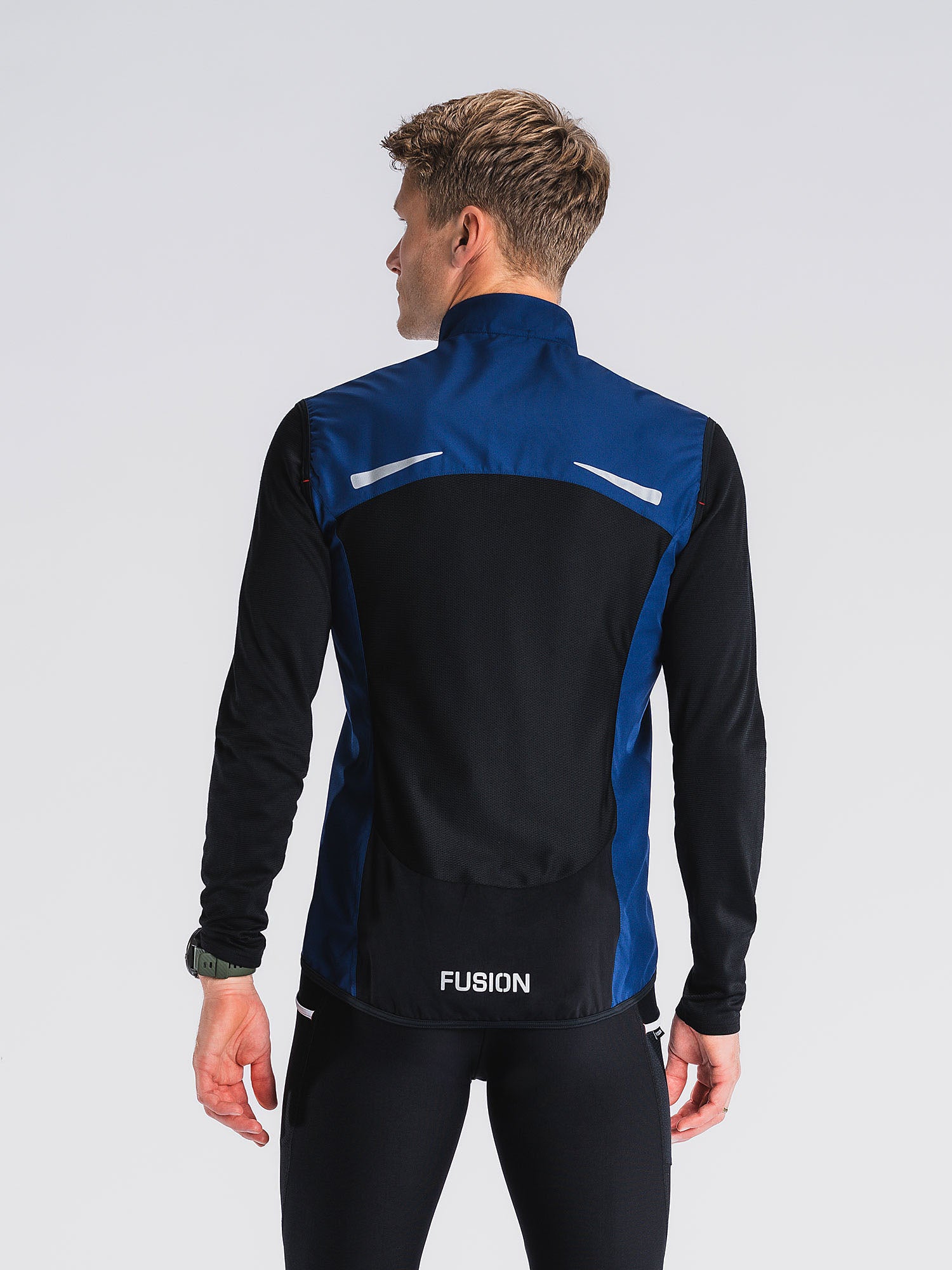
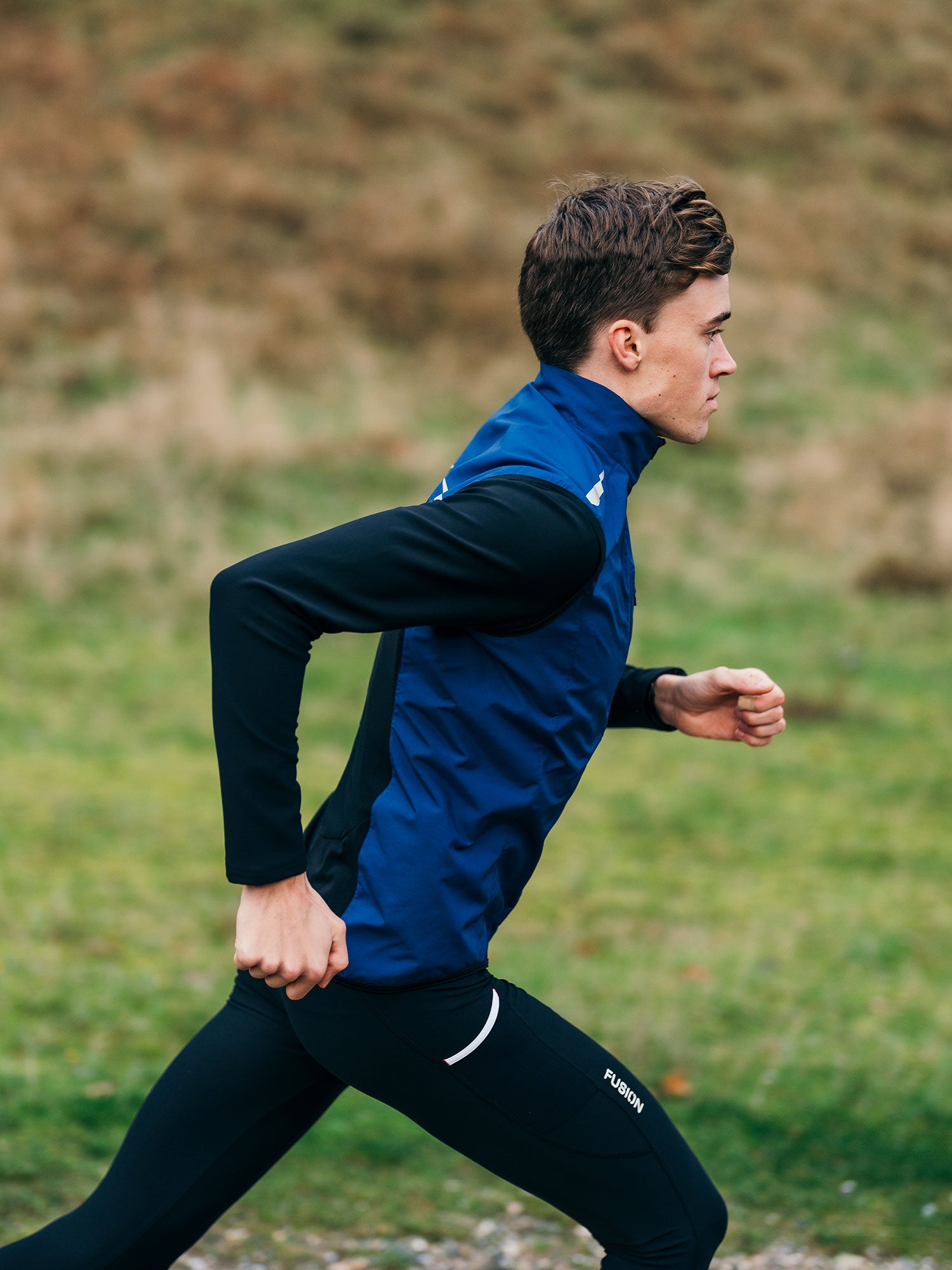
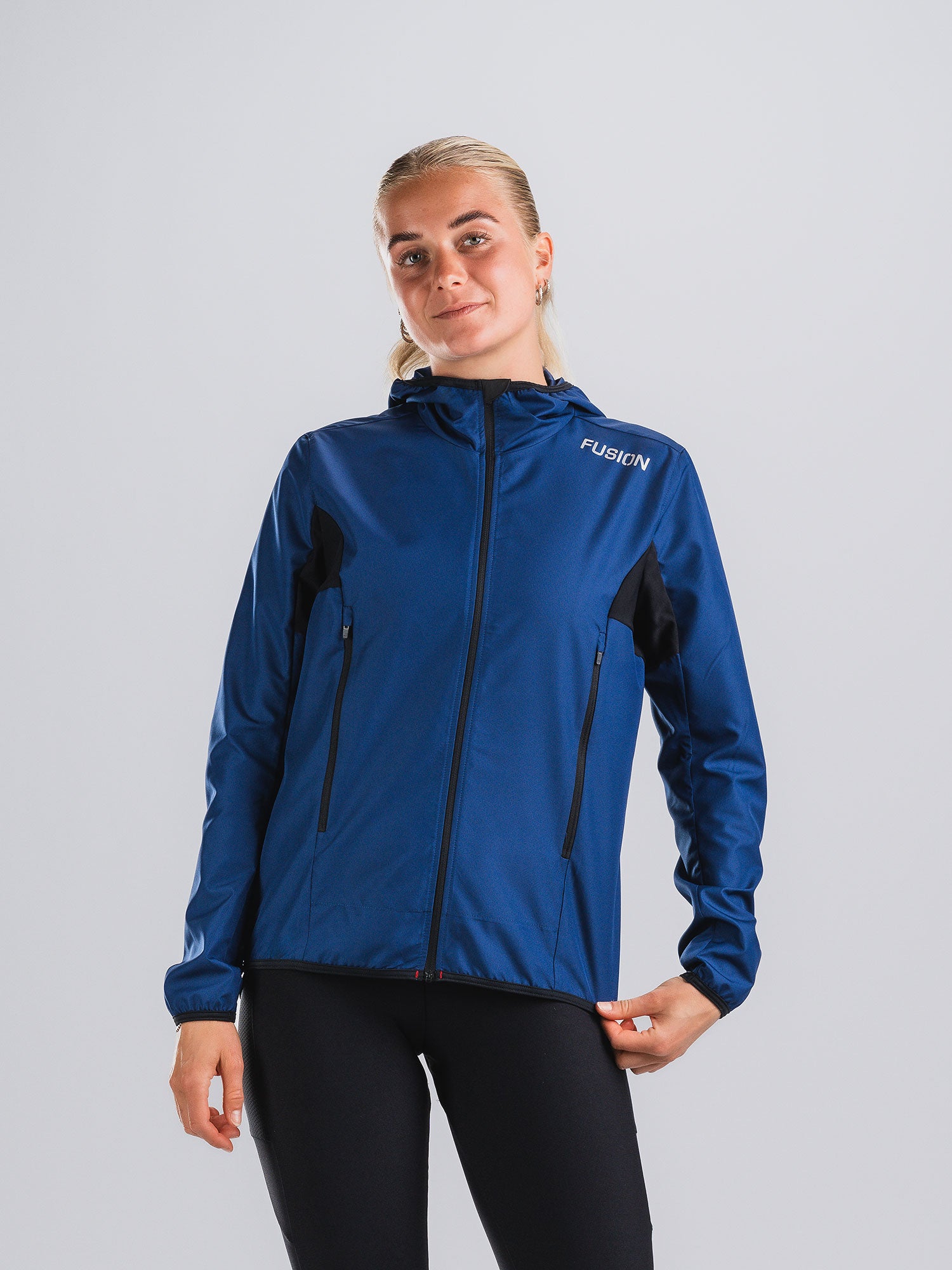
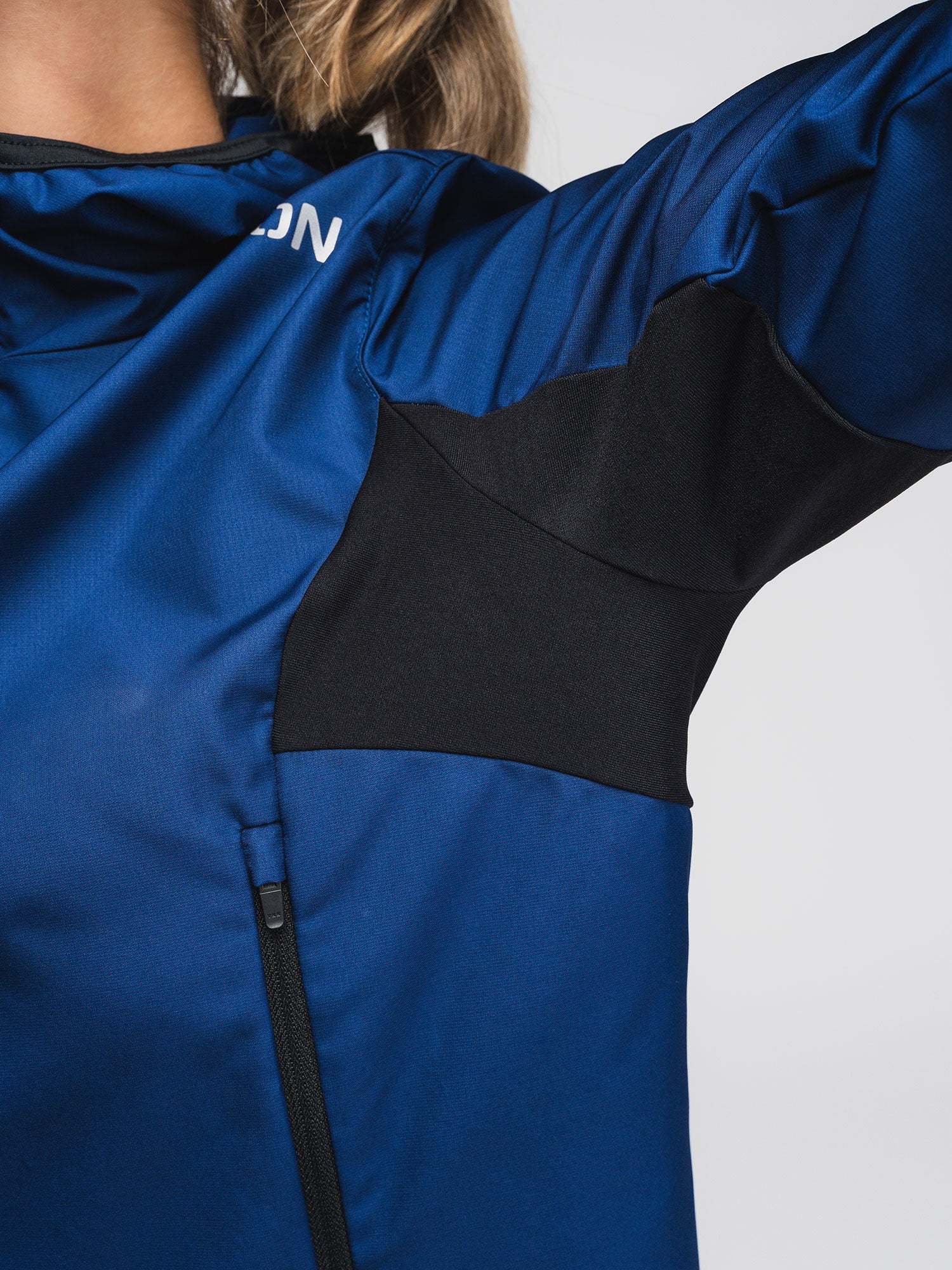
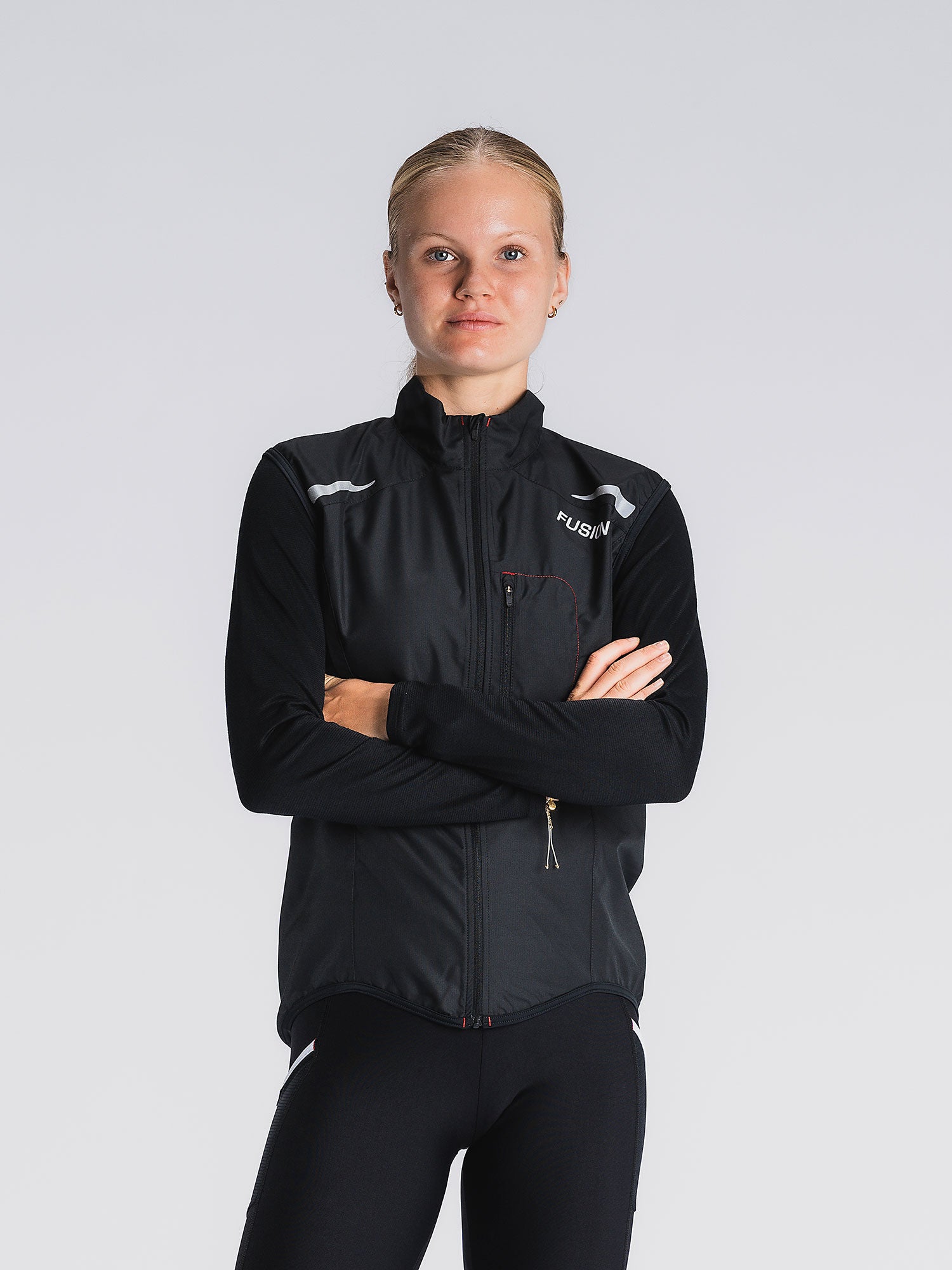
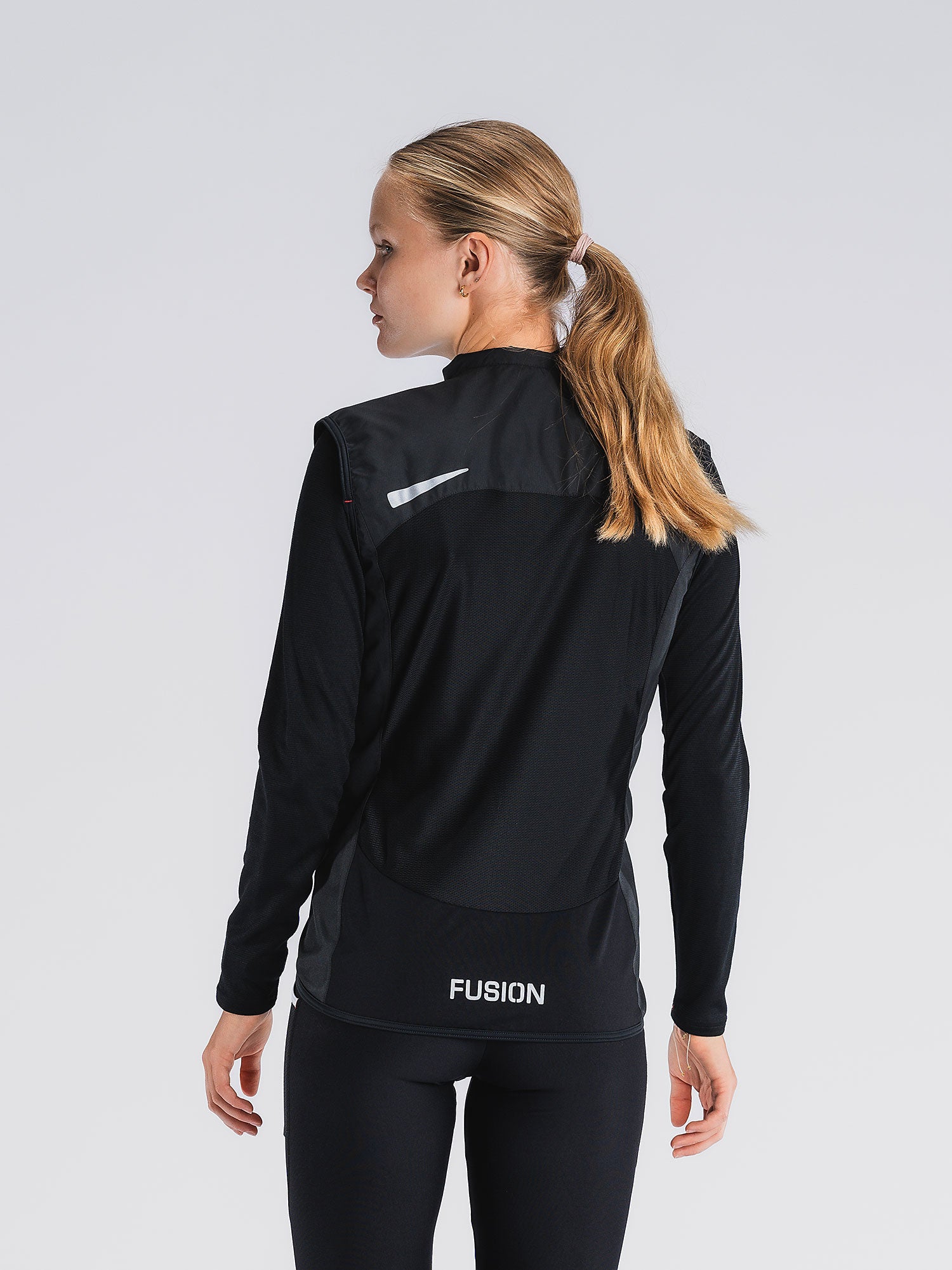
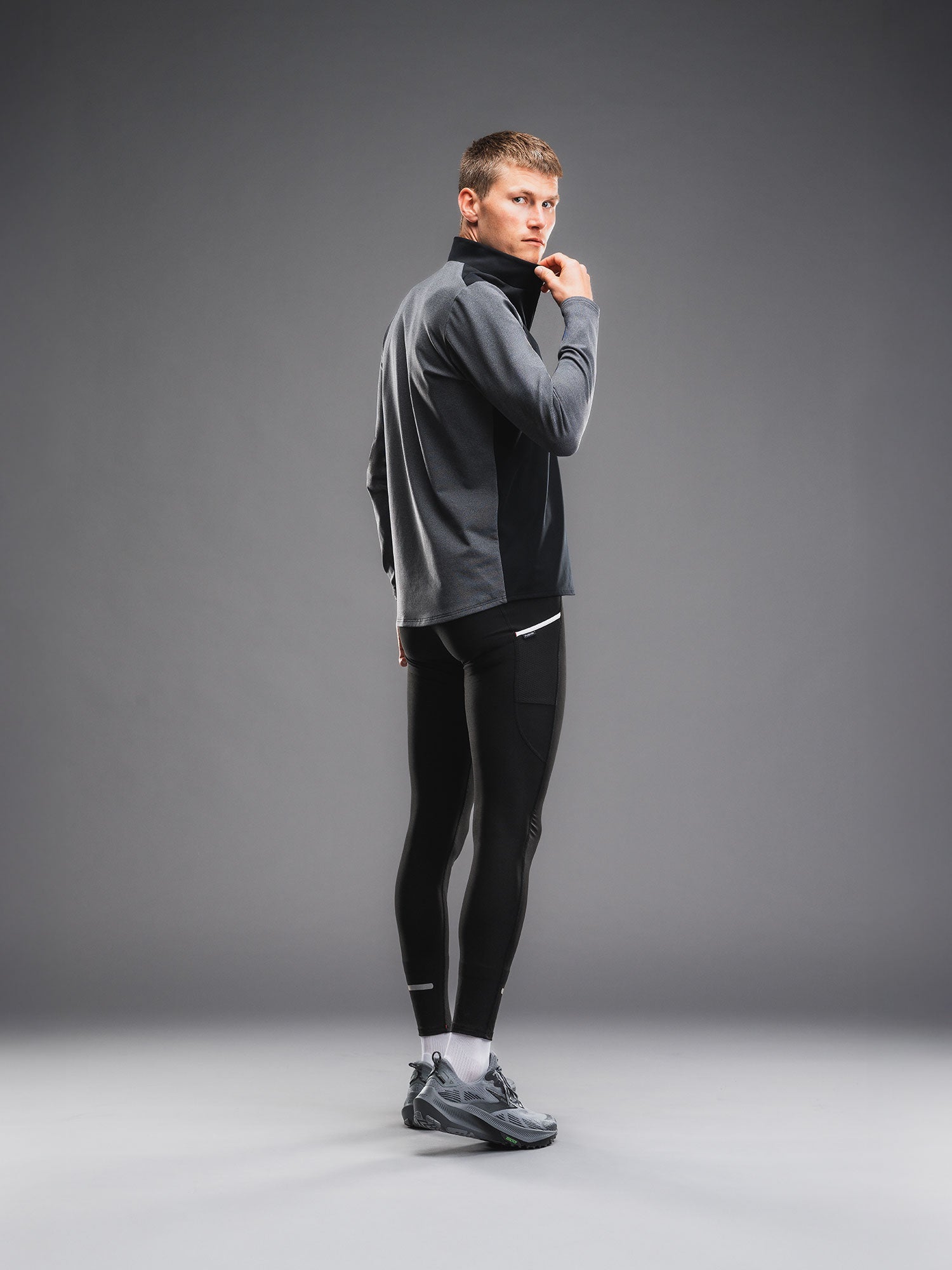
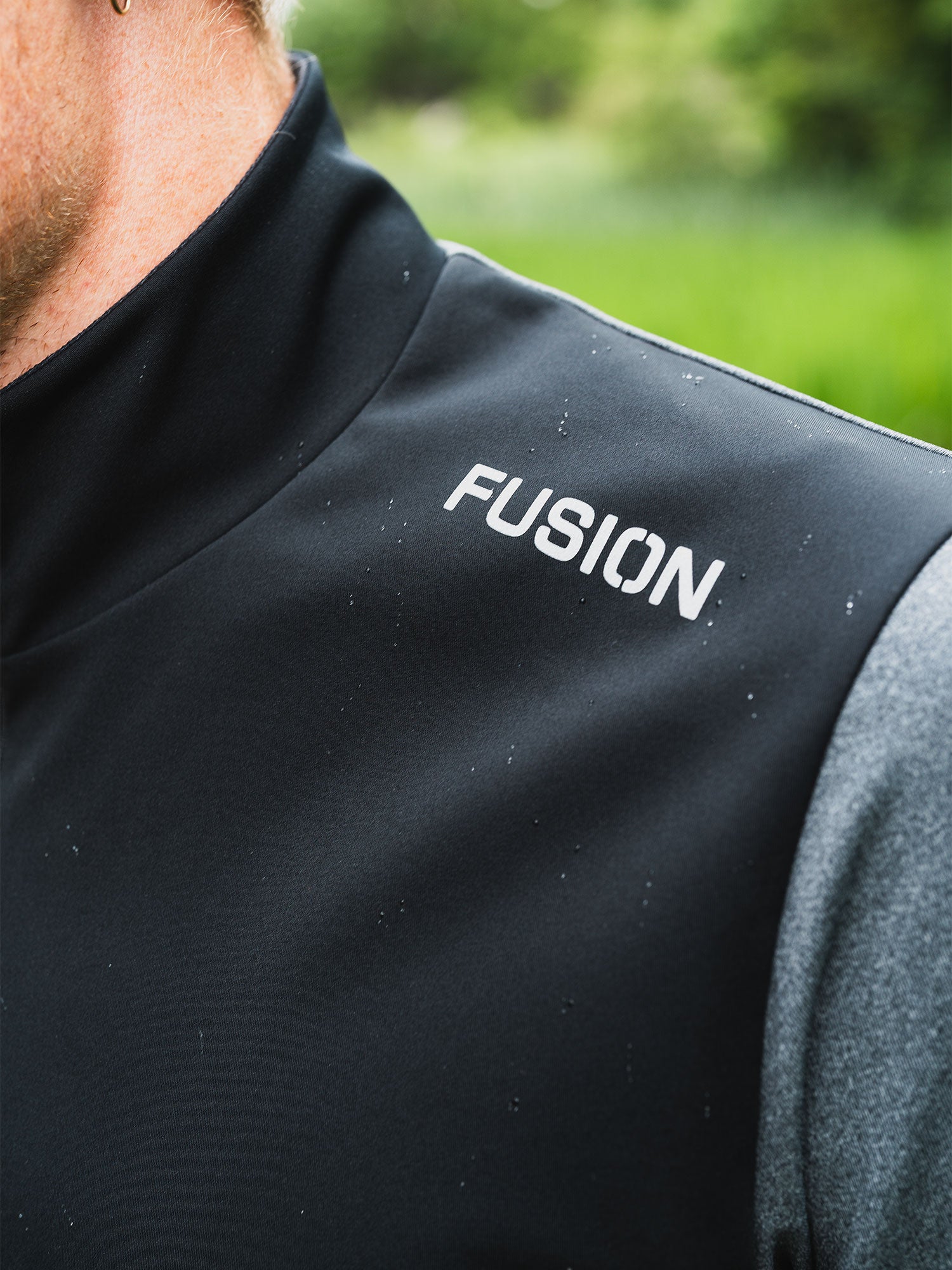
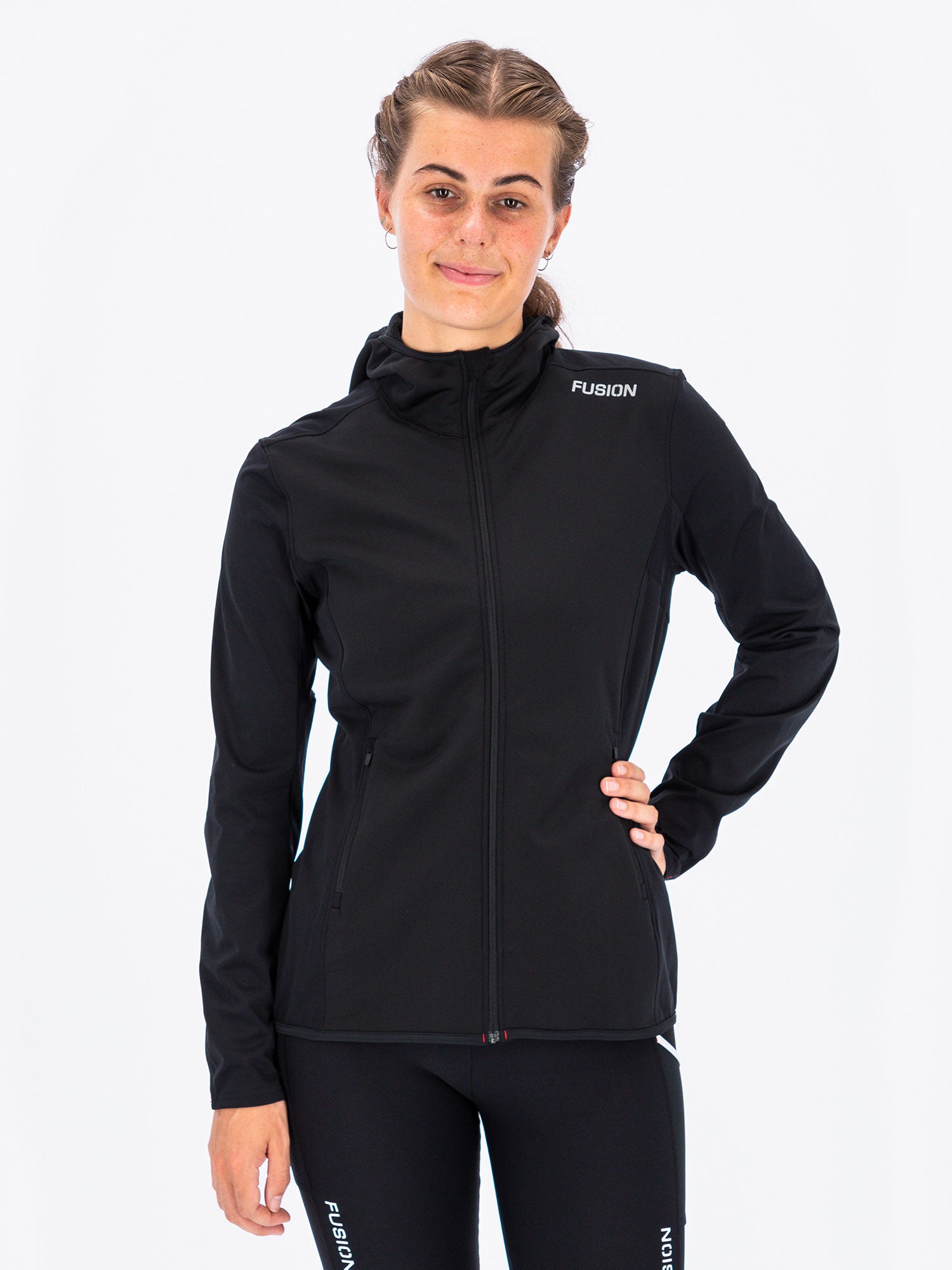
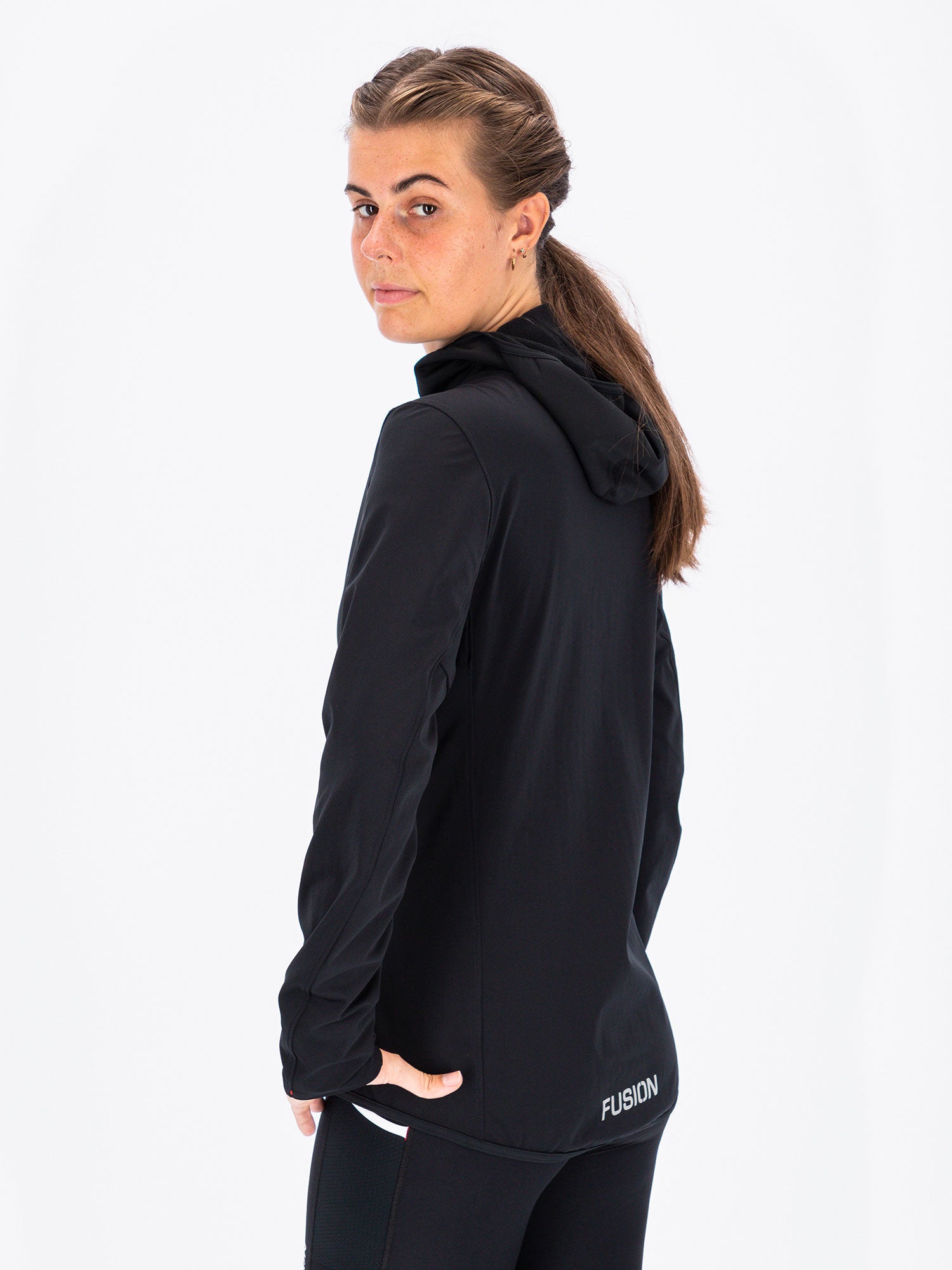
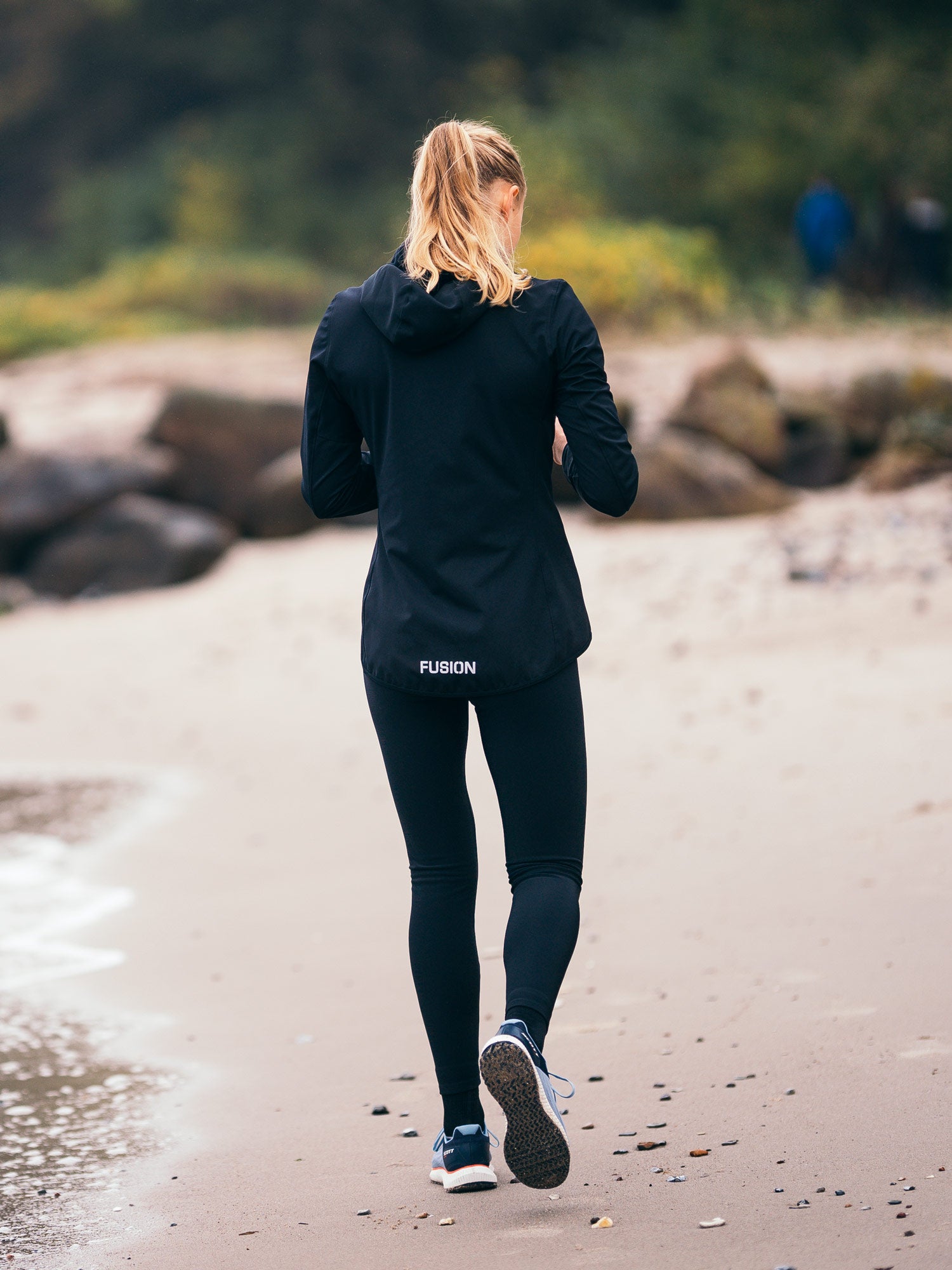
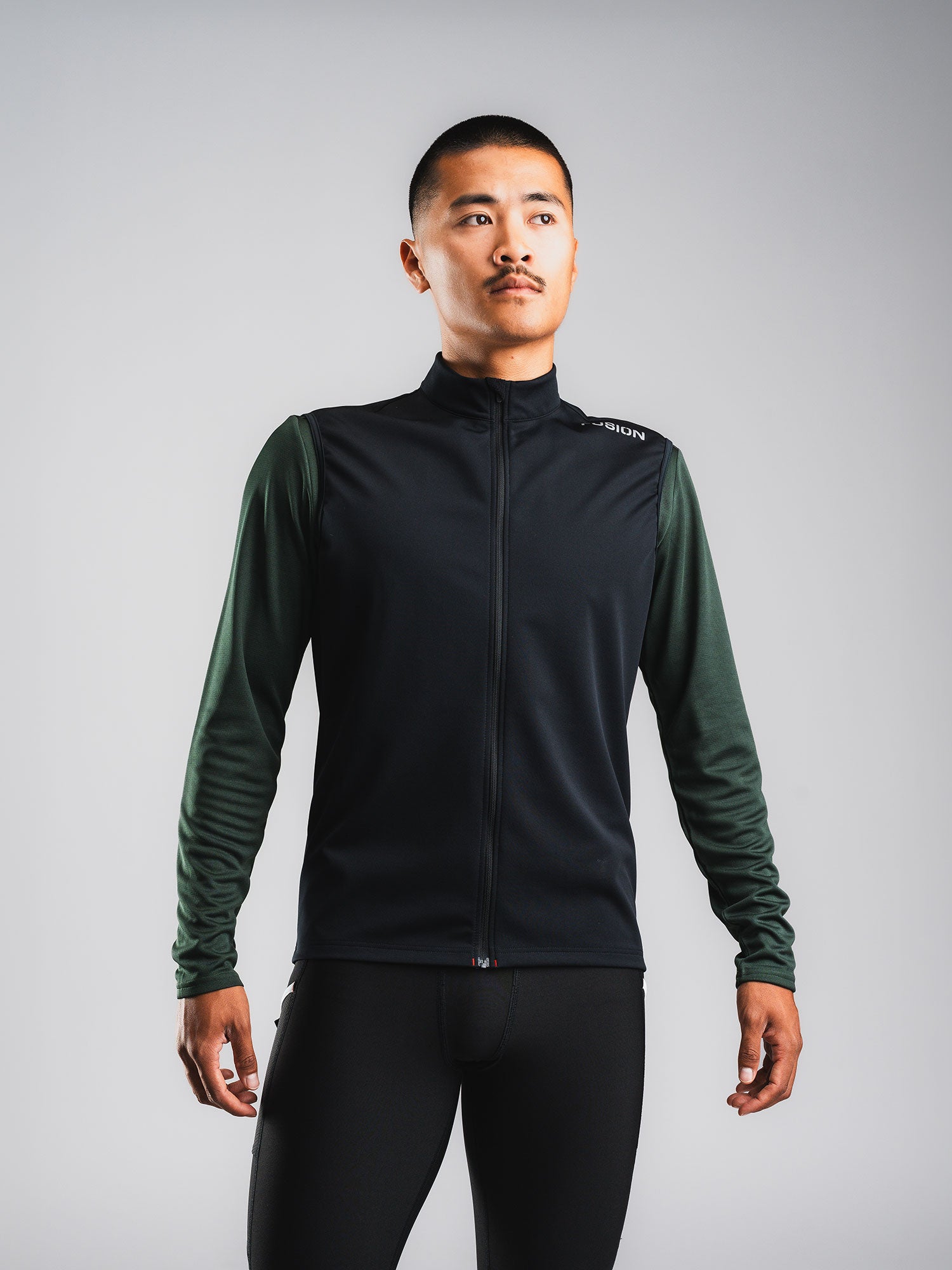
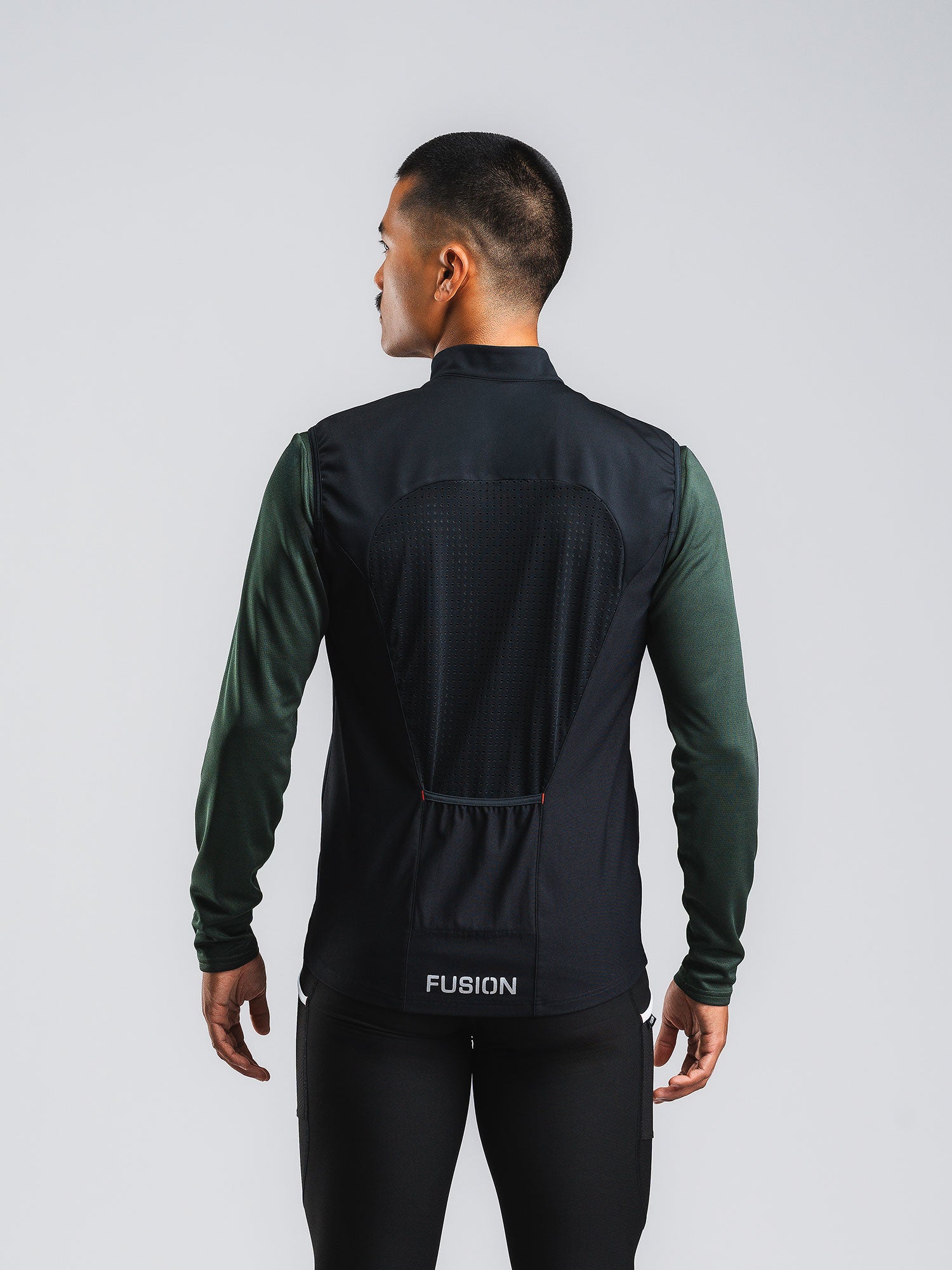
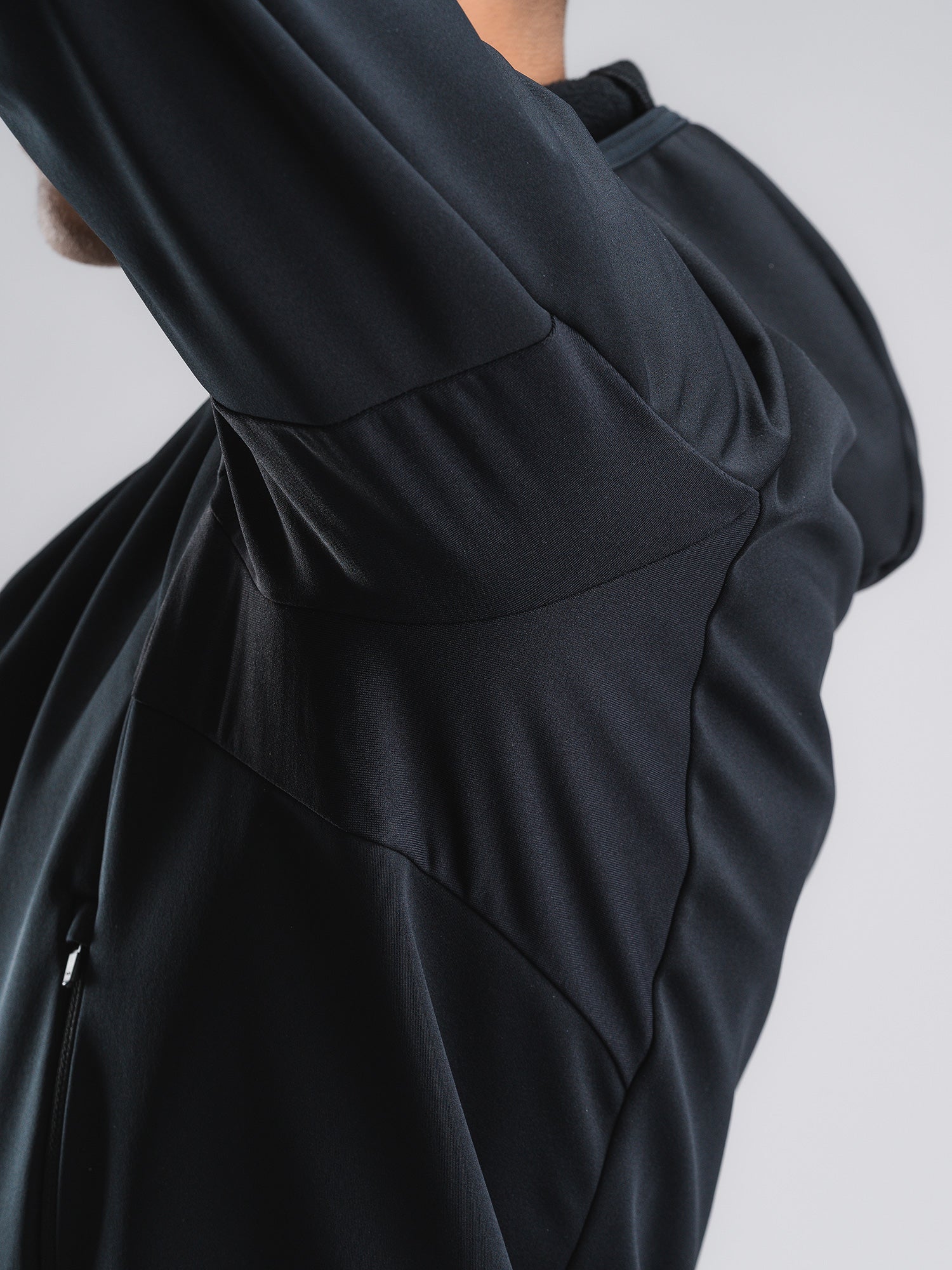
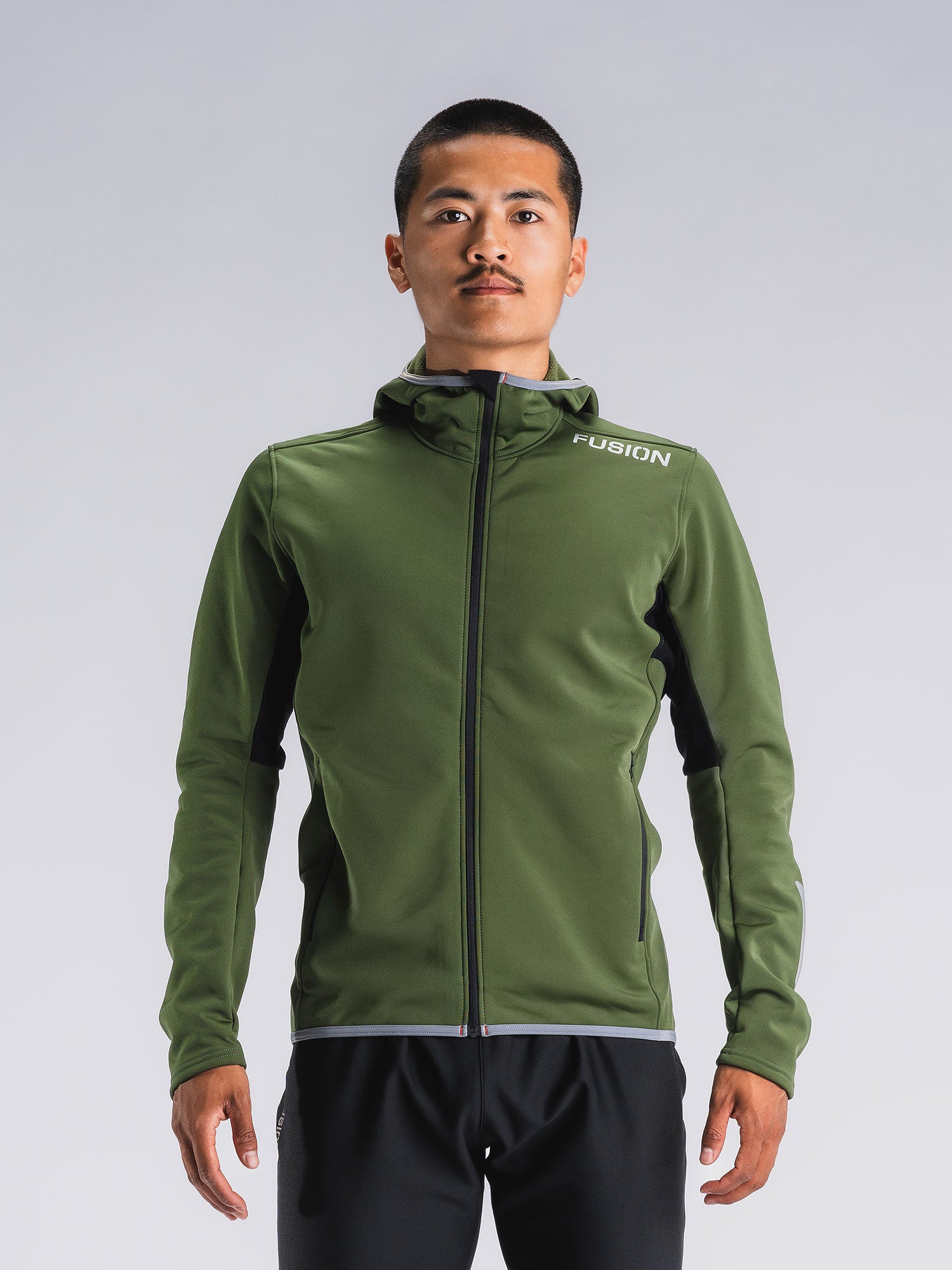
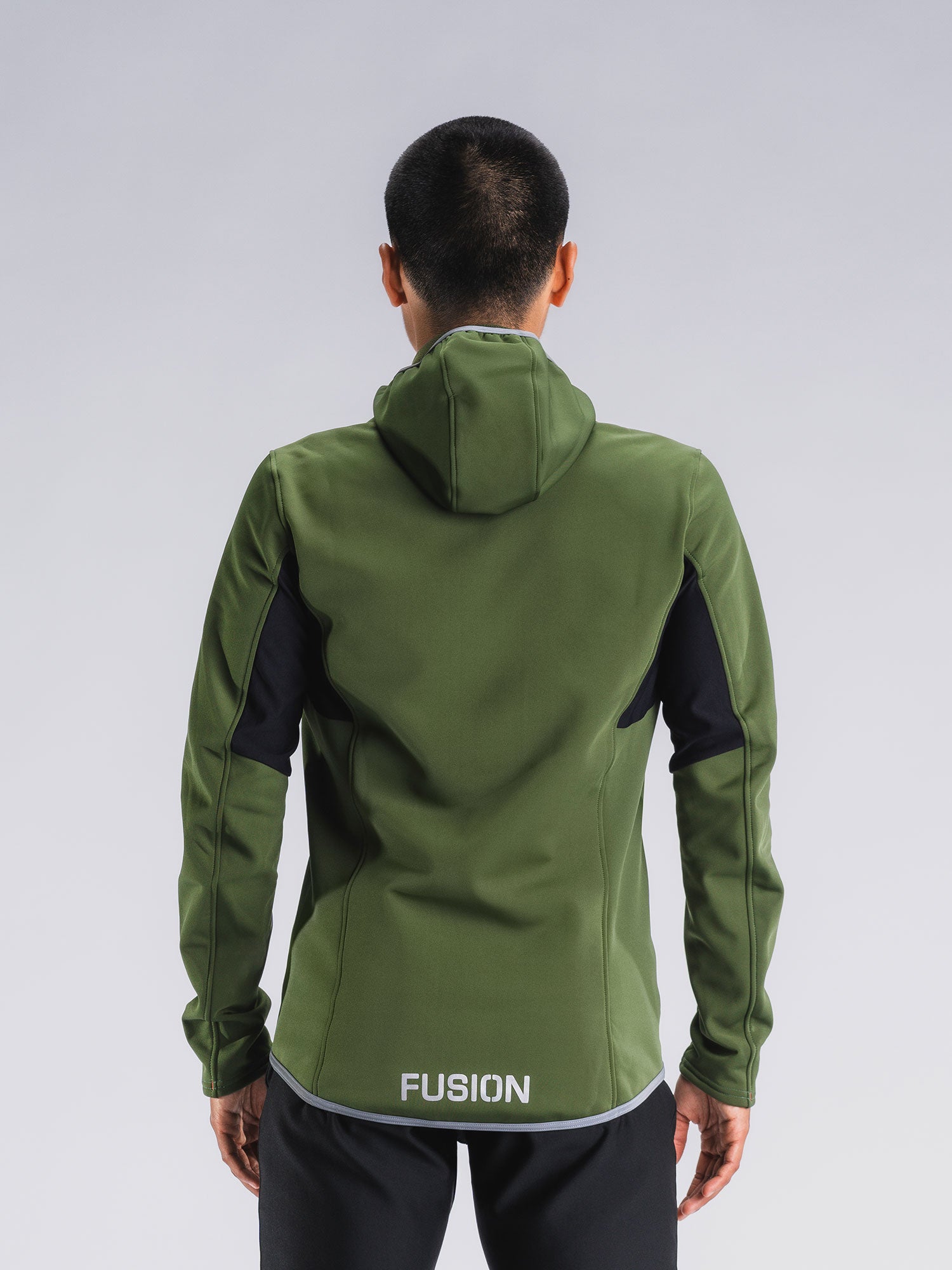
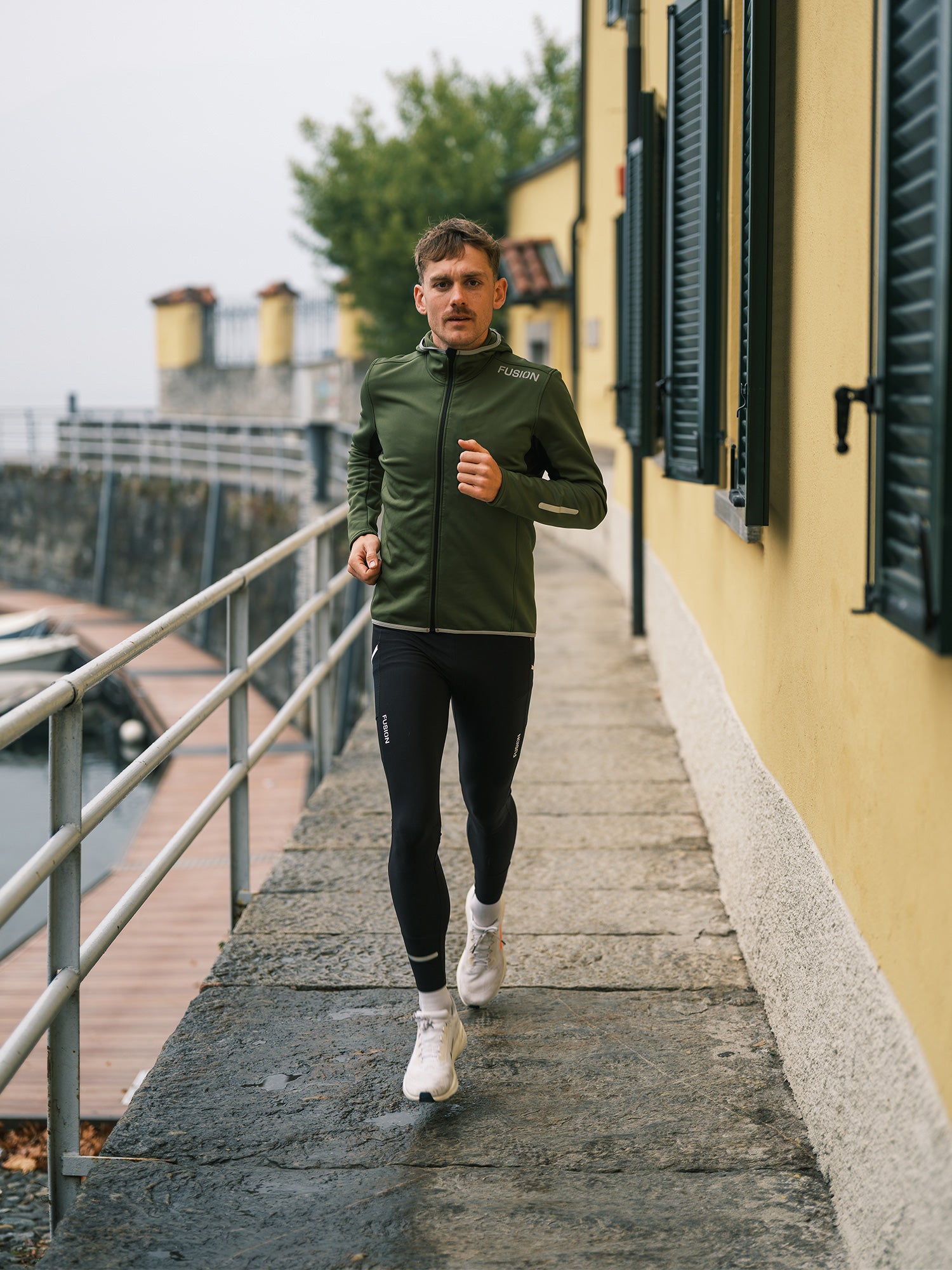
Wind- and water-resistant with ventilating side panels, designed for changing weather.
€115



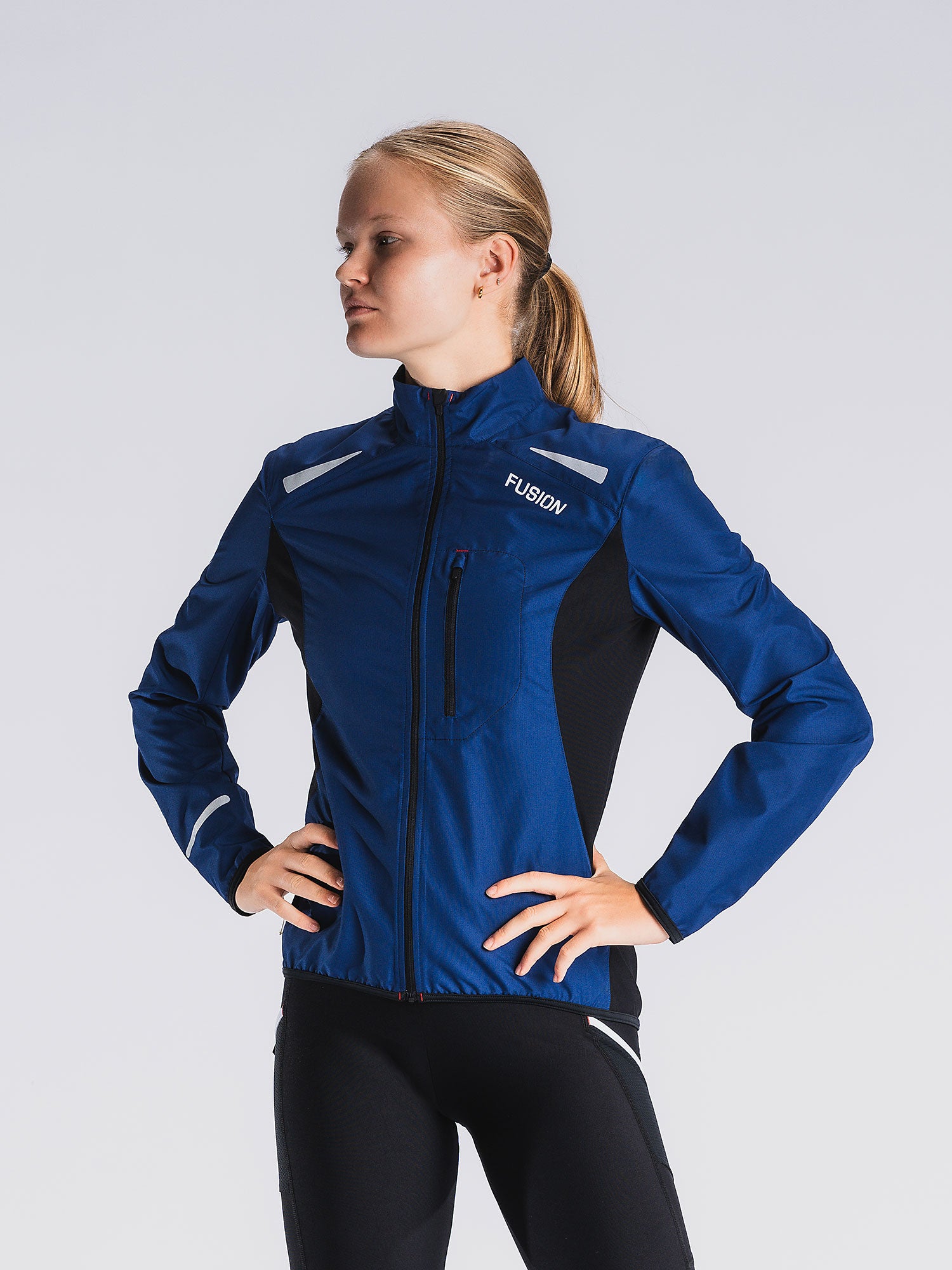
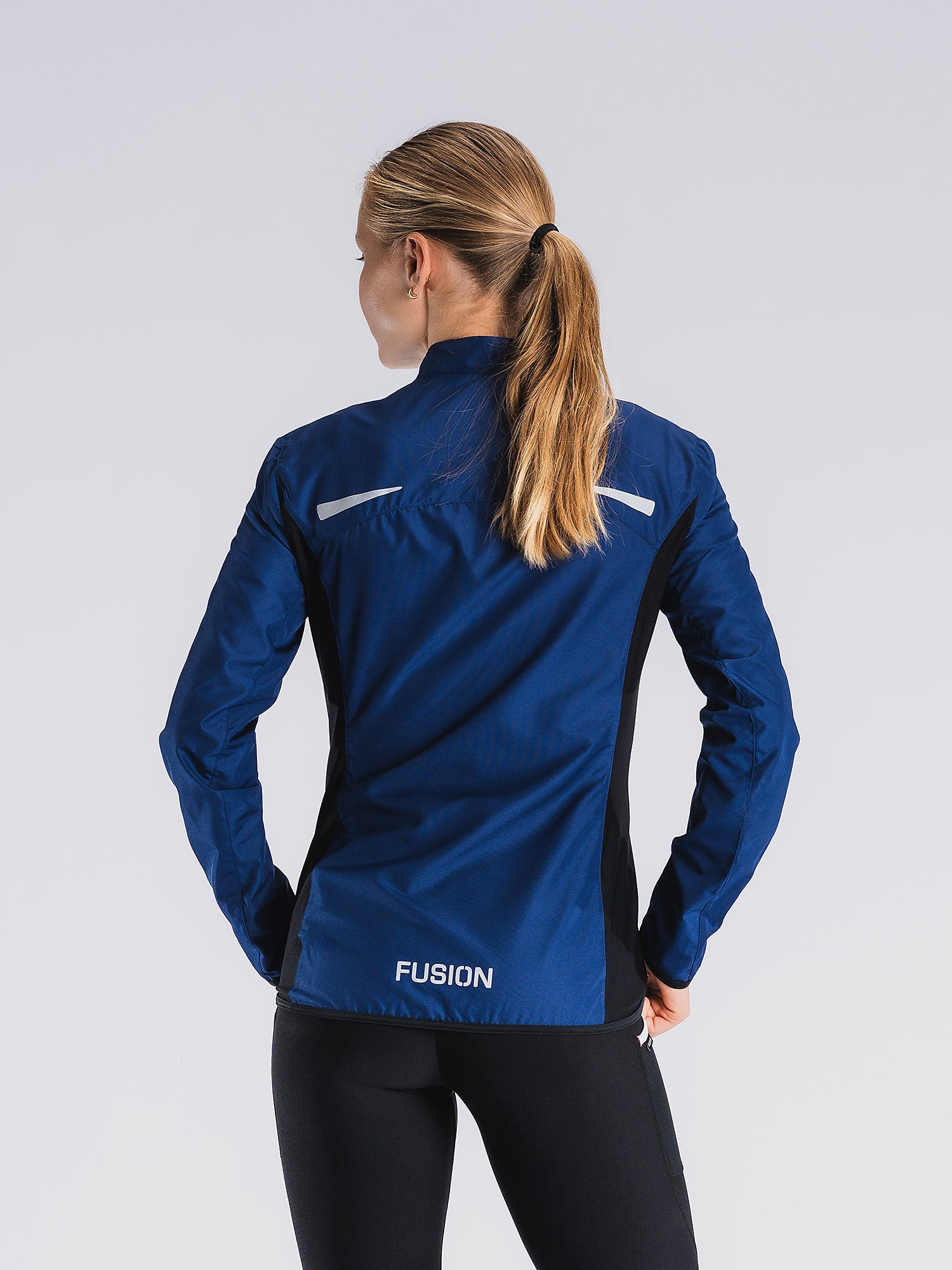

Wind- and water-resistant with ventilating side panels, designed for changing weather.
€115



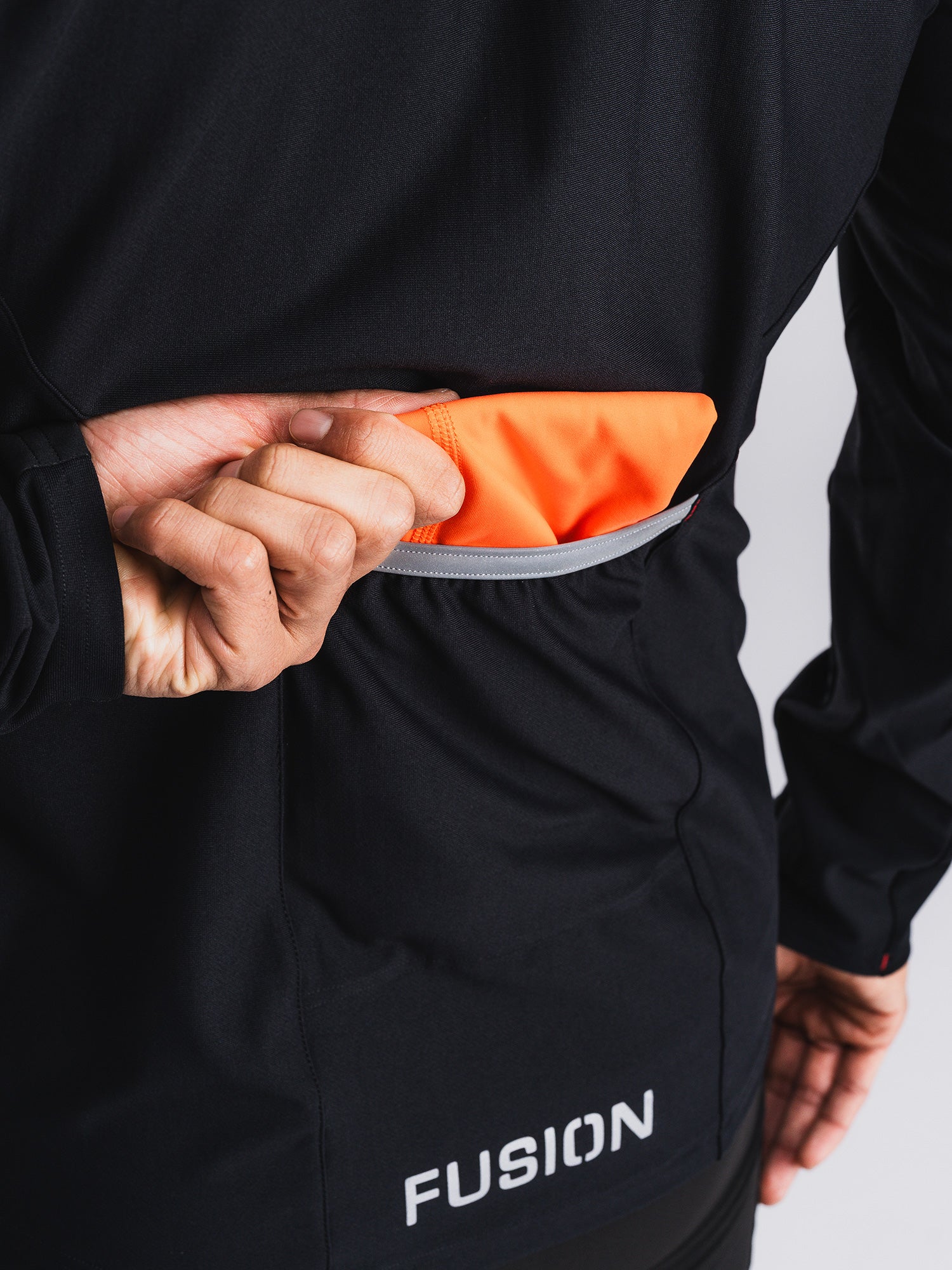
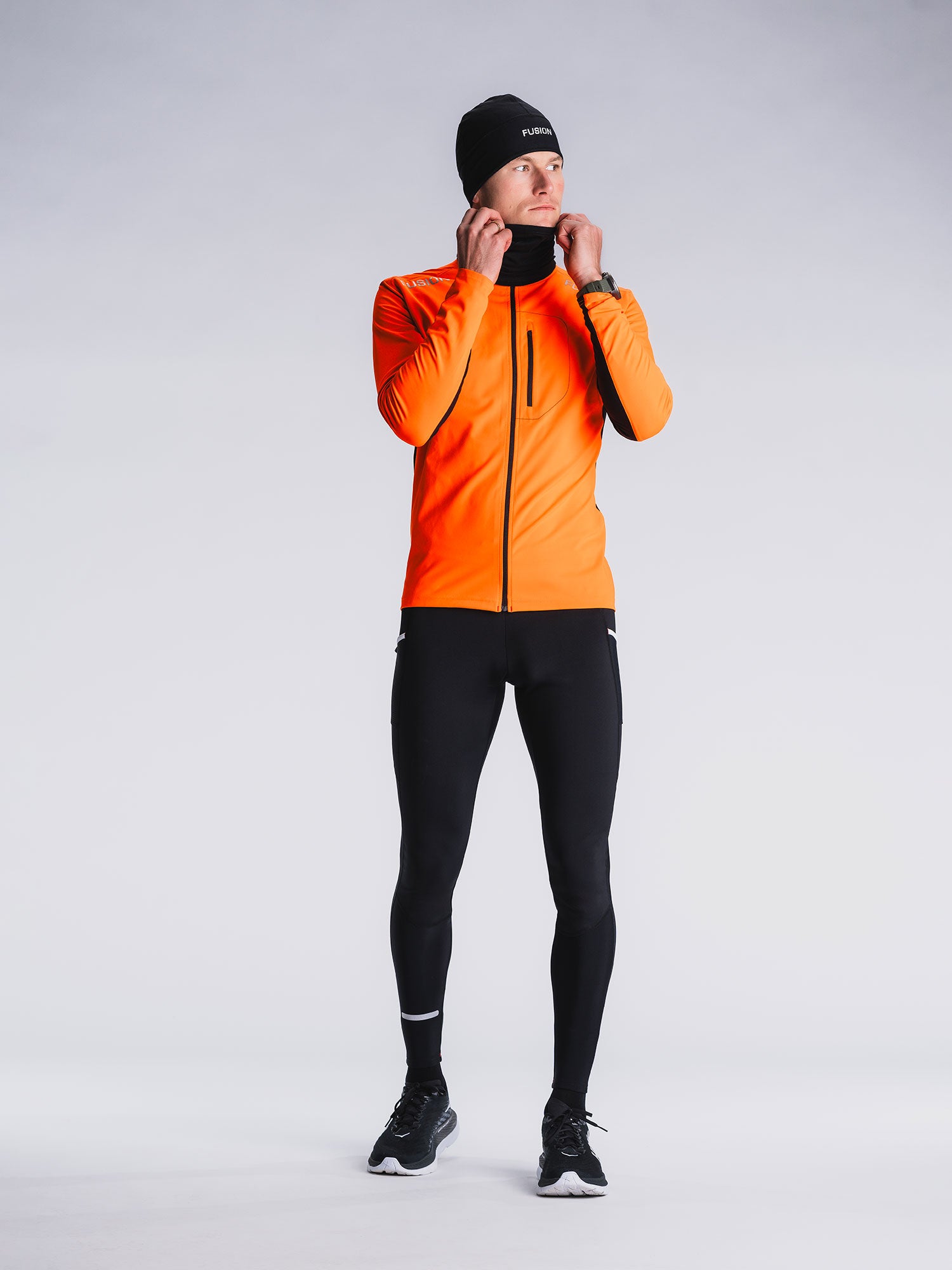
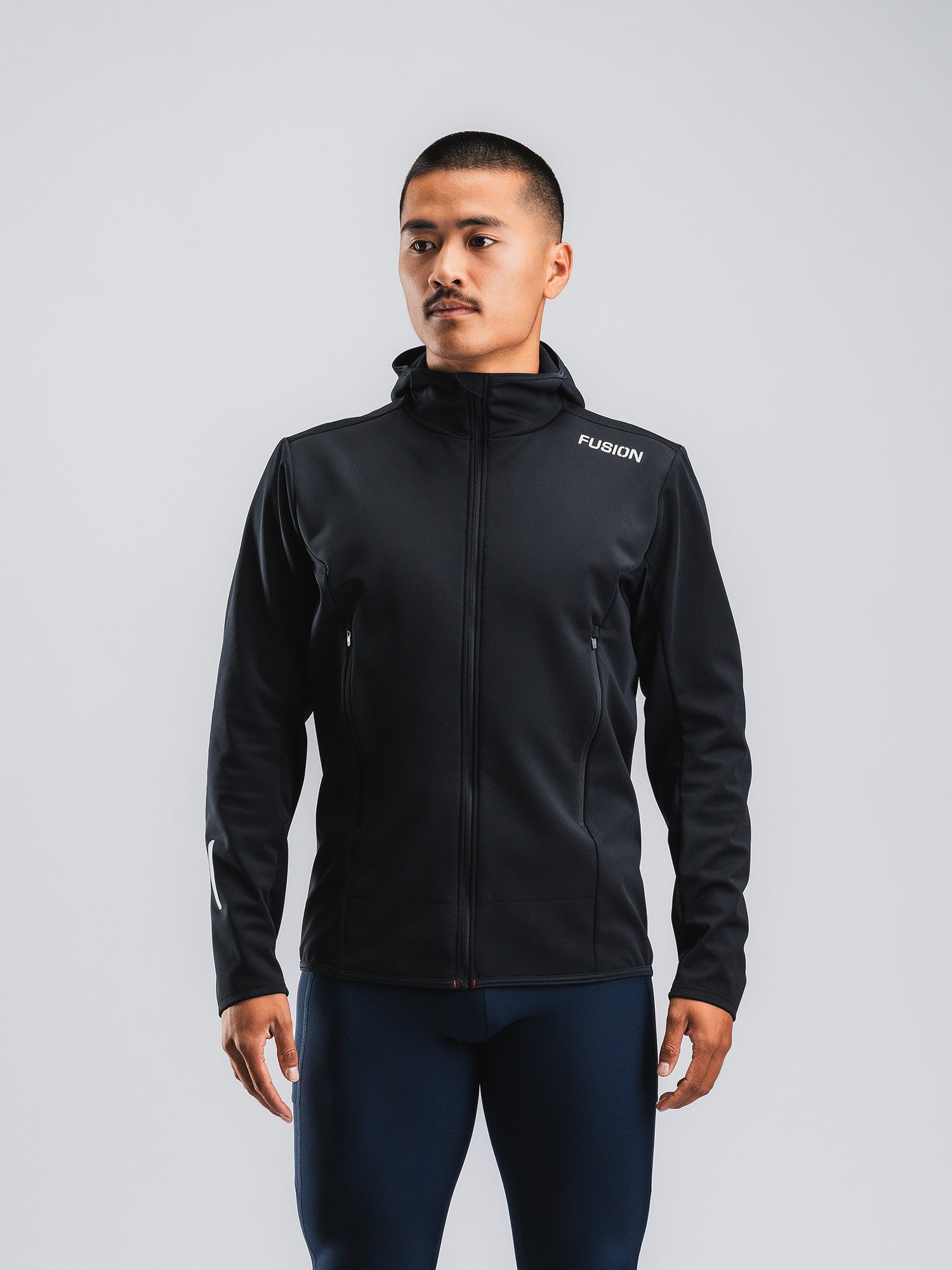
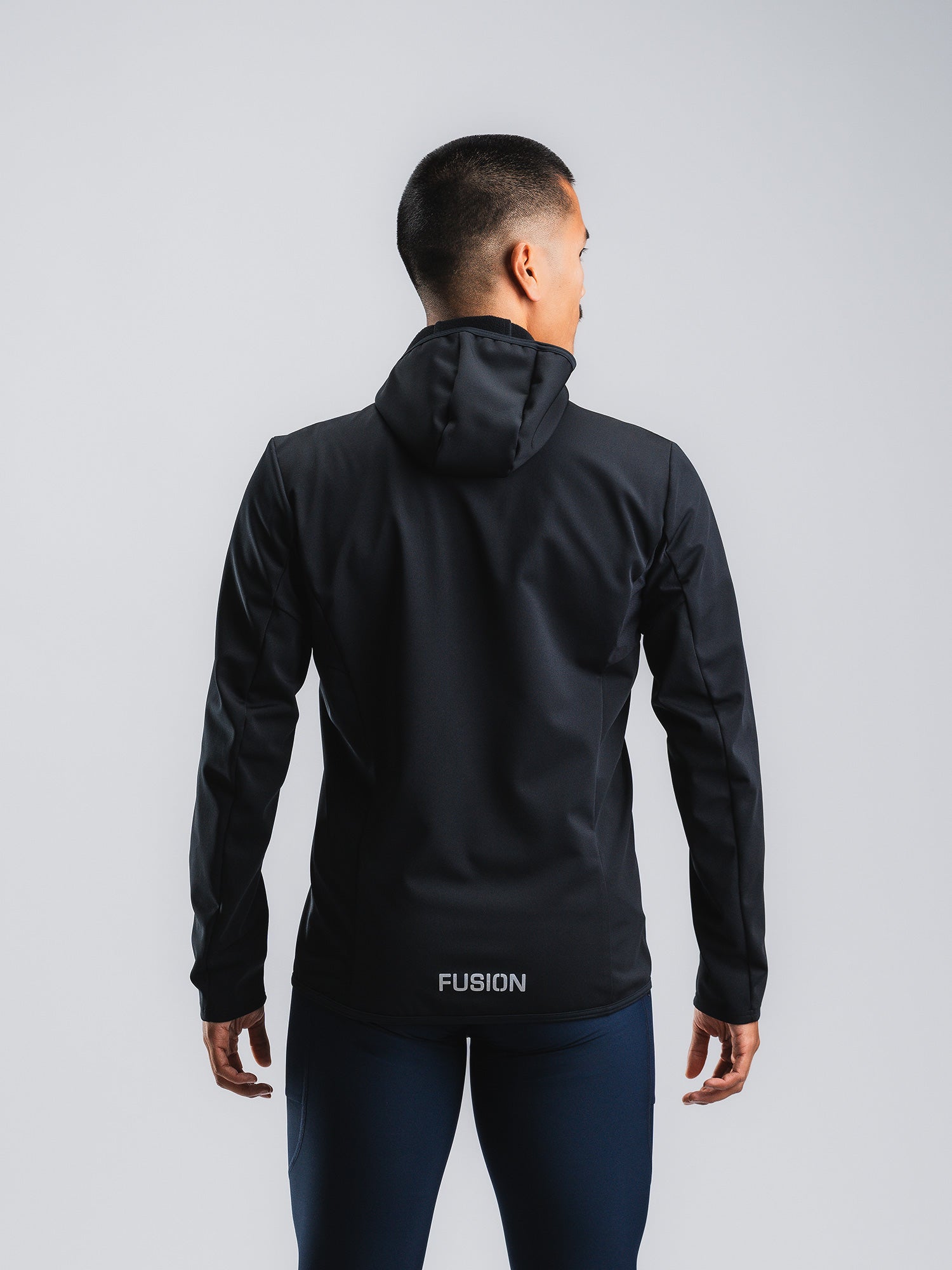
Next generation of technical protection for running in unstable weather and low temperatures.
€210
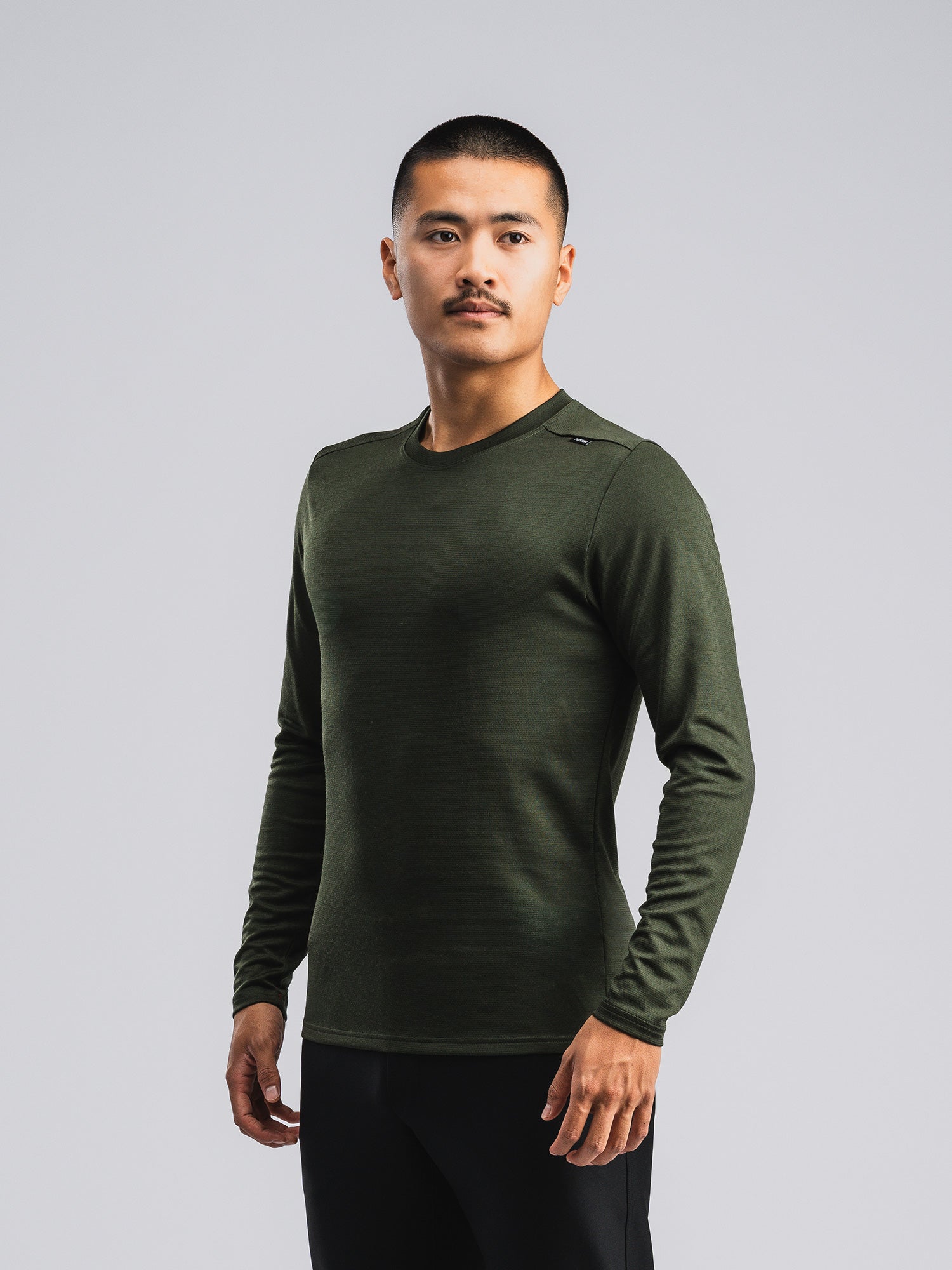
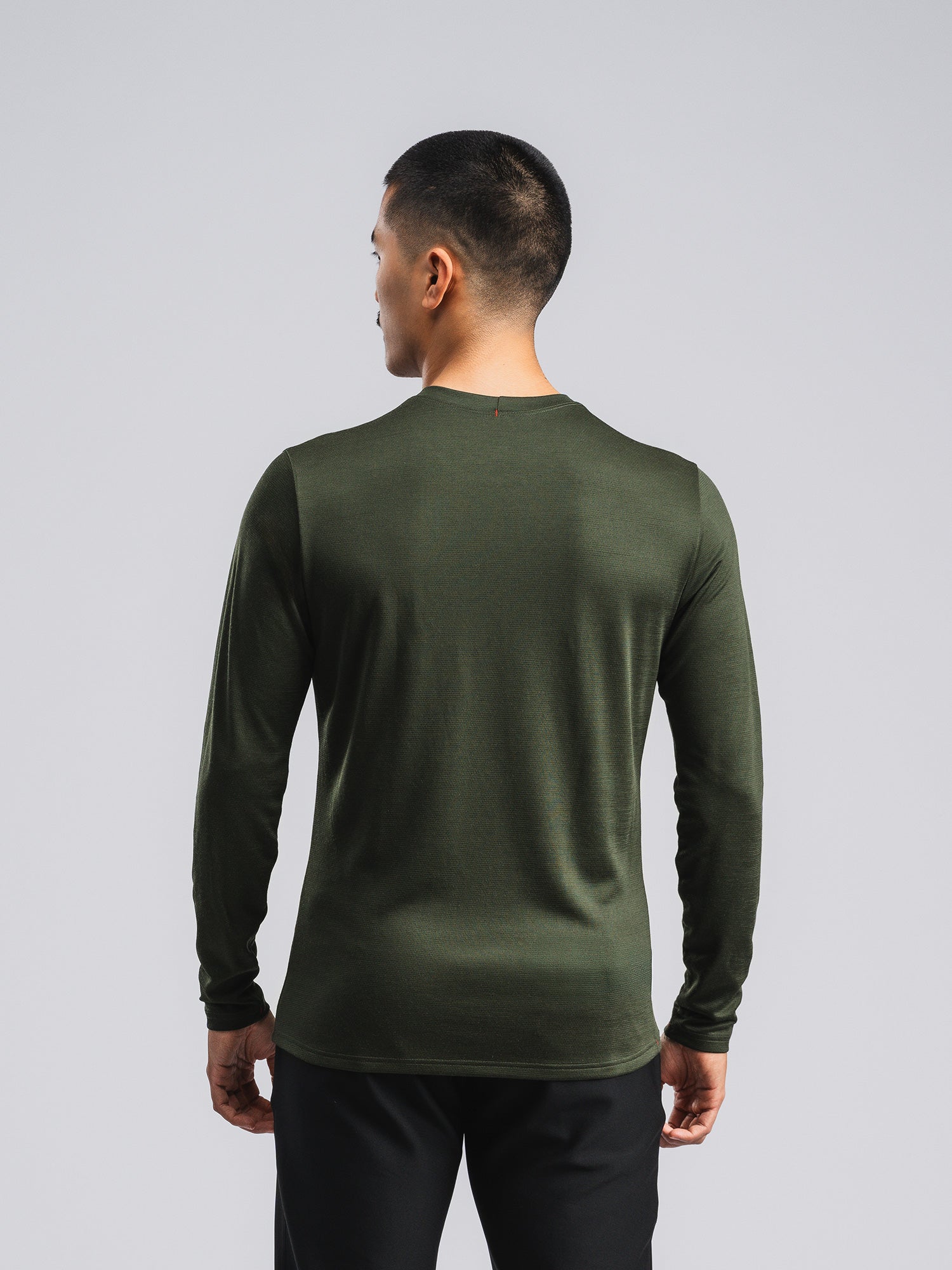
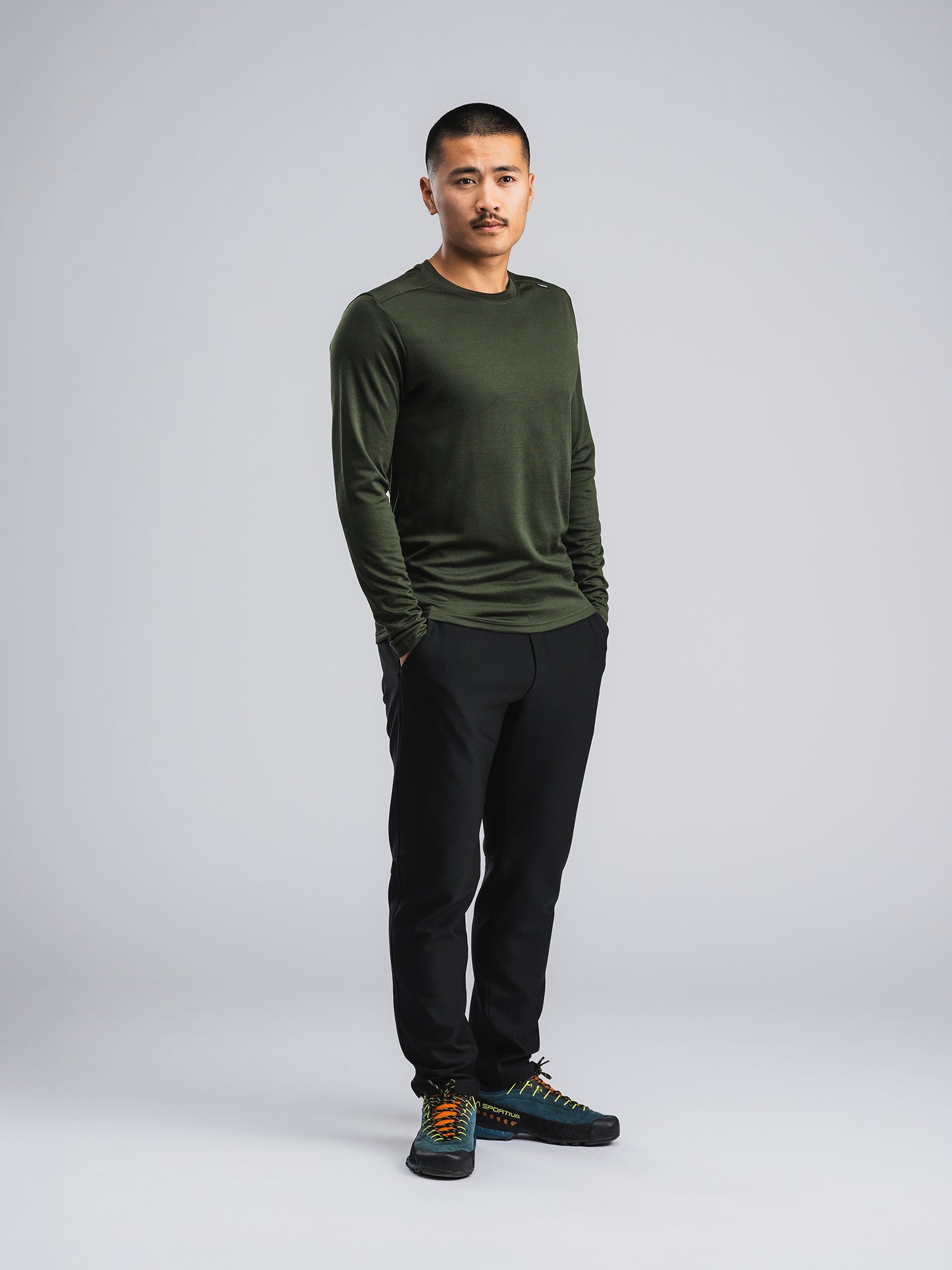
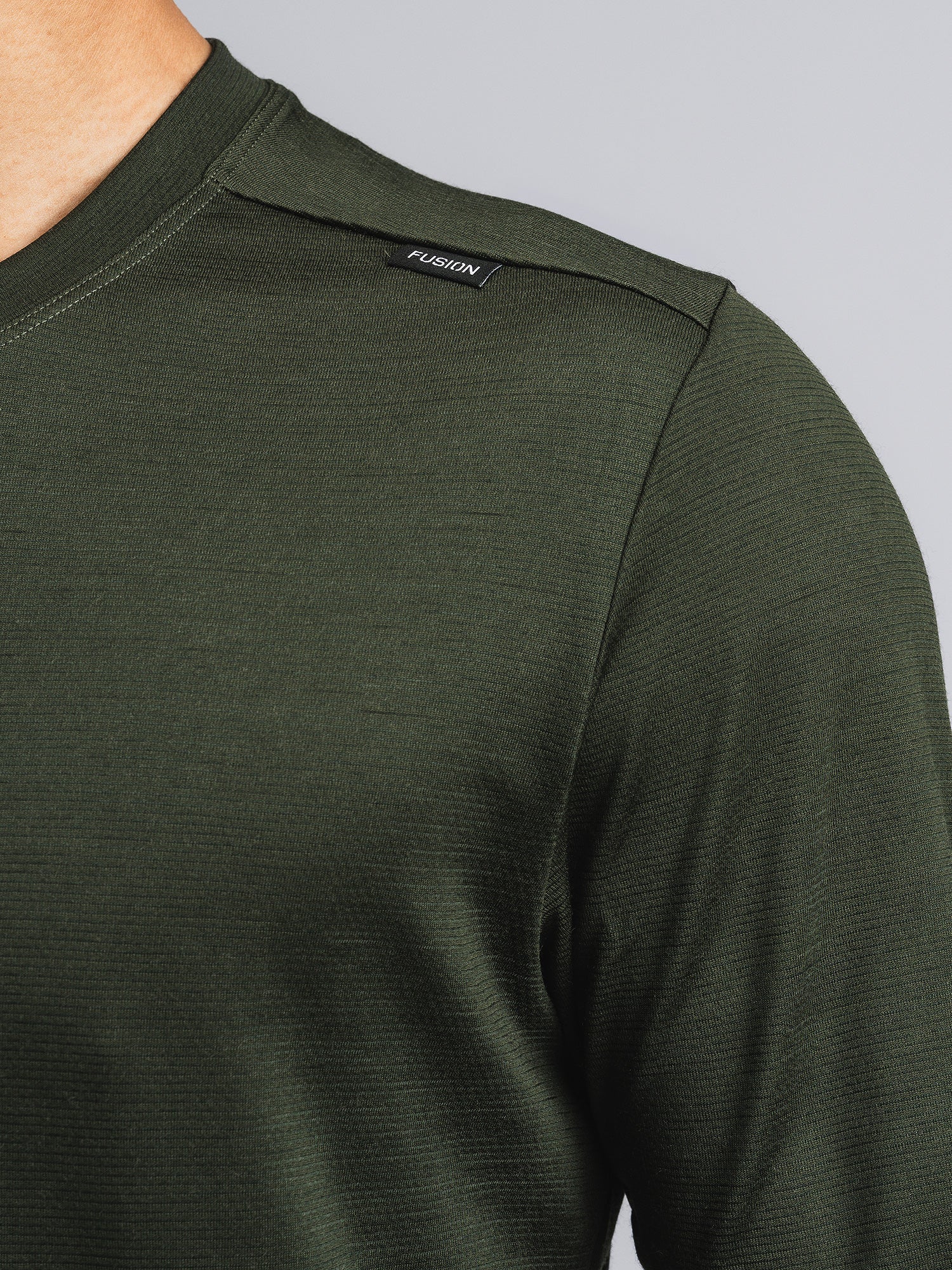
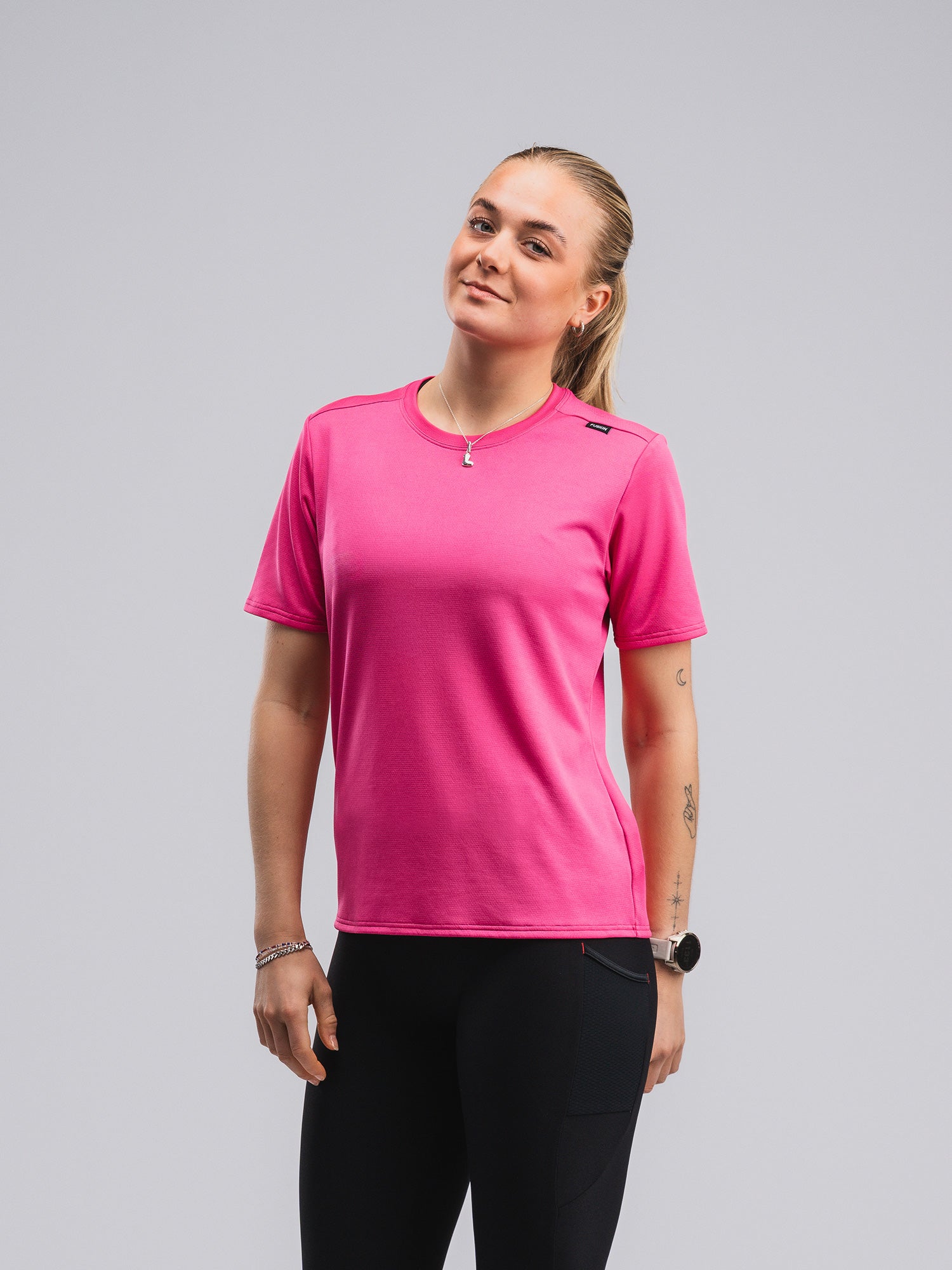
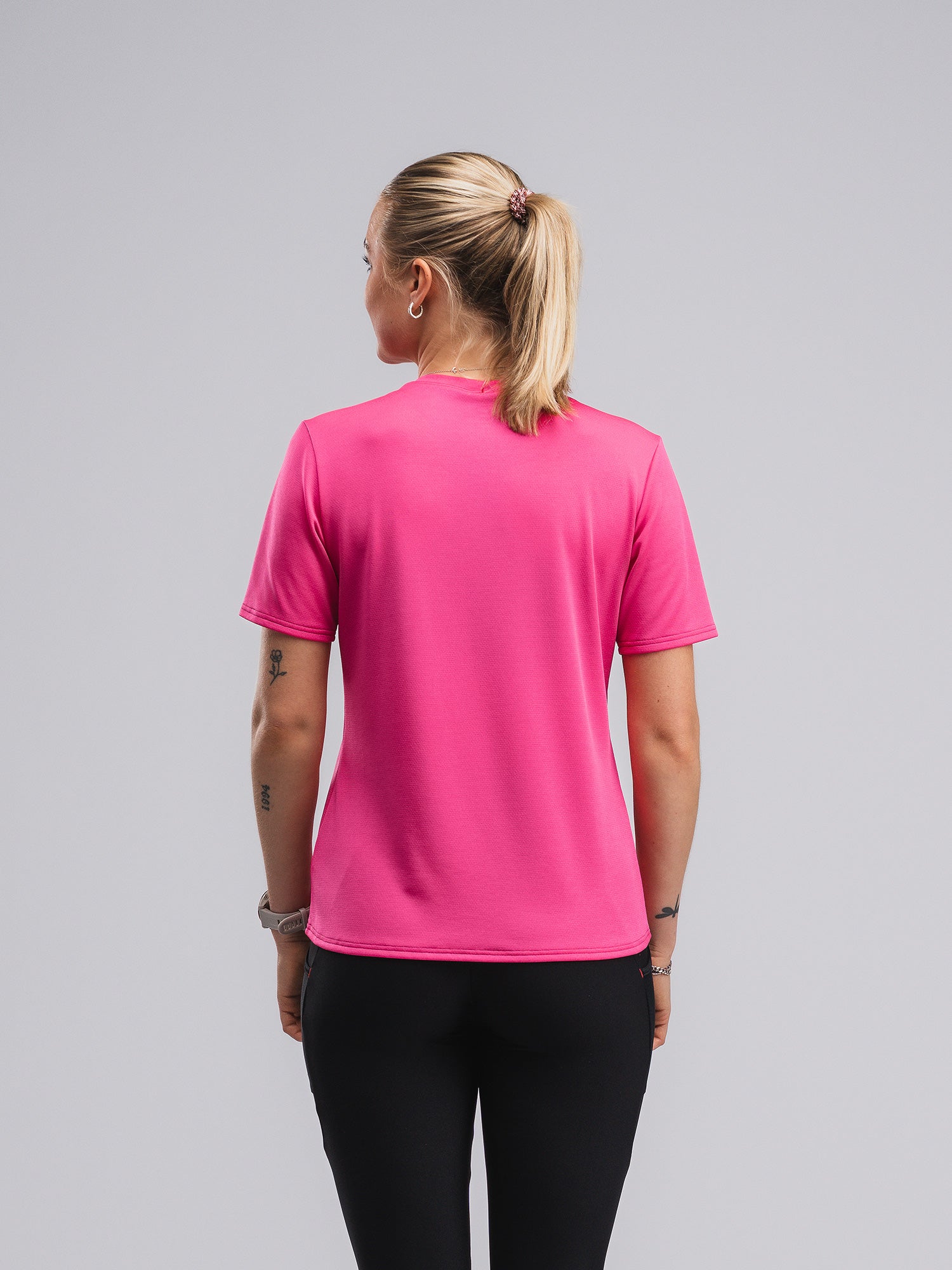
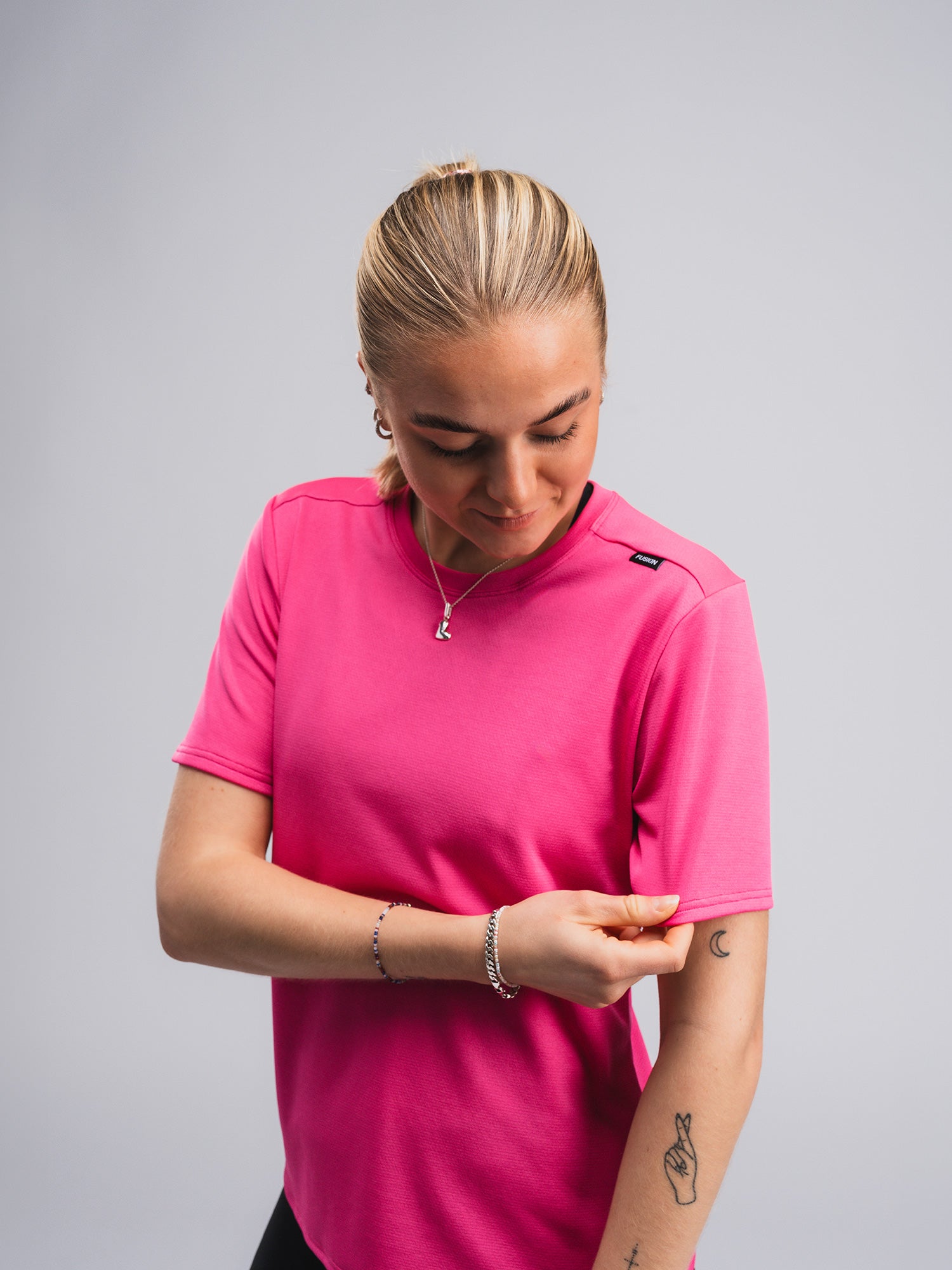
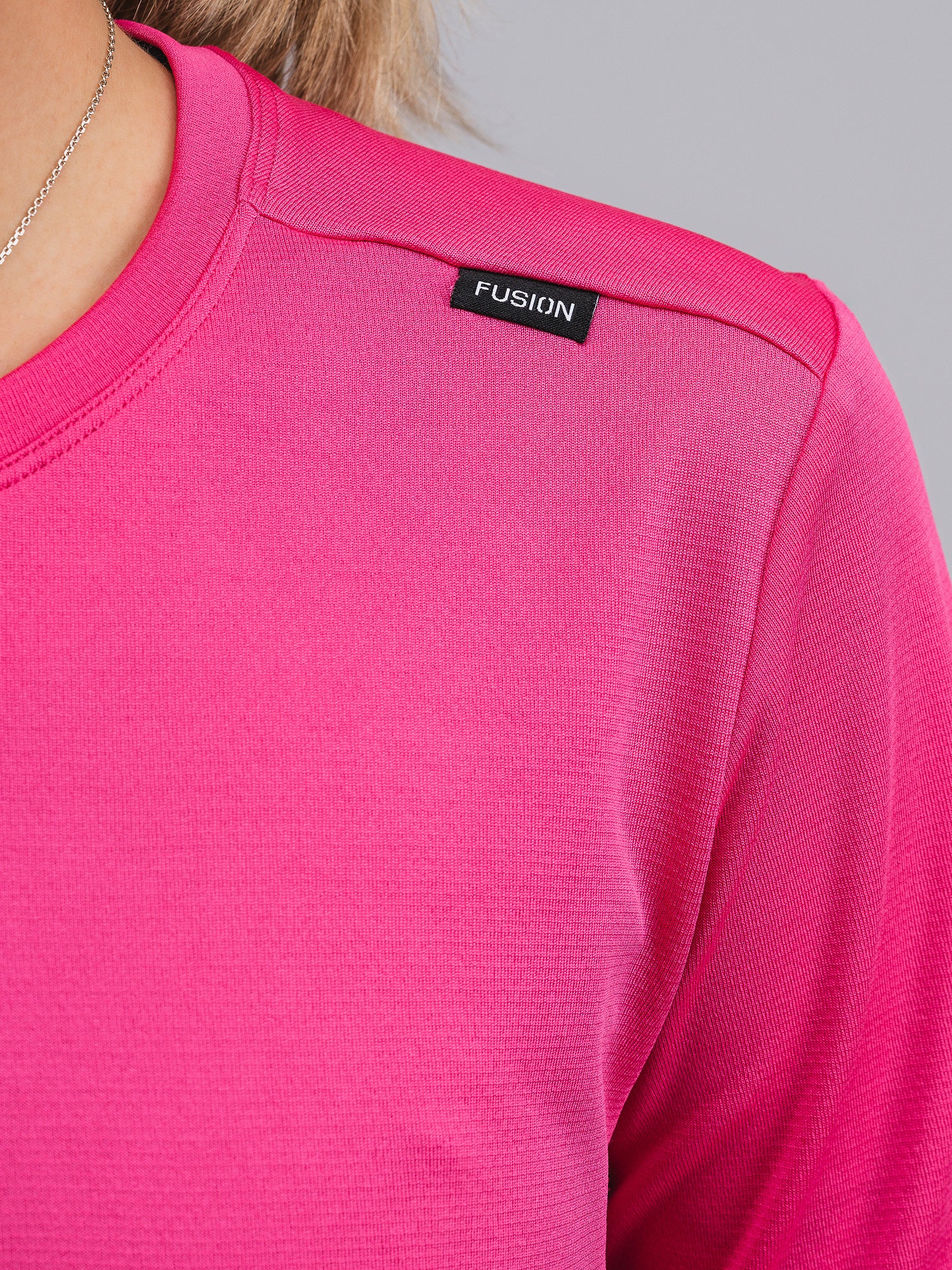



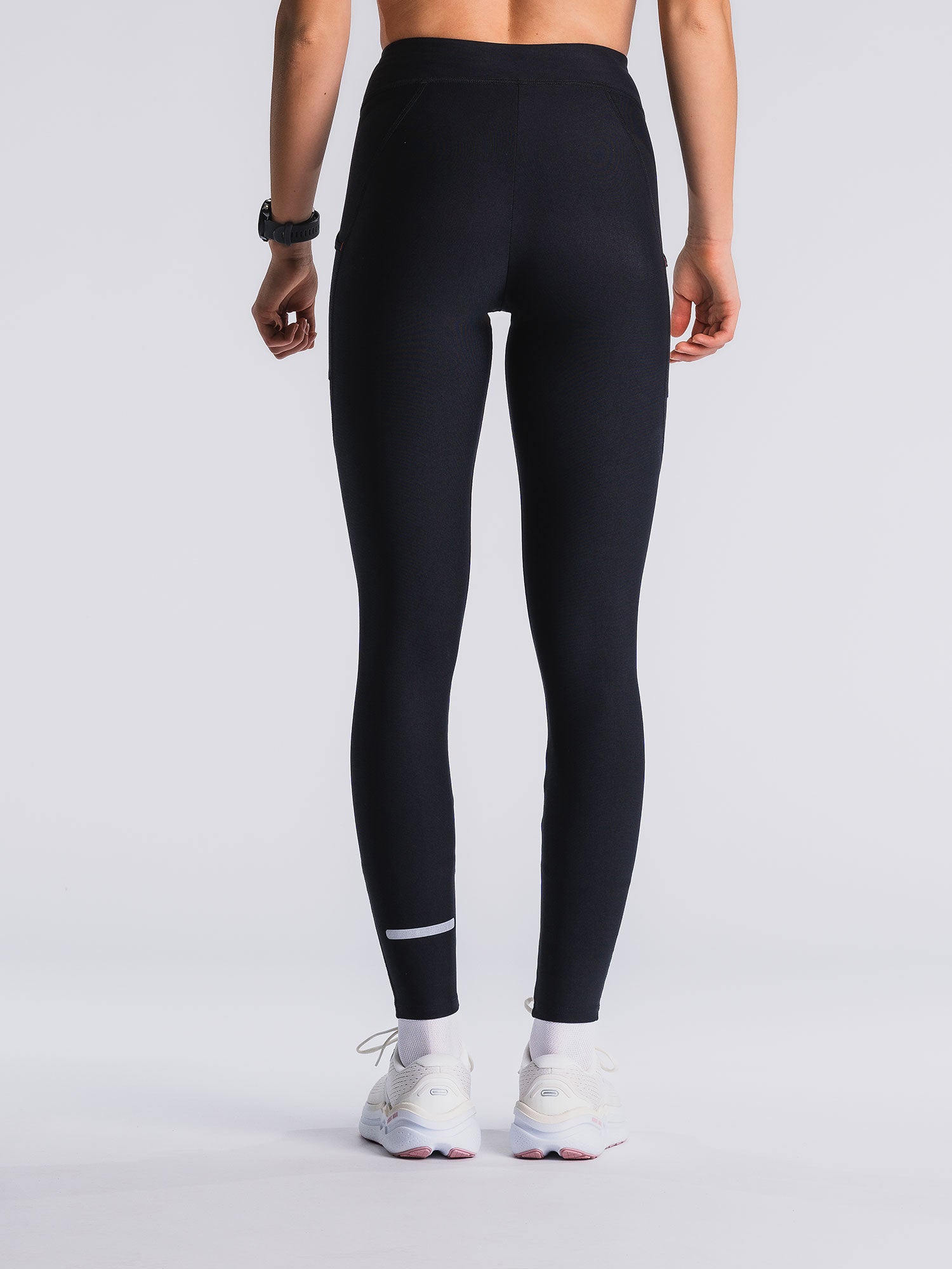


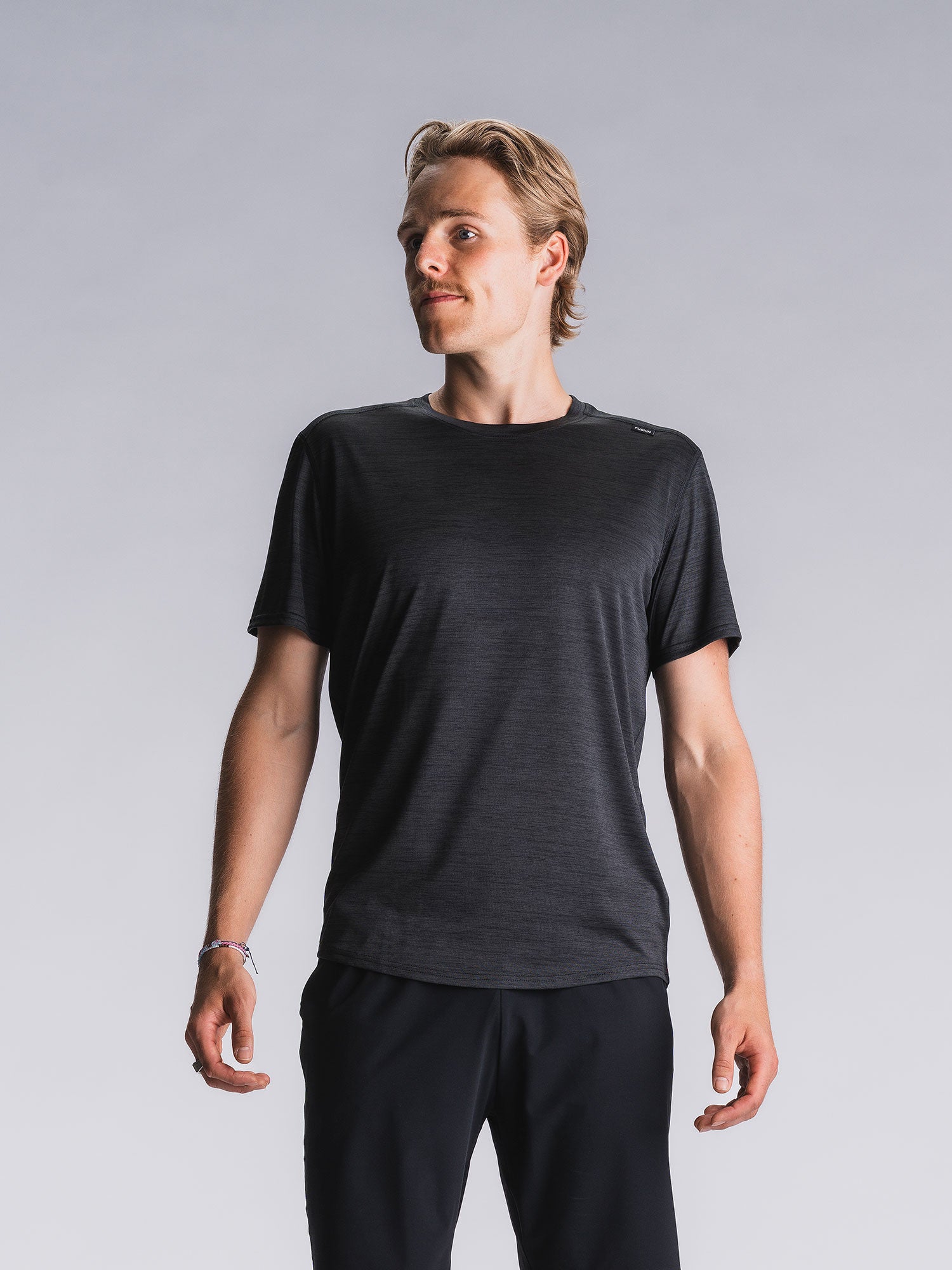


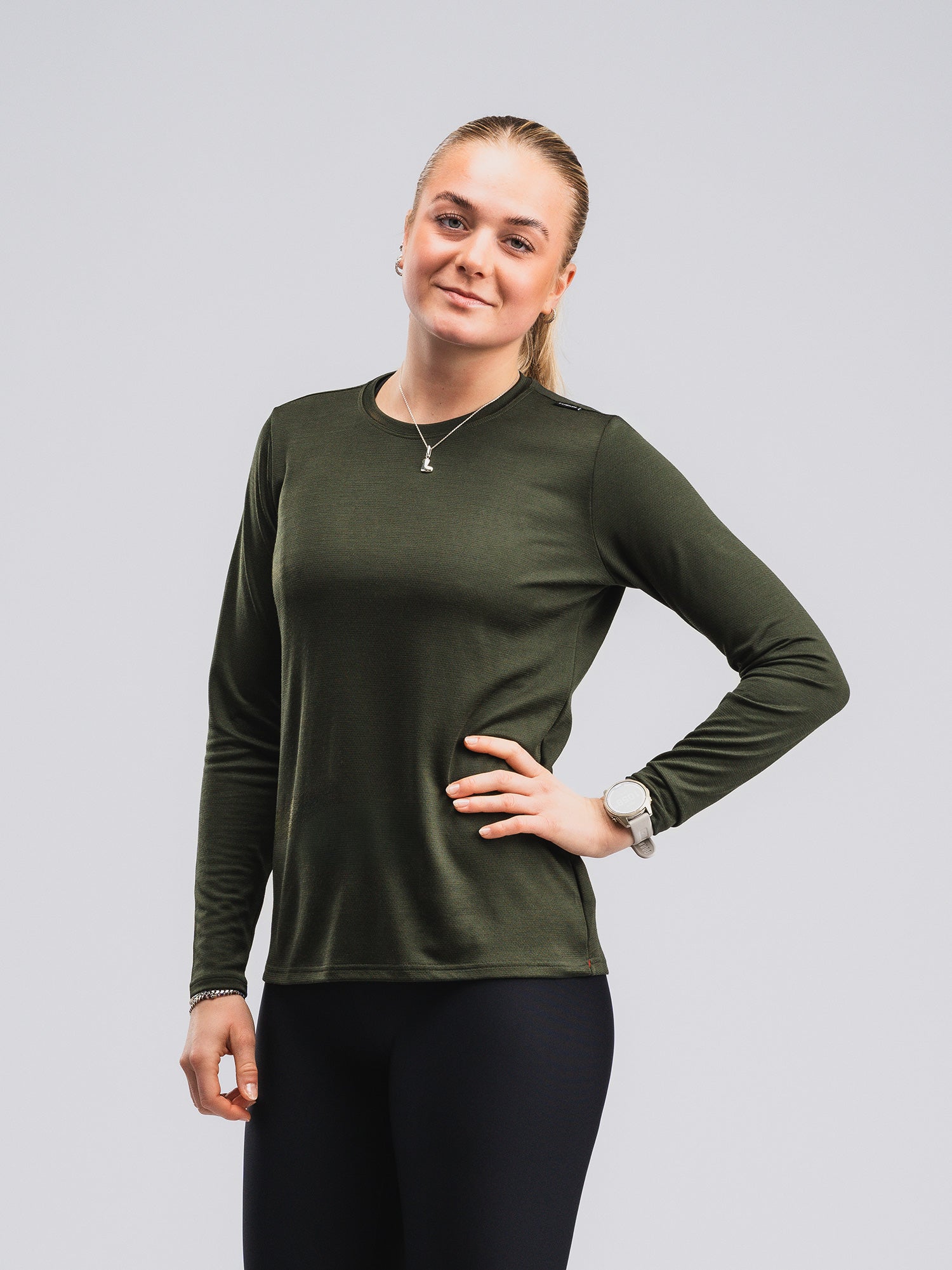
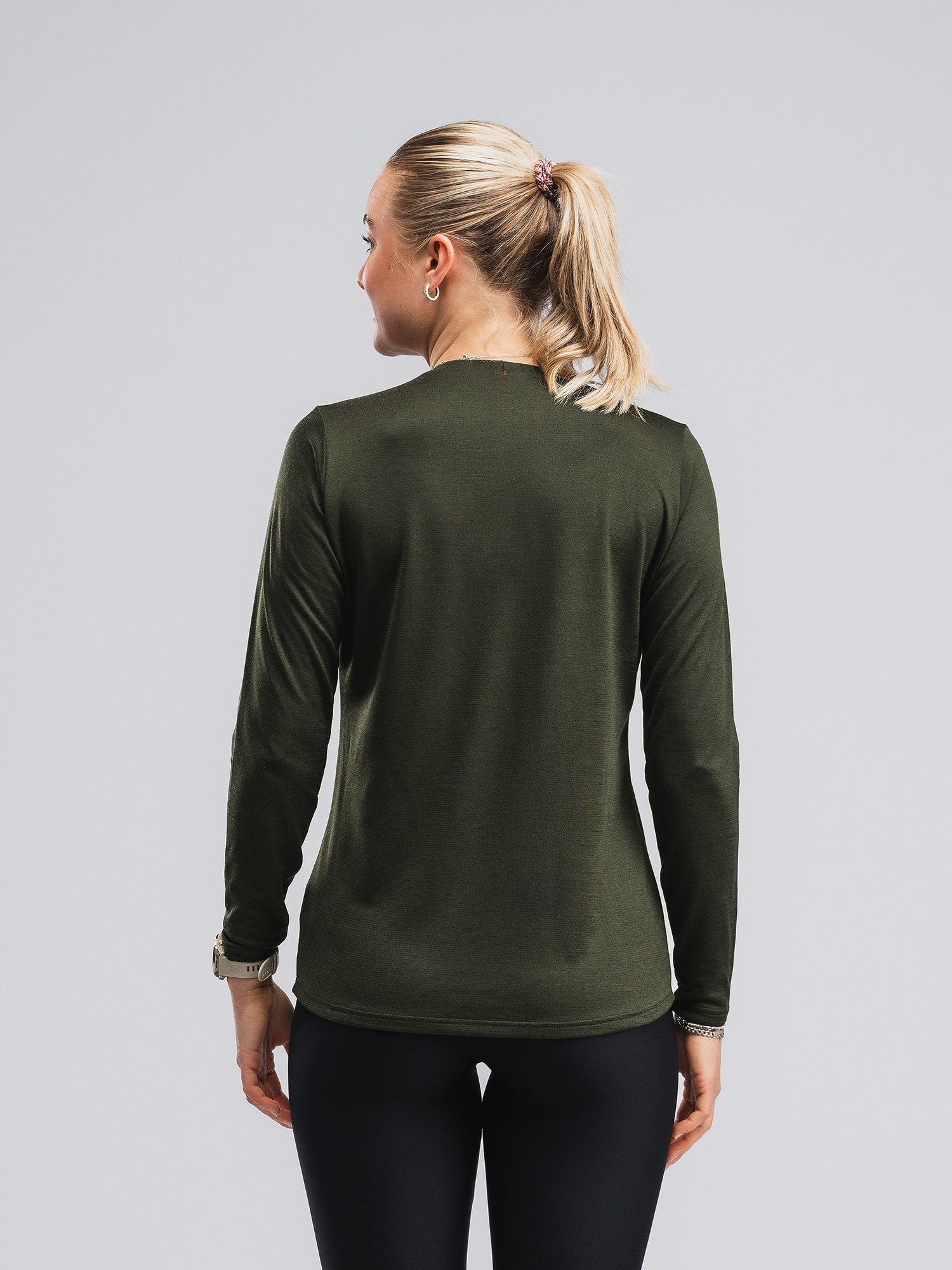
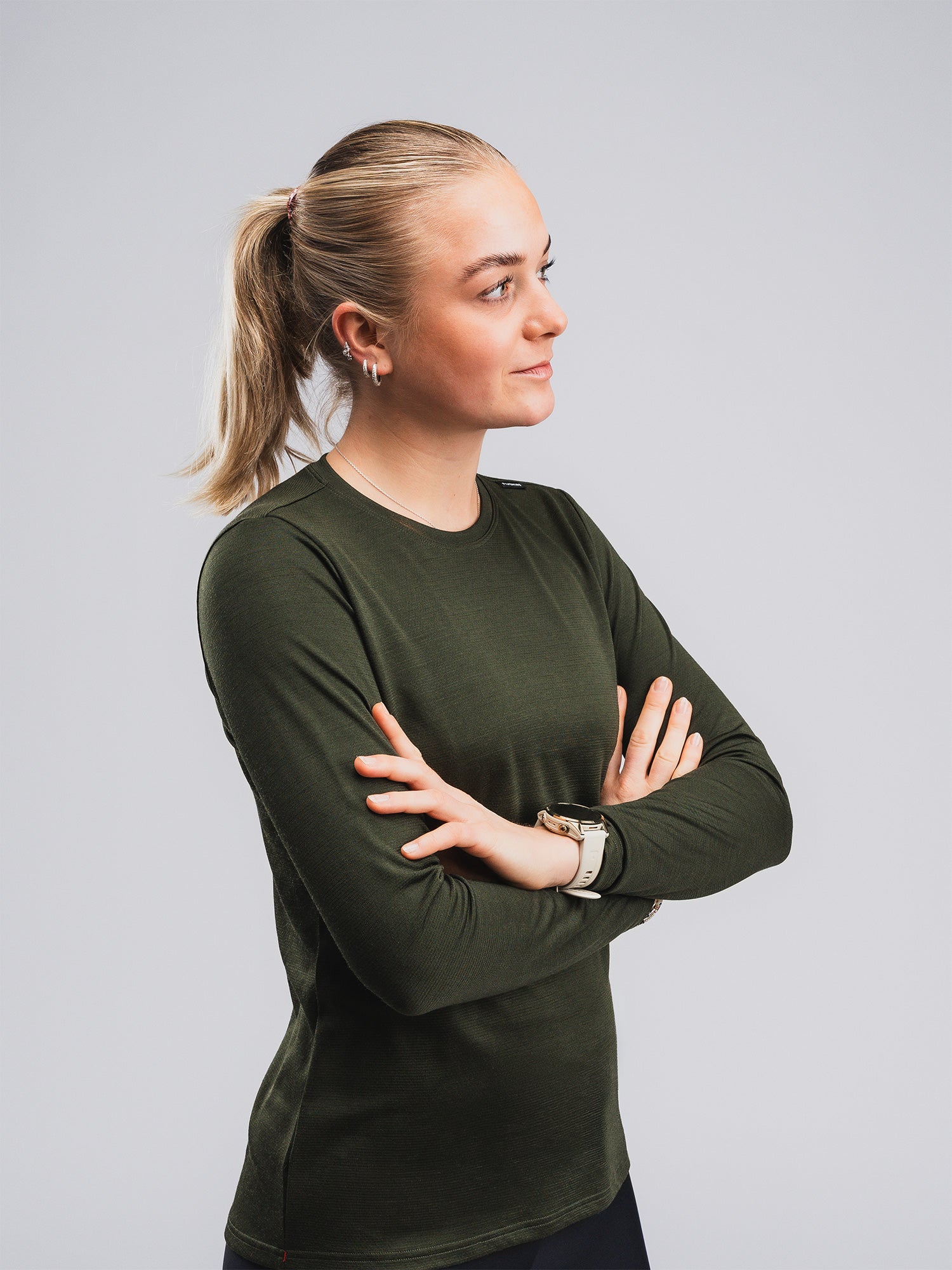

Blended merino-polyester top designed for round-the-clock comfort
€80

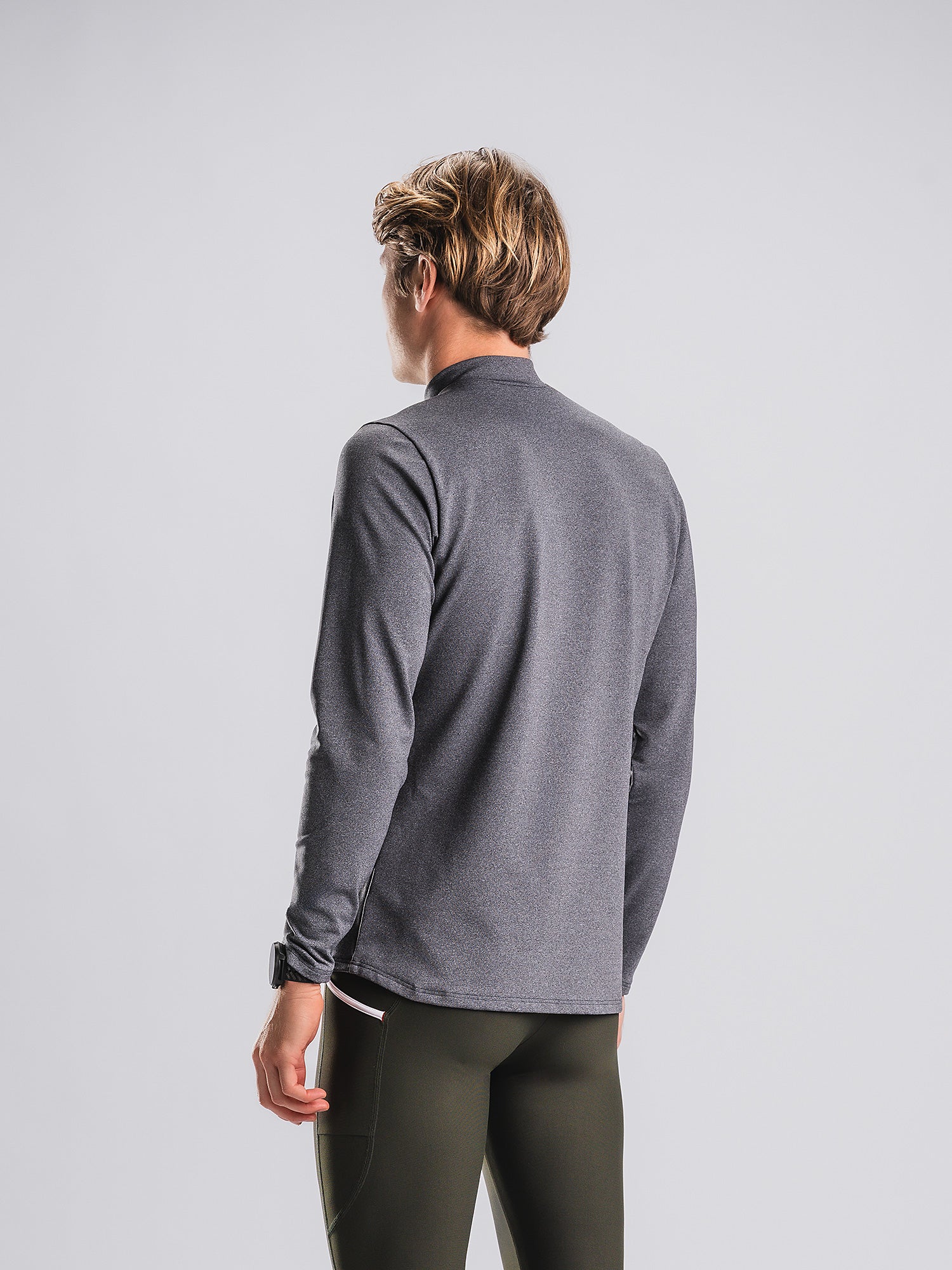


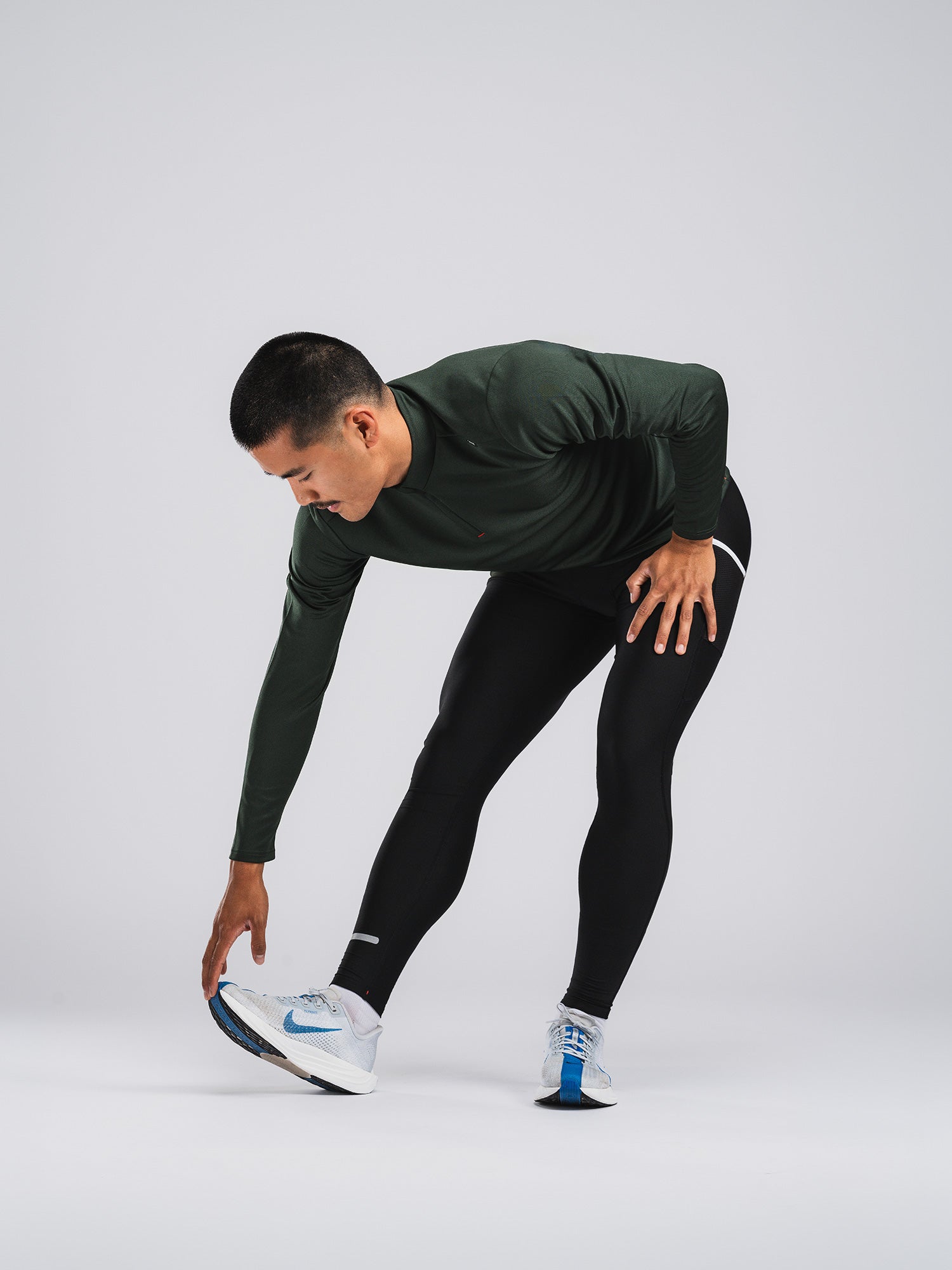
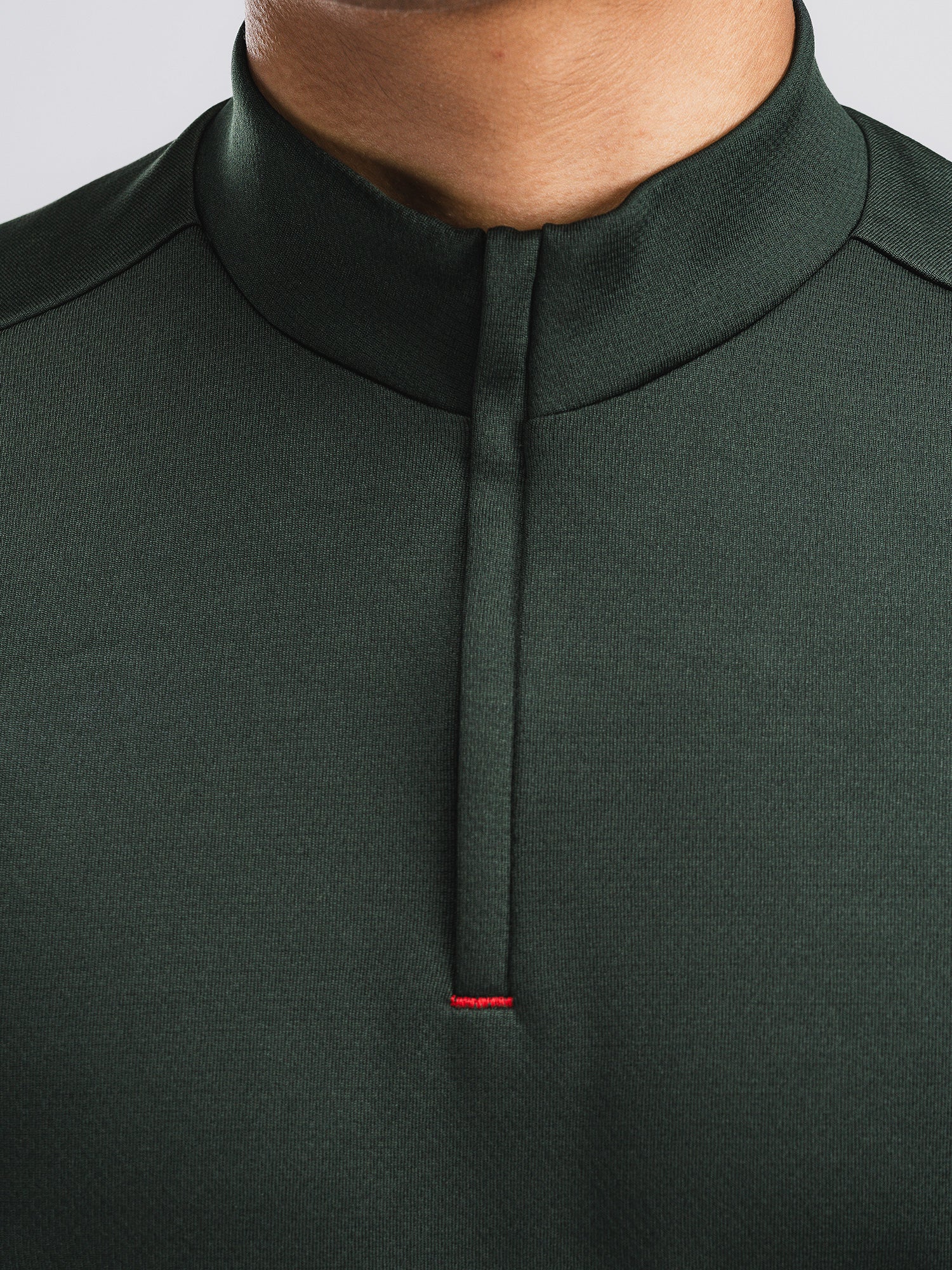
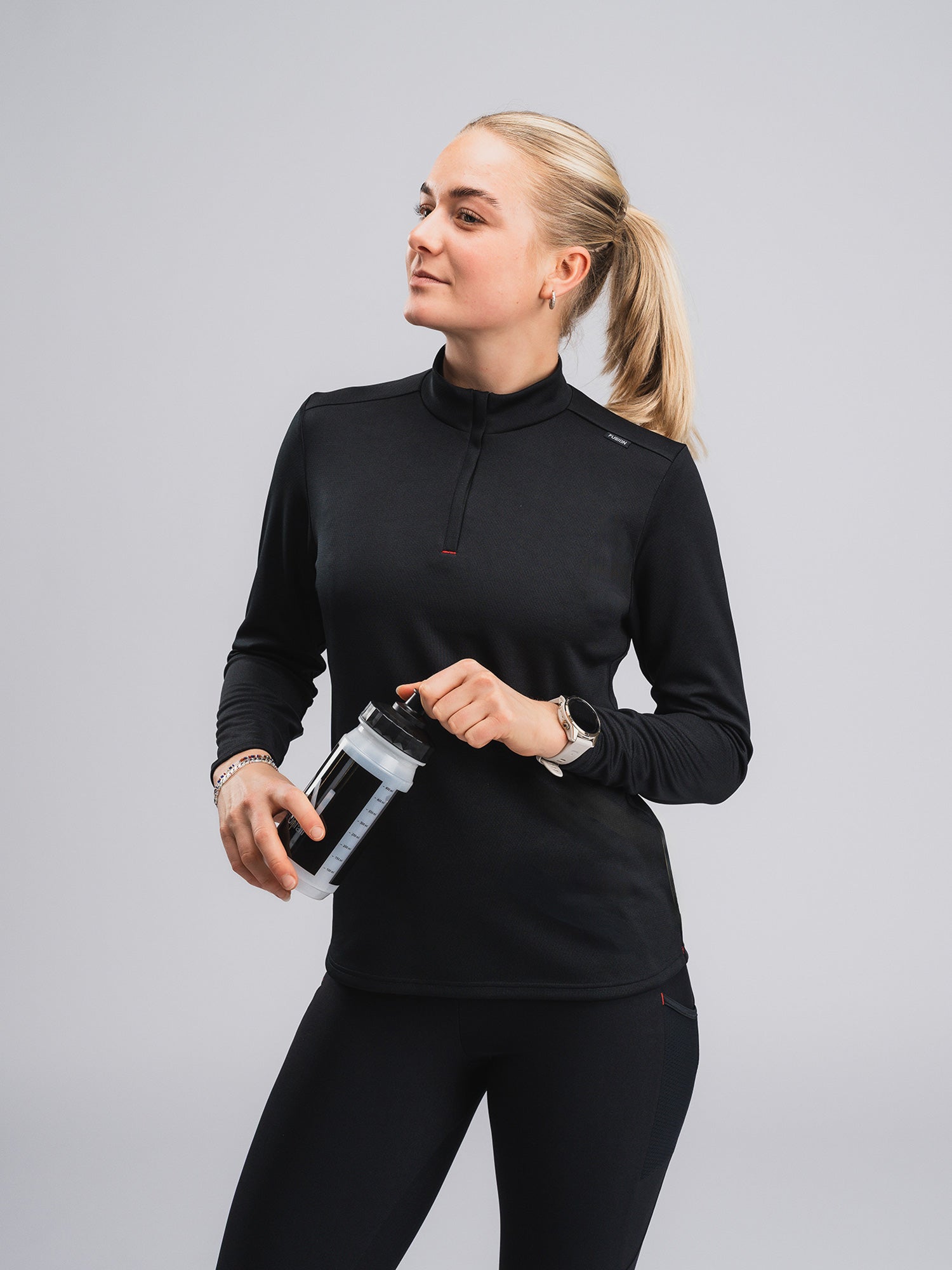
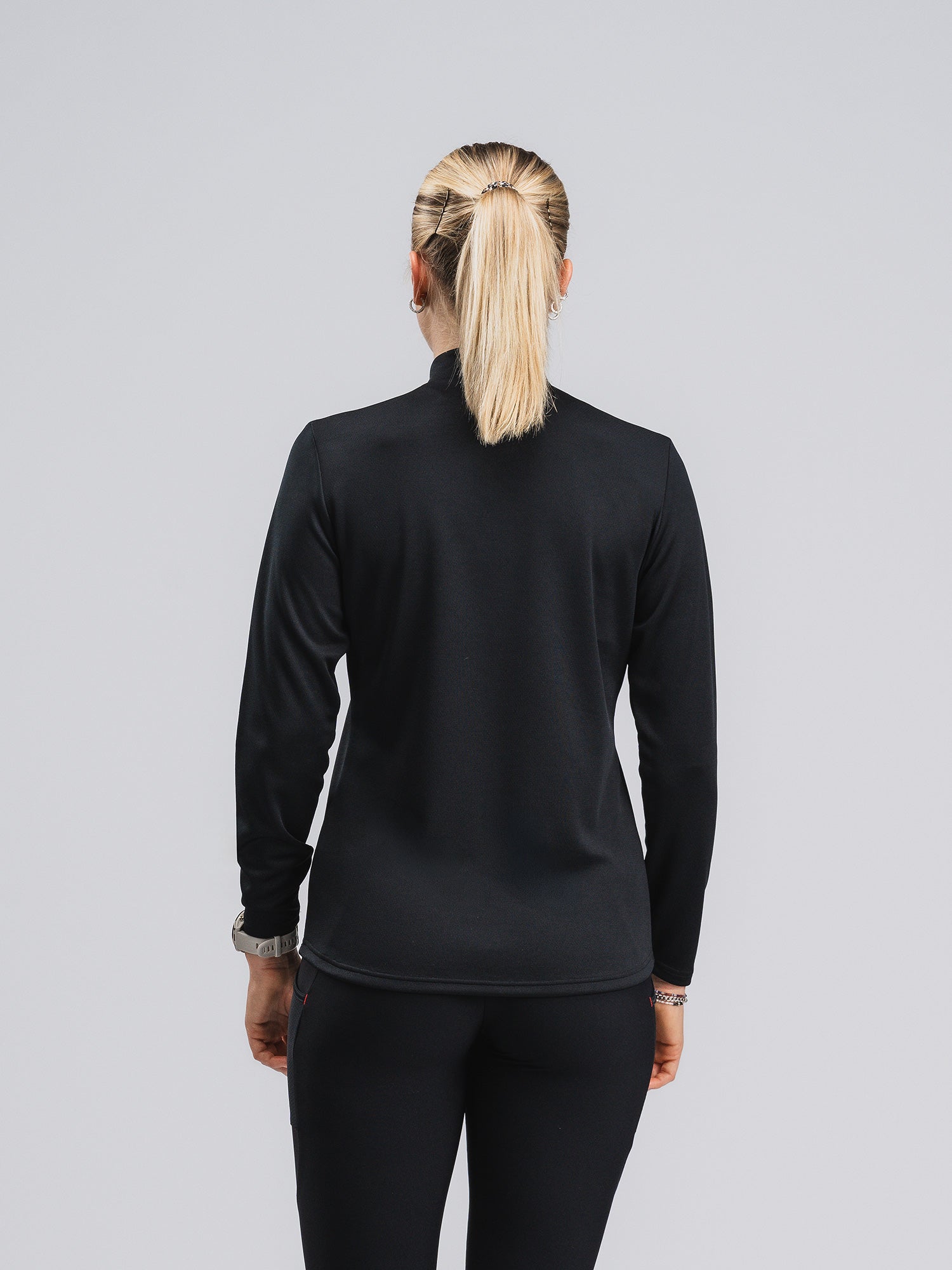
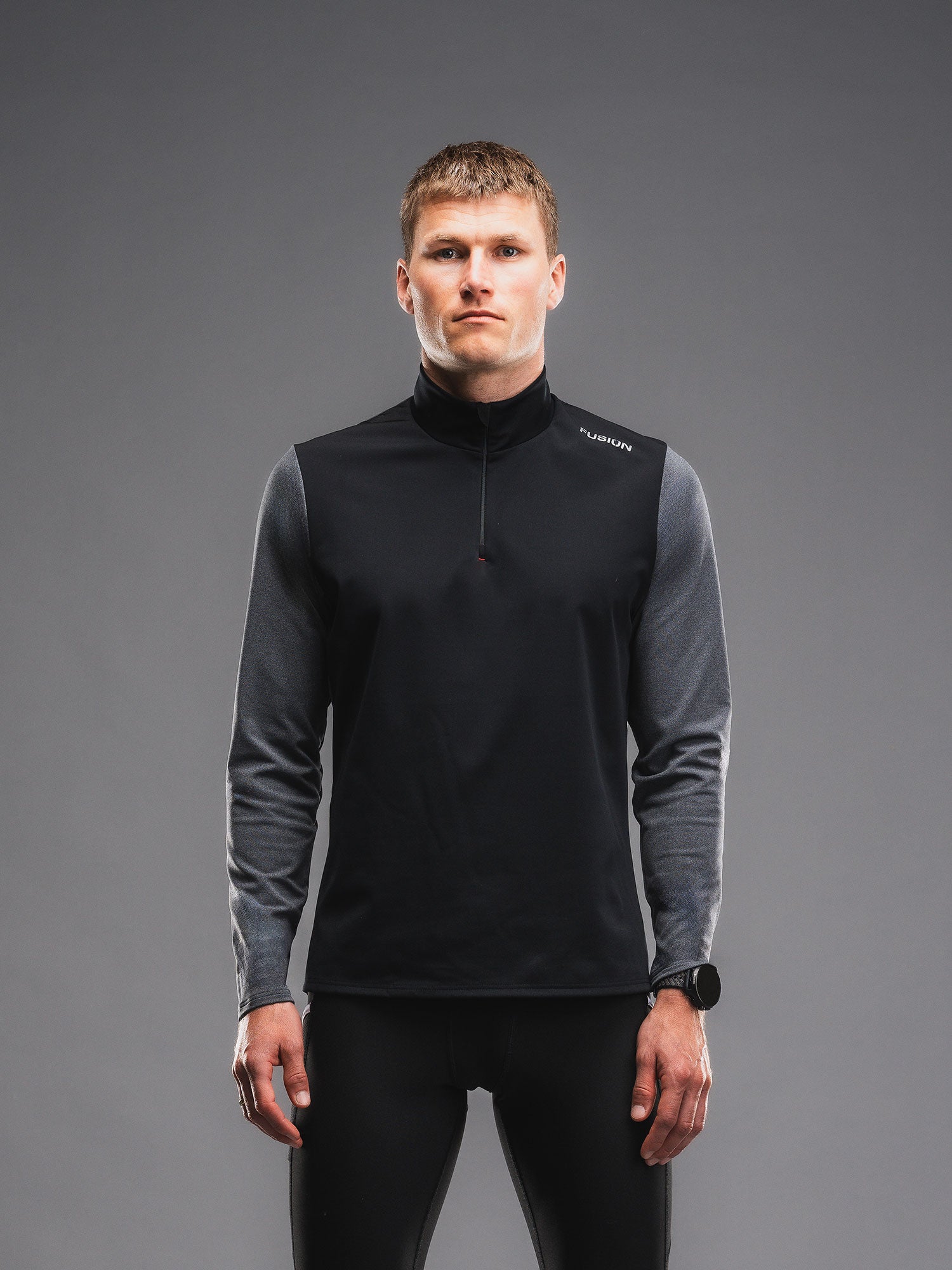
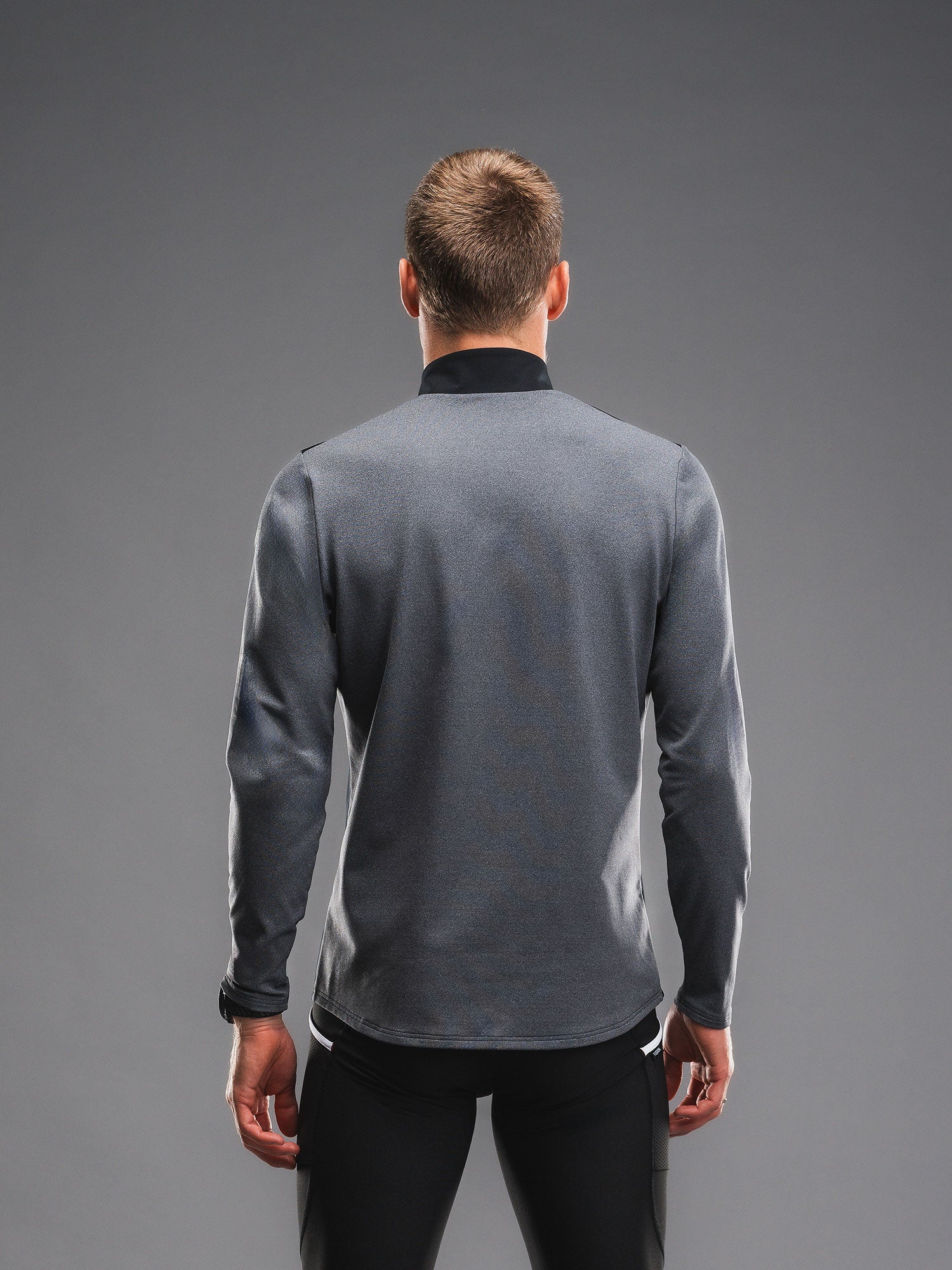
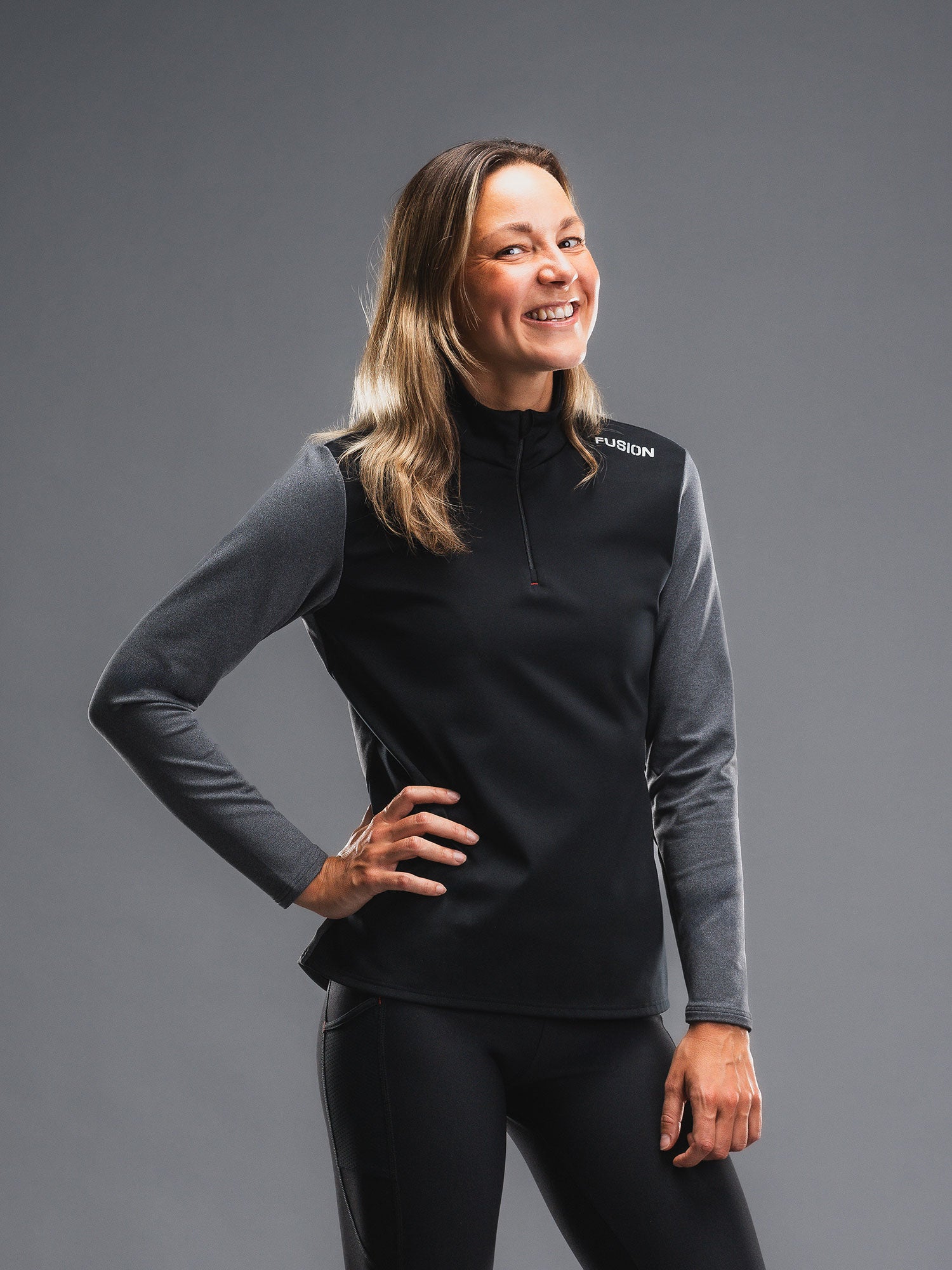
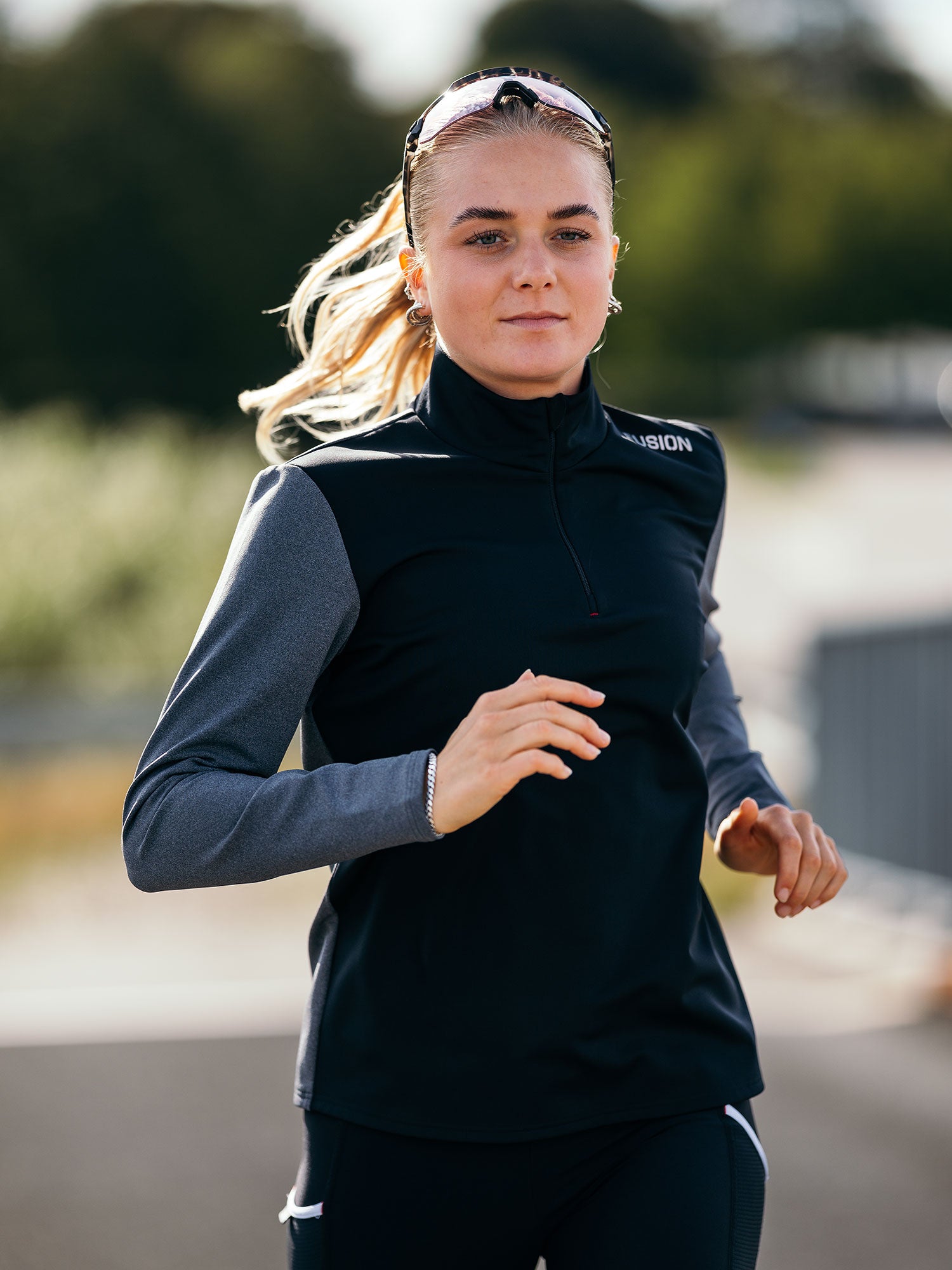
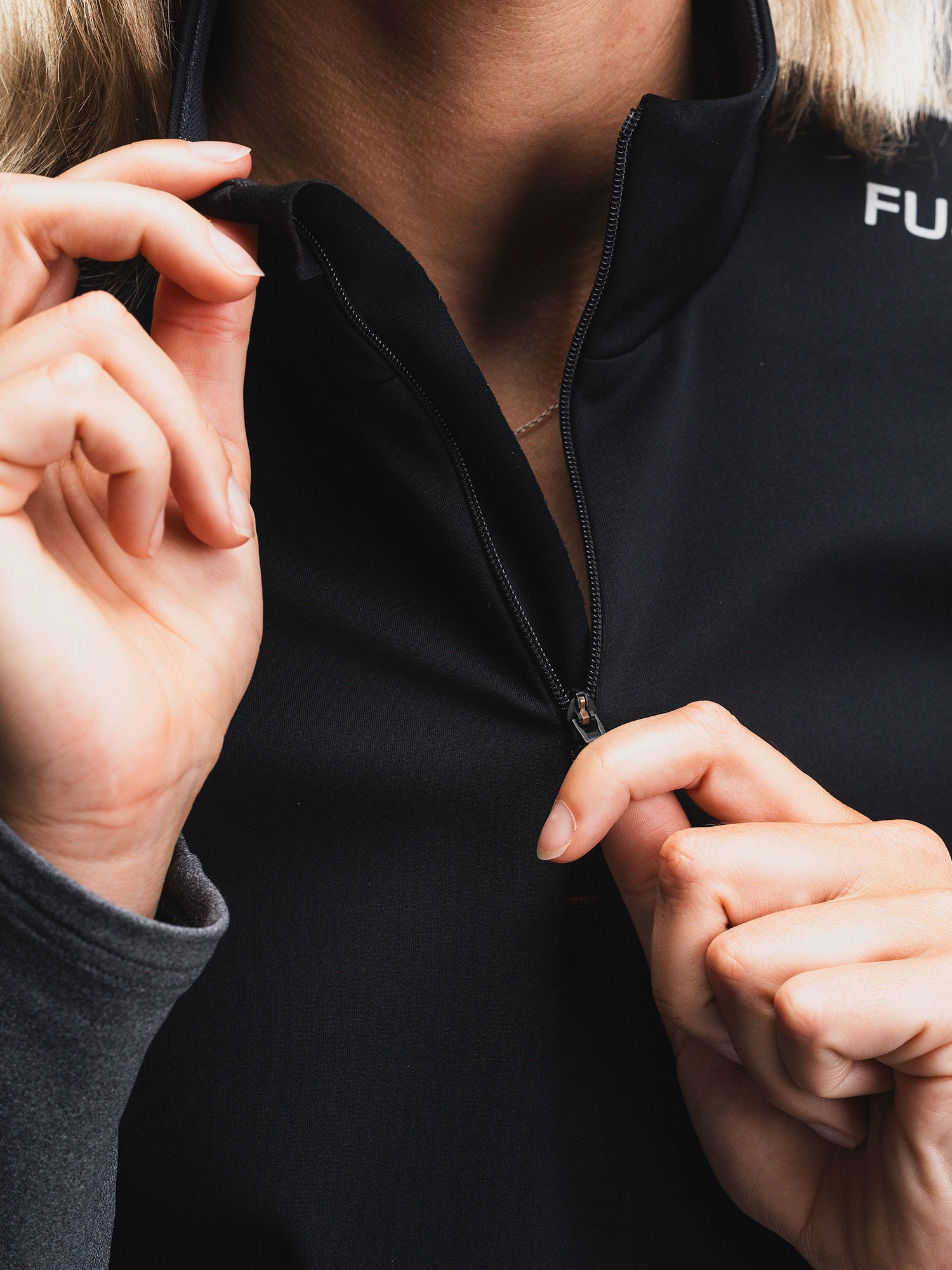
5–15 °C – 2-sided technical fabric with moisture-wicking inner and insulating outer
€95


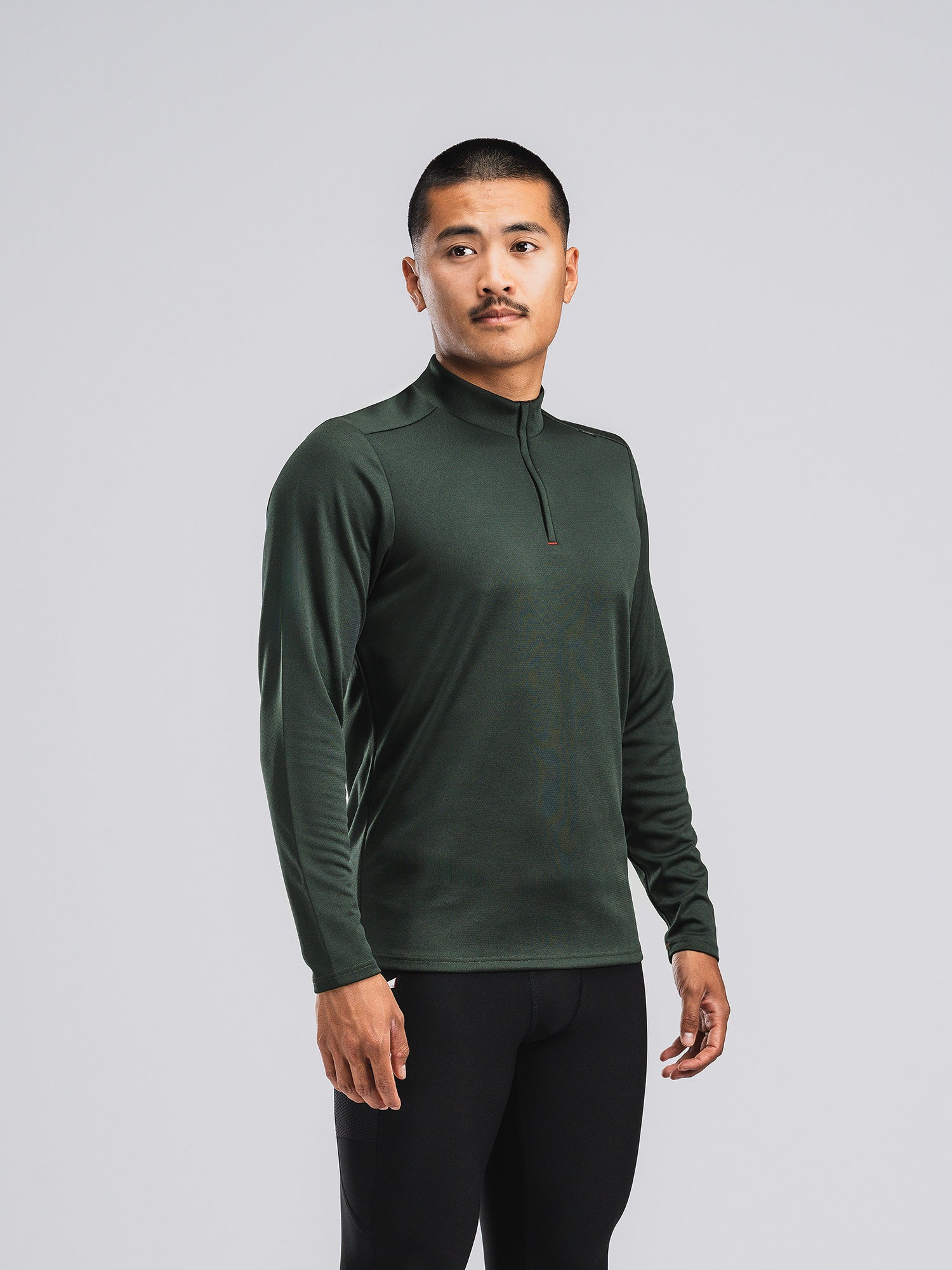
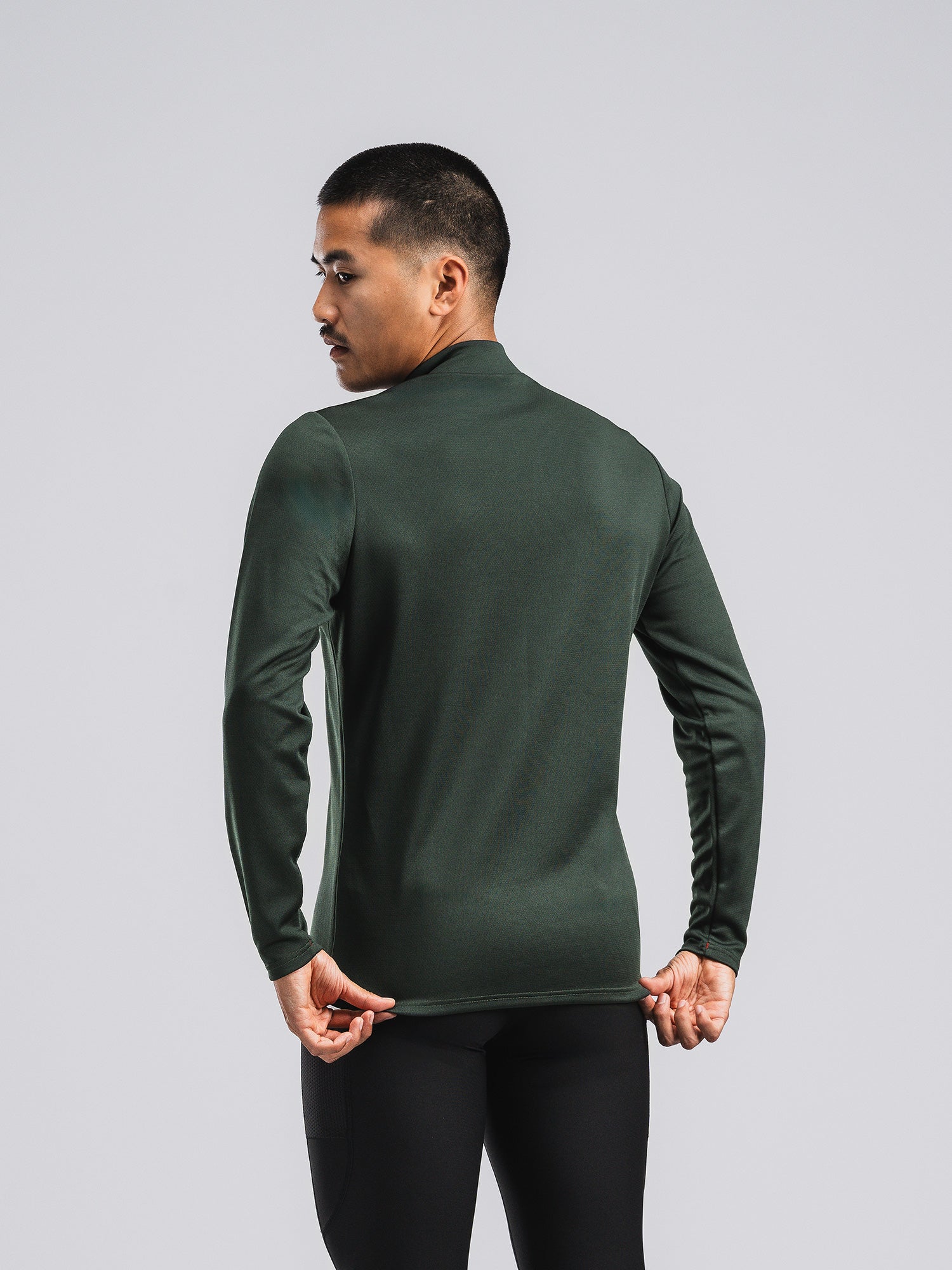

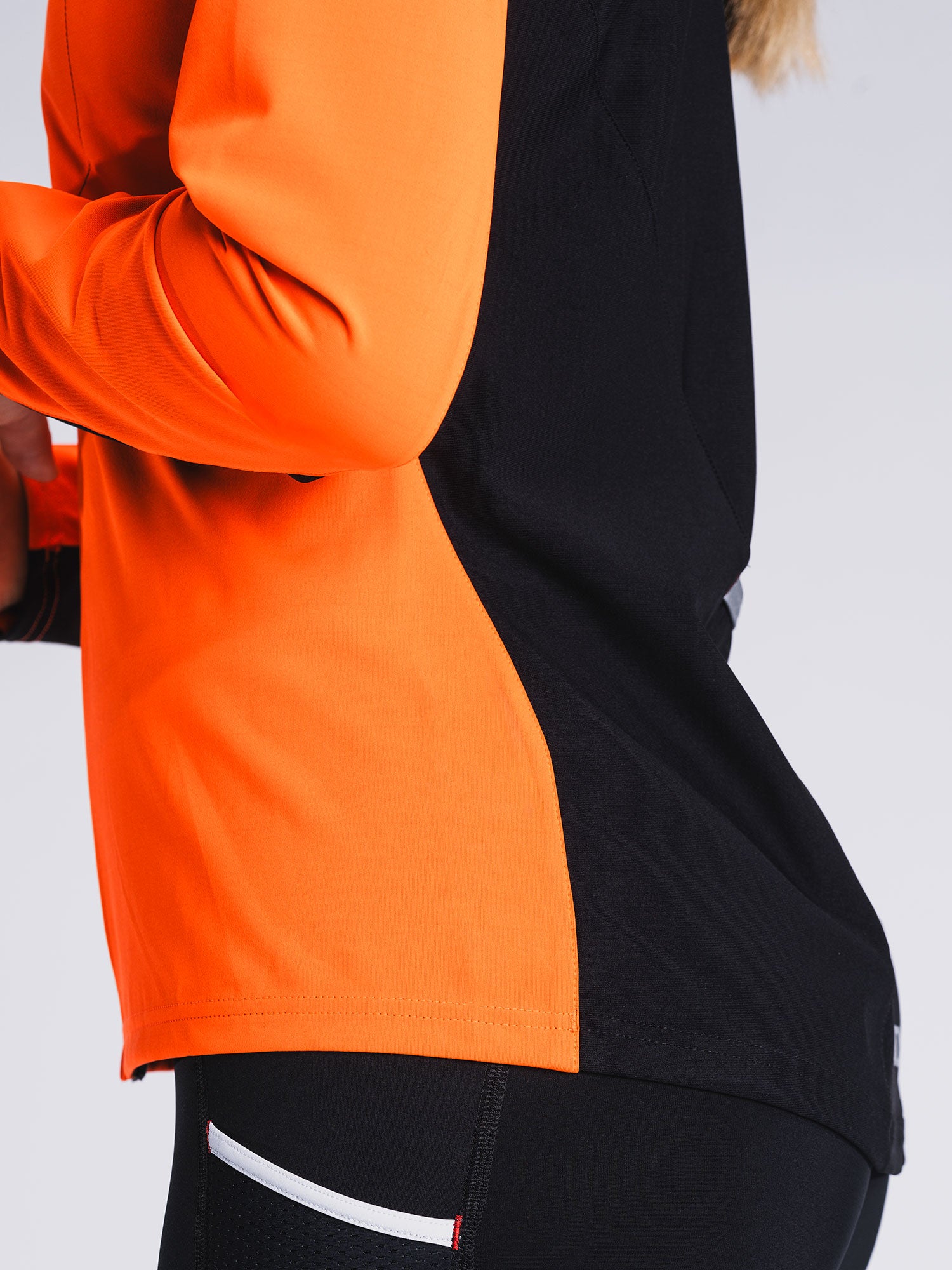
Next generation of technical protection for running in unstable weather and low temperatures.
€210
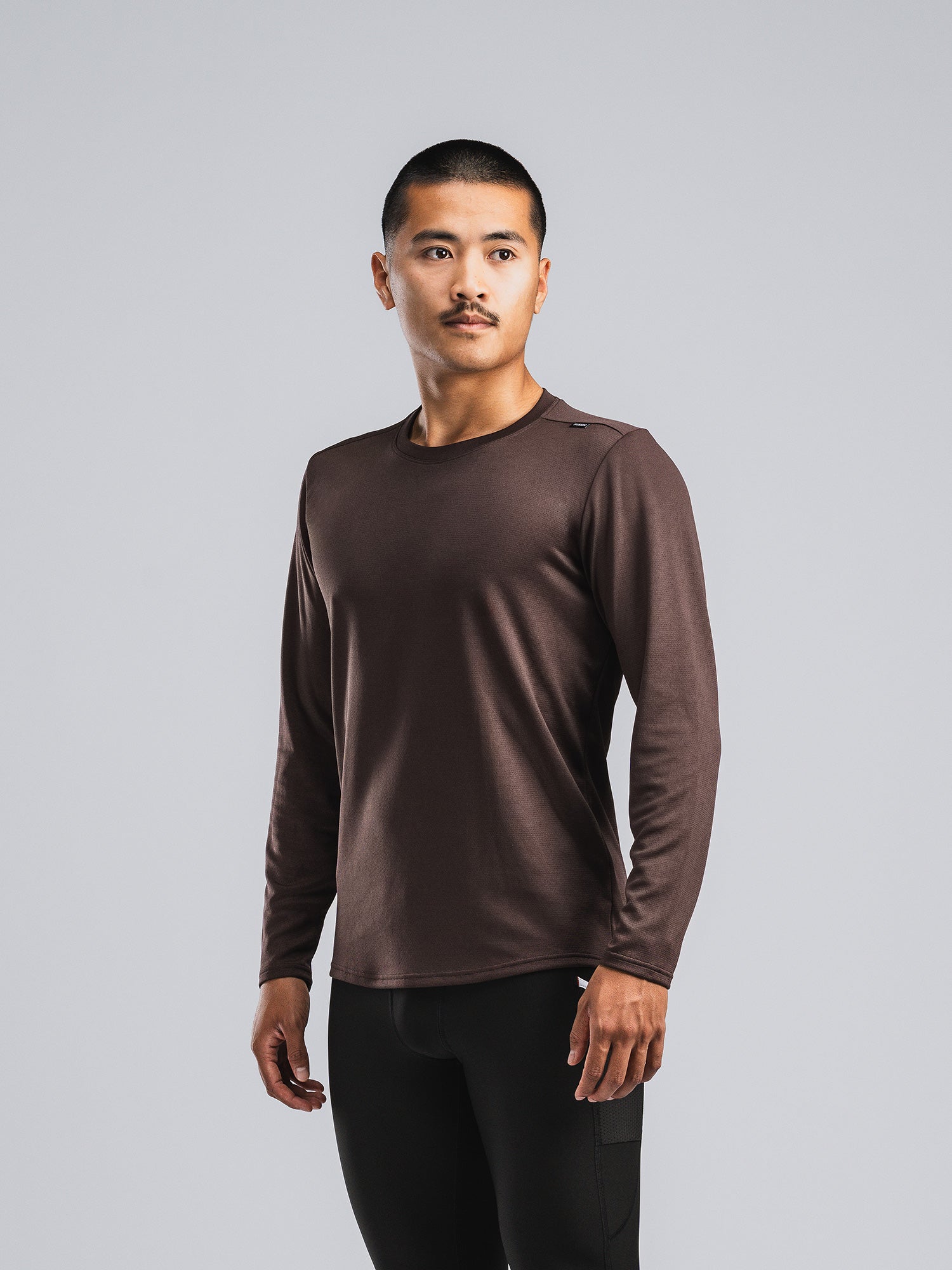
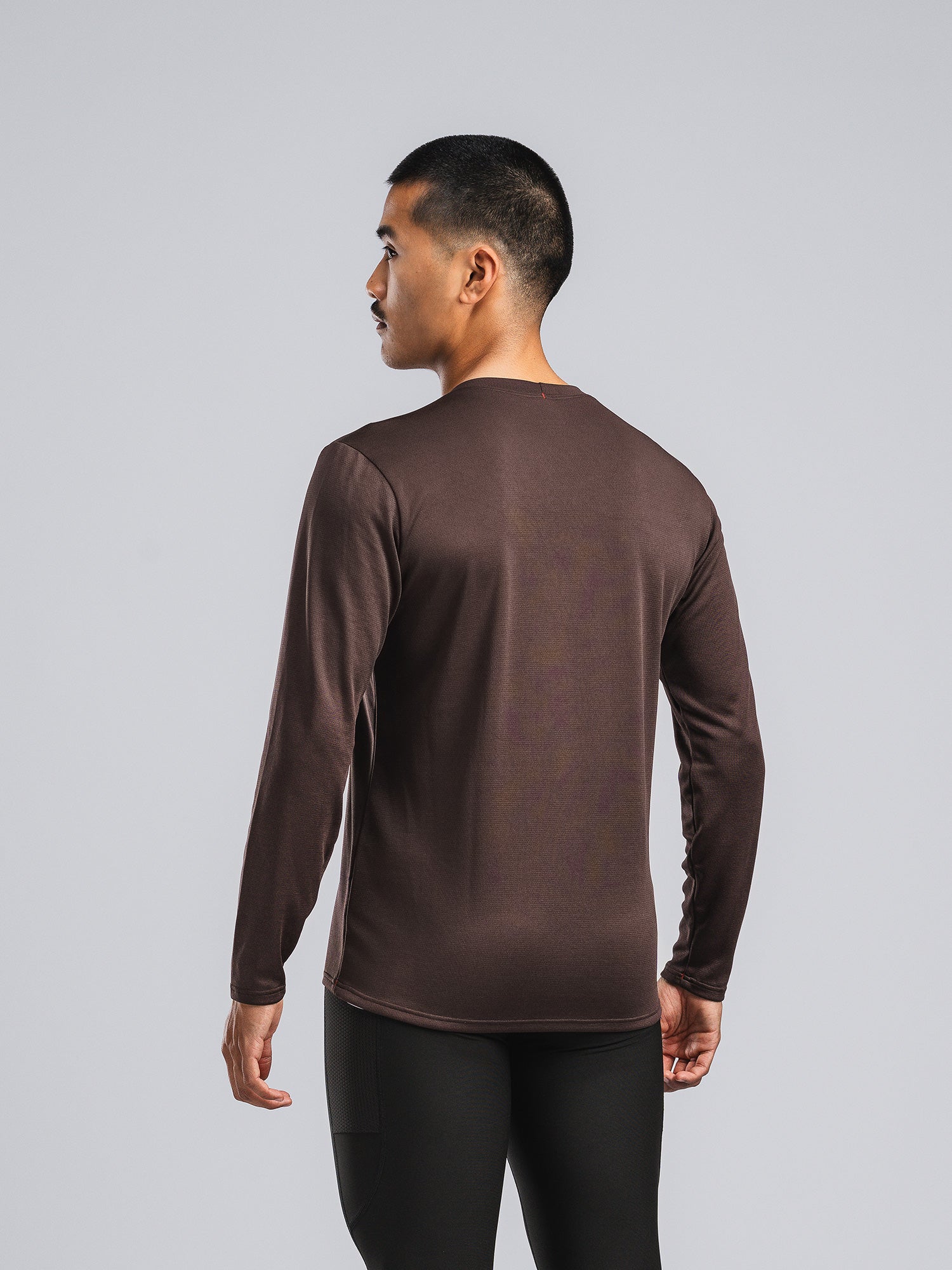
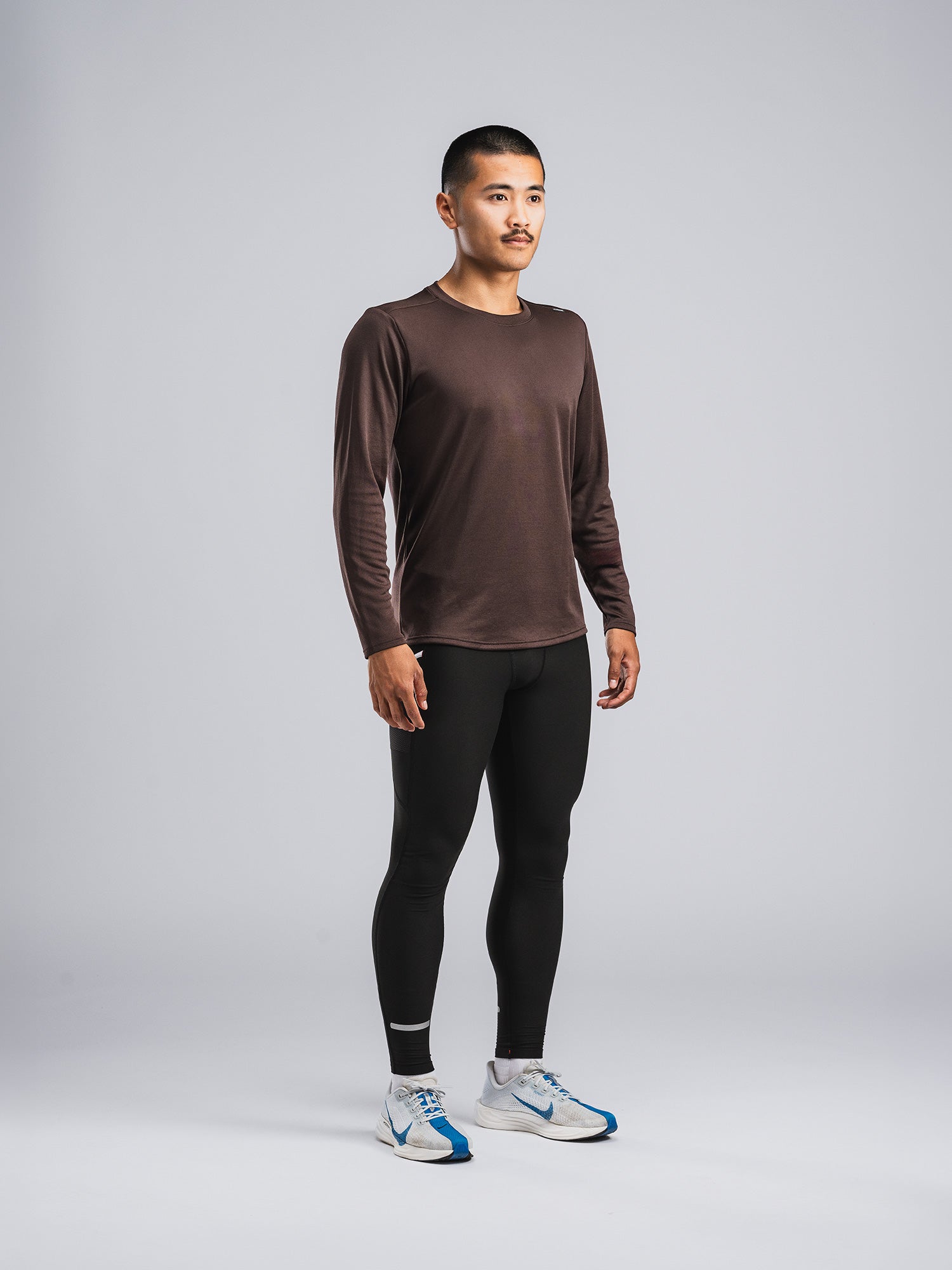
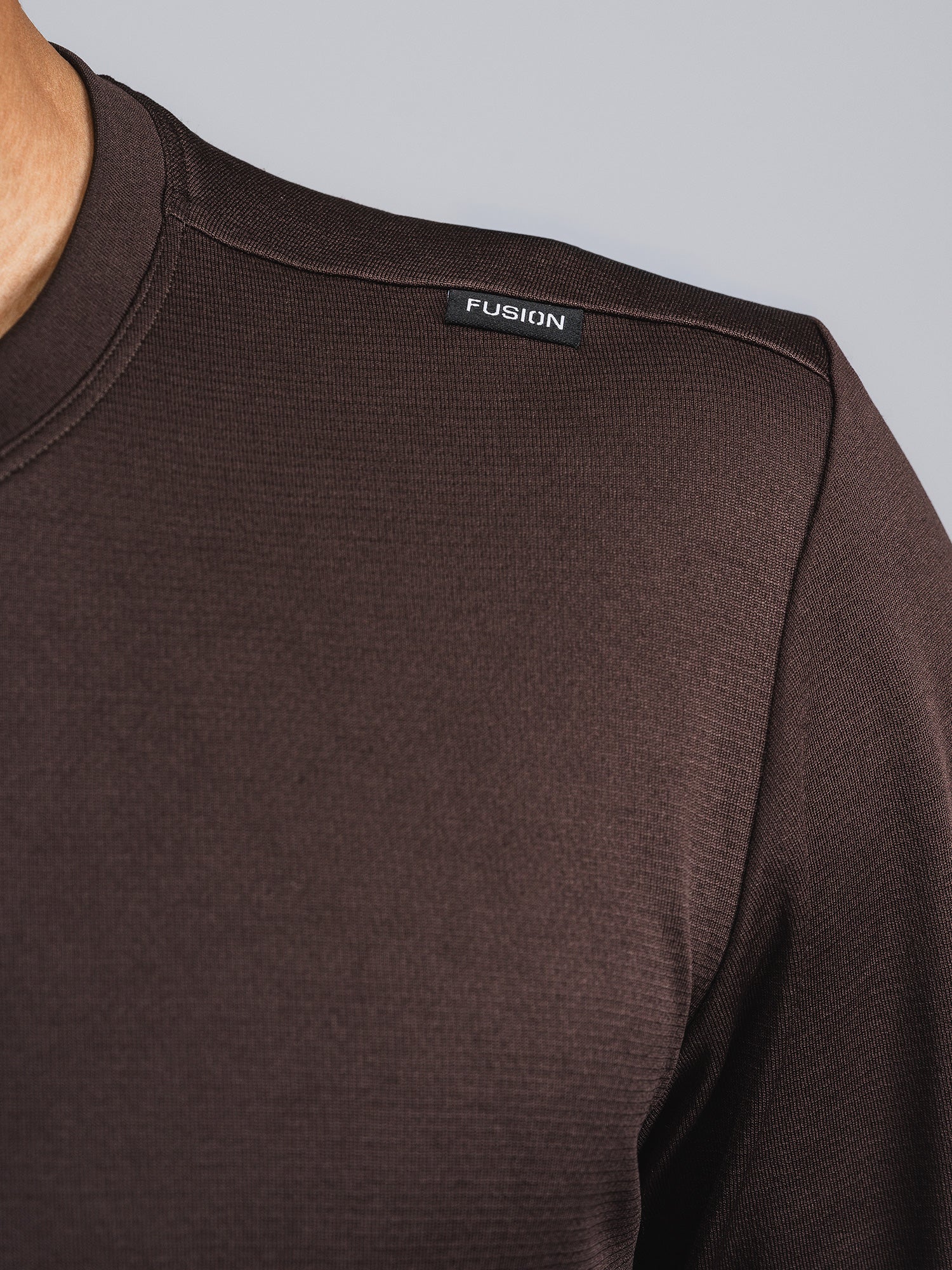
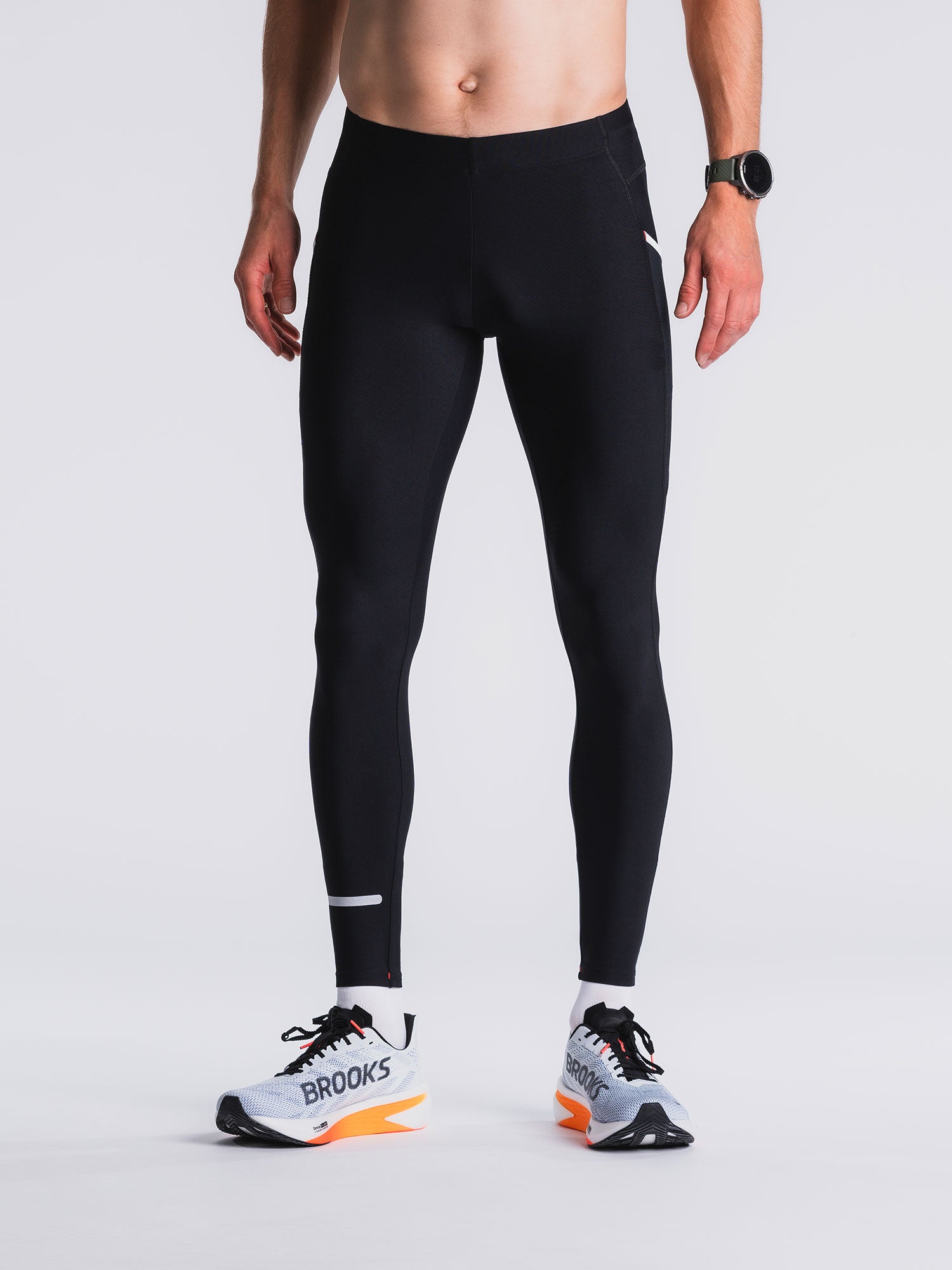
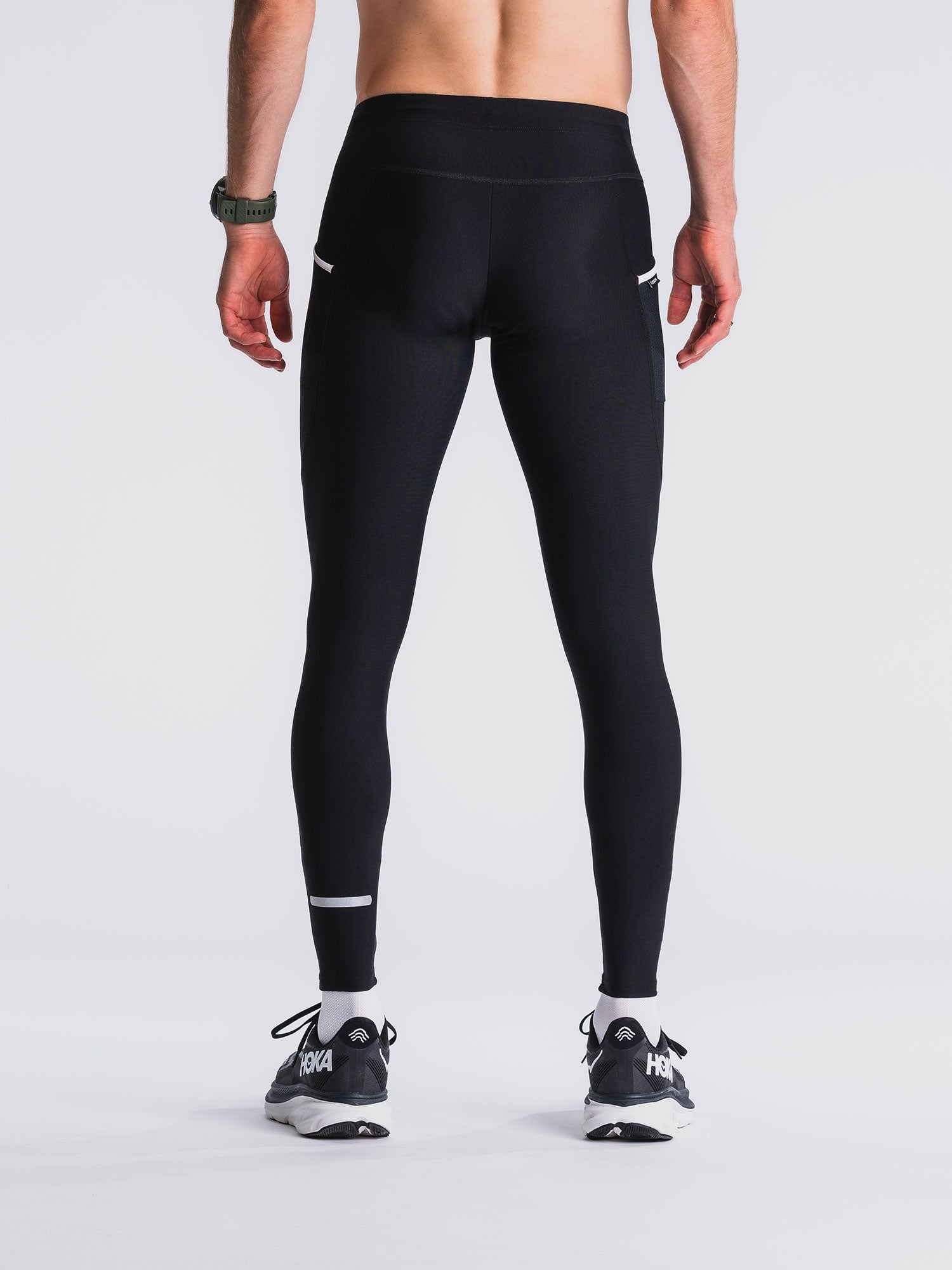

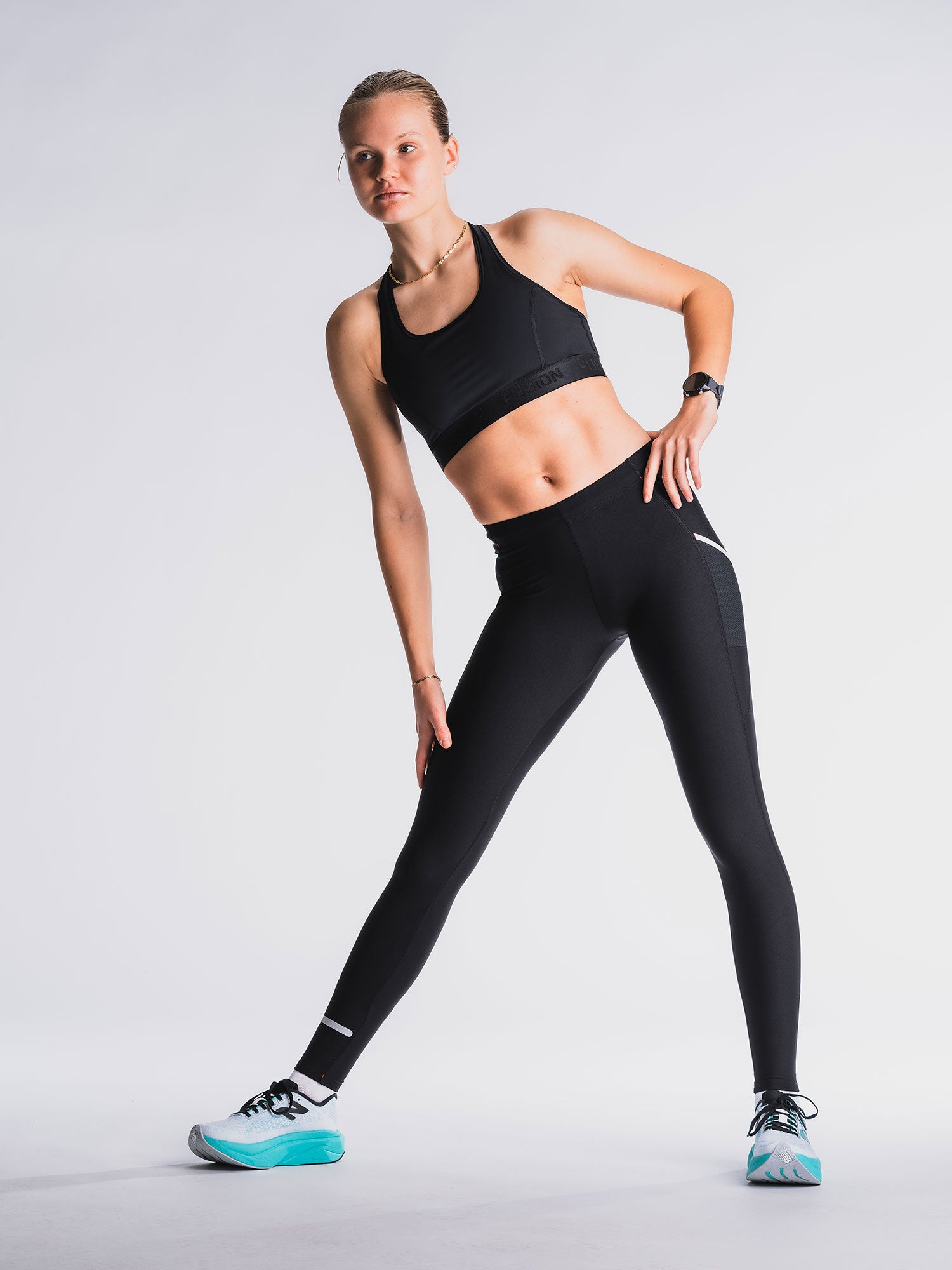
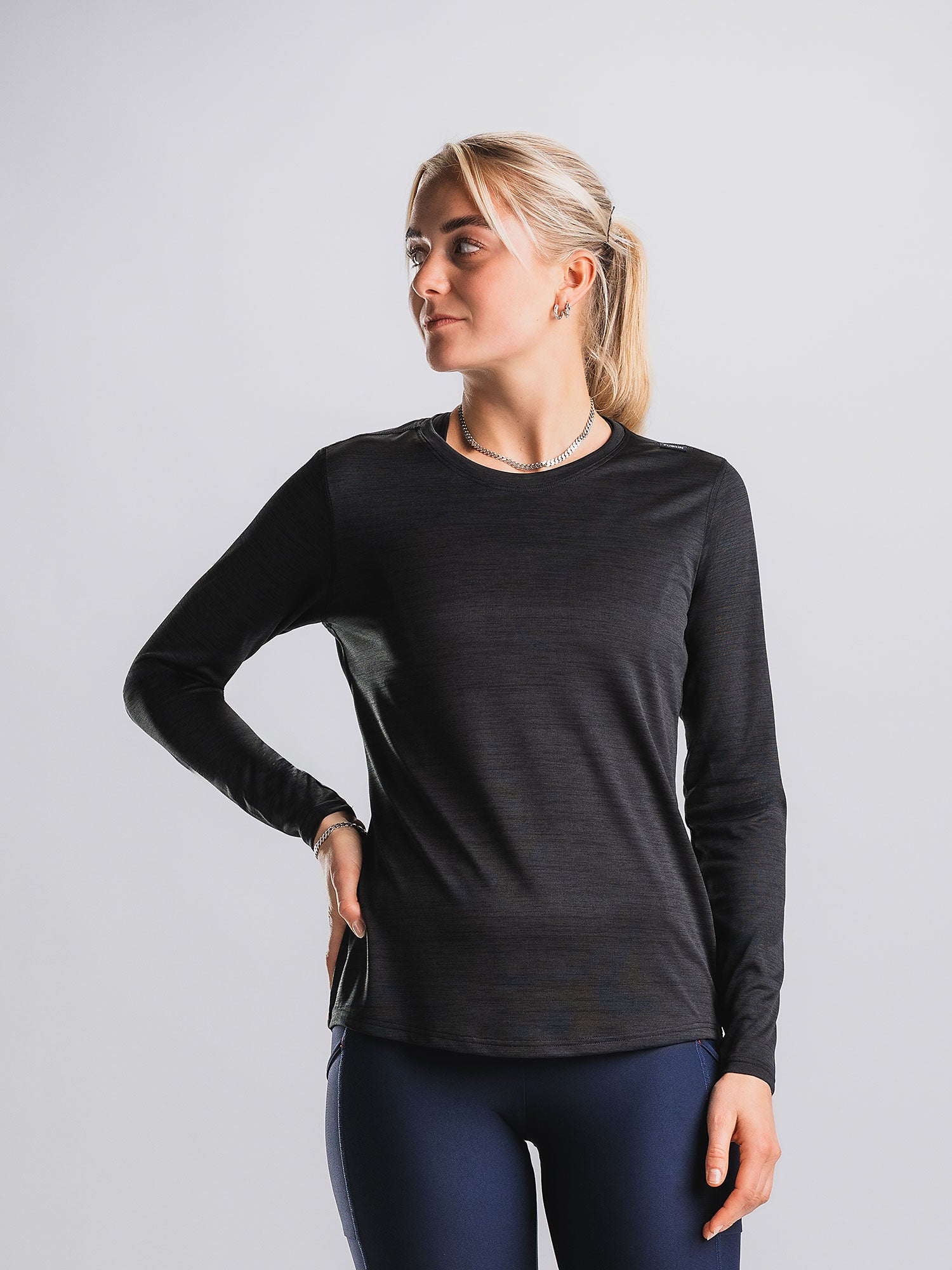


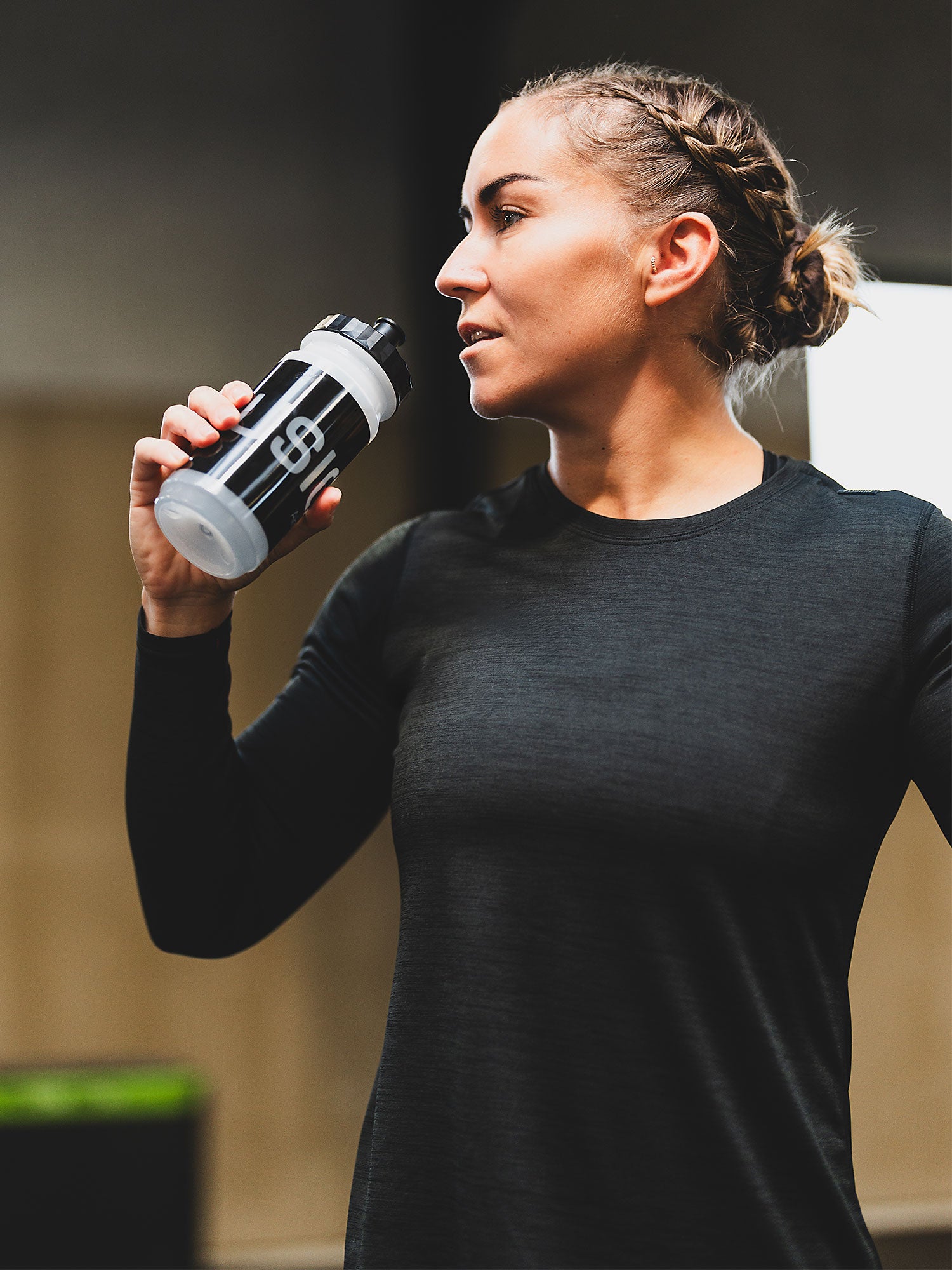
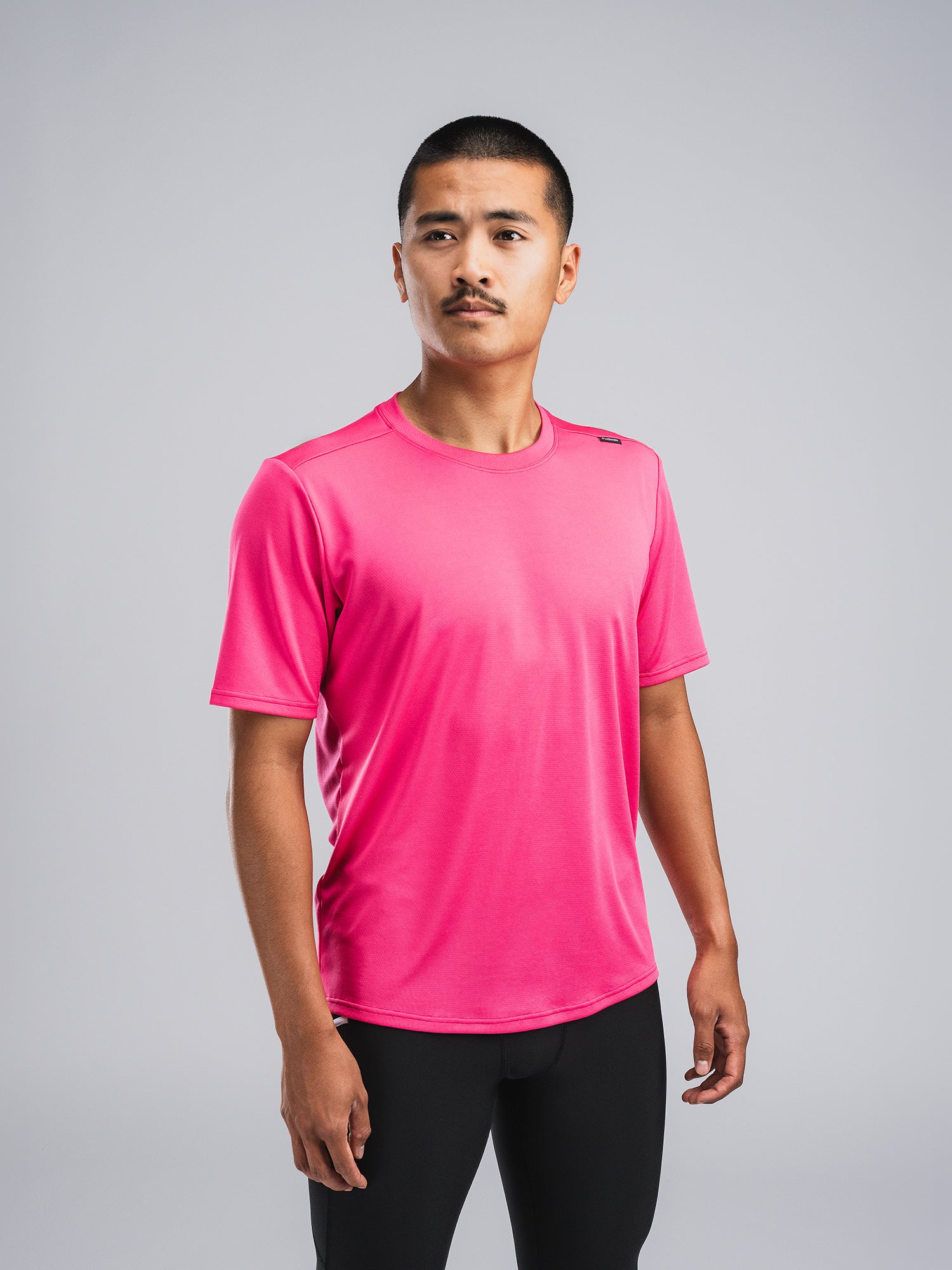
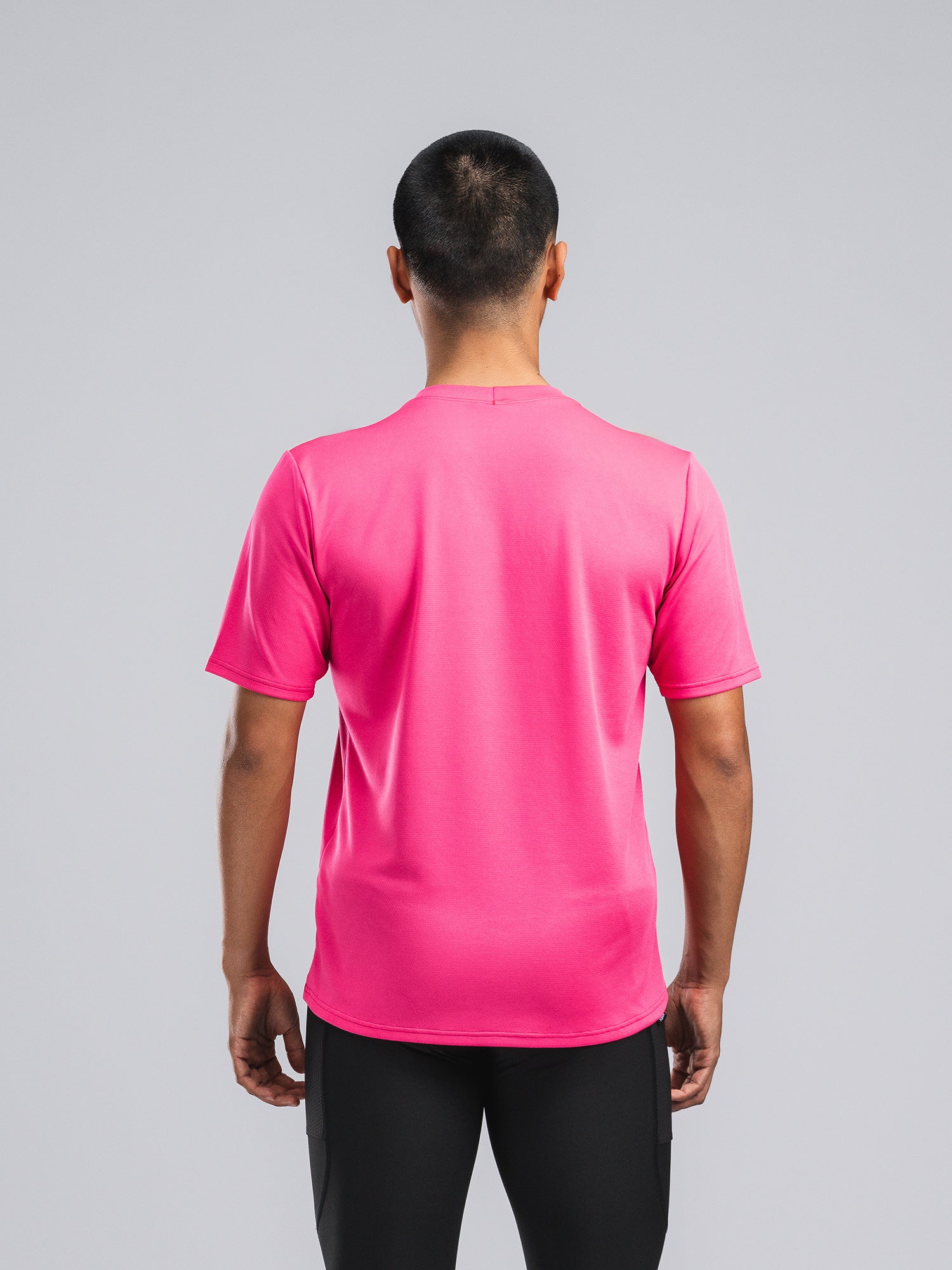
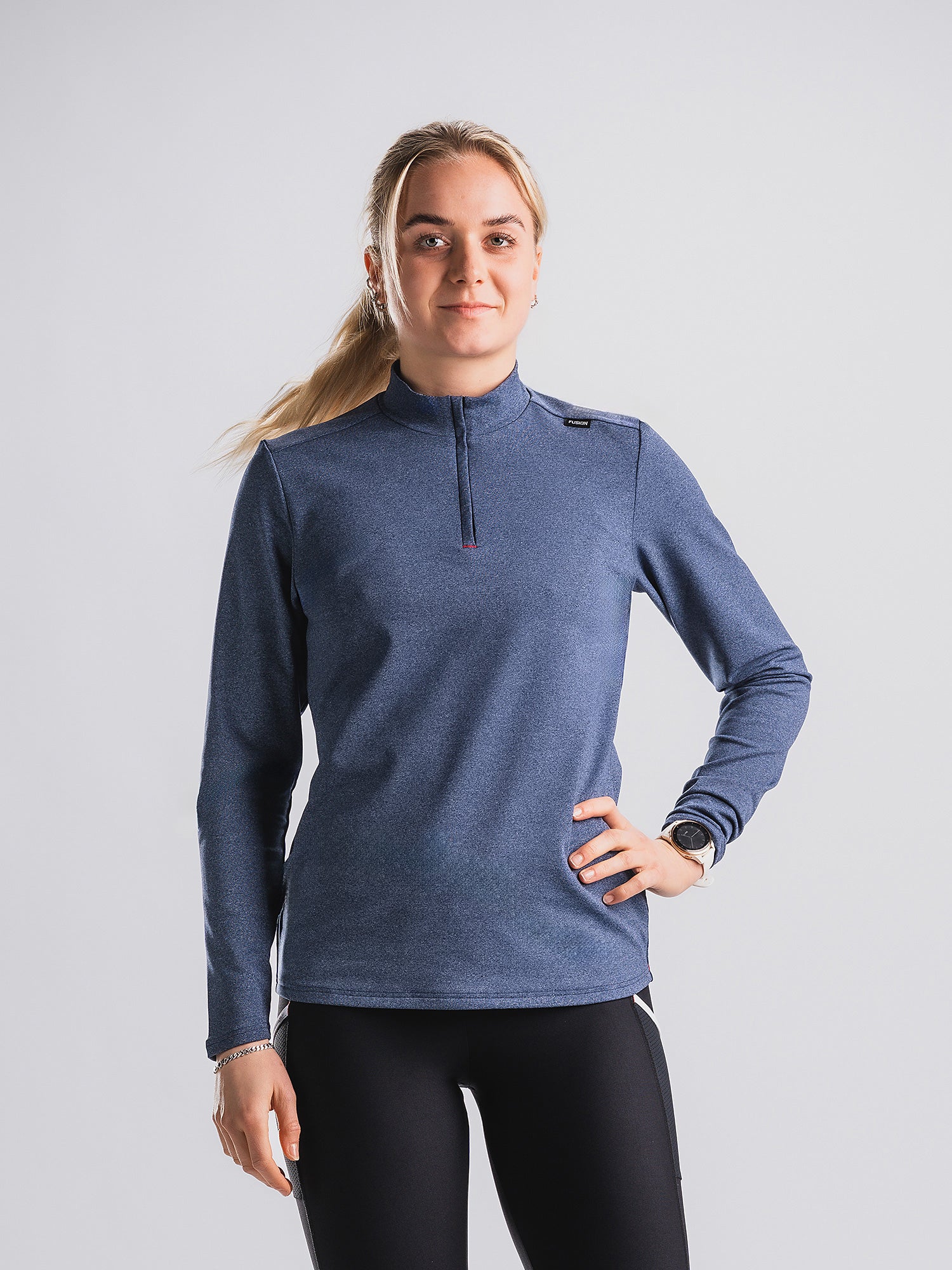
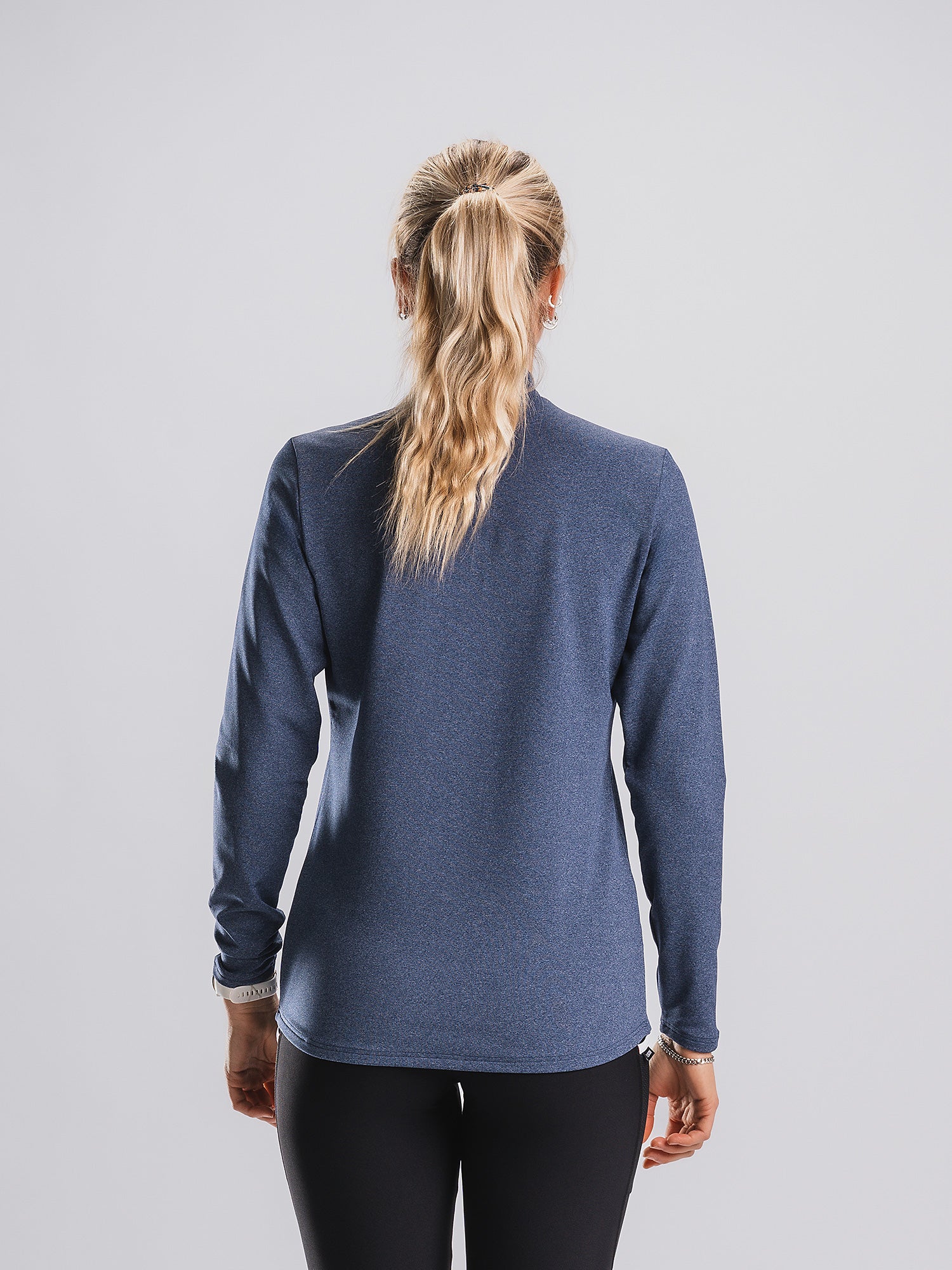
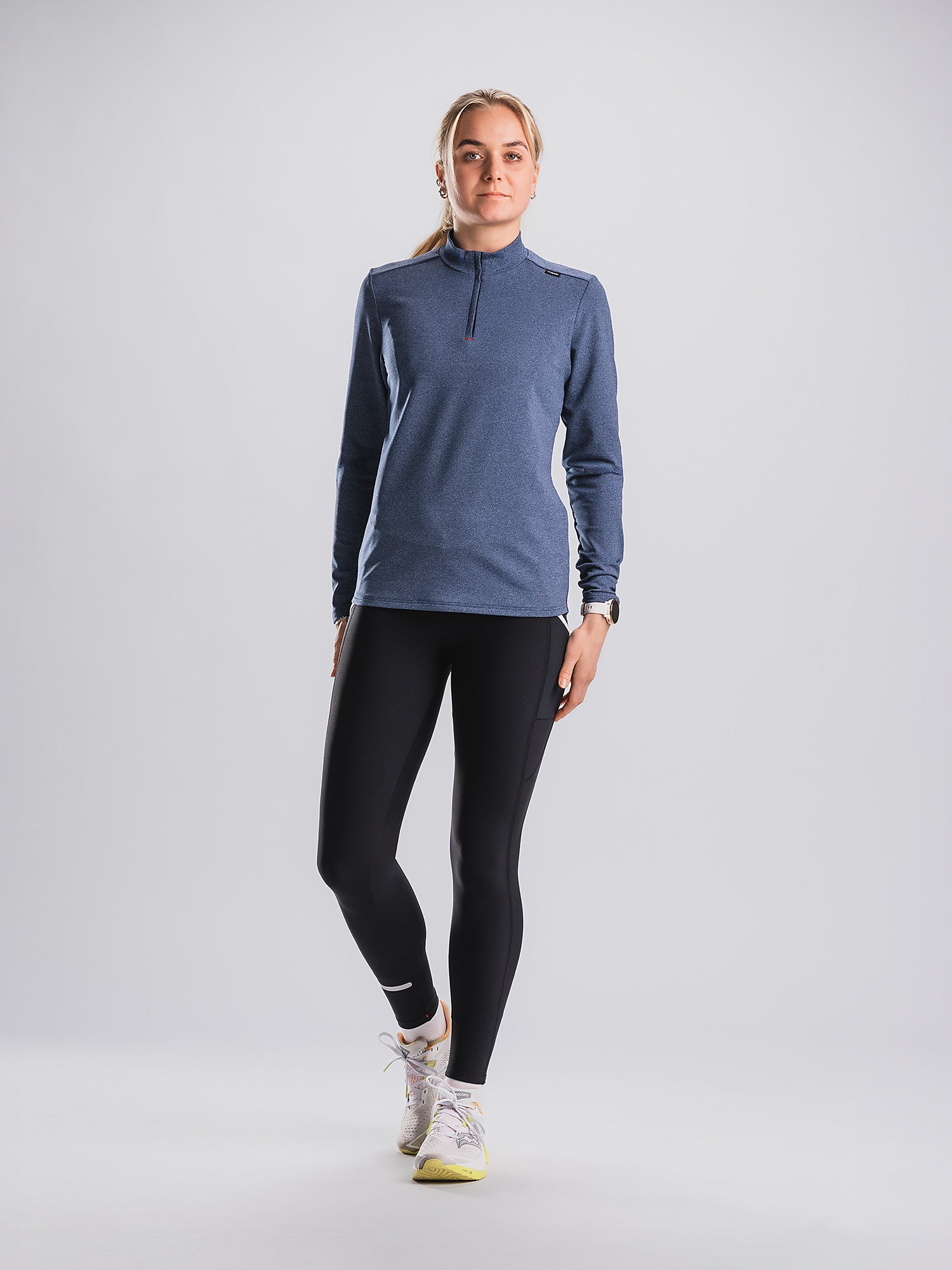
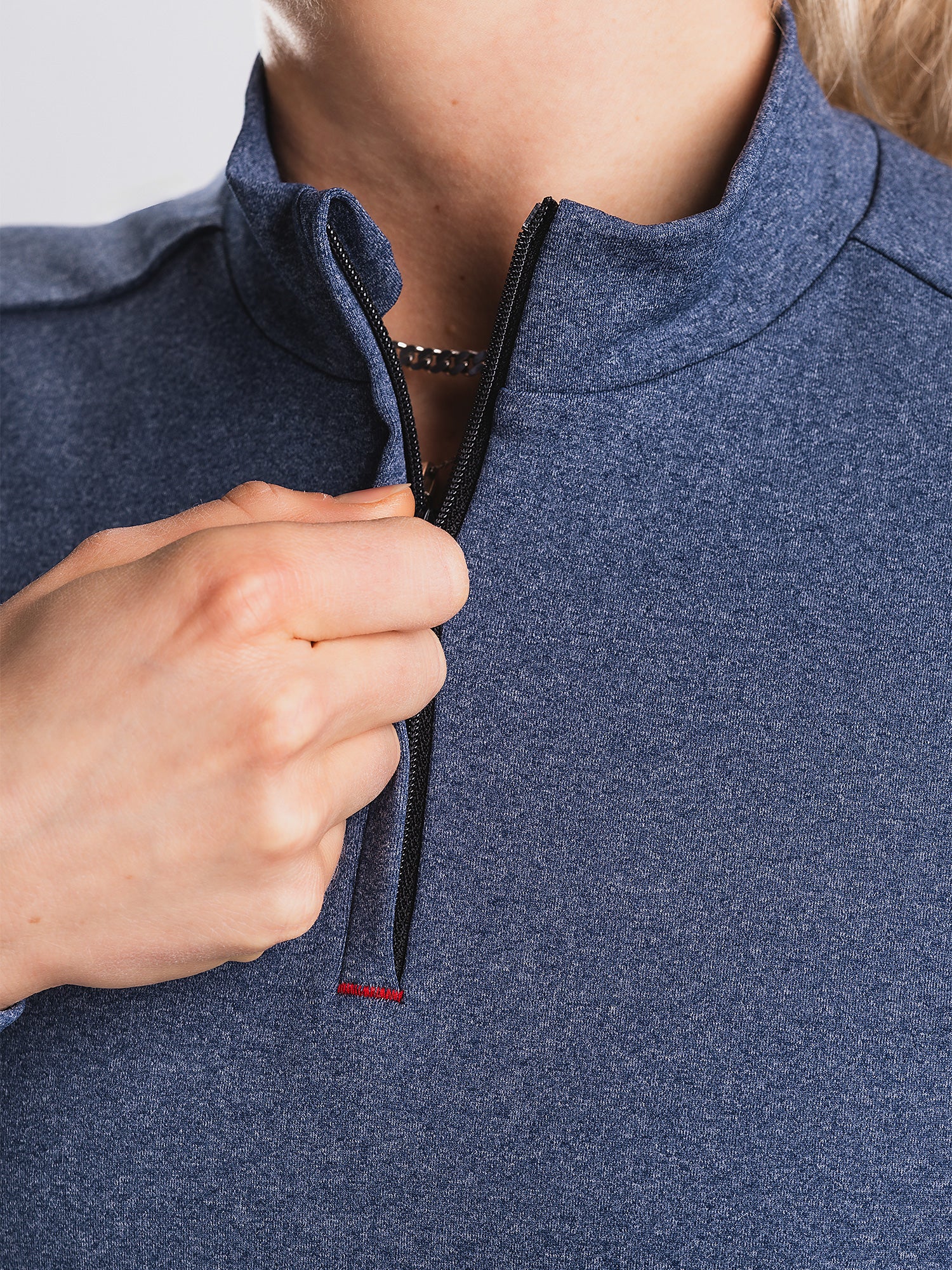
5–15 °C – 2-sided technical fabric with moisture-wicking inner and insulating outer
€95


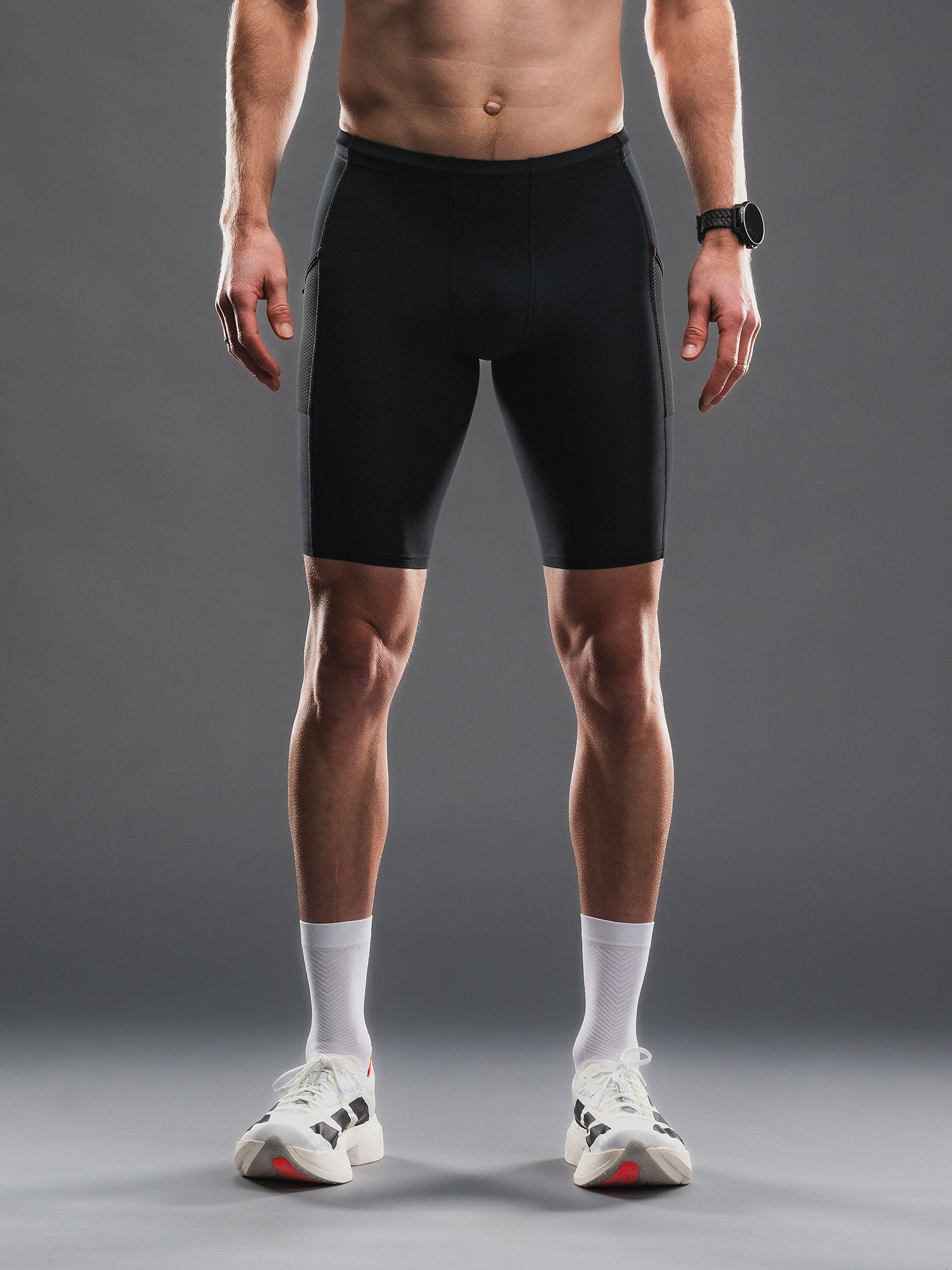
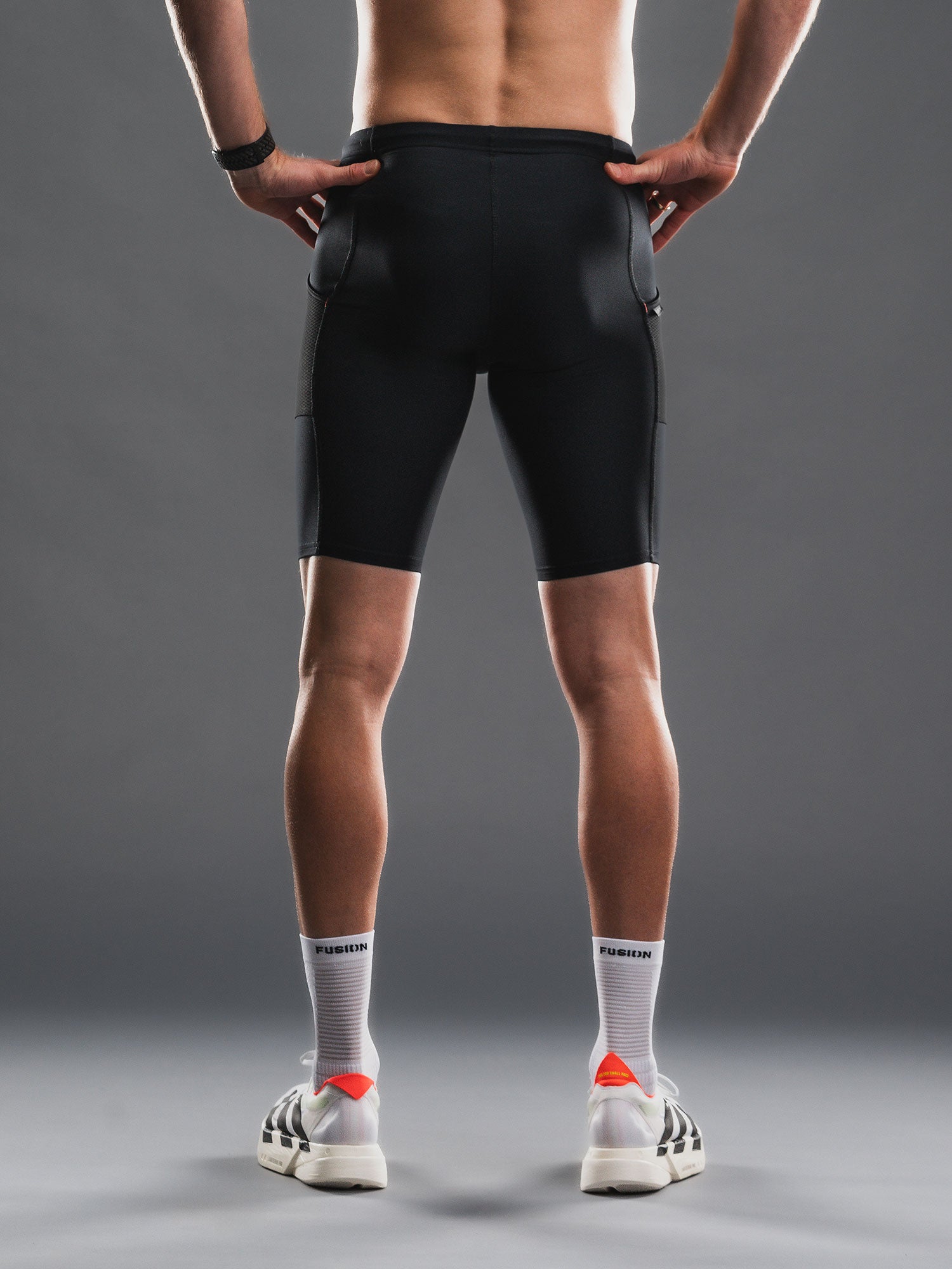

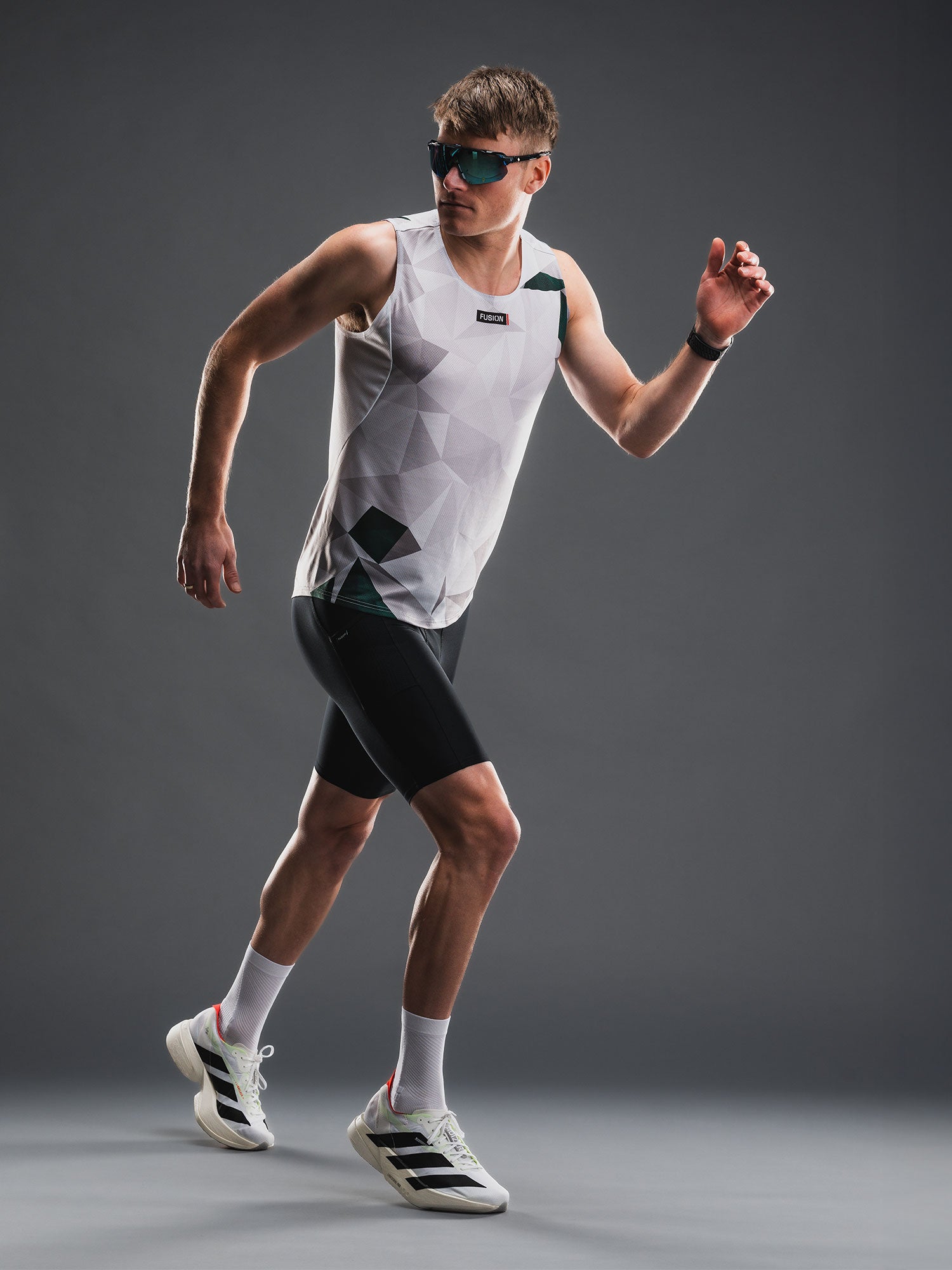







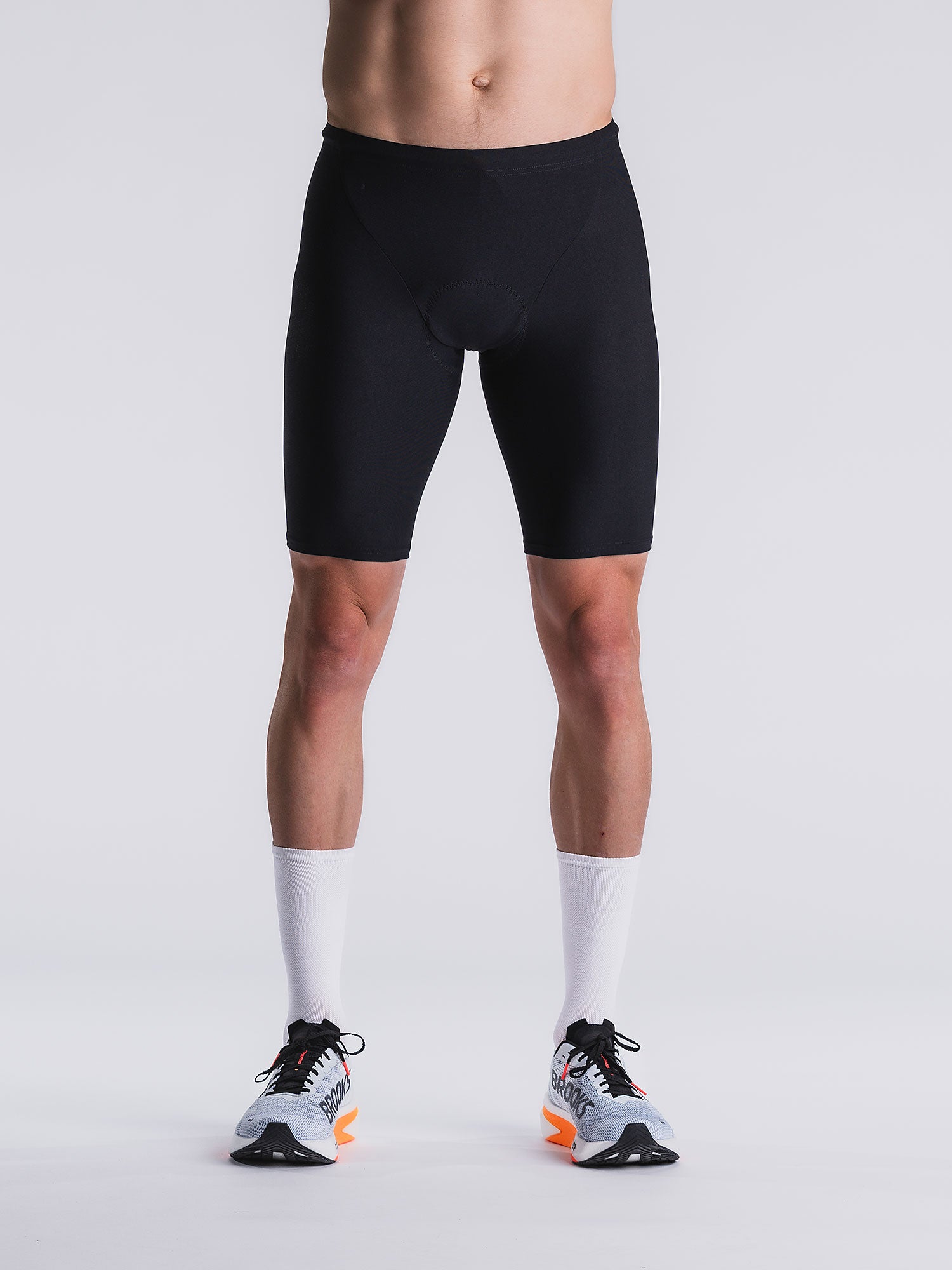
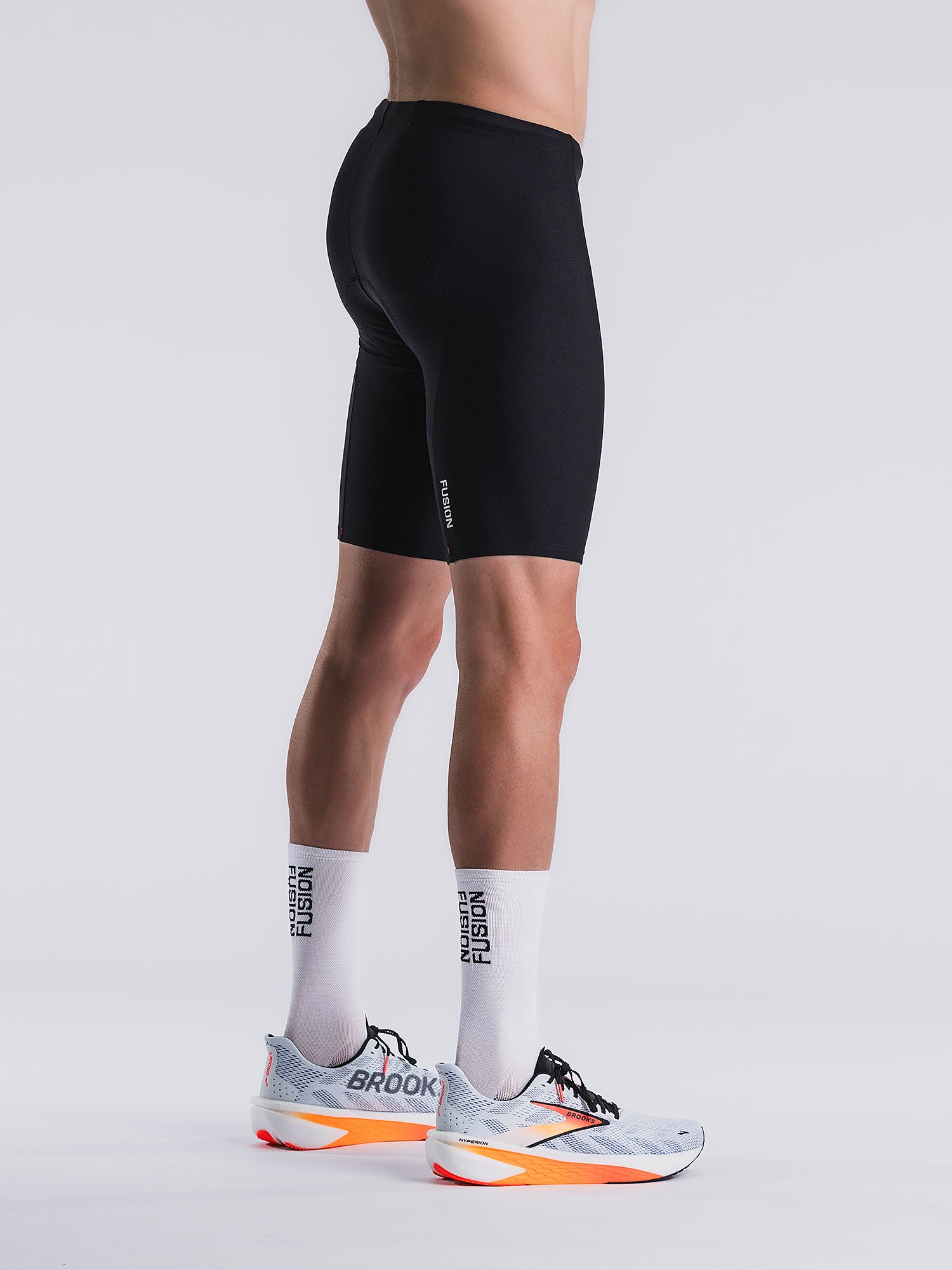

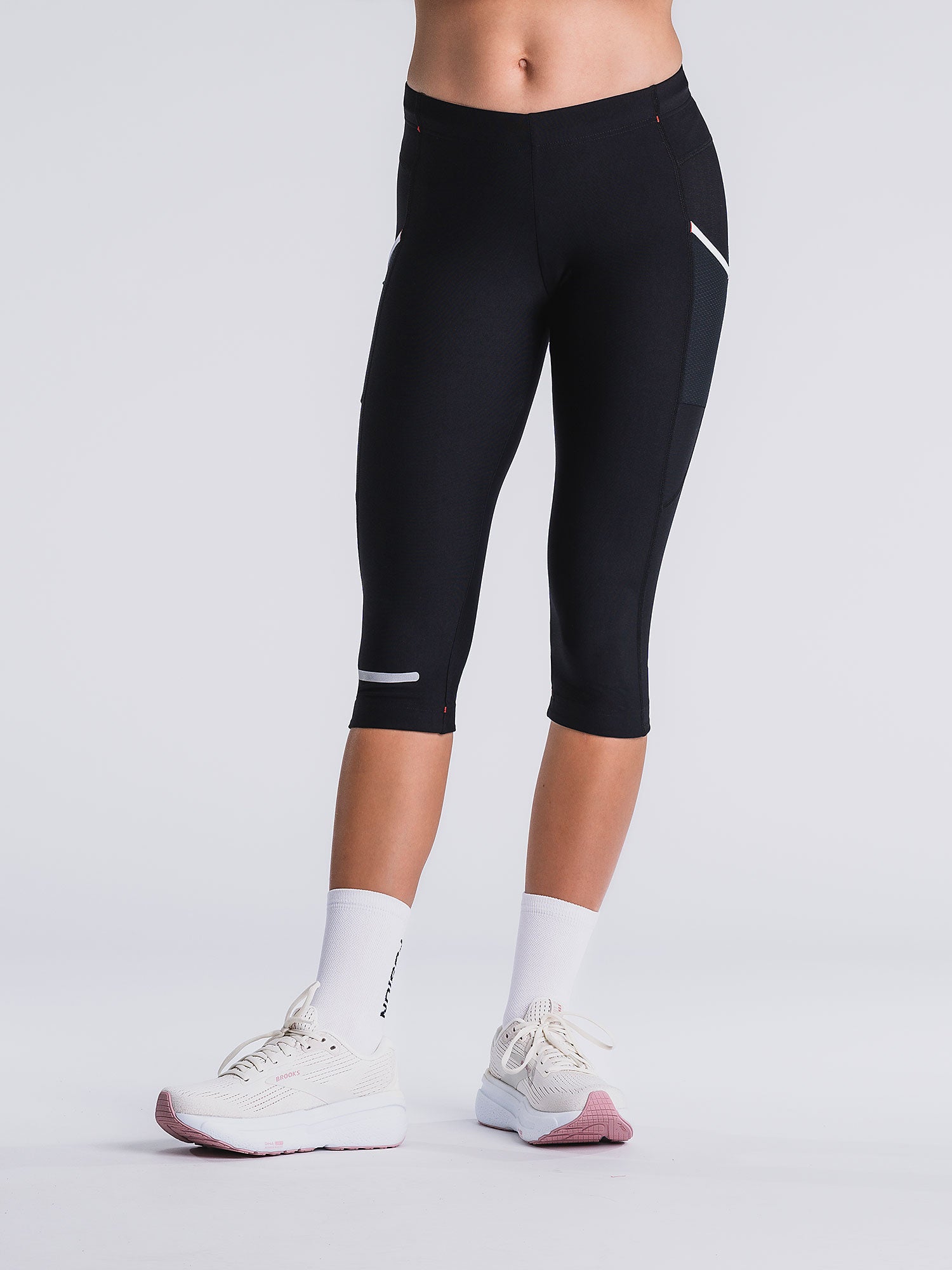
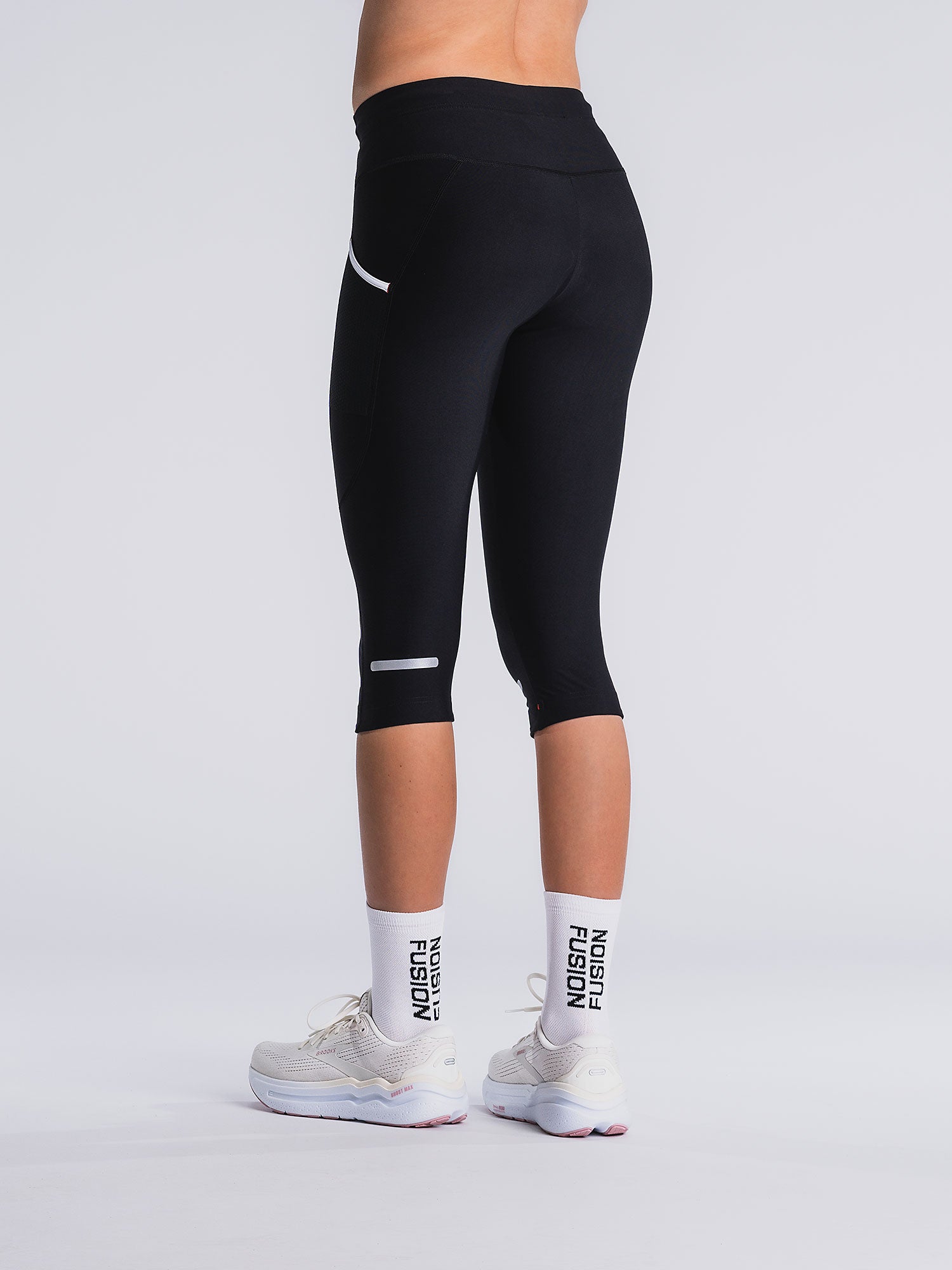

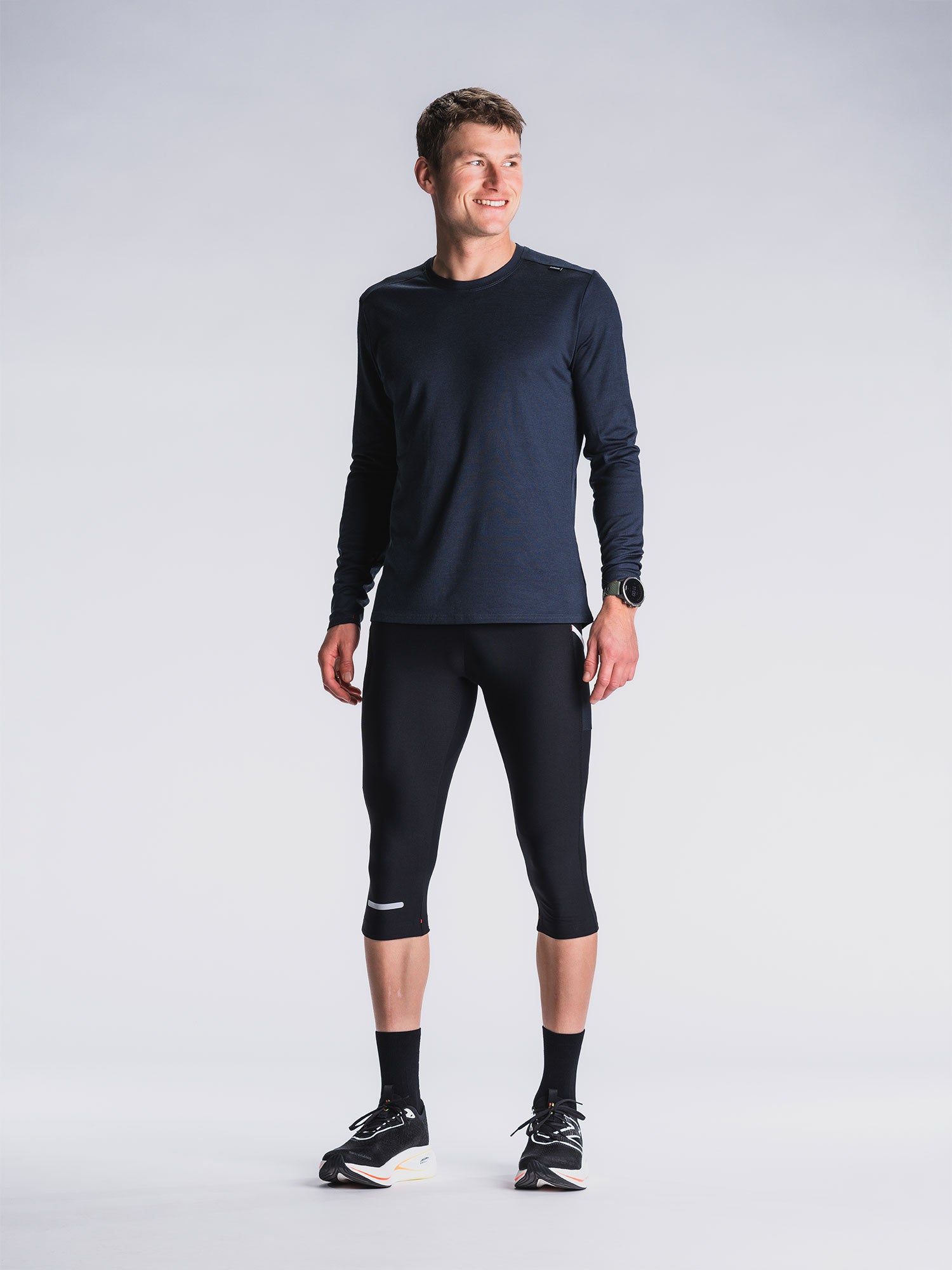








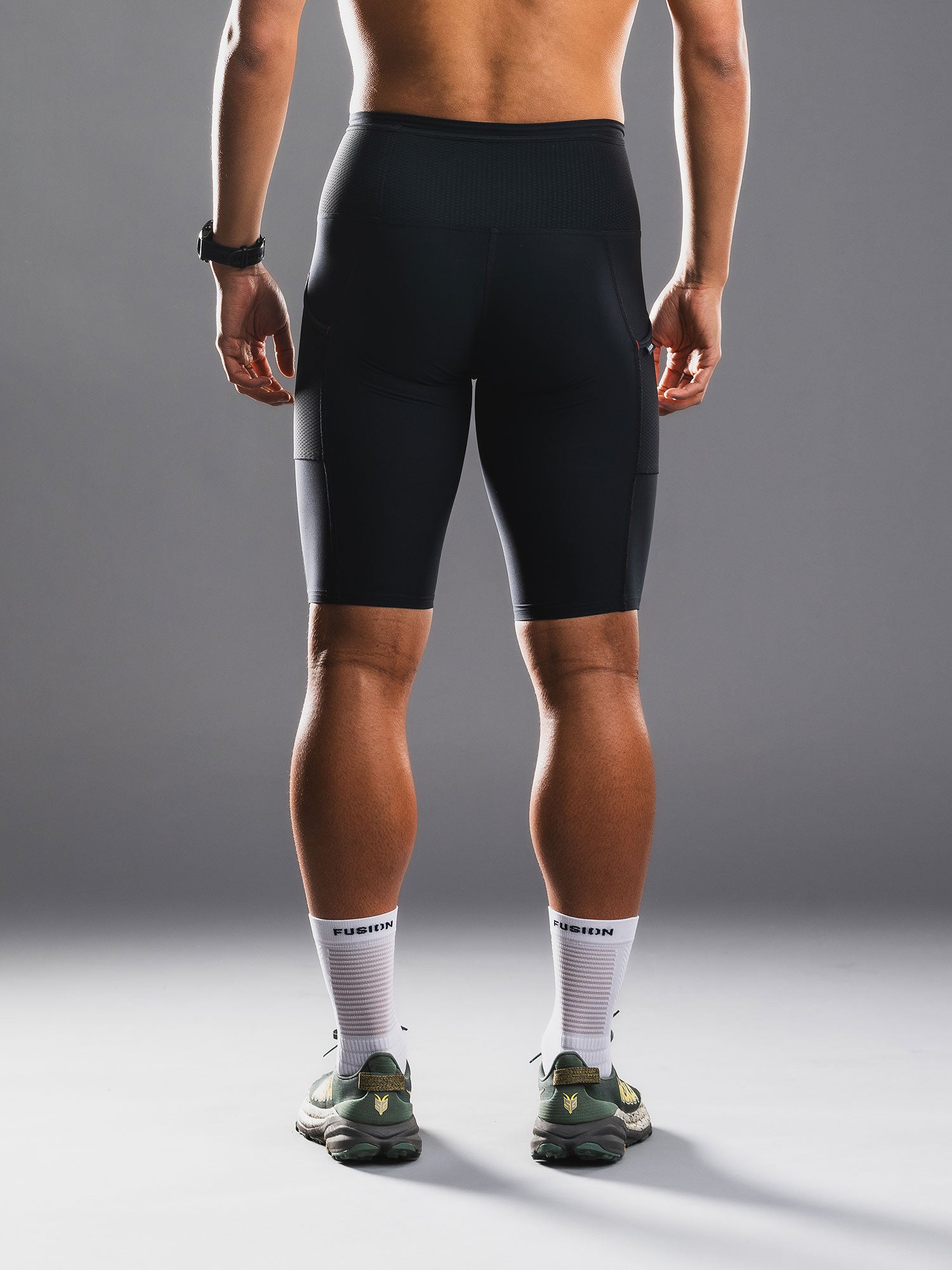


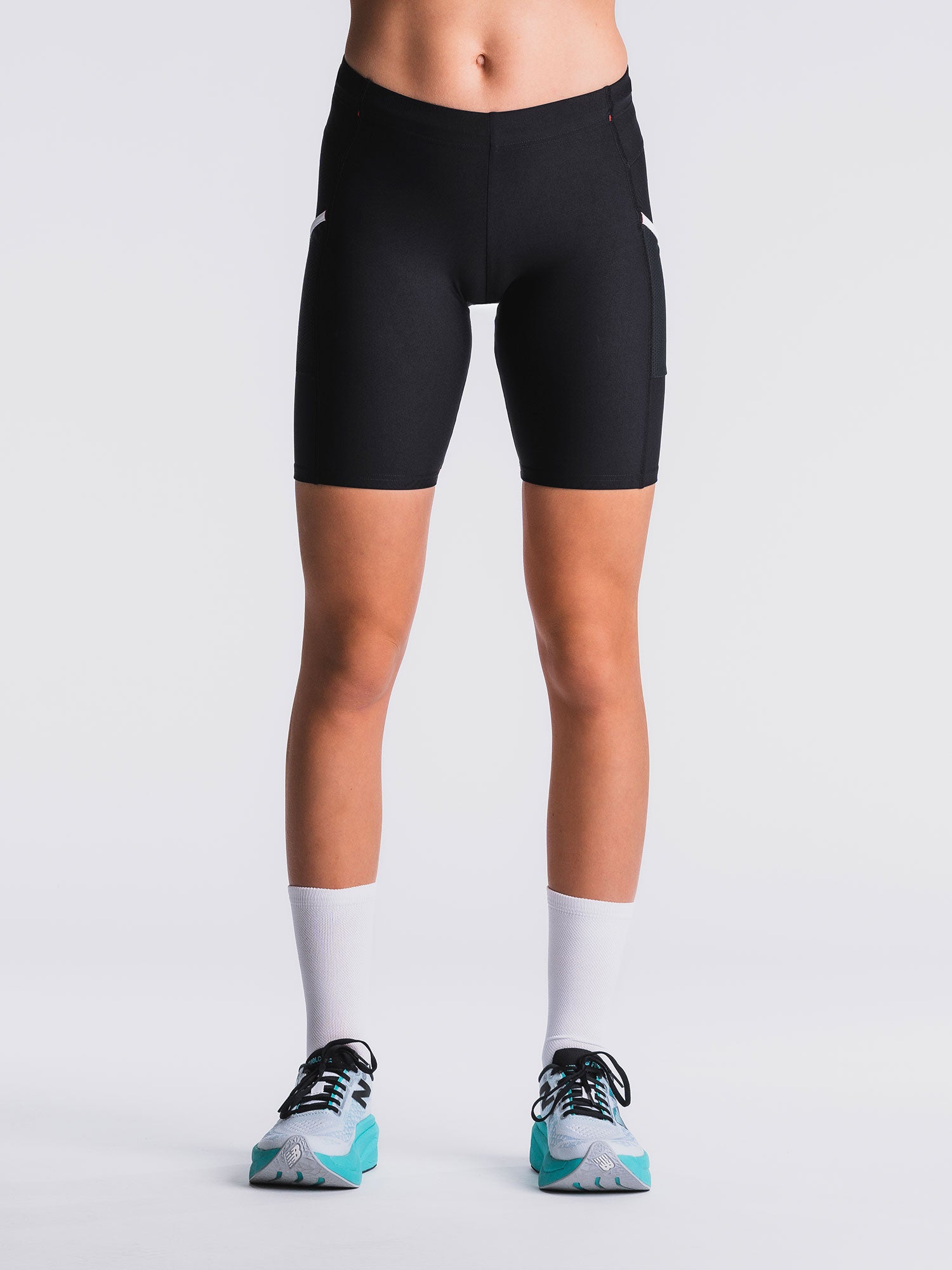
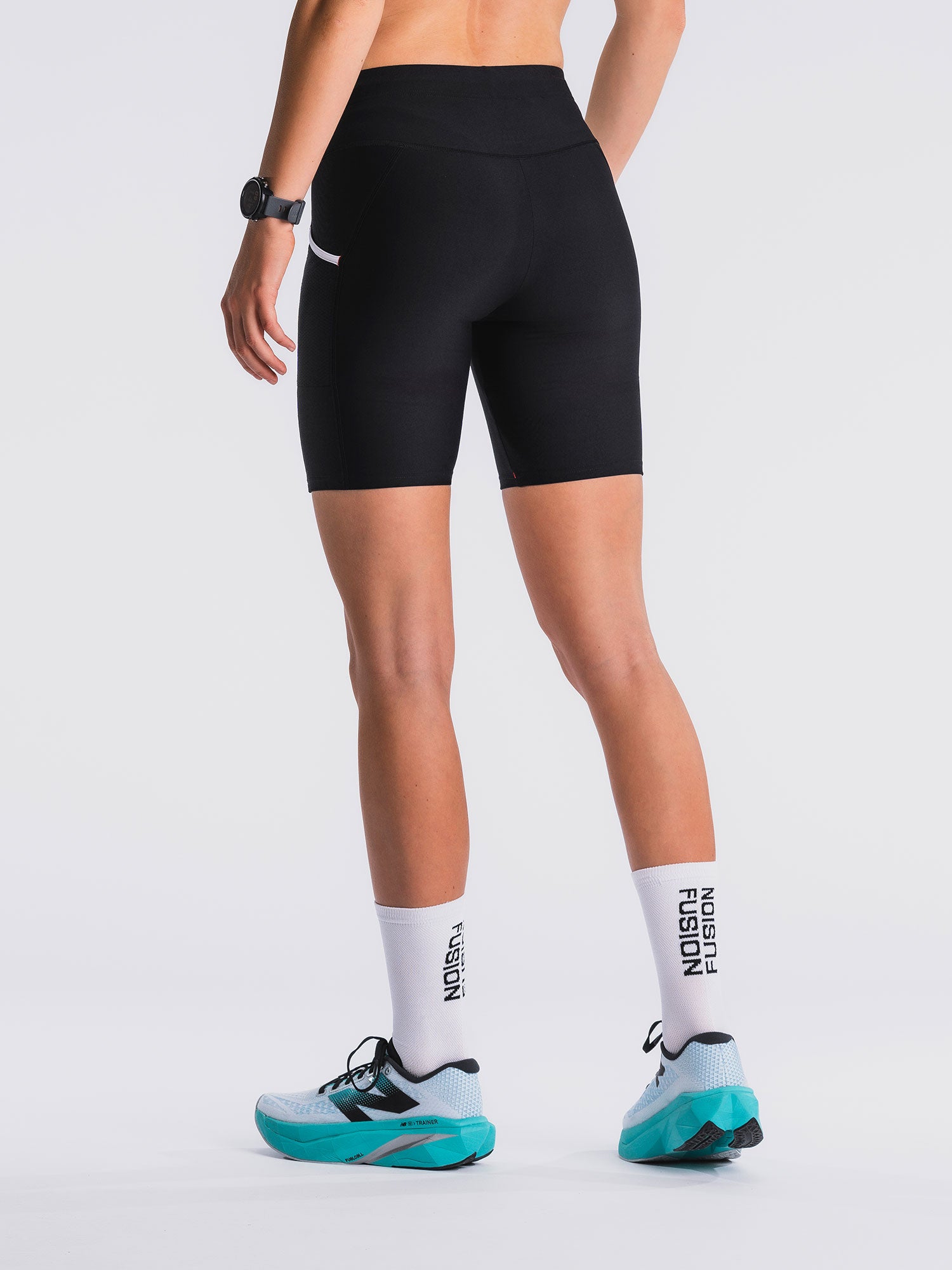
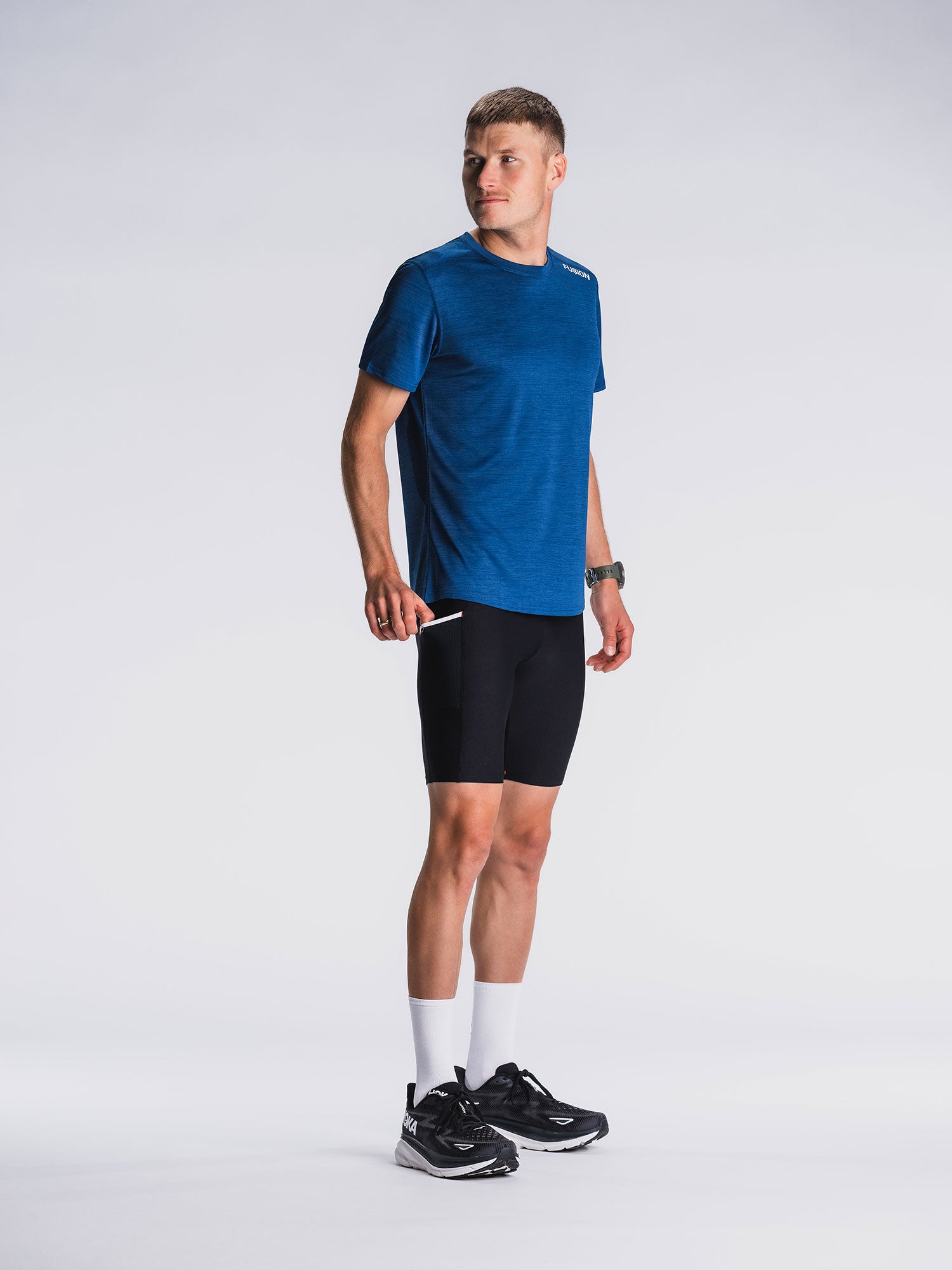
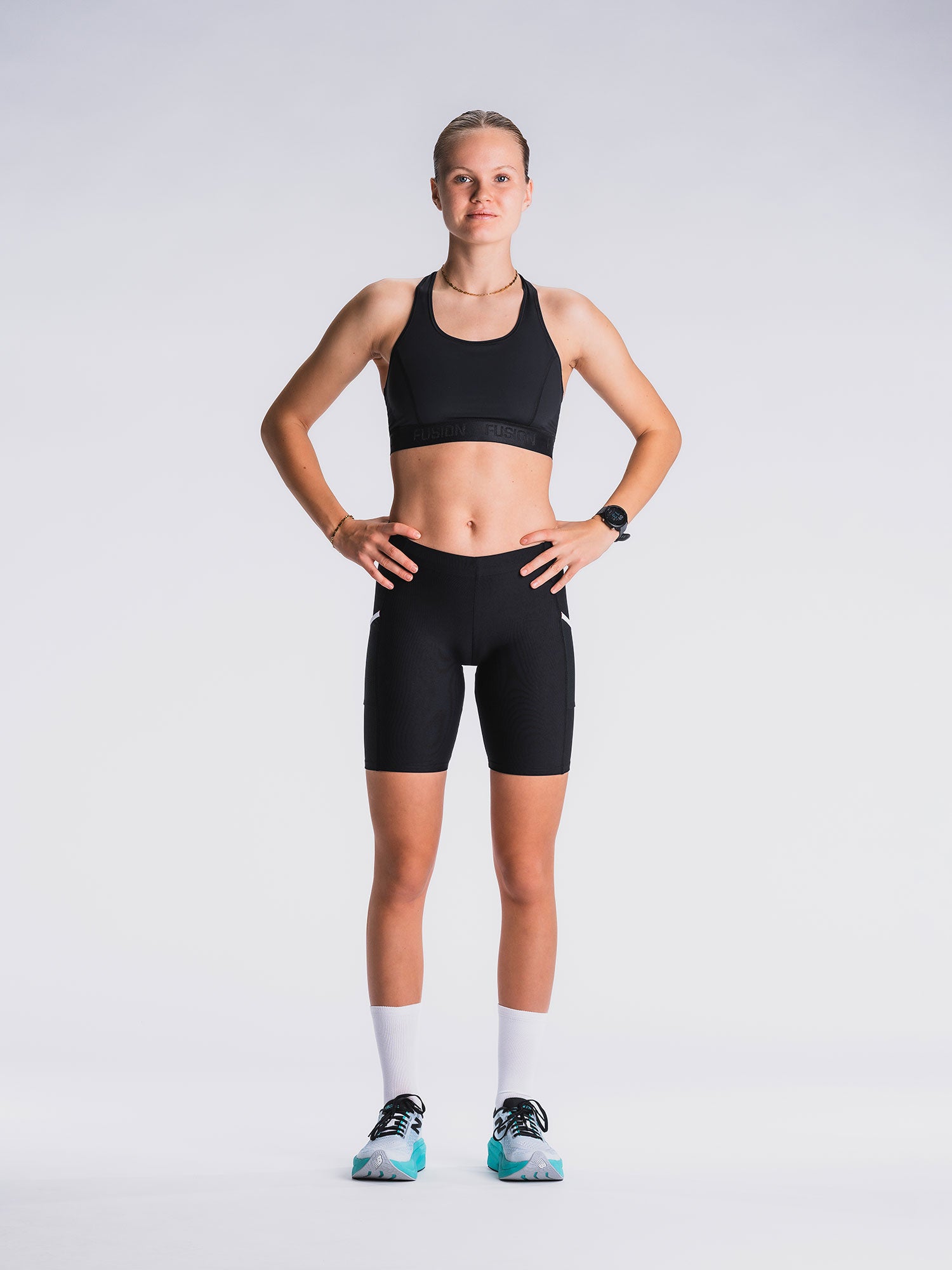


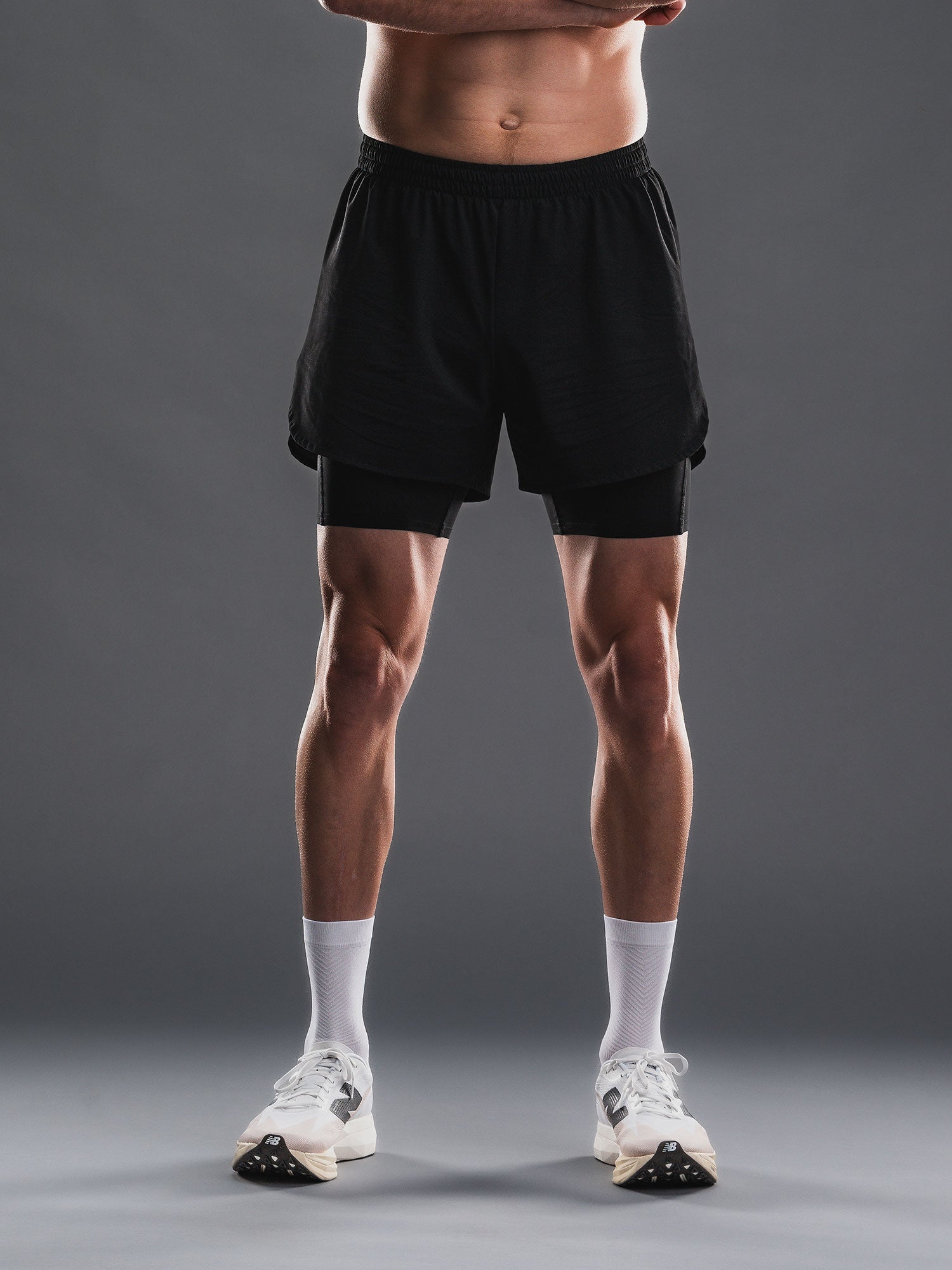
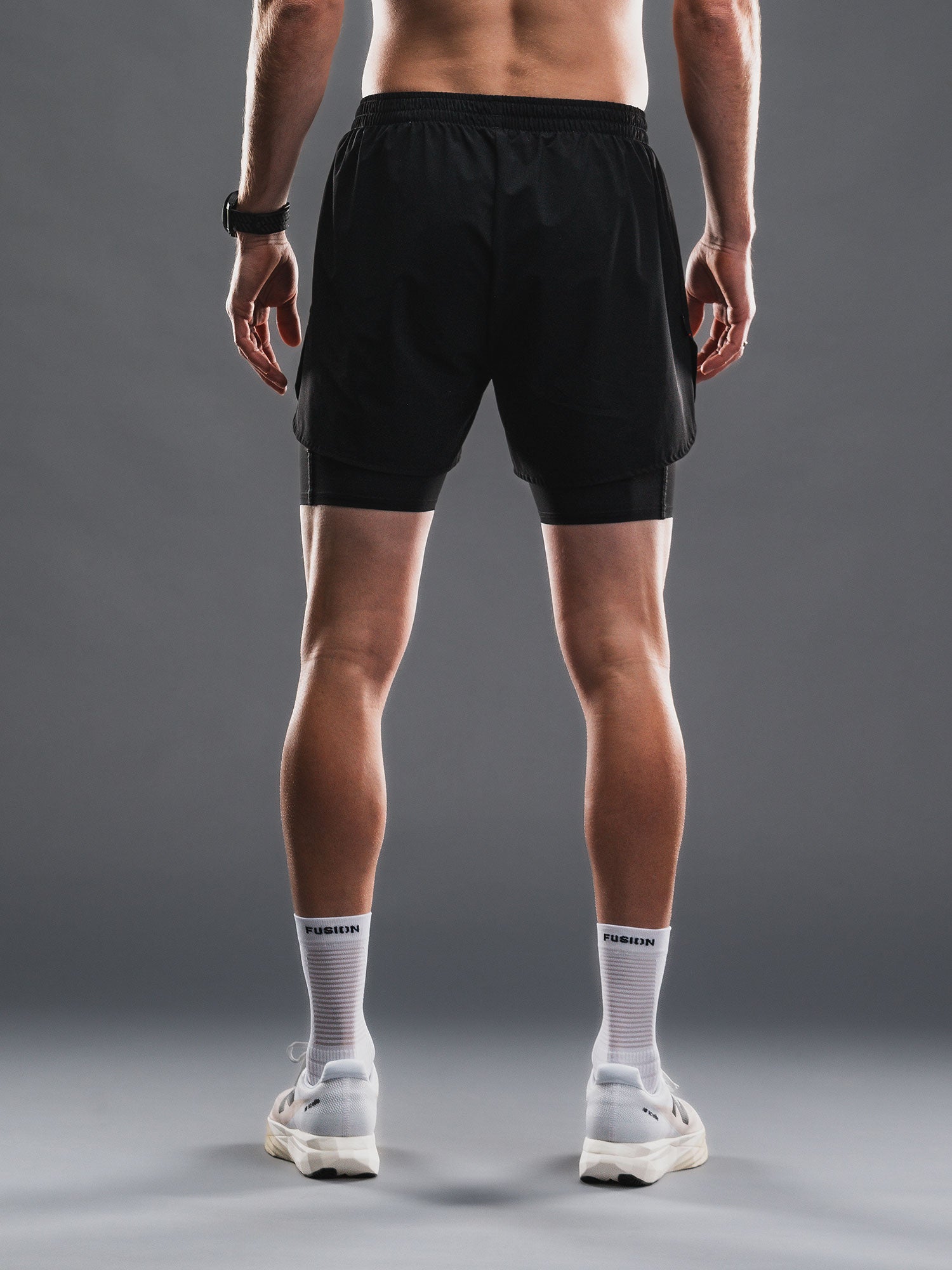
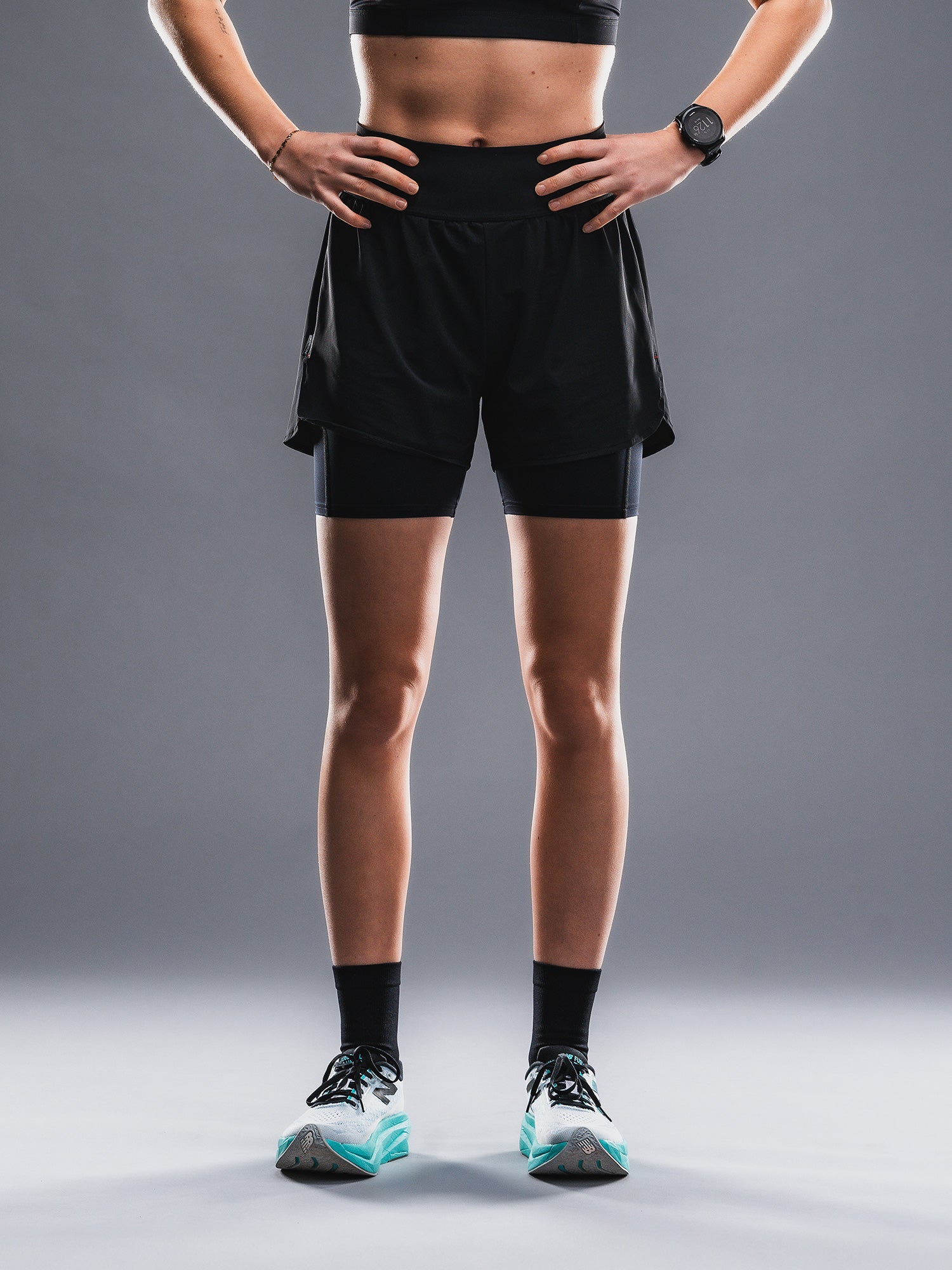
Versatile running shorts with soft comfort and classic look for recovery and easy runs
€95
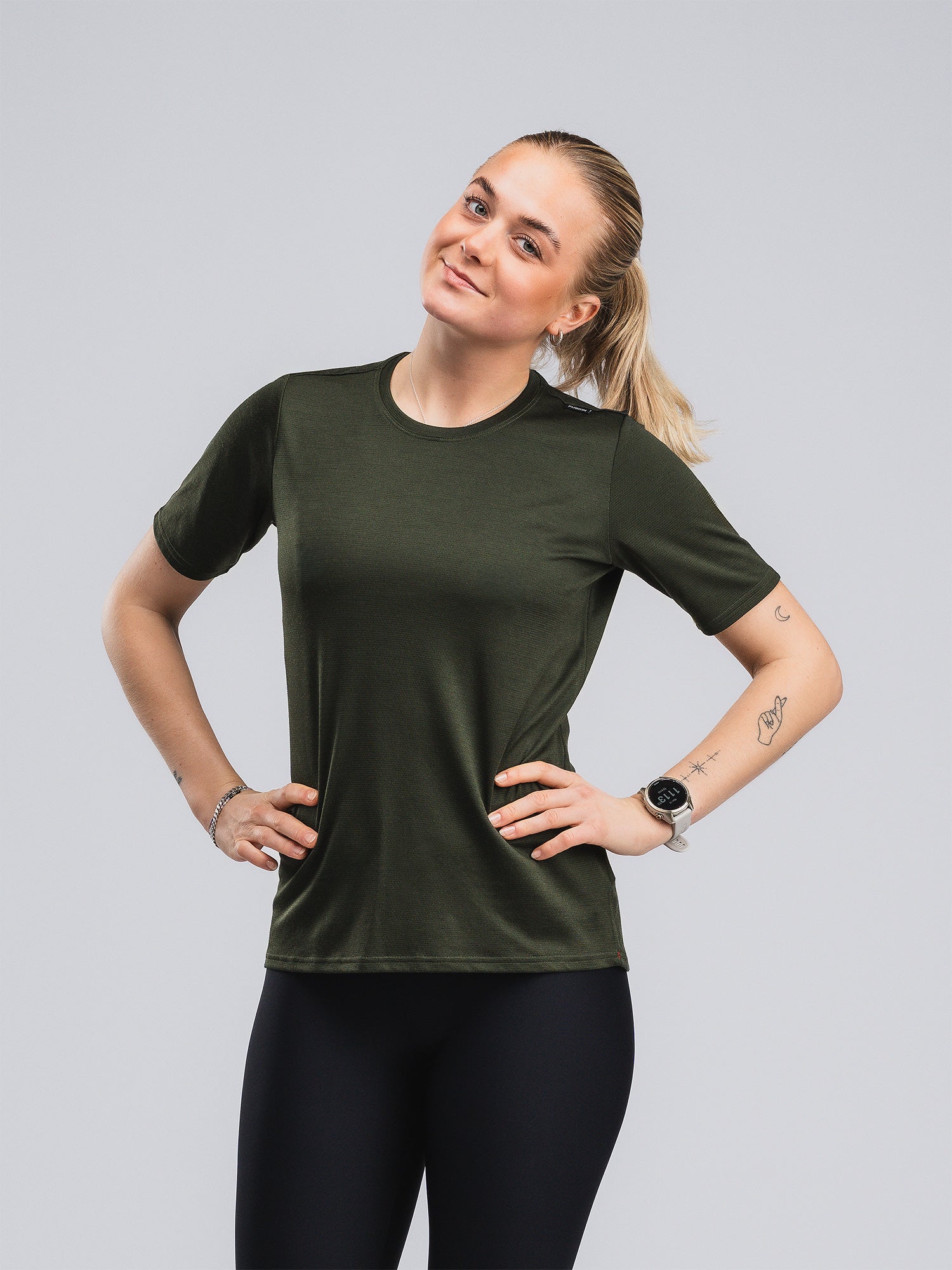
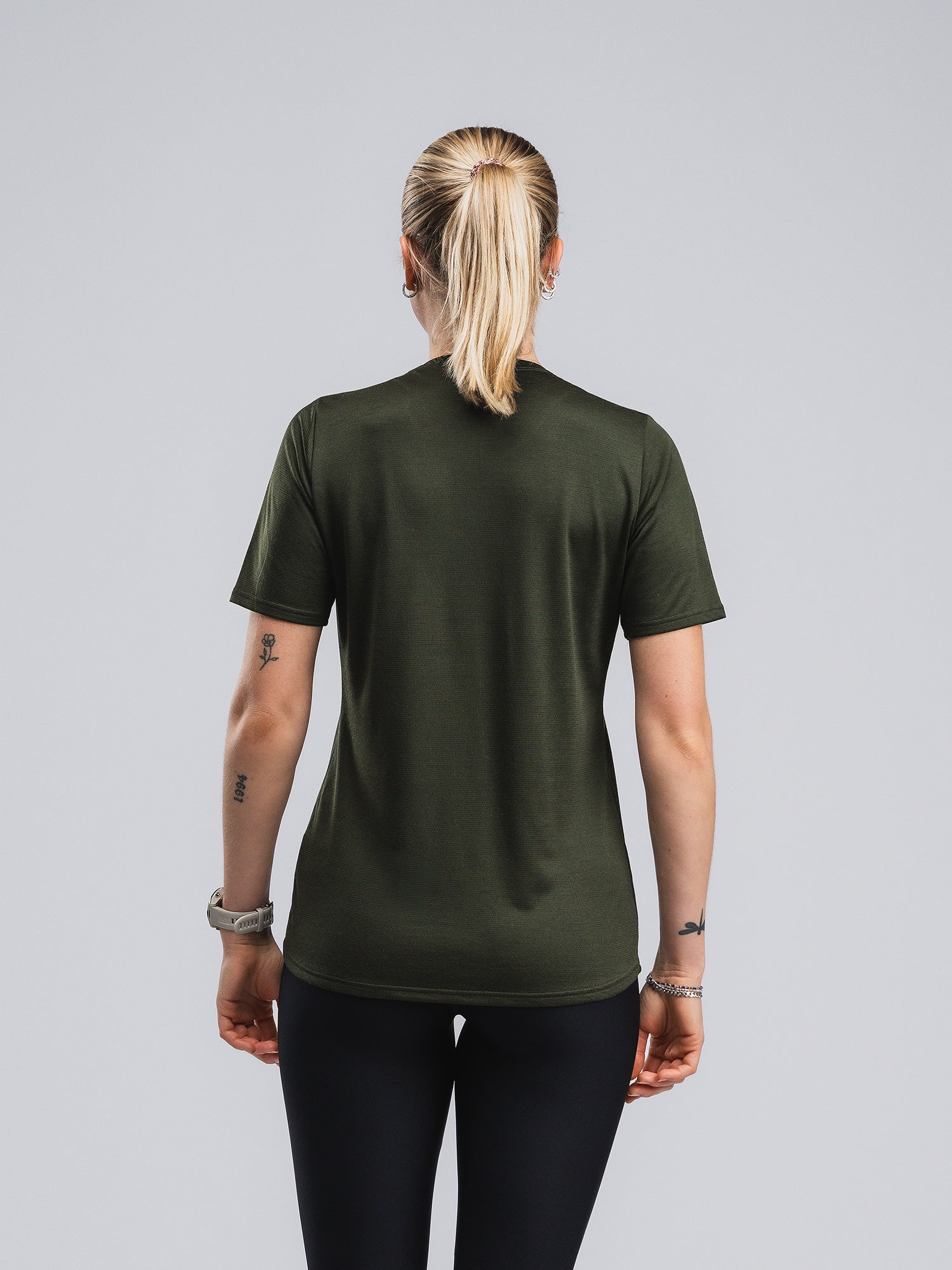
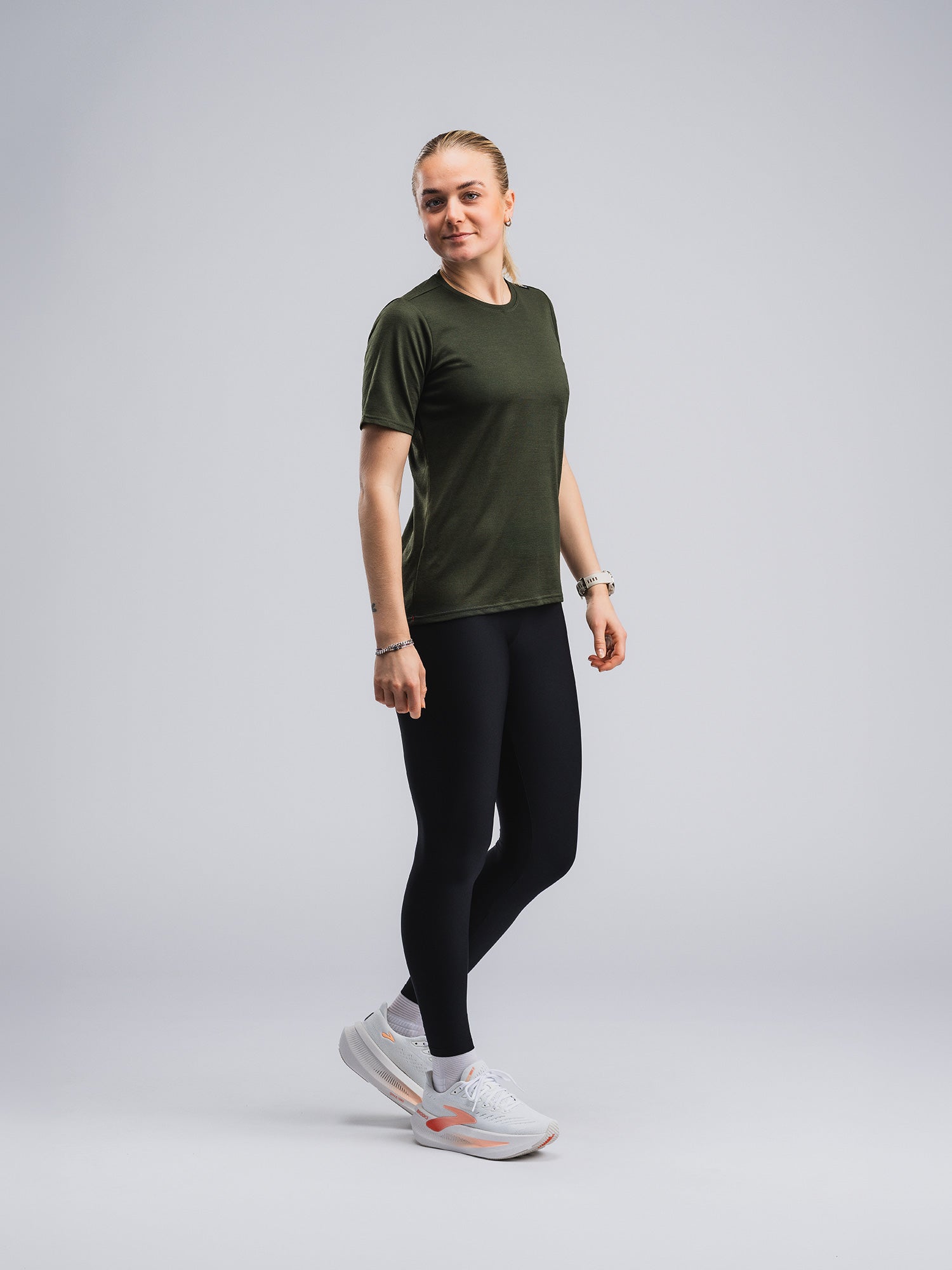

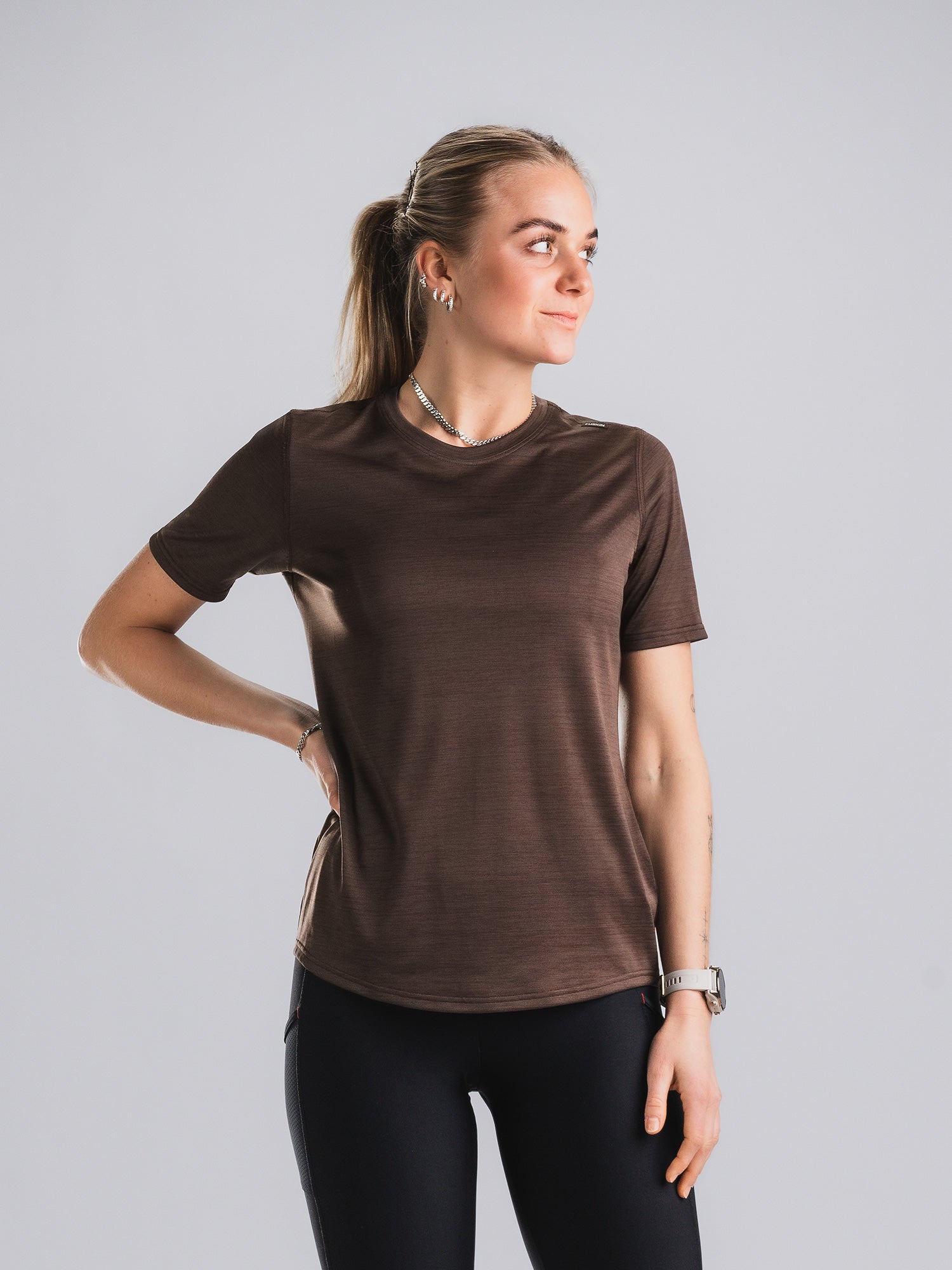
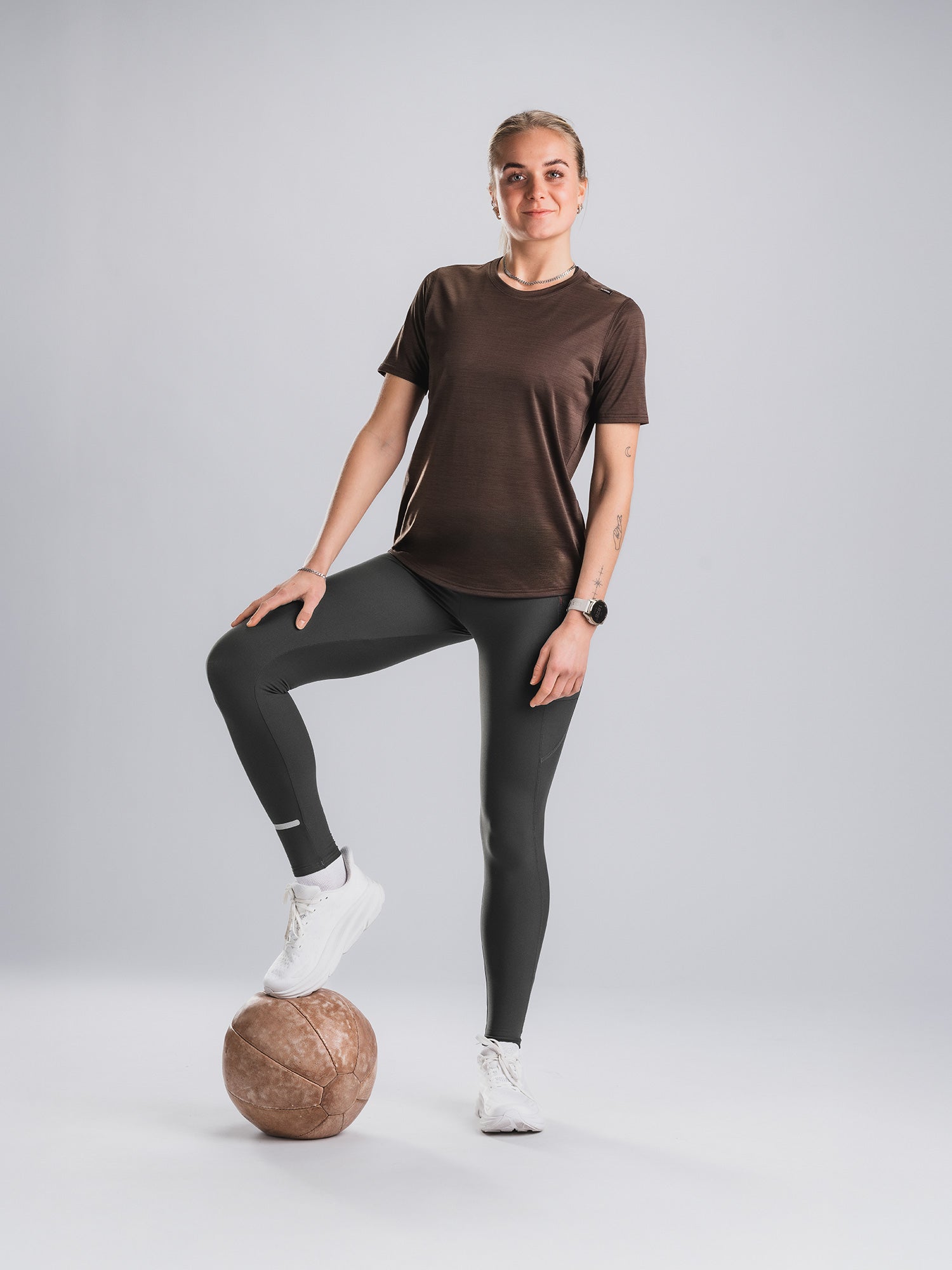
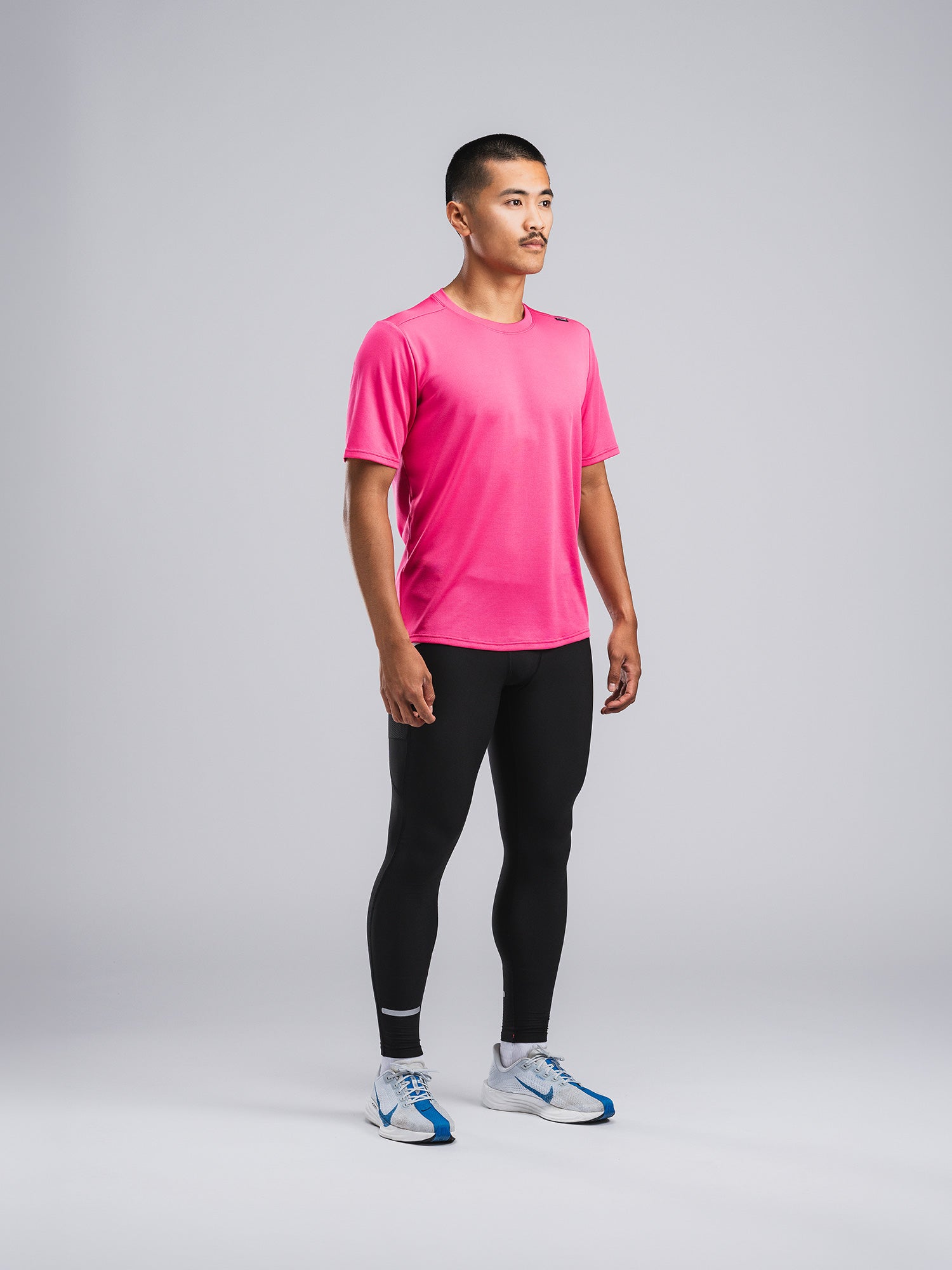
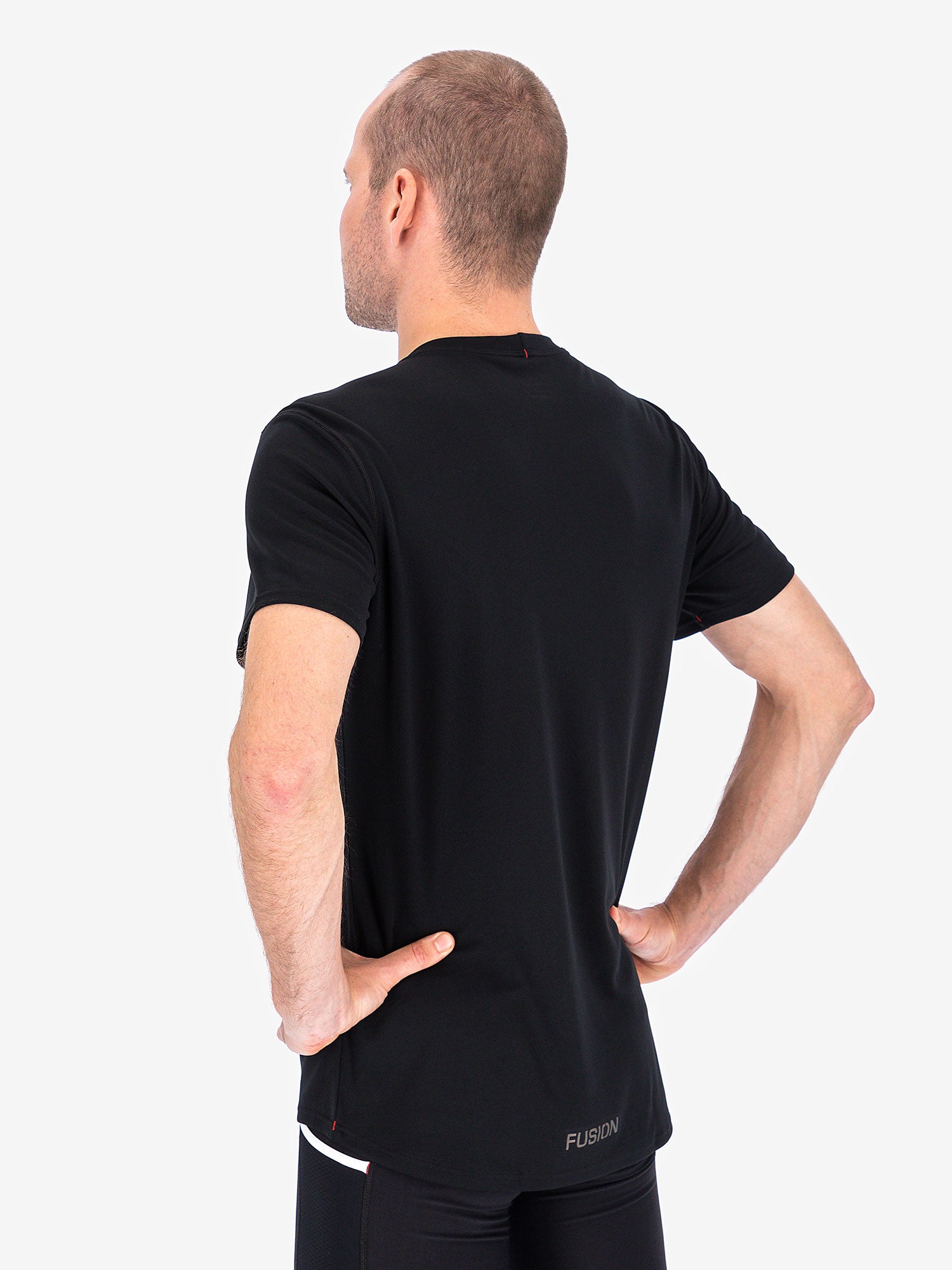
Soft and temperature-regulating T-shirt for both training and everyday wear
€67


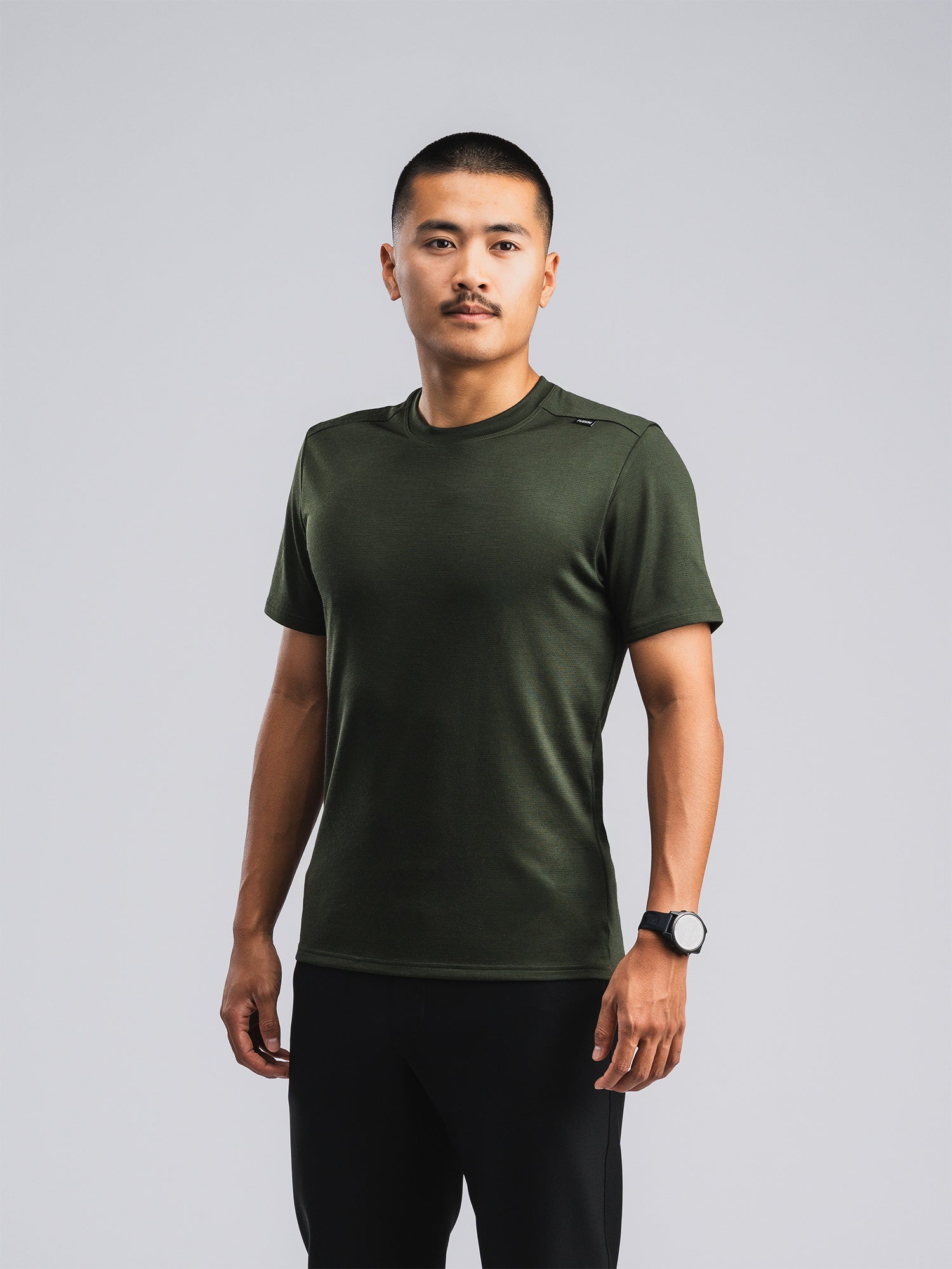
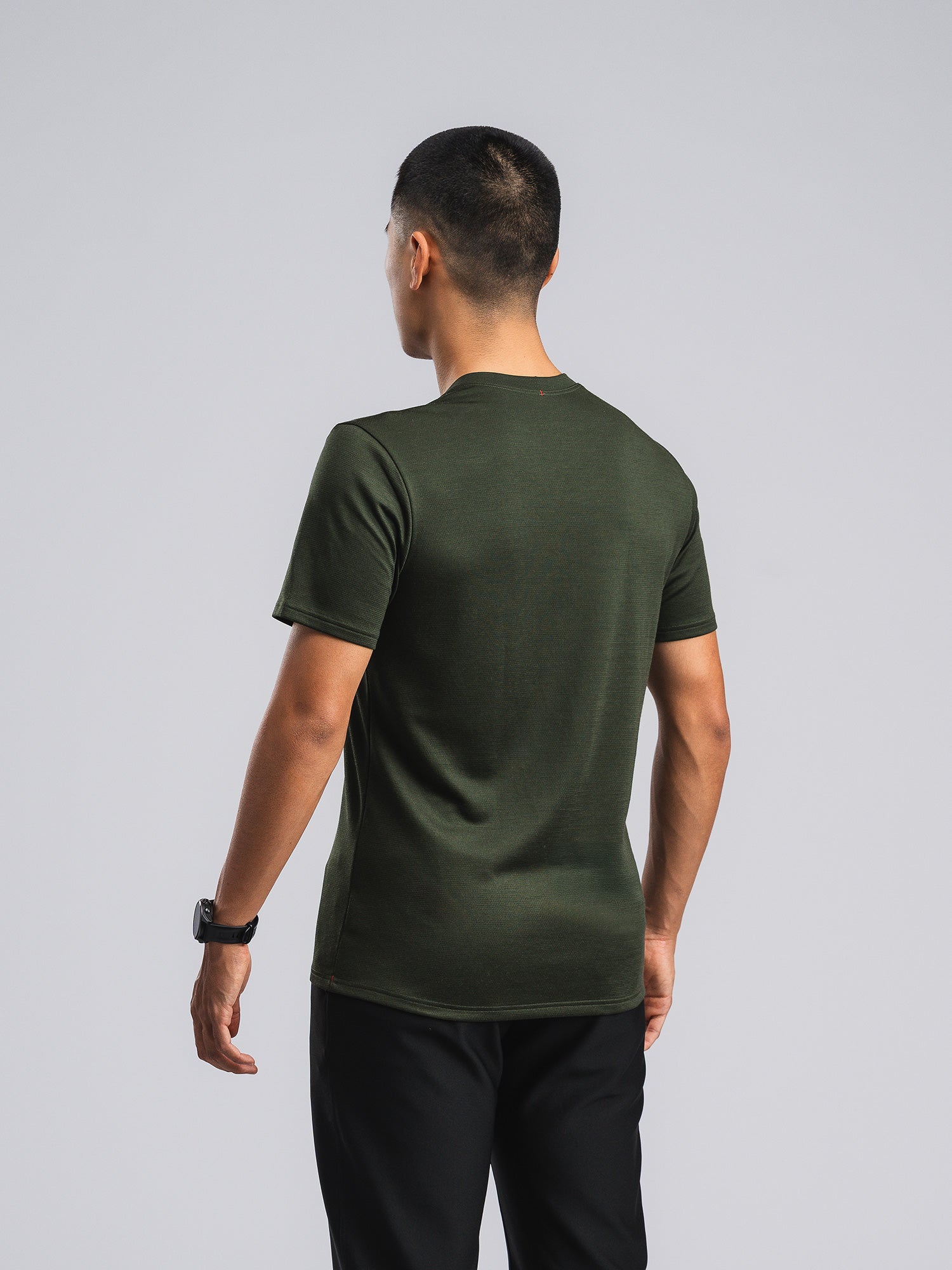
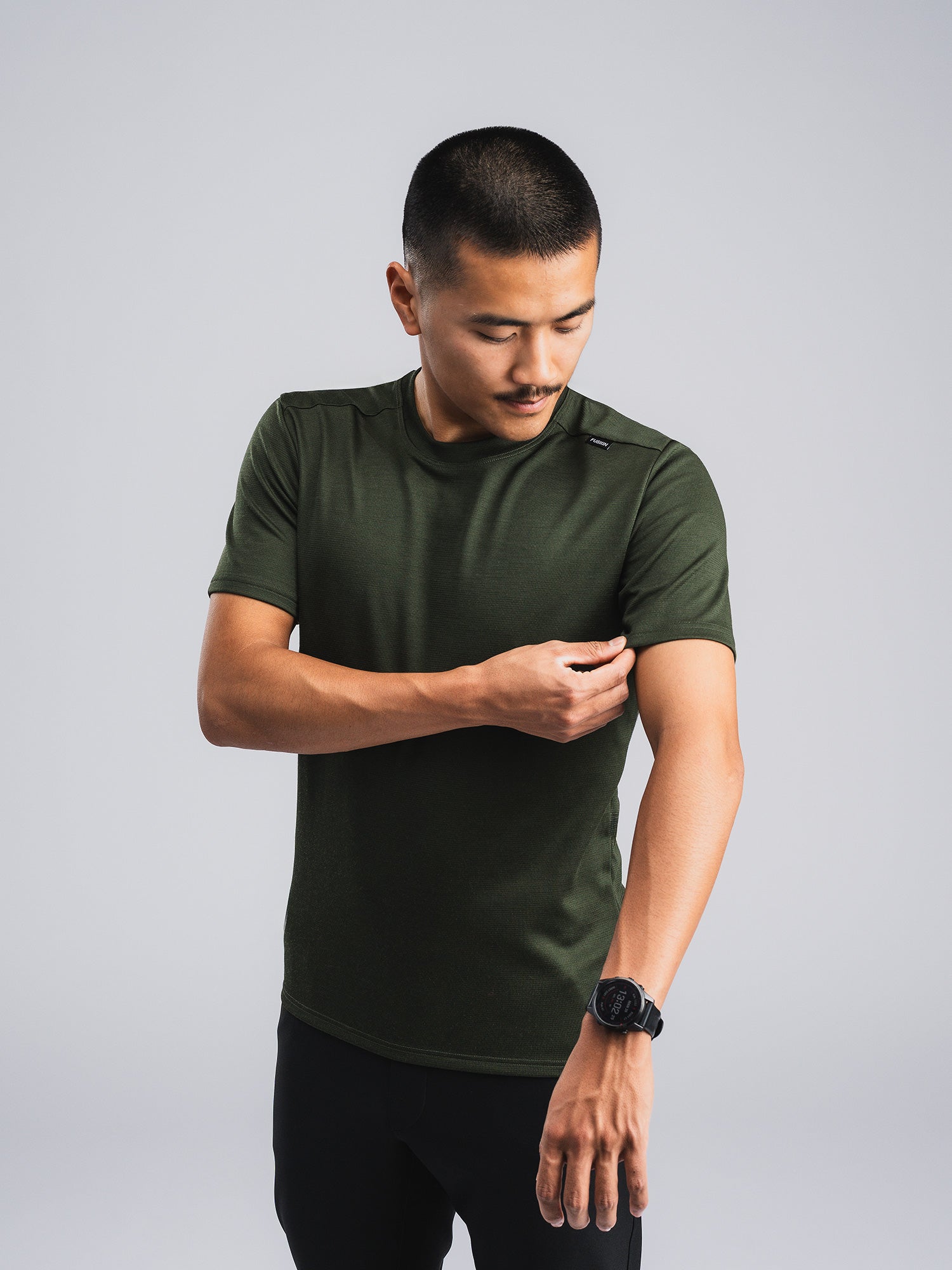
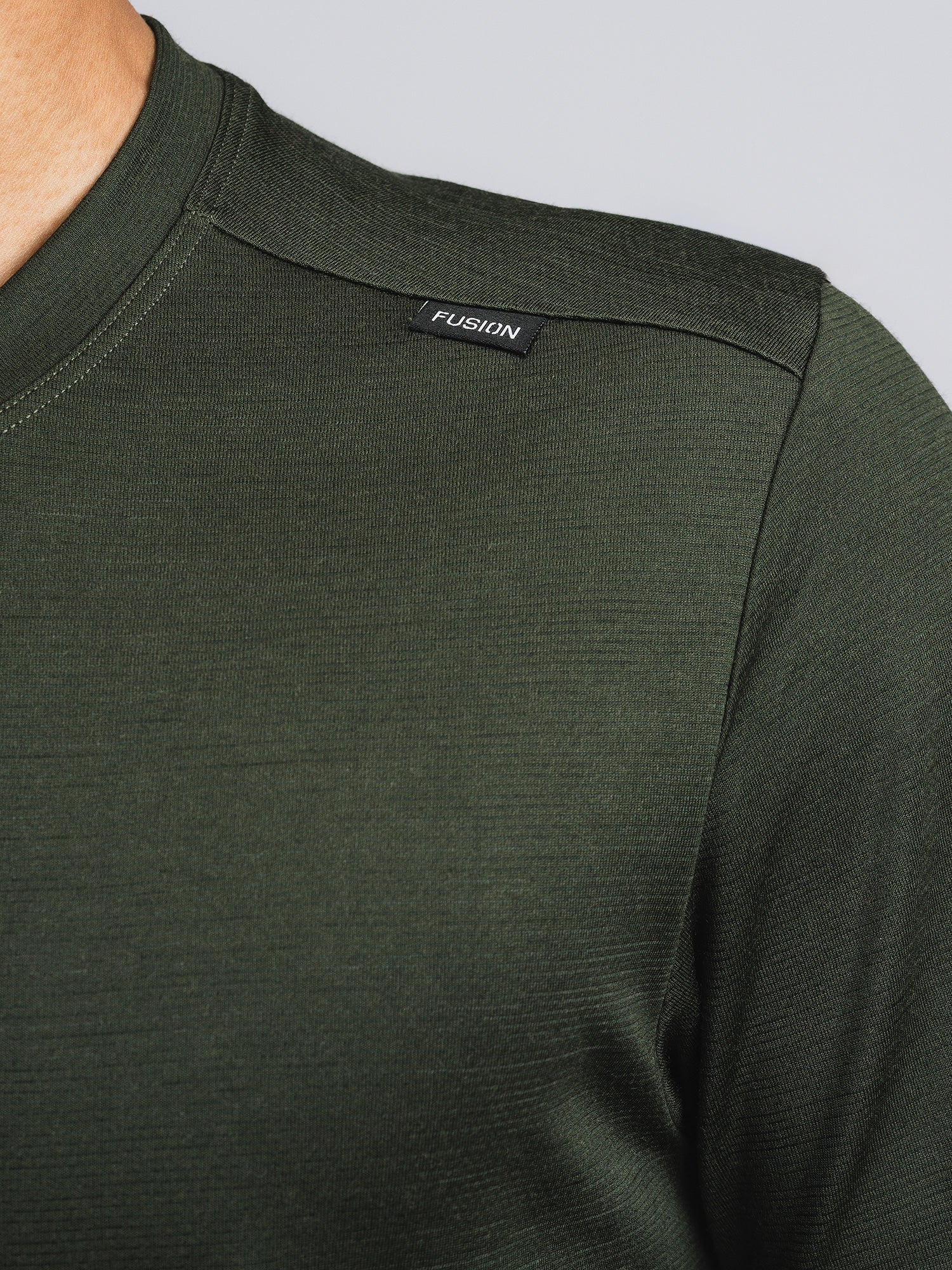
Soft and temperature-regulating T-shirt for both training and everyday wear
€67


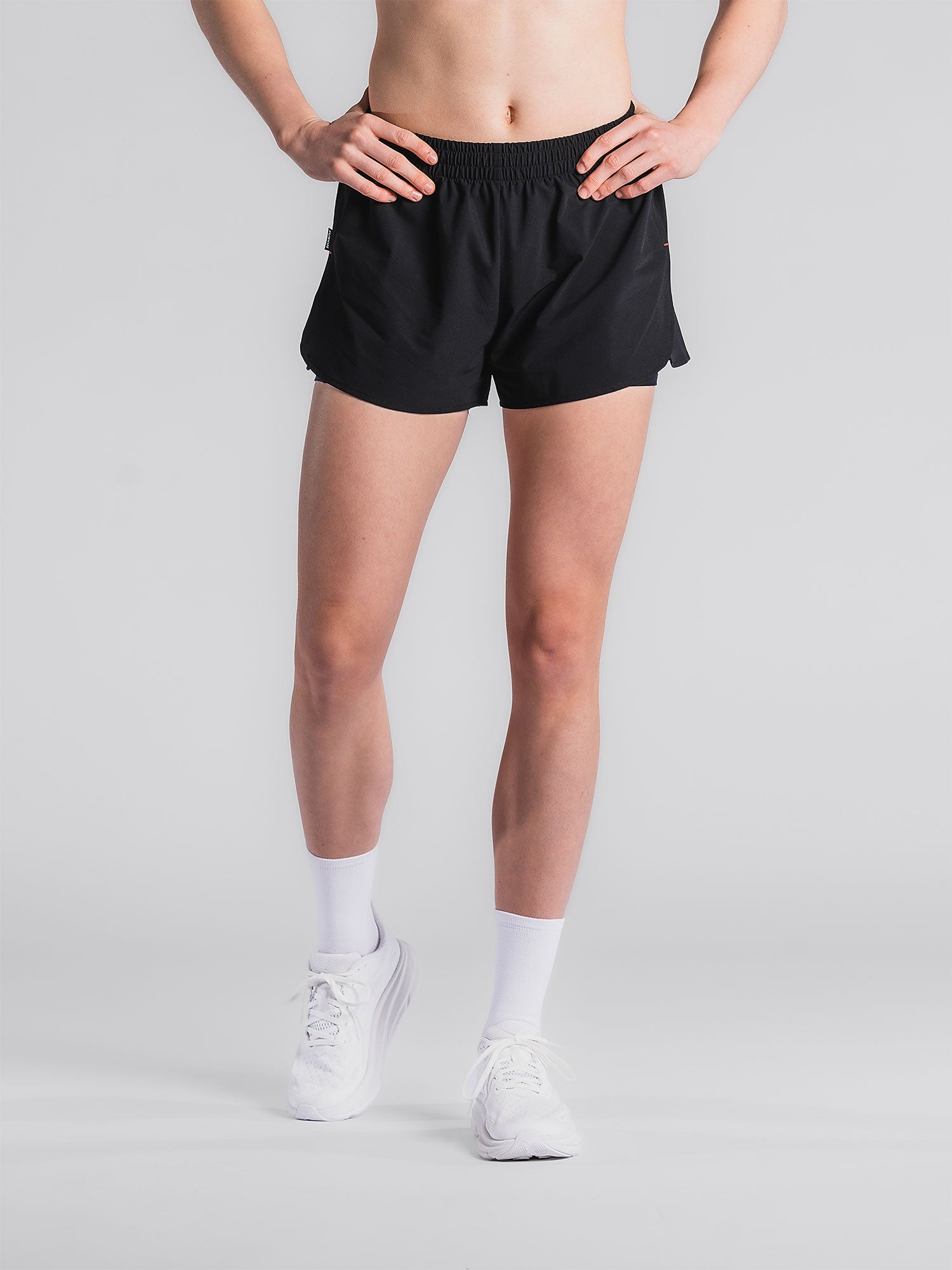
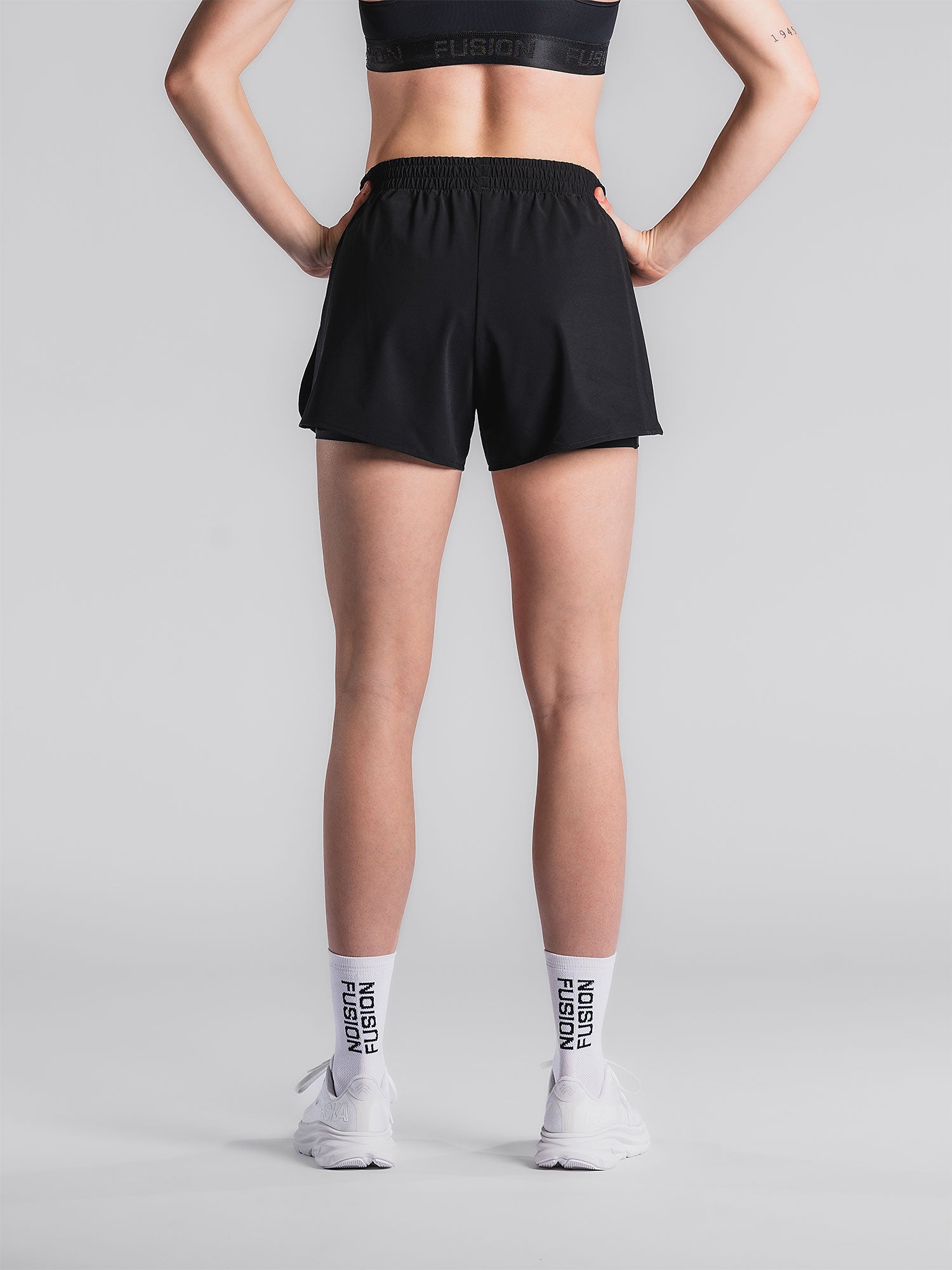


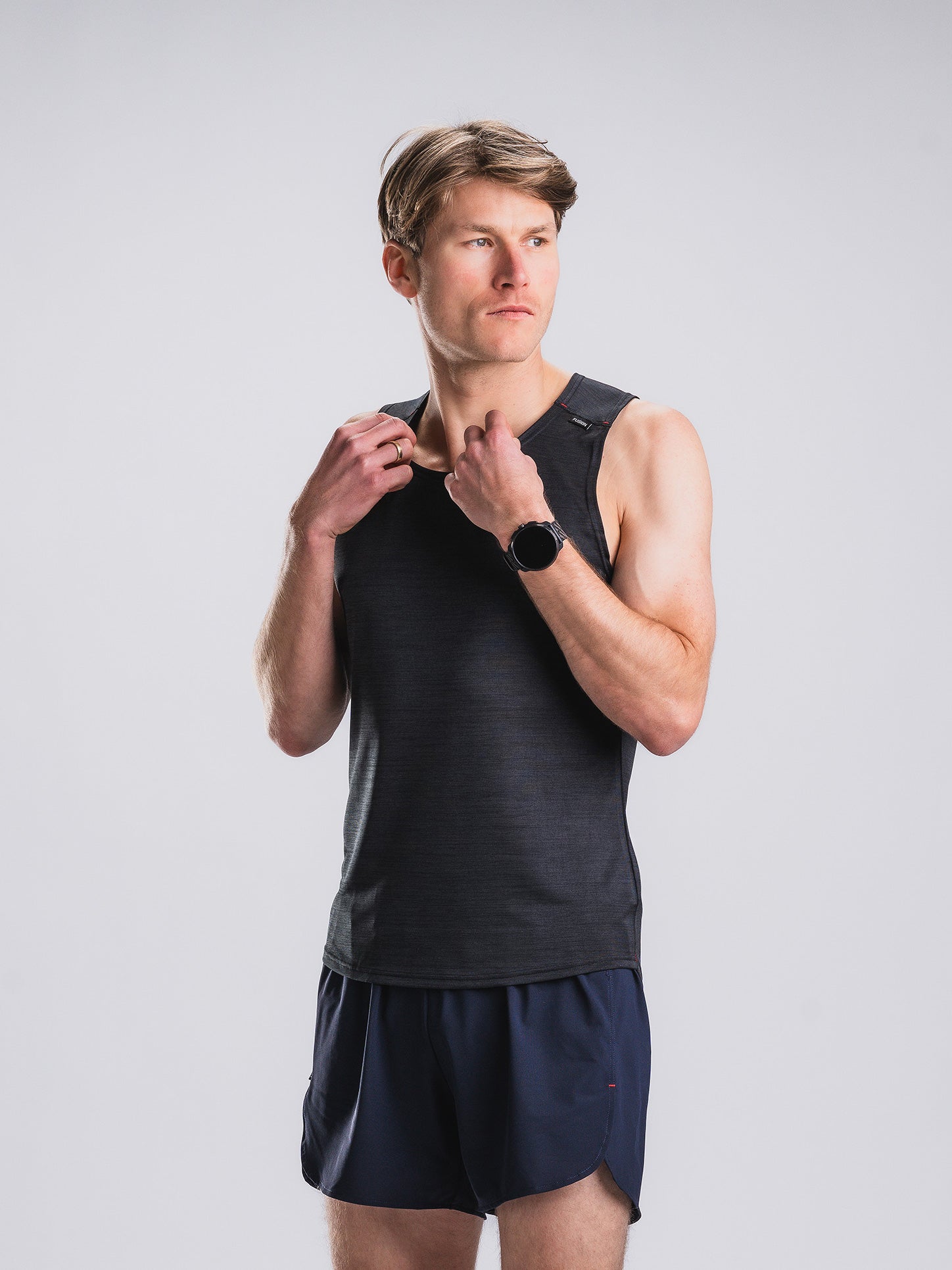
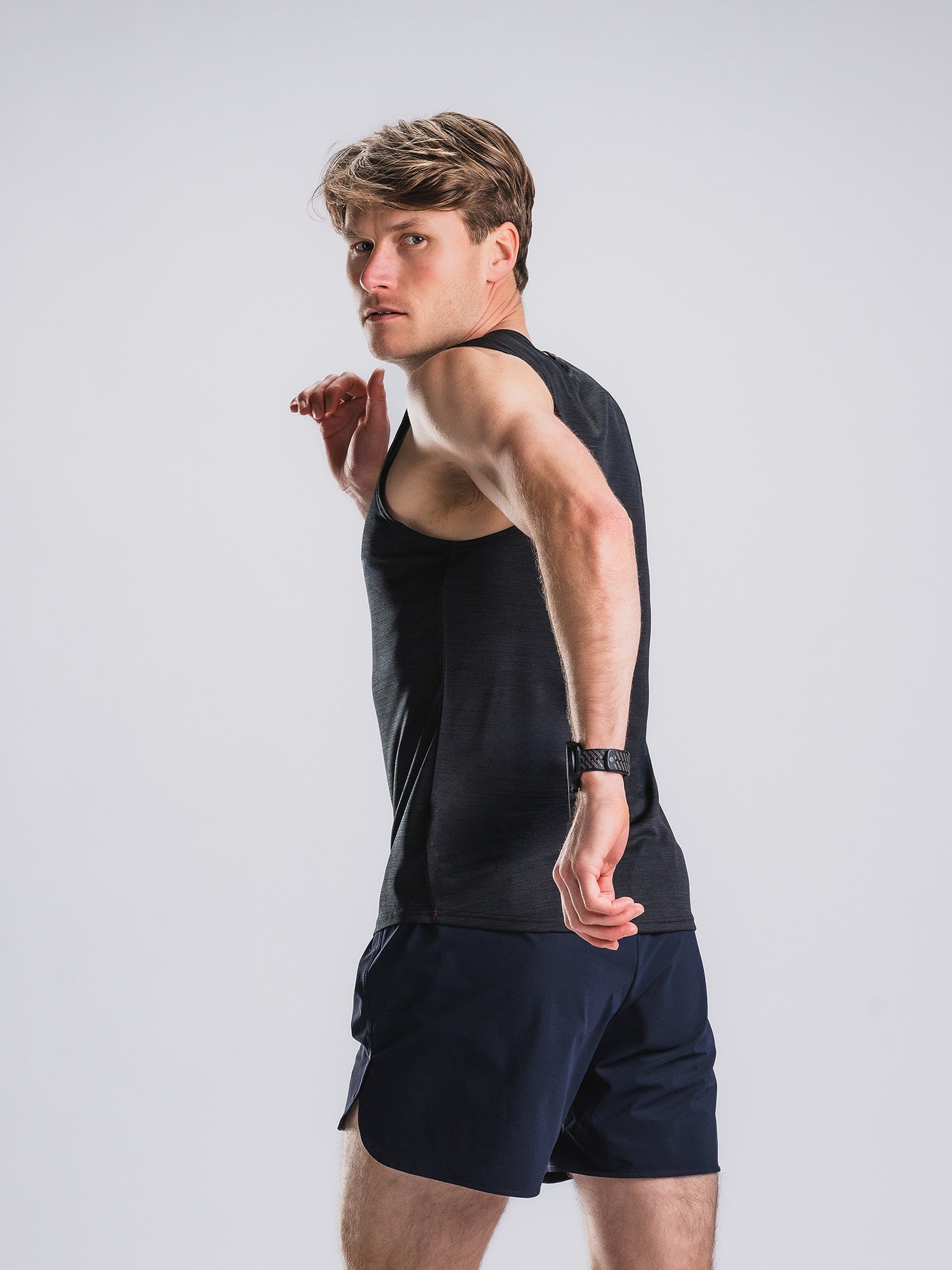
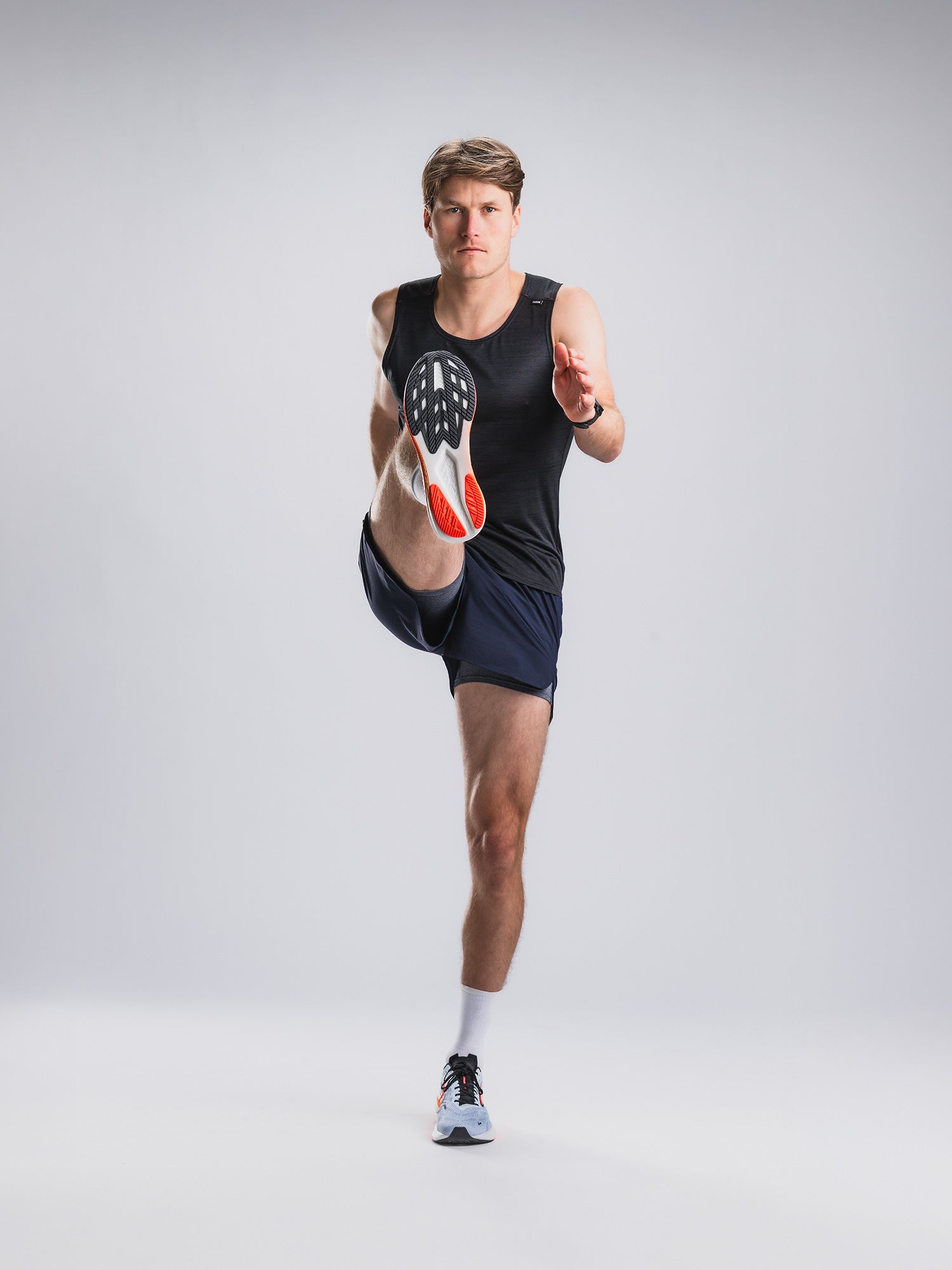
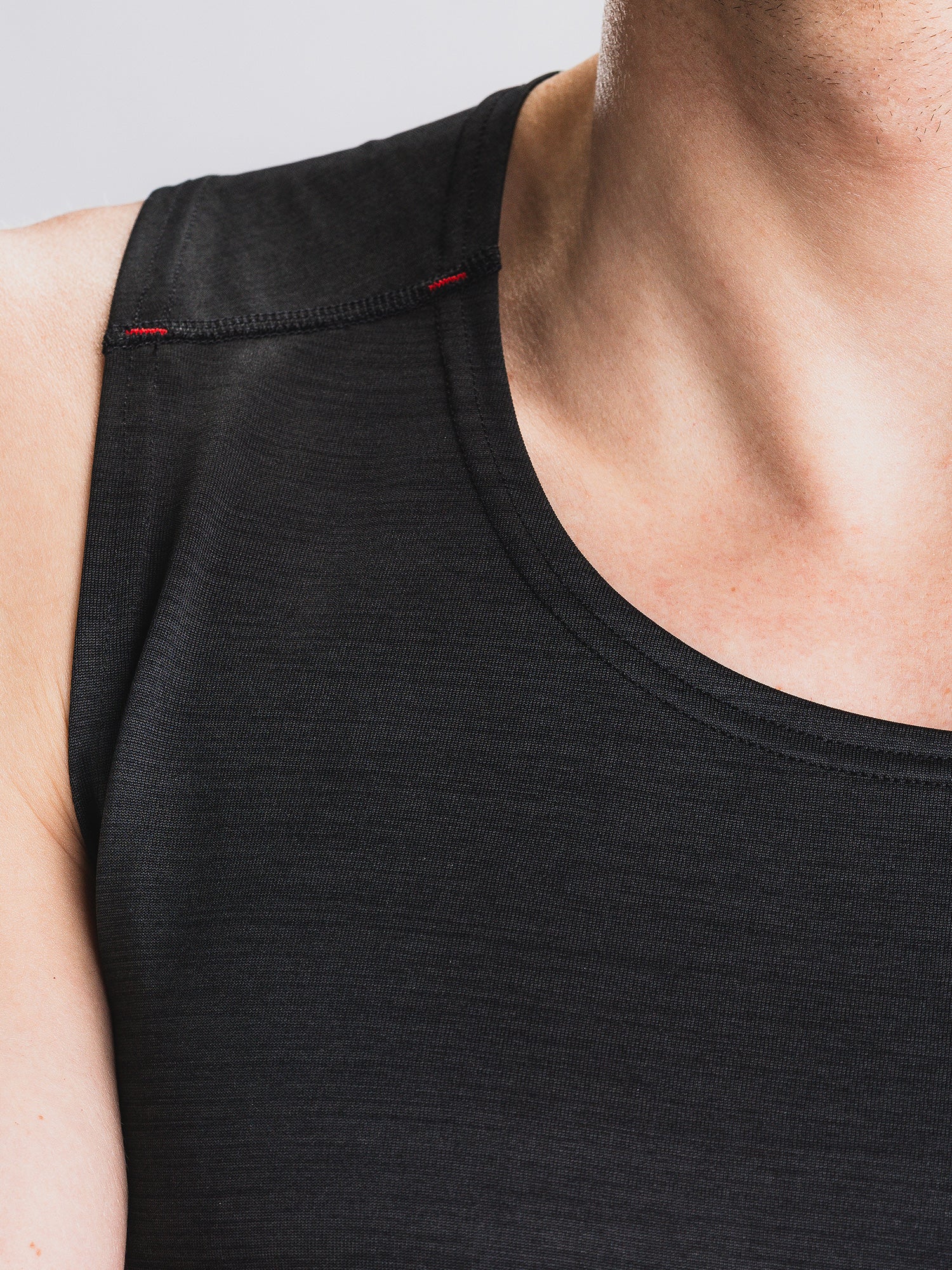


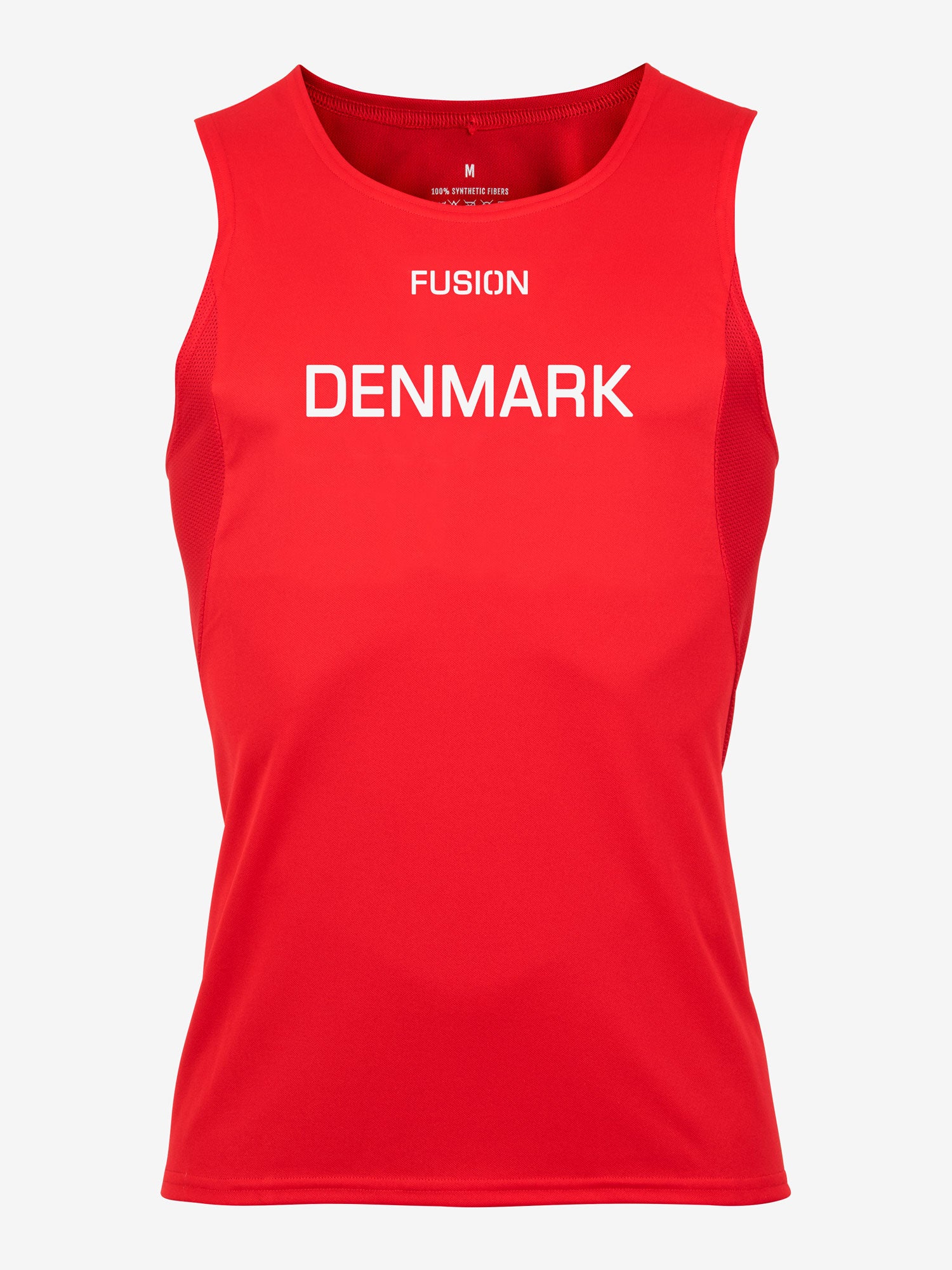
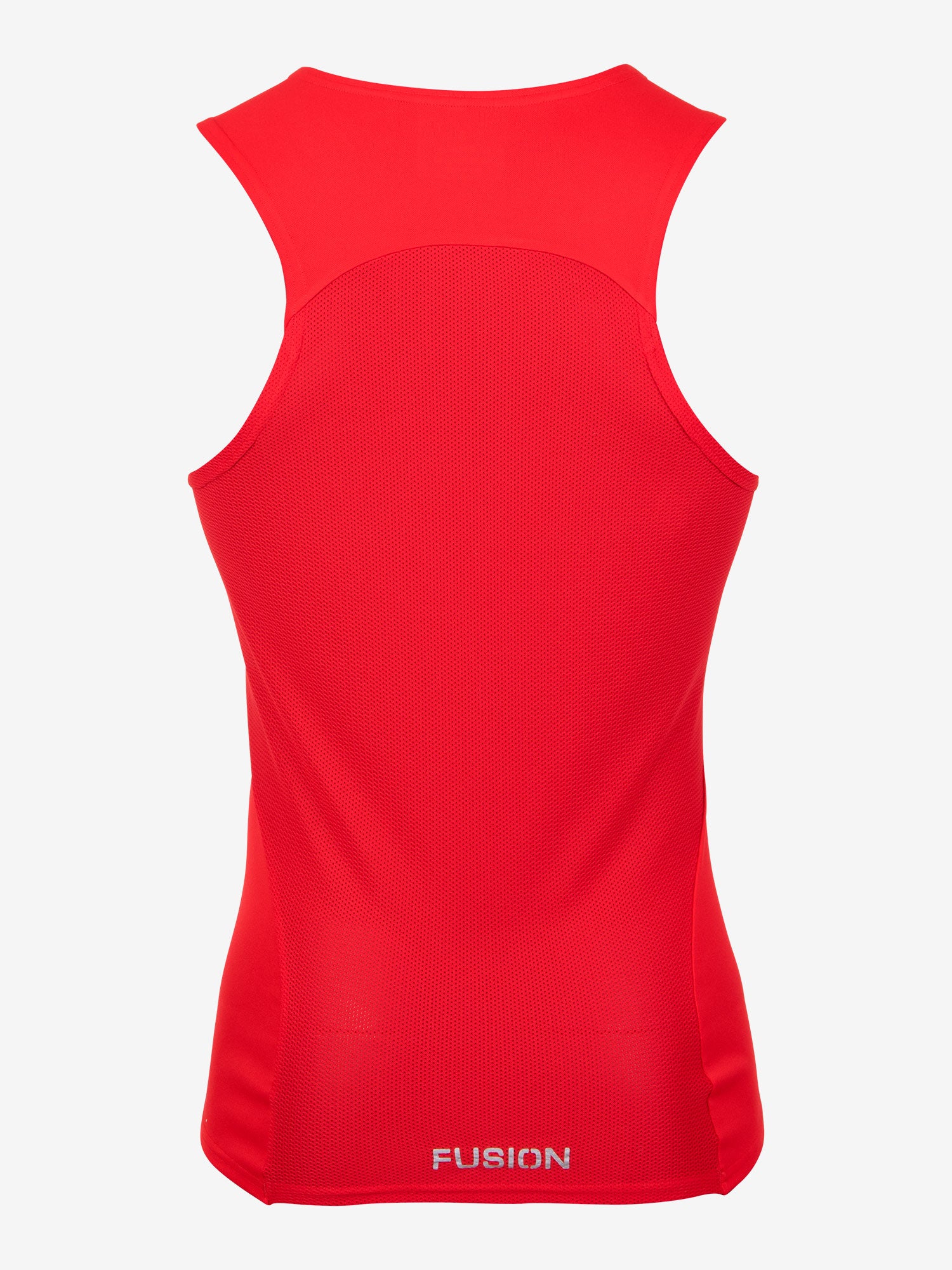
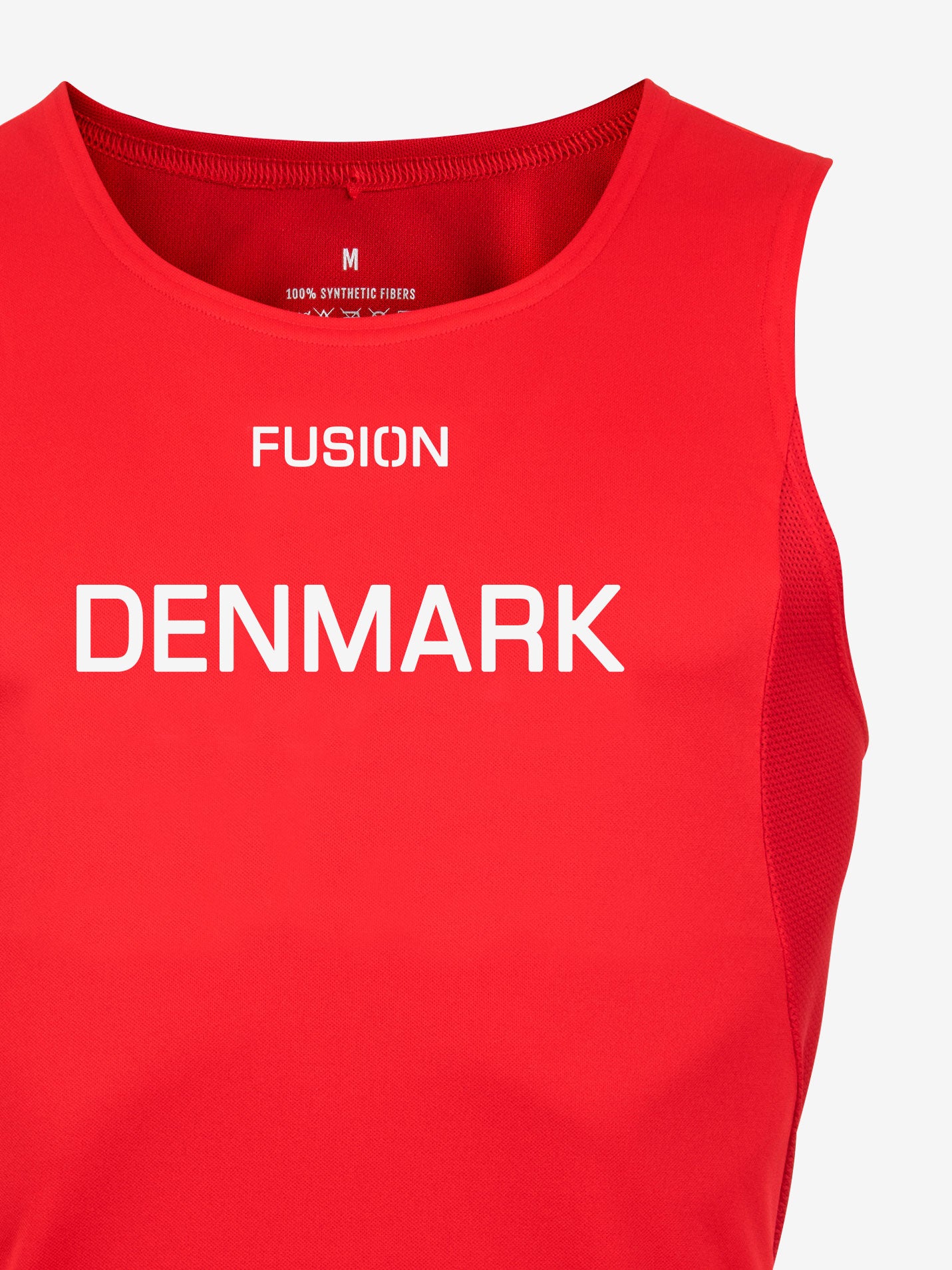


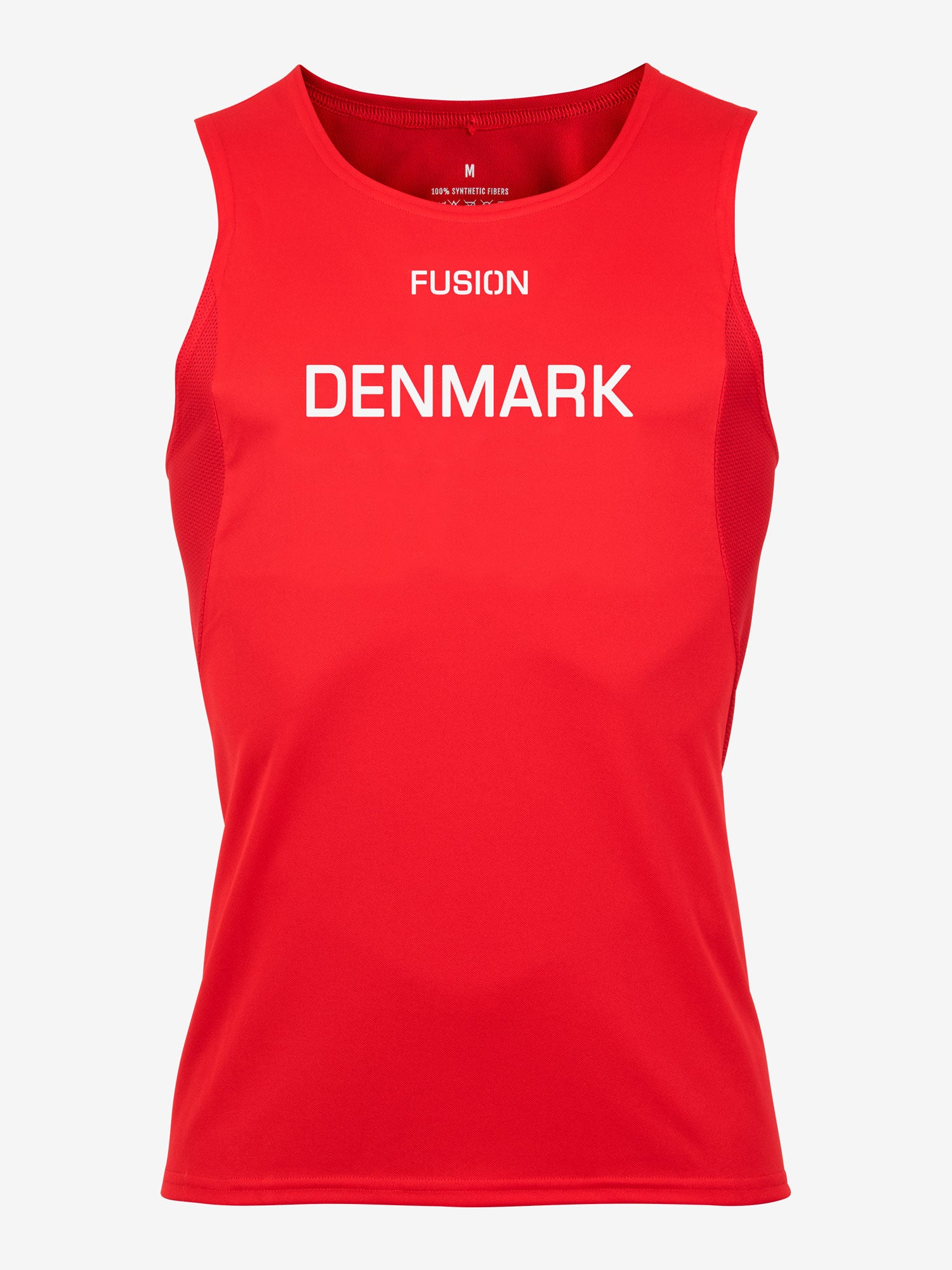
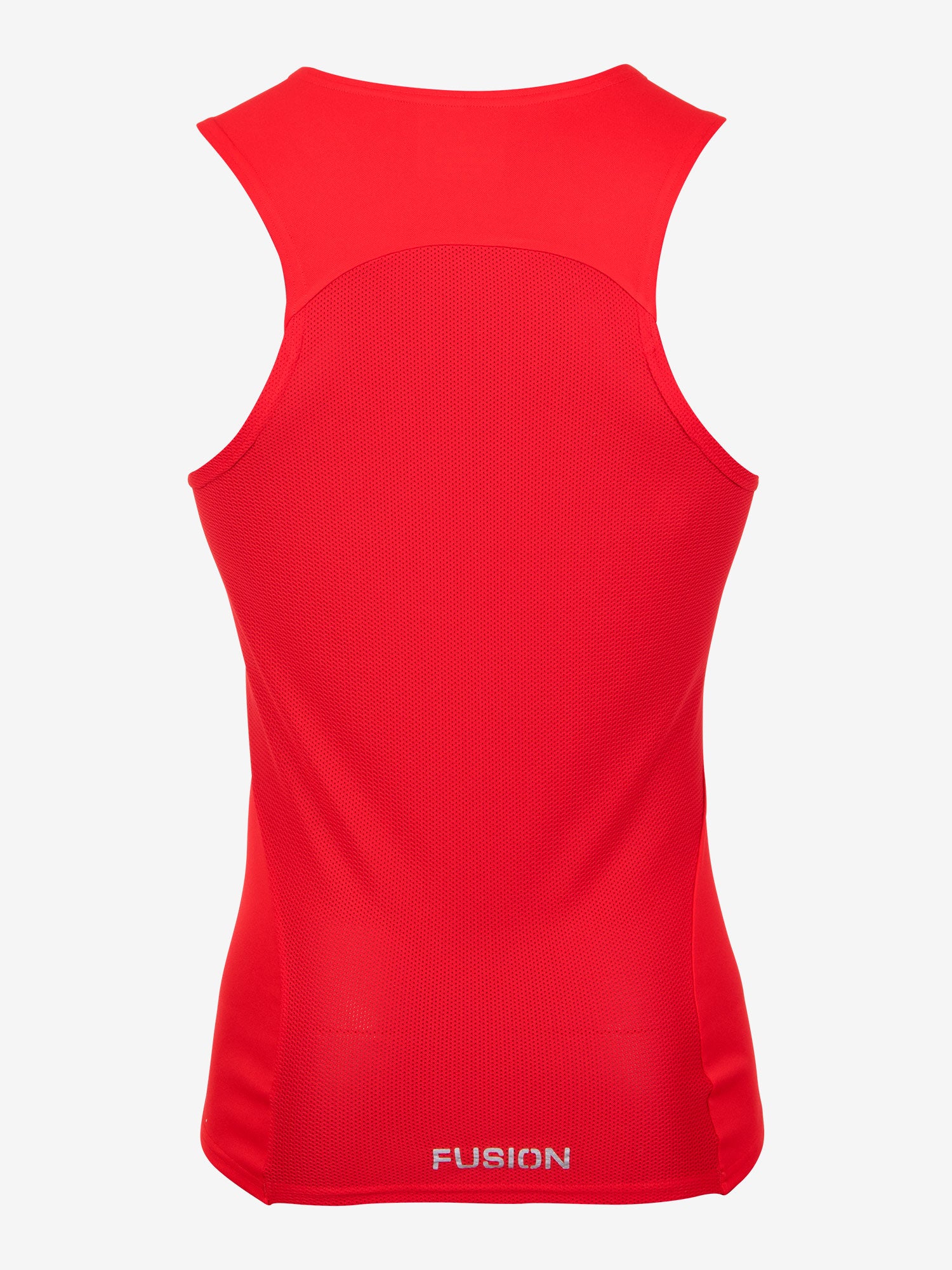
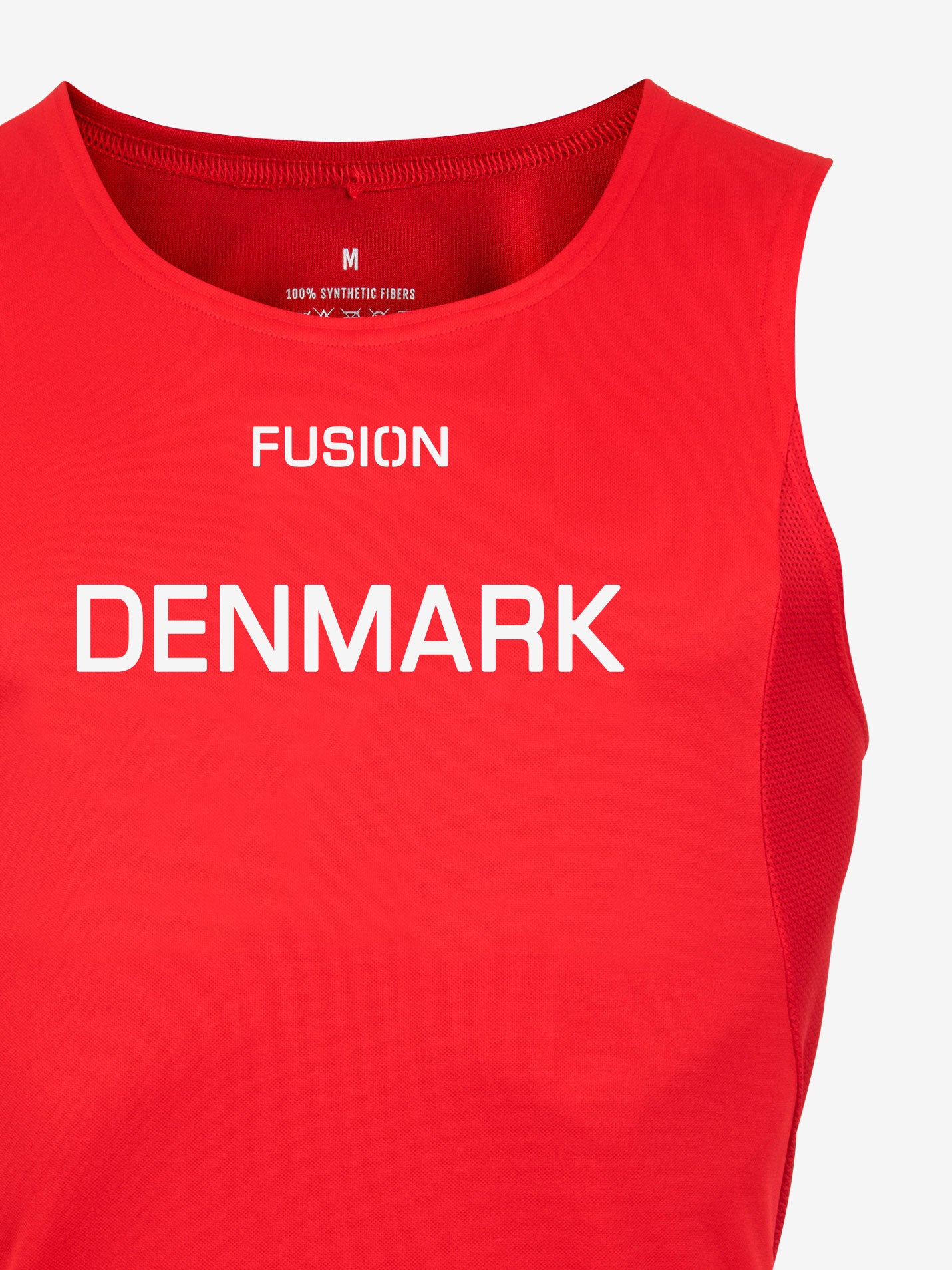
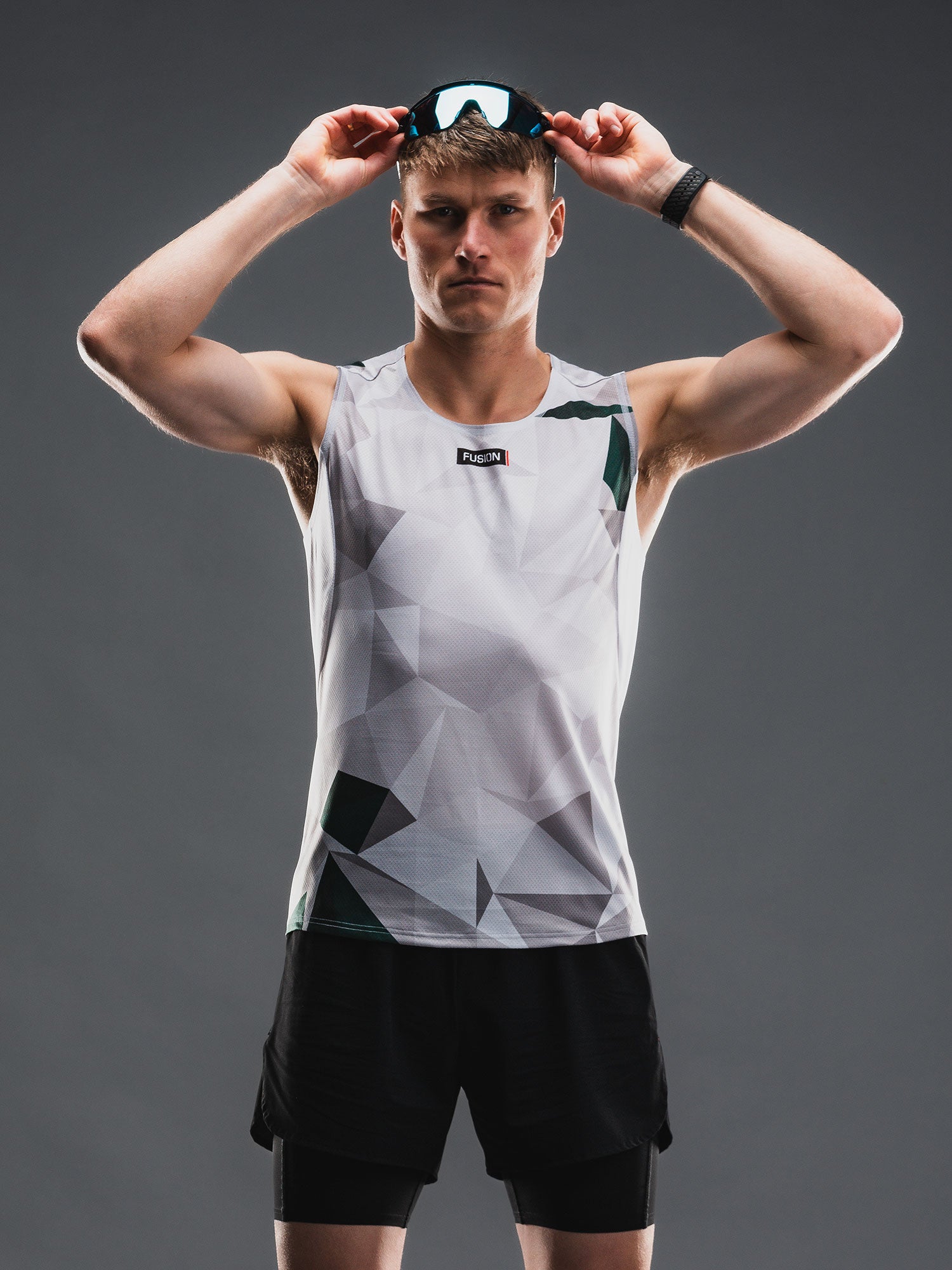

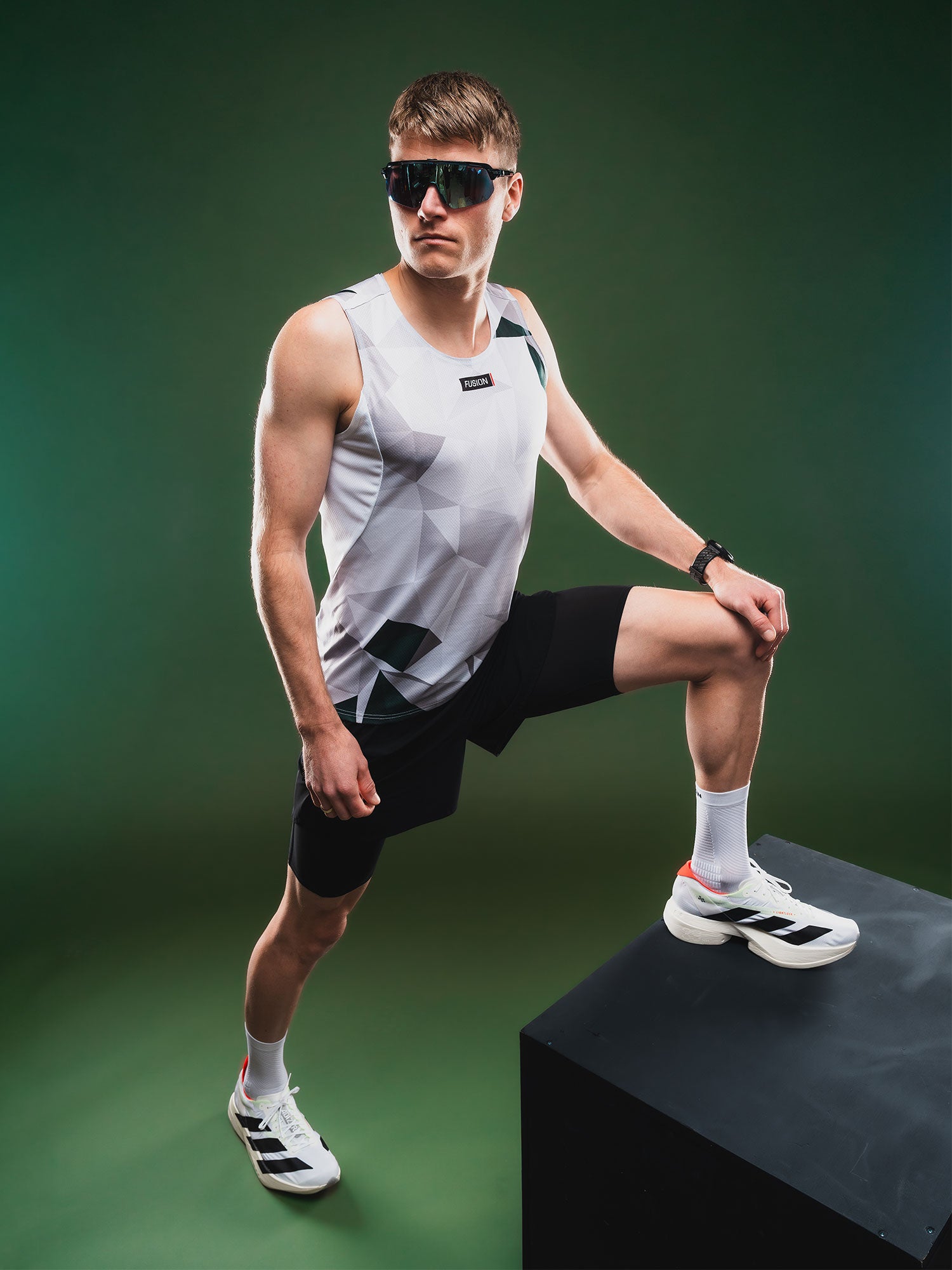


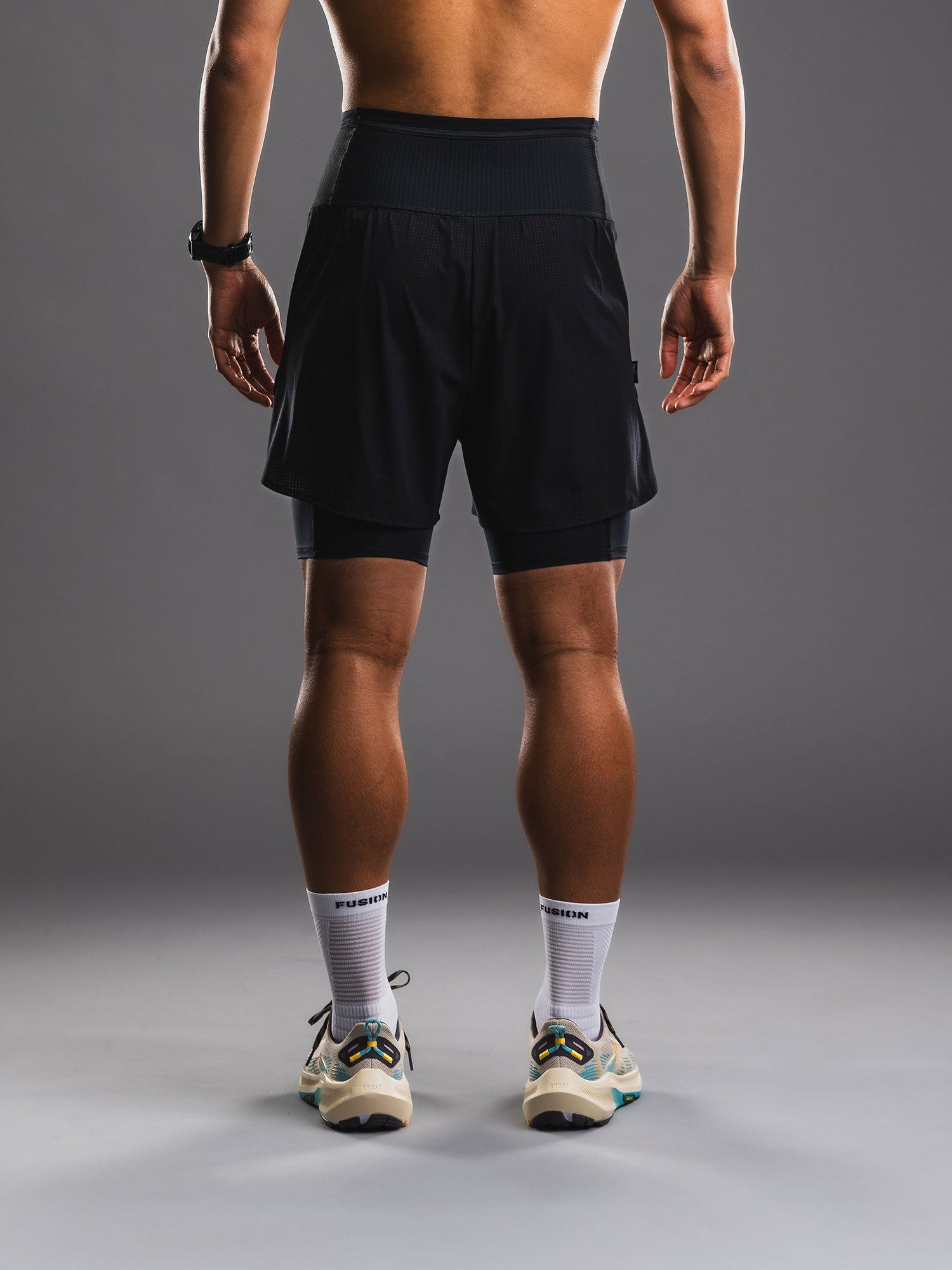

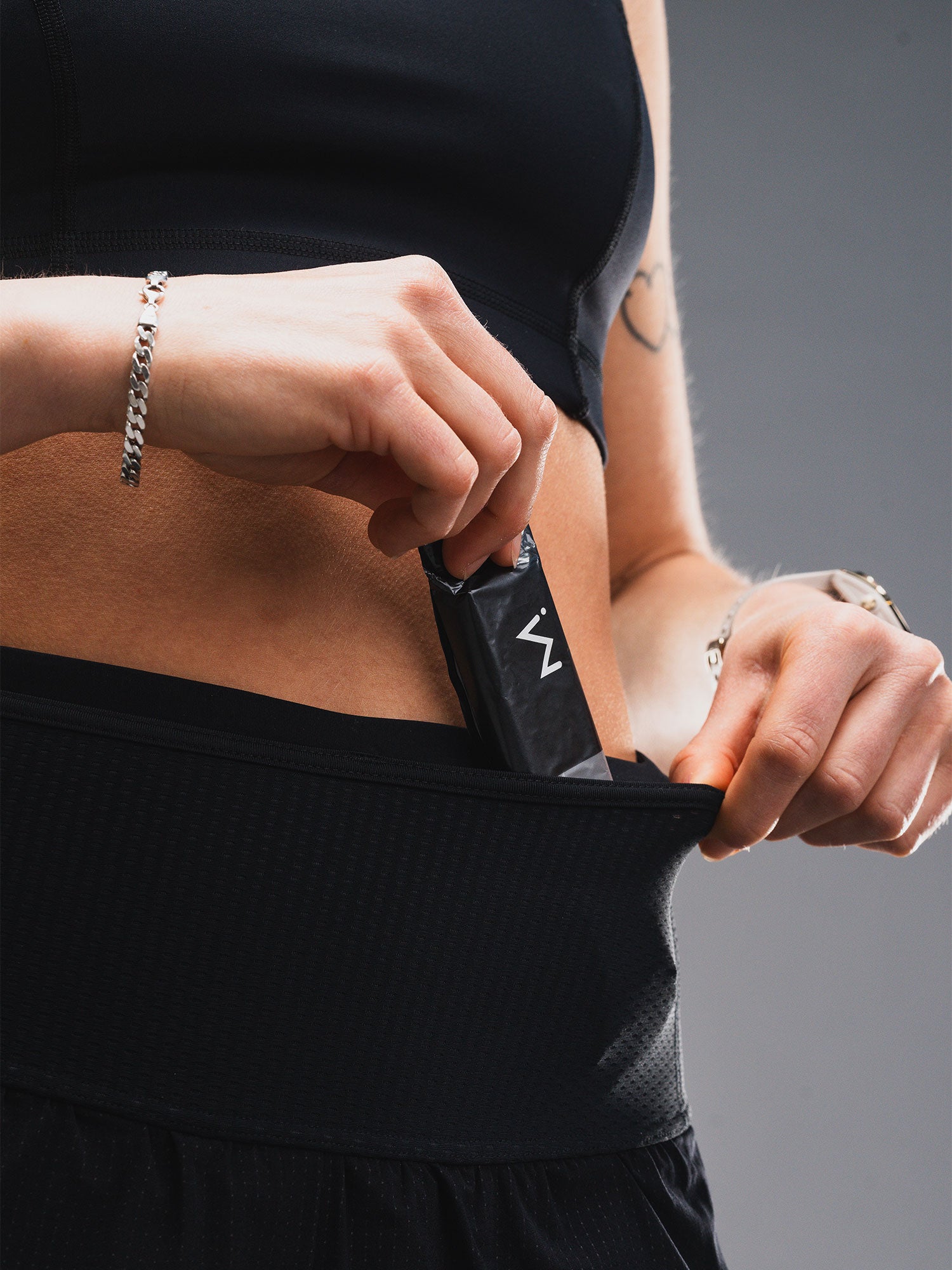
Engineered for modern trail running with storage, airflow and unrestricted movement.
€160
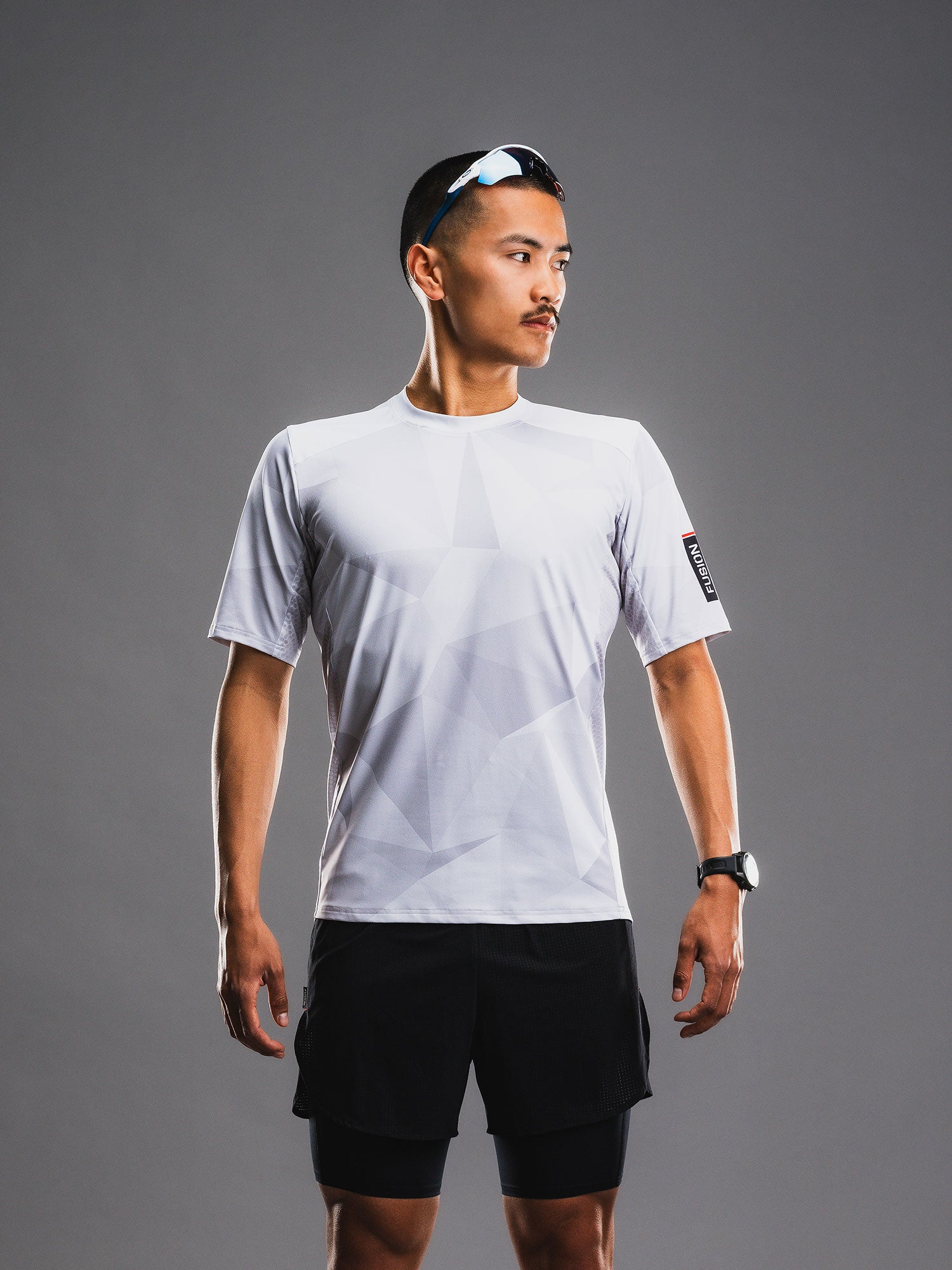

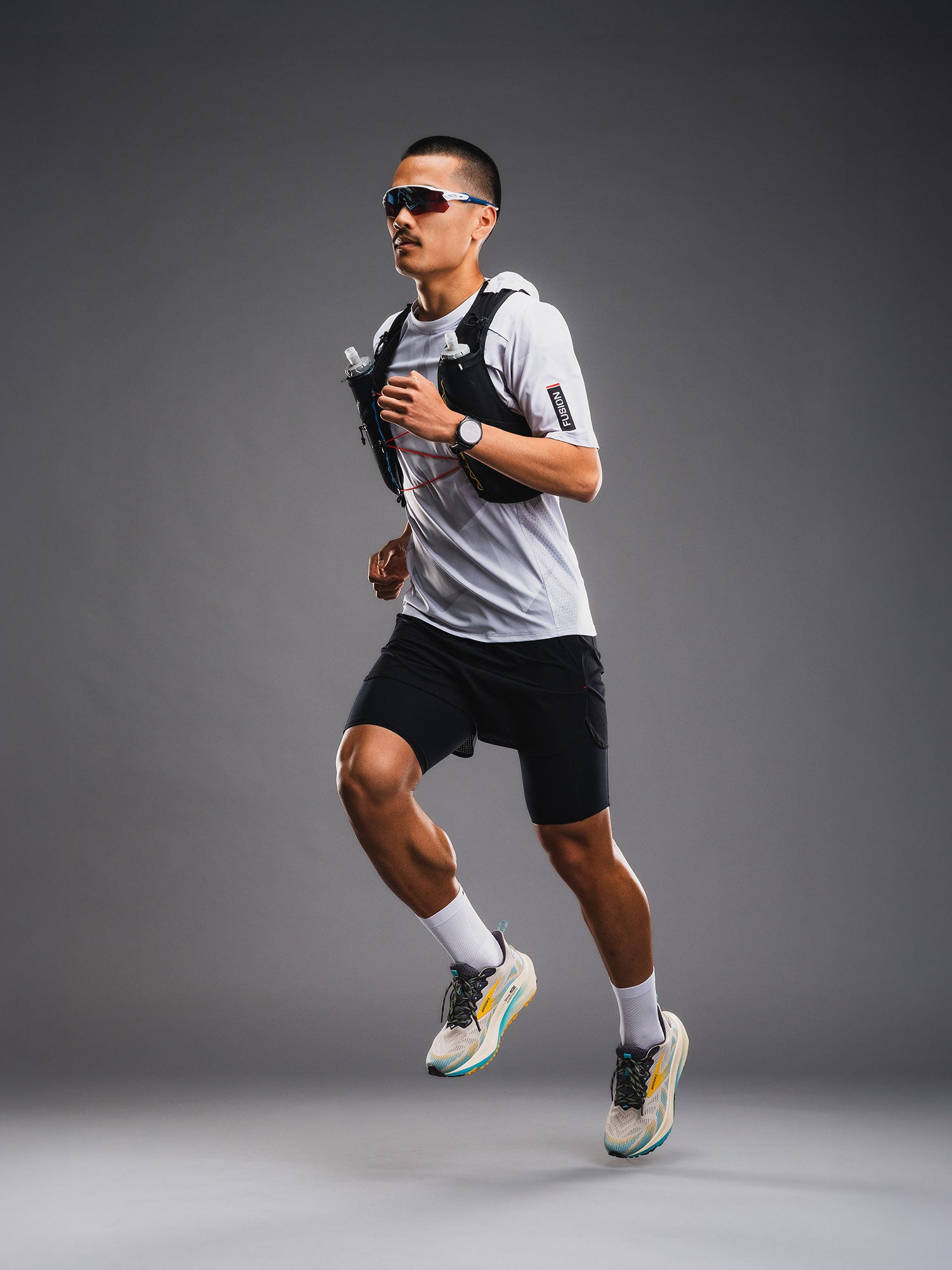
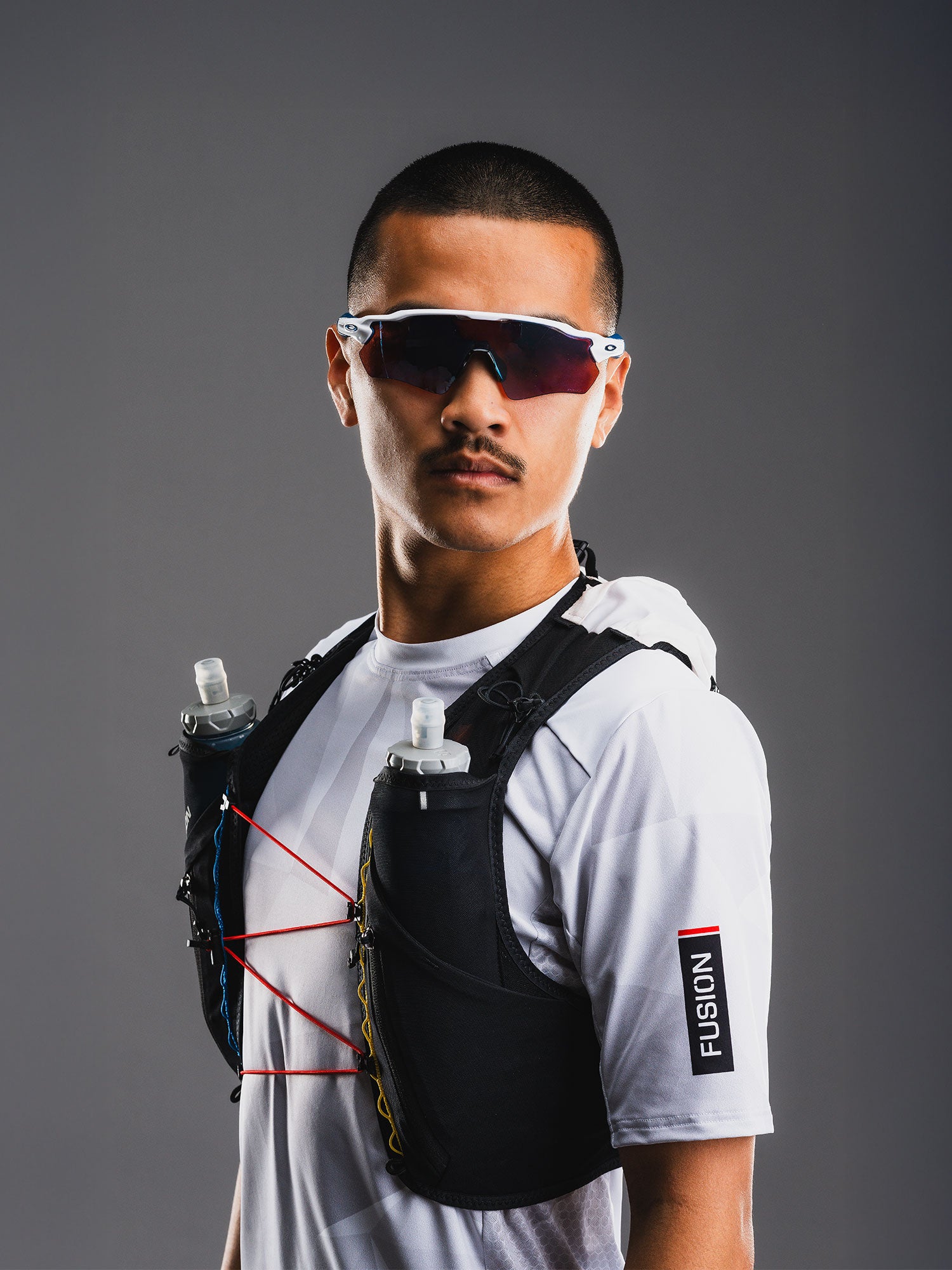
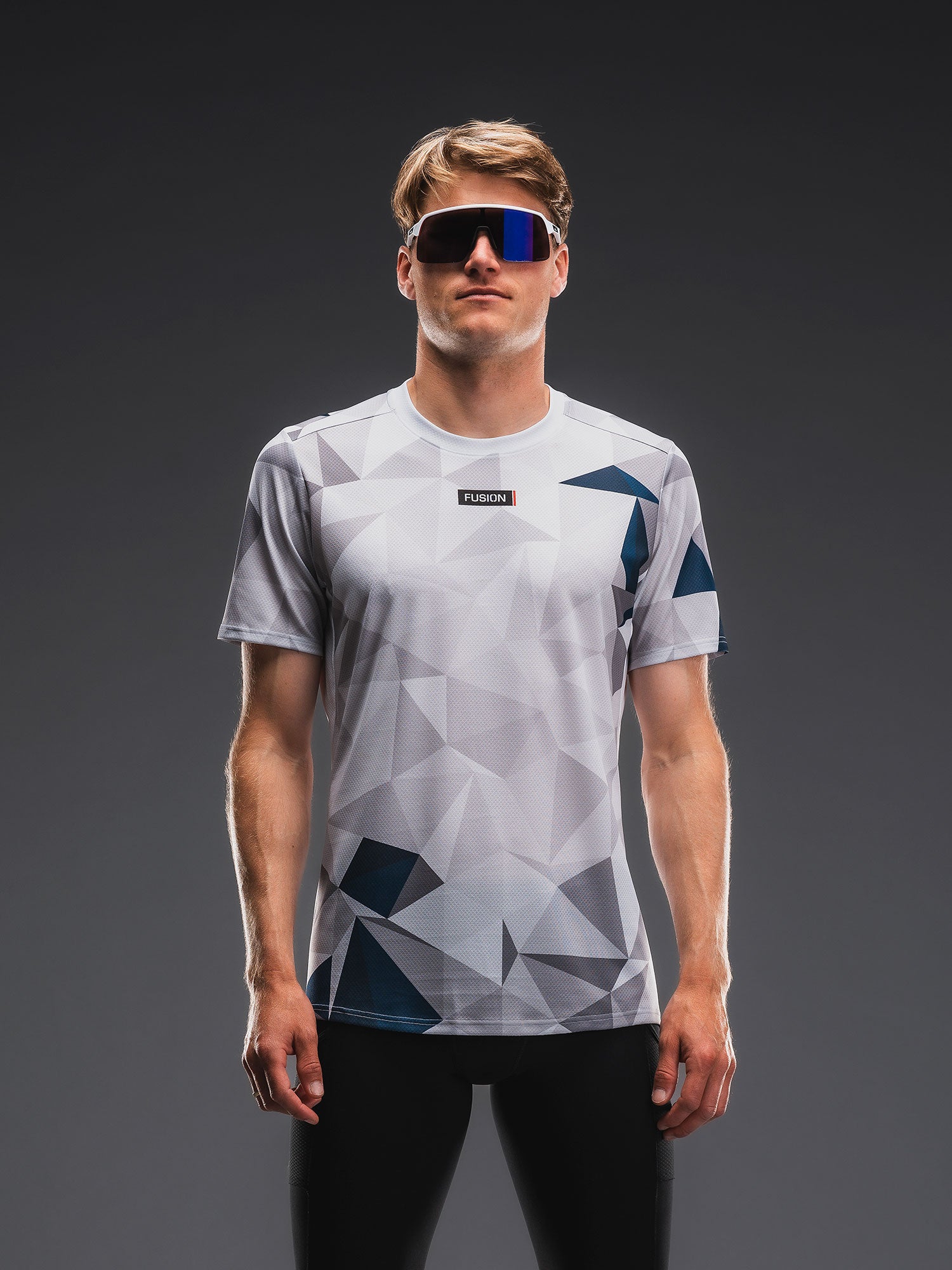
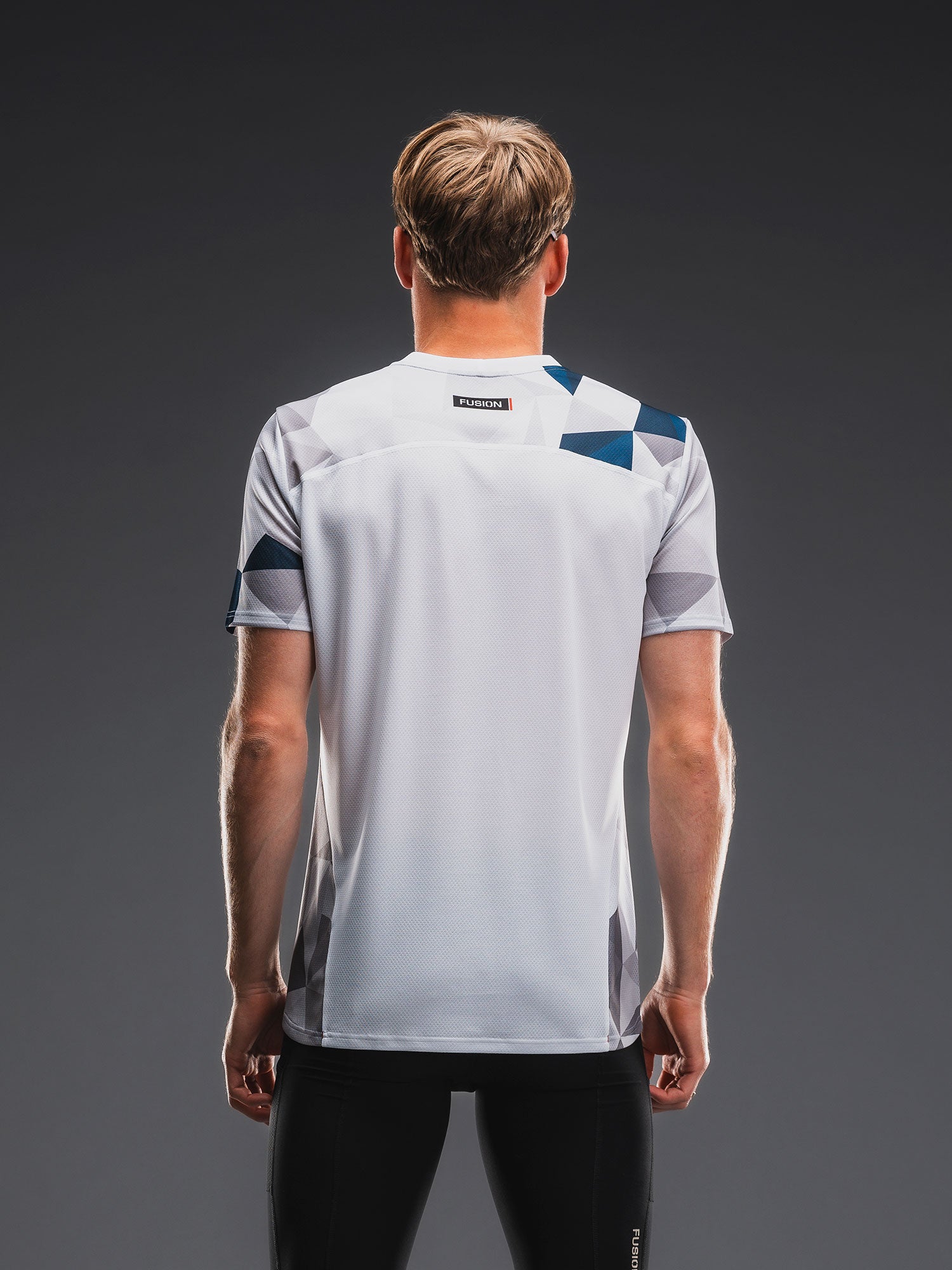
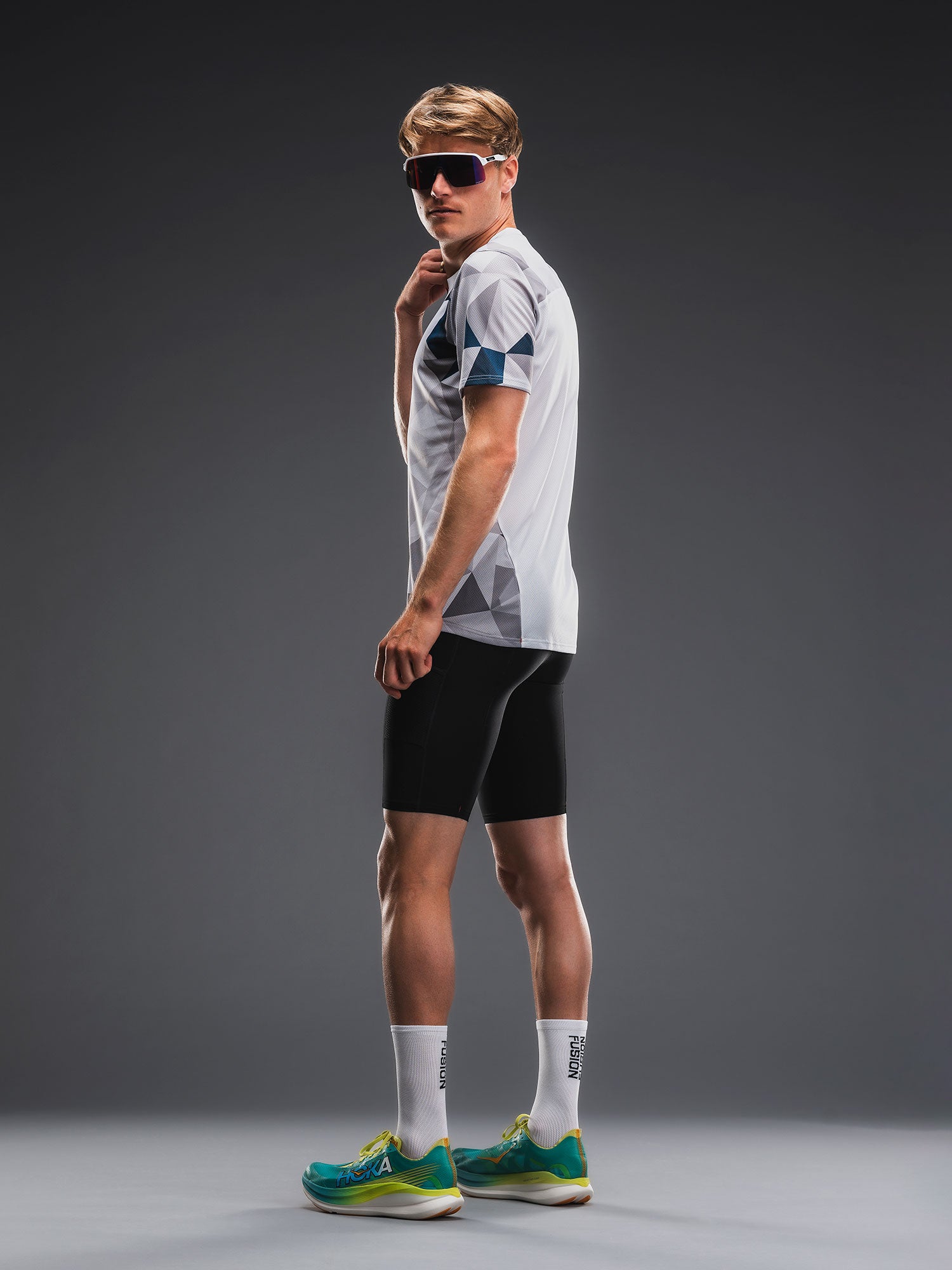
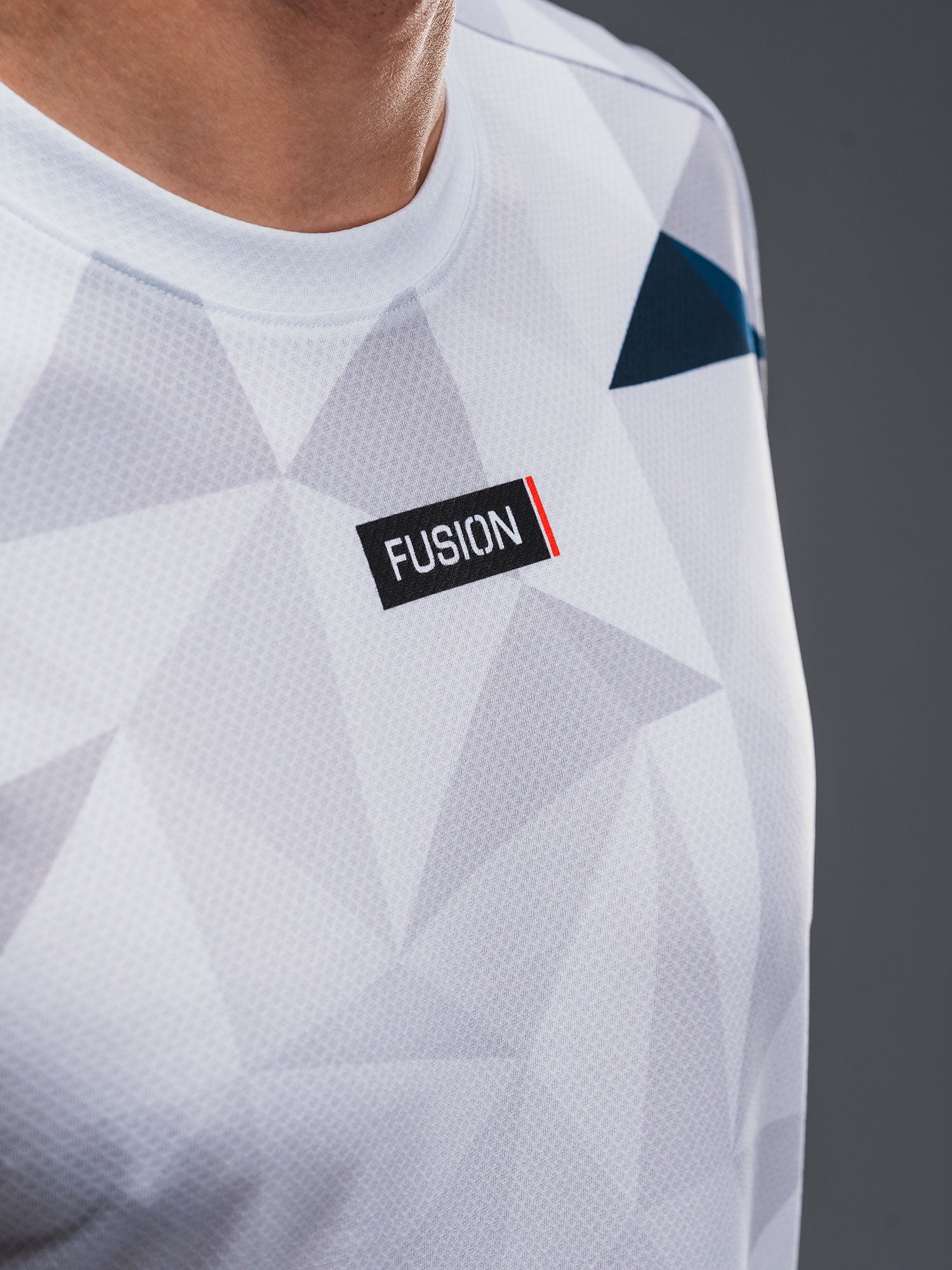
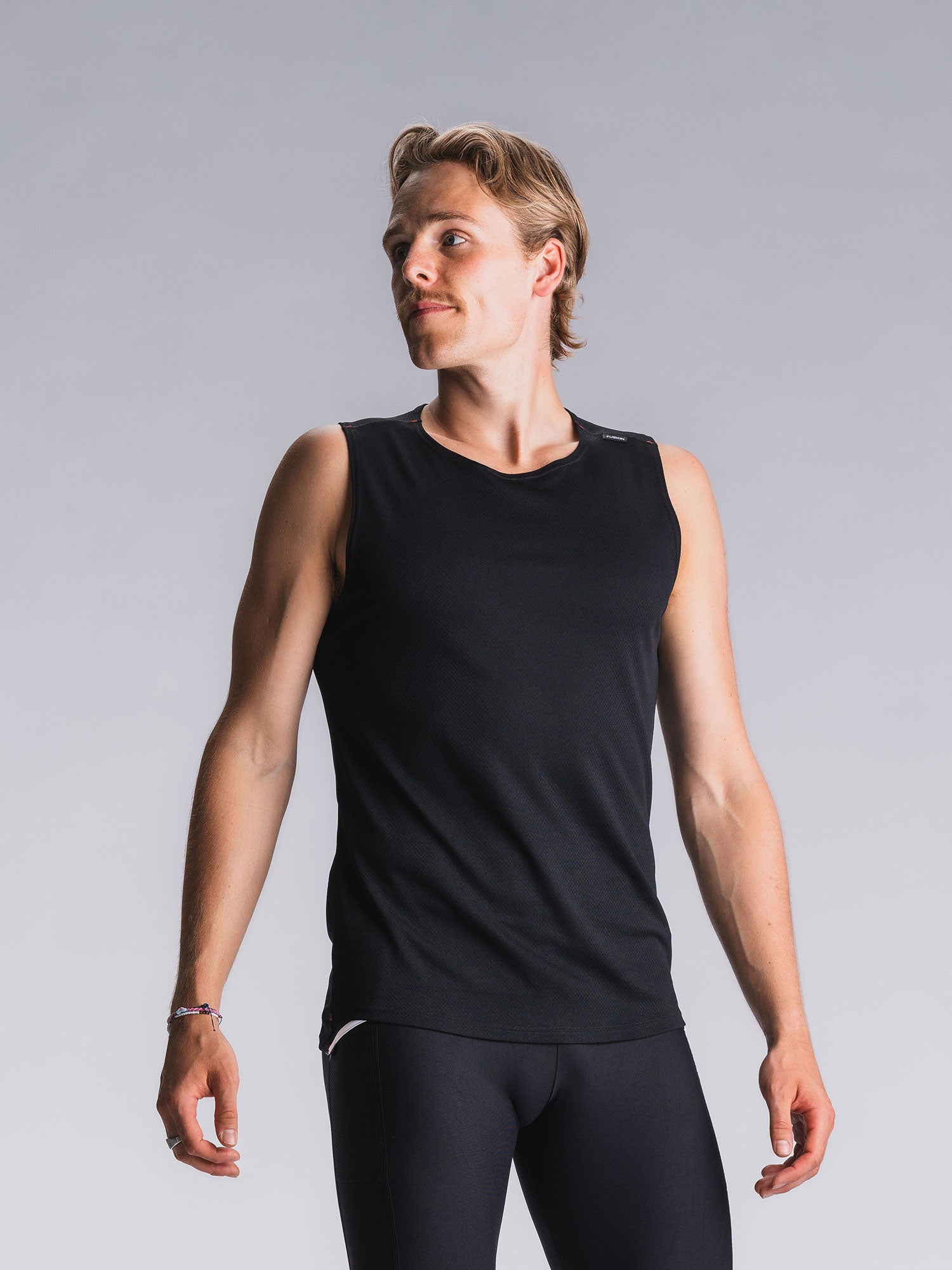
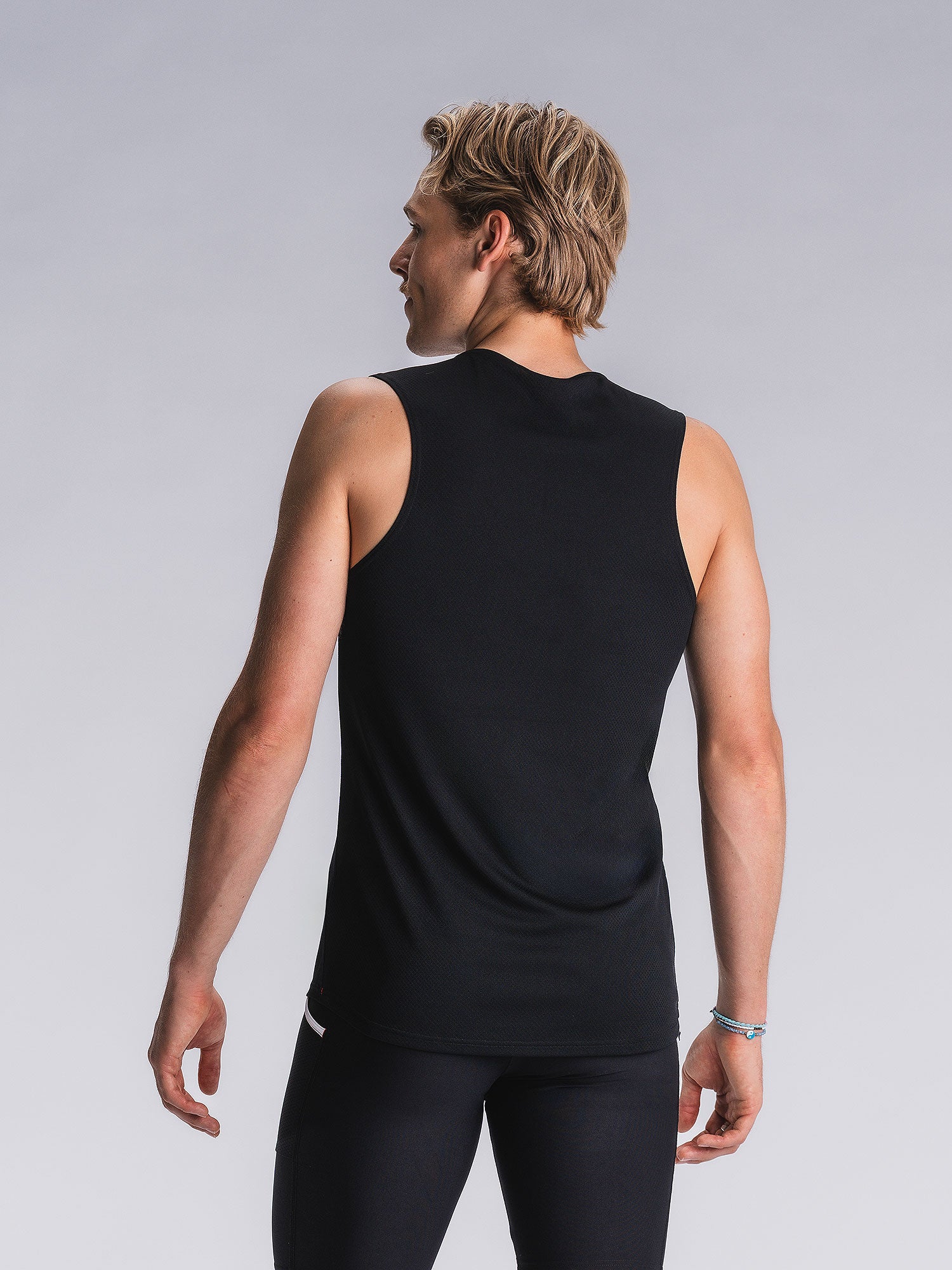
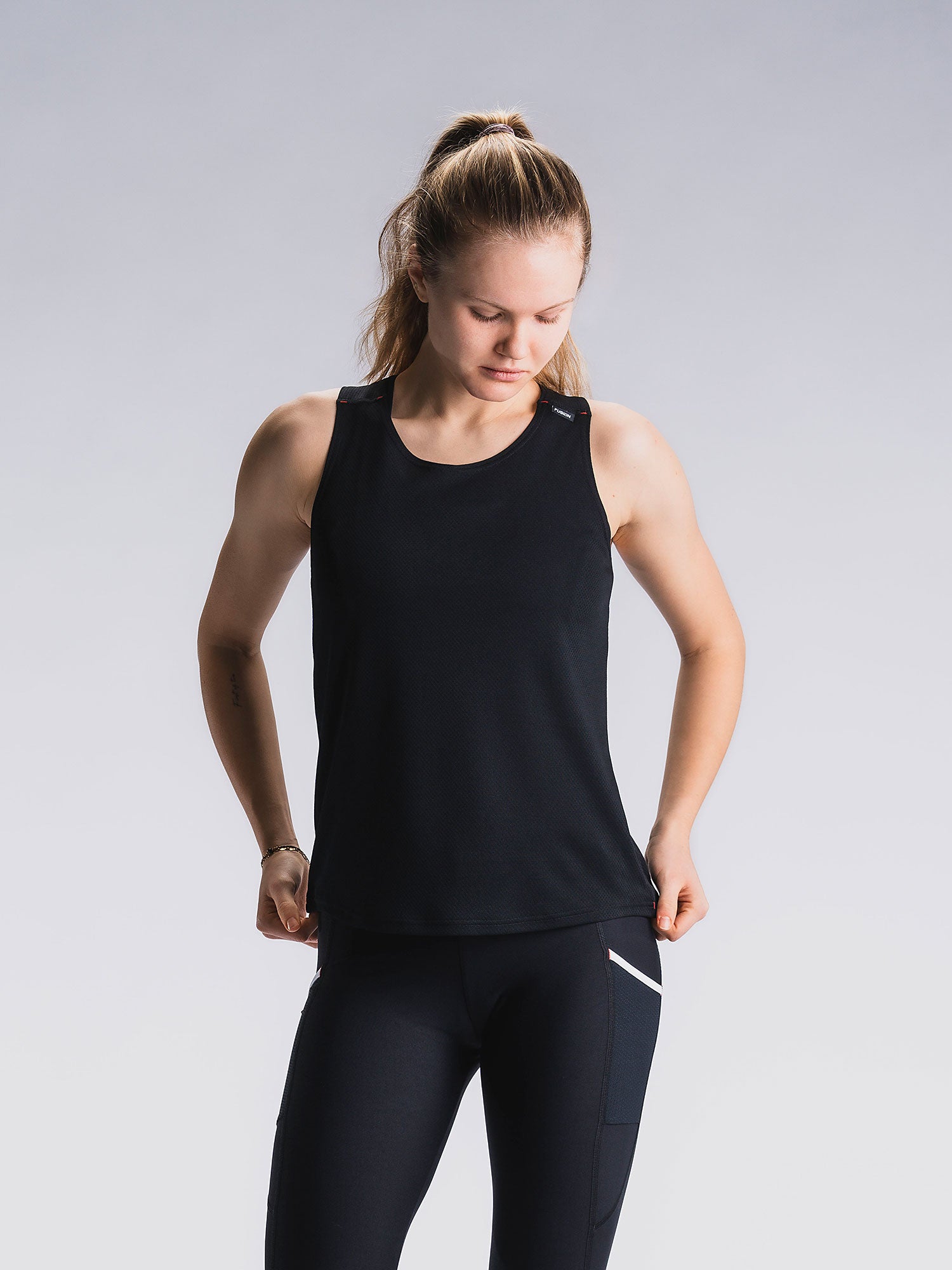
Race T-shirt with maximum ventilation for competition and intense training
€67



Breathable running T-shirt for warm conditions and daily training
€50


Featherlight raceday shorts with compressive moisture-wicking and maximum speed
€135



Running clothes designed around the way you run
The demands on your running clothes change with the conditions. On a warm summer run, you want lightweight fabrics that help manage heat and moisture. In cold wind, protection becomes more important. During a marathon, even small details such as a shifting waistband, a bouncing phone or an uncomfortable seam can become increasingly noticeable.
Choosing the right running apparel starts with understanding these differences.
At FUSION, we develop technical running clothing with a focus on how fabrics, fit and construction perform during movement. Our experience comes from more than 25 years of working with endurance athletes, developing products for both everyday training and high-level competition.
The result is a running collection designed for different distances, intensities and weather conditions, with the same attention to functionality and durability throughout.
Choosing the right running apparel
Running tights and shorts: fit, freedom of movement and storage
The choice between running tights and shorts is about more than temperature. It also depends on how much coverage you prefer, what you need to carry and how you want your clothing to fit during a run.
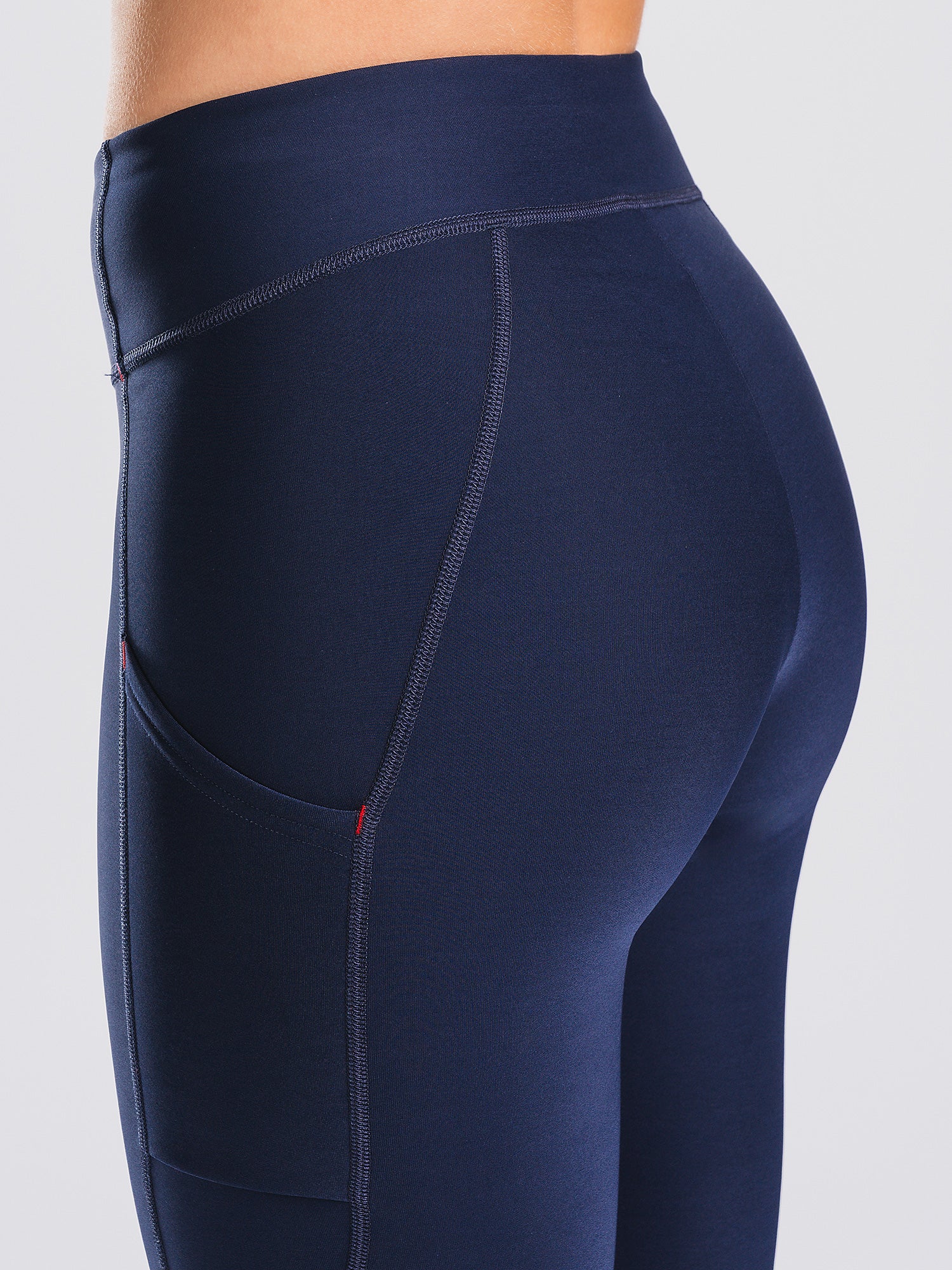
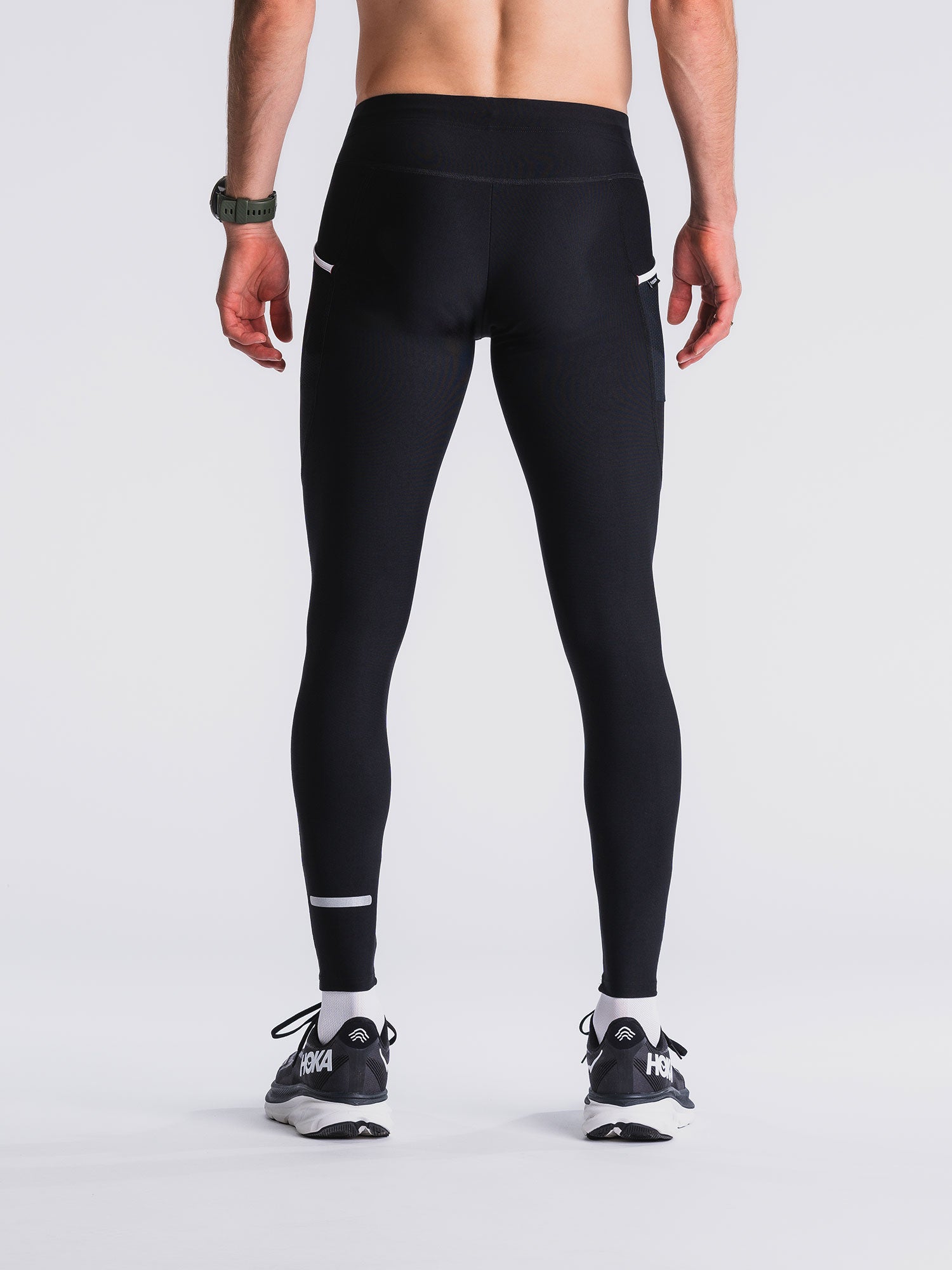
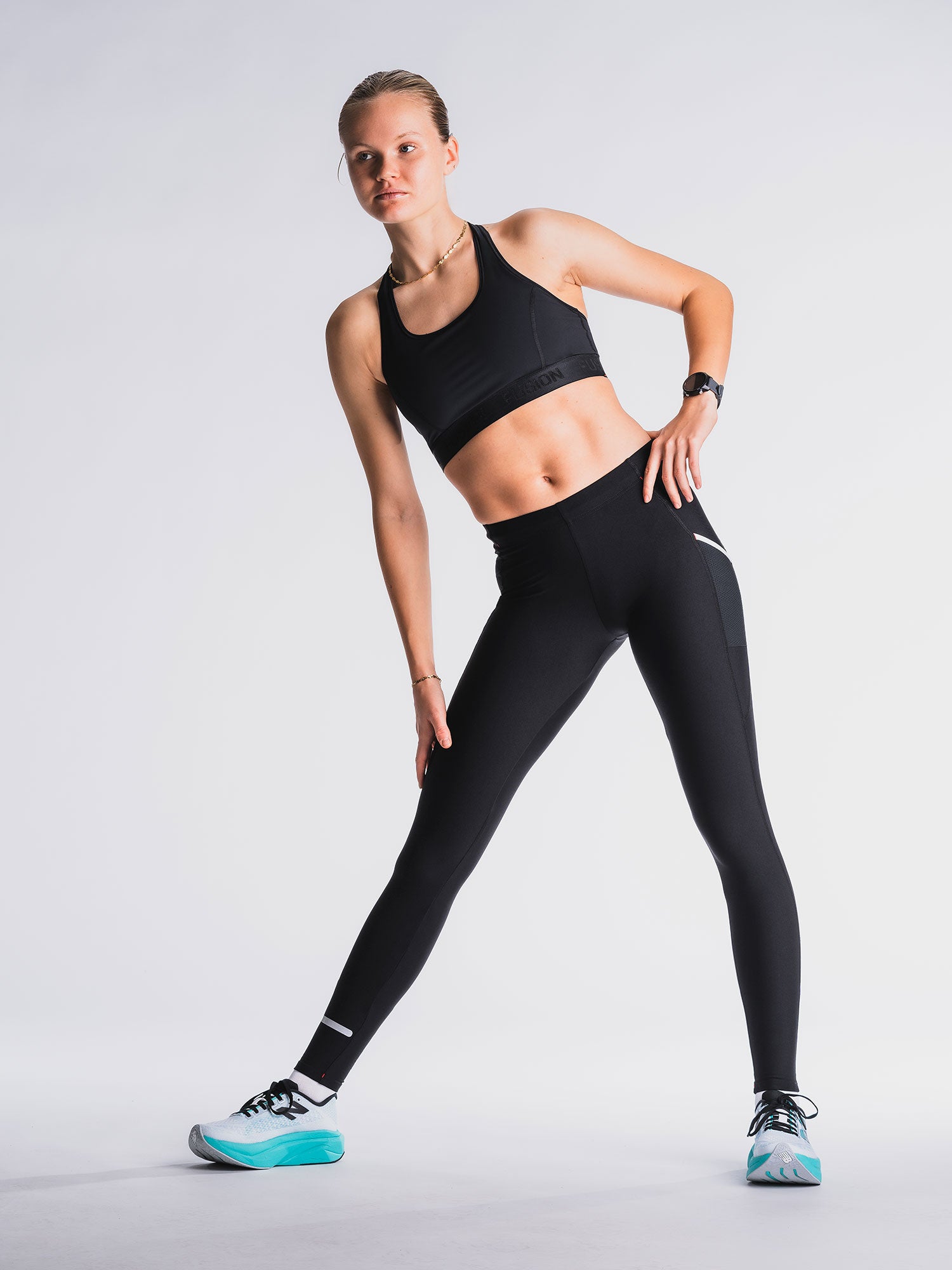
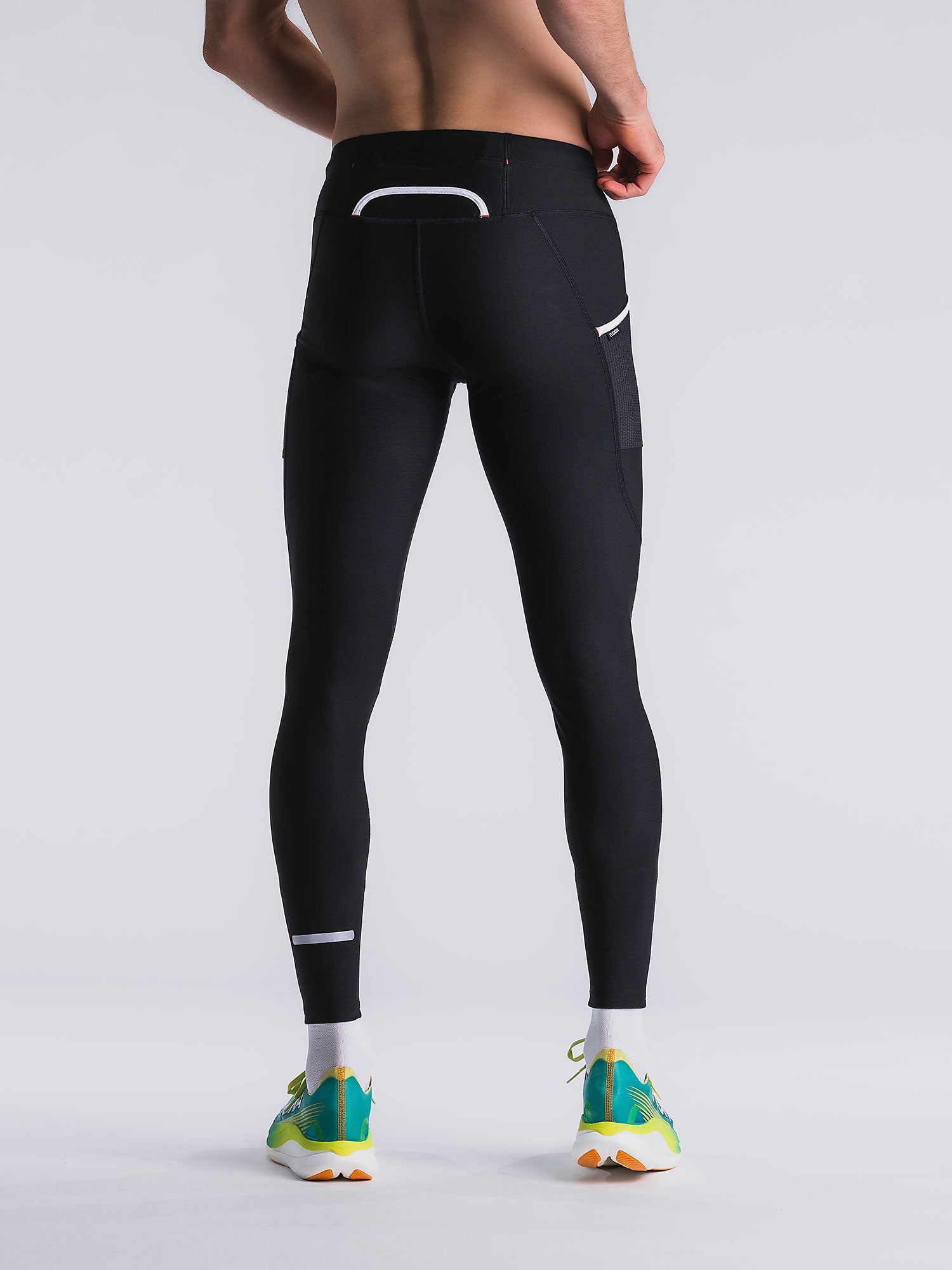
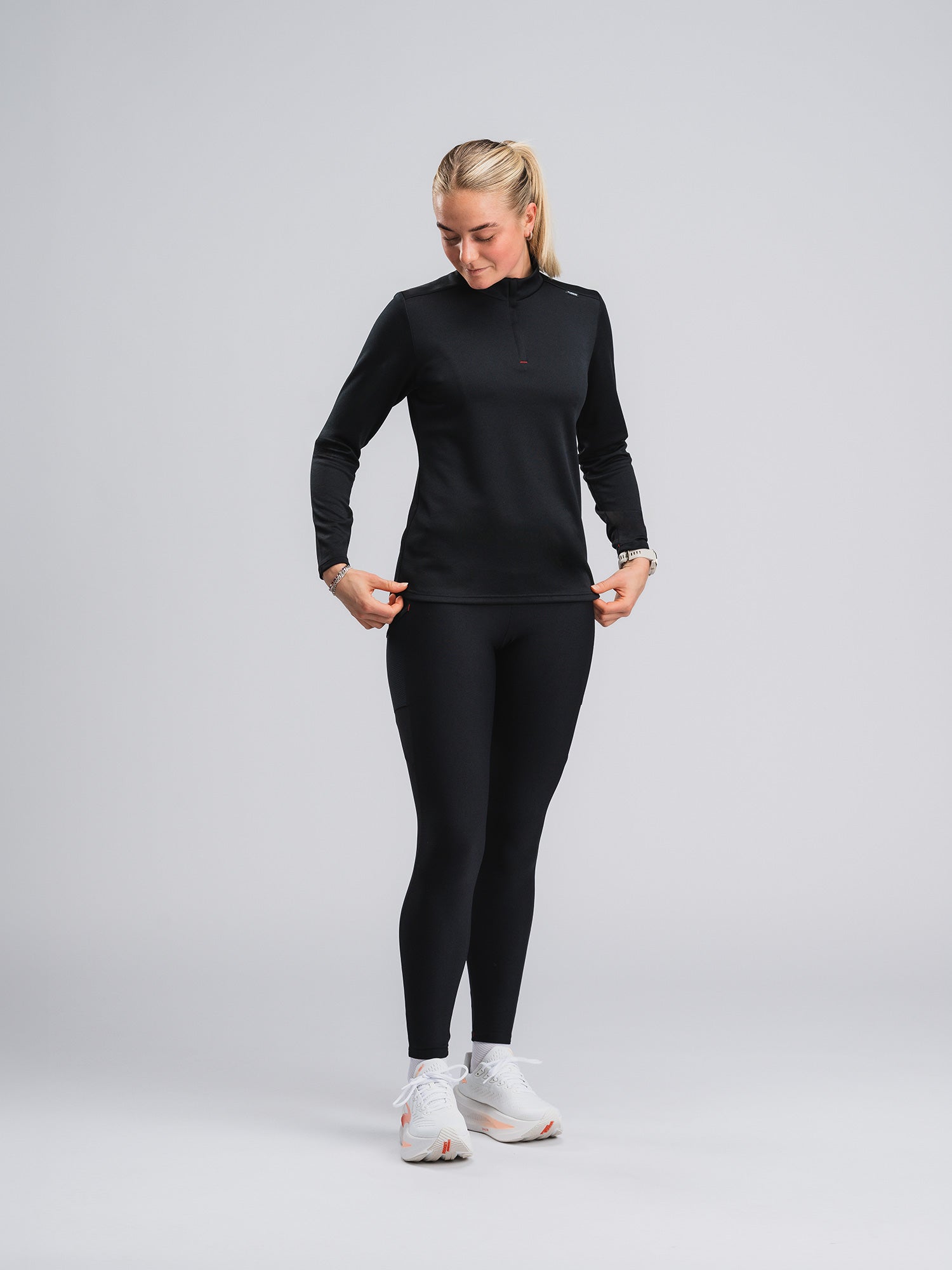
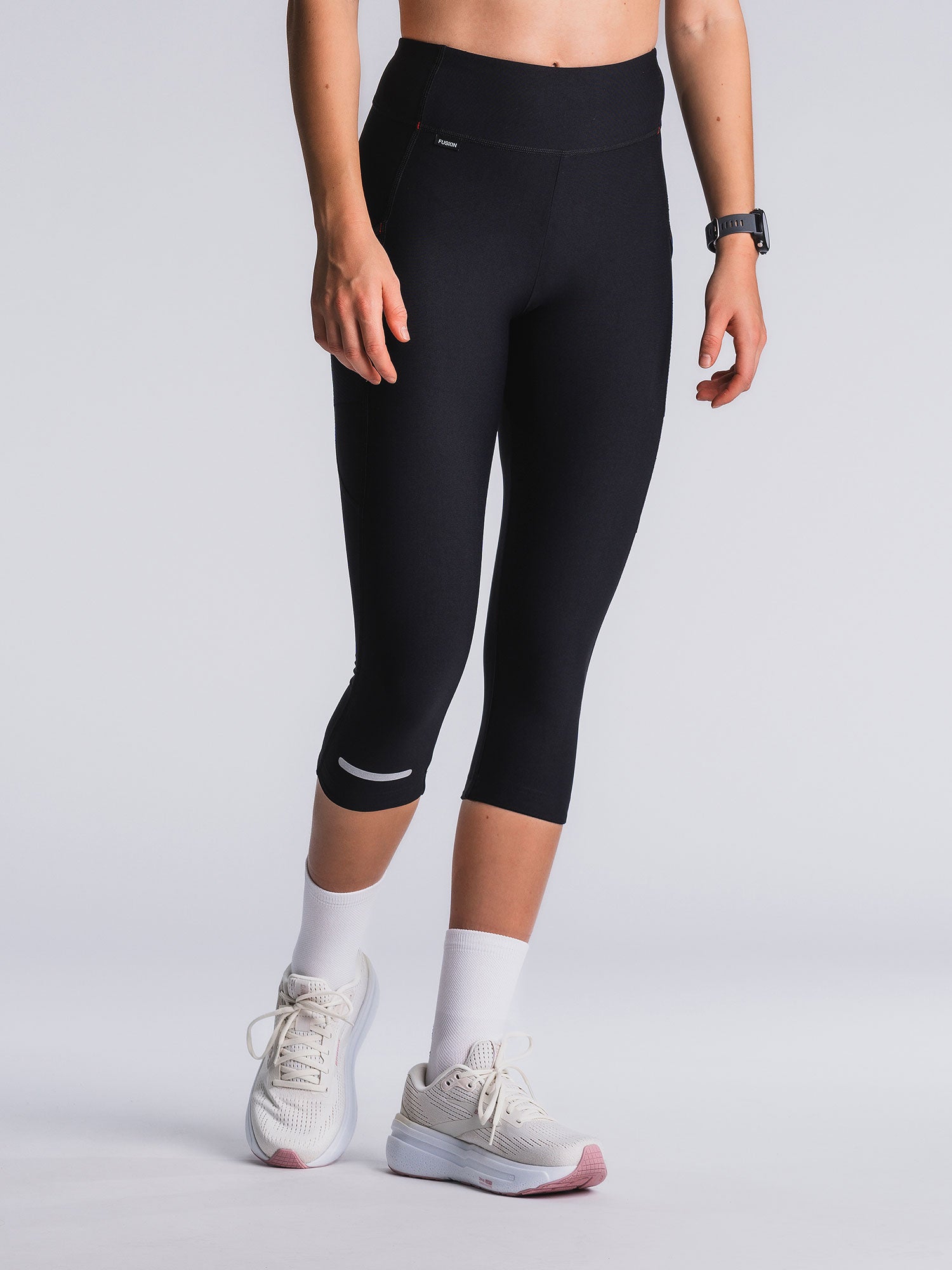
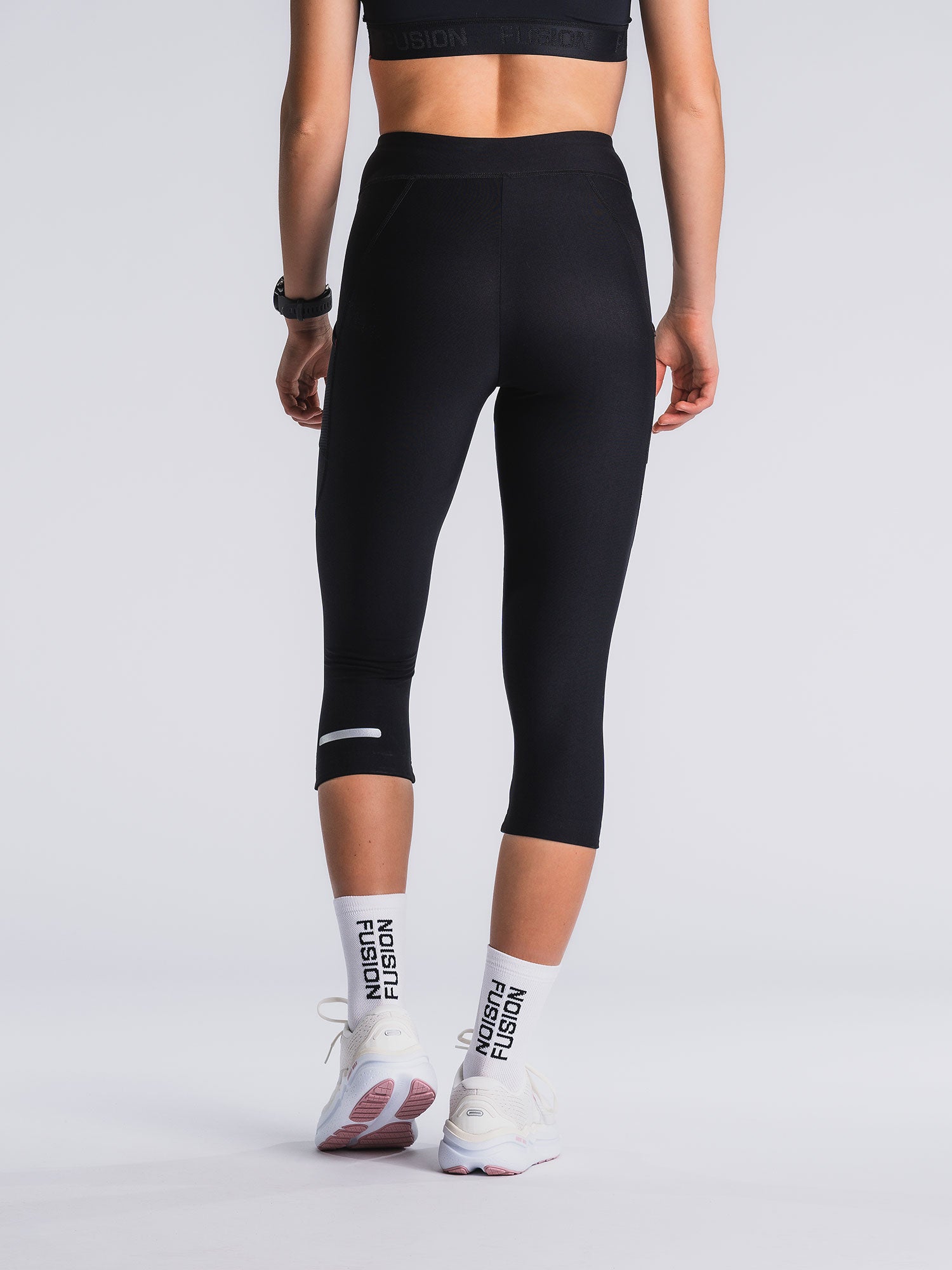
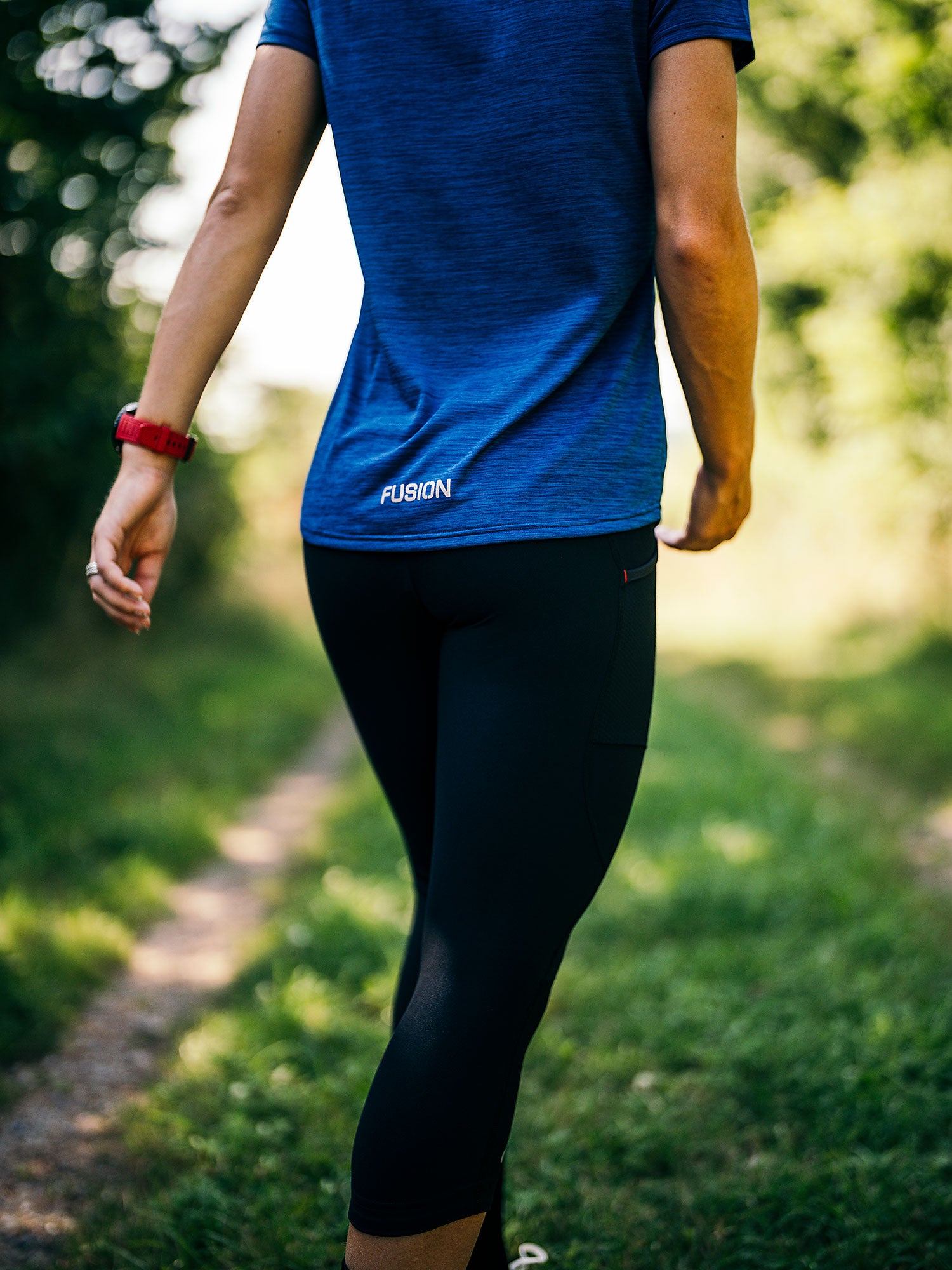
Running tights provide a close fit that follows your movements. Many FUSION models feature elastic thigh pockets designed to keep a phone, keys or other essentials close to the body, reducing unwanted movement while running.
Our tights are developed for different purposes. The versatile C3 models are made for frequent training and repeated use, while the TEMPO! range includes more specialised performance designs for demanding sessions and competition. For colder conditions, insulated tights provide additional warmth.
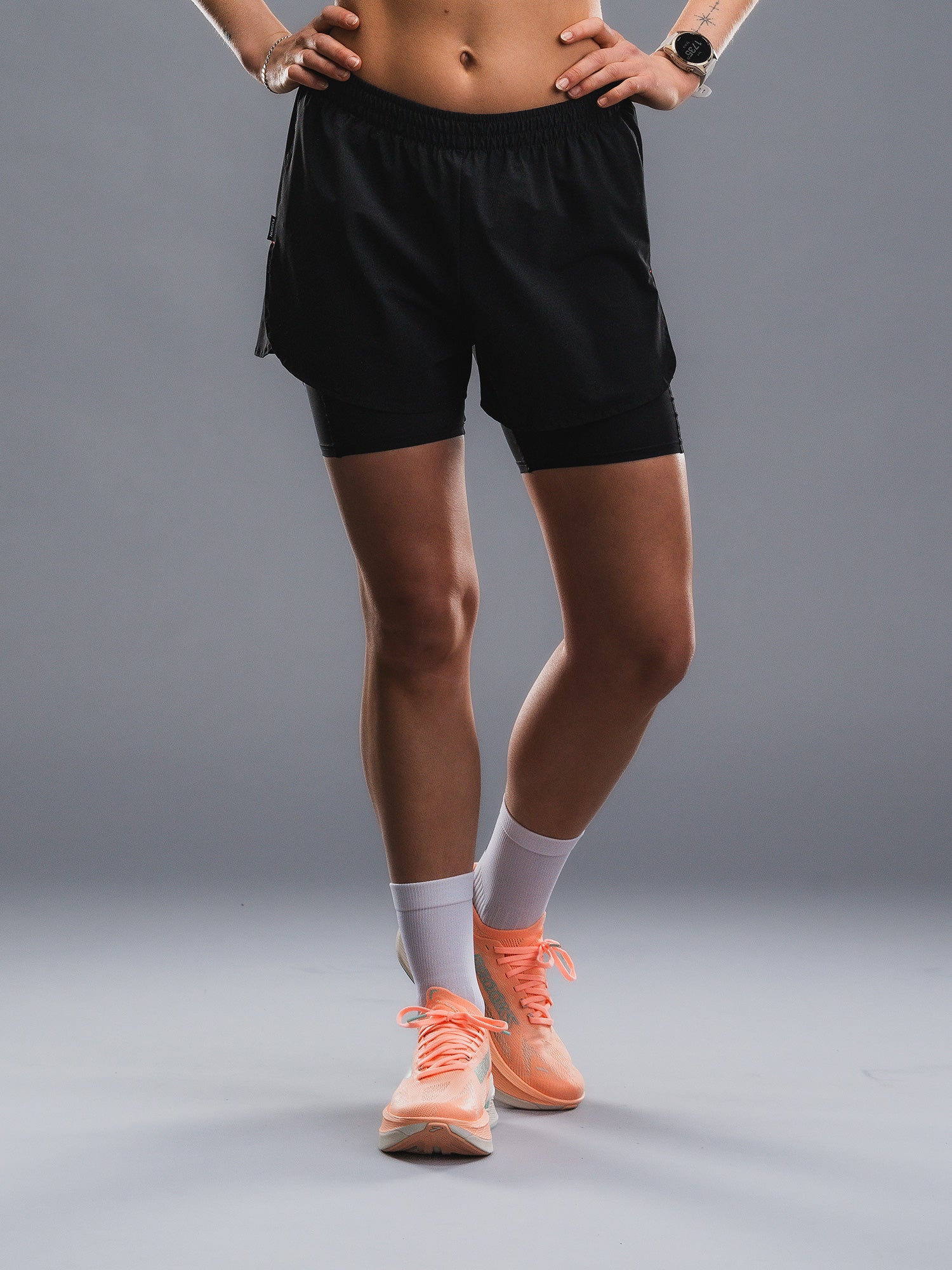
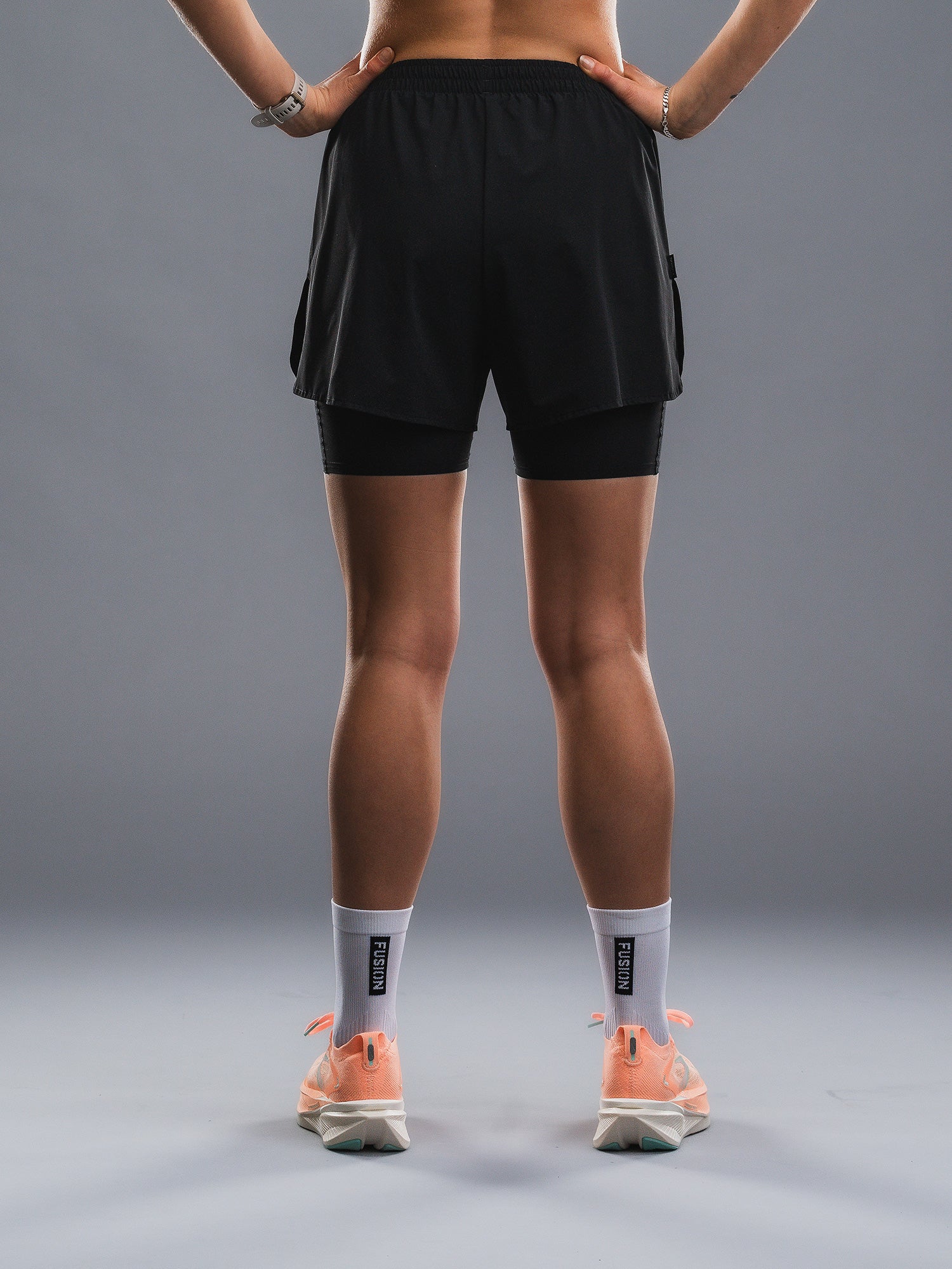
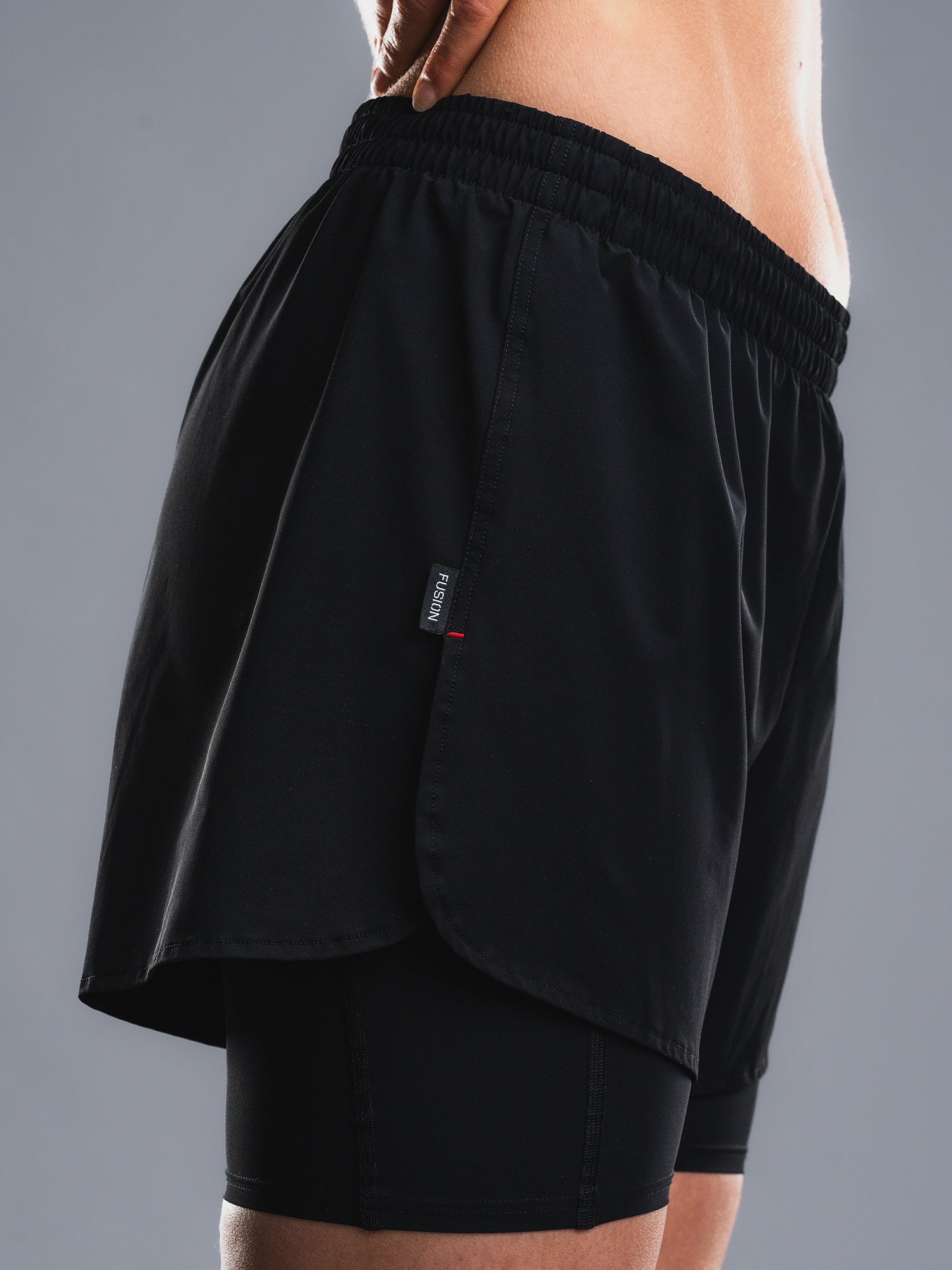
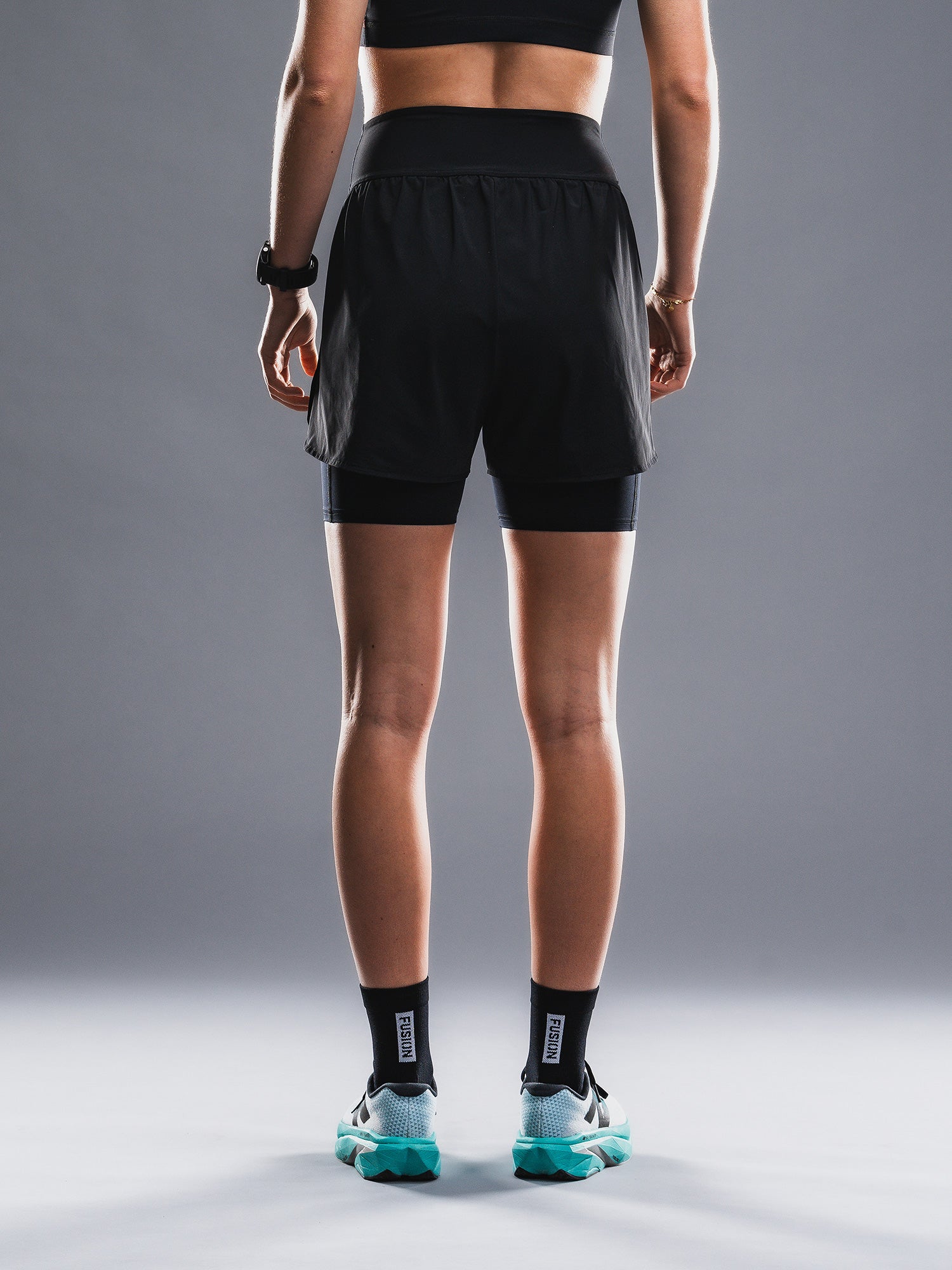
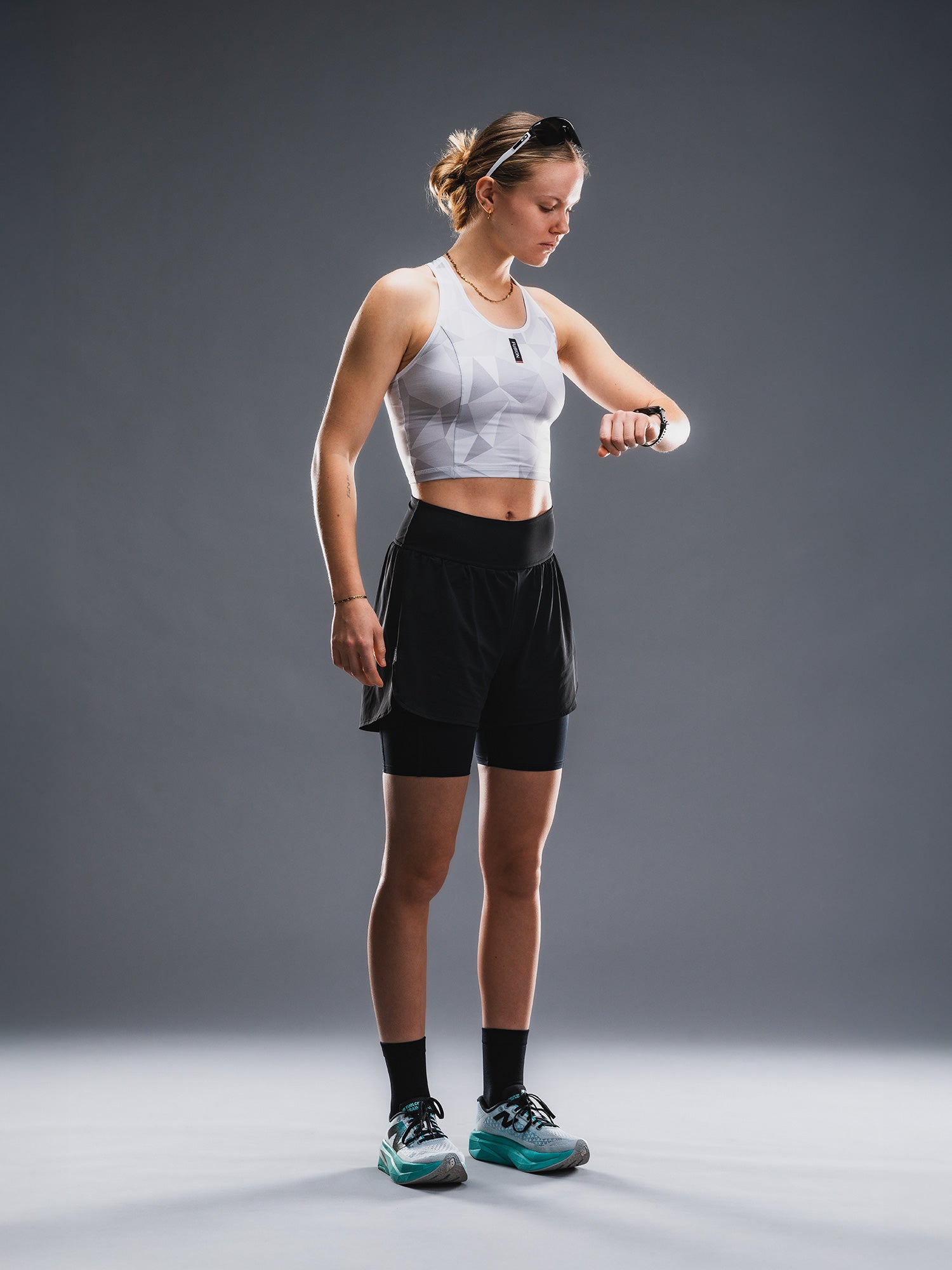
Running shorts offer a different balance of coverage, ventilation and freedom of movement. Depending on the model, you can choose loose-fitting shorts, integrated inner tights or lightweight race-oriented constructions.
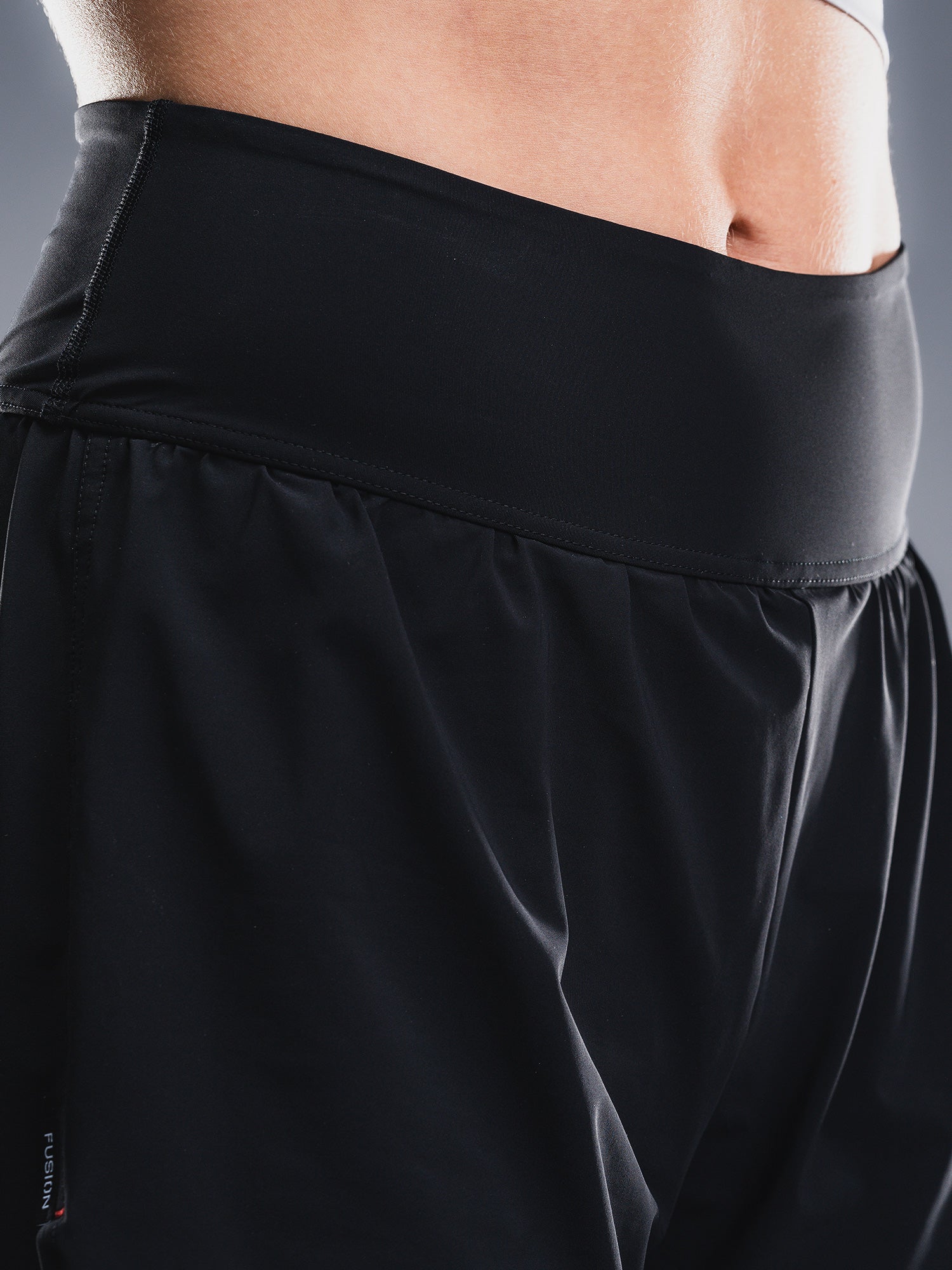
For longer distances, consider how the waistband fits, whether you need storage for your phone or nutrition, and which design feels most comfortable over time.
Running shirts: managing moisture and body temperature
A technical running shirt needs to handle the moisture and heat your body produces during exercise. Fabric construction is important because it influences how perspiration moves through the material, how quickly it dries and how the garment feels against your skin.
Our running T-shirts cover different training needs, from durable everyday styles to lightweight performance designs for higher-intensity running.
The C3 range focuses on versatile, dependable performance, while TEMPO! running shirts offer constructions developed for more specific demands, including intensive training and competition.
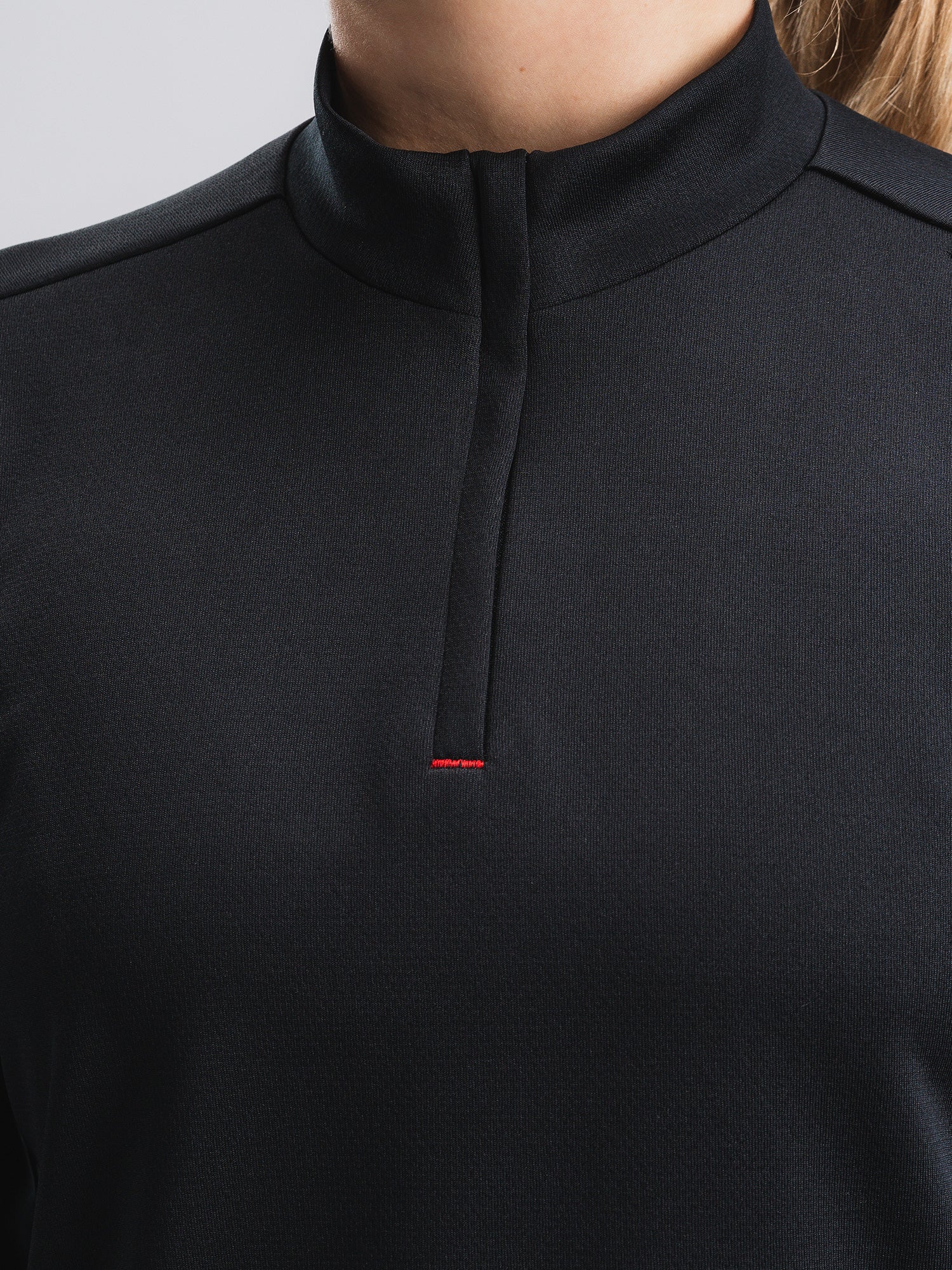
When temperatures fall, long-sleeve running shirts, zip necks and midlayers give you more options for regulating warmth. A lightweight long-sleeve top may provide enough coverage in mild weather, while colder conditions can call for an additional insulating or protective layer.
Running jackets: balancing protection and ventilation
A running jacket should protect you from the conditions without trapping more heat than necessary. That balance becomes particularly important when running at higher intensity.
Our running jackets use different constructions to suit different conditions.
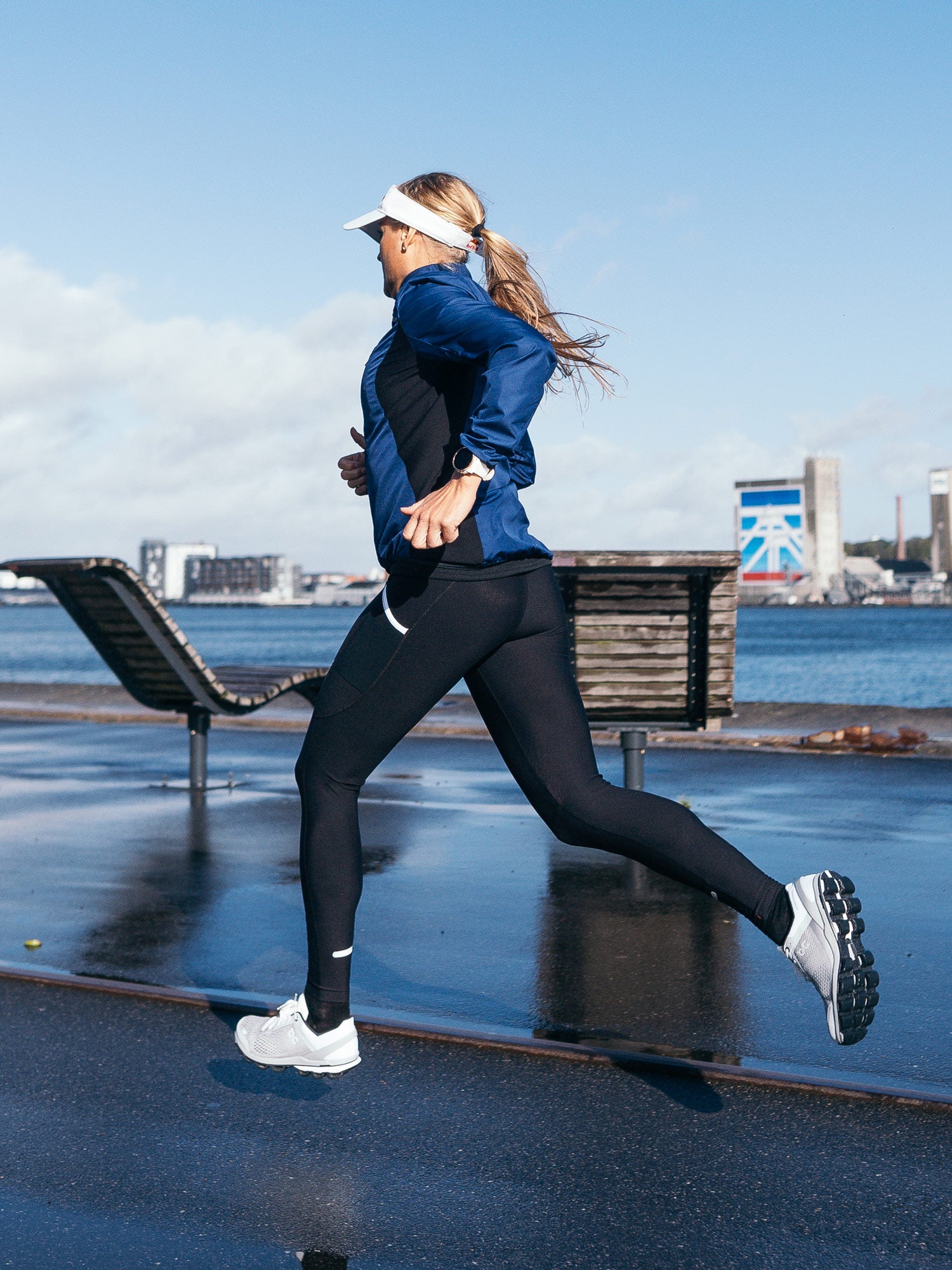
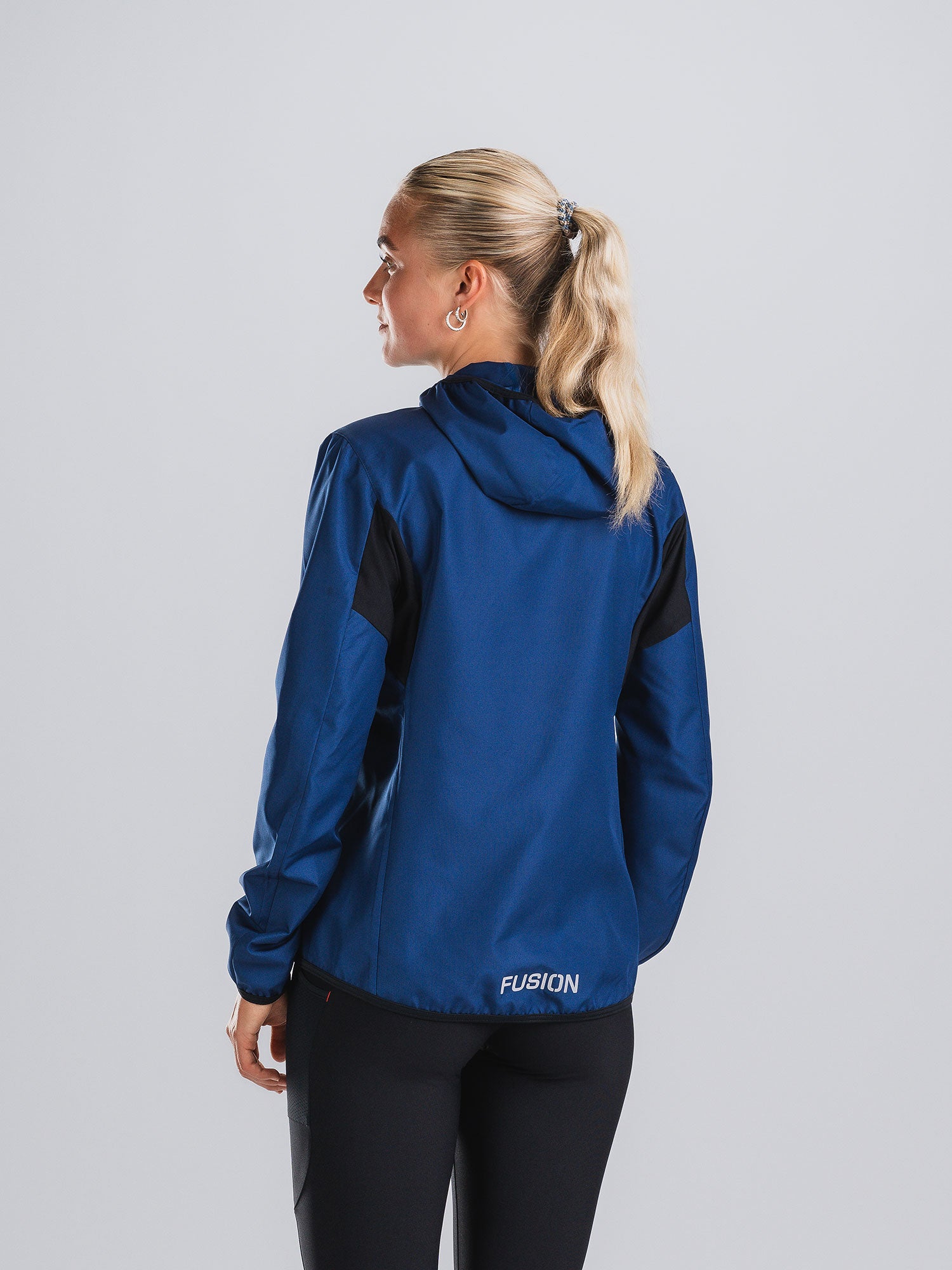
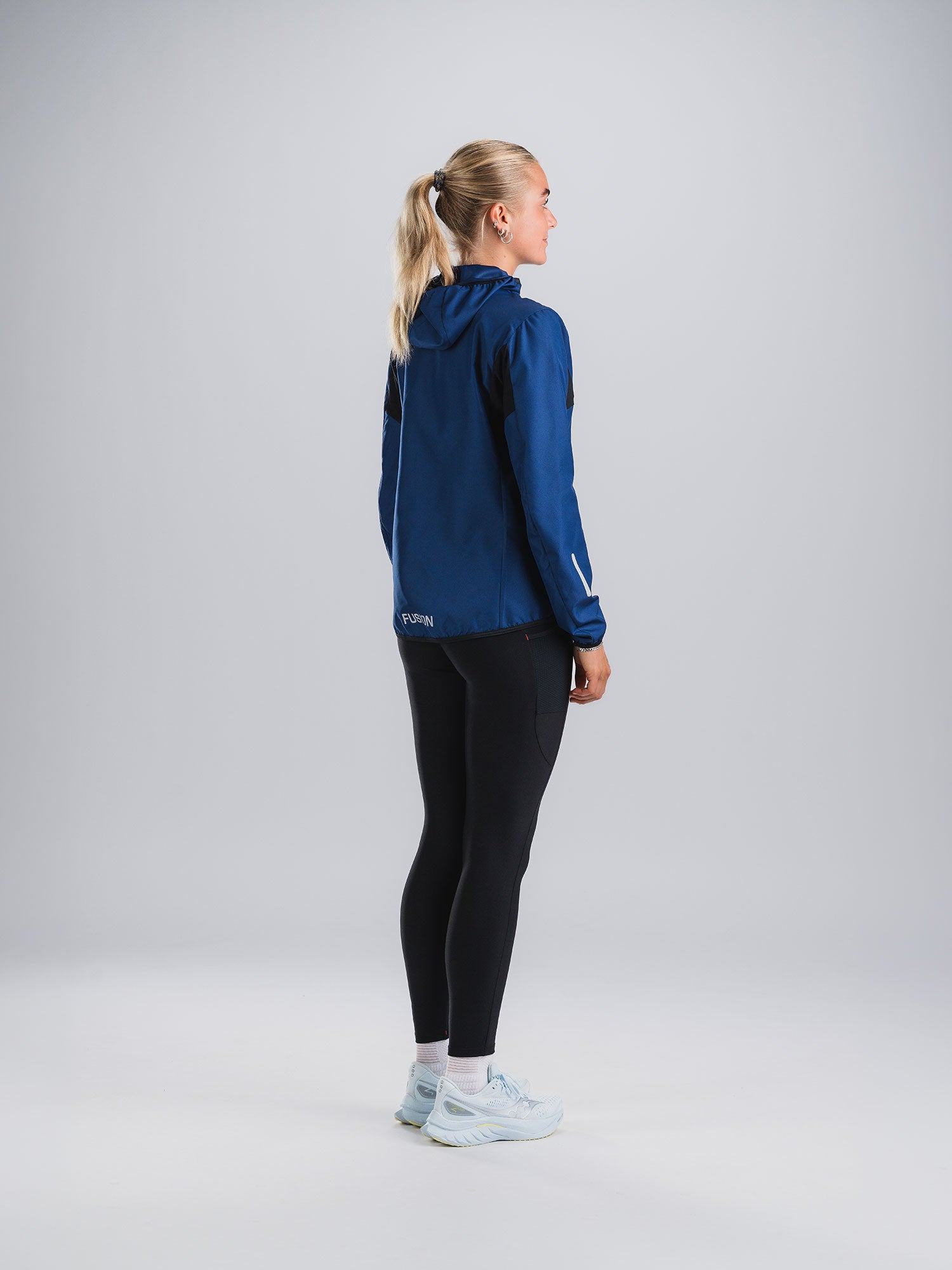
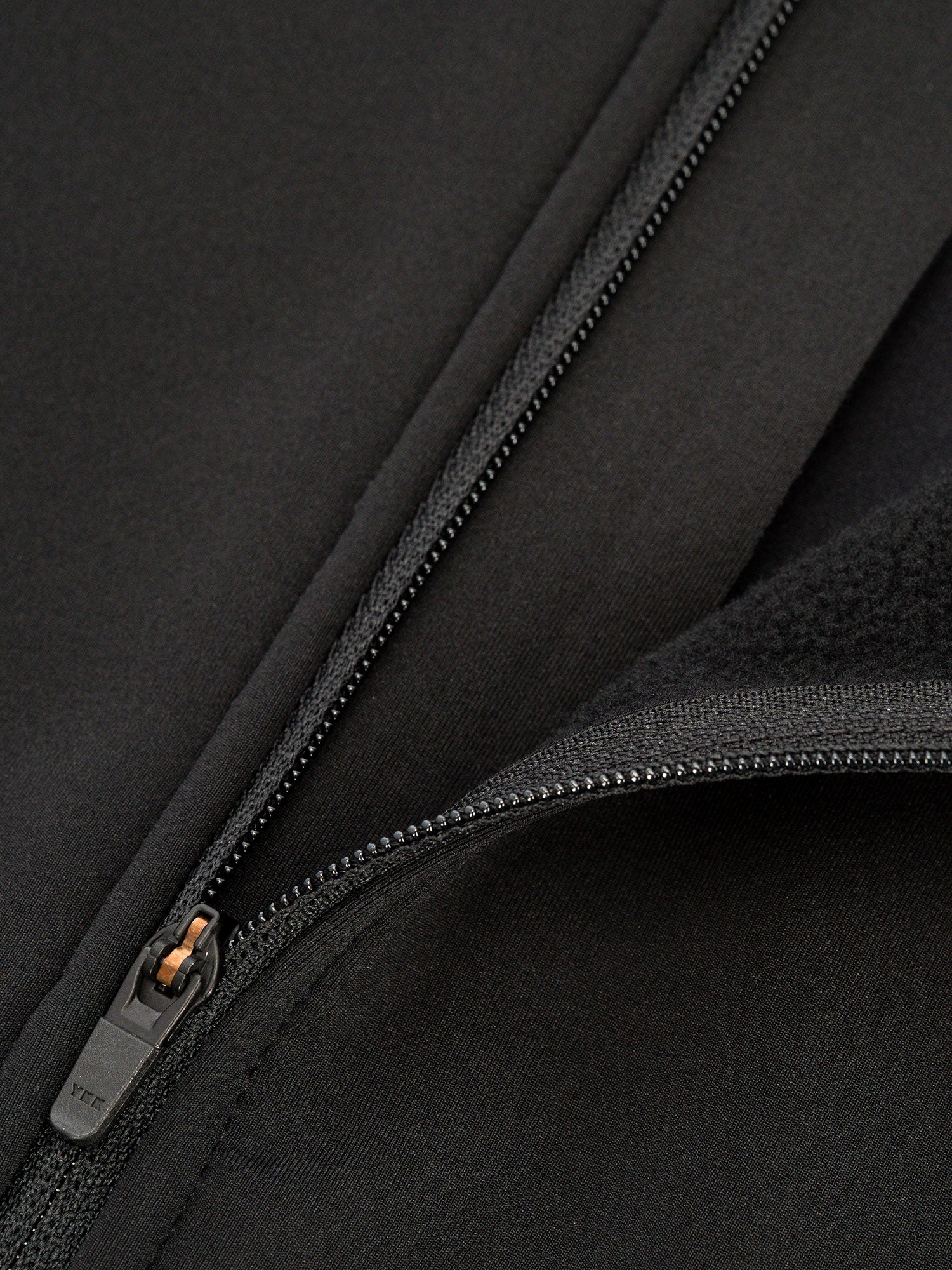
The S1 Run Jacket combines wind- and water-resistant material with stretchable, ventilating side panels. It is designed for changing weather, where protection and ventilation are both important.
Other models in the collection provide different levels of coverage and protection, including solutions developed for colder weather. The right choice depends on wind, precipitation, temperature and the layers you wear underneath.
A jacket that works well for a steady run on a cold morning will not necessarily be the most comfortable choice for an intensive interval session.
What running clothes should you wear in different weather?
Temperature matters, but it is only part of the decision. Wind, rain, running intensity and individual sensitivity to cold can all change how much protection you need.
Warm conditions: Lightweight shirts, singlets, shorts and short tights help reduce unnecessary coverage. Focus on ventilation, moisture management and comfortable movement.
Mild and changing weather: Long tights or shorts combined with a technical shirt may be sufficient. A lightweight running vest or jacket can add protection when wind or changing conditions demand it.
Cold weather: Long tights, technical long-sleeve shirts and insulating layers become more relevant. A protective outer layer can help reduce exposure to wind and precipitation.
Explore our winter running clothing for warmer tights, technical layers and running jackets intended for colder conditions.
The key is to choose clothing that allows you to manage the heat you produce while running, rather than dressing solely for the temperature before you start.
Why fabric and construction matter
Two garments can appear similar but behave differently during a run.
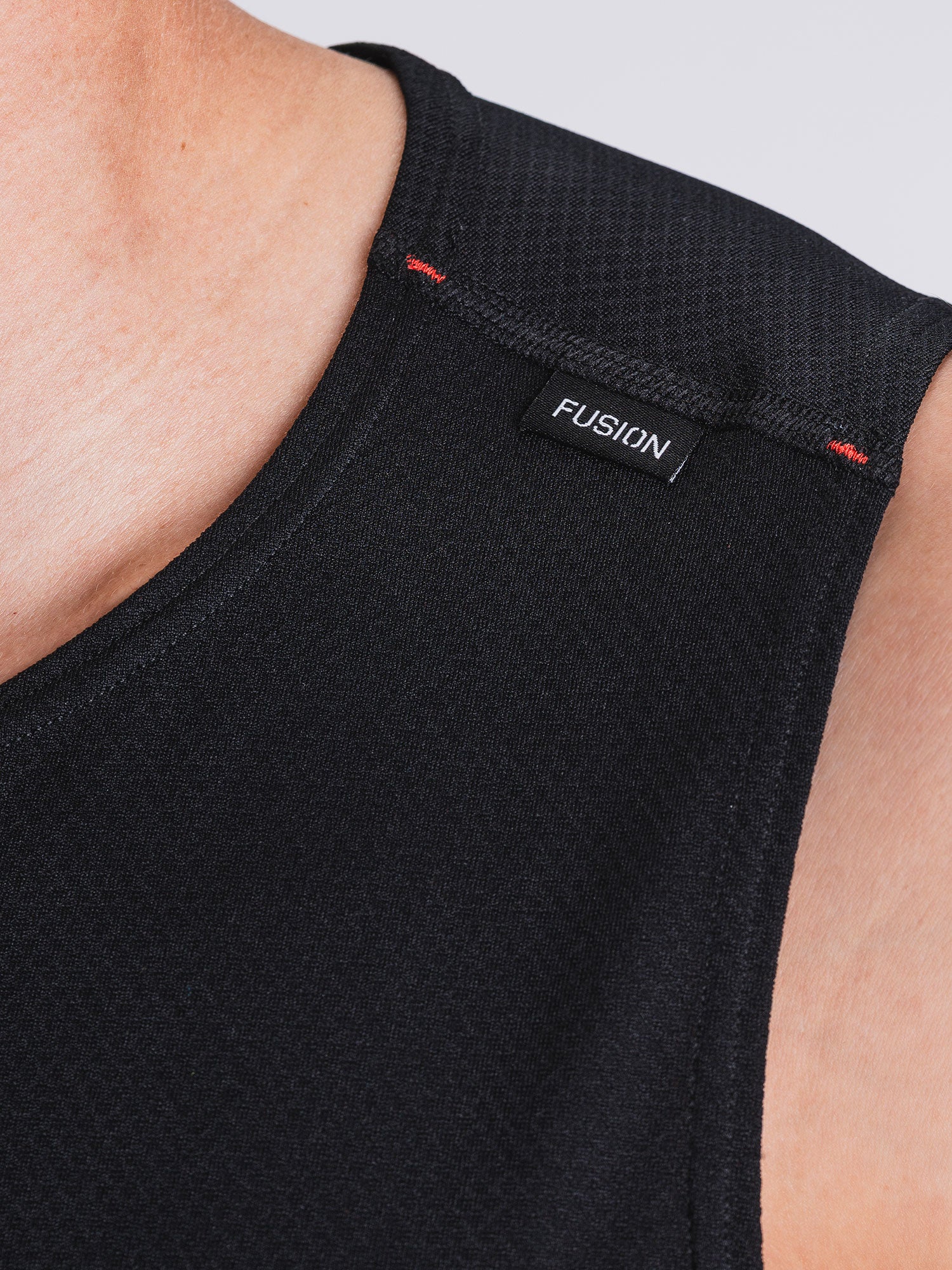
A fabric with effective moisture management helps move perspiration away from the skin. Stretch and recovery influence how closely clothing follows your movements and whether the fit remains stable. Seam placement and waistband construction can affect comfort, especially during longer sessions.
These details also matter over time. Running clothes are repeatedly stretched, washed and exposed to perspiration. For FUSION, durability is part of the development process, alongside comfort and performance.
Since 1999, we have worked with European textiles and manufacturing, continuously refining our products rather than replacing the entire collection with every season. Experience from professional athletes contributes to this development, but the purpose extends to every runner who wants dependable clothing for regular use.
Frequently asked questions about running clothes
What should I look for when choosing running clothes?
Start with the weather, your typical running intensity and the fit you prefer. Technical fabrics that manage moisture, comfortable seams and clothing that stays in place during movement are important. For longer distances, consider storage for essentials and whether you need additional protection from wind or cold.
Are running tights or shorts better for running?
Both can work well. Running tights offer close-fitting coverage and, depending on the design, practical storage that holds belongings against the body. Running shorts generally offer less coverage and may feel more comfortable in warmer conditions. The best option depends on the weather, distance and your preference for fit.
What is the difference between wind-resistant and waterproof running clothing?
Wind-resistant clothing helps reduce the cooling effect of moving air. Water-resistant fabrics can repel some moisture, but do not necessarily prevent water from penetrating during prolonged rain. Waterproof clothing is designed to provide a greater barrier against water, although protection also depends on details such as seams and closures. Ventilation and breathability should also be considered when choosing a jacket for running.
How should I dress for running in cold weather?
Use layers that can work together. Start with a technical shirt or base layer to manage moisture, add insulation when needed and choose an outer layer for protection against wind or precipitation. Adjust the combination to your running intensity and personal comfort rather than relying on temperature alone.
Is technical running clothing worth investing in?
The value depends on how often you run and what you need from your clothing. Well-designed running apparel can offer functional advantages through stable fit, moisture management, suitable weather protection and practical details. Material durability and construction also matter when clothing is used and washed frequently.
For FUSION, the goal is to develop running clothes that remain reliable through repeated training, whether you run a few times a week or are preparing for your next race.