Evidence-based running gear developed to optimize your performance over 42.195 km.

Marathon Running Gear
Marathon News


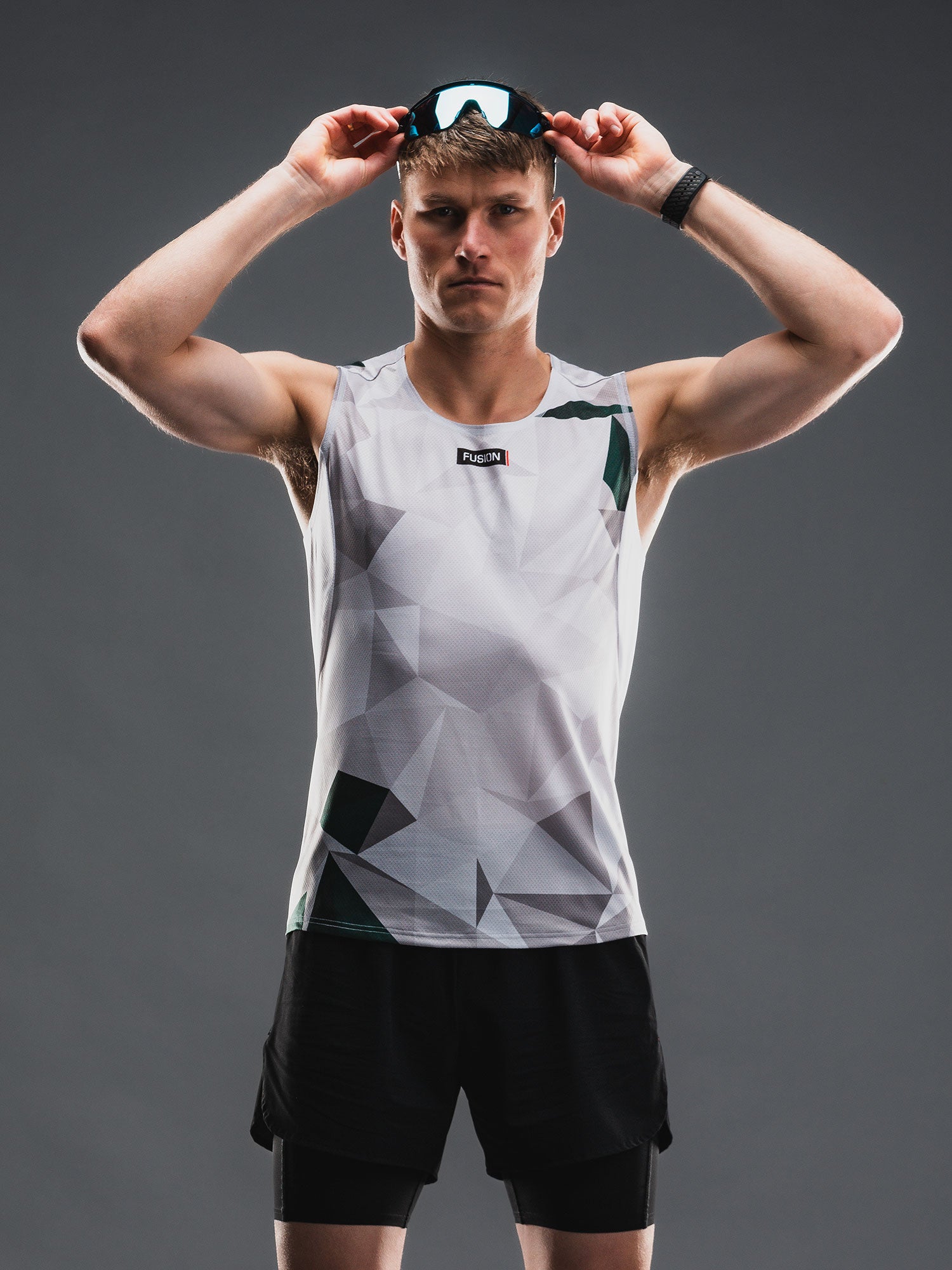
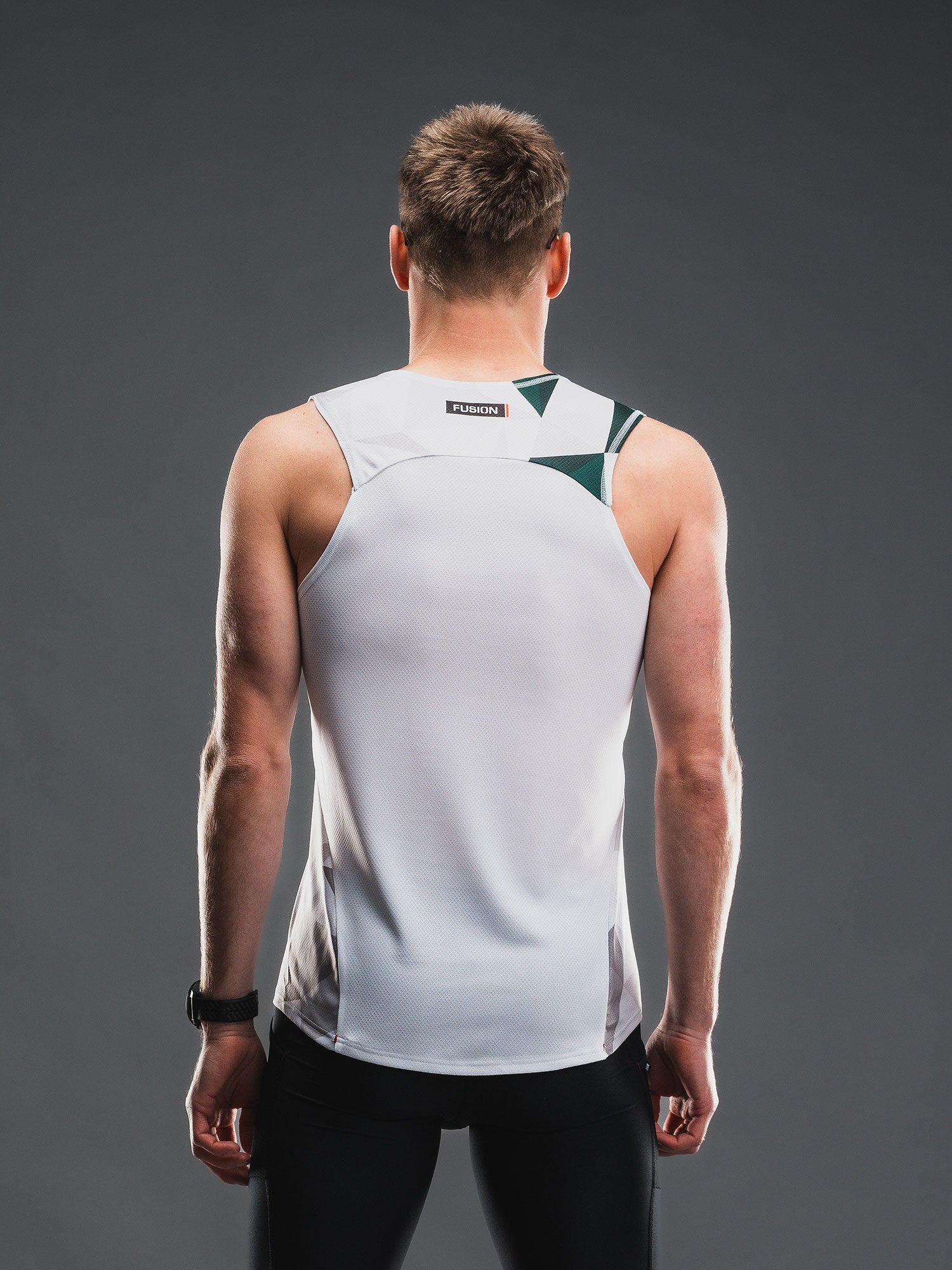
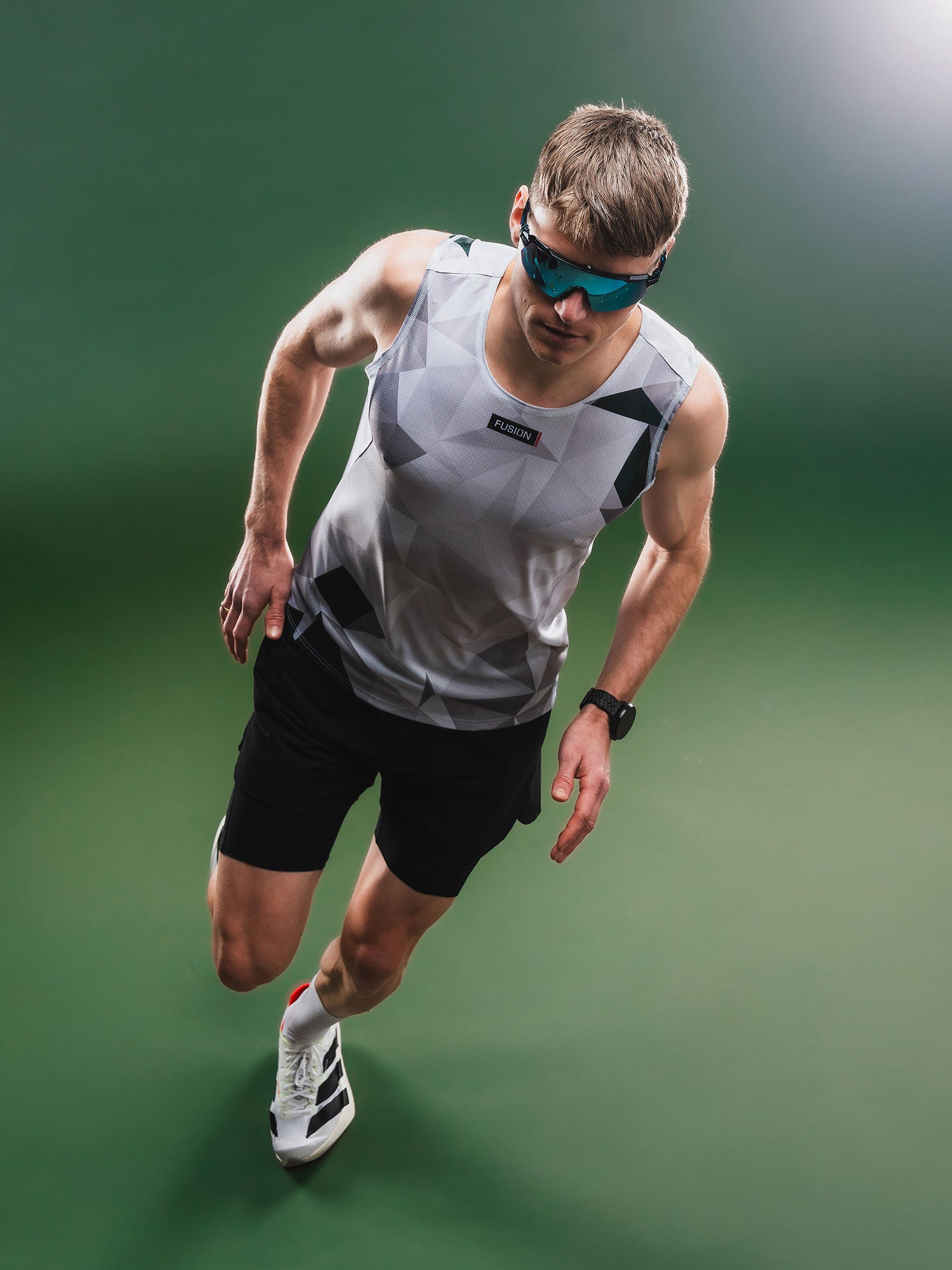
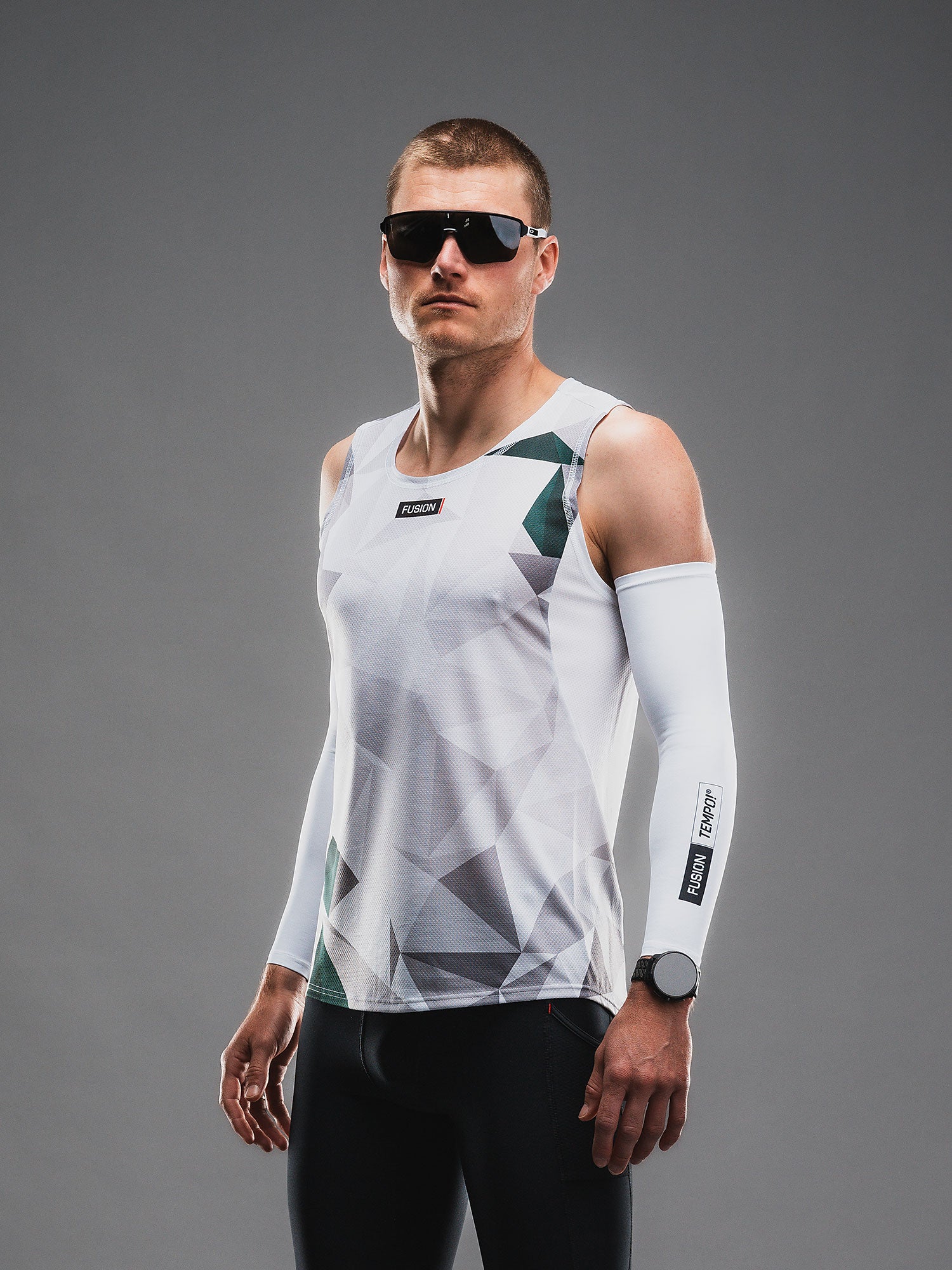
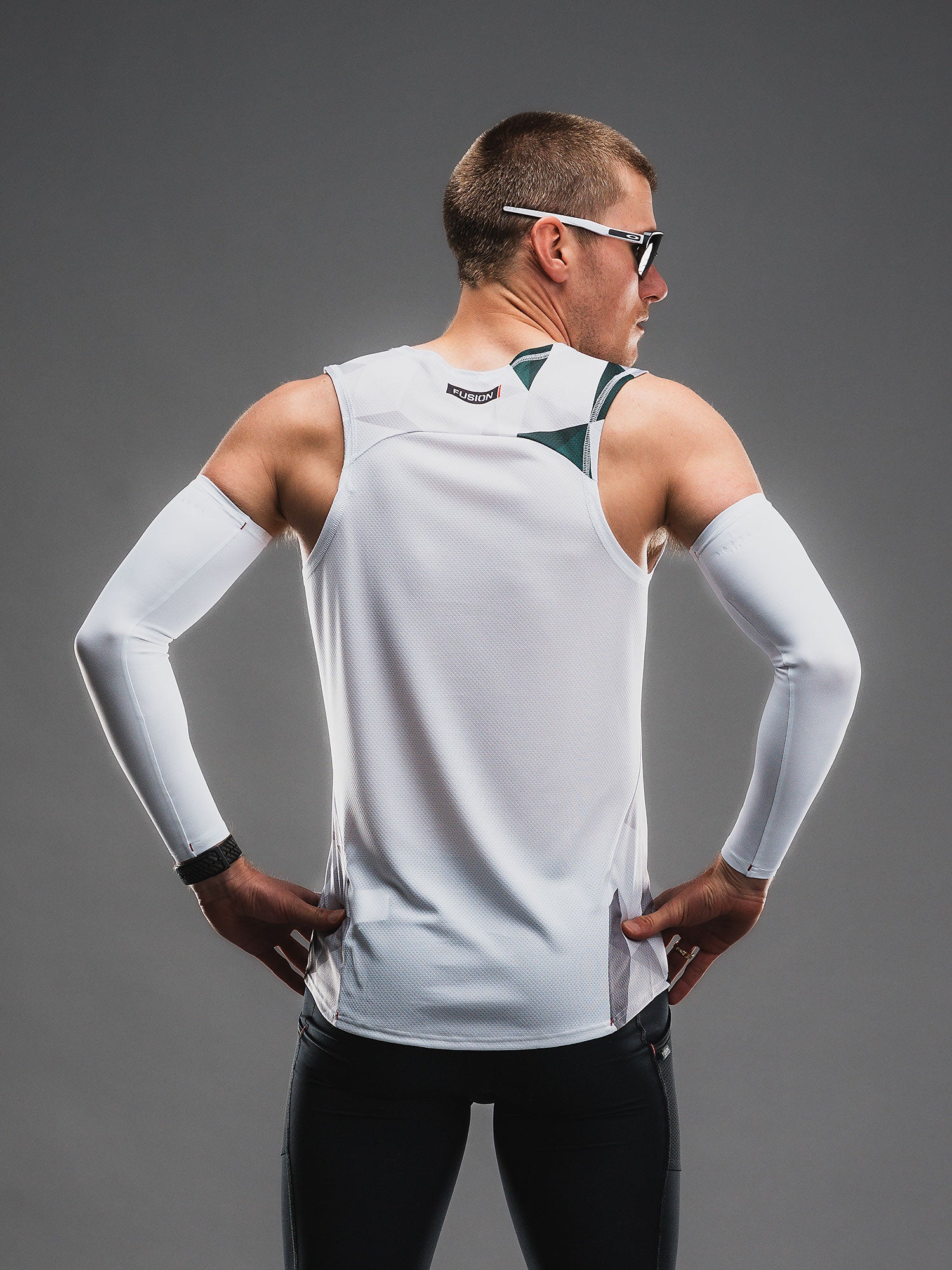
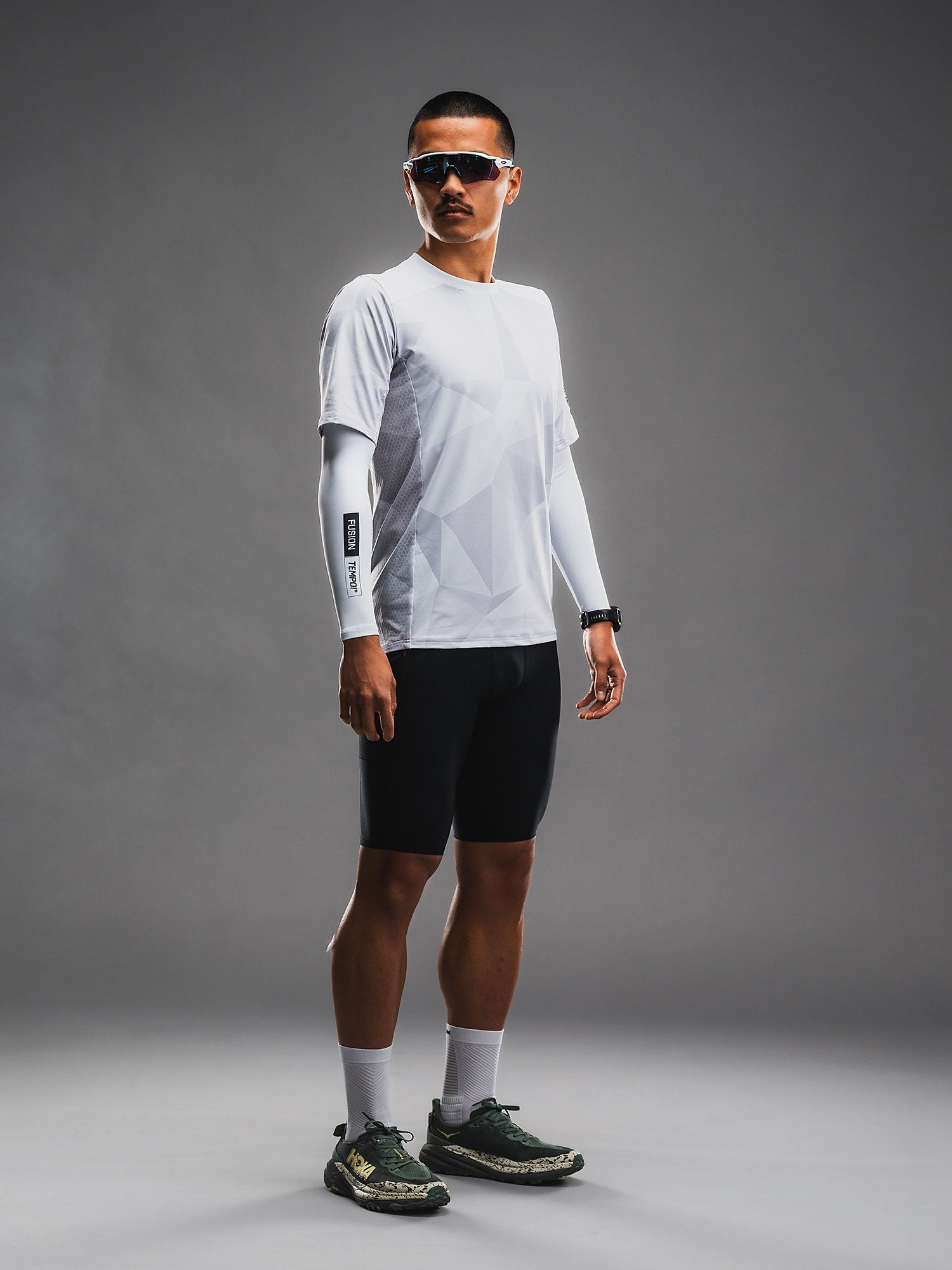
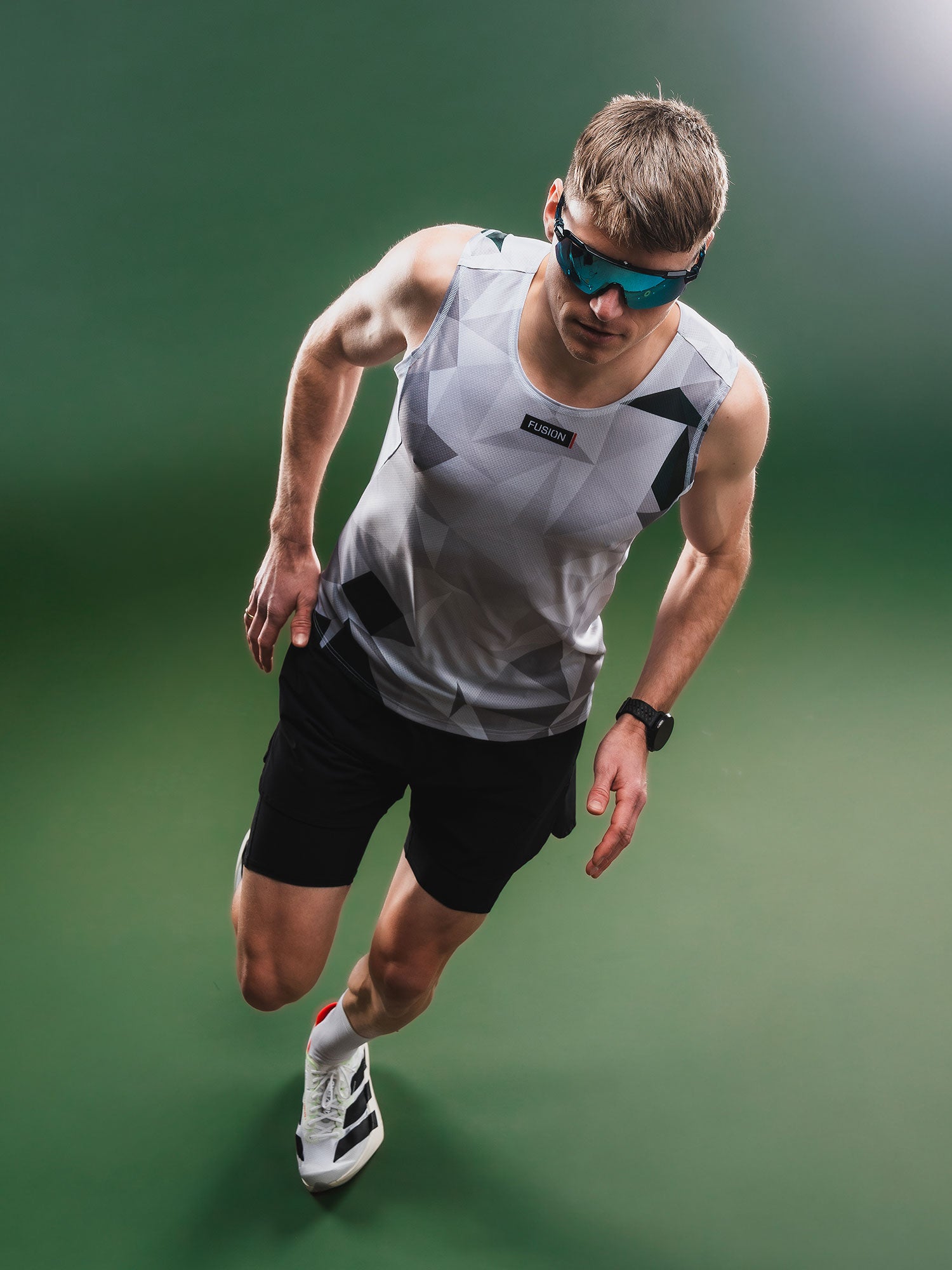
Race T-shirt with maximum ventilation for competition and intense training
€67

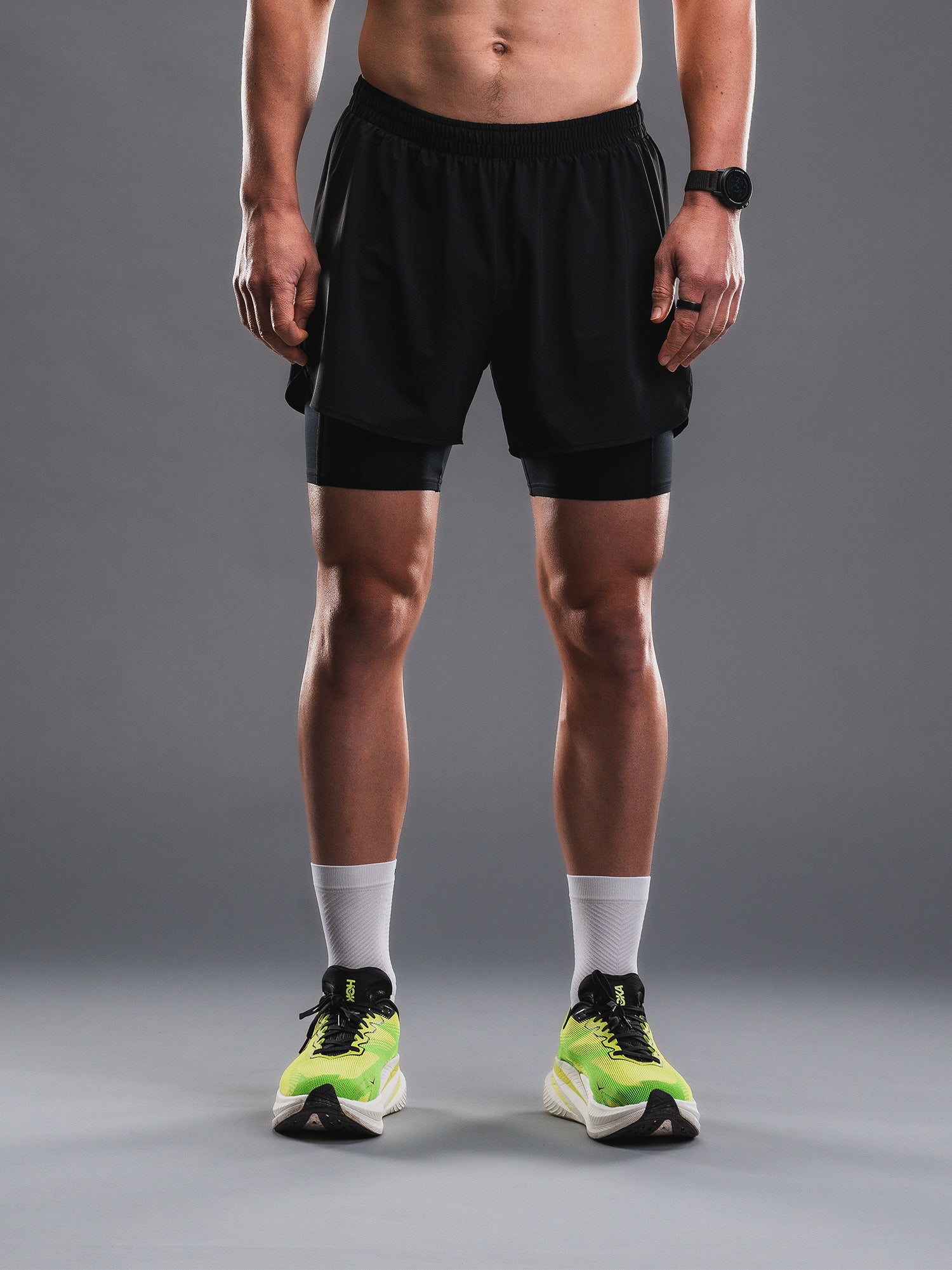
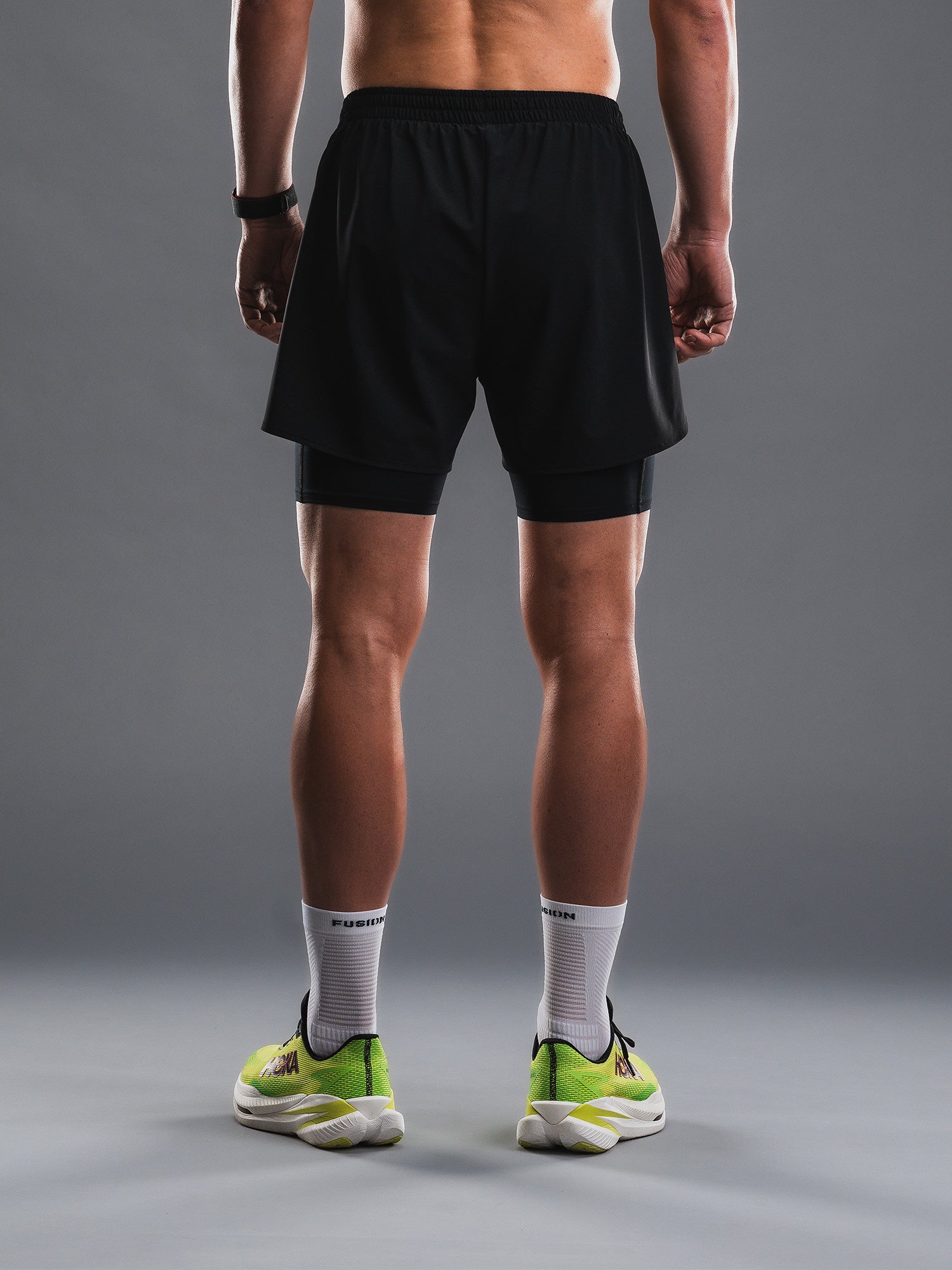


Featherlight raceday shorts with compressive moisture-wicking and maximum speed
€135
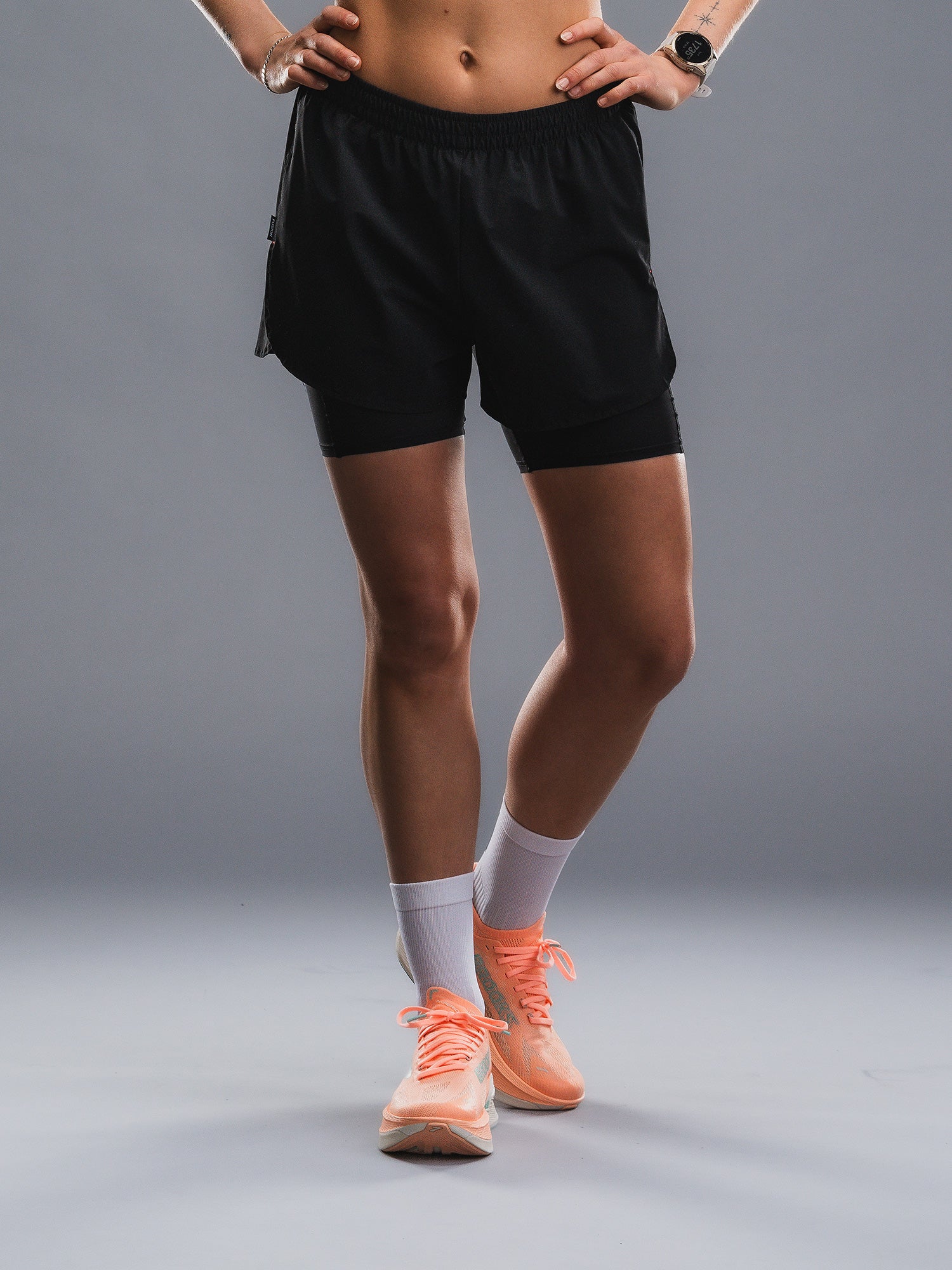


Created for Race Day
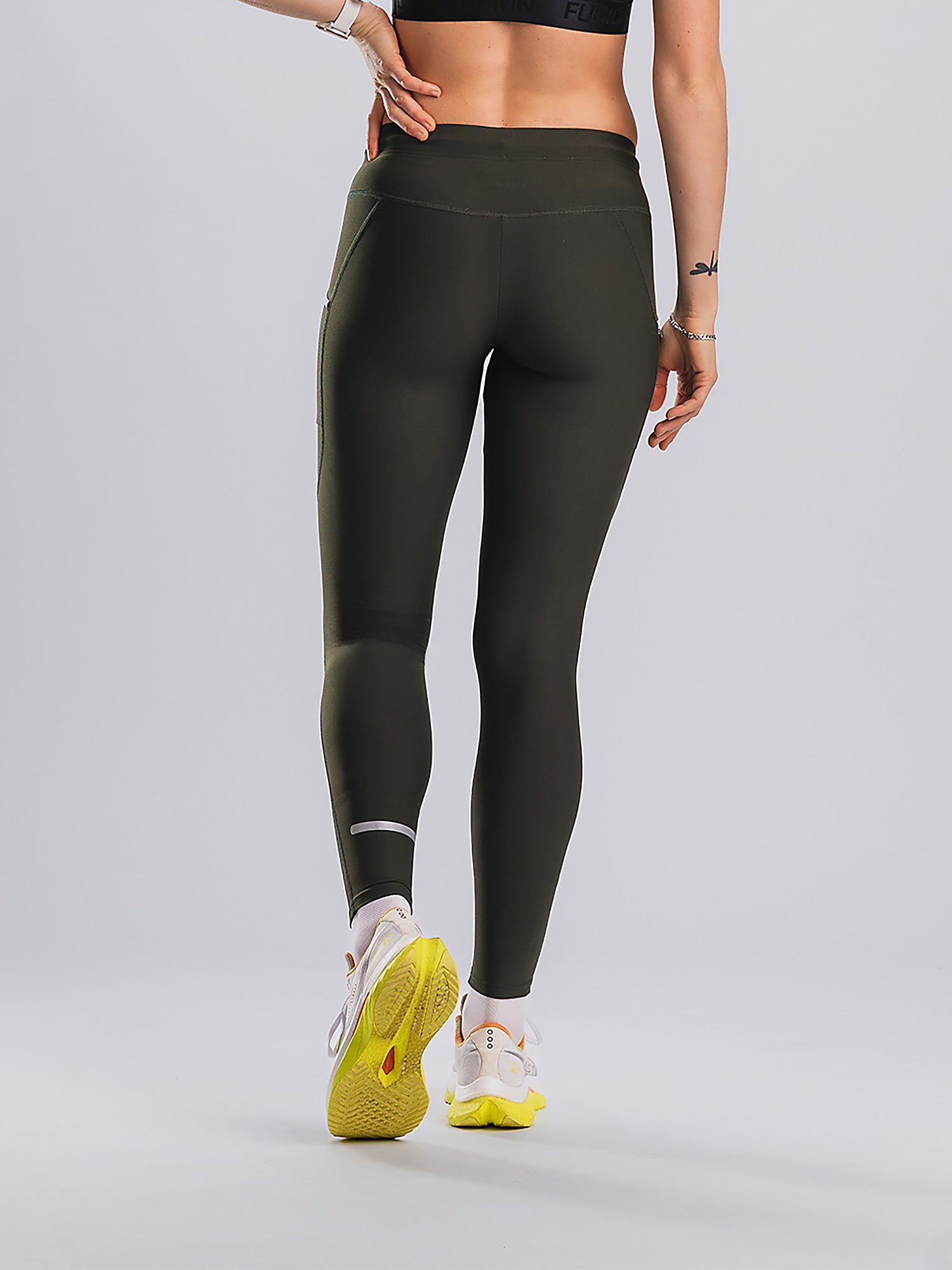
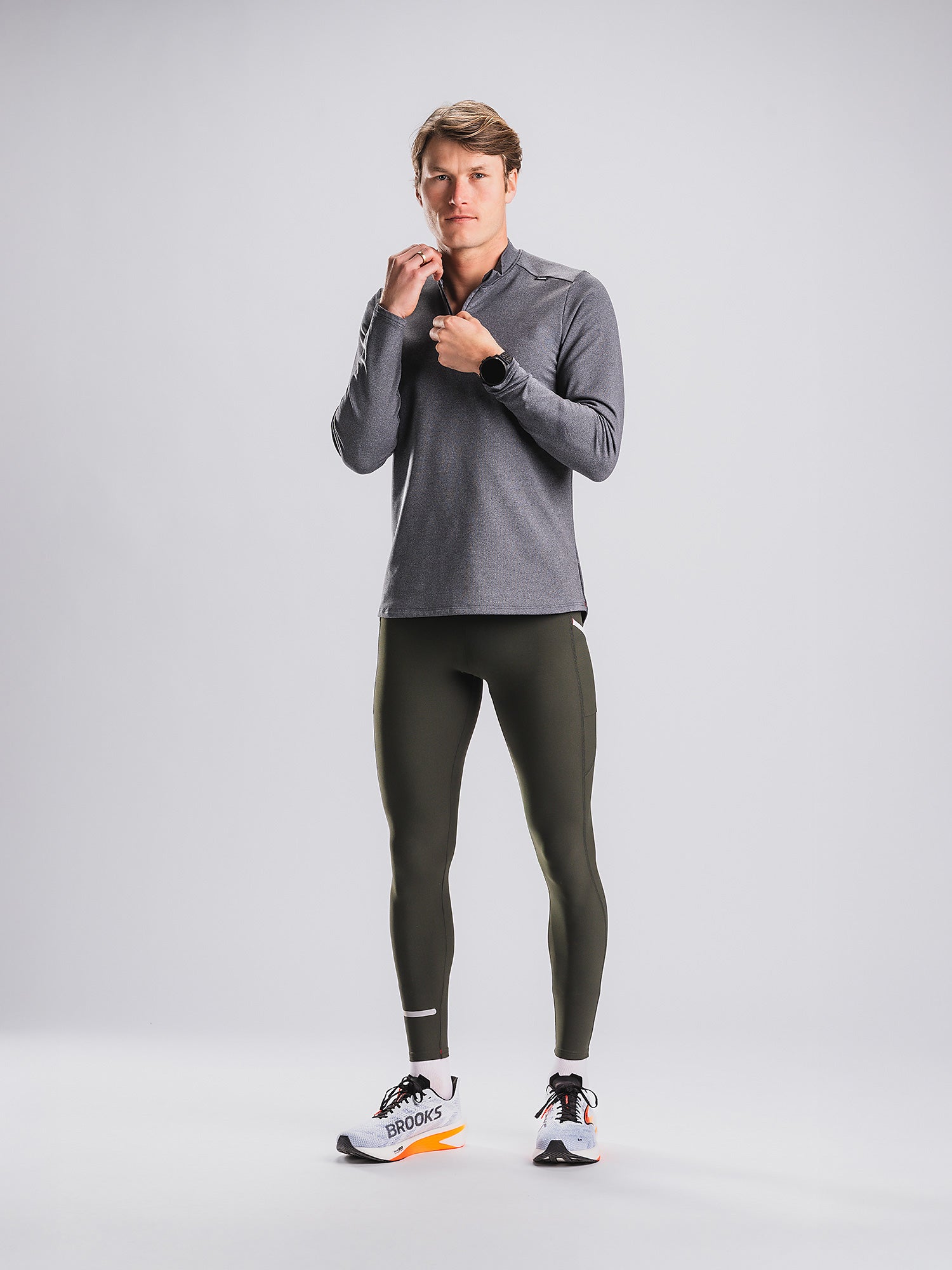
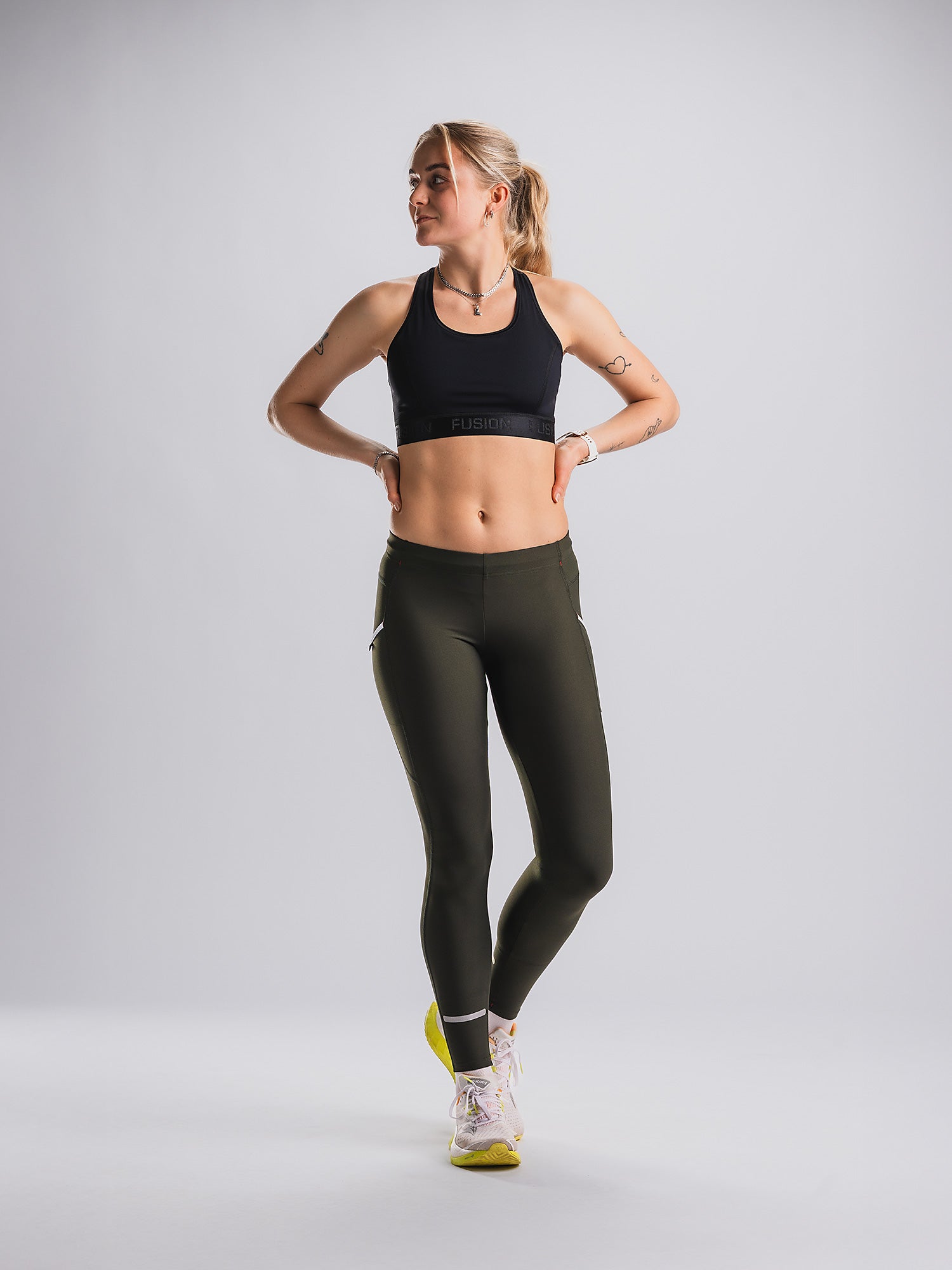
TEMPO! is FUSION's ultimate high-performance collection.

Marathon Tops: T-shirts and Singlets
Keep your body temperature down as intensity and heart rate rise. Our marathon tops include ultra-light singlets and technical T-shirts designed to quickly wick sweat away from the skin to the outer layer, where it evaporates.
Race T-shirt with maximum ventilation for competition and intense training
€67
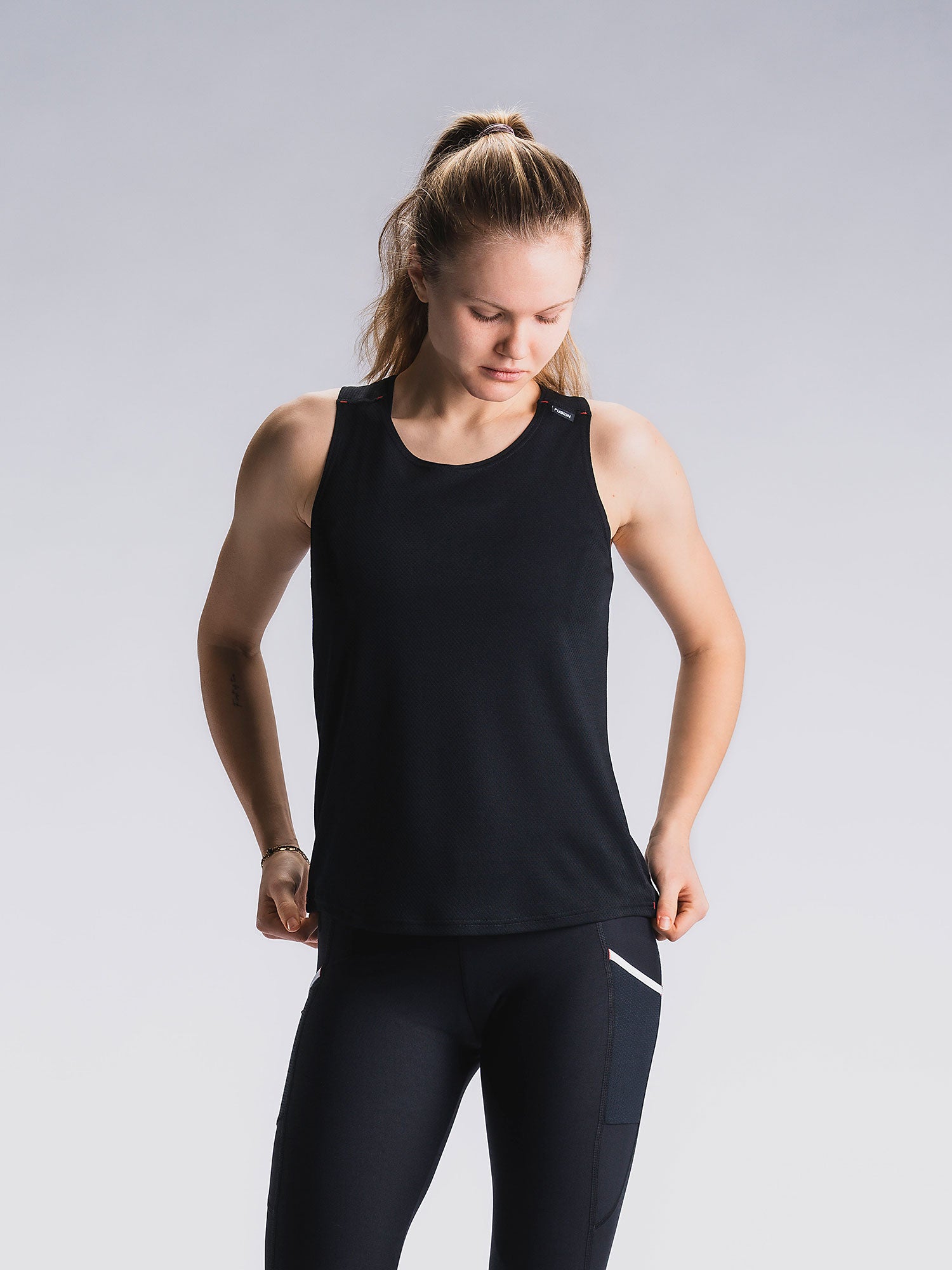
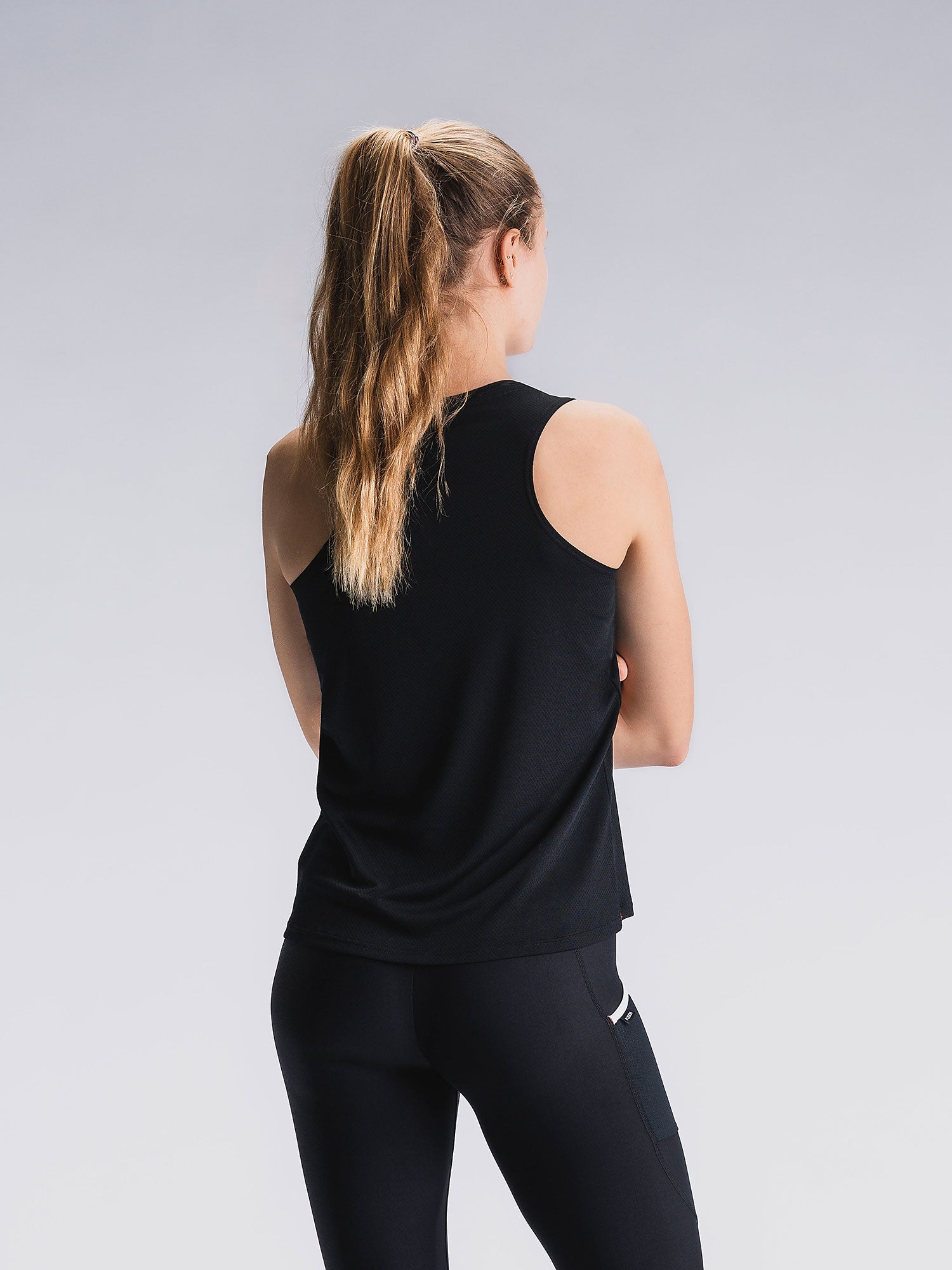
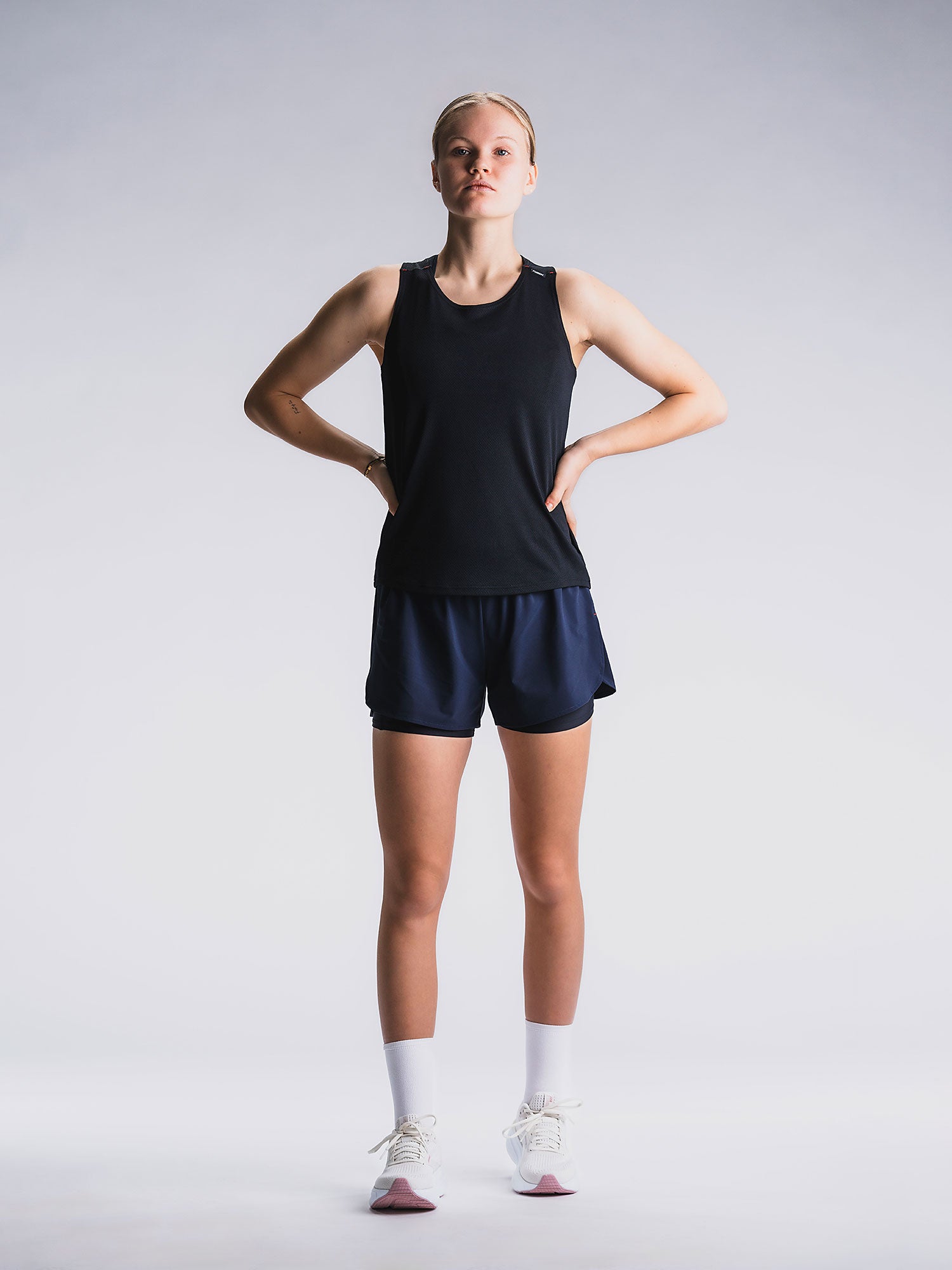
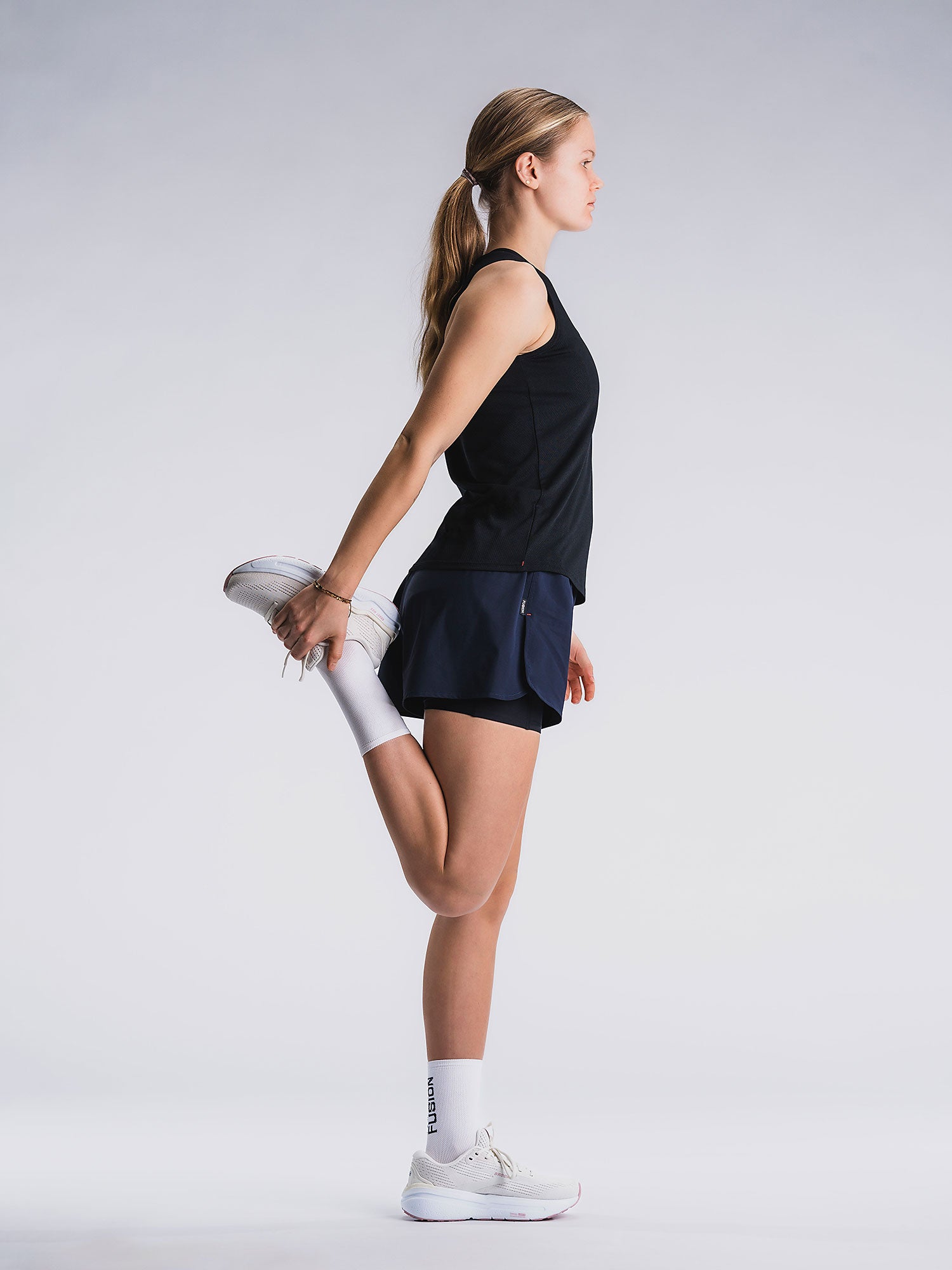
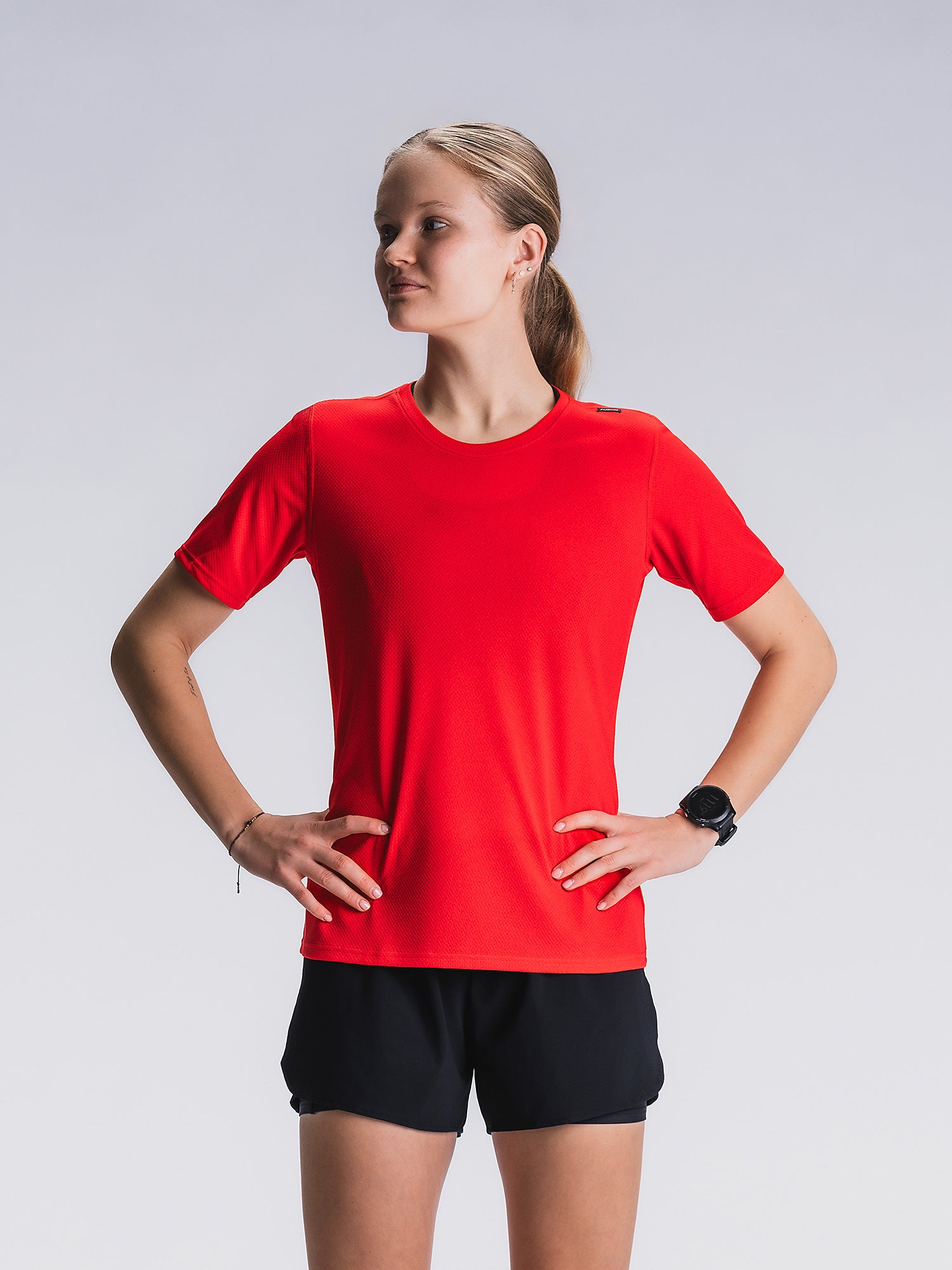


Breathable running T-shirt for warm conditions and daily training
€50


Breathable running T-shirt for warm conditions and daily training
€50
Marathon Bottoms: Shorts and Tights
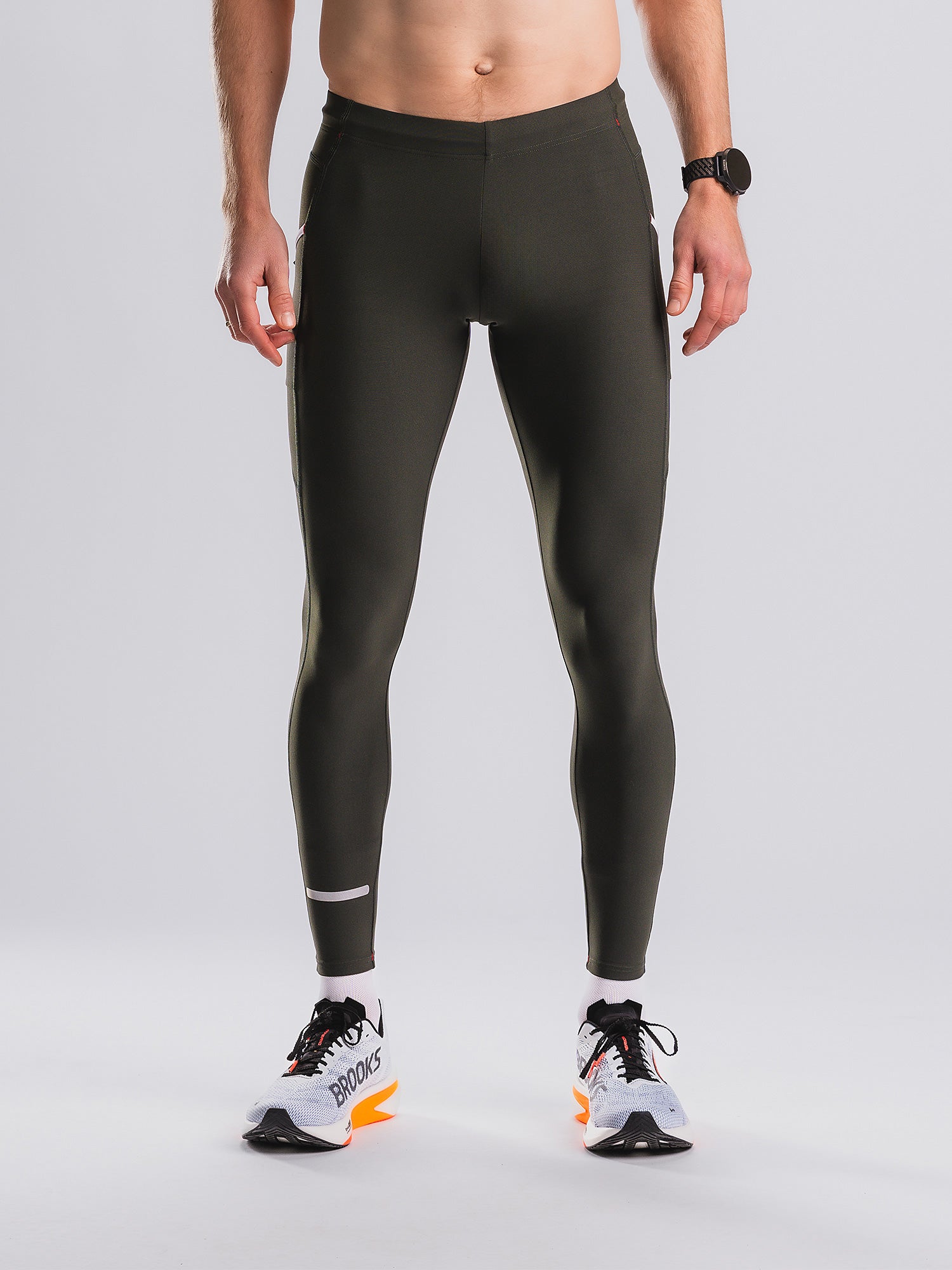
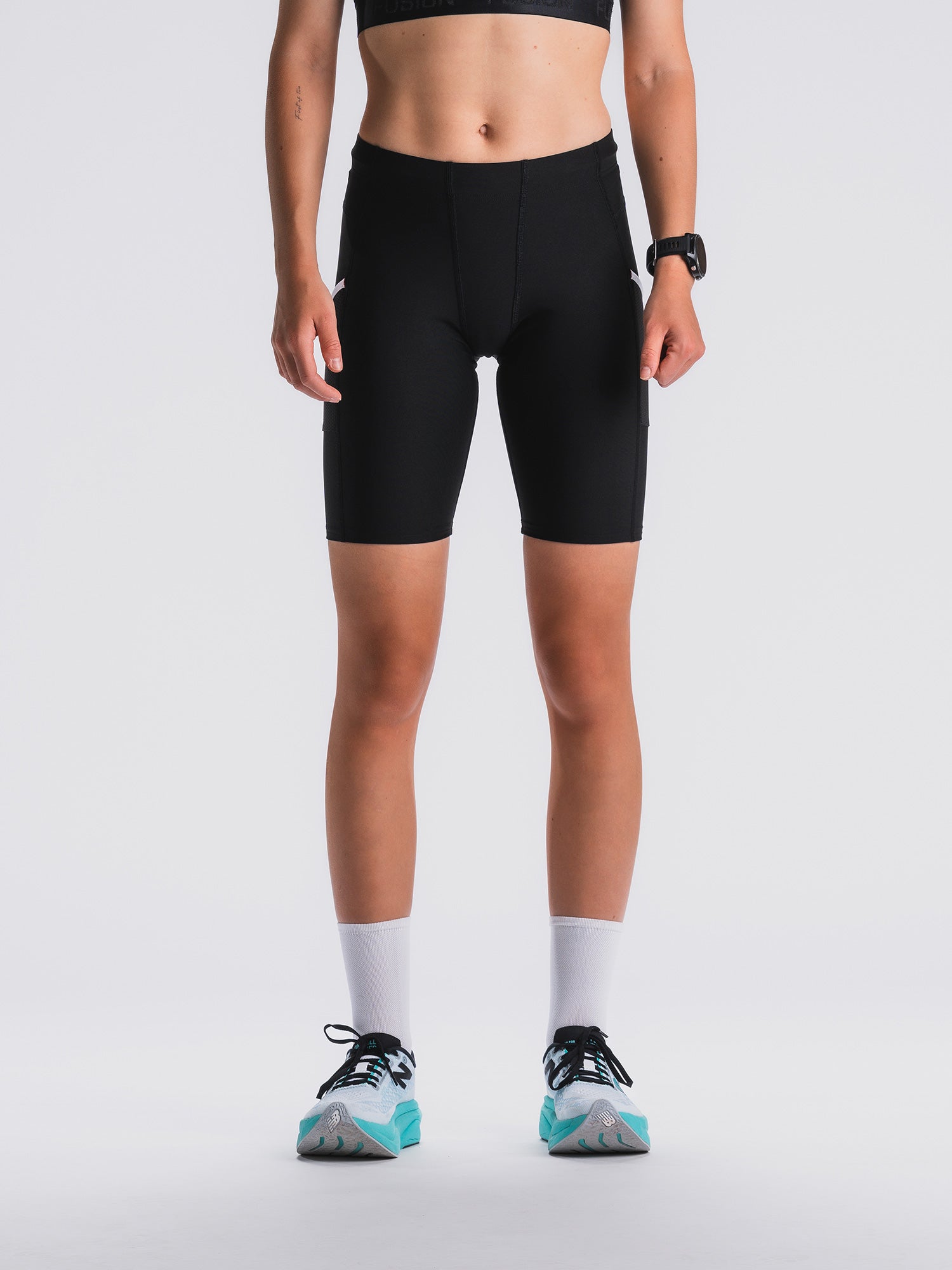
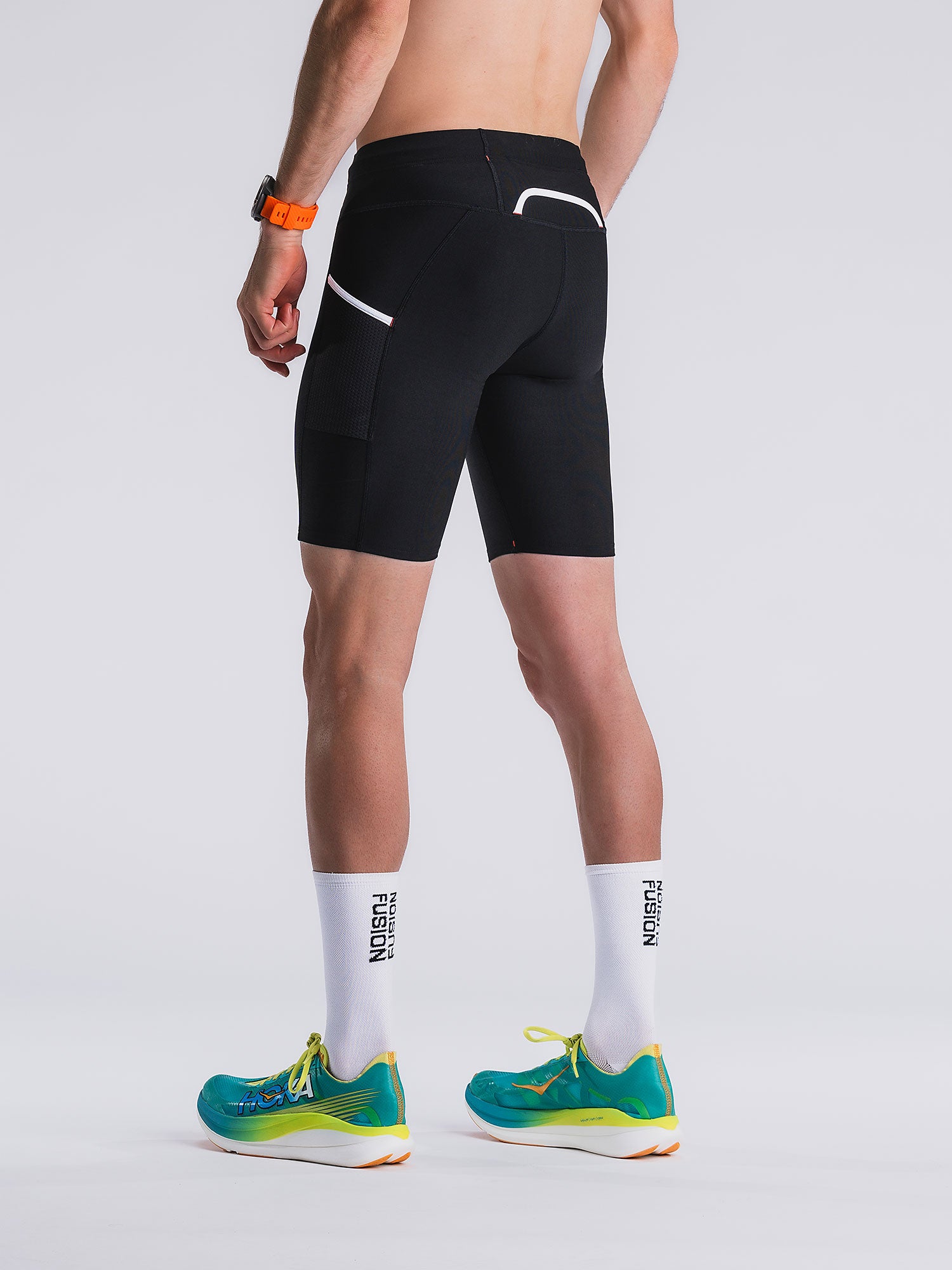
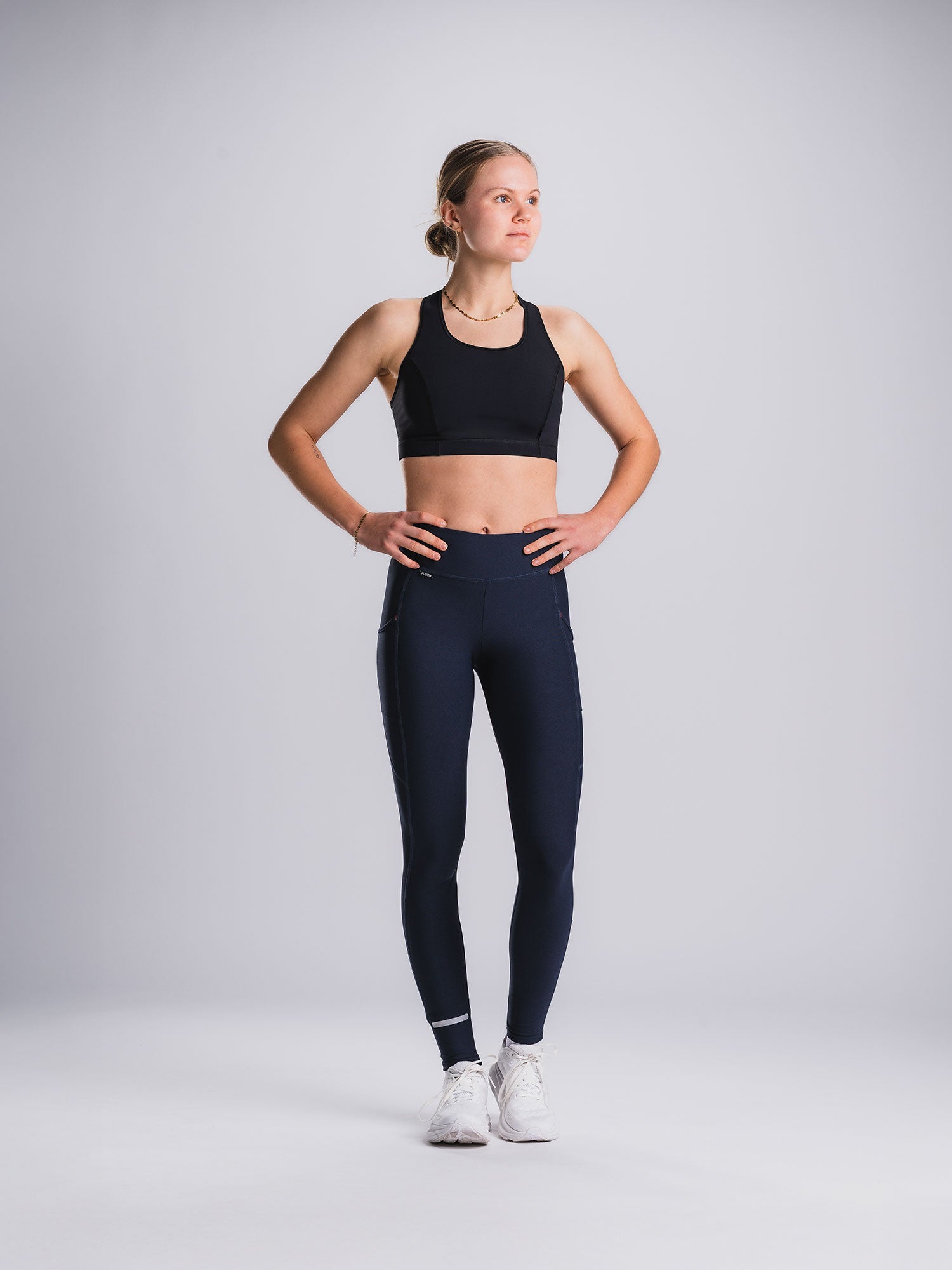
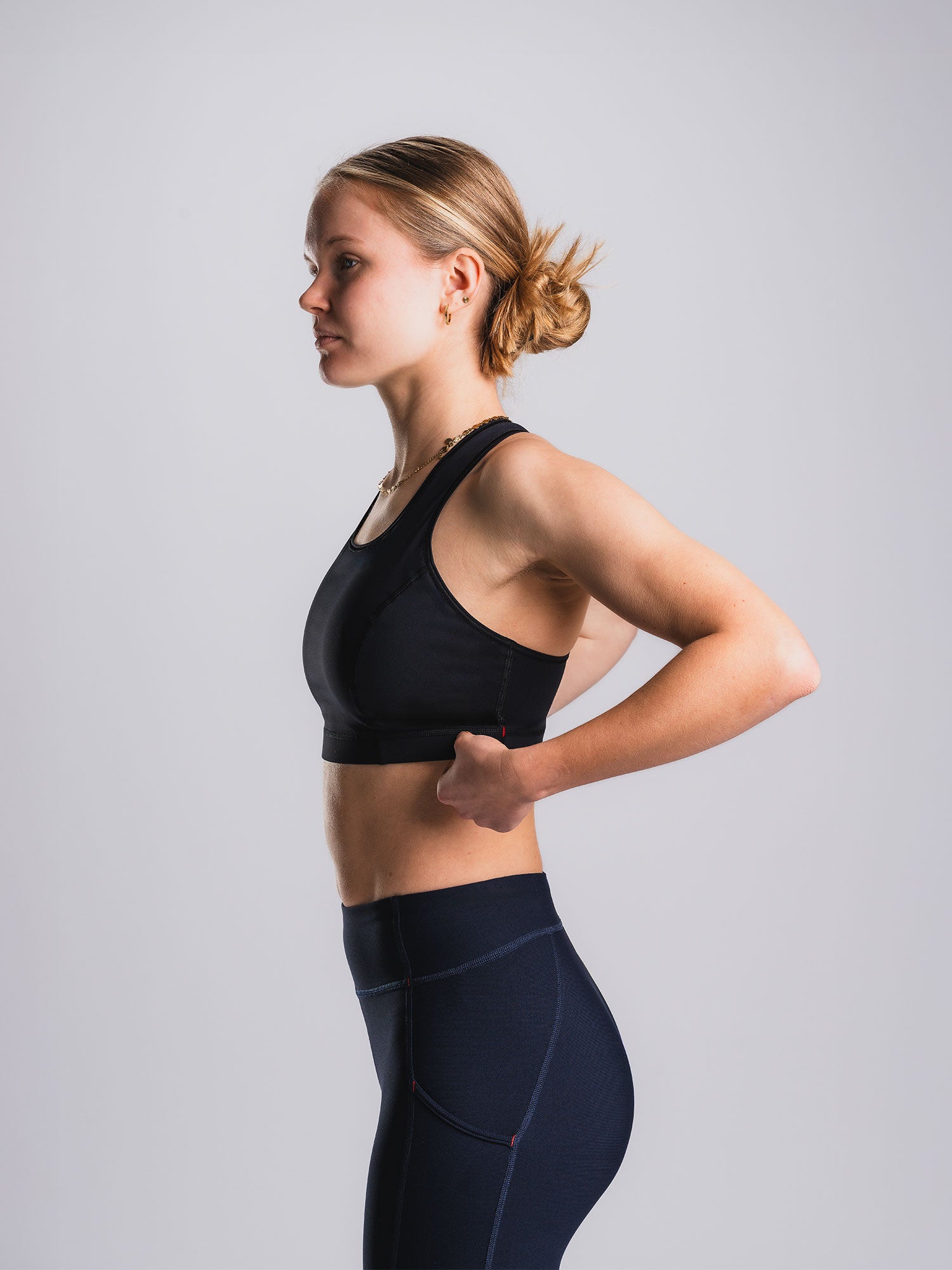
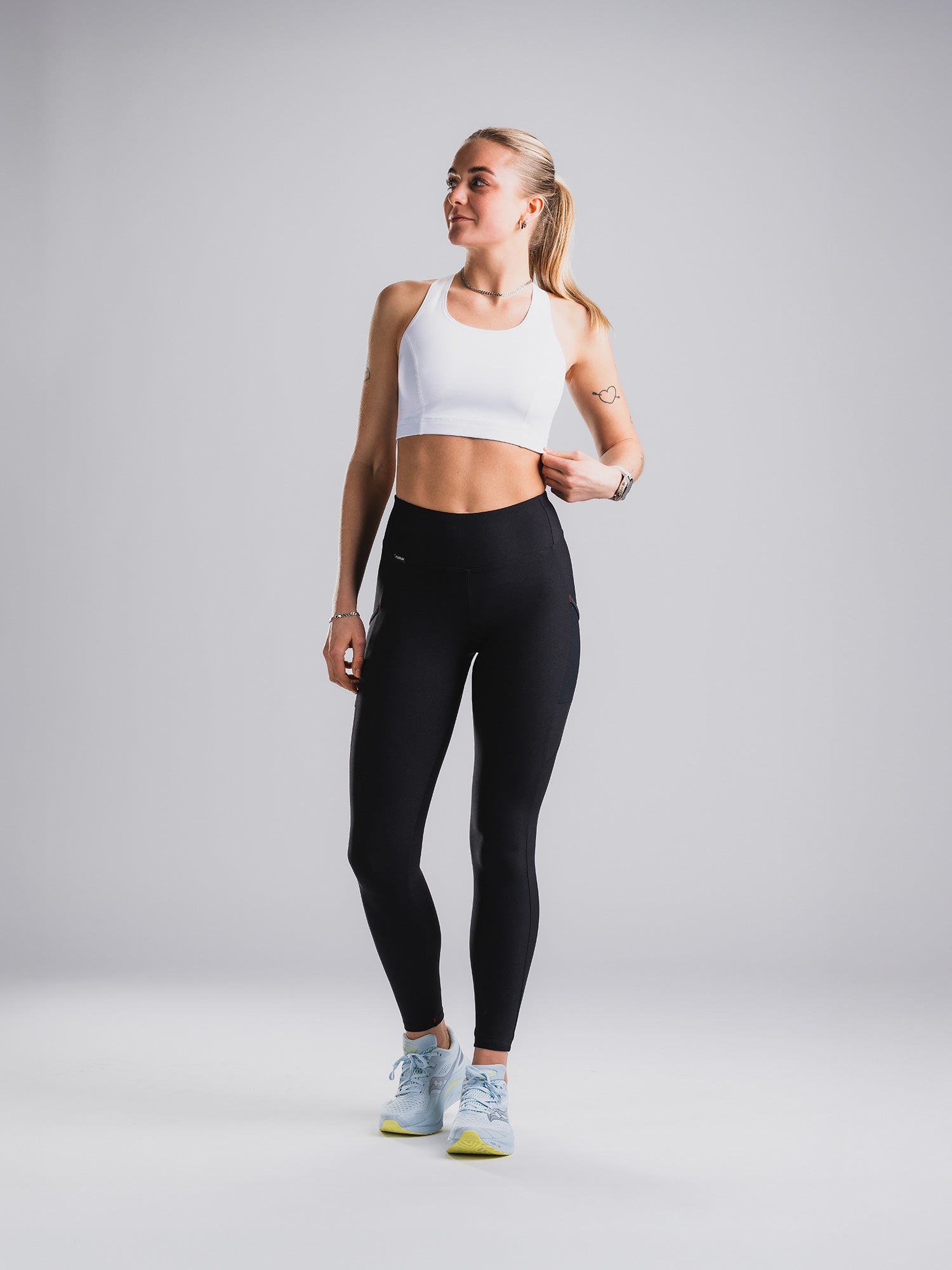
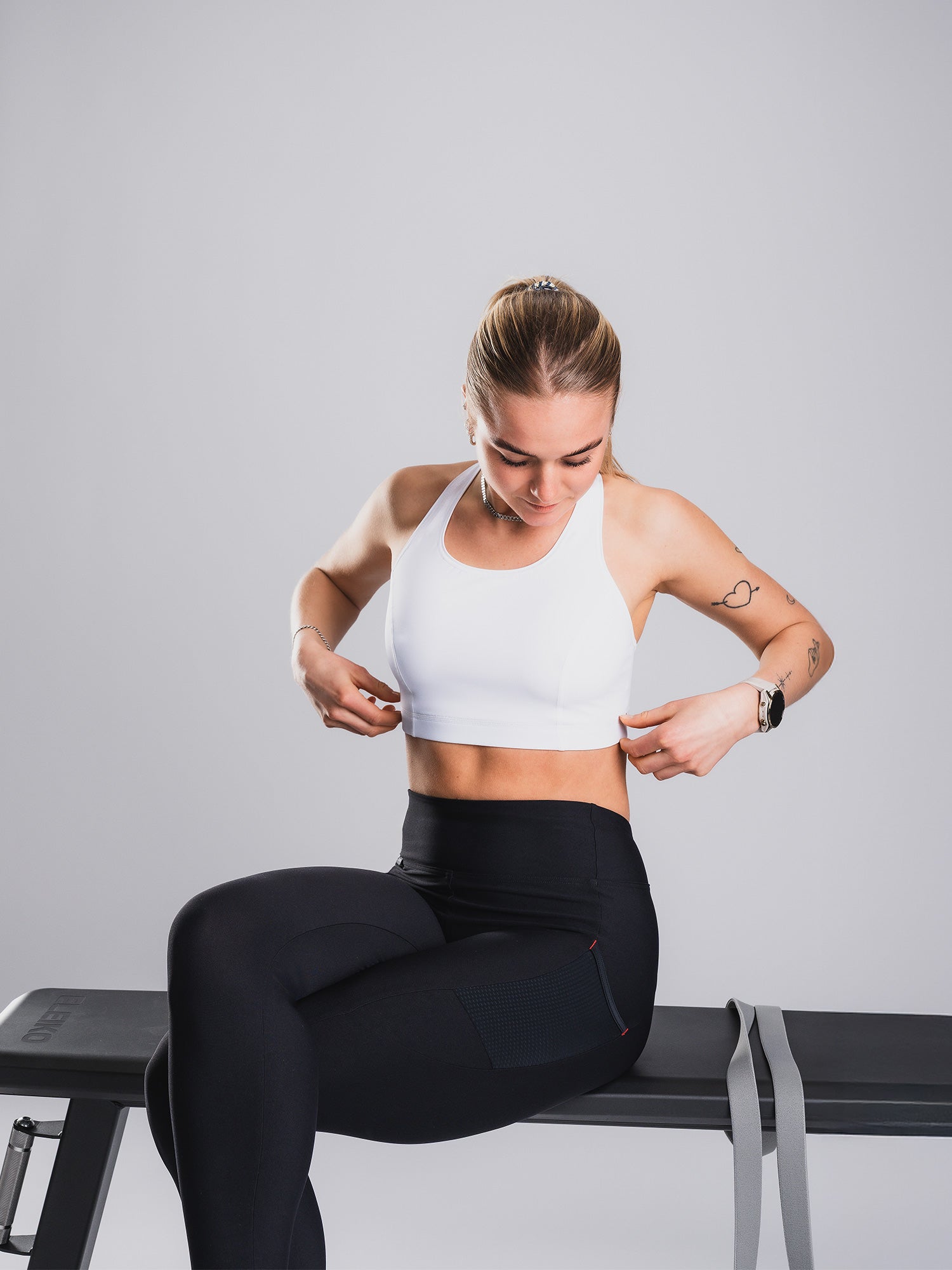
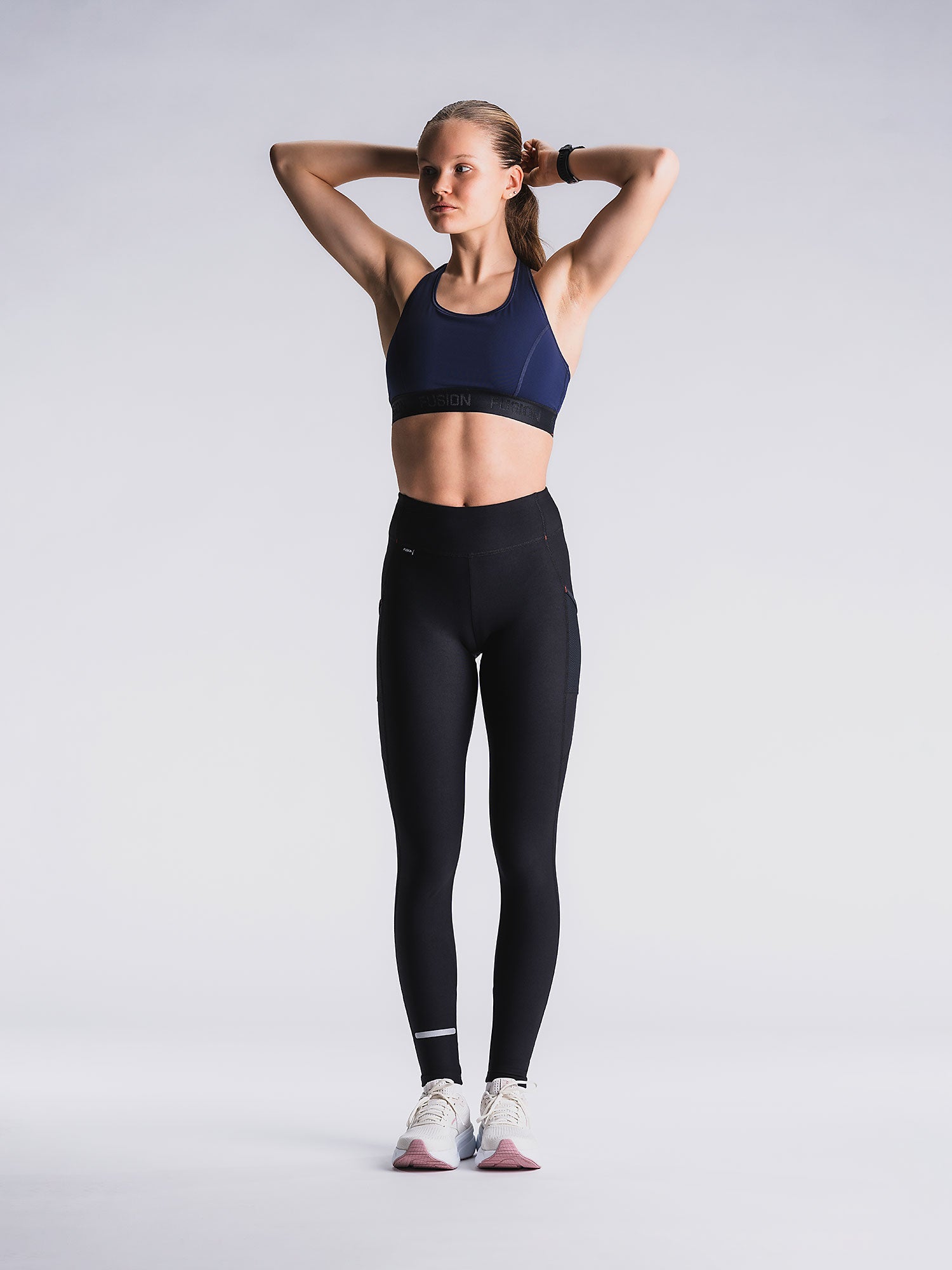
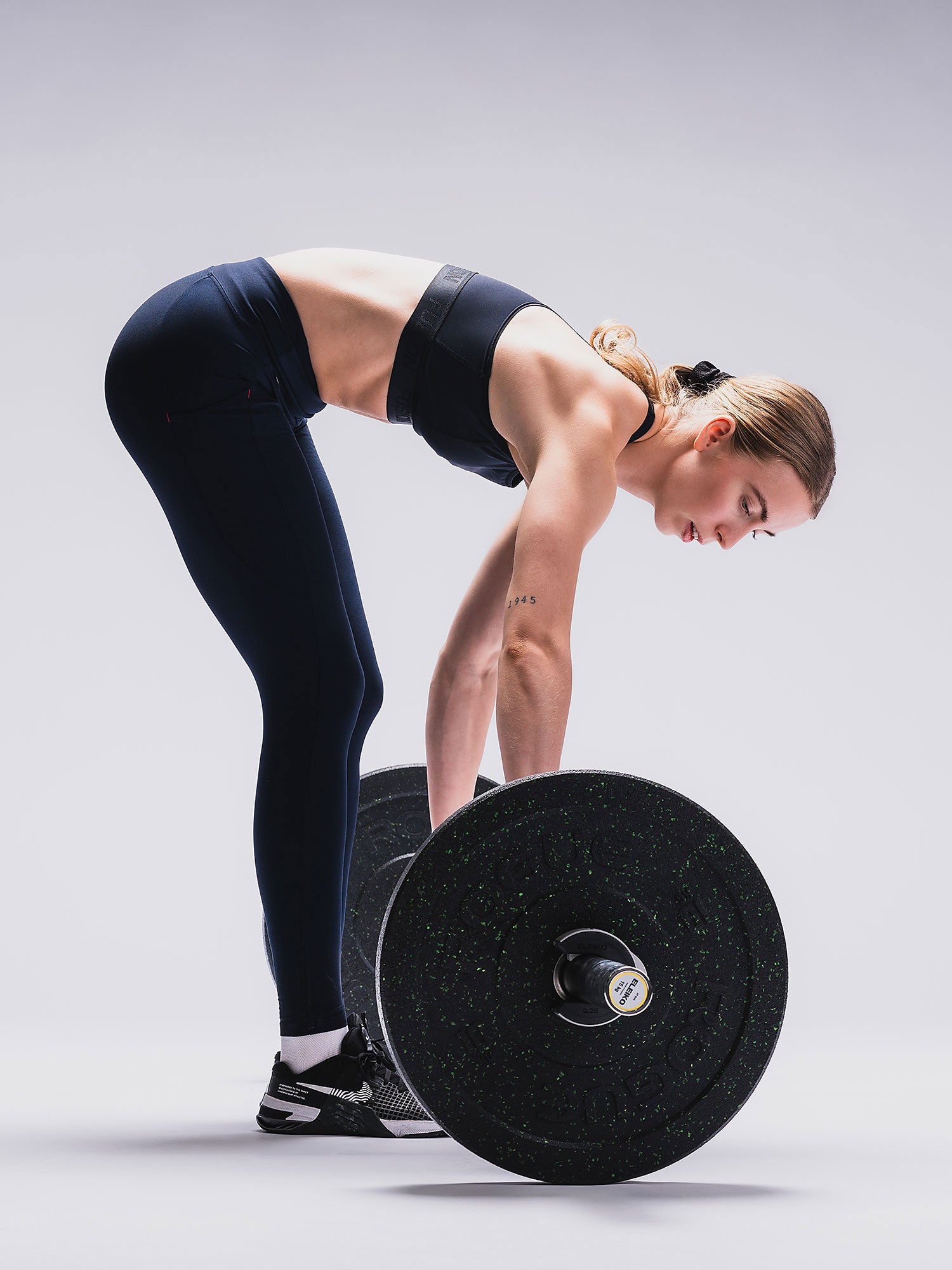
A successful marathon requires bottoms you don’t even notice. Explore our range of feather-light 2-in-1 running shorts and tight-fitting running tights. Common to all are our elastic side pockets that lock your gels close to your body, completely eliminating "bounce."
Featherlight raceday shorts with compressive moisture-wicking and maximum speed
€135
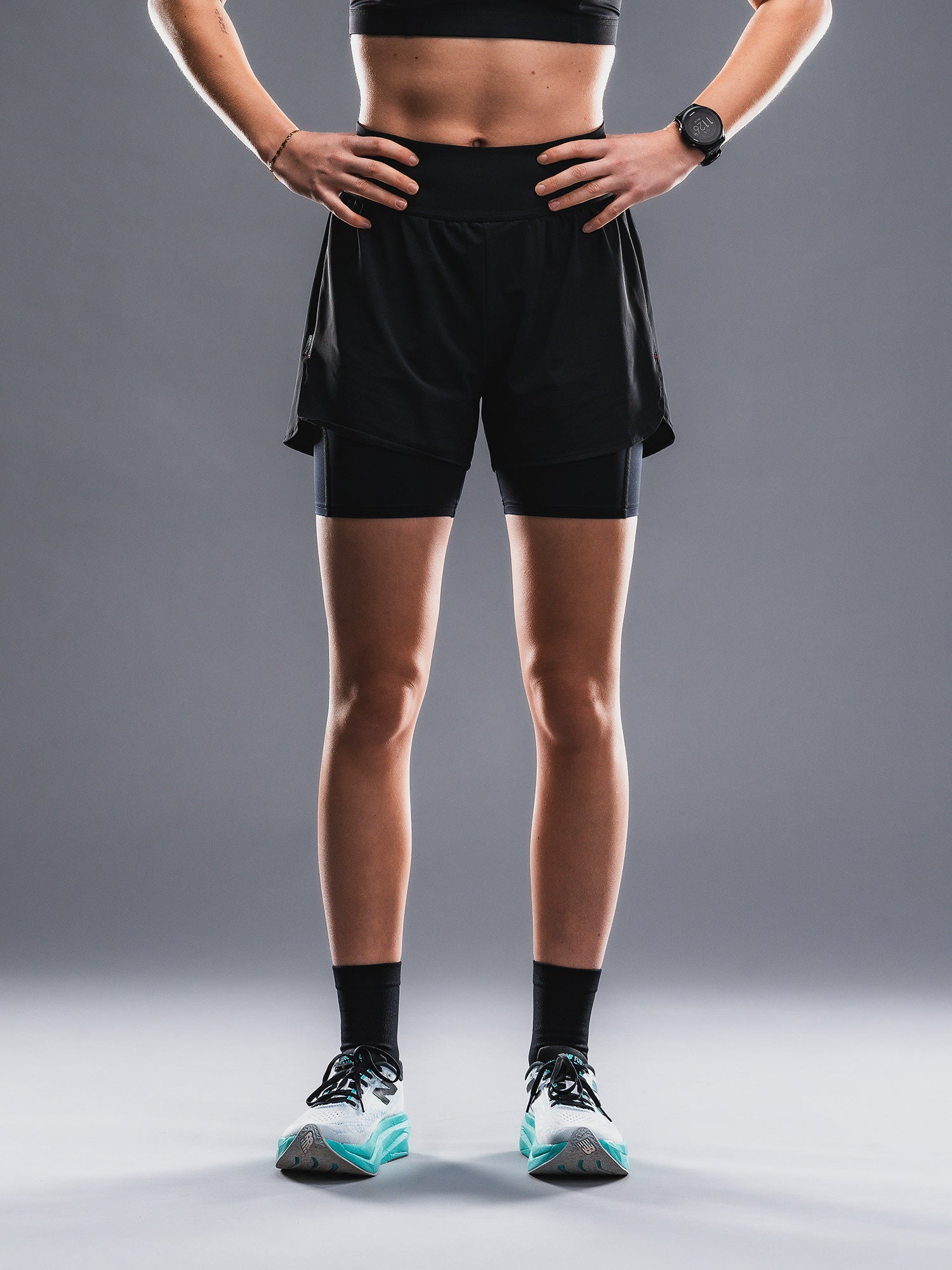
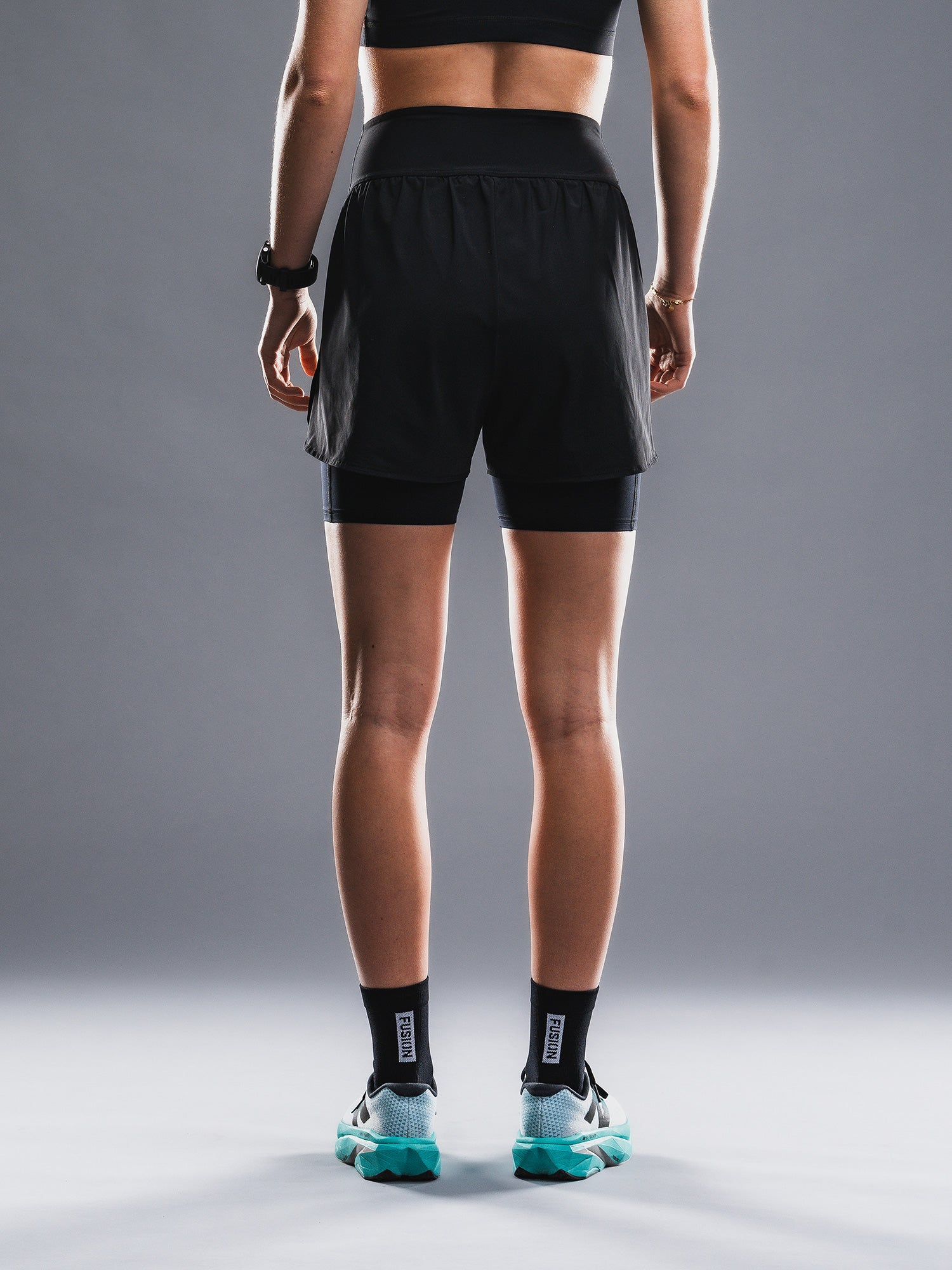
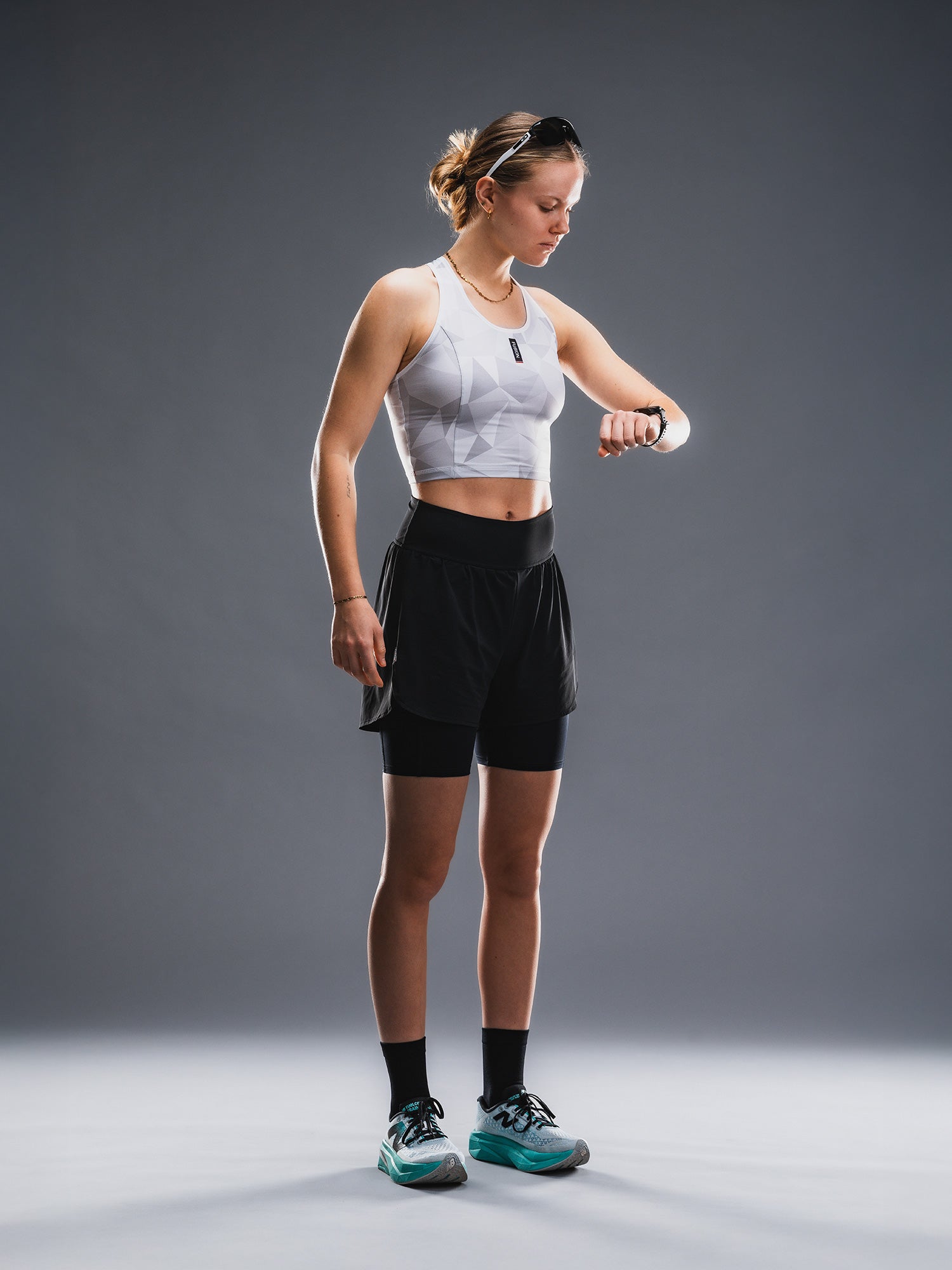
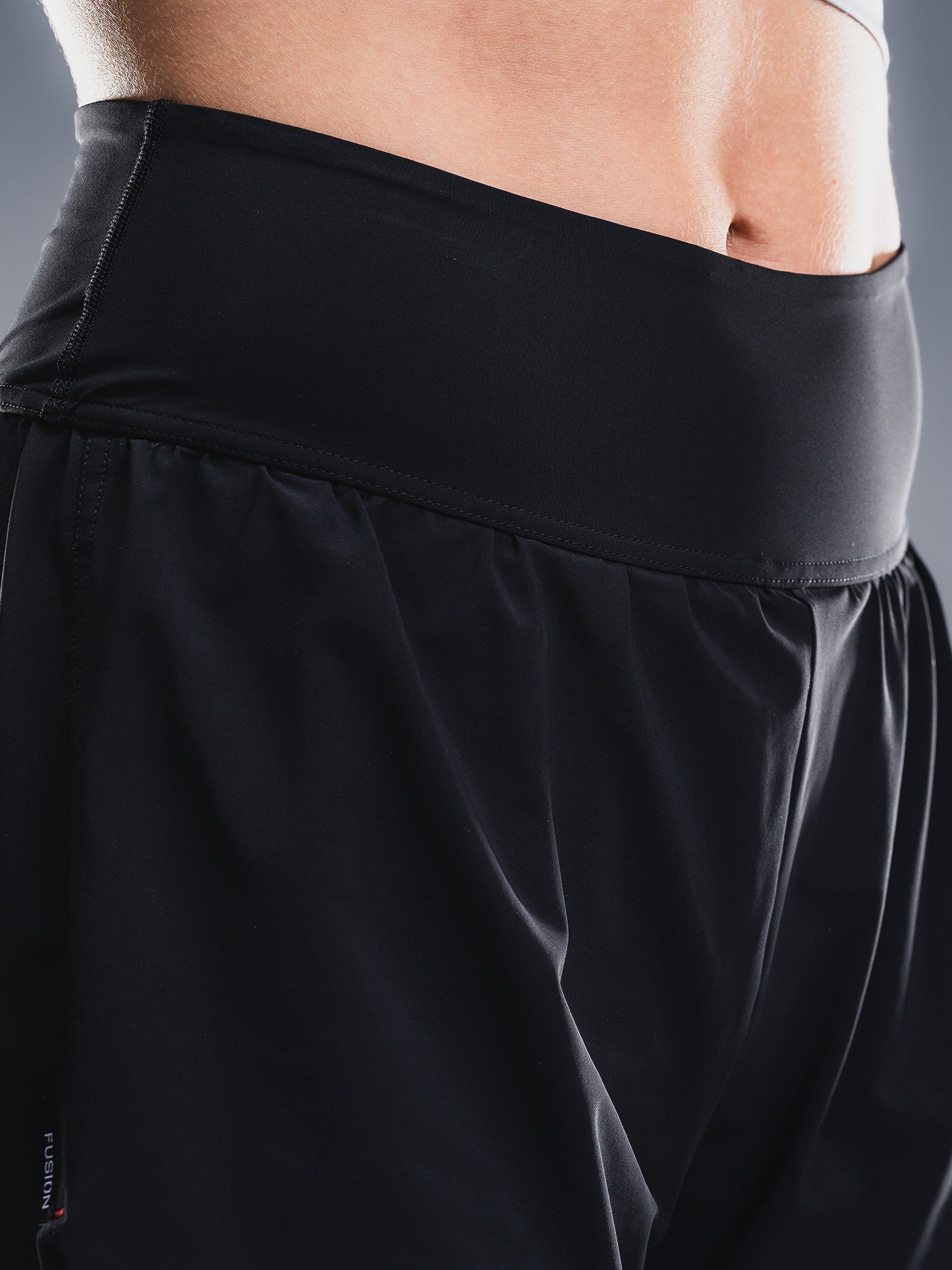

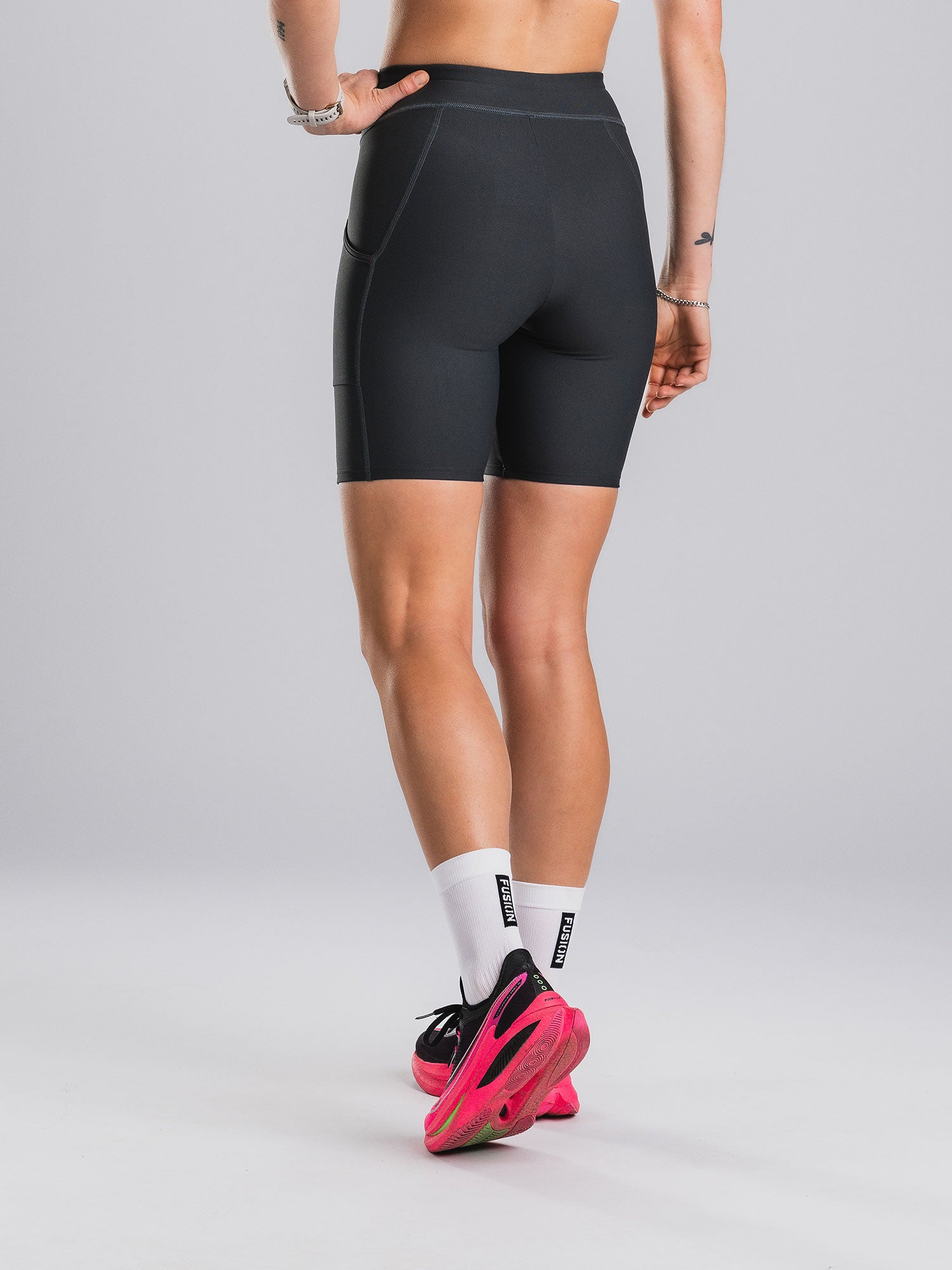


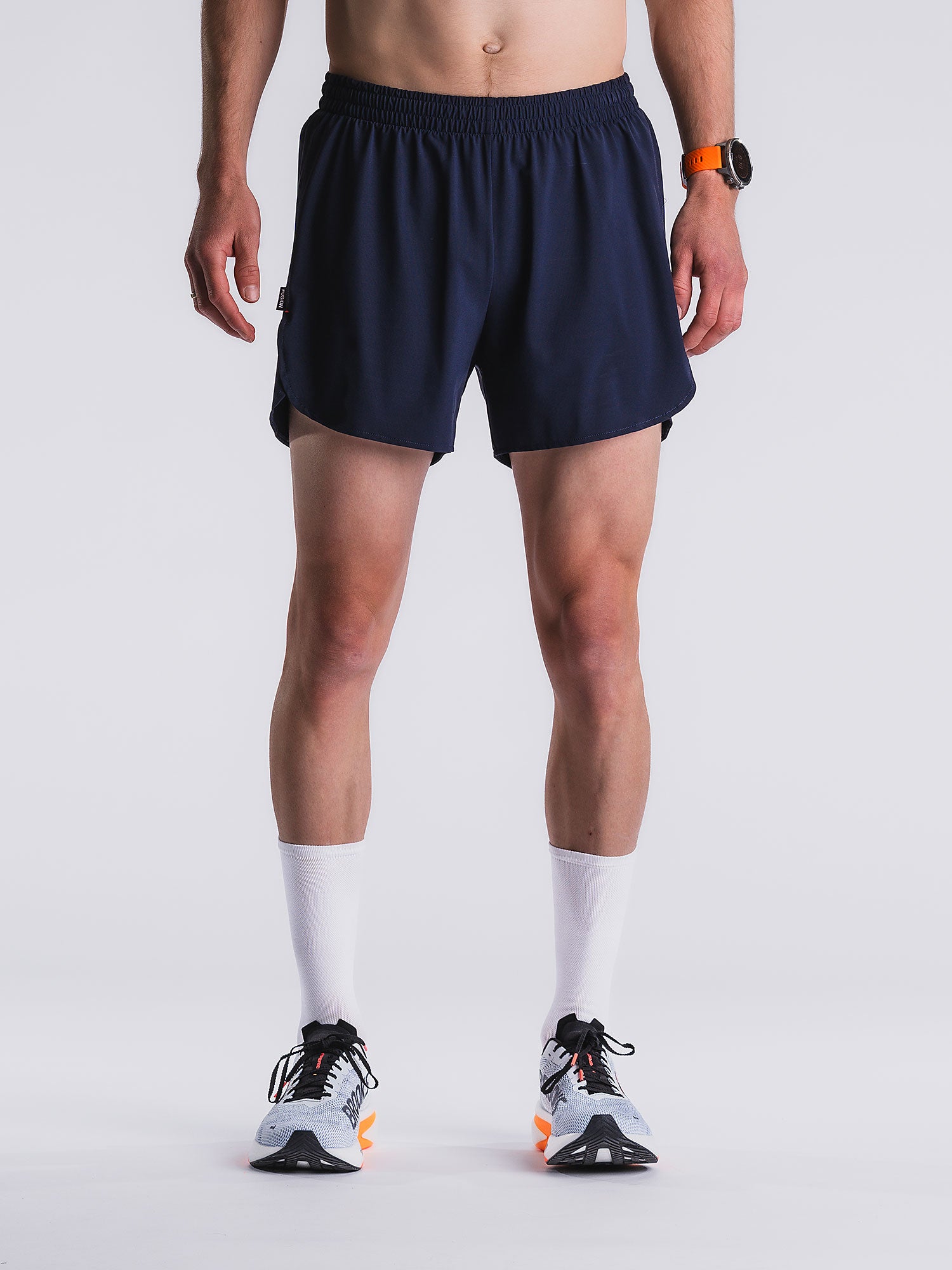
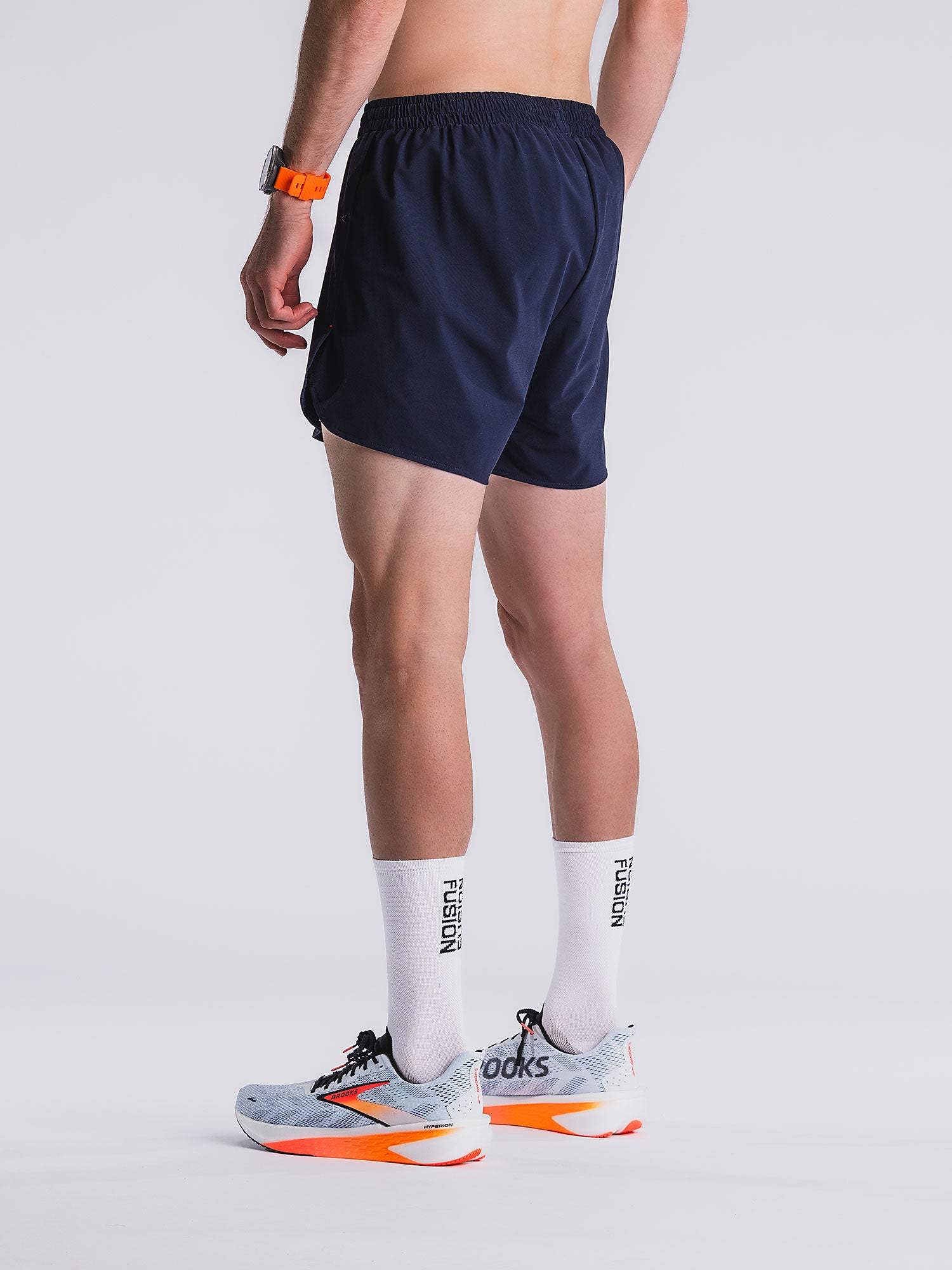
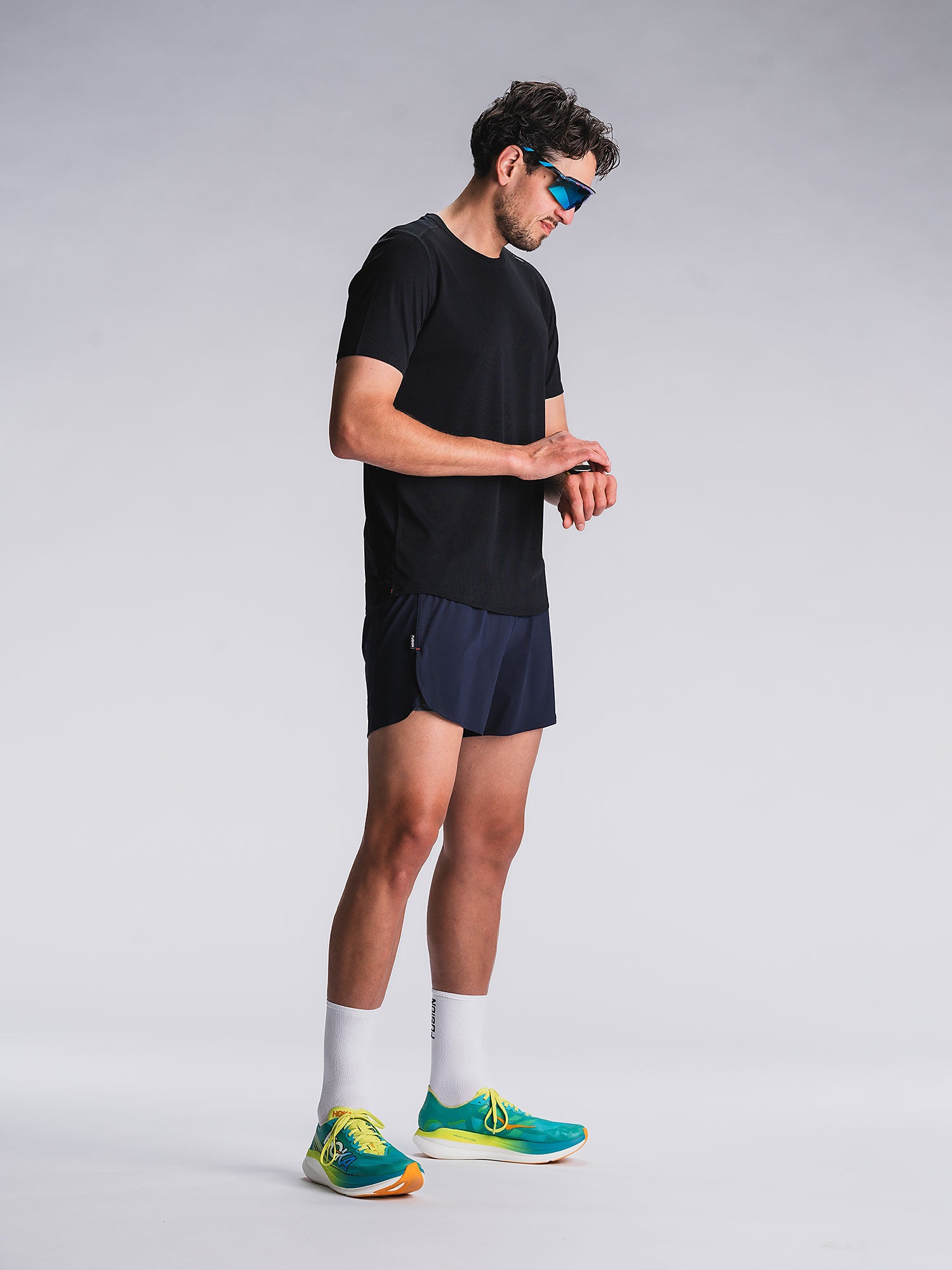
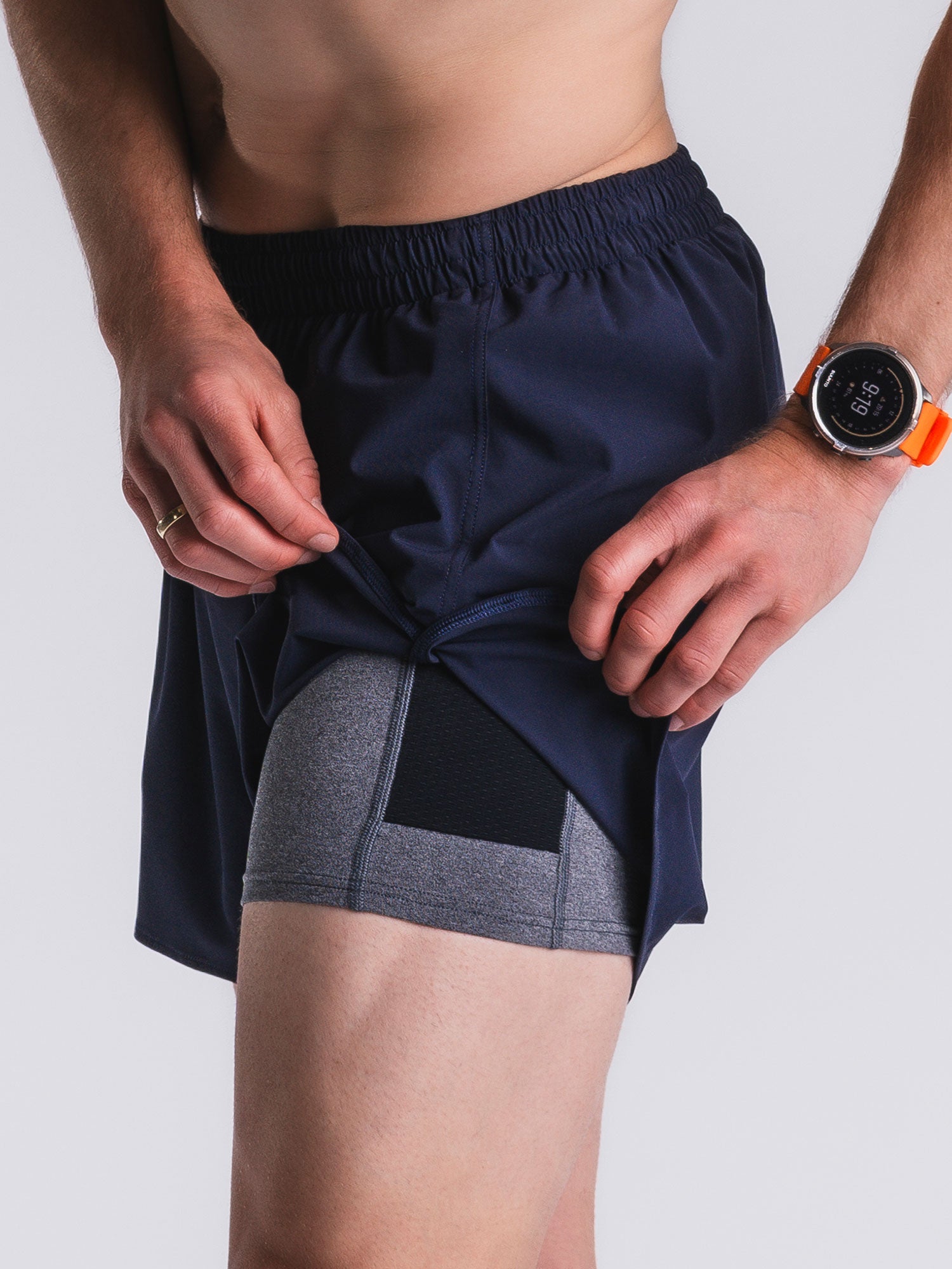
Versatile running shorts with soft comfort and classic look for recovery and easy runs
€95
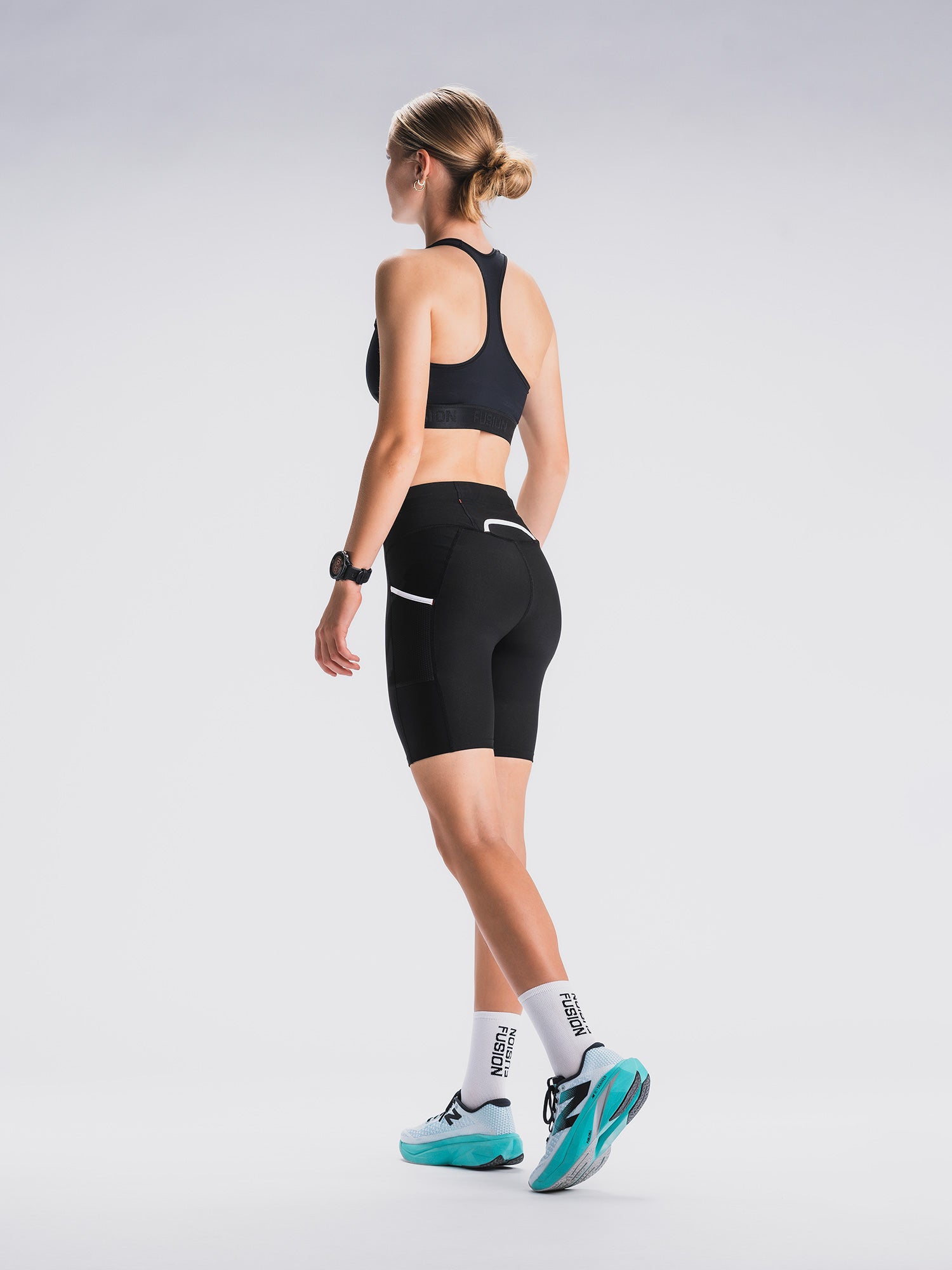
Marathon Running Socks
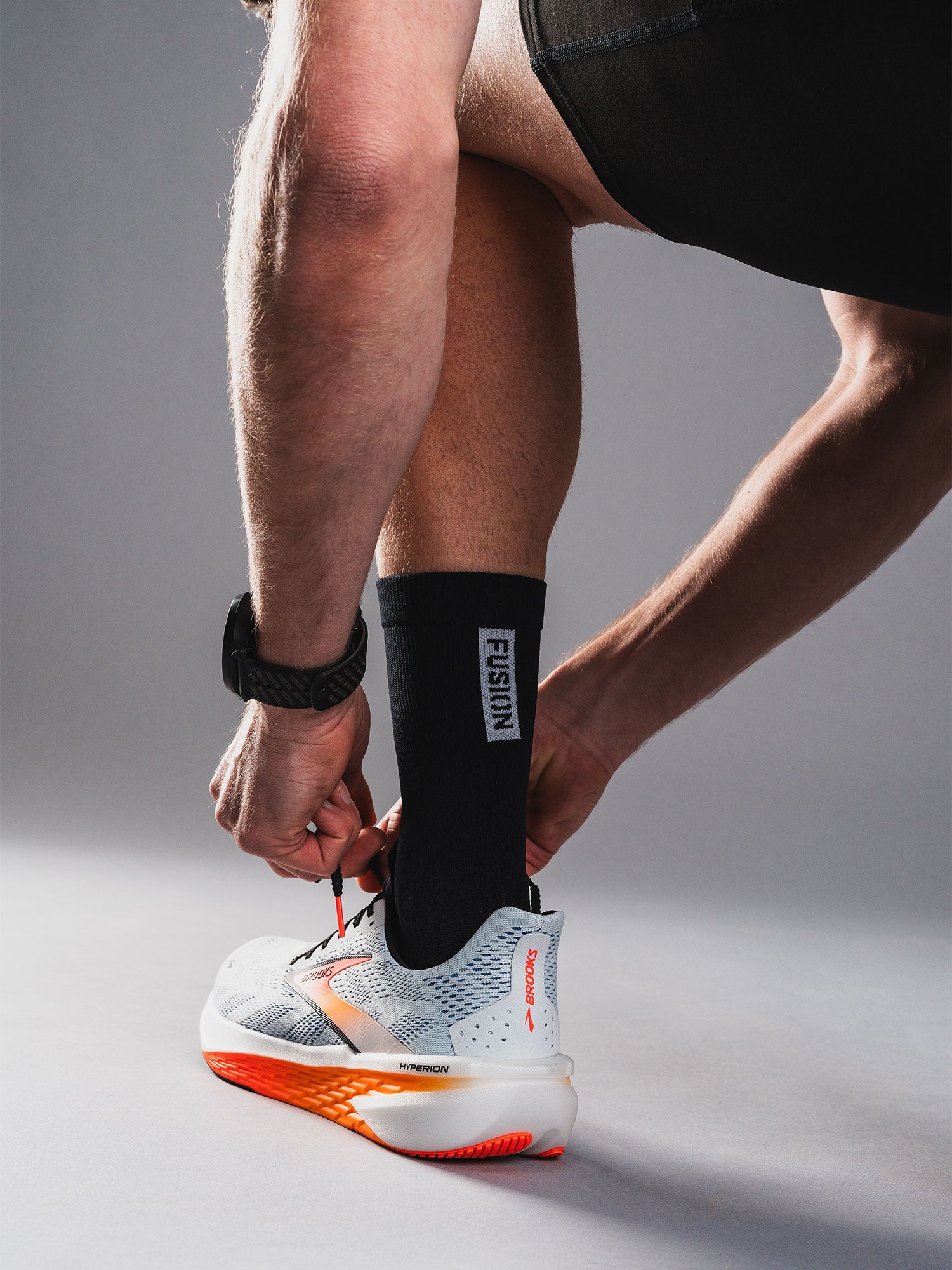
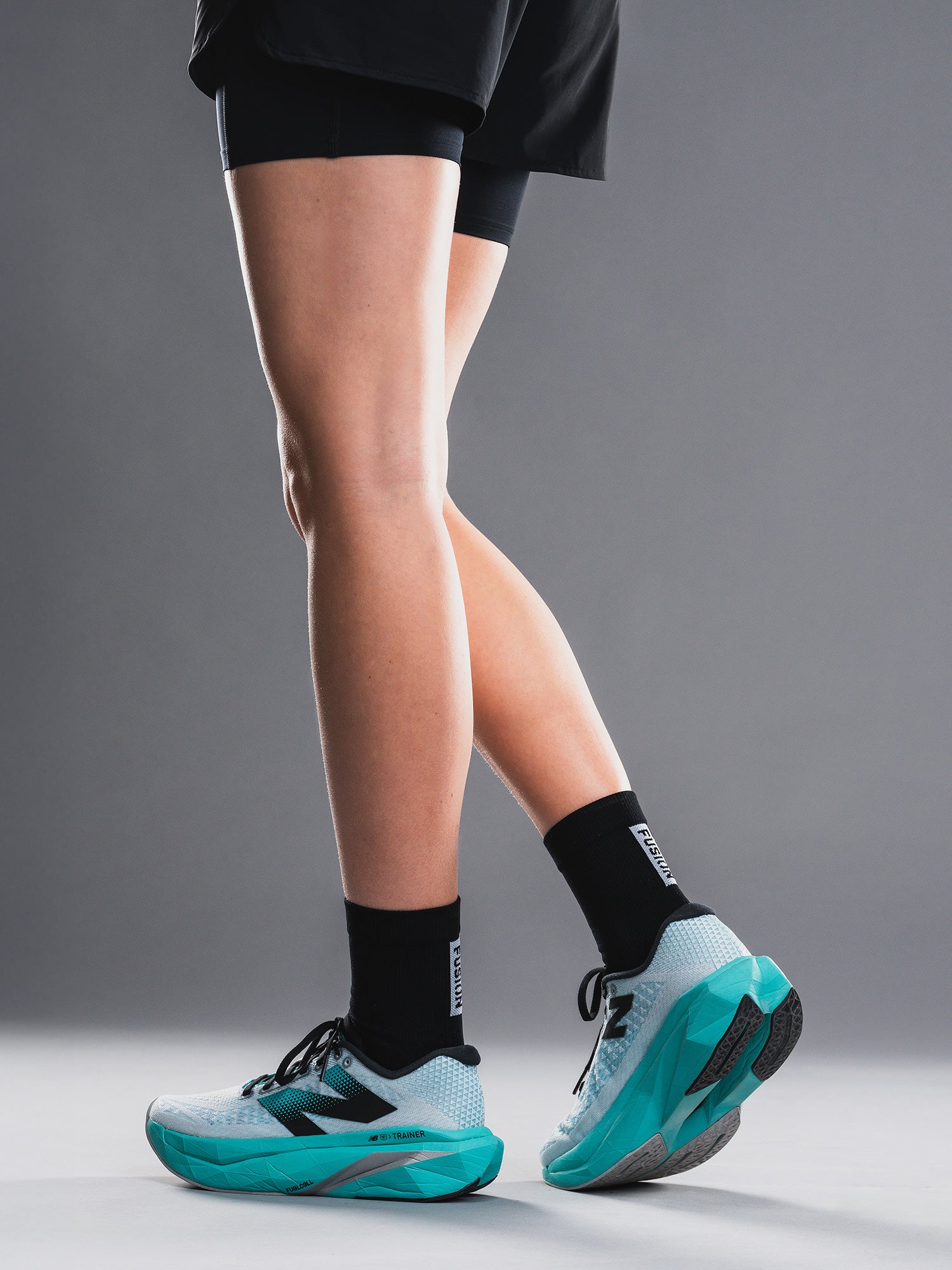
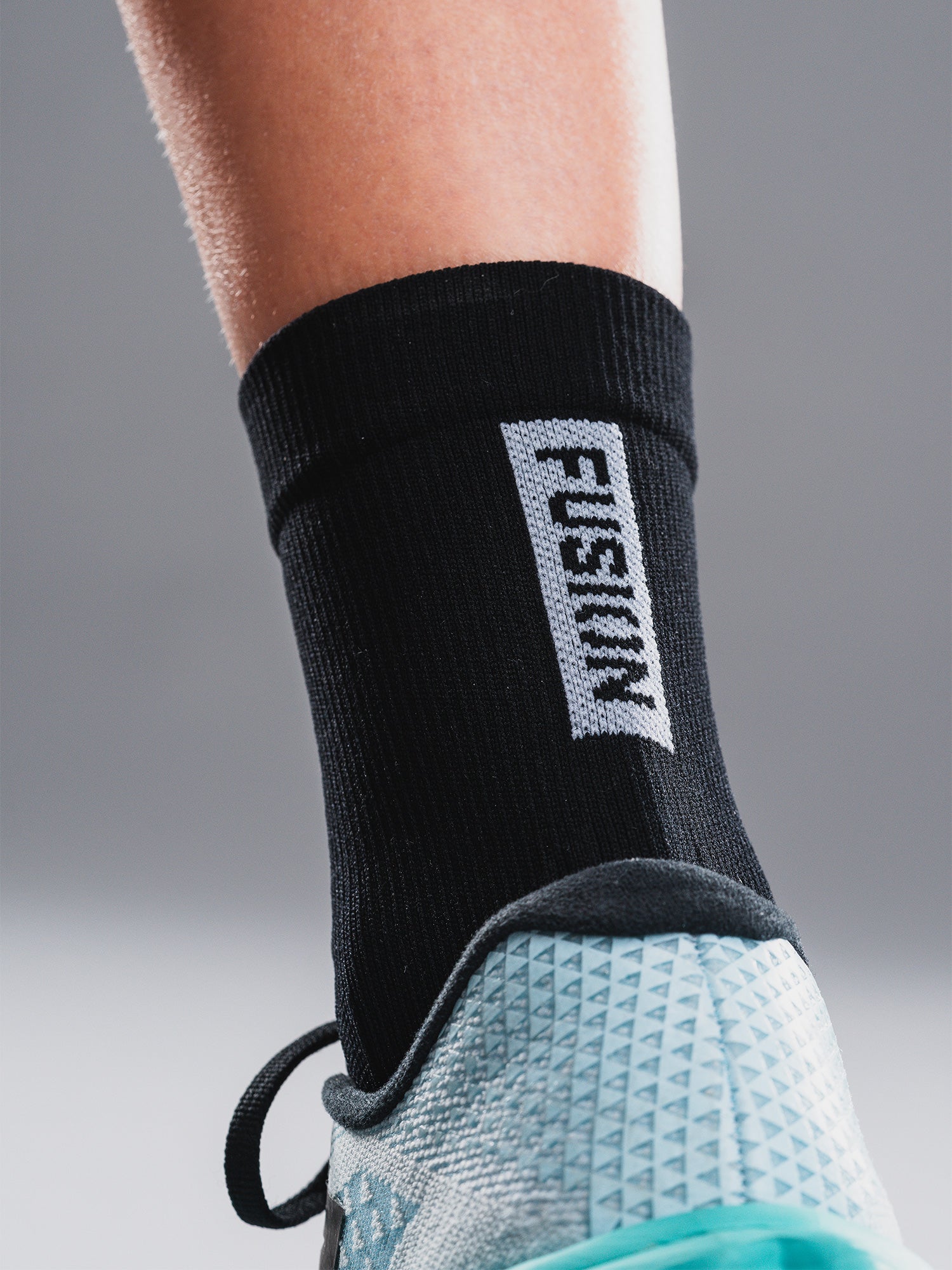
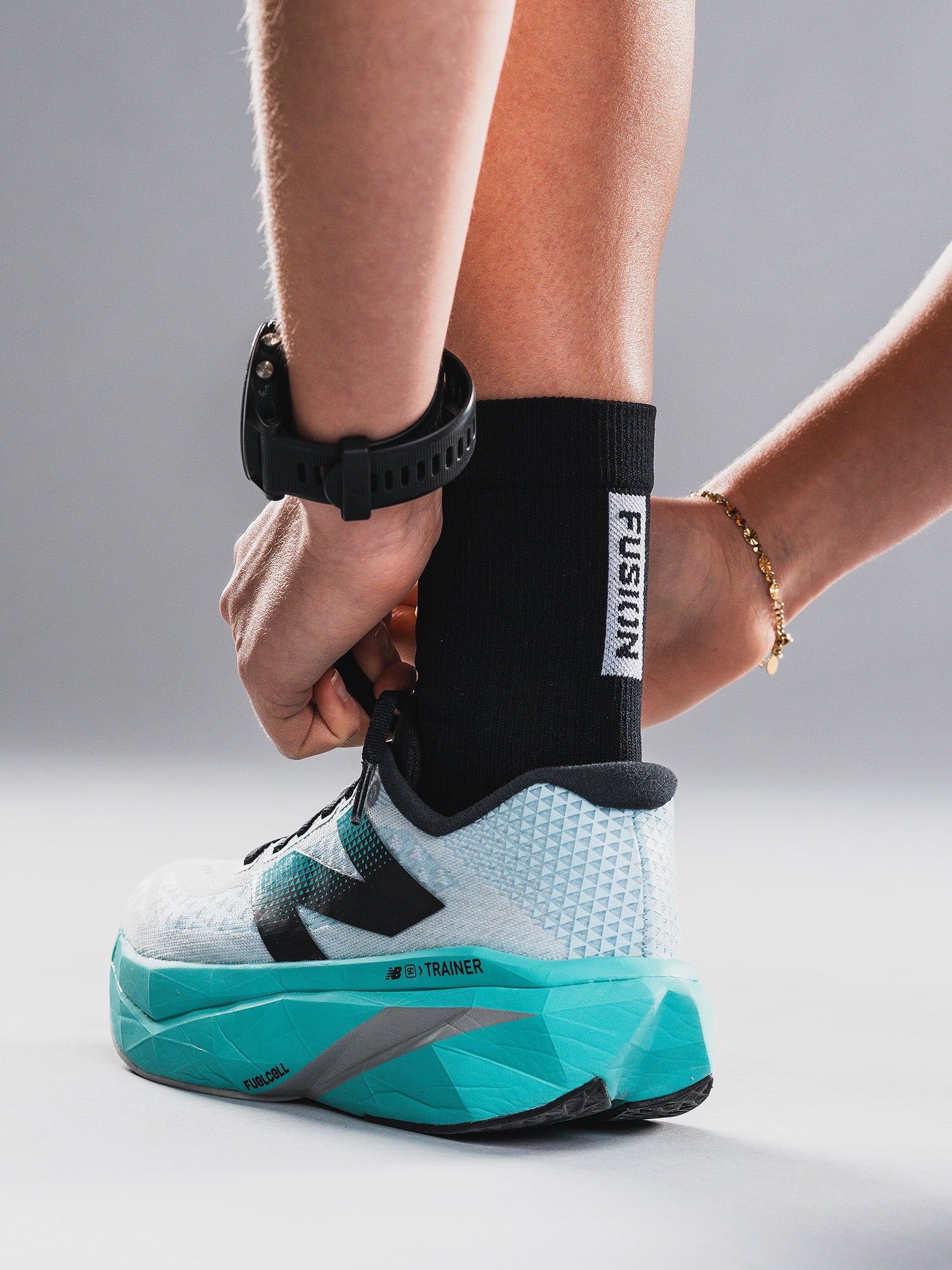
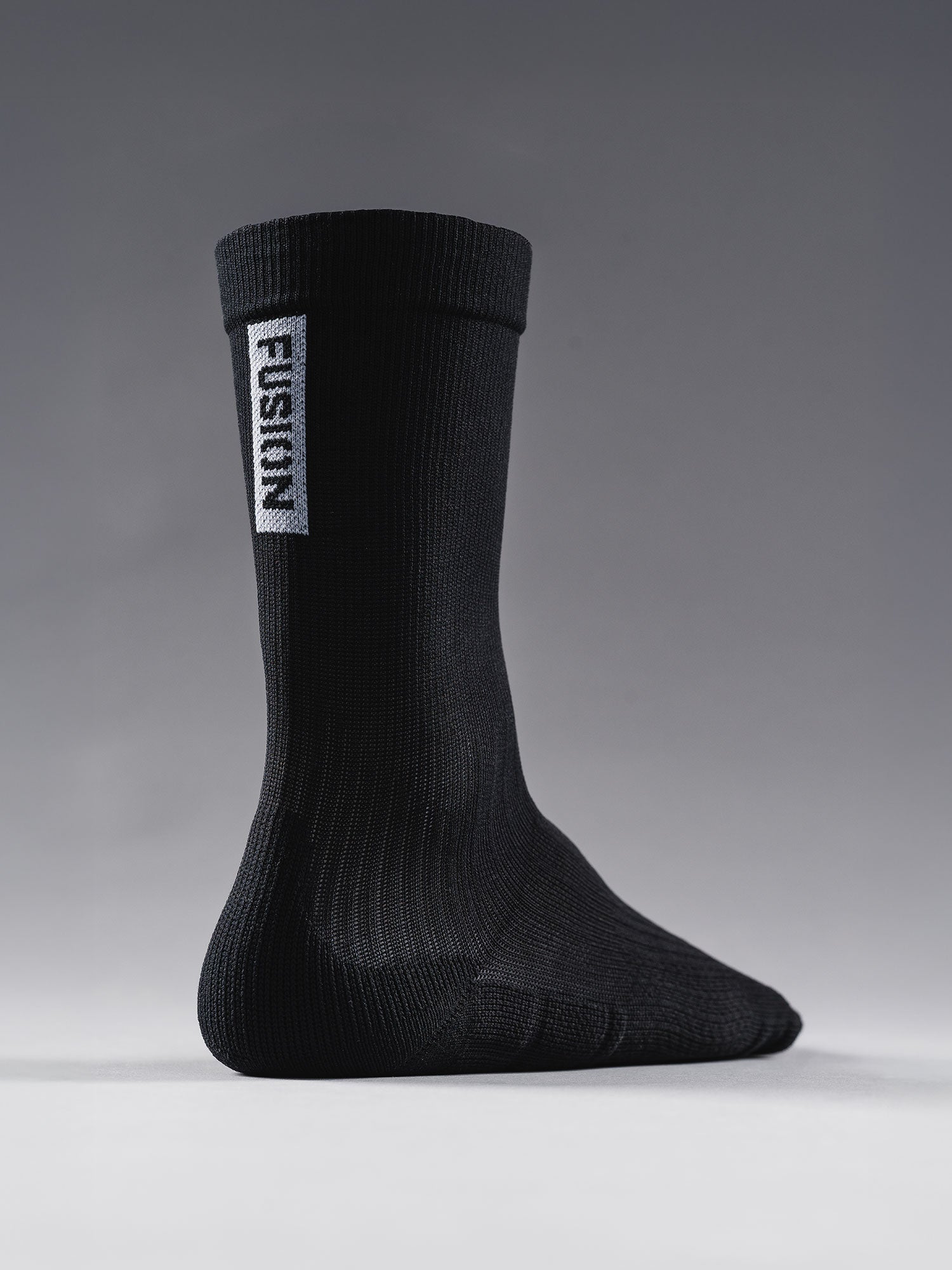
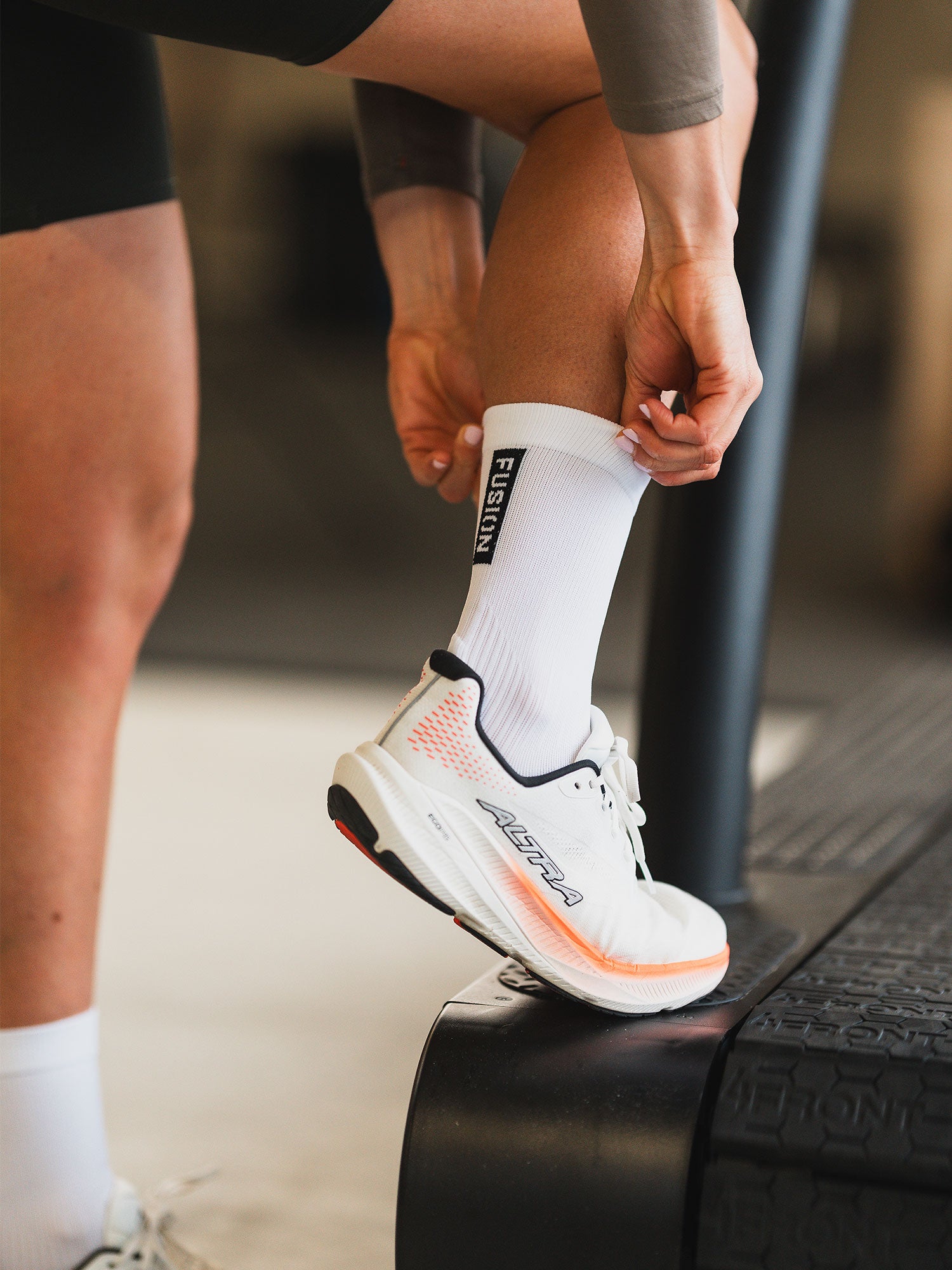
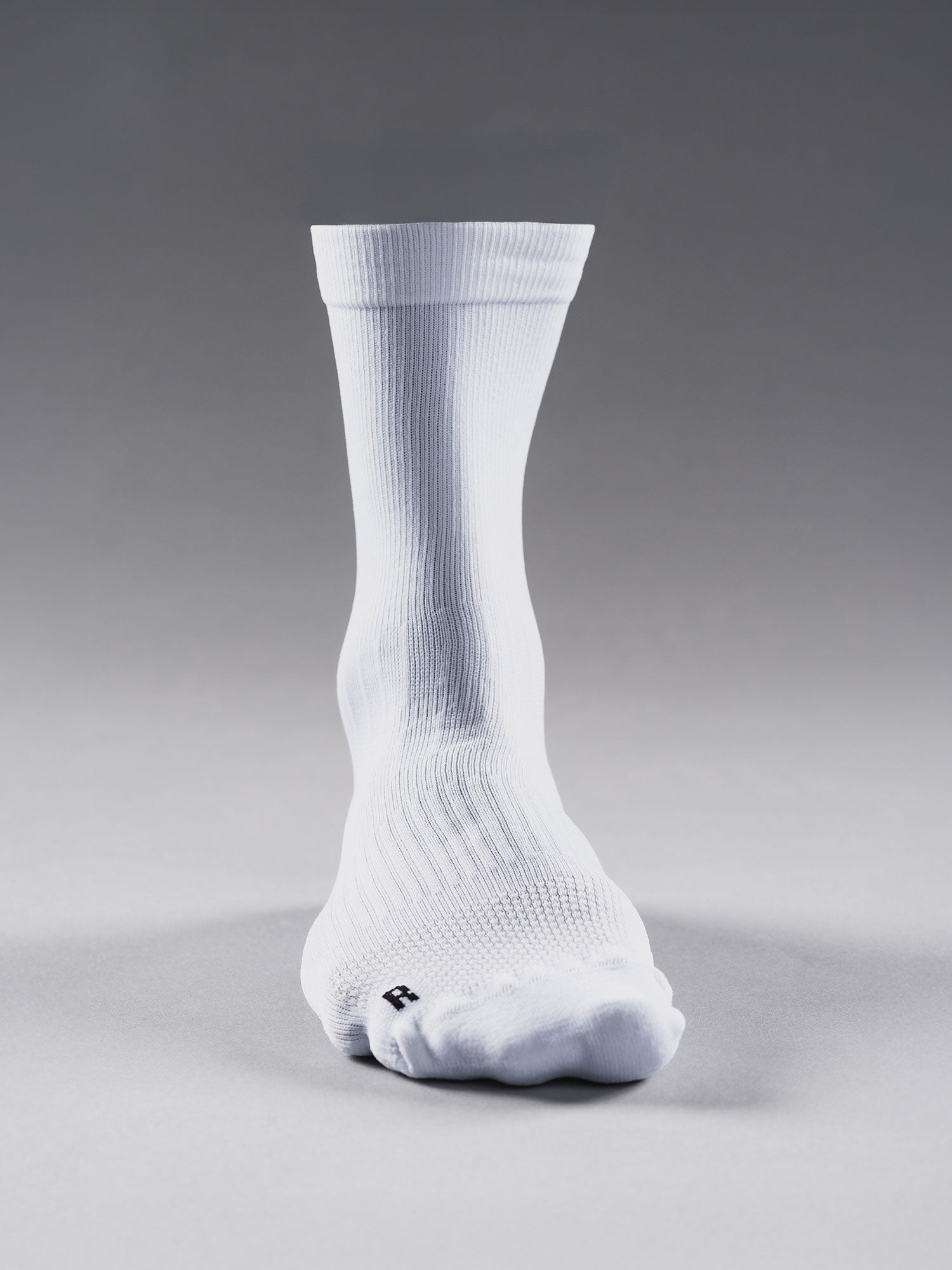
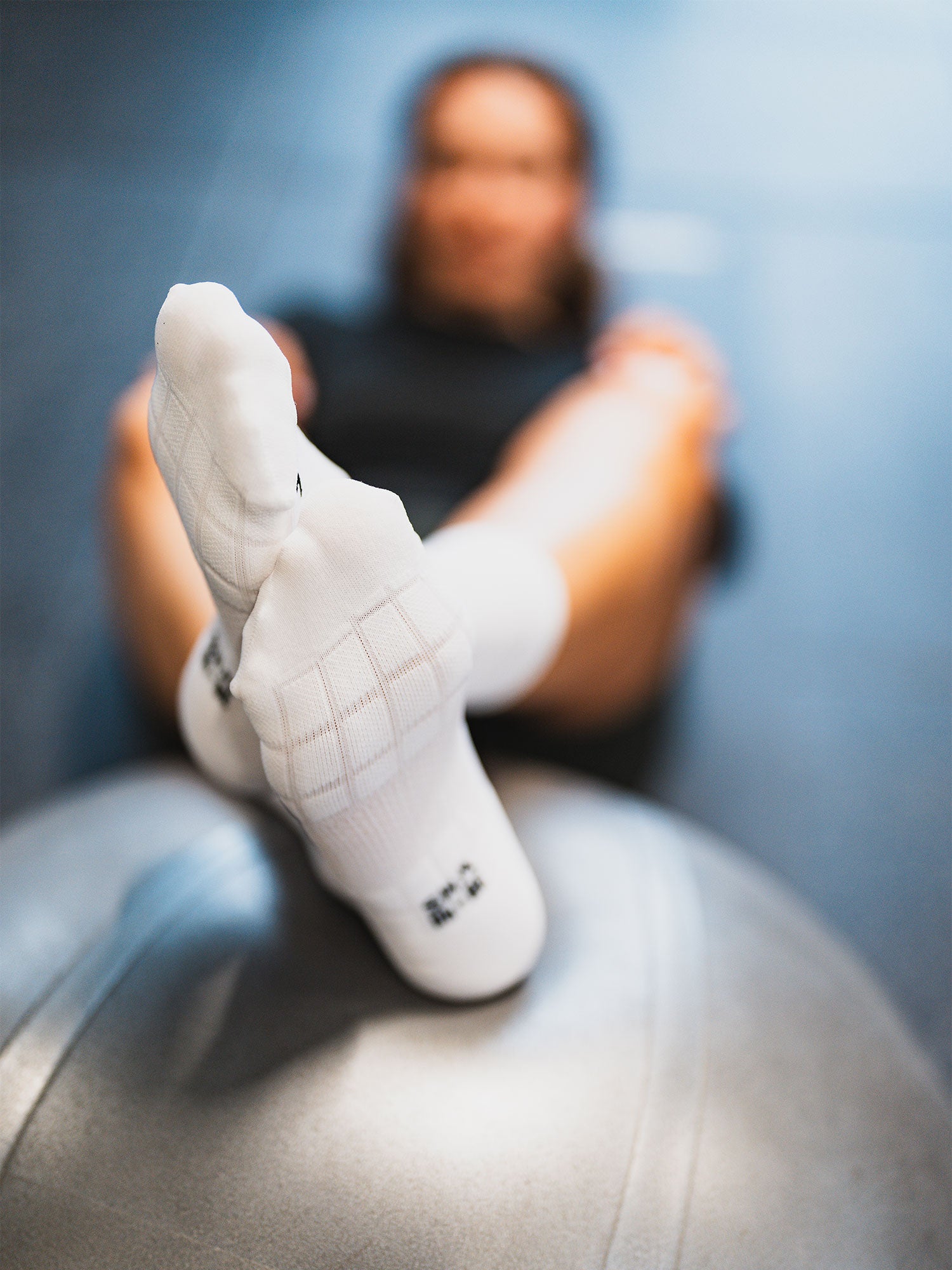
Blisters and overheated feet can ruin any race. FUSION’s running socks are technically knitted to ensure a snug fit that won’t fold in the shoe. They offer strategic ventilation and moisture management to keep your feet dry over long distances.
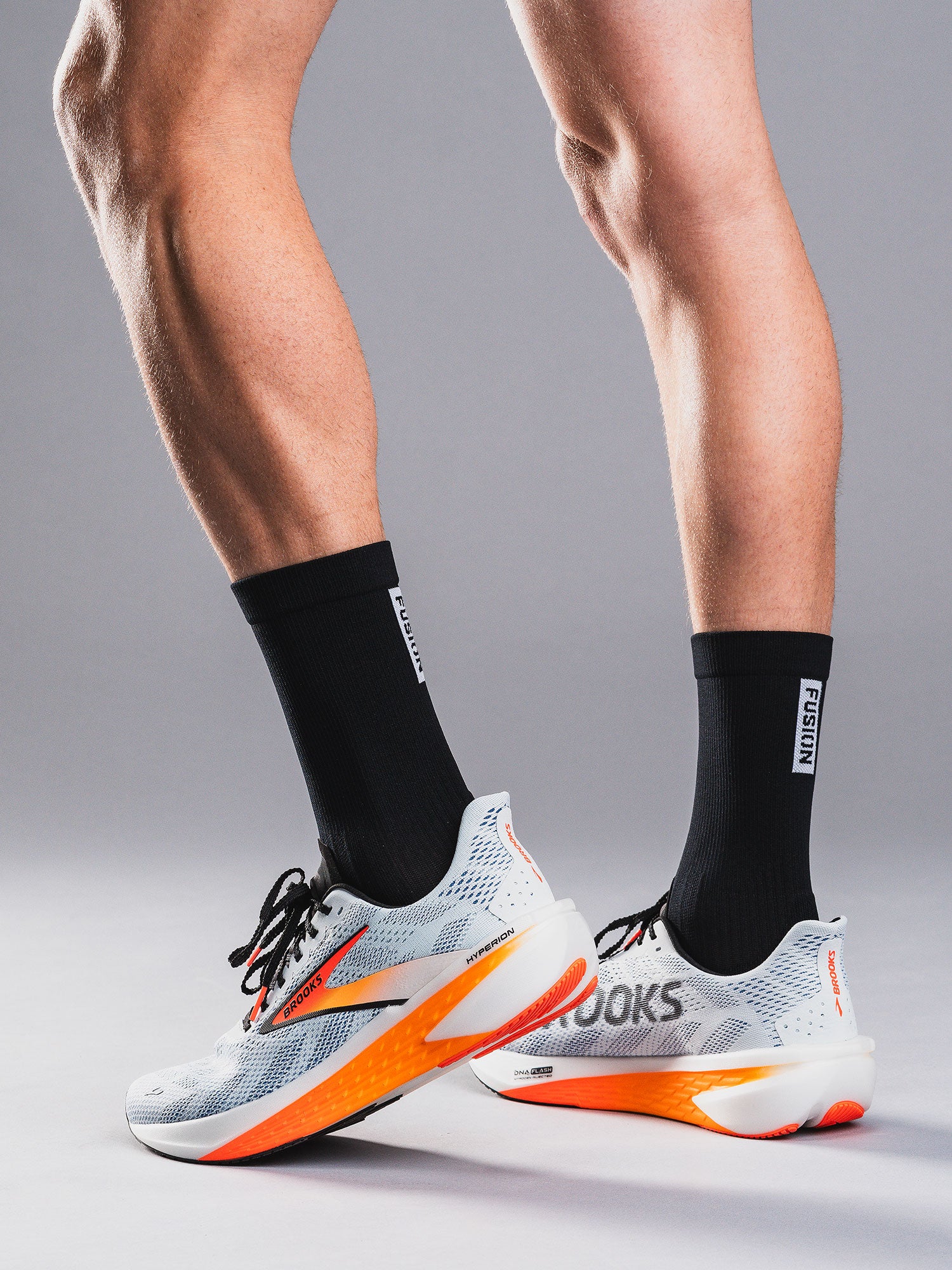
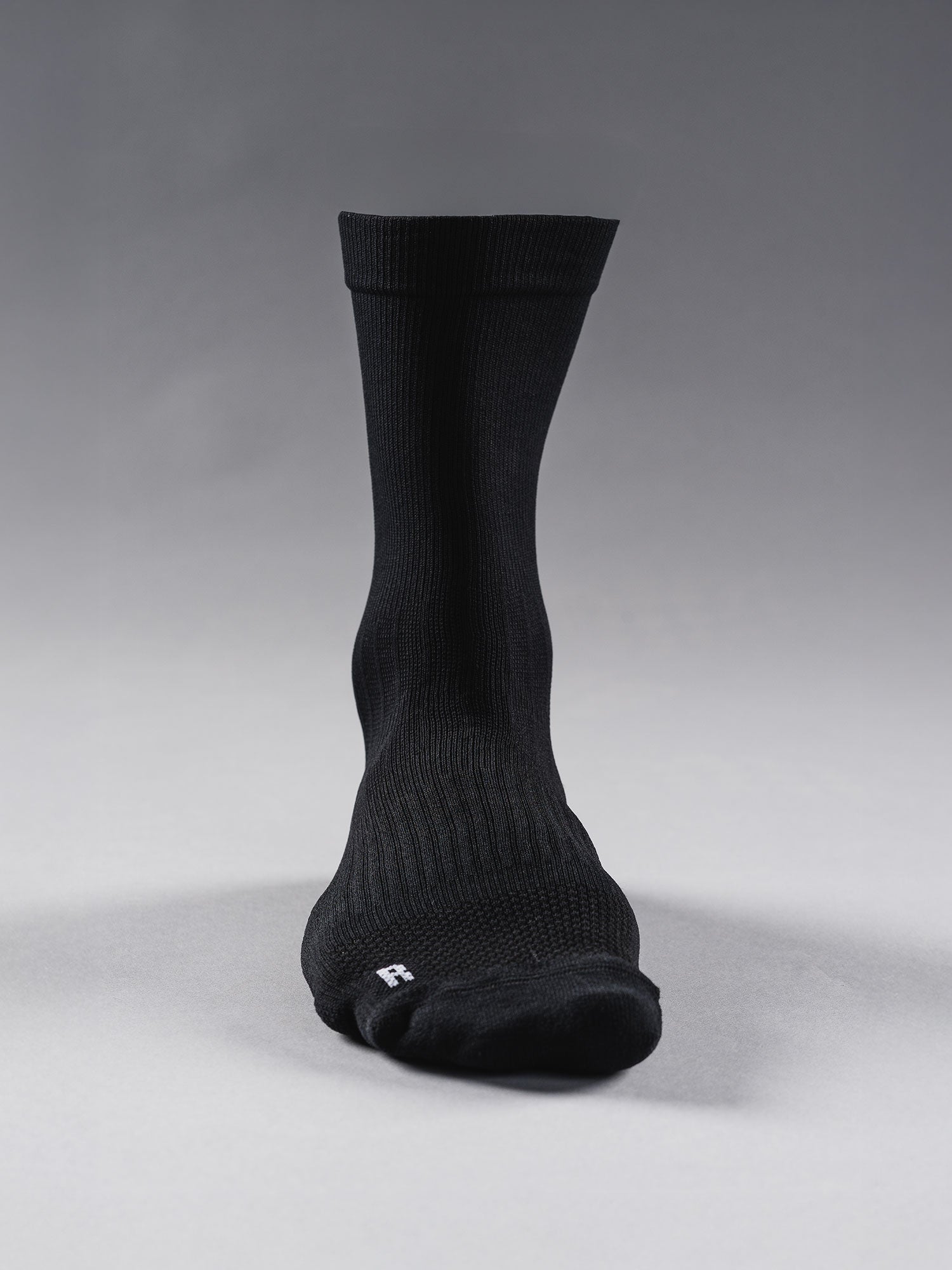
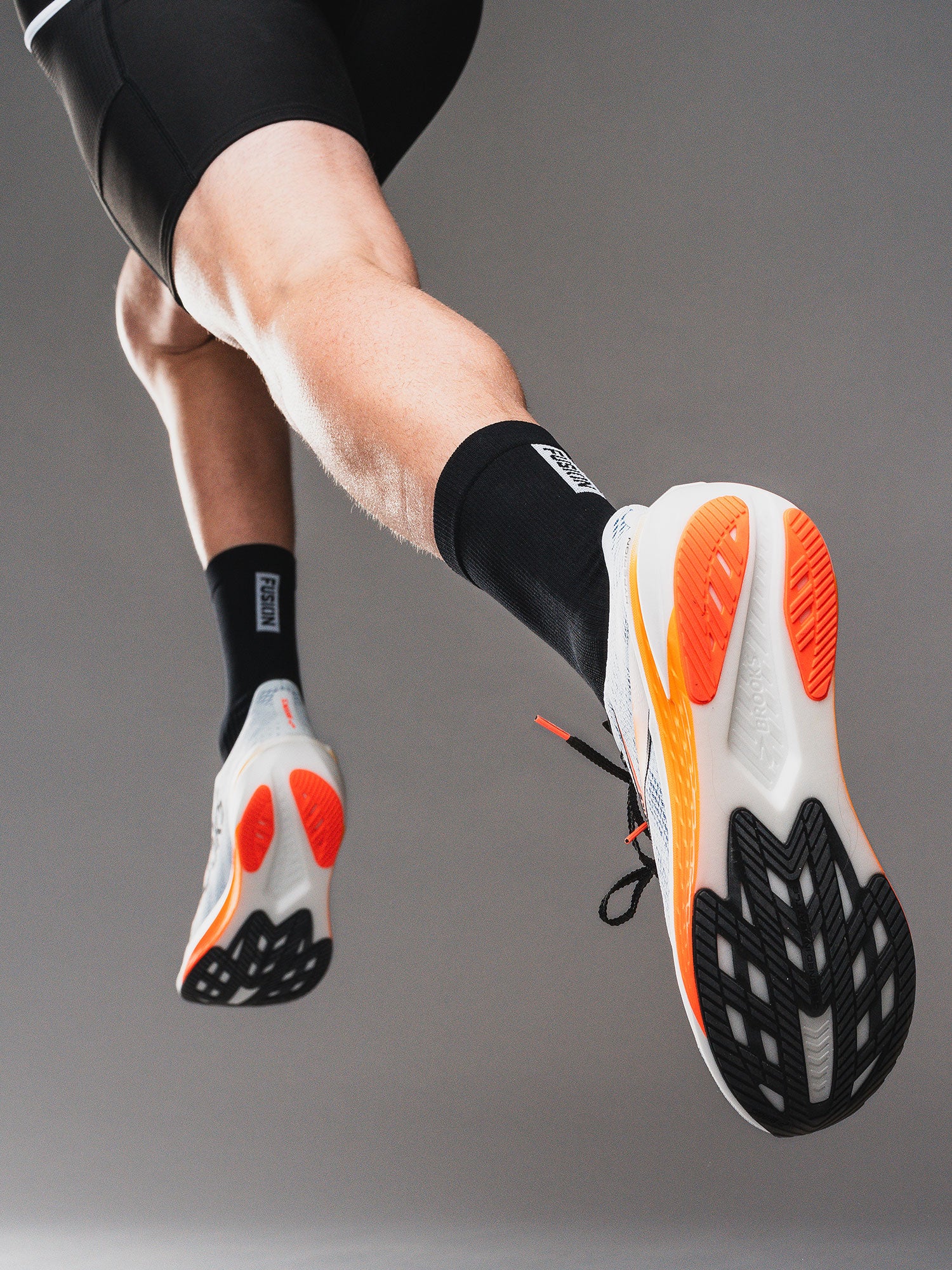


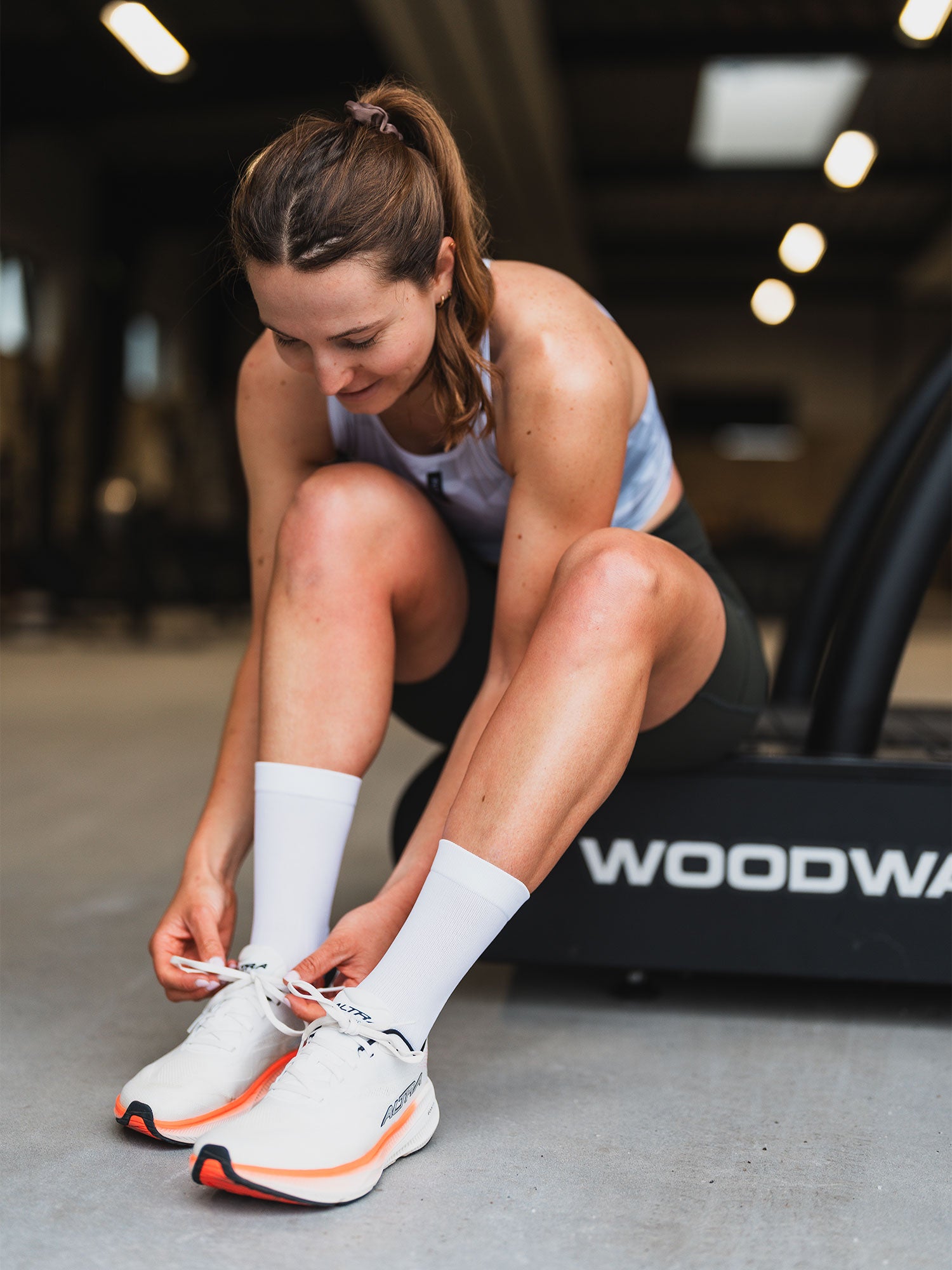
Extra Comfort for the Marathon
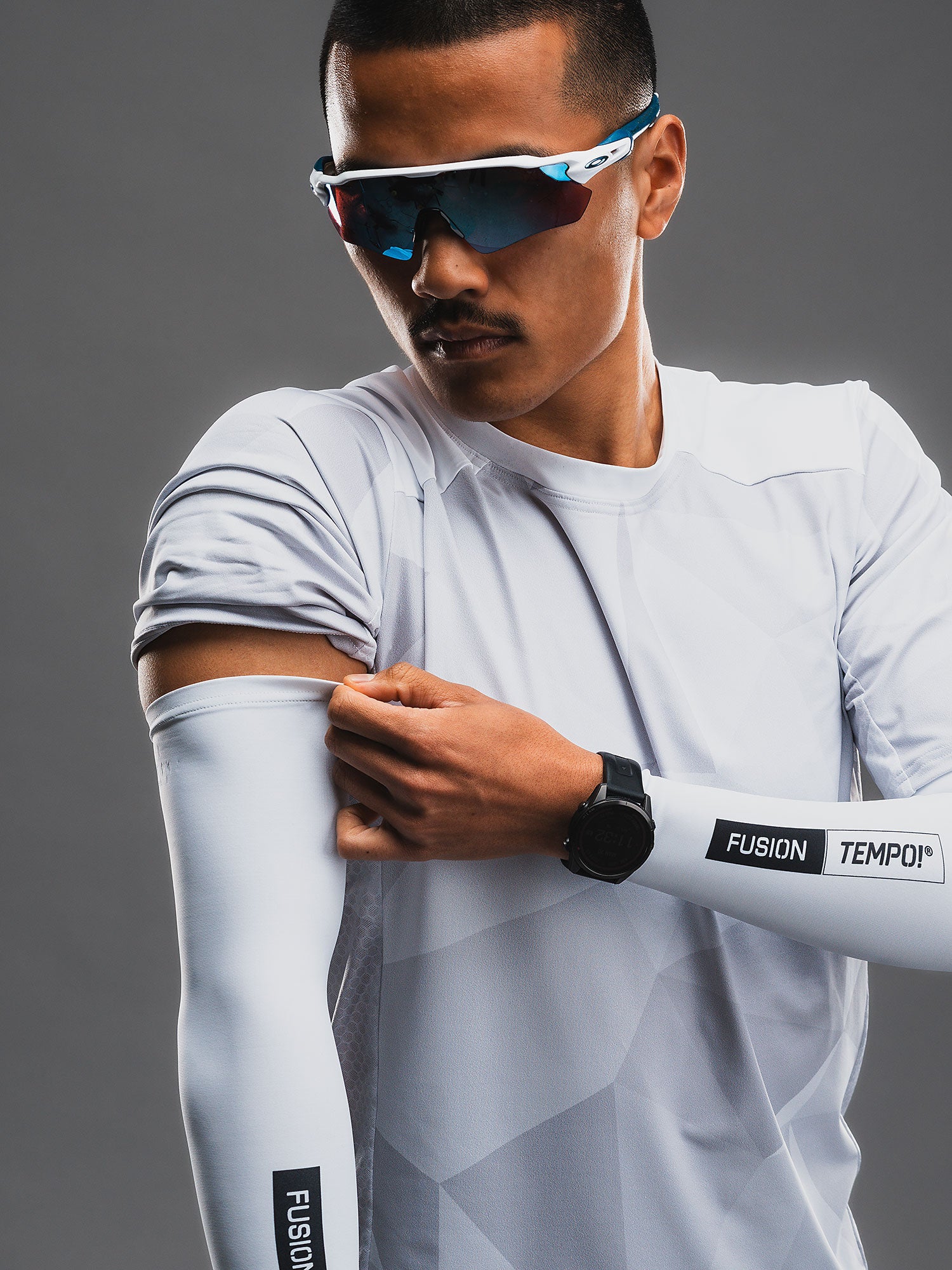
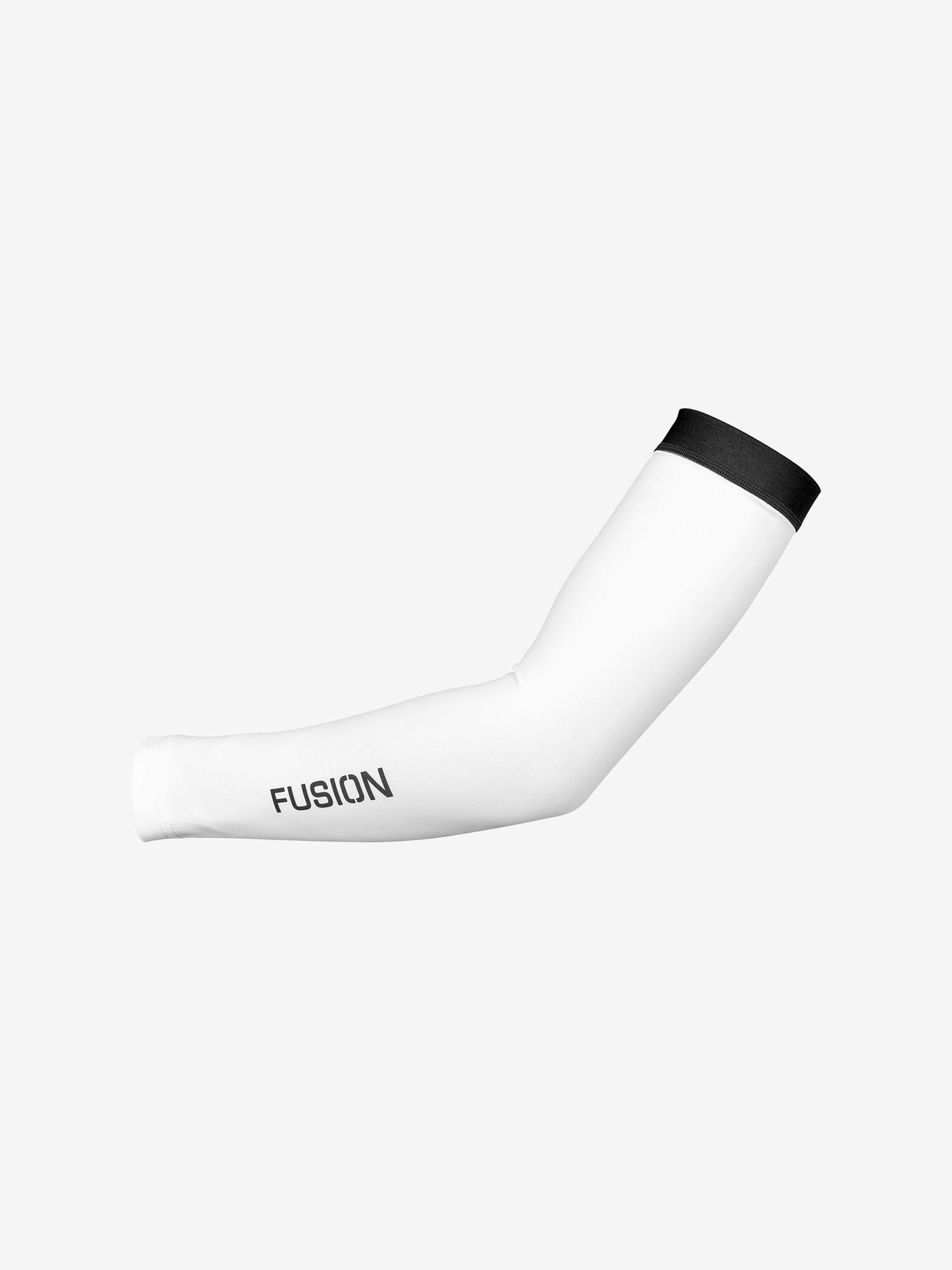
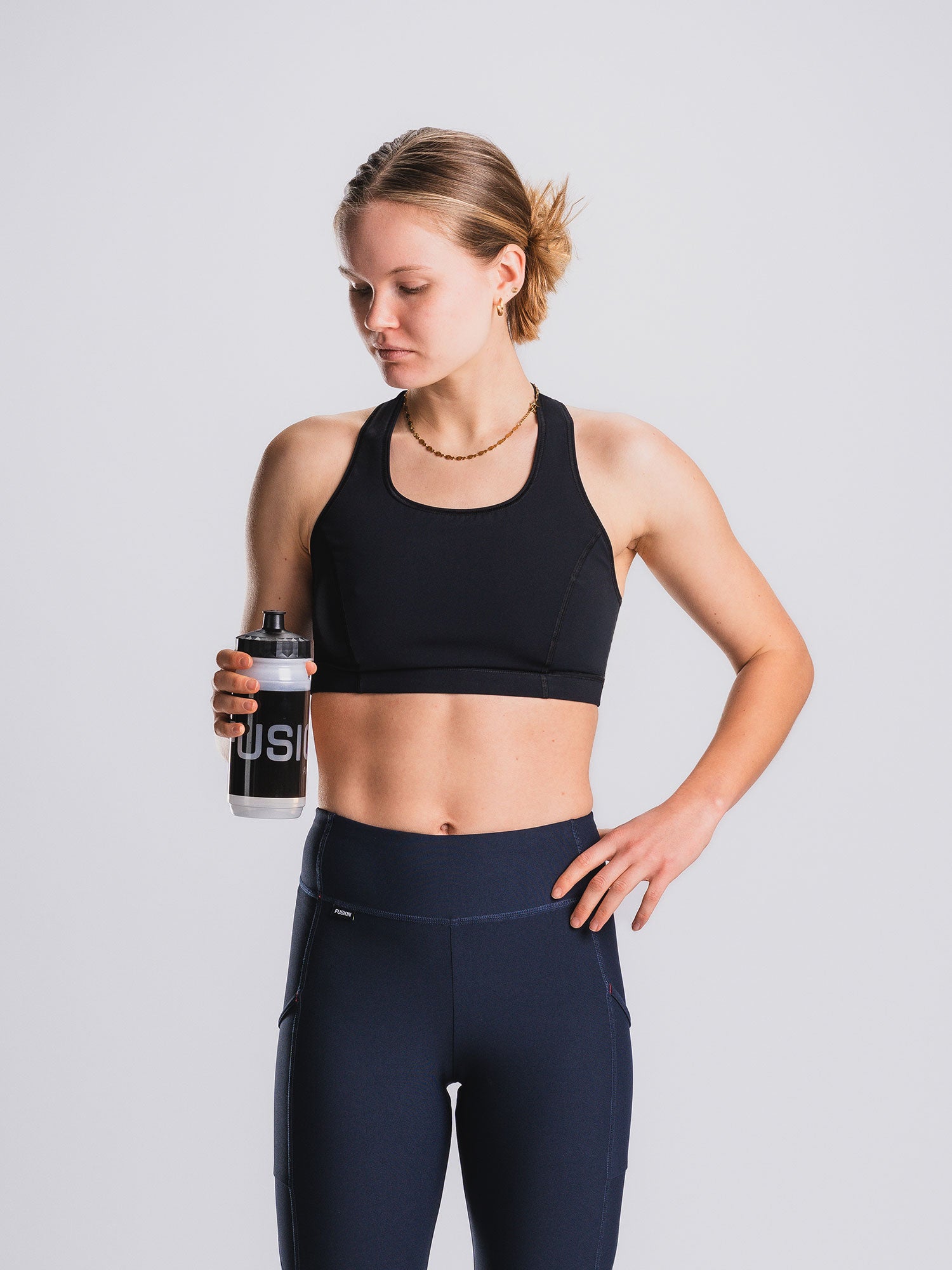
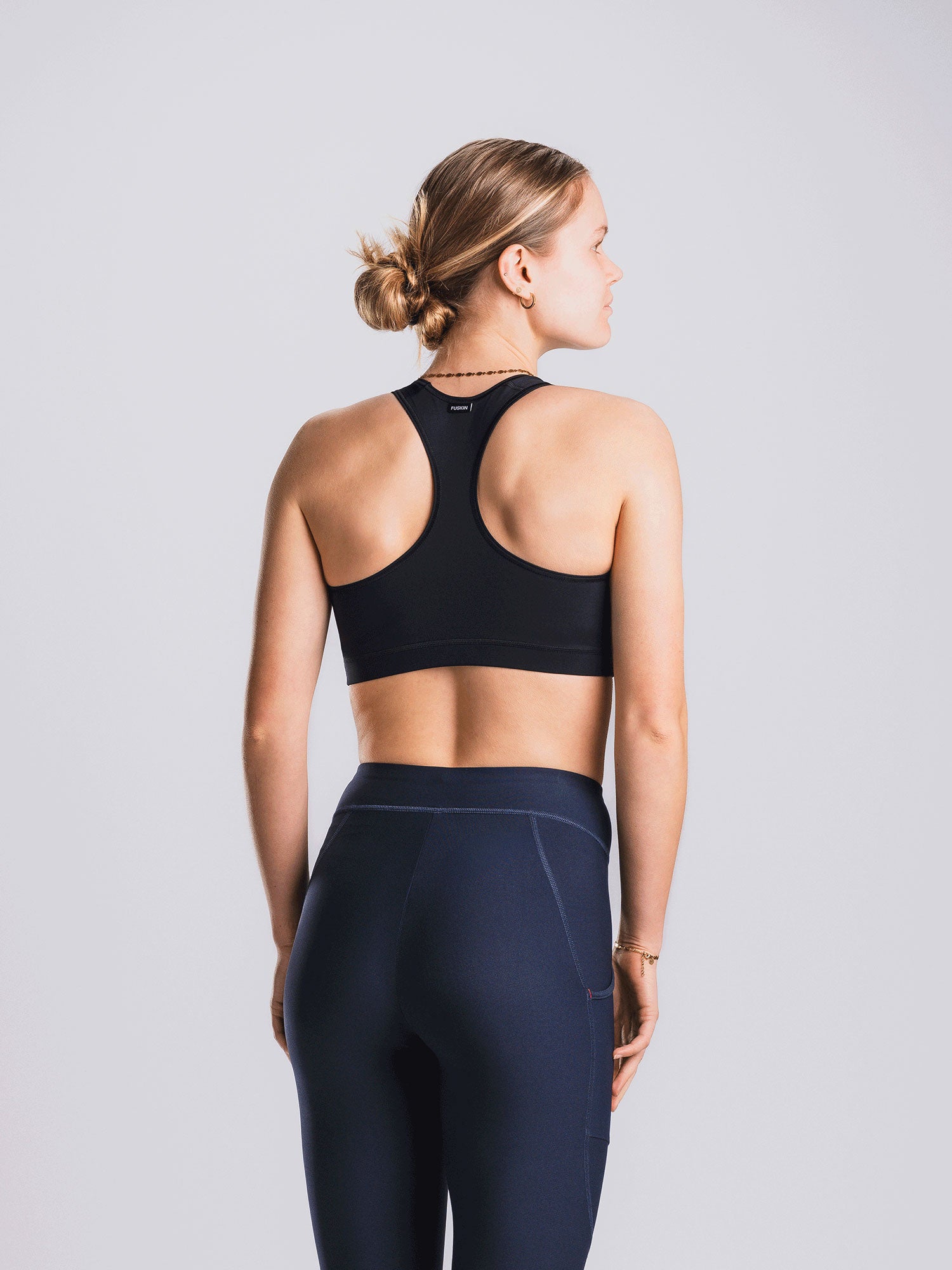
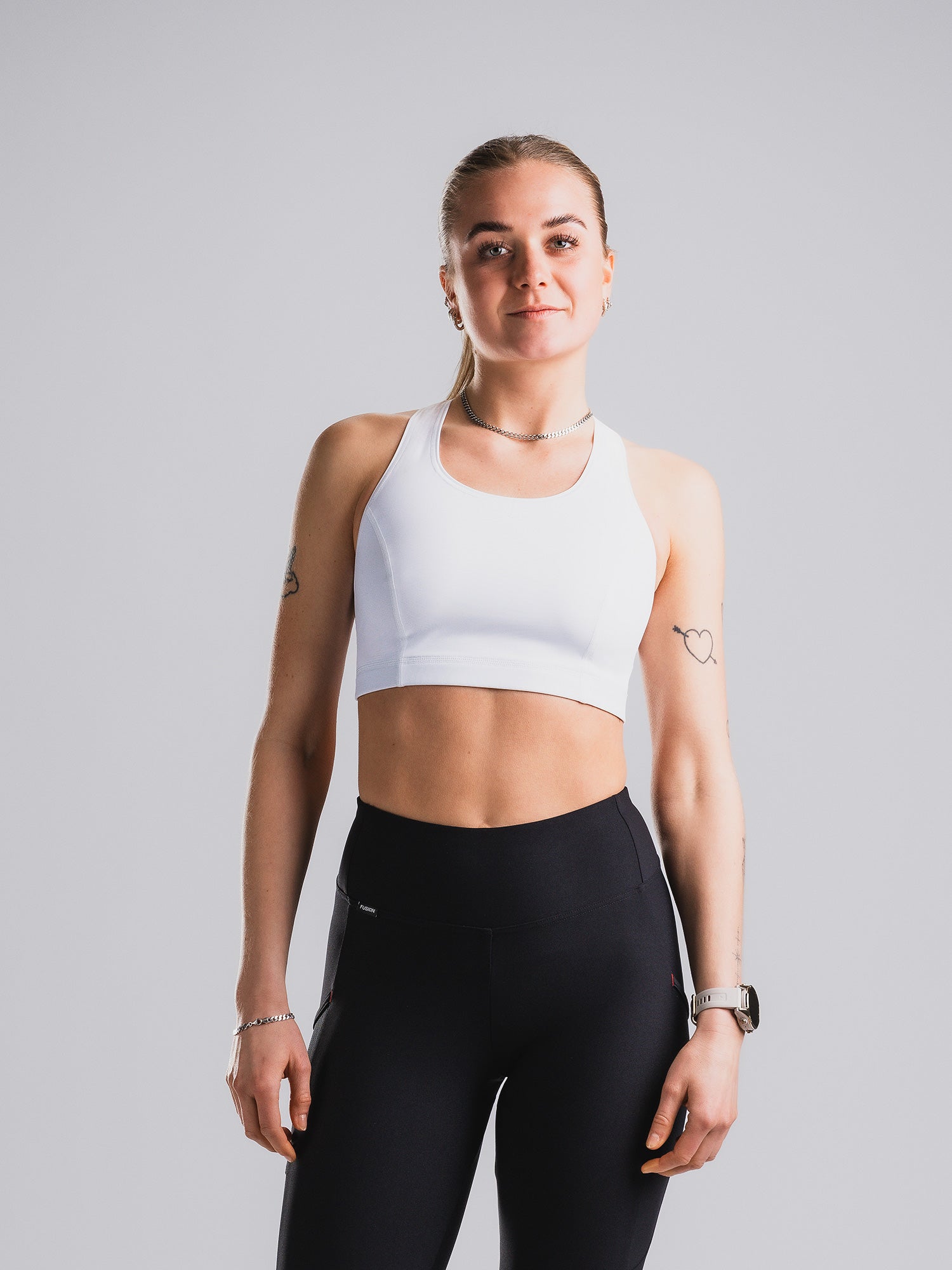
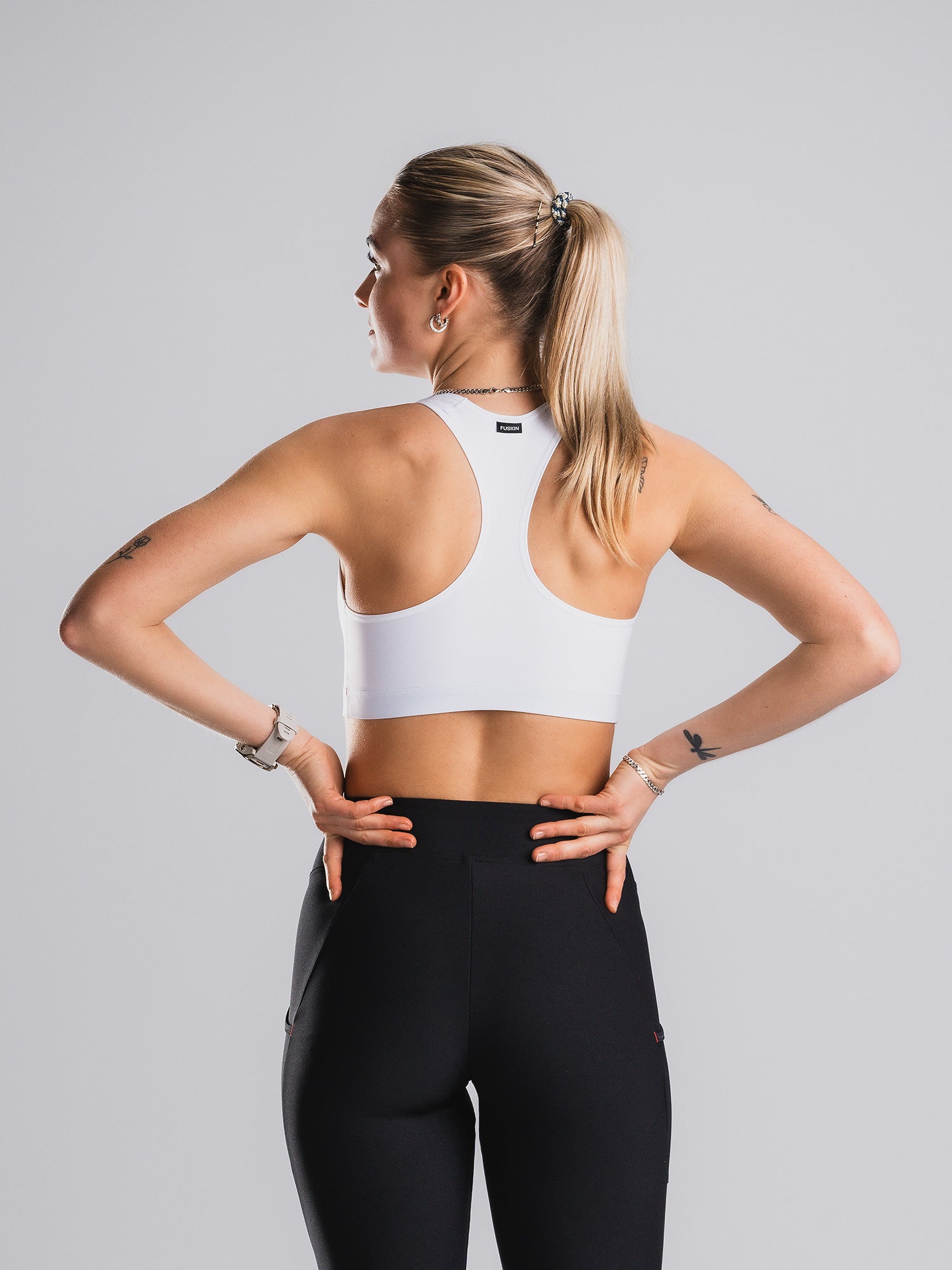
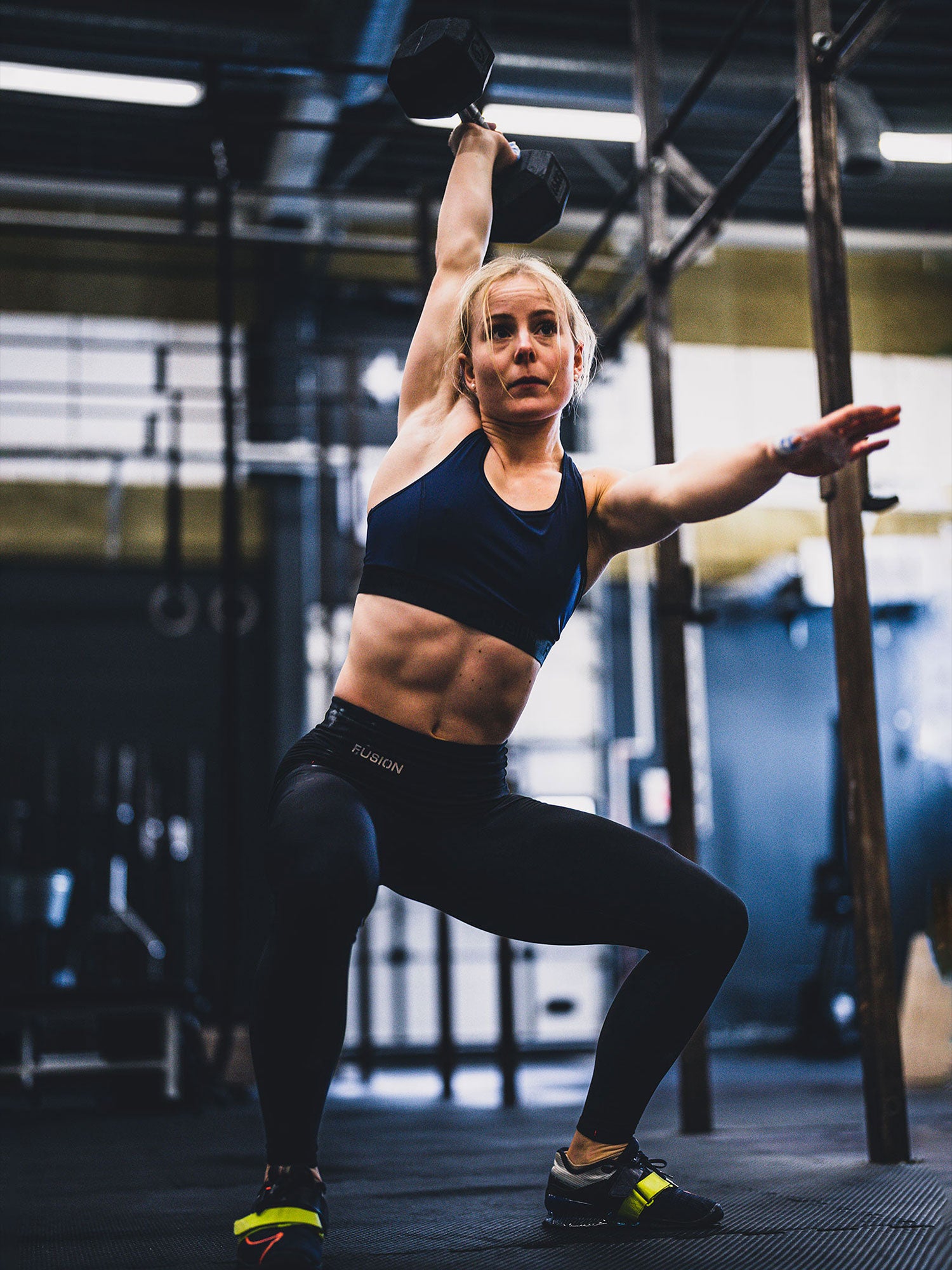
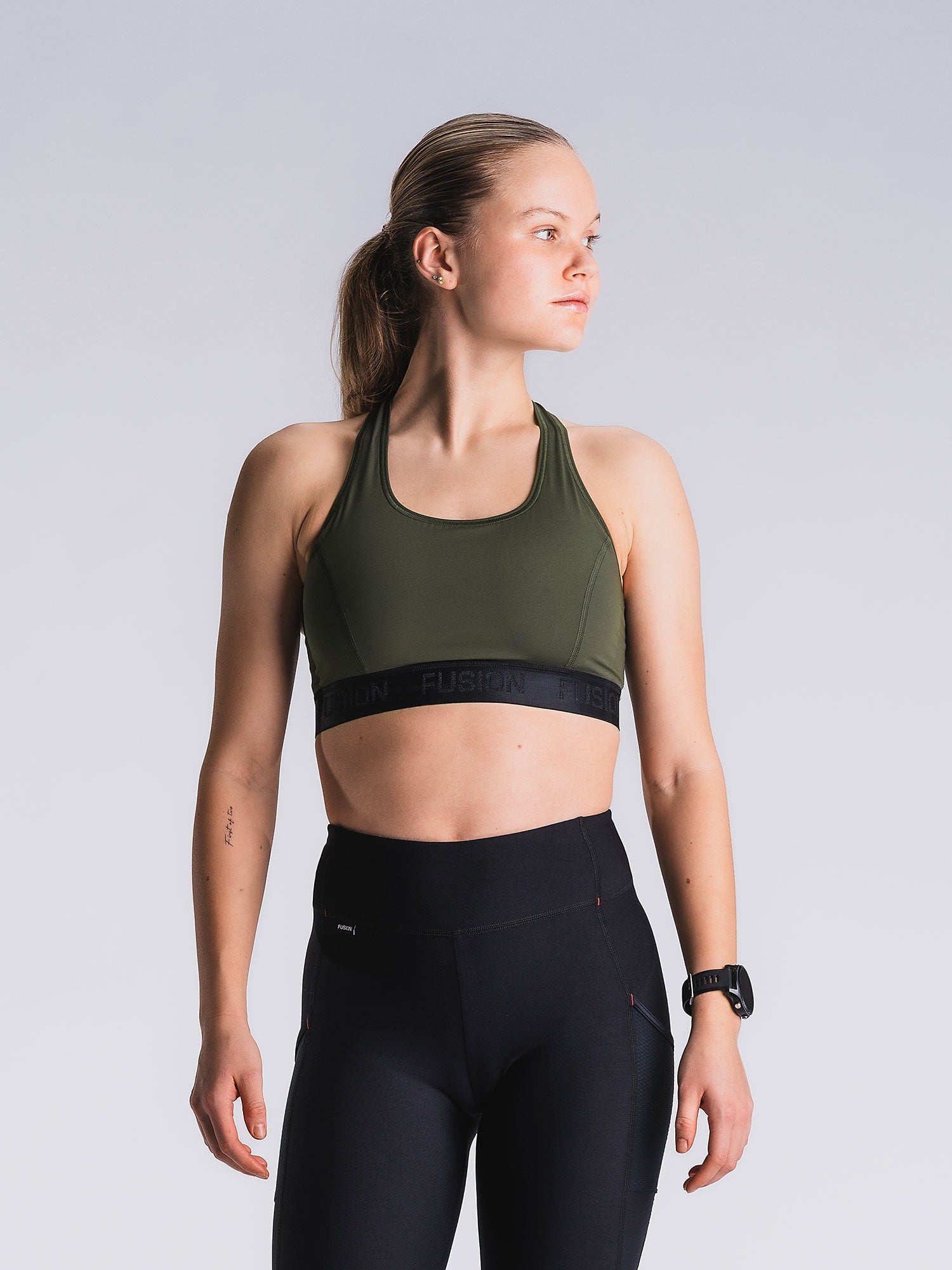
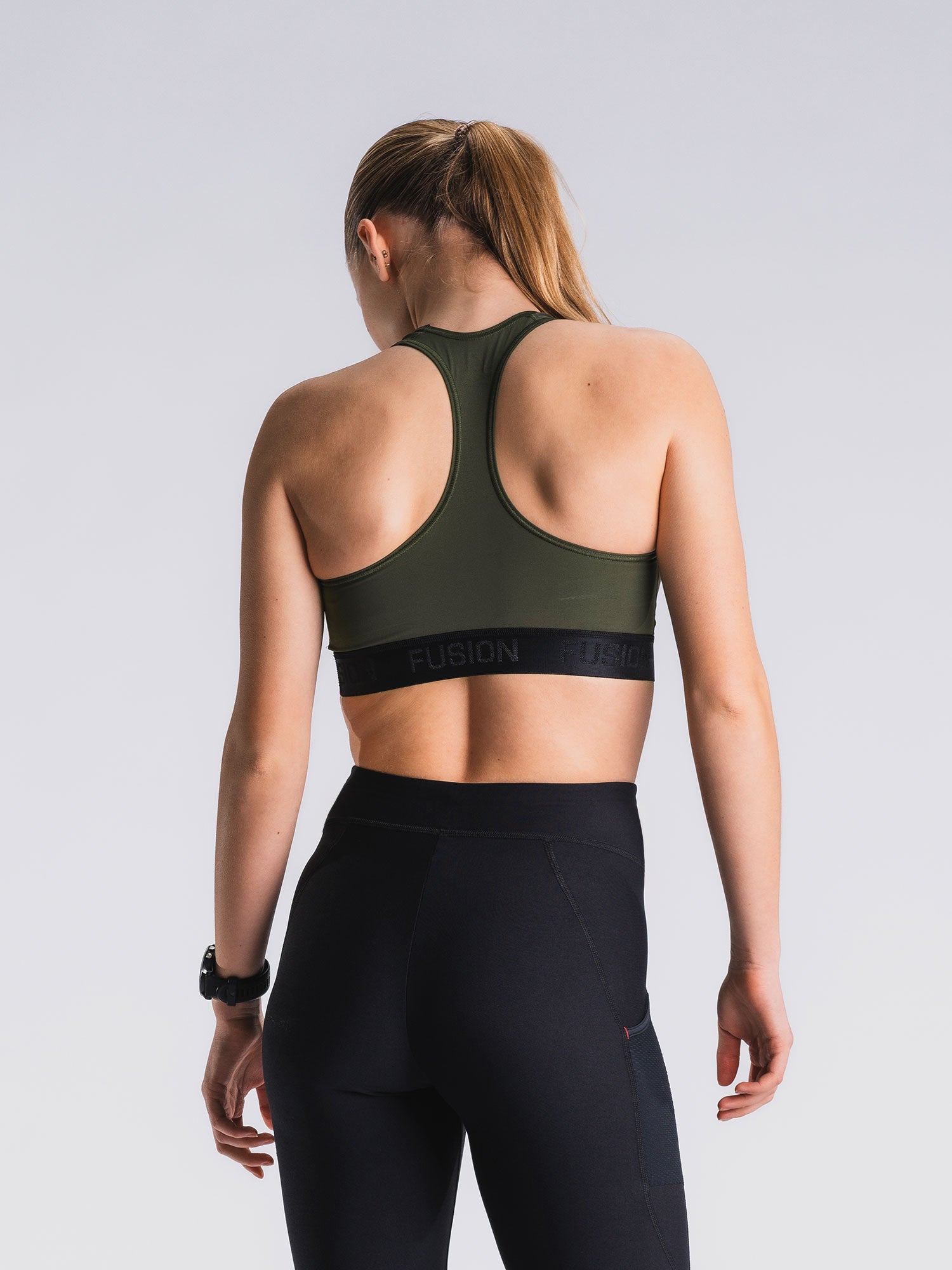
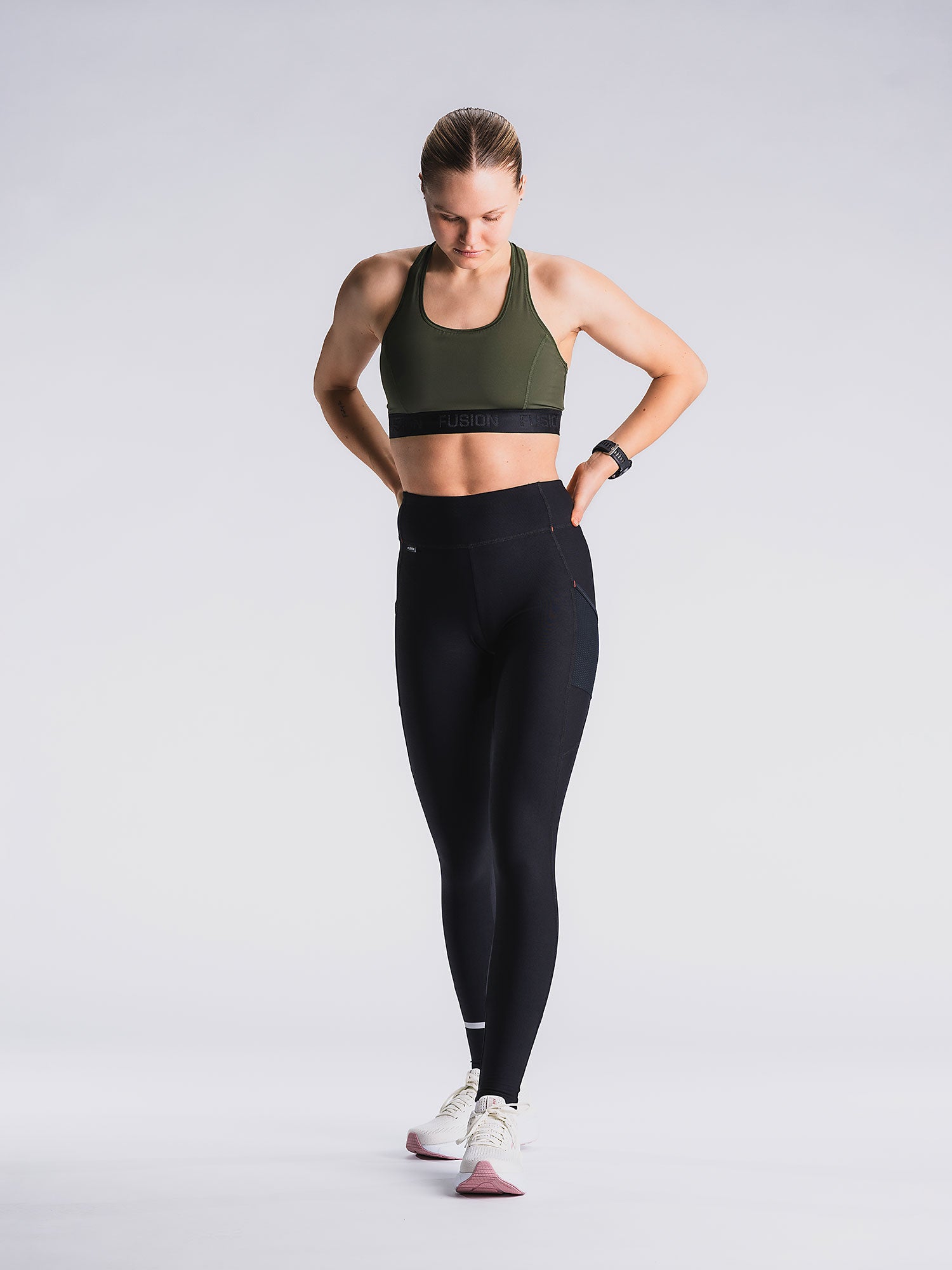
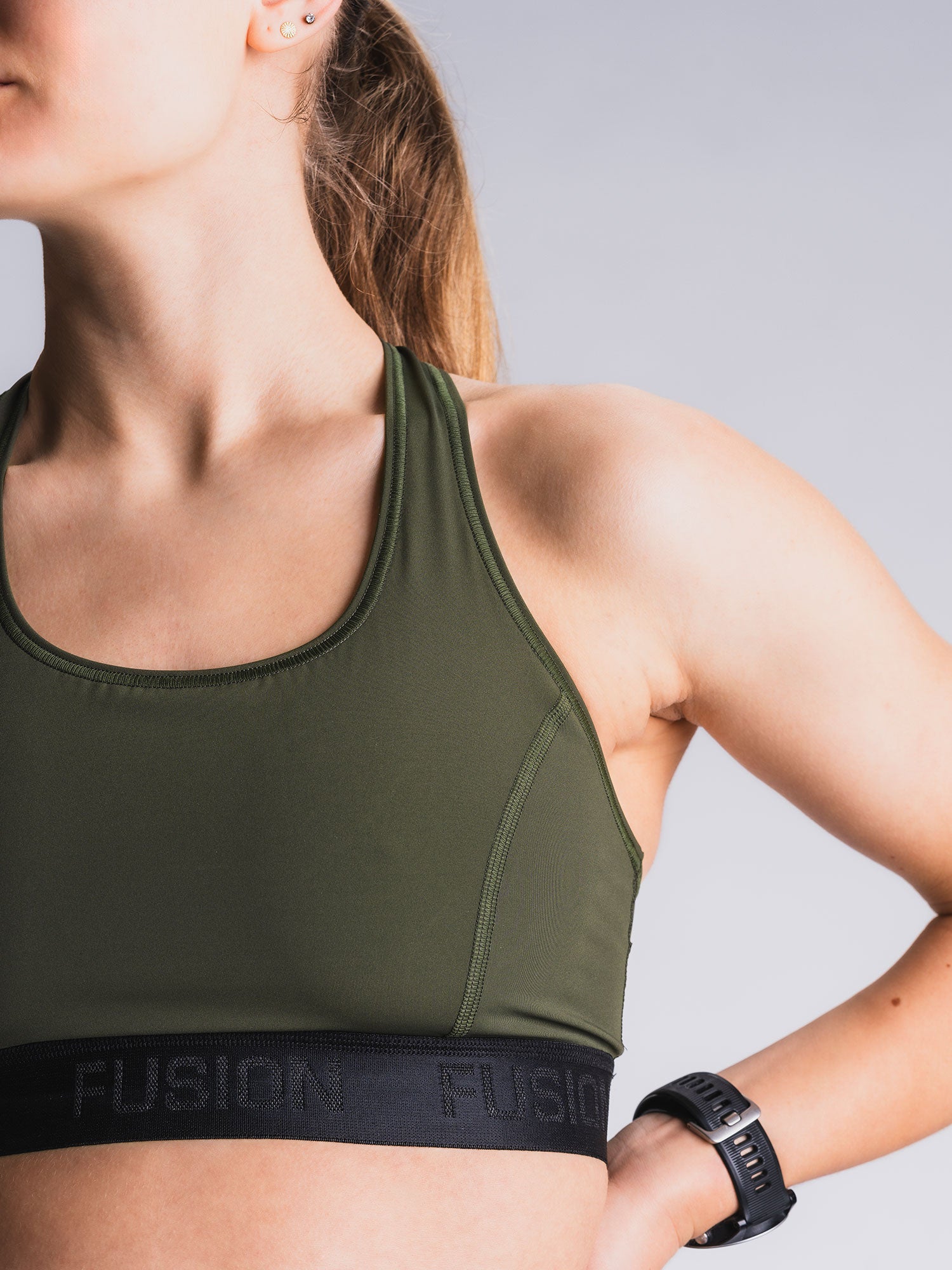
Optimize your marathon setup down to the smallest detail. Our sports bras eliminate chafing and provide gentle support (soft/medium), allowing you to breathe effortlessly over all 42 km. Complete your kit with lightweight Run Sleeves for flexible temperature regulation from the starting line and all the way to the finish.
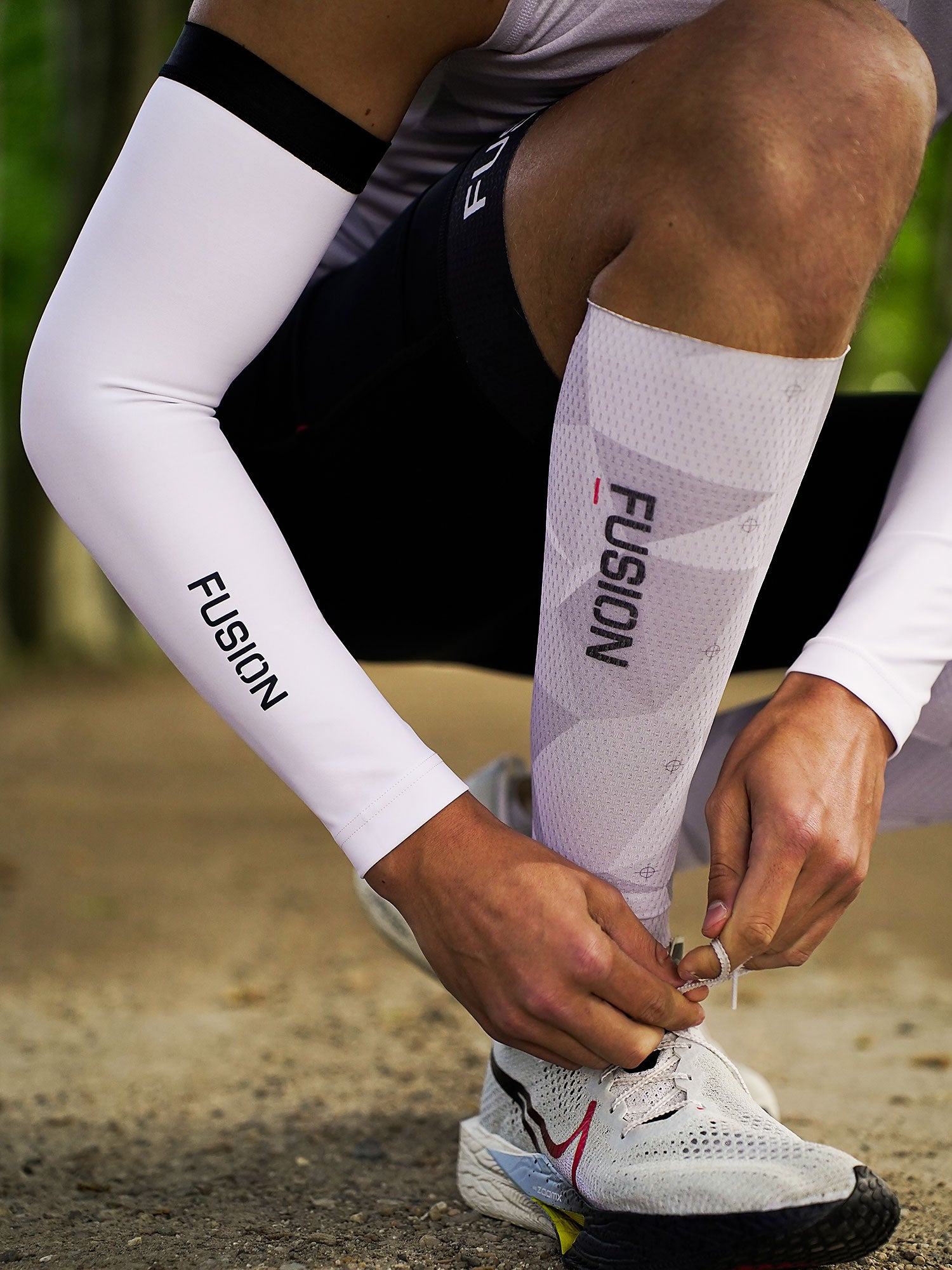

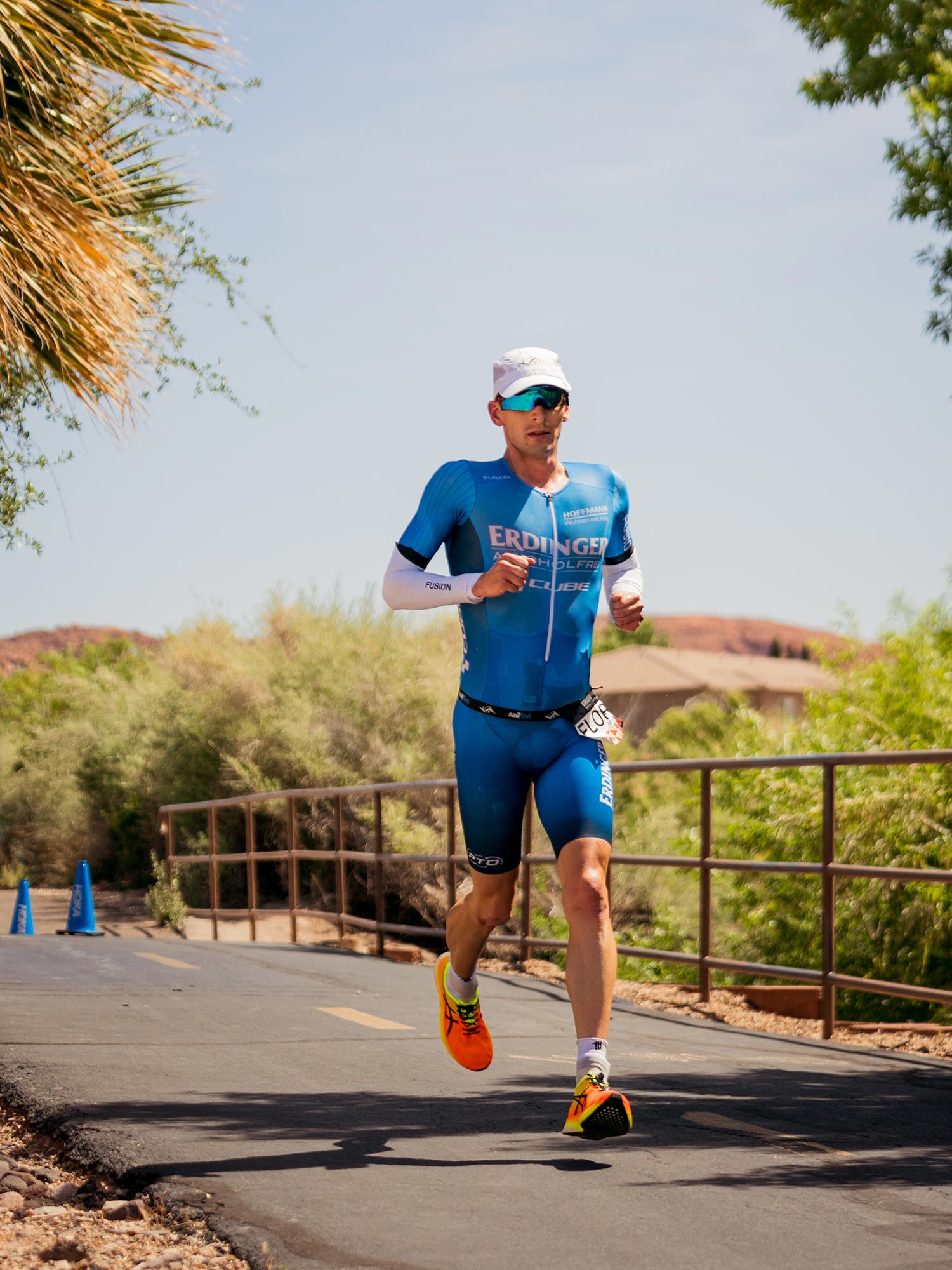




Marathon Clothing - Advice from someone who’s run the distance
When you’ve run enough marathons, you learn one unavoidable lesson: The distance reveals everything. Any small fold in a sock, a seam that sits poorly, or a pocket that bounces slightly becomes a huge problem somewhere between kilometer 30 and 40.
My name is Rune Bækgaard. I previously competed at an elite level with a personal record of 2:13:57, and today I spend my time at FUSION and with our retailers.
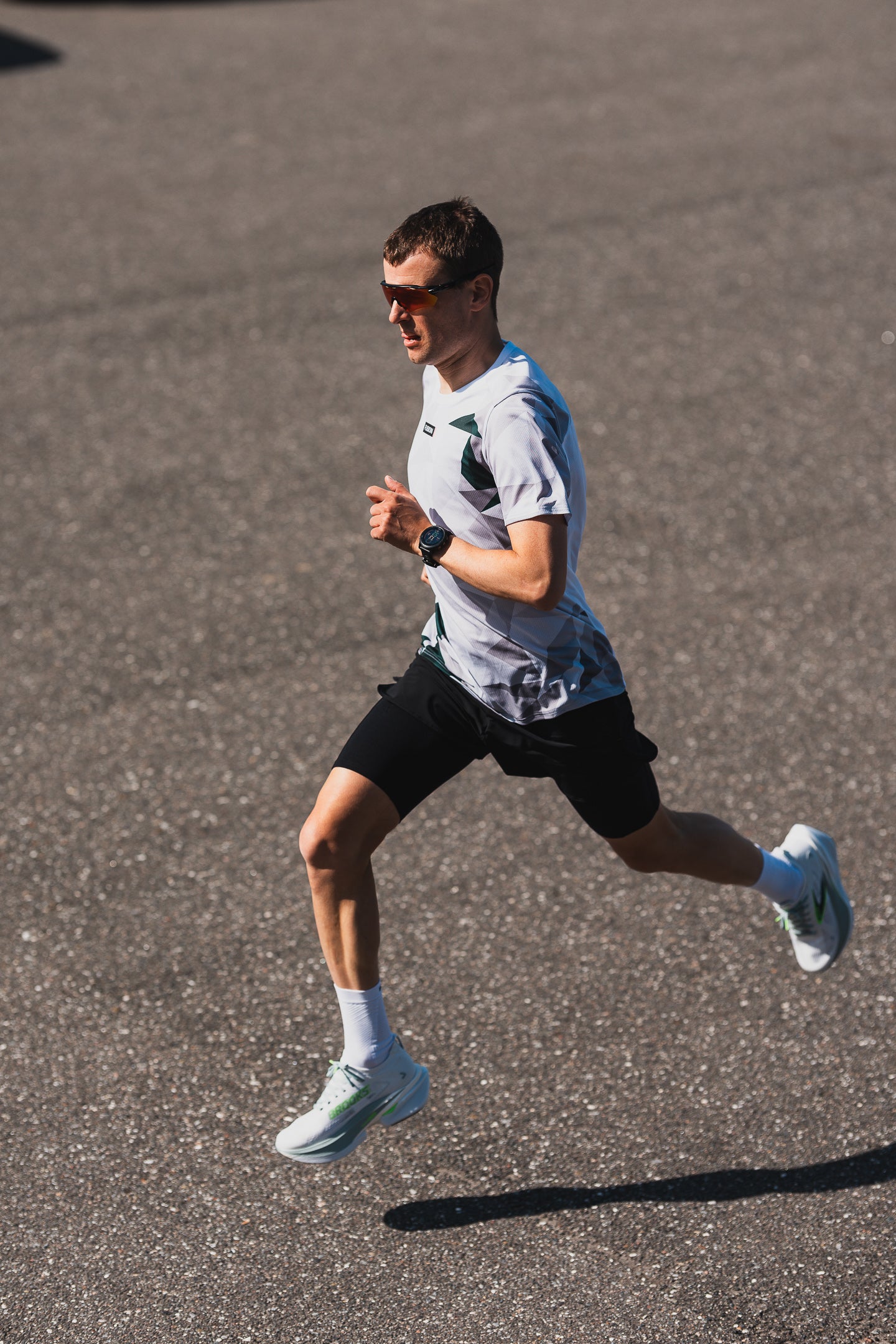

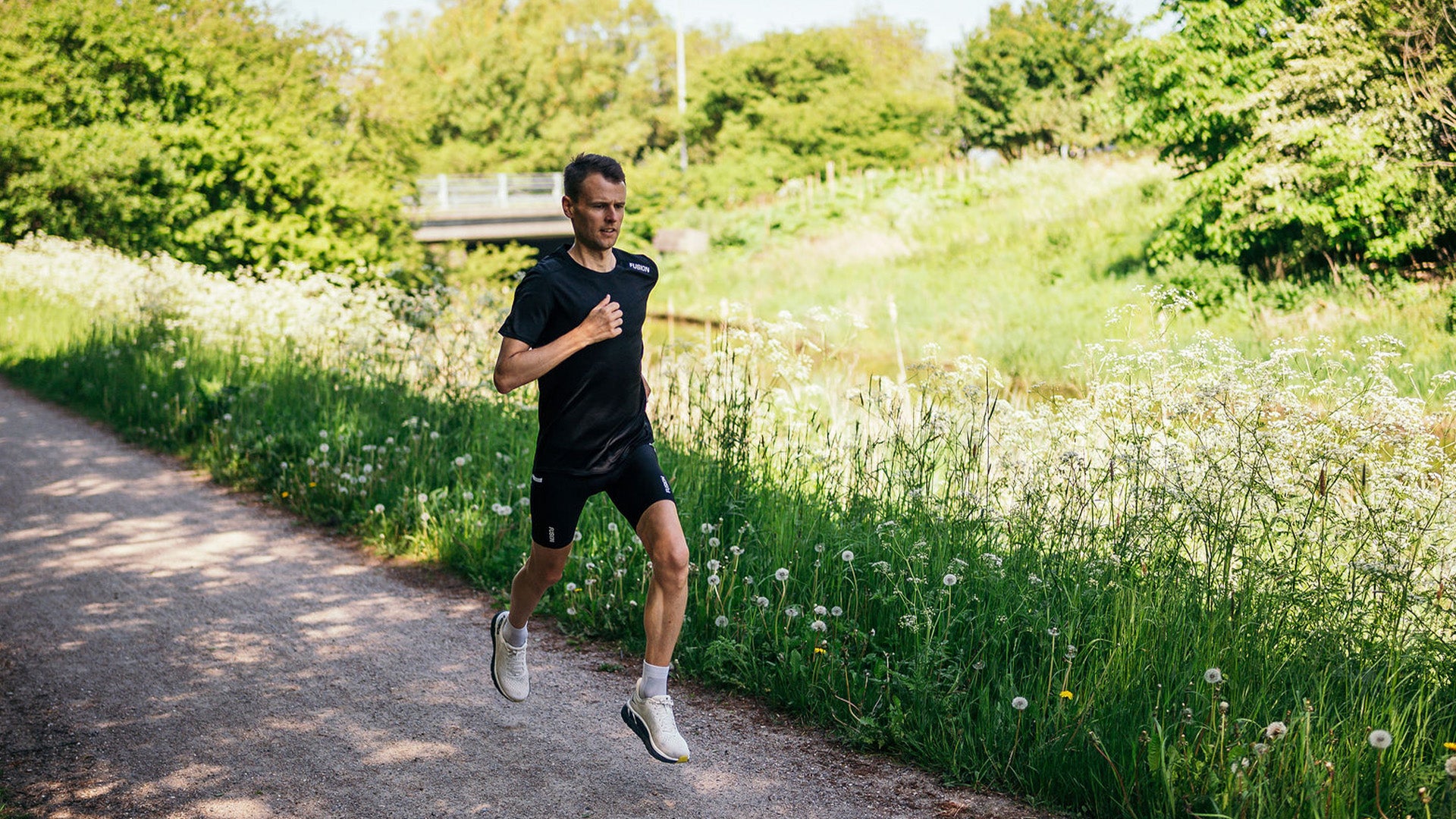
When you stand on the starting line, you ideally shouldn't be thinking about your clothes. They just need to work. A marathon is hard enough as it is. Especially when you hit the final 10 kilometers and fatigue really sets in, even small friction points can suddenly feel like major issues.
For me, marathon gear isn't about what looks fastest in the starting block when your legs are fresh. It’s about what actually helps you when you’re under the most pressure.
At FUSION, we build our designs on evidence and test data. Quite simply, this means we've tested the clothing in real-world conditions and fixed the flaws long before you put it on. We don't guess what works - we know.
Here are the things I personally think you should focus on when choosing your gear for the trip:
Avoid chafing and blisters
The most common problem on the marathon distance is friction - especially on the inner thighs.
Therefore, it’s a great idea to look at tight-fitting tights or our 2-in-1 shorts when running long distances. They stay close to the leg the whole way and ensure skin doesn't rub against skin. It sounds simple, but it makes a huge difference for your comfort over several hours.
Carry your energy; without the bounce
You won't get through a marathon without energy. But 5–8 gels can quickly become annoying to lug around if they’re bouncing up and down in a loose pocket.
We’ve spent a lot of time developing the side pockets on our bottoms. They are sewn to utilize the fabric's stretch to hold your gels - and your phone - tight against the thigh.
When things don't bounce, you subconsciously save energy and avoid disruptions to your running rhythm.

Choose a top you don't feel
Whether you prefer a light singlet or a T-shirt that covers the shoulders a bit more, go for something moisture-wicking. You are going to sweat, and if the material just absorbs the moisture like a sponge, it quickly becomes heavy and cold.
Our tops are designed to pull sweat away from the skin to the outer layer, so you maintain a more comfortable temperature throughout.
That said, here is a practical tip from the road: To make the tops as light and breathable as possible, technical materials are often microscopically perforated. This is great for weight, but the light structure of the fabric can irritate the nipples when it rubs against the skin tens of thousands of times. Do yourself a favor and prevent this with a bit of Vaseline or a small piece of tape before the race - it will save you a lot of unnecessary discomfort.
Choose gear based on your needs - not looks
It can be tempting to just point at the most expensive item or what we're wearing in the elite field. But at FUSION, we’ve intentionally divided our TEMPO! series into three levels: PRO, ONE, and TWO.
- PRO is our uncompromising race gear. It’s extremely light and created to shave off those final seconds. But honestly, ONE or TWO is often a better choice for most marathon runners.
- ONE gives you almost the same technology but in a slightly more versatile package.
- TWO is built to combine high performance with maximum durability, so it can withstand countless hours on the road.
My advice is to be honest with yourself and choose based on what makes the most sense for your overall experience and training.
Test your outfit before Race Day
My absolute most important advice is this: Never start a race in something you haven't tested thoroughly beforehand.
Use your long training runs leading up to the race to get to know your clothes. Try running with gels in your pockets, feel how the socks sit in your shoes, and find out whether you feel better in a T-shirt or a singlet. When you know exactly how your setup works, you can relax your mind and just focus on enjoying the race and reaching your goal.
Good luck out there!