- Cycling
- Heat Performance
- Q&A
Q/A with Olav Bu: Performance in the heat

Frederik Muff
Wind Tunnel Operator
21. July 2026
The FUSION Magazine
5 min read
Frederik Muff
Wind Tunnel Operator
Thanks for signing up to our newsletter!
Related articles
FUSION and Uno-X Mobility Cycling look back on two great years
Read article
Why we created MAS Tech
Read article
Five years in a row: Behind the fastest bike split at the IRONMAN World Championships
Read article
Preview: Ironman Hawaii 2026
Read article
The world champion in the wind tunnel: 2006 vs 2026
Read article
We love development
Read article
Photos: Getty Images
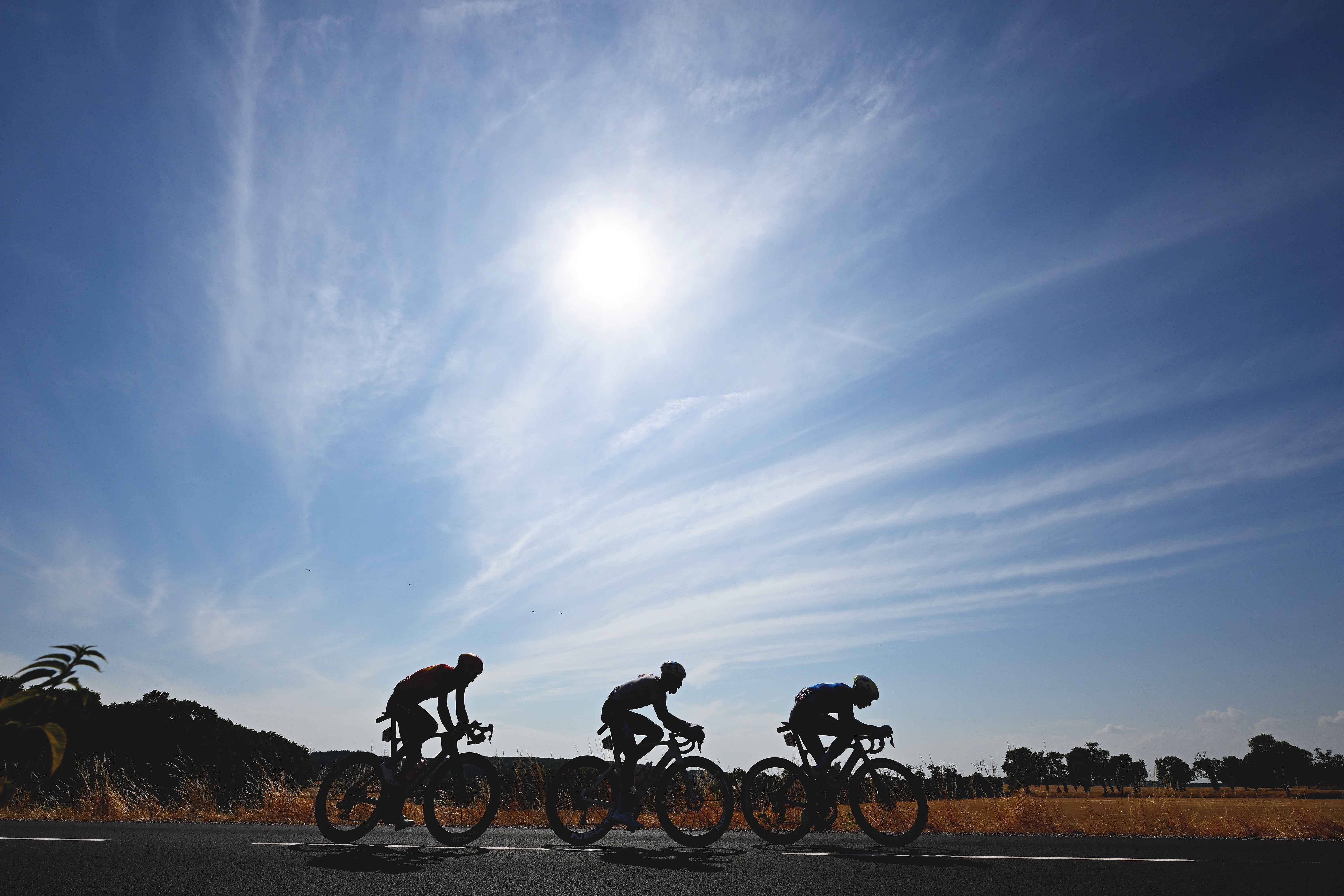
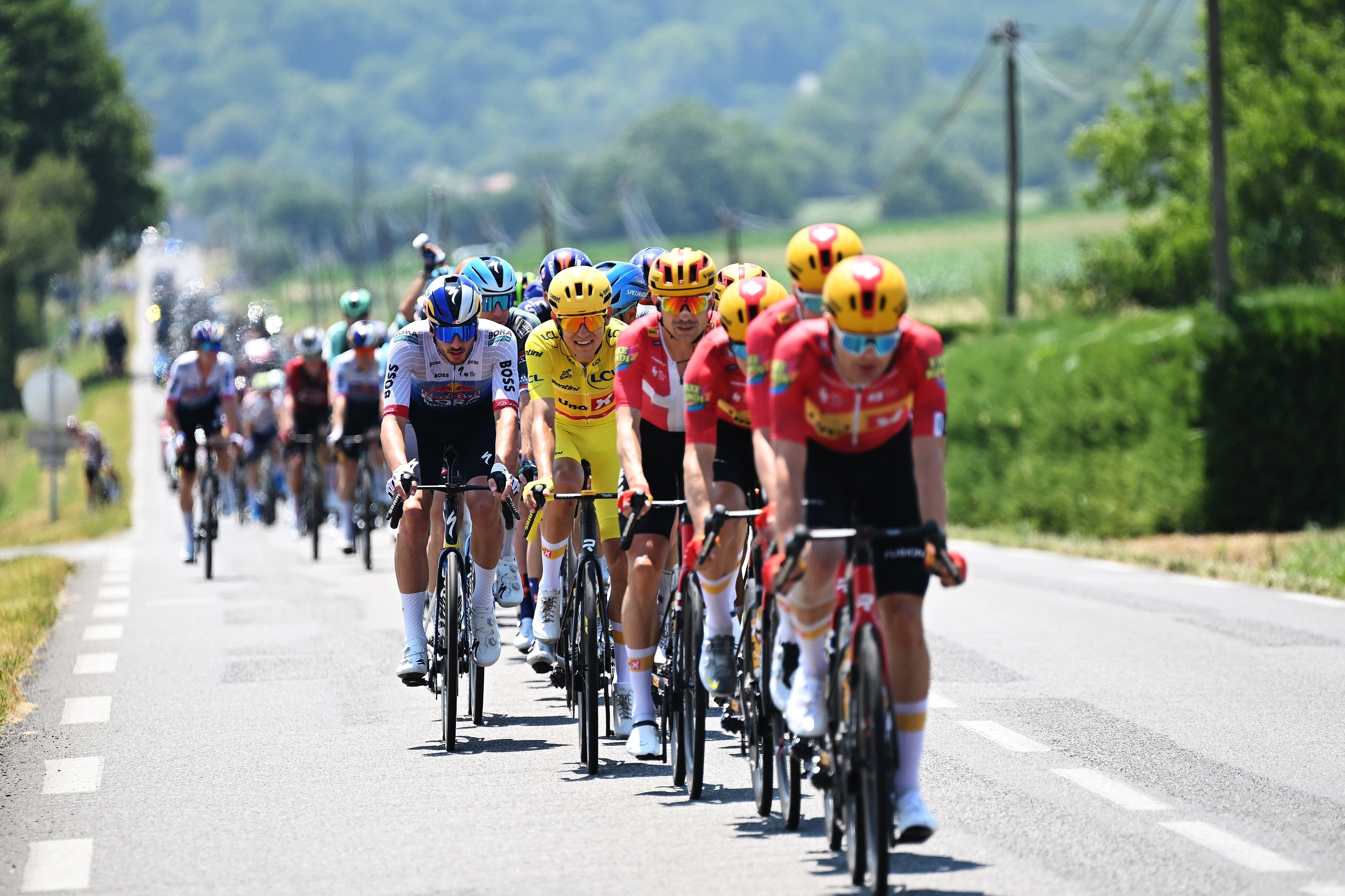
This year’s Tour de France got off to an extremely hot start. Temperatures have repeatedly climbed above 40°C, and the riders have been in constant need of cooling. Even so, the UNO-X Mobility riders have delivered top results, including several days in the yellow jersey and a stage victory for Søren Wærenskjold.
We therefore spoke with Olav Alexander Bu, the team’s head of performance & head coach, about the relationship between performance and high temperatures.
Q: Everybody talks about aerodynamics, but do we underestimate the need for cooling in the heat?
A: Yes, this can be underestimated. Power and CdA provide rapid and clear feedback, whereas thermal strain develops more slowly and is influenced by mechanical power, solar radiation, air temperature, humidity, speed and airflow, clothing, sweating and evaporation. During a six-hour stage, even a small imbalance between heat production and heat loss can gradually become performance-limiting.
Q: Can the heat become such a major opponent that it has a greater impact on performance than the legs themselves?
A: Yes. Heat is not really a separate opponent from the legs; it determines how much of the capacity in the legs the rider can use. As thermal strain increases, more blood flow is directed towards the skin, sweating increases and cardiovascular strain rises. Consequently, sustainable mechanical power falls, often before the rider reaches one specific “critical” core temperature.
In our most severely affected, non-heat-acclimatised cases, we have observed acute reductions in mechanical power of 30–40%. This represents a worst-case scenario, not an expected average. Heat acclimatisation can substantially reduce this loss and, under some conditions, almost entirely eliminate the measurable difference. However, it does not eliminate the importance of appropriate clothing and effective thermoregulation.
Approximately 20% of metabolic energy is converted into net mechanical power. A smaller proportion supports internal work, including cardiovascular and respiratory work, neural and cognitive processes, and other metabolic functions. The remaining ~70% - the largest share - is released as heat. This is why thermo regulation can be more consequential than marginal improvements in rolling resistance or aerodynamics.

Q: How much difference can the right suit or jersey actually make when the peloton spends six hours riding under a blazing sun?
A: In our own applied research, under otherwise identical conditions, we have measured that the best garments could transport two to two-and-a-half times as much heat away from the body as more conventional racing garments. This corresponds to 100–150% greater heat flux, but it obviously does not mean a 100–150% improvement in performance.
There is no universal number of watts that applies across all conditions. Over six hours, however, even much smaller differences in the body’s ability to thermoregulate can affect how quickly a rider accumulates heat and when mechanical power must be reduced.
The best suit is therefore not necessarily the one with the lowest CdA alone. It must balance aerodynamics with low evaporative resistance, effective ventilation and moisture transport, and protection against UV radiation and solar heat. When air temperature exceeds skin temperature, convection can actually transfer heat into the body, making evaporation even more important.
Q: The riders pour water over themselves, fill their suits with ice and adjust their strategy from stage to stage. What works best?
A: The most effective approach is not one individual method, but a combination adapted to the temperature, humidity, speed, solar radiation and stage profile. Heat acclimatisation and appropriate clothing provide the foundation. During the stage, repeated application of water and the use of ice can both be highly effective.
Water applied to the skin and clothing can increase heat loss rapidly when airflow allows it to evaporate. The benefit is reduced if the water simply runs off, the clothing is already saturated or humidity is very high.
Ice has a thermal effect as it melts and warms, while also acting as a reservoir that supplies cold water over a longer period. Complete evaporation of water can remove approximately five times more heat per kilogram than melting and warming ice to skin temperature. This does not make the direct contribution from ice insignificant.
Strong local cooling can reduce local sweat production and skin blood flow, but the overall effect can still support thermal regulation. In practice, repeatedly applying smaller quantities of water, is often the best solution.

Q: If a rider struggles badly with the heat on one day, can it affect their performance several days later, or is the impact limited to the here and now?
A: Yes, it can affect the following days, but this does not happen automatically. It is not the heat itself that remains in the body; it is the consequences of the thermal strain that may carry over.
If core temperature and fluid and electrolyte balance are restored quickly, the thermal exposure itself does not necessarily cause an additional performance loss the following day. However, residual dehydration, heat exhaustion, gastrointestinal problems, disrupted sleep or actual heat injury can cause headaches, reduced concentration and impaired capacity the next day—and considerably longer in the case of heat injury.
Sunburn is a separate, multi-day problem. Controlled research has shown approximately 30–40% lower local sweat rates in sunburned skin after 24 hours, with the effect potentially persisting for up to one week. However, the same study found no measurable reduction in whole-body sweating or impaired regulation of core temperature. The precise conclusion is therefore that sunburned skin sweats less locally, while the overall effect on the body depends on the severity and extent of the burn.

Next article
Performance in the Heat: Sun Protection Also Means Speed
09. July 2026
The FUSION Magazine
3 min read